Extra Challenge Matching Worksheets for Ages 3-7 - Page 2
28 filtered results
-
From - To
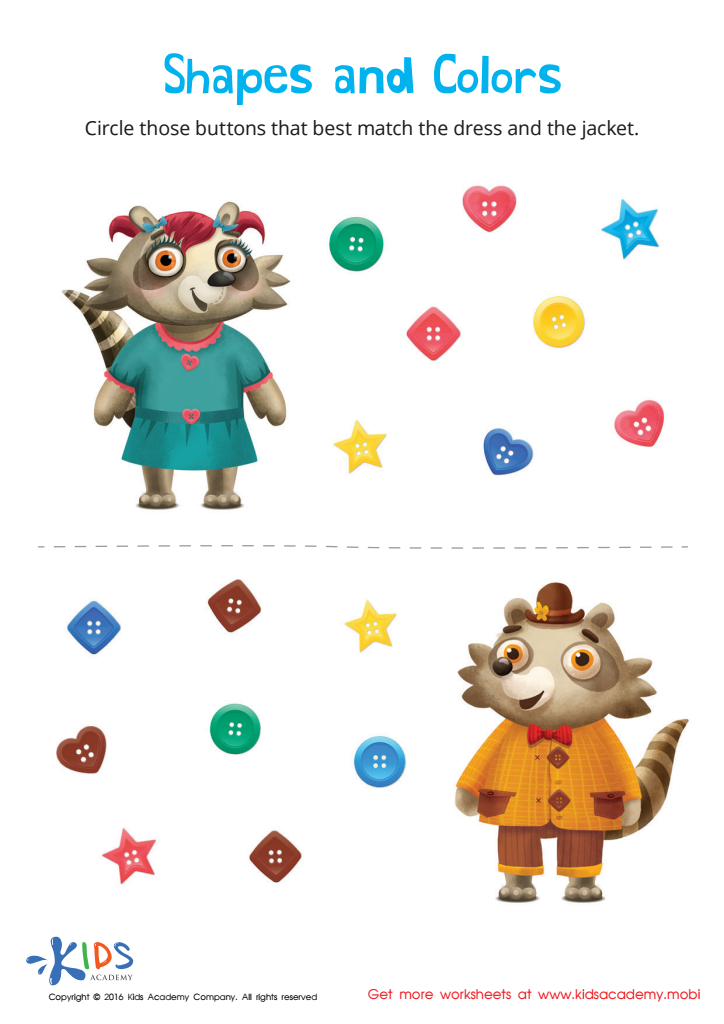
Matching: Shapes and Colors Worksheet
 Assign to My Students
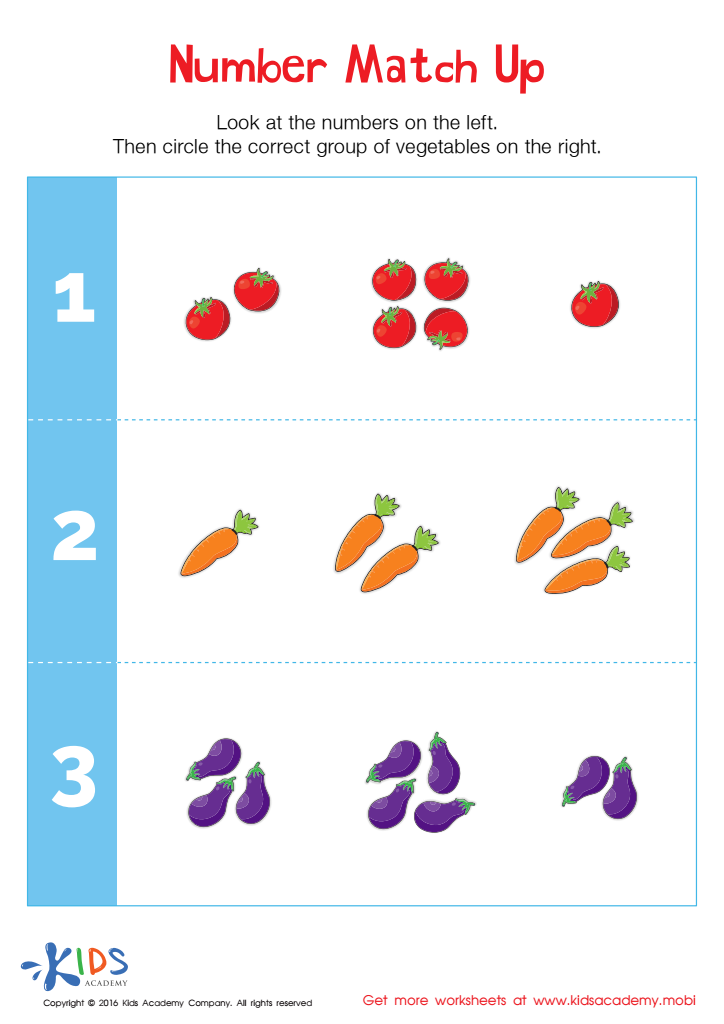
Number Match Up Worksheet
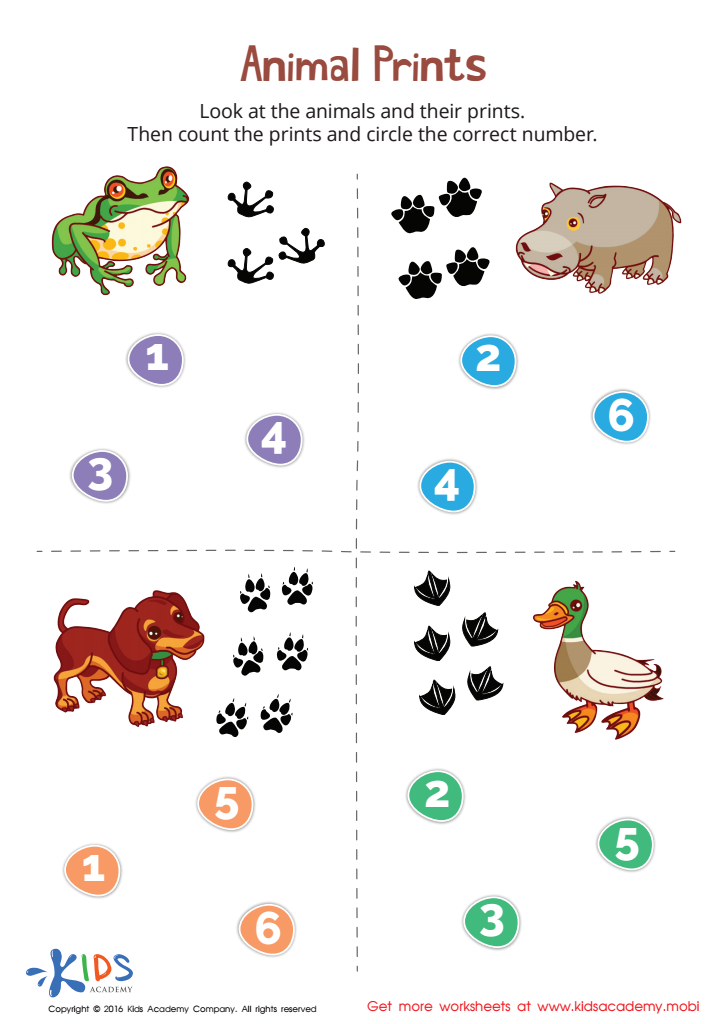
Animal Prints Match-Up Worksheet


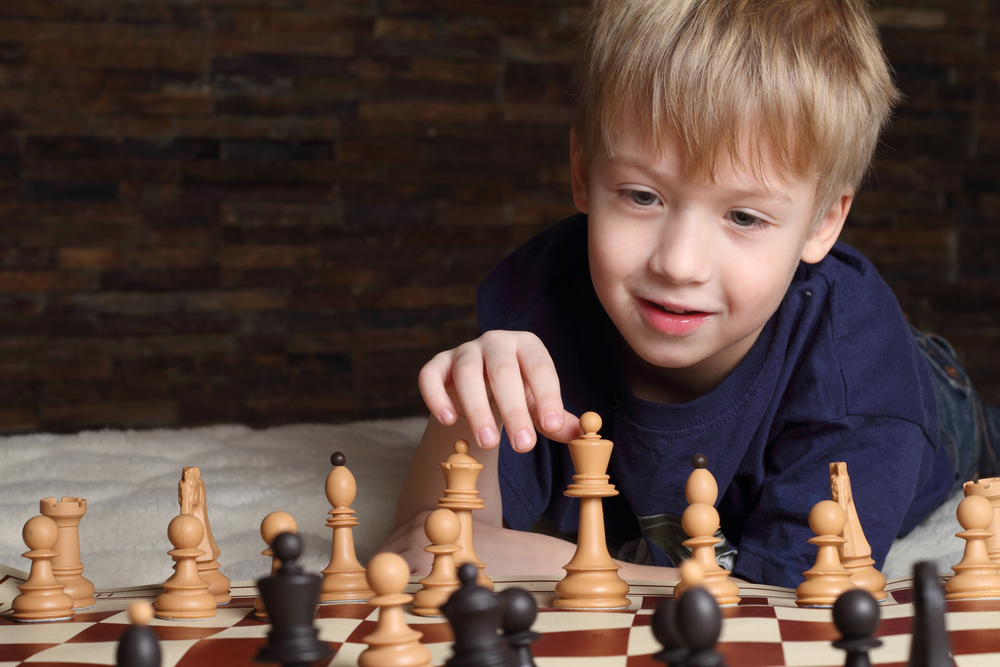
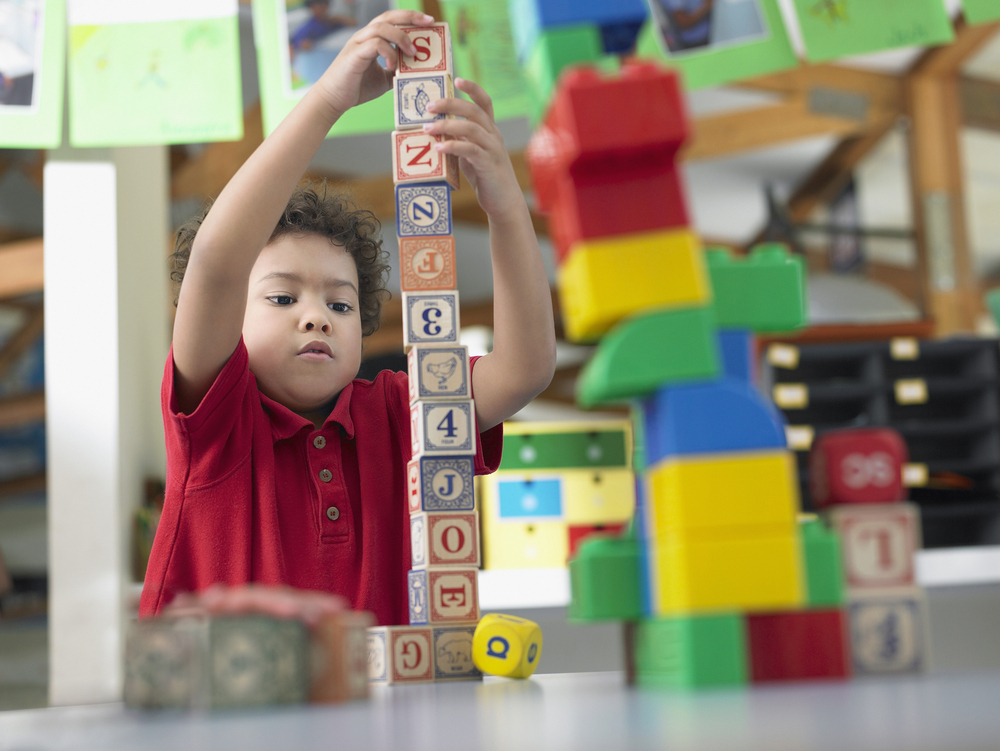




Parents and teachers should care about Extra Challenge Matching activities for children ages 3-7 because these tasks significantly contribute to a child's cognitive and developmental growth. At this formative age, children’s brains are highly receptive to learning, and matching games can enhance their memory, attention to detail, and problem-solving skills. These activities require children to identify similarities and differences, which in turn refines their observational skills and visual discrimination.
Moreover, matching exercises can foster foundational math and reading skills by helping children recognize patterns, categorize objects, and develop one-to-one correspondence. This is crucial for learning numbers and letters as well as understanding basic mathematical concepts. Extra Challenge Matching exercises also encourage perseverance and concentration, as children find enjoyment in progressively more challenging tasks.
Socially, these activities can serve as an engaging and cooperative learning experience when done in pairs or groups, promoting teamwork, communication, and sharing. Additionally, the enjoyment and sense of achievement from successfully completing matching games help boost children's self-esteem and motivation to learn. Thus, Extra Challenge Matching offers a playful yet powerful opportunity for early learners to holistically develop essential cognitive, academic, and social skills, making it a worthwhile focus for parents and teachers alike.