Extra Challenge Matching Worksheets for Ages 3-8 - Page 2
28 filtered results
-
From - To
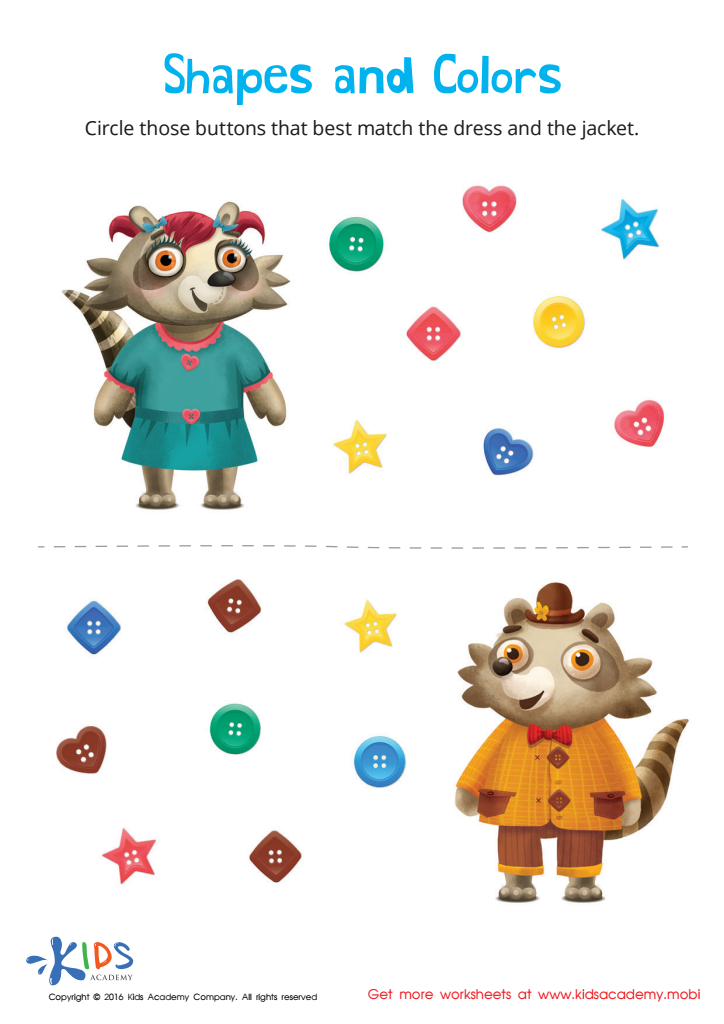
Matching: Shapes and Colors Worksheet
 Assign to My Students
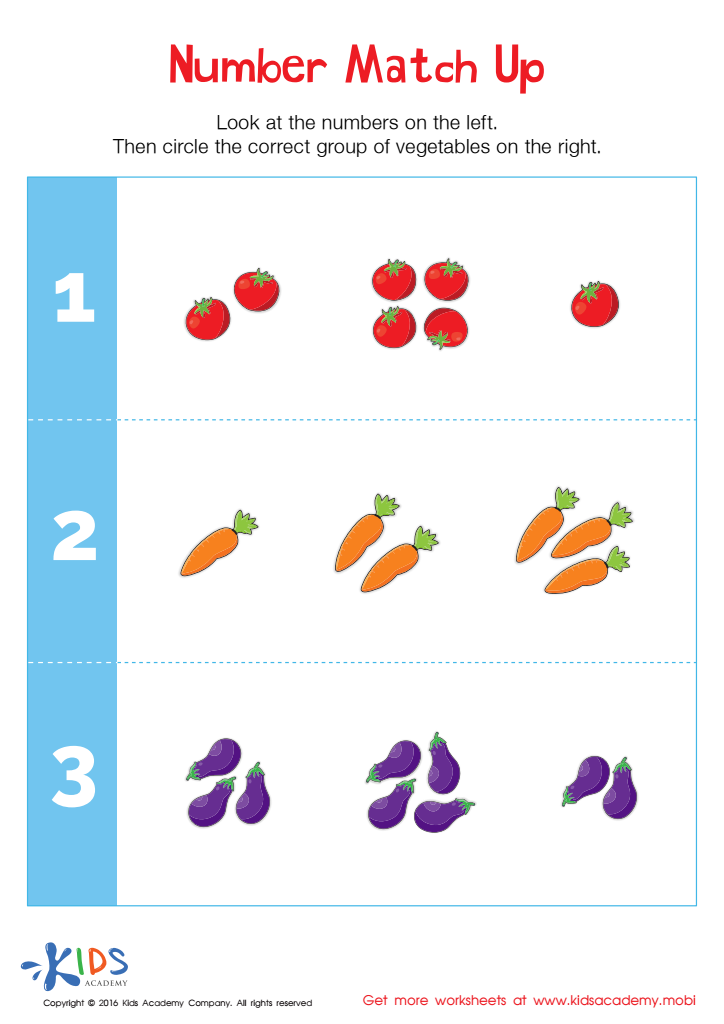
Number Match Up Worksheet
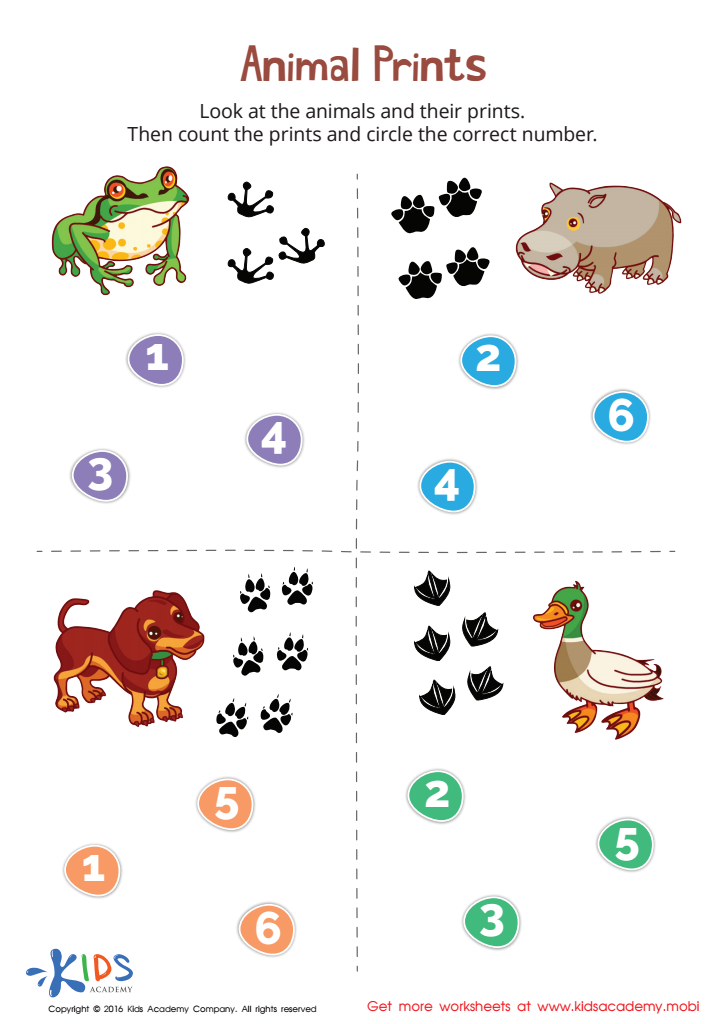
Animal Prints Match-Up Worksheet








Extra Challenge Matching is a crucial educational activity for young children aged 3-8, fostering important cognitive and social skills. Parents and teachers should care about this practical approach because it engages children at their level of comprehension while encouraging critical thinking and problem-solving. This age group is inherently curious, and providing them with extra challenge matching tasks helps to broaden their understanding of shapes, colors, numbers, and more, in a stimulating way that motivates exploration and discovery.
Moreover, Extra Challenge Matching promotes social interaction when done in group settings. It encourages collaboration among peers, helping children to develop communication skills and learn from each other. This not only aids in their academic growth but also lays the groundwork for emotional intelligence, as they learn to navigate group dynamics.
Furthermore, as children are exposed to more complex challenges during these activities, they build resilience and learn to appreciate the value of perseverance. Parents and teachers have the opportunity to nurture a growth mindset during these formative years. Ultimately, Extra Challenge Matching supports holistic development, equipping children with essential skills that will benefit them both academically and personally in the years to come.