Extra Challenge Short Vowels Worksheets for Ages 3-9
4 filtered results
-
From - To
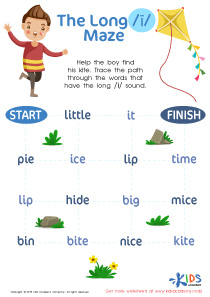
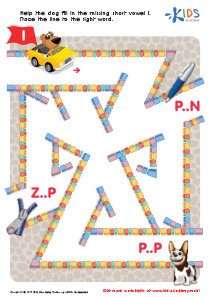
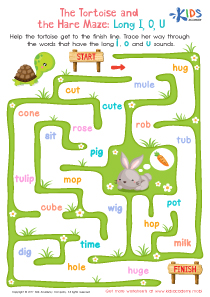
Discover our "Extra Challenge Short Vowels Worksheets" designed specifically for children ages 3-9. These engaging worksheets provide a fun and educational way for young learners to improve their understanding of short vowel sounds. Each worksheet features interactive activities that encourage phonics practice, helping children strengthen their reading and writing skills. From match-the-sound games to fill-in-the-blank exercises, our materials cater to different learning styles and keep kids motivated. Perfect for classroom use or at-home learning, these worksheets ensure kids gain confidence in their literacy journey. Enhance your child’s early education with our dynamic short vowel resources today!
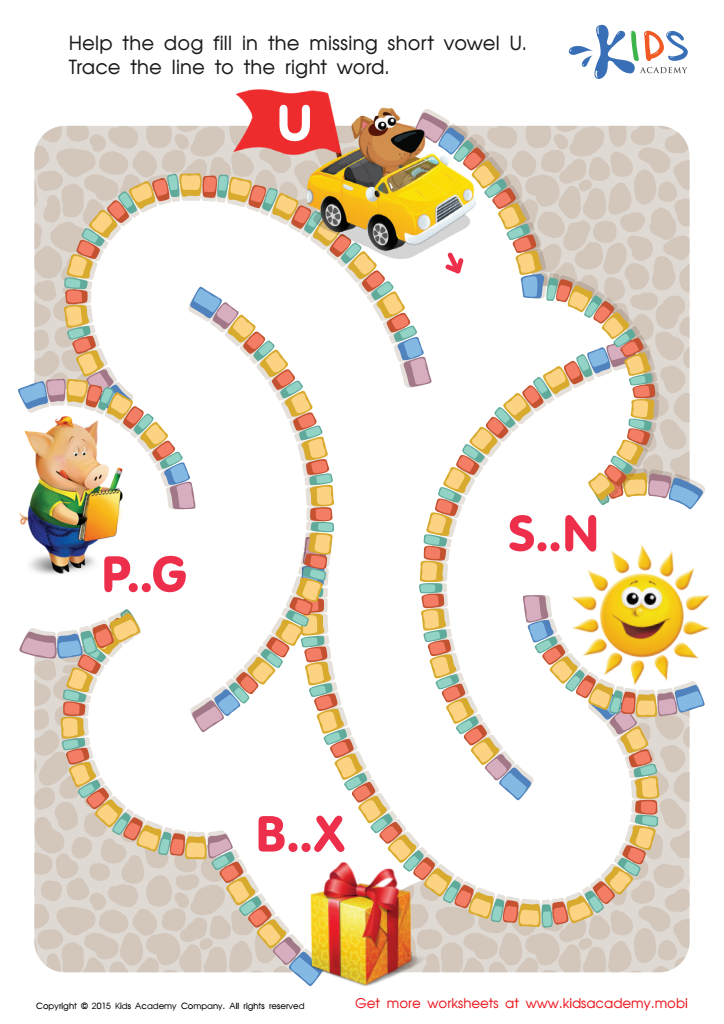
Short Vowel Sound U Worksheet
 Assign to My Students
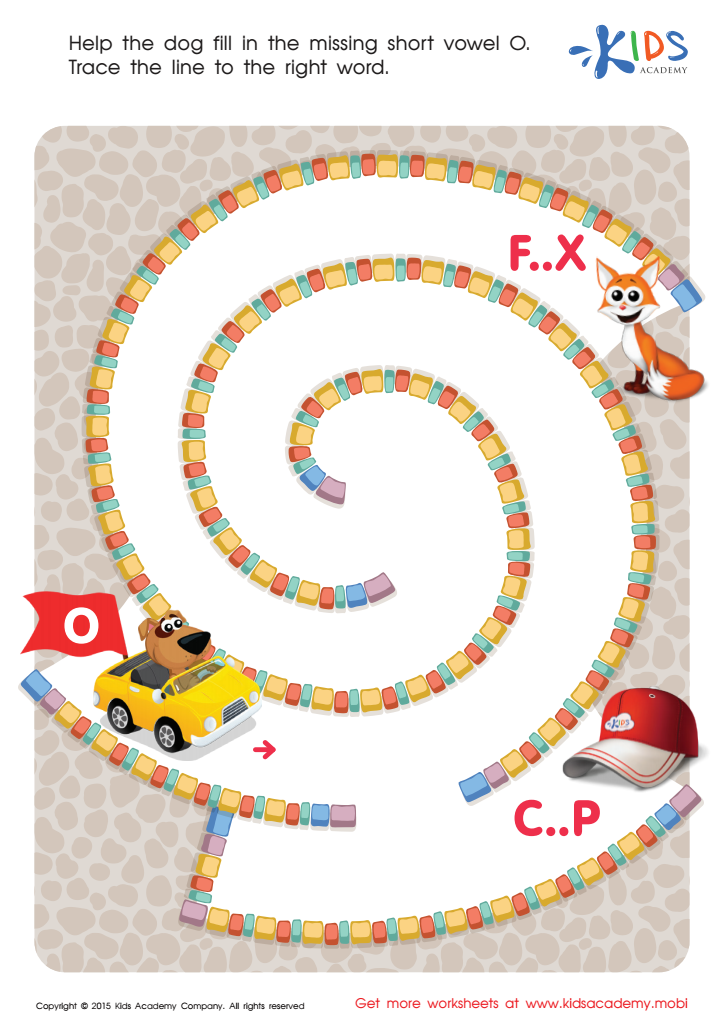
Short Vowel Sound O Worksheet
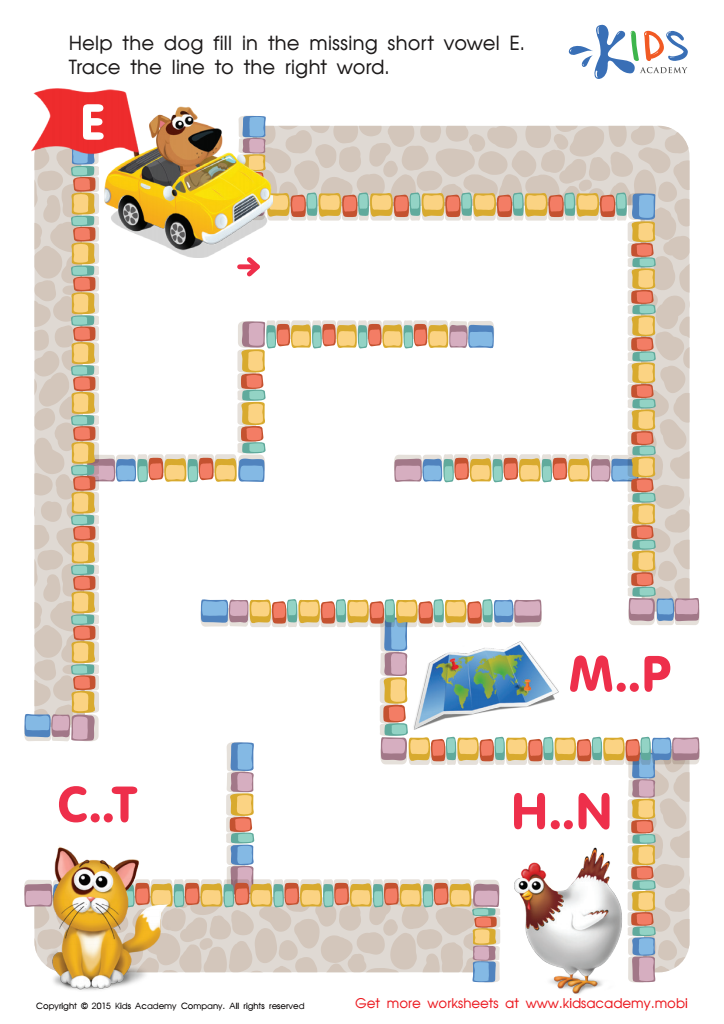
Short Vowel Sound E Worksheet
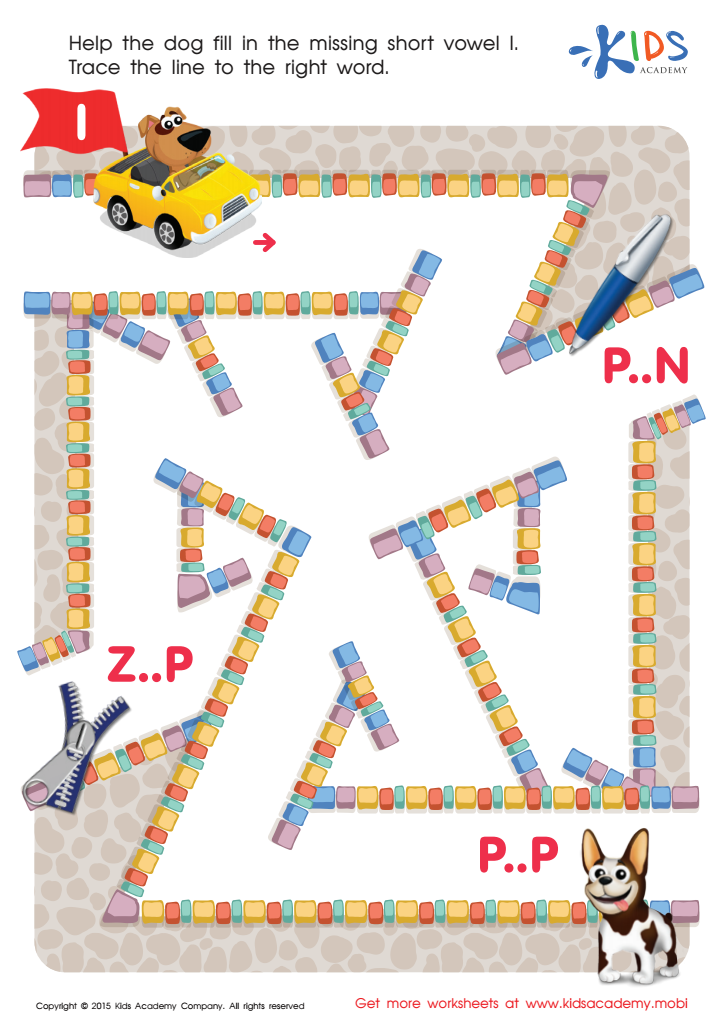
Short Vowel Sound I Worksheet



Extra Challenge Short Vowels for ages 3-9 is essential for both parents and teachers as it lays the foundation for early reading and literacy skills. Short vowels—sounds made by letters such as A, E, I, O, and U—are critical building blocks in the English language that influence word formation and pronunciation. Mastering these sounds enables young learners to decode words, an essential skill for reading comprehension and language development.
Engaging children in extra challenges focused on short vowels not only strengthens their phonemic awareness but also cultivates a love for learning. Activities that offer fun, interactive approaches to short vowels spur curiosity and maintain engagement. This period in a child’s development is vital for cognitive growth; thus, providing extended practice can enhance their confidence and success in reading.
Research shows that early literacy skills are strongly linked to future academic achievement. By prioritizing short vowel mastery, parents and teachers foster a child's ability to recognize patterns in language, making them more adept readers and communicators. Investing in this foundational aspect creates a positive cycle of learning, leading to improved academic outcomes and instilling a lifelong passion for reading. Ultimately, nurturing these skills supports children's overall growth, preparing them for future educational challenges.