Extra Challenge Letter Recognition Worksheets for Ages 4-5
13 filtered results
-
From - To
Introducing our Extra Challenge Letter Recognition worksheets, meticulously designed for inquisitive minds aged 4-5. These engaging worksheets offer a unique blend of fun and education, propelling young learners beyond the basics of letter recognition into a world of advanced understanding and skill development. With a variety of puzzles, games, and activities tailored for ages 4-5, these worksheets not only reinforce letter recognition but also enhance fine motor skills, boost confidence, and lay a solid foundation for early reading success. Perfect for both classroom and home settings, our Extra Challenge Letter Recognition worksheets are your child's stepping stone to mastering the alphabet in an enjoyable and challenging way.
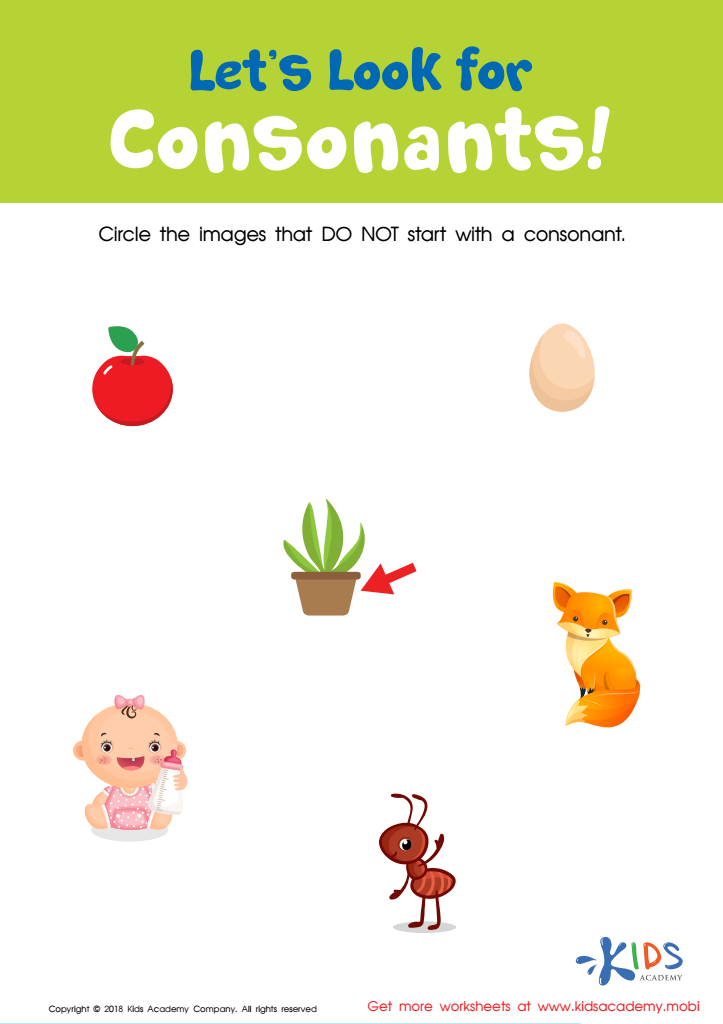
Let's Look for Consonants Worksheet
 Assign to My Students
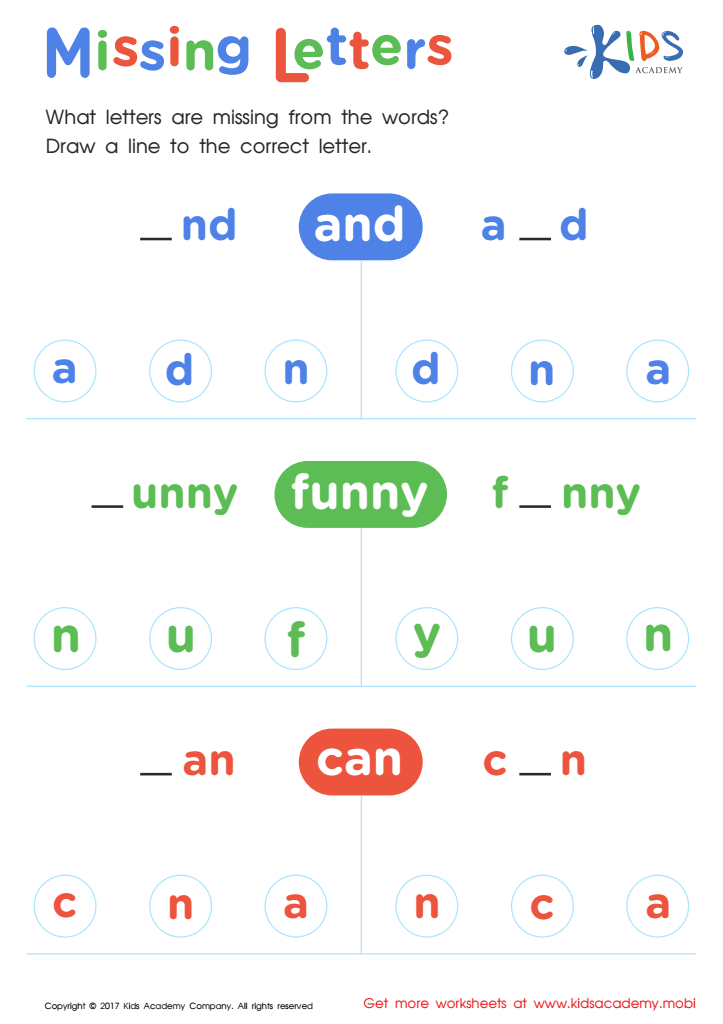
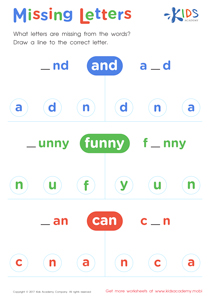
Missing Letters Worksheet
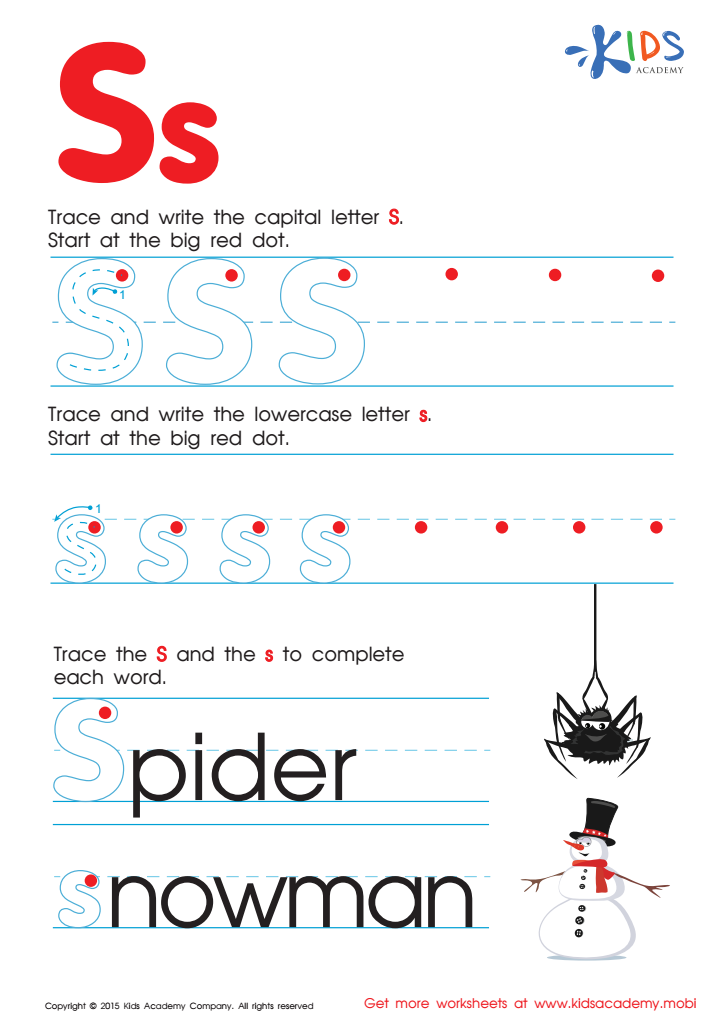
Letter S Tracing Page
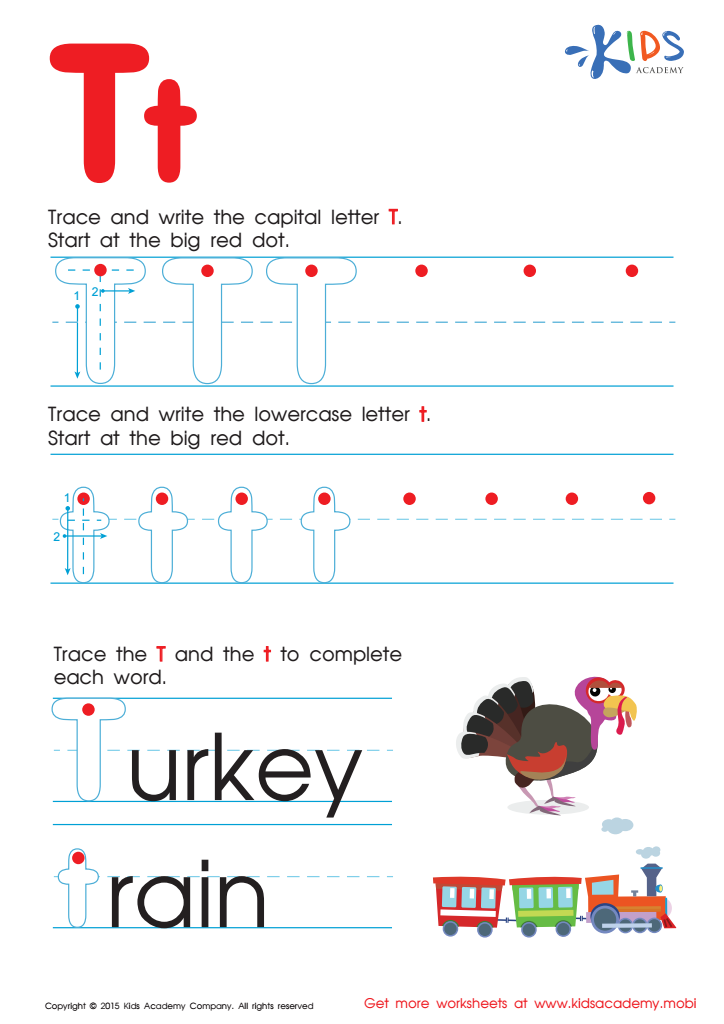
Letter T Tracing Page
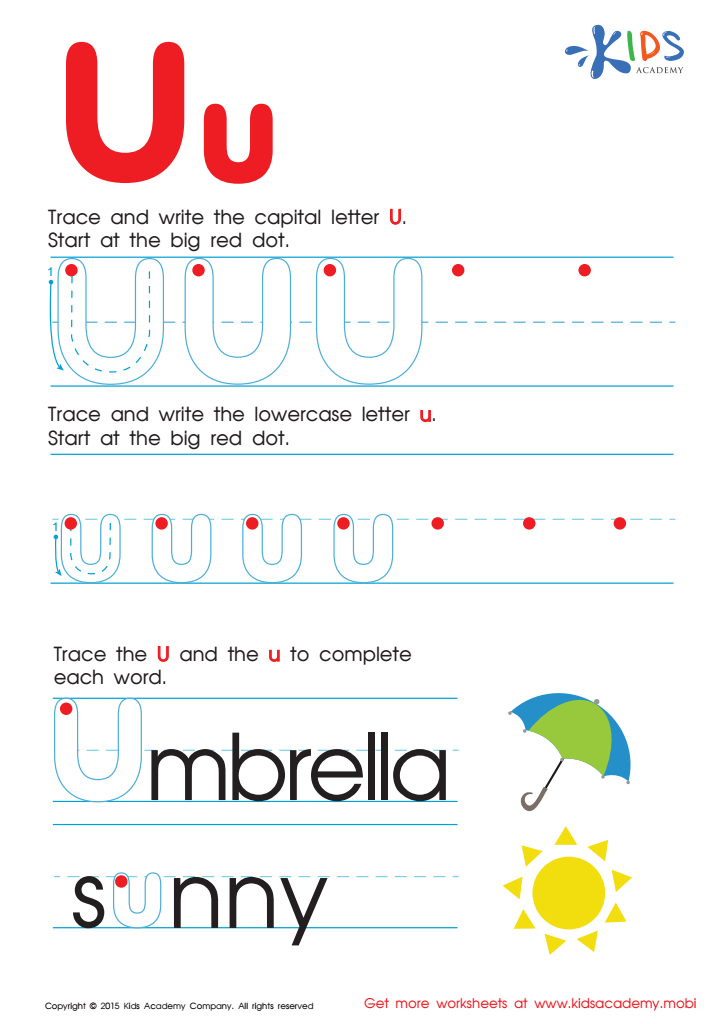
Letter U Tracing Page
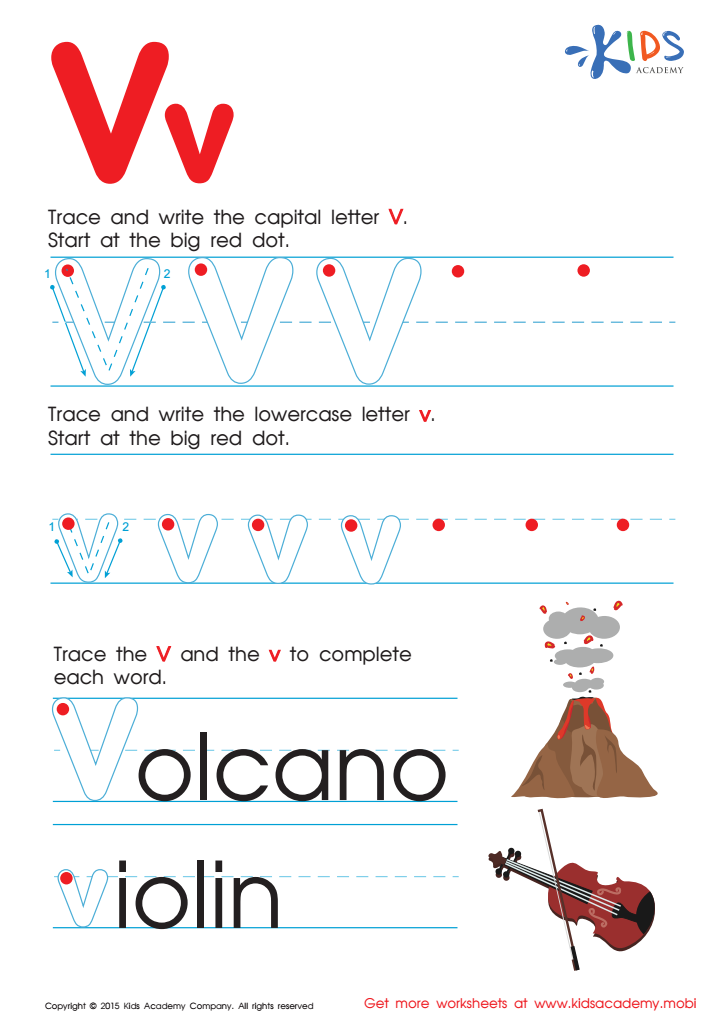
Letter V Tracing Page
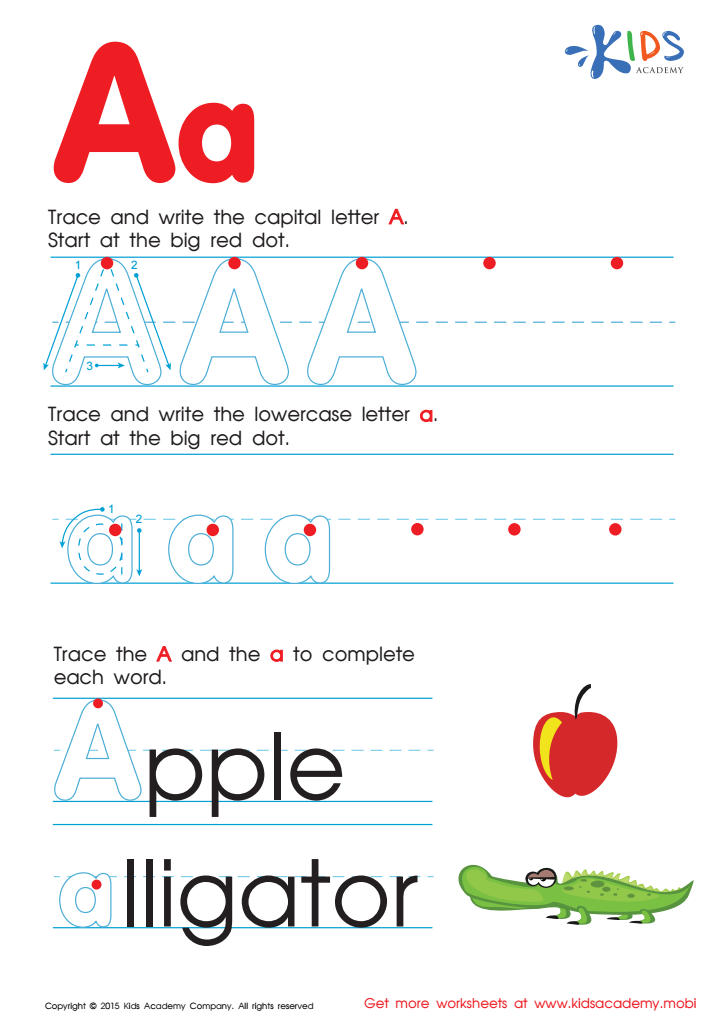
Letter A Tracing Page
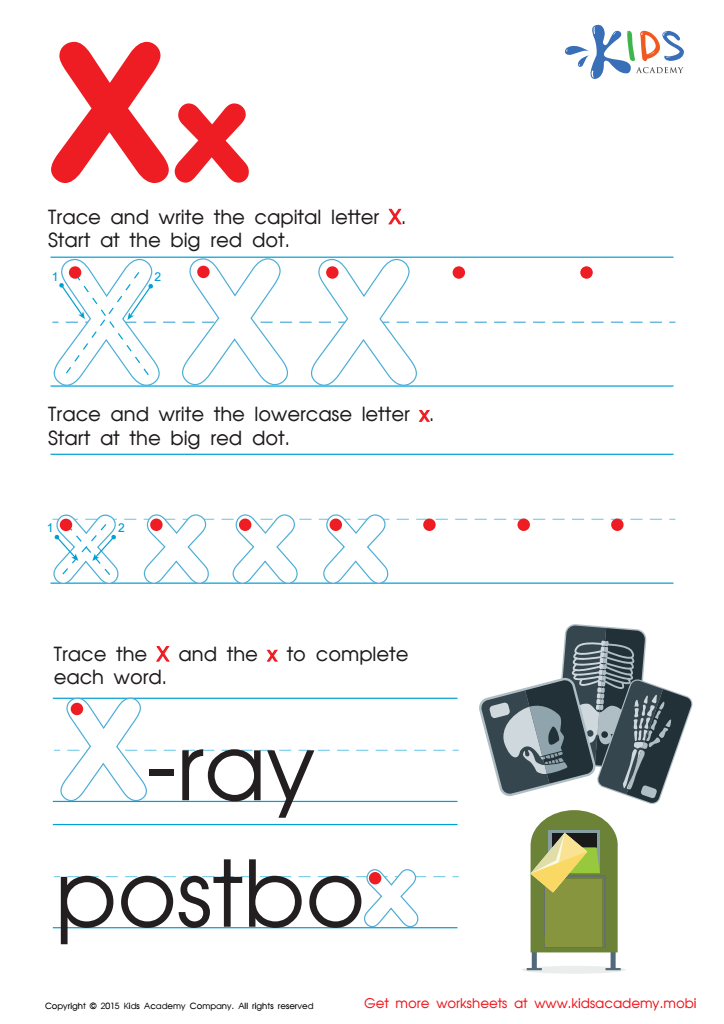
Letter X Tracing Page
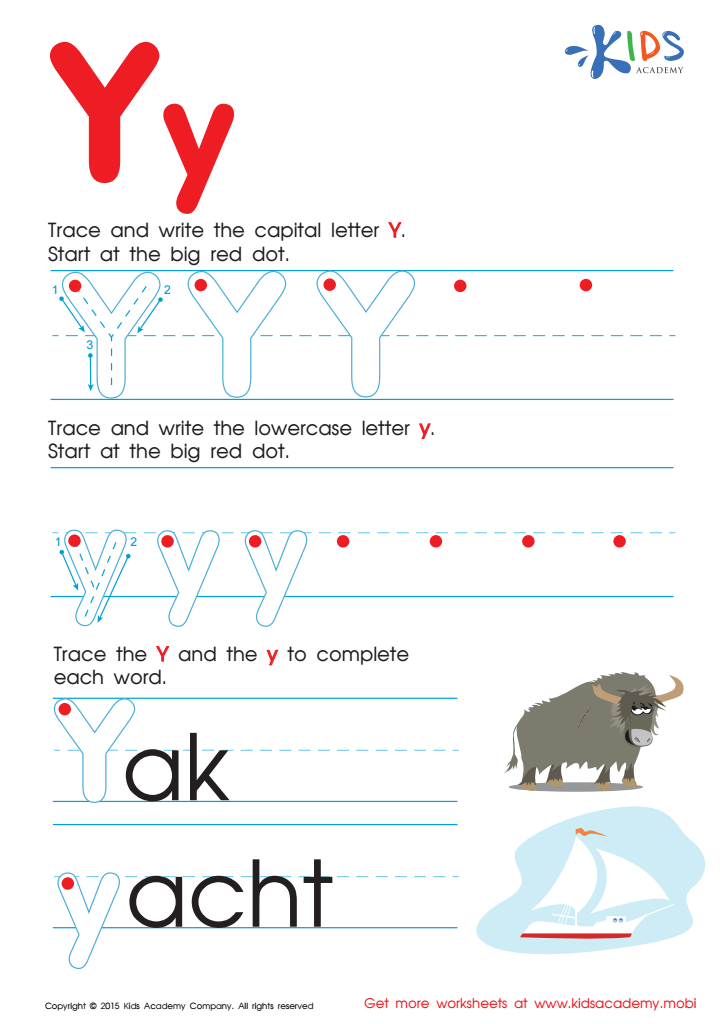
Letter Y Tracing Page
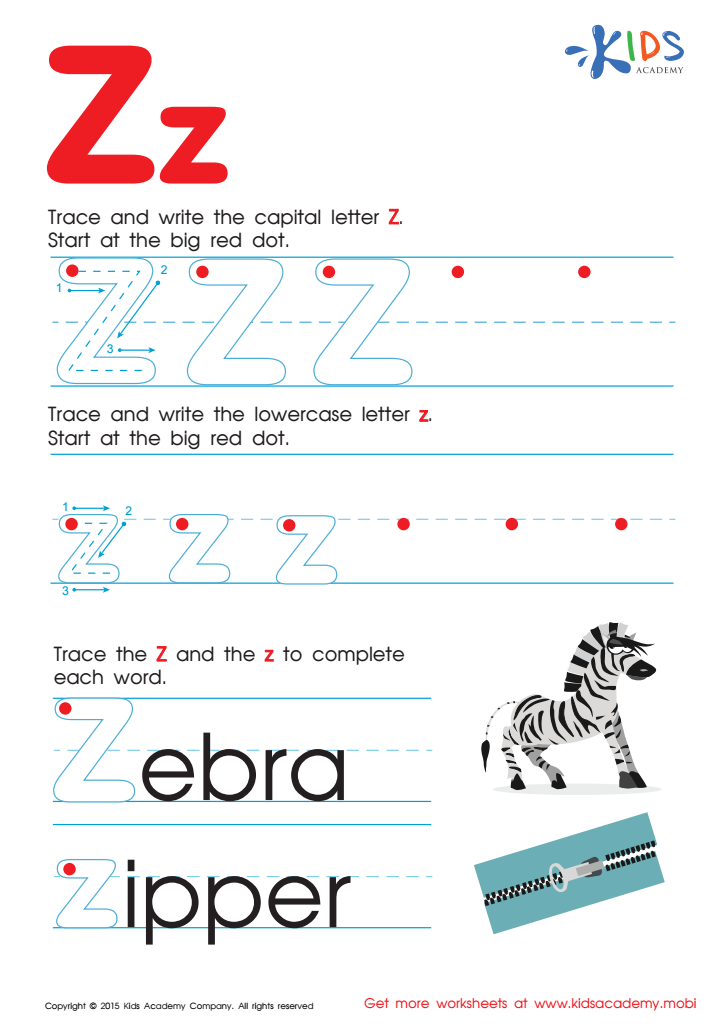
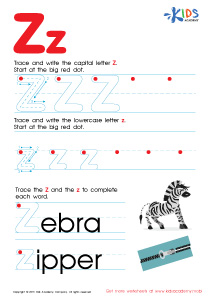
Letter Z Tracing Page
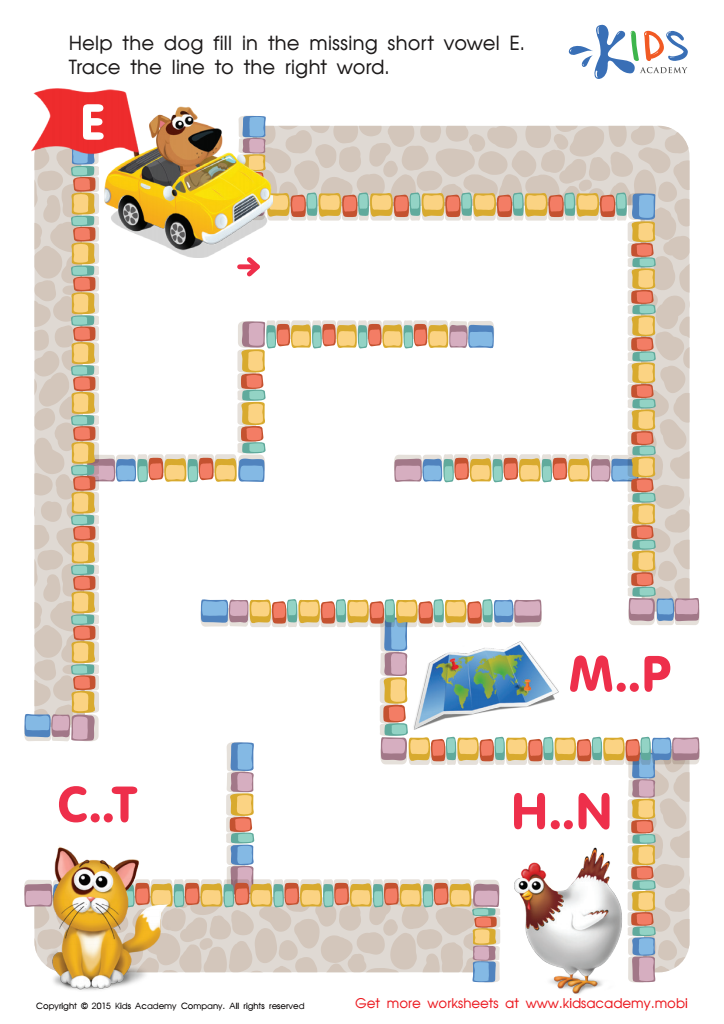
Short Vowel Sound E Worksheet
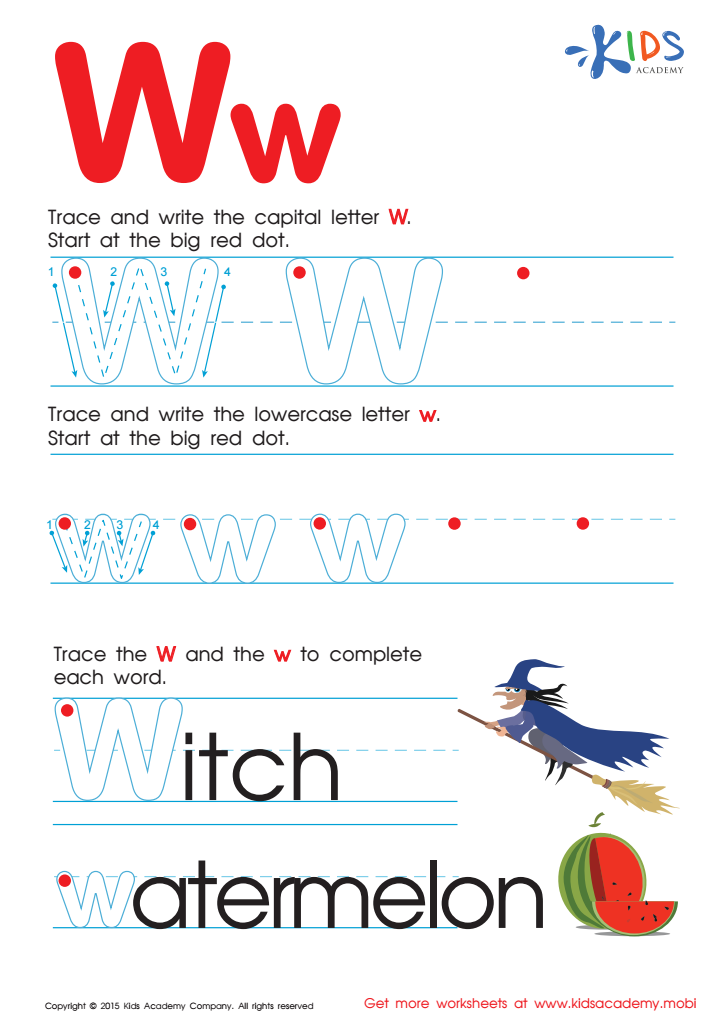
Letter W Tracing Page
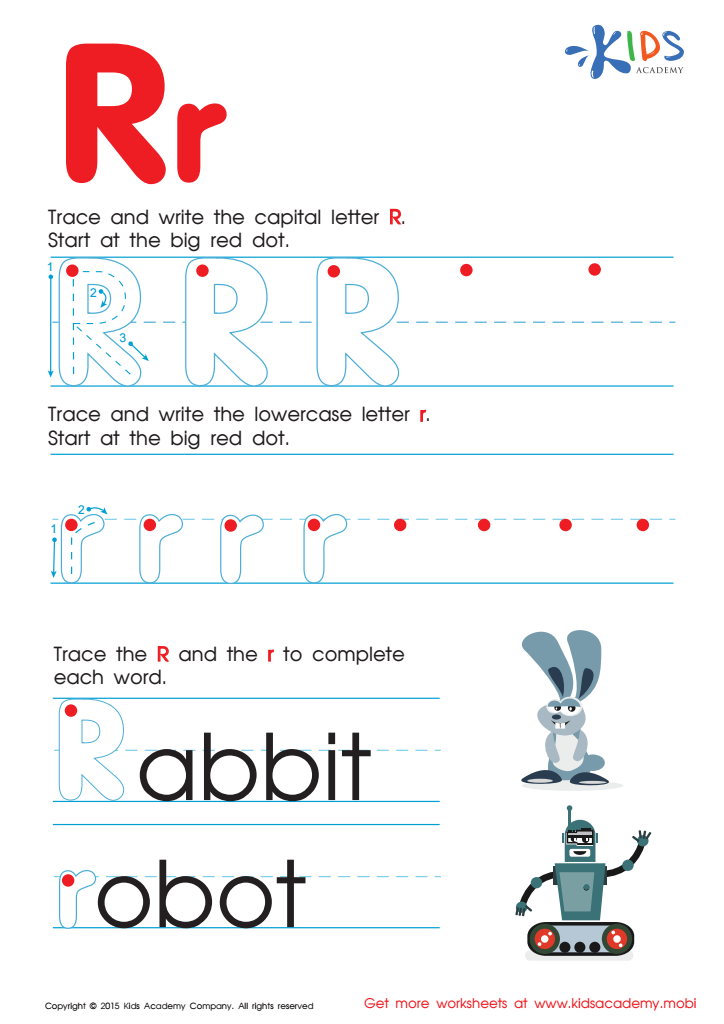
Letter R Tracing Page








Extra Challenge Letter Recognition worksheets for Ages 4-5 are an invaluable tool for young learners embarking on their literacy journey. At this critical stage of development, children are sponges for knowledge, and introducing them to letters in an engaging and challenging manner can significantly impact their reading and writing skills. The Extra Challenge worksheets are meticulously designed to cater to this age group, ensuring that the activities are not only age-appropriate but also stimulating enough to capture their attention and encourage a deeper understanding of the alphabet.
One of the primary reasons these worksheets are so useful is that they go beyond mere letter recognition; they foster critical thinking, enhance fine motor skills through writing practice, and improve concentration. For children aged 4-5, mastering the alphabet is the foundation upon which their future literacy skills are built. Therefore, incorporating Extra Challenge Letter Recognition worksheets into their learning routine can boost their confidence, making them more enthusiastic about exploring new words and eventually, reading.
Moreover, these worksheets are crafted to introduce a sense of accomplishment in young learners. By completing these extra challenges, children not only solidify their knowledge of the alphabet but also develop a love for learning. This early positive experience with education can set the tone for their attitude towards school and learning in the years to come.