Extra Challenge Social Studies Worksheets for Ages 4-7 - Page 2
27 filtered results
-
From - To
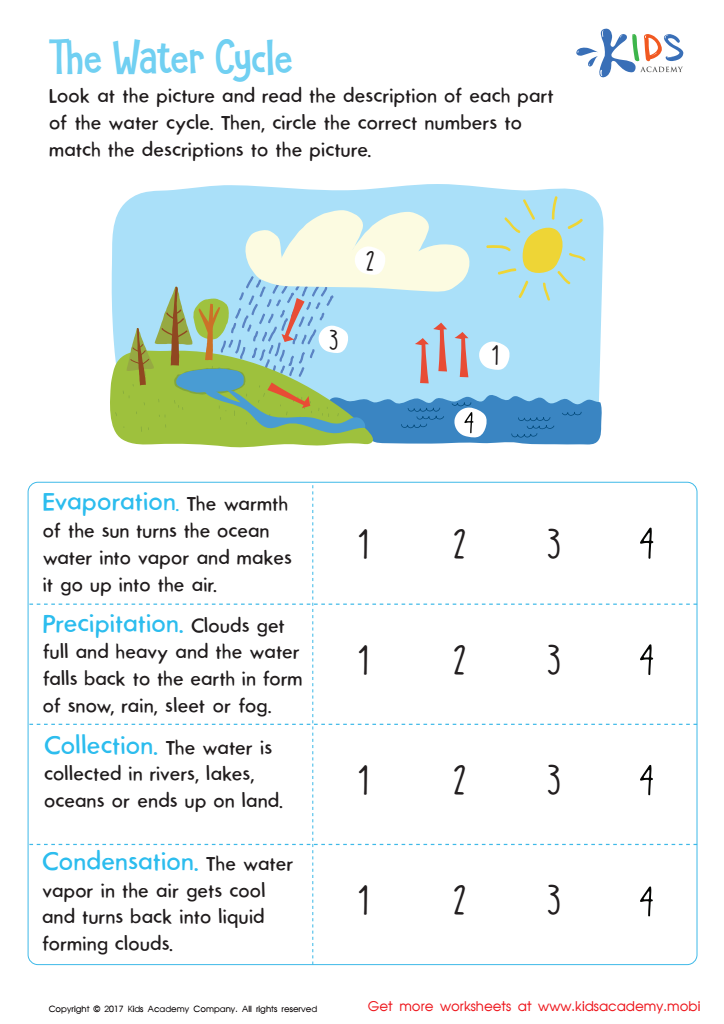
The Water Cycle Worksheet
 Assign to My Students
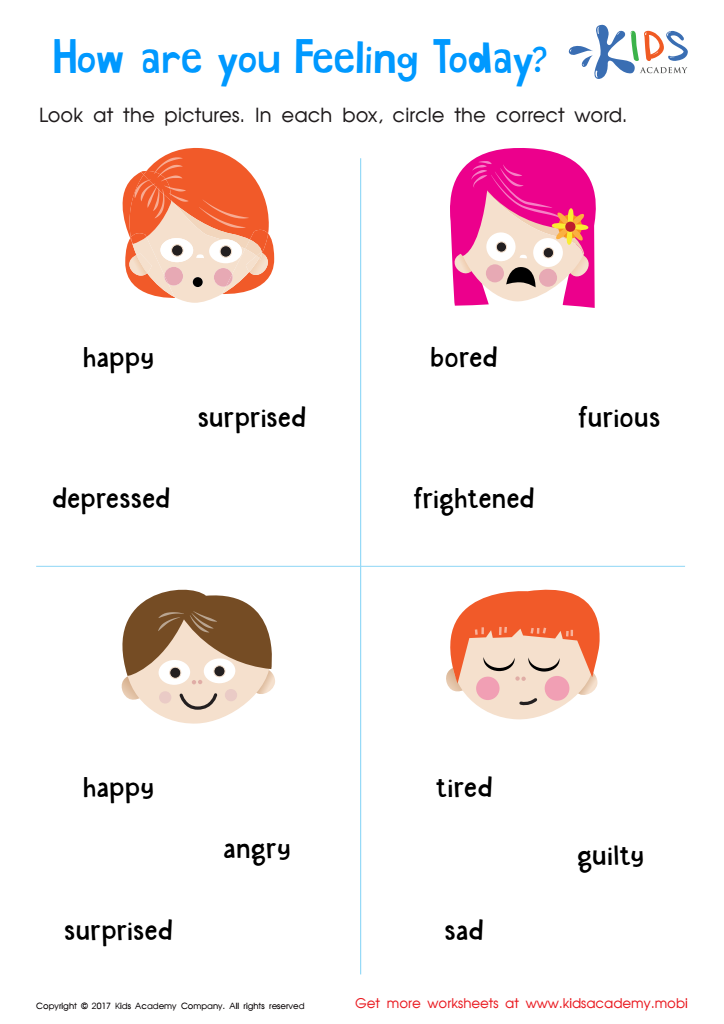
Understanding Feelings Worksheet
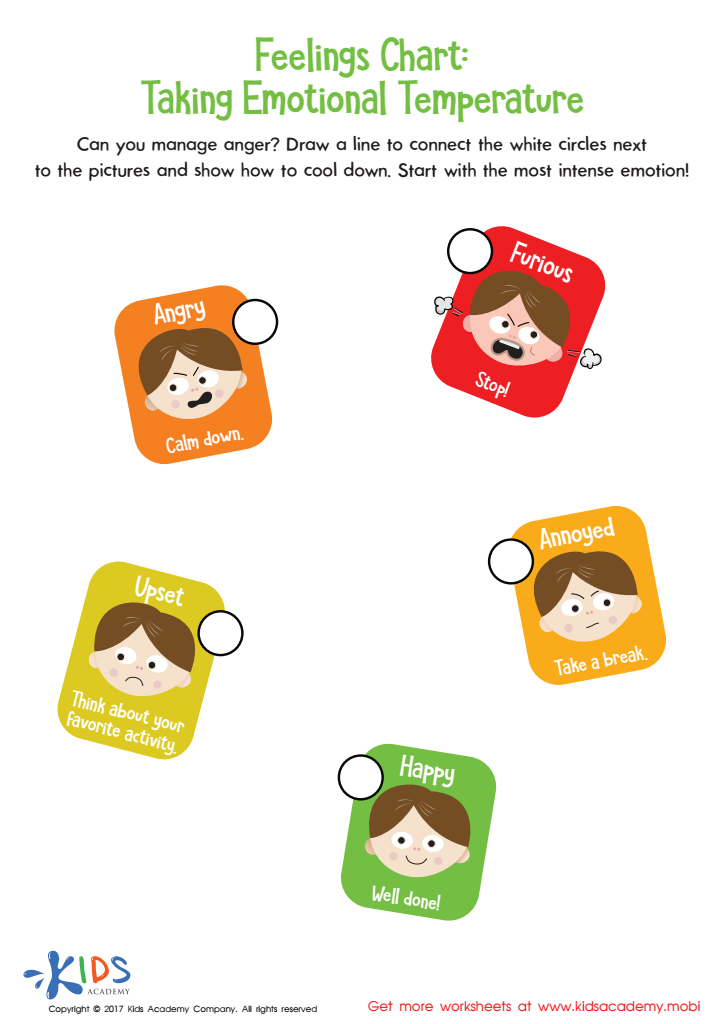
Feelings Chart Worksheet








Parents and teachers should care about Extra Challenge Social Studies for Ages 4-7 because it lays a strong foundation for children’s understanding of the world around them. At this age, children are naturally curious and eager to learn about diverse cultures, communities, and historical contexts. Engaging with social studies content fosters critical thinking skills, helping young learners to ask questions, analyze relationships, and appreciate the significance of their surroundings.
Extra Challenge Social Studies provides age-appropriate activities that promote social awareness, empathy, and respect for differences. By exploring topics such as family structures, community roles, or basic historical events, children develop a sense of identity and belonging. It encourages them to see themselves as active participants in society.
Moreover, these early lessons on civics, geography, and historical figures cultivate informed and responsible citizens for the future. Teachers and parents can support the development of social skills, communication abilities, and teamwork through group projects and discussions, reinforcing valuable life skills. Ultimately, investing time and resources into social studies at an early age enriches children’s educational experience and fosters a more inclusive and understanding society.