Extra Challenge ABC Order Worksheets for Ages 5-6
10 filtered results
-
From - To
Dive into the world of letters with our Extra Challenge ABC Order worksheets, expertly designed for Ages 5-6! Perfect for young learners ready to conquer the alphabet, this collection takes ABC recognition and sequencing skills to thrilling new heights. Each page is a blend of fun and education, ensuring your child is engaged and challenged simultaneously. Watch as your little ones master the art of alphabetical order through a variety of captivating activities tailored just for their age. Ideal for both classroom and at-home learning, our Extra Challenge ABC Order worksheets are your child's next step towards literacy excellence. Join the adventure today!
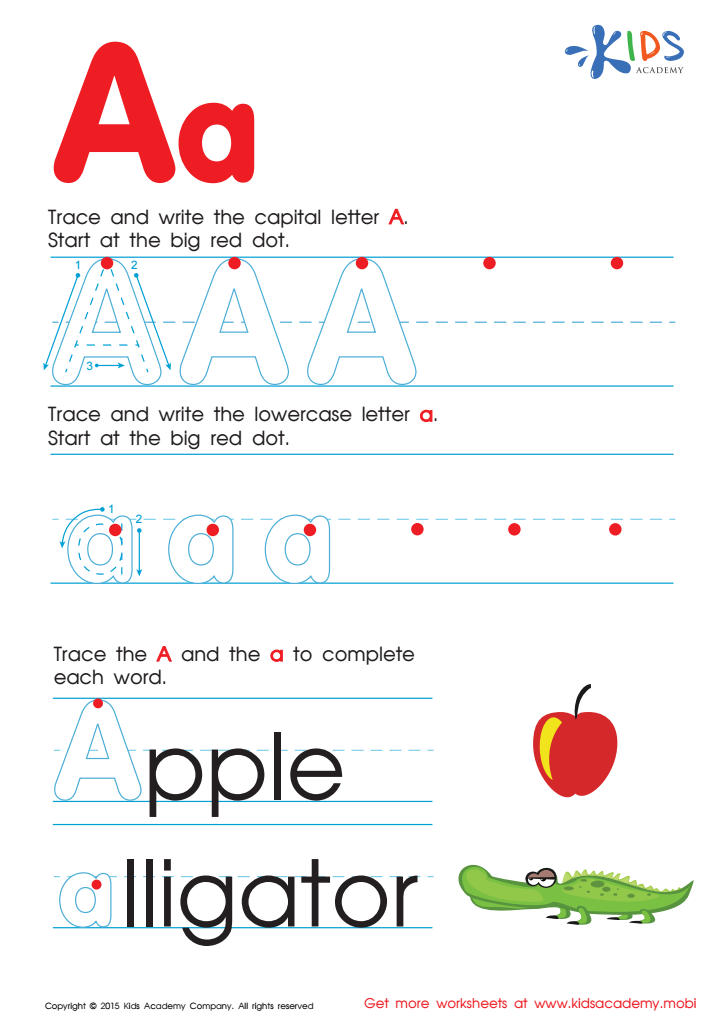
Letter A Tracing Page
 Assign to My Students




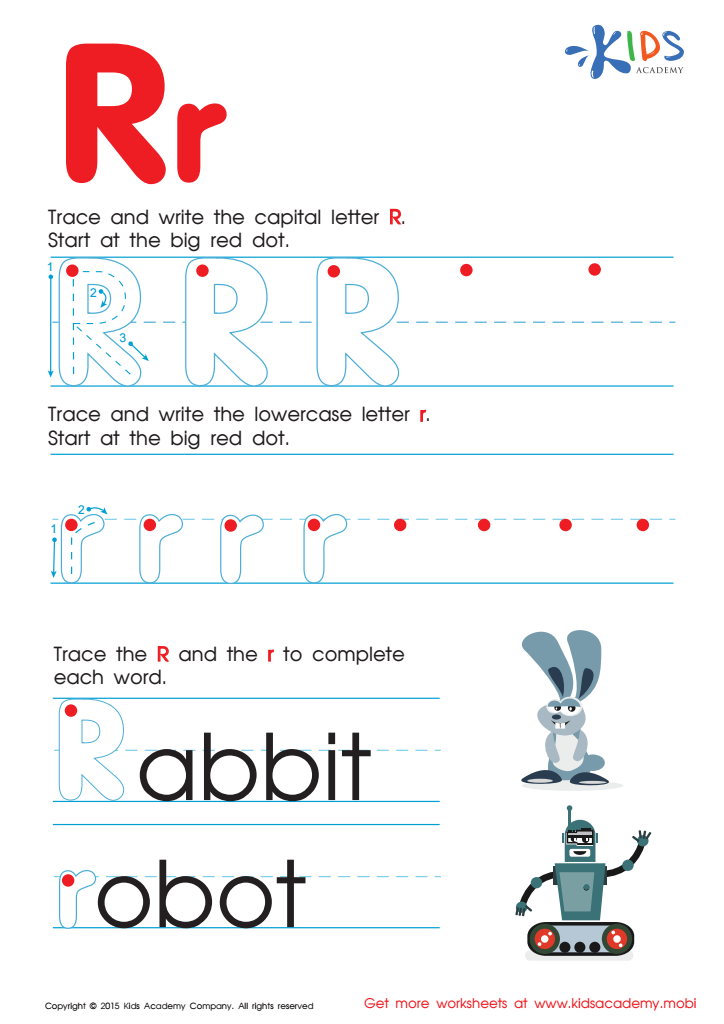
Letter R Tracing Page
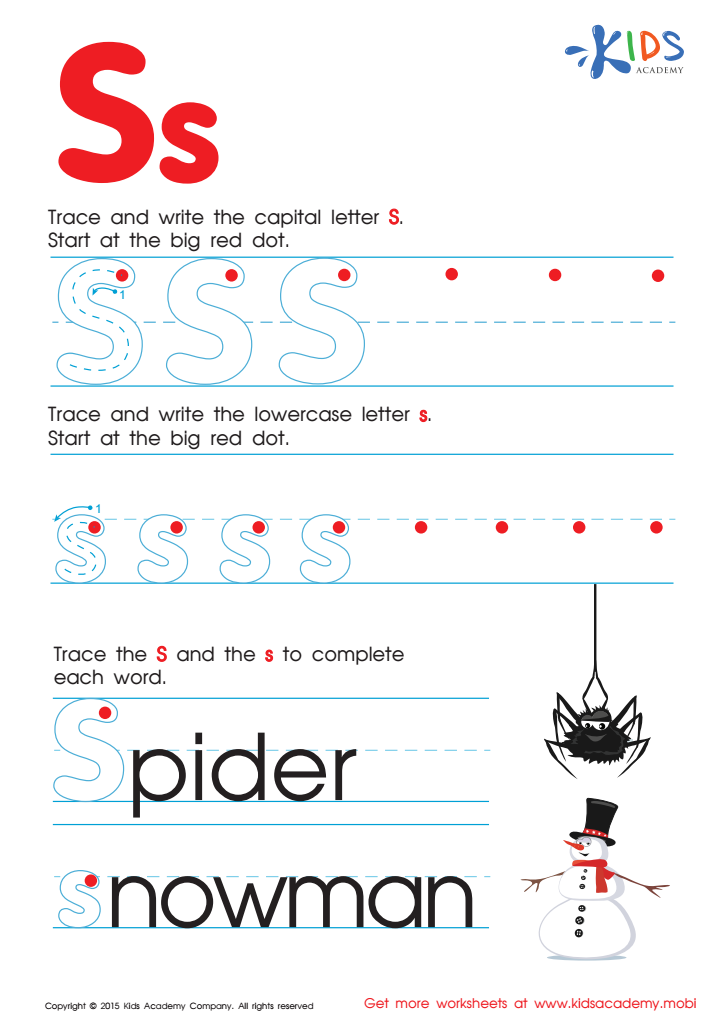
Letter S Tracing Page
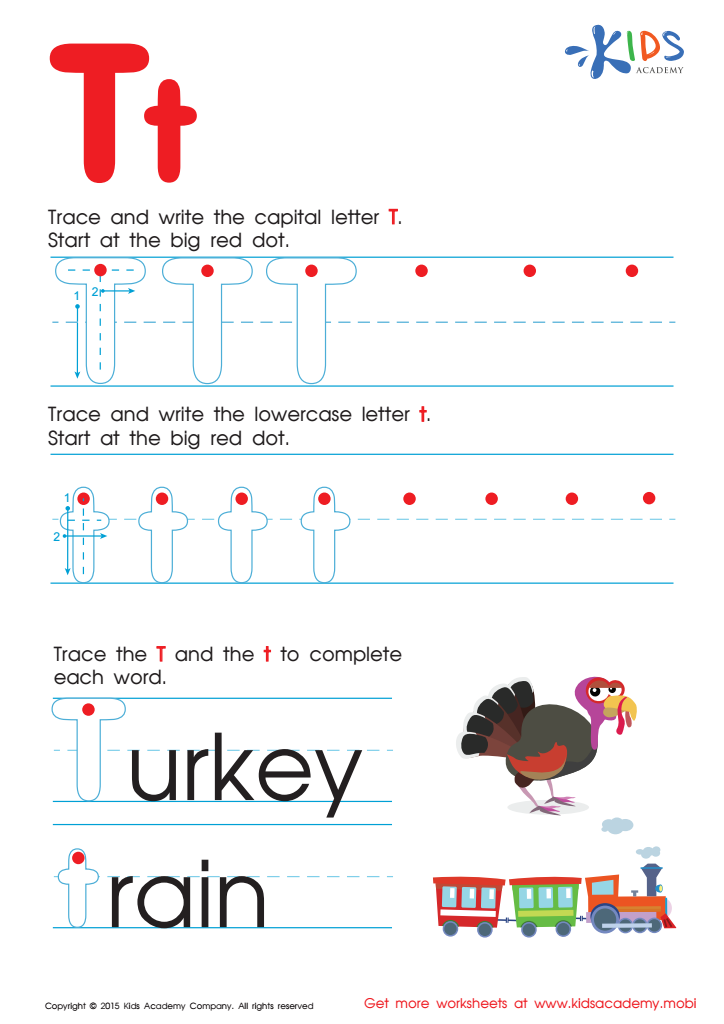
Letter T Tracing Page
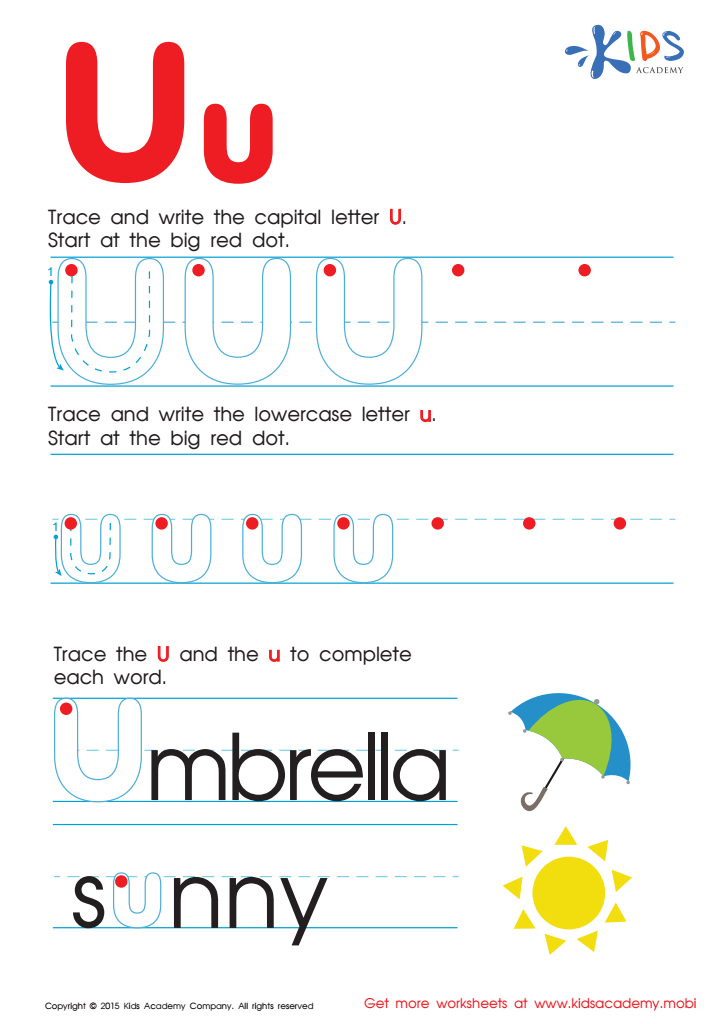
Letter U Tracing Page
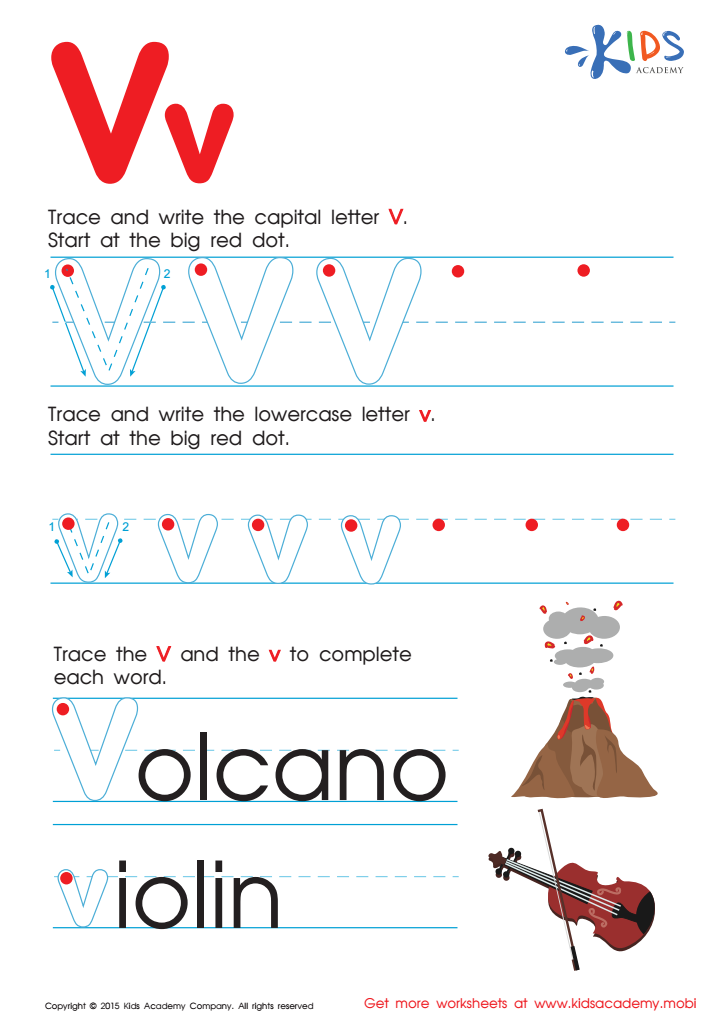
Letter V Tracing Page
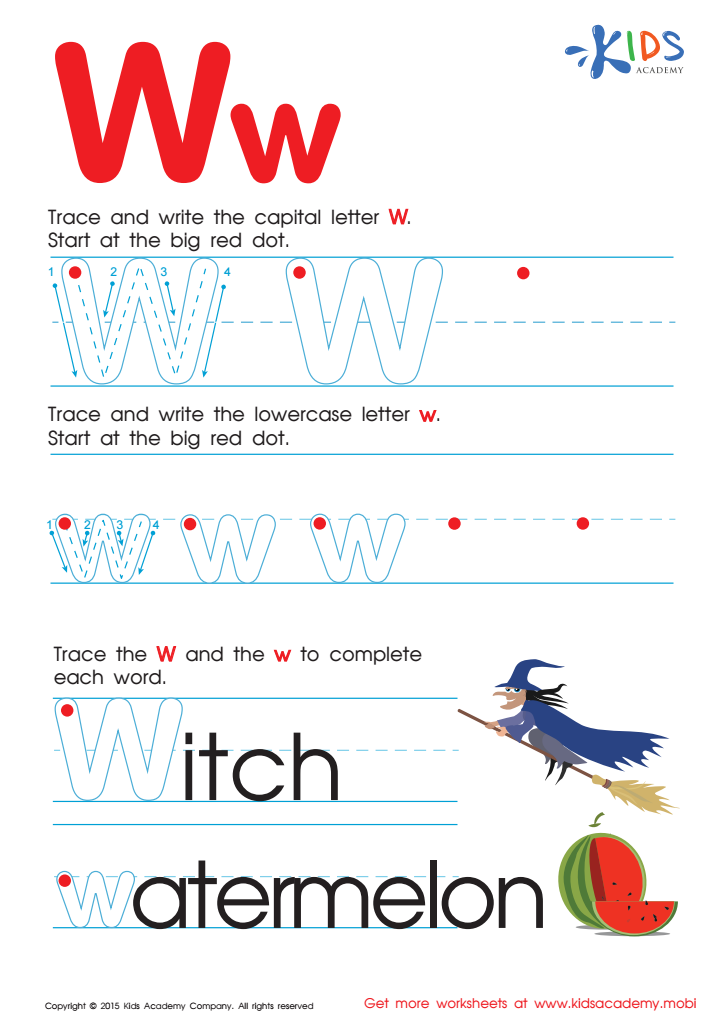
Letter W Tracing Page
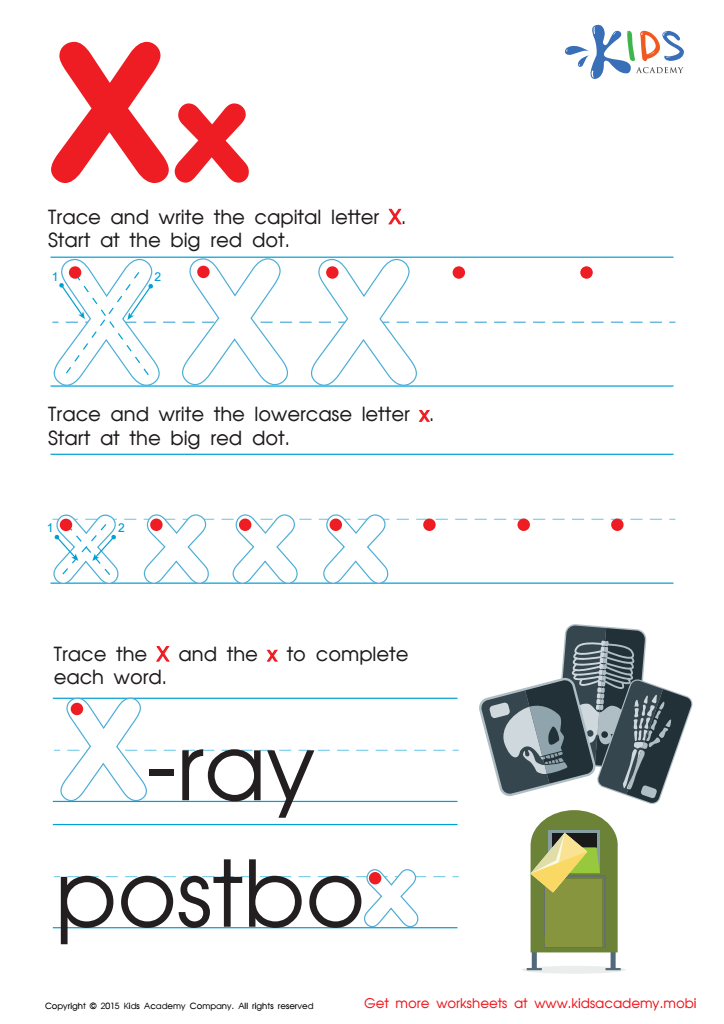
Letter X Tracing Page
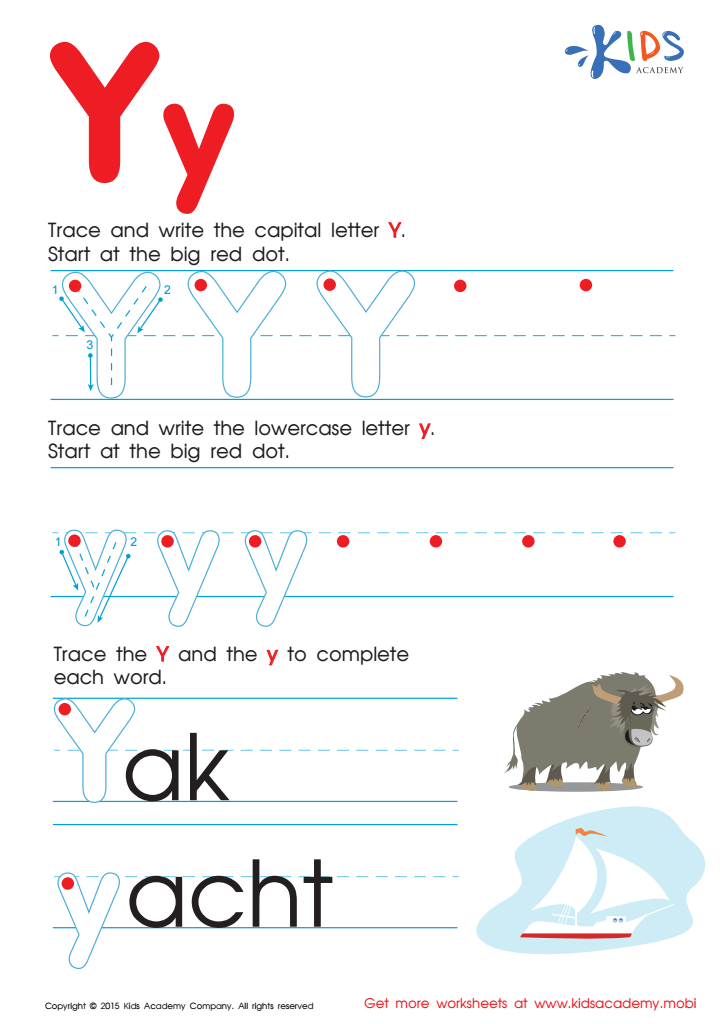
Letter Y Tracing Page
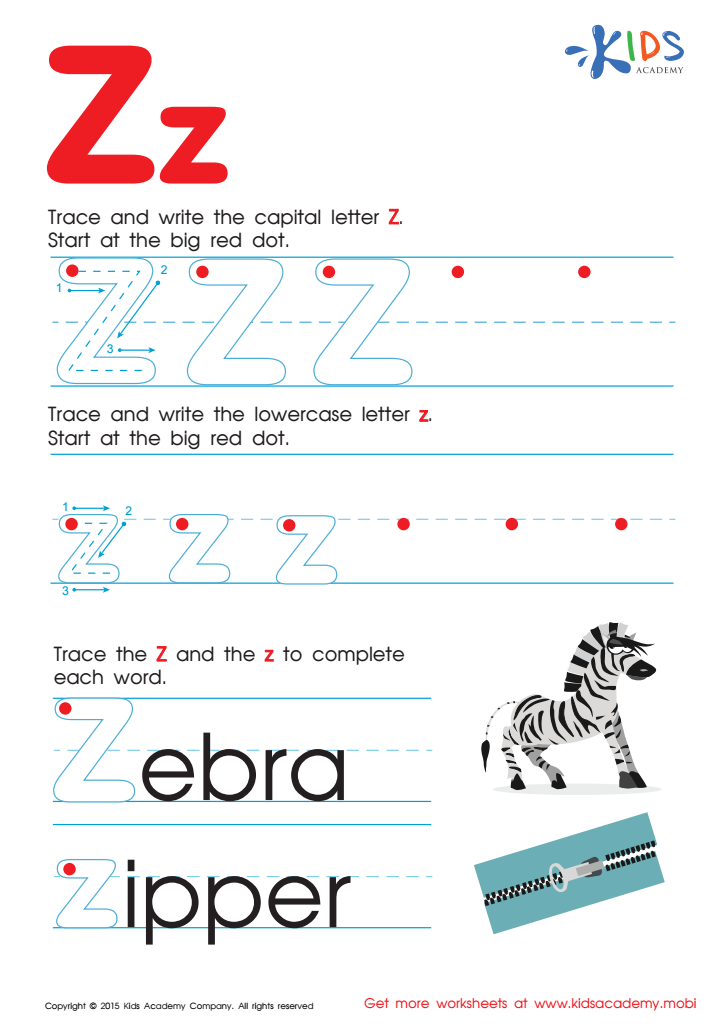
Letter Z Tracing Page







Extra Challenge ABC Order worksheets are an essential tool for children ages 5-6, serving as a foundational step in their academic journey. These worksheets not only make learning fun but also reinforce the fundamental skills of letter recognition and alphabetical sequencing. By engaging with Extra Challenge ABC Order worksheets, children in this age group are encouraged to think critically and develop problem-solving skills as they arrange letters and words in the correct sequence.
For young learners, mastering the alphabet is more than just memorizing letters; it's about understanding the order and structure of the language they will use daily. The Extra Challenge ABC Order worksheets are specifically designed to cater to the developmental needs of children aged 5-6, offering them just the right level of challenge to keep them motivated without feeling overwhelmed. These carefully crafted exercises help enhance fine motor skills, attention to detail, and the ability to follow directions, all while building confidence in their reading and writing abilities.
Incorporating Extra Challenge ABC Order activities into the learning routine of children ages 5-6 not only supports their early literacy skills but also sets a strong foundation for their future academic success. By tackling these engaging worksheets, young learners gain a solid understanding of the alphabet, paving the way for a smooth transition into more complex literacy tasks.








