Extra Challenge Reading Non-Fiction Worksheets for Ages 5-8
7 filtered results
-
From - To
Boost young learners' literacy skills with our Extra Challenge Reading Non-Fiction Worksheets for Ages 5-8. Specifically designed to engage and educate, our worksheets offer captivating activities that make learning non-fiction both fun and challenging. Each worksheet is packed with fascinating facts, vivid images, and thought-provoking questions tailored to develop comprehension, critical thinking, and analytical skills. Perfect for early grade students, teachers, and parents looking to support advanced readers, this resource will inspire a love for non-fiction reading. Make literacy an exciting adventure with these expertly crafted and age-appropriate printable worksheets from Kids Academy!
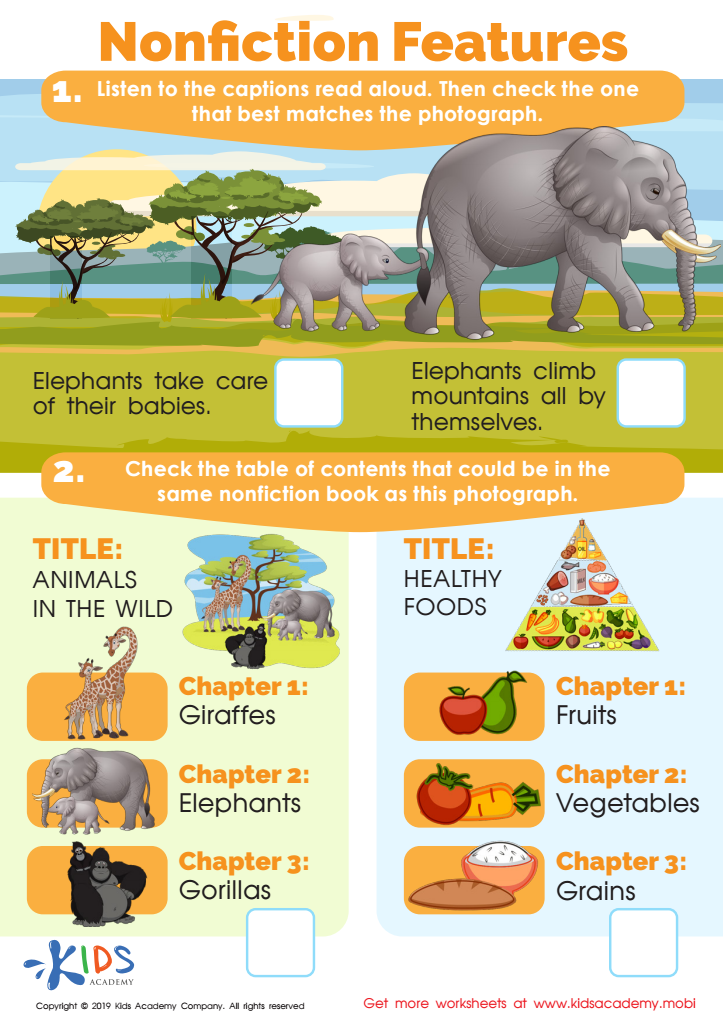
Nonfiction Features Worksheet
 Assign to My Students
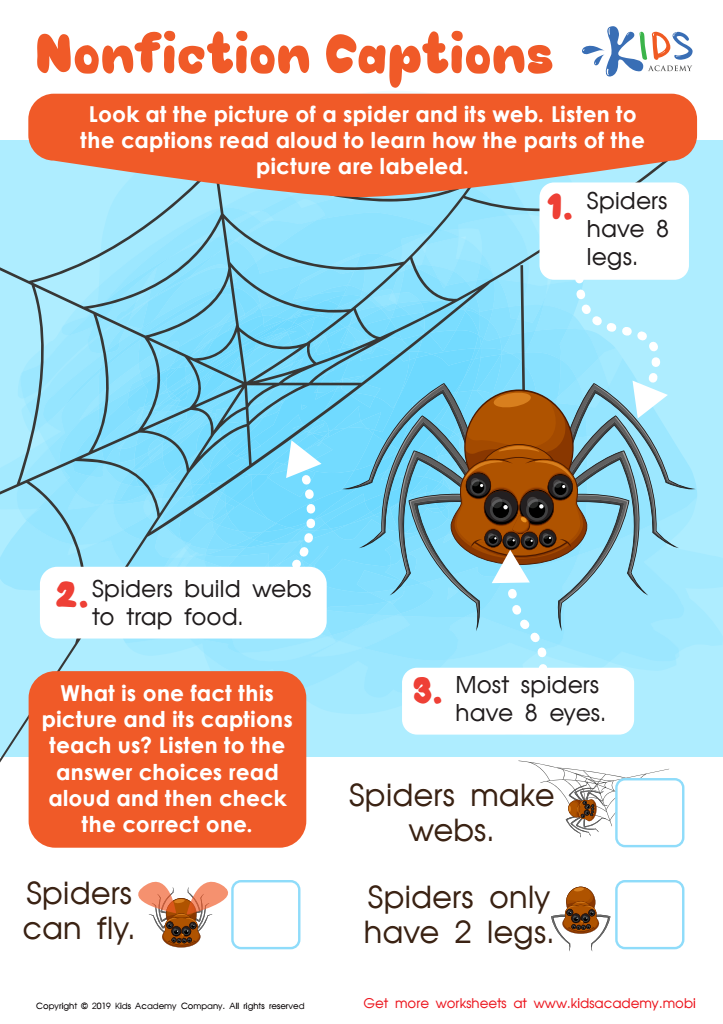
Nonfiction Captions Worksheet
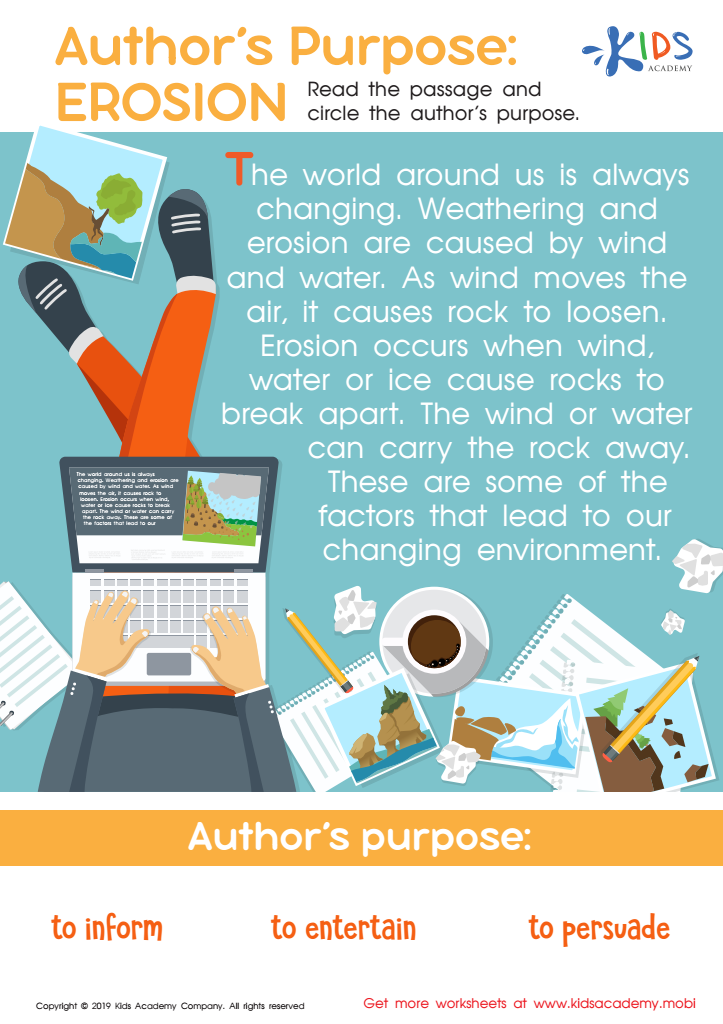
Author’s Purpose: Erosion Worksheet
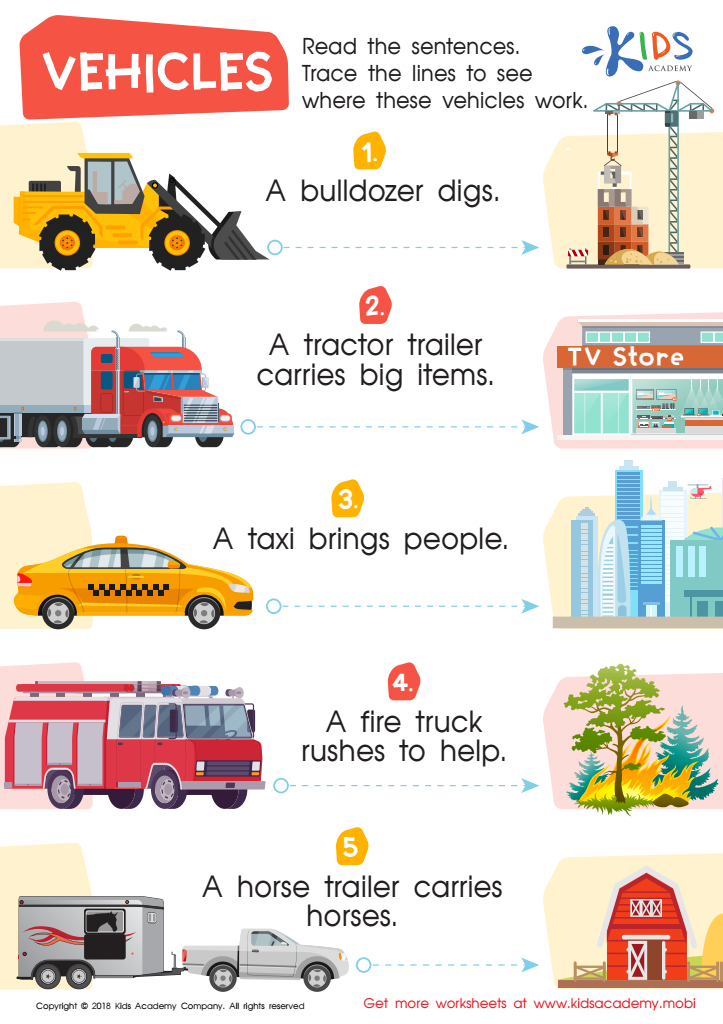
Vehicles Worksheet
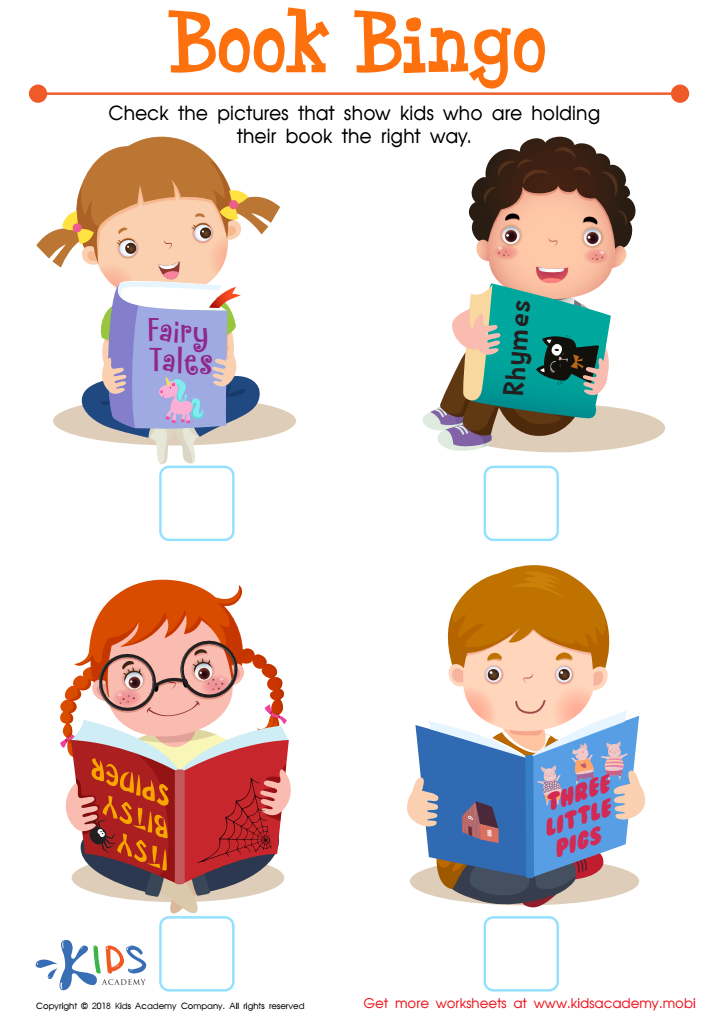
Book Bingo Worksheet
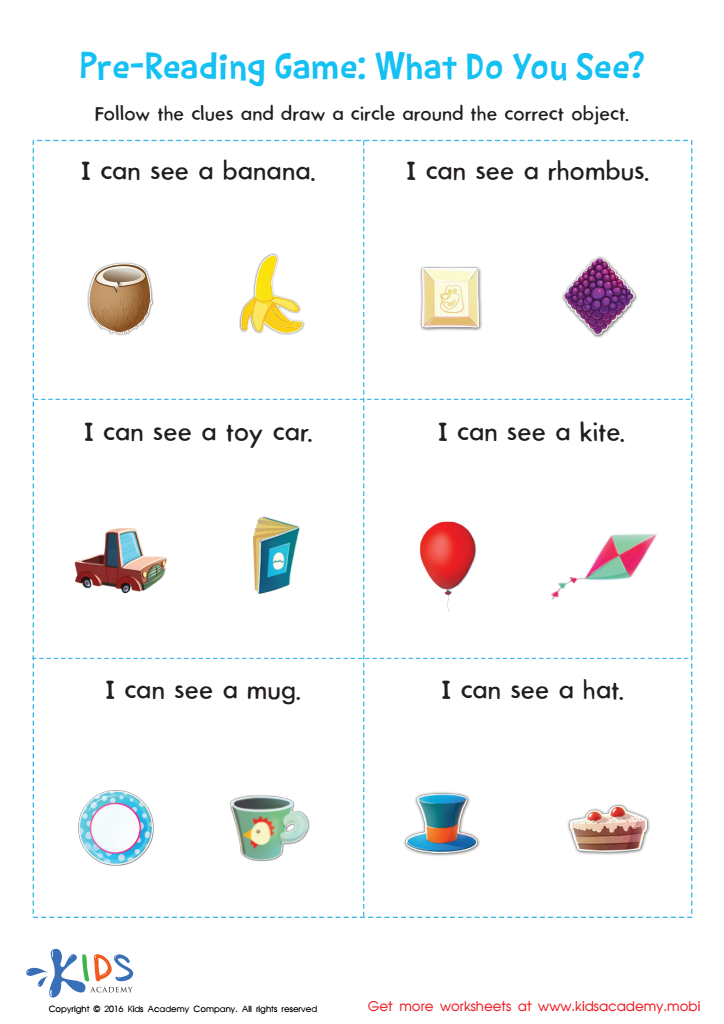
Pre–reading Worksheet: What Do You See?
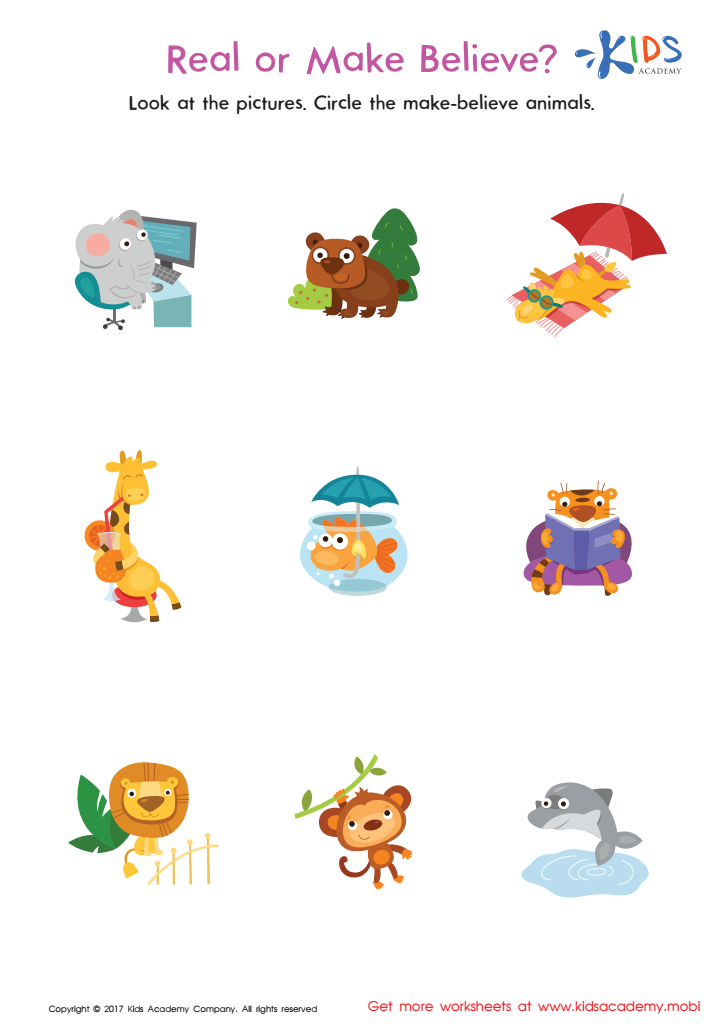
Fact or Make Believe Worksheet








Parents and teachers should care about Extra Challenge Reading Non-Fiction for ages 5-8 because it plays a crucial role in early childhood education. At this developmental stage, children are extremely curious and absorb information rapidly. Reading non-fiction introduces them to the real world, fostering their natural curiosity and helping them understand their environment. This translates to better general knowledge and sparks interests in various subjects, such as science, history, and nature.
Moreover, non-fiction texts often include complex vocabulary and concepts that challenge young minds, thereby improving their cognitive and language skills. Early exposure to a variety of words enriches their vocabulary, while the factual nature enhances comprehension and critical thinking skills. Non-fiction often contains charts, diagrams, and other visual aids that teach children to interpret information in multiple formats.
Reading non-fiction also encourages lifelong reading habits. When children learn that books are a valuable source of knowledge and answers, they develop an intrinsic motivation to explore and read more, leading to academic success in future years. For teachers, incorporating non-fiction aligns with educational standards promoting balanced literacy. For parents, it offers rich, purposeful interaction during reading time. Thus, it has profound, lasting benefits on early literacy and overall development.