Extra Challenge Reading Non-Fiction Worksheets for Ages 5-9
7 filtered results
-
From - To
Our "Extra Challenge Reading Non-Fiction Worksheets for Ages 5-9" offer young learners an engaging way to develop their reading skills. Specifically designed to challenge and captivate children, these worksheets encourage critical thinking and comprehension while teaching non-fiction reading strategies. Each worksheet features intriguing subjects that stimulate curiosity, from science and history to animals and nature. Ideal for kids ages 5 to 9, our worksheets bridge fun and education, enhancing vocabulary and understanding of the world. Perfect for classroom use or homeschool enrichment, these resources cater to any child's learning journey. Boost your child's reading prowess with us!
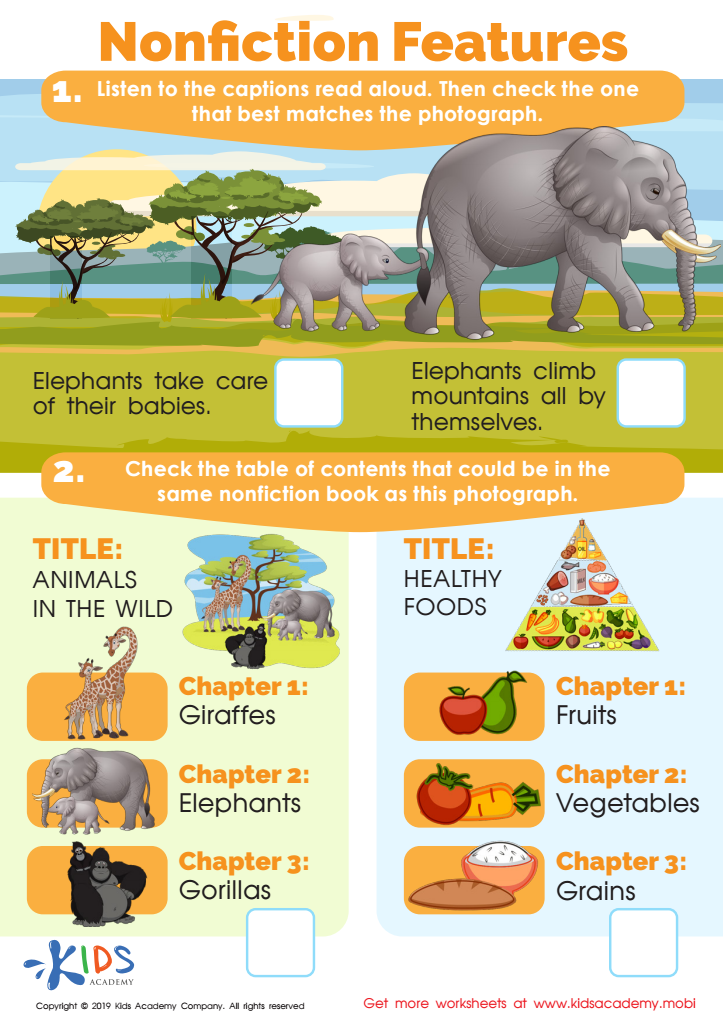
Nonfiction Features Worksheet
 Assign to My Students
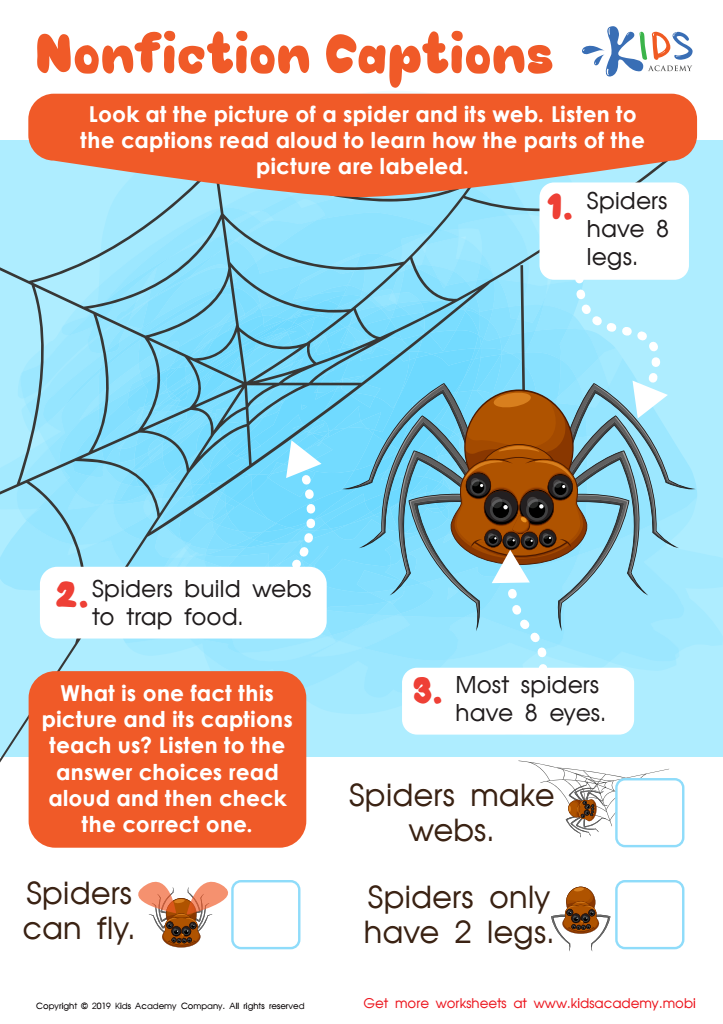
Nonfiction Captions Worksheet
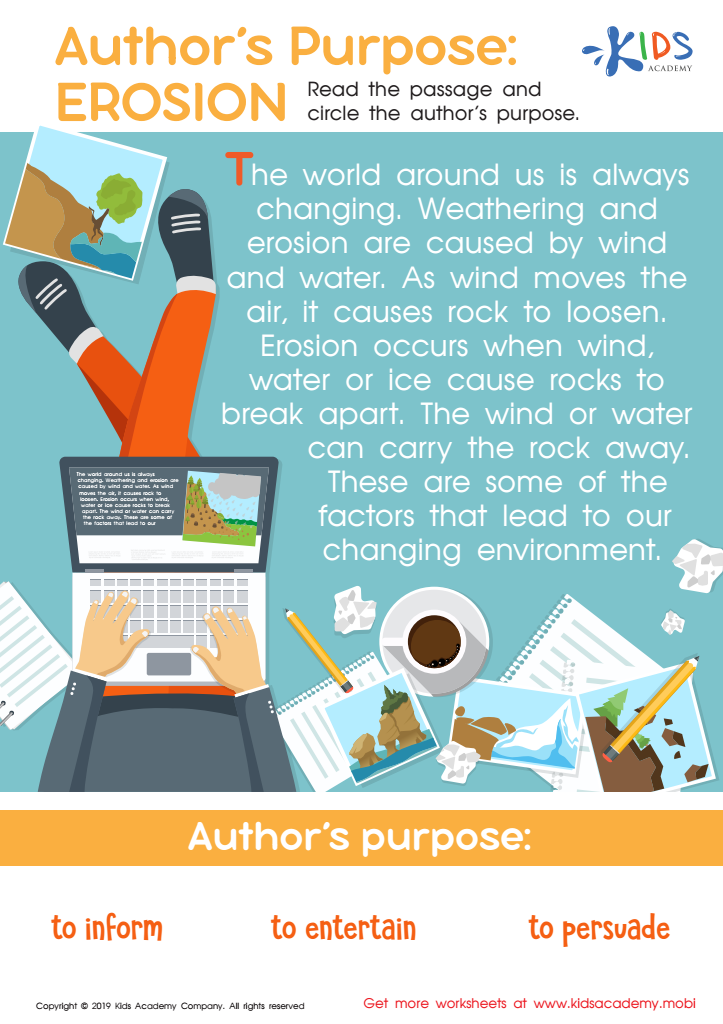
Author’s Purpose: Erosion Worksheet
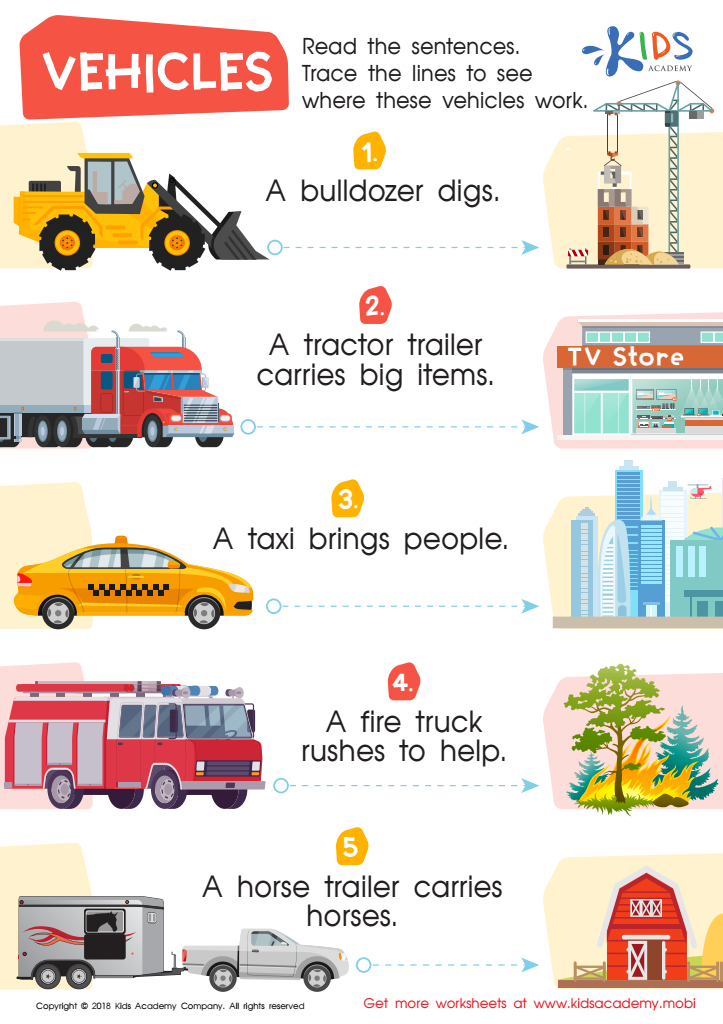
Vehicles Worksheet
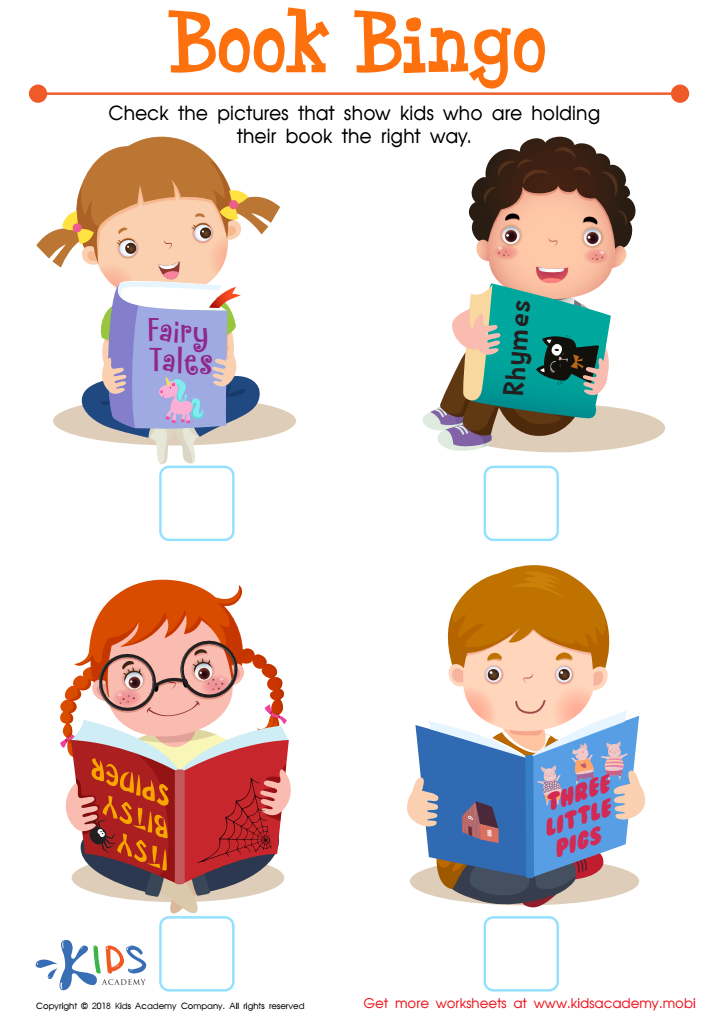
Book Bingo Worksheet
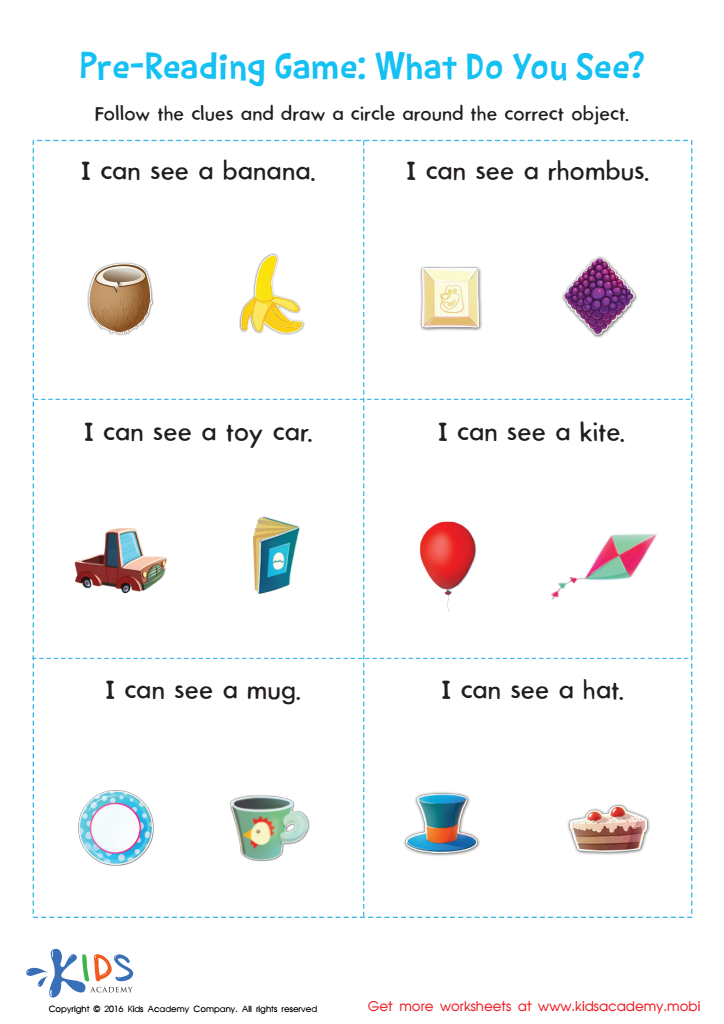
Pre–reading Worksheet: What Do You See?
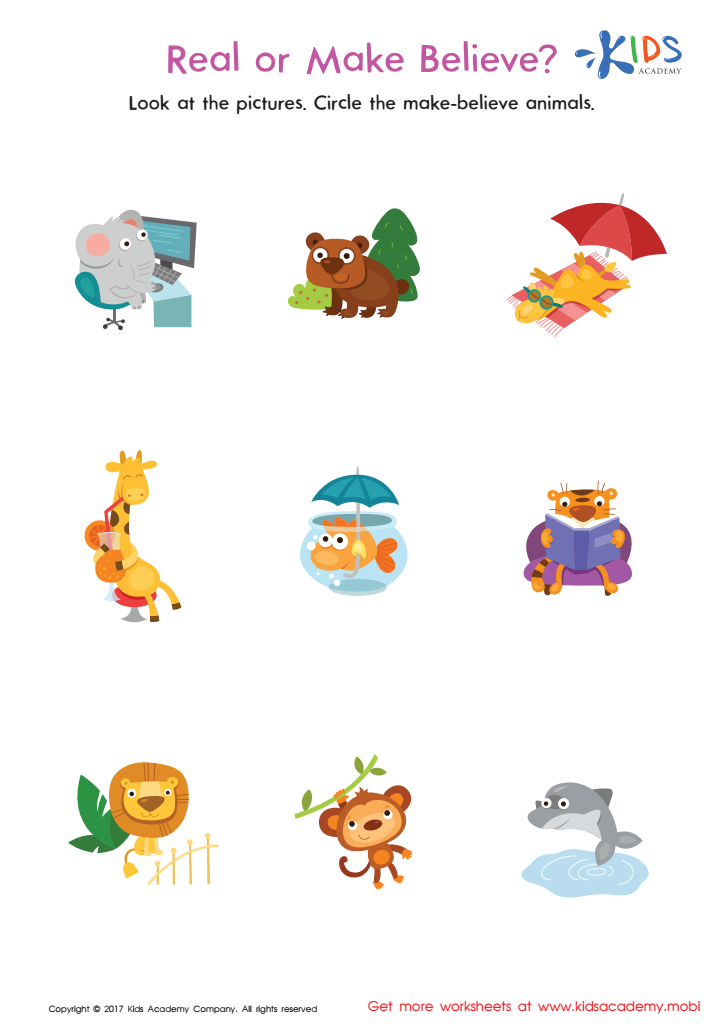
Fact or Make Believe Worksheet








Extra Challenge Reading Non-Fiction for children ages 5-9 is crucial for several reasons. First, it promotes critical thinking and analytical skills. Unlike fictional stories, non-fiction introduces kids to real-world concepts and factual information, aiding the development of logical reasoning and problem-solving abilities. Children learn to ask questions, make connections, and understand cause-and-effect relationships, which are fundamental skills for their academic progression.
Second, non-fiction reading broadens their knowledge base, sparking curiosity about the world around them. Topics such as animals, space, history, and the environment can instill a love for learning and motivate children to explore different subjects. This not only enhances their general knowledge but also helps in identifying their interests and potential areas of passion.
Third, reading non-fiction at an early age supports language and vocabulary development. Exposure to varied topics introduces new terminology and concepts, contributing to a richer vocabulary and better comprehension skills.
Finally, mastering non-fiction prepares them for the rigorous content they will encounter as they advance in their education. Whether it's understanding a science textbook or following instructions, early engagement with factual text equips them with the tools needed for academic success.
In essence, encouraging non-fiction reading lays a strong, well-rounded foundation for lifelong learning and intellectual engagement.