Extra Challenge Fractions of Shapes Worksheets for Ages 8-9
6 filtered results
-
From - To
Enhance your child's understanding of fractions with our Extra Challenge Fractions of Shapes worksheets, designed specifically for 8-9-year-olds. These engaging and interactive materials will help young learners dive deeper into the concept of fractions by exploring shapes and their parts. Students will tackle a variety of challenges, reinforcing their skills while building confidence in math. With colorful illustrations and diverse exercises, these worksheets make learning fractions both fun and effective. Perfect for teachers and parents wanting to provide extra practice, our worksheets support critical thinking and problem-solving skills. Get your child excited about math and watch them thrive!
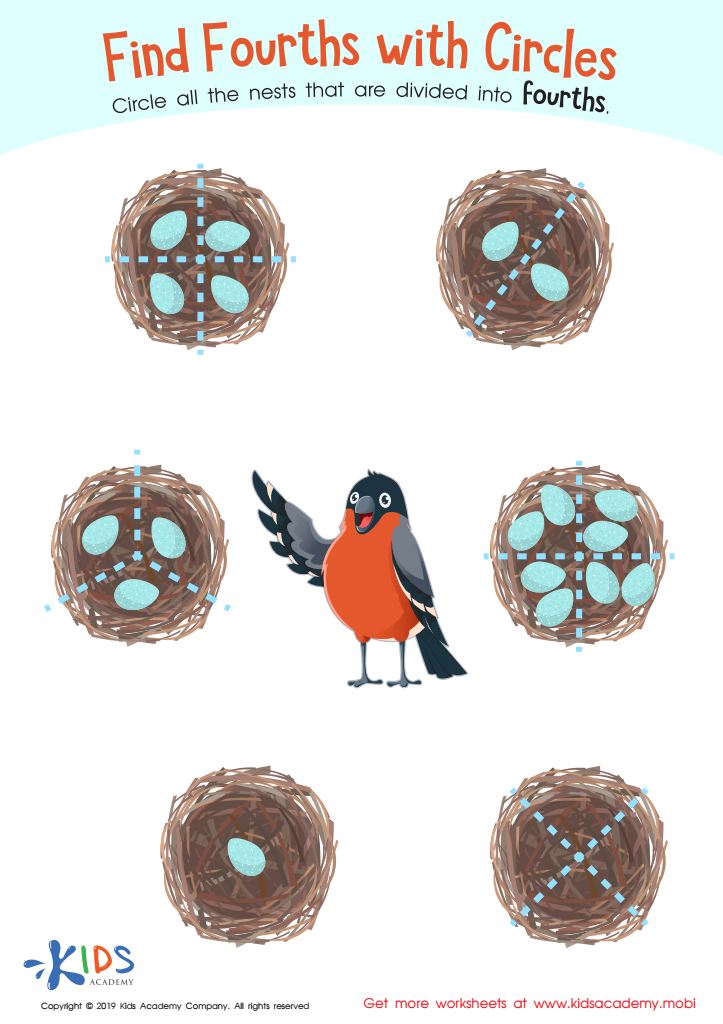
Find Fourths Circles Worksheet
 Assign to My Students
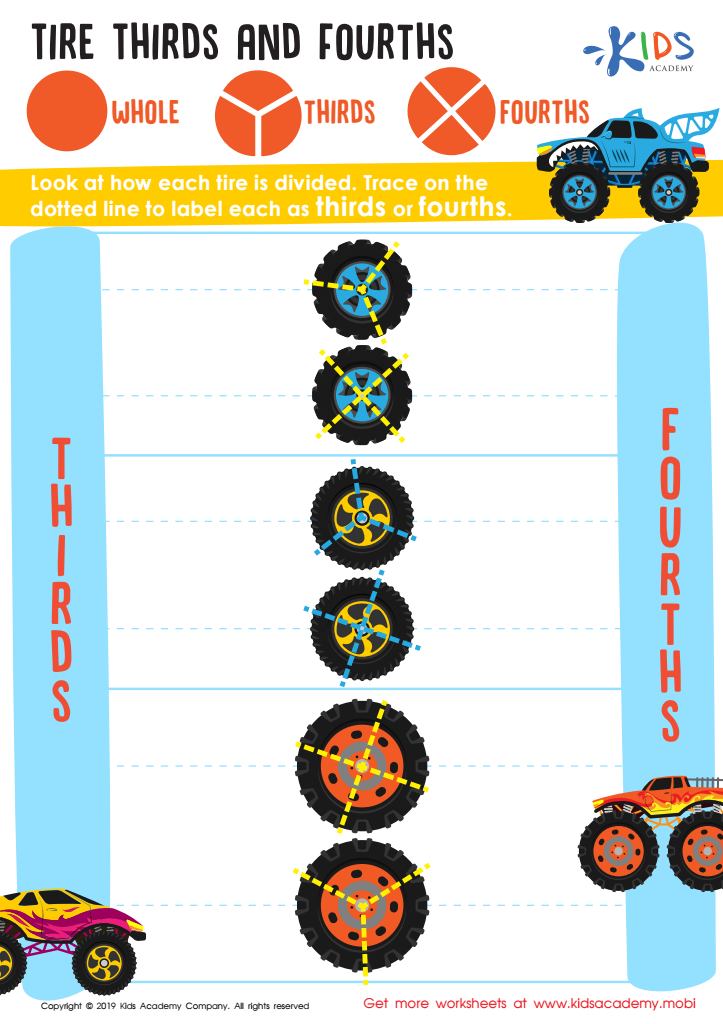
Tire Thirds and Fourths Worksheet
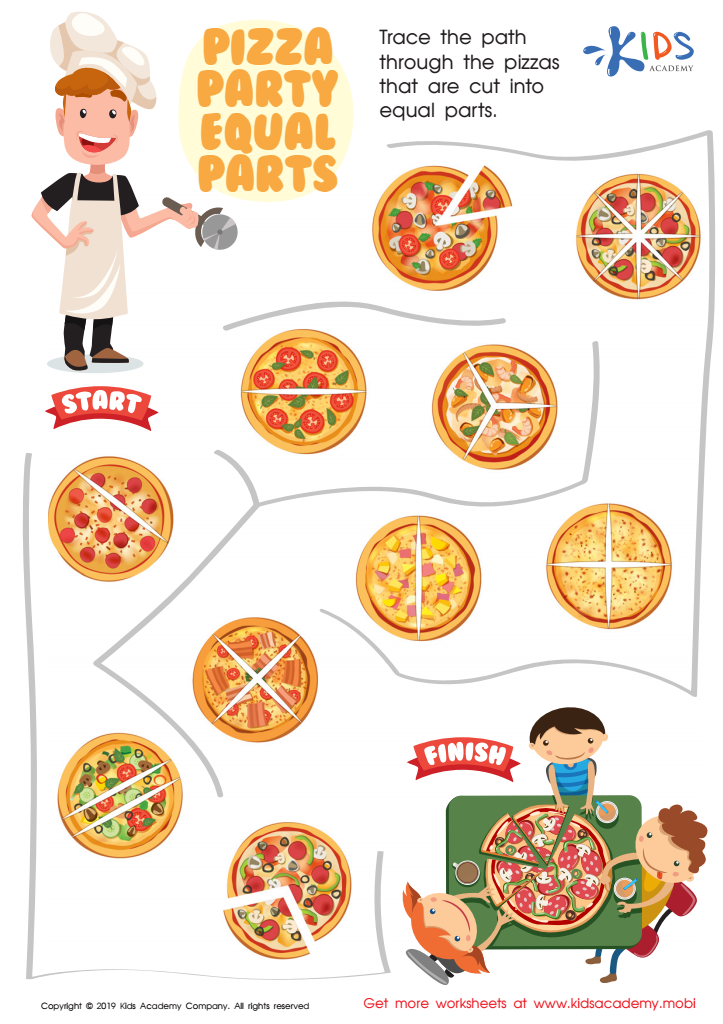
Pizza Party Equal Parts Worksheet
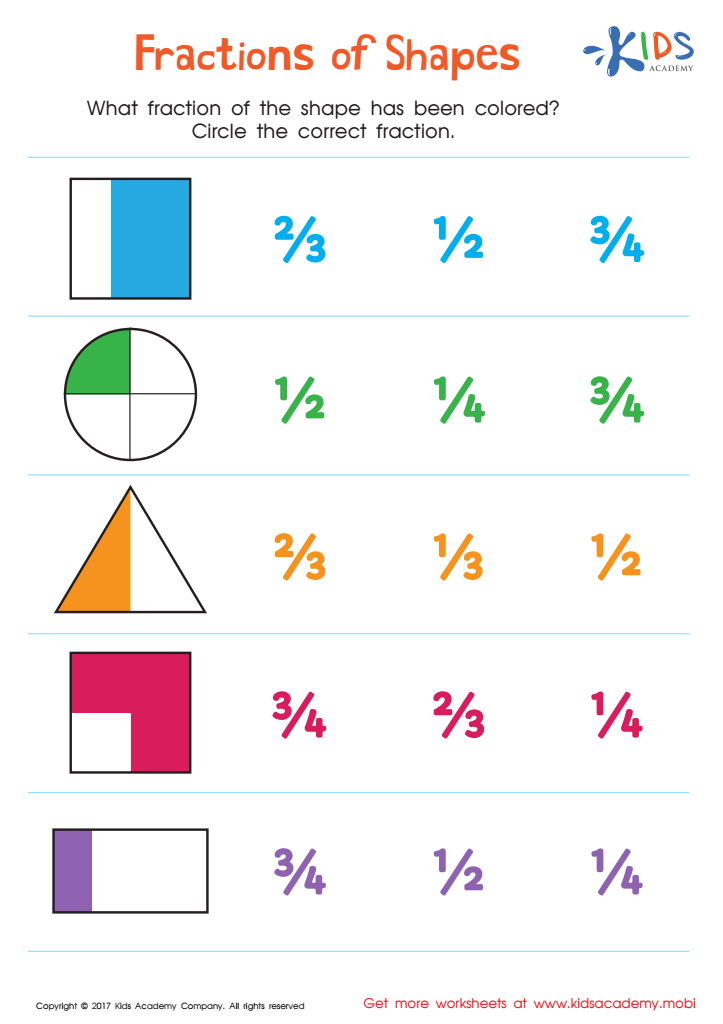
Fractions of Shapes: Math Concept Worksheet
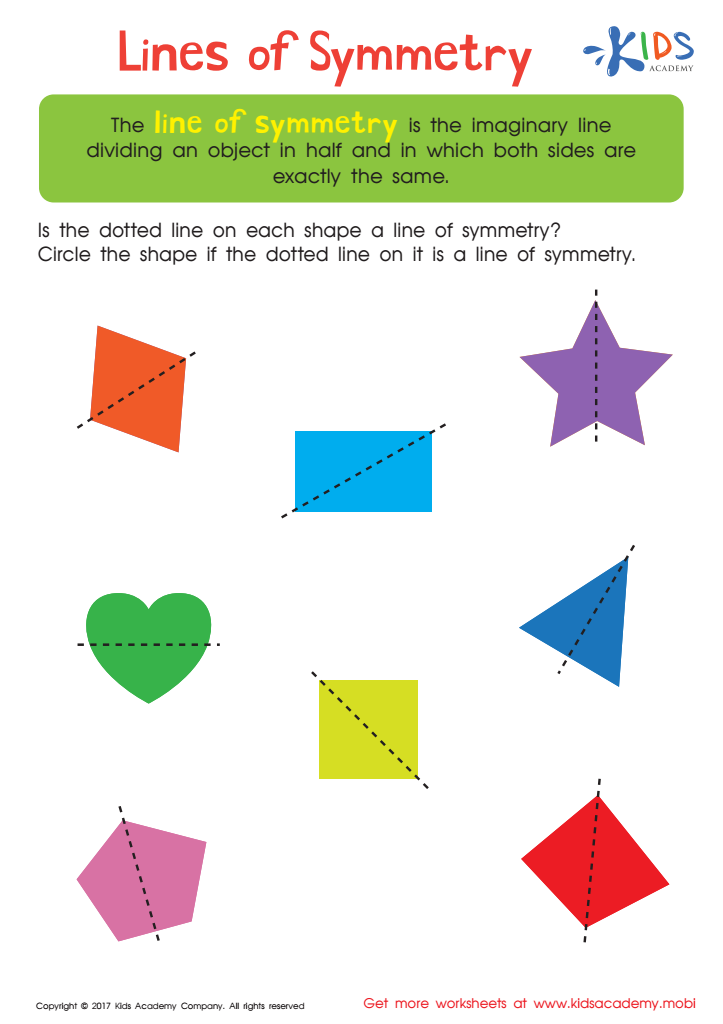
Lines of Symmetry Printable
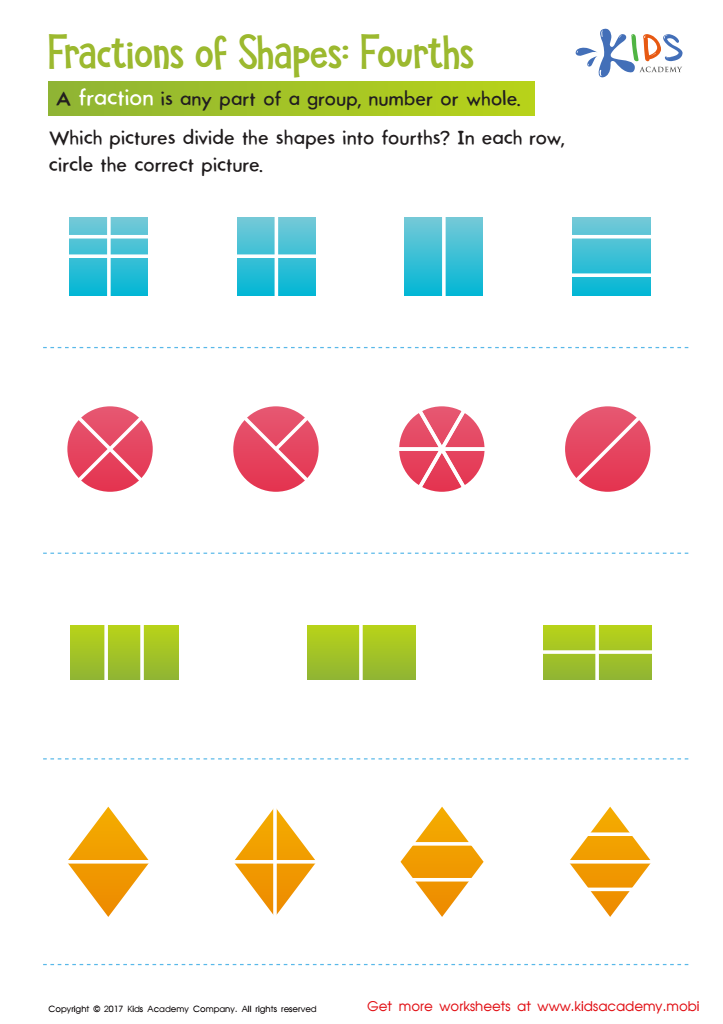
Fractions of Shapes Worksheet








Parents and teachers should care about Extra Challenge Fractions of Shapes for 8-9-year-olds because it builds a solid foundation in mathematical reasoning. At this age, children are transitioning from basic understanding to more complex concepts. Engaging with fraction challenges enhances their ability to visualize and comprehend parts of a whole, which is crucial for everyday problem-solving.
Moreover, mastering fractions is essential for higher math levels. By introducing extra challenge activities, educators can cater to varied learning paces, ensuring that advanced students get the stimulation they need while also helping others develop confidence. Creating a fun, challenging environment encourages a positive attitude towards math, fostering critical thinking and persistence in facing difficulties.
Teaching fractions through shapes makes the learning process more tangible and relevant, allowing children to see real-world applications, such as baking or sharing equally among friends. Additionally, this foundation boosts engagement and promotes cooperative learning as students work together. By focusing on these challenges, parents and teachers can cultivate essential skills that extend beyond math, including analytical thinking and creativity, empowering children for future academic success and personal confidence. Ultimately, investing time in these foundational skills paves the way for lifelong learning and adaptability.