Vocabulary Building Kindergarten Math Worksheets
6 filtered results
-
From - To
Unlock the world of numbers and words for your little learner with our Vocabulary Building Kindergarten Math Worksheets. Designed to make math fun and engaging, these worksheets blend essential vocabulary lessons with foundational math skills. Each sheet is crafted to help kindergartners understand key math terms while practicing counting, addition, shapes, patterns, and more. Through vibrant illustrations and interactive tasks, children boost their math vocabulary and problem-solving abilities simultaneously. Perfect for classroom activities or at-home practice, our worksheets provide the ideal support for young minds to explore math concepts confidently. Start enriching your child's learning journey today!
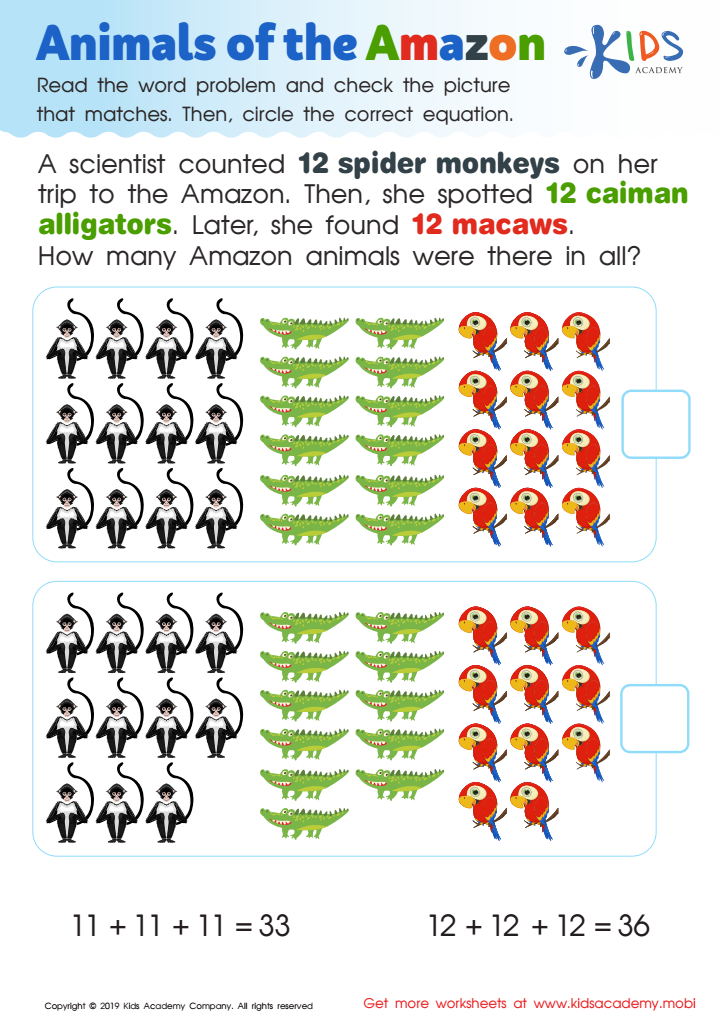
Animals of Amazon Worksheet
 Assign to My Students
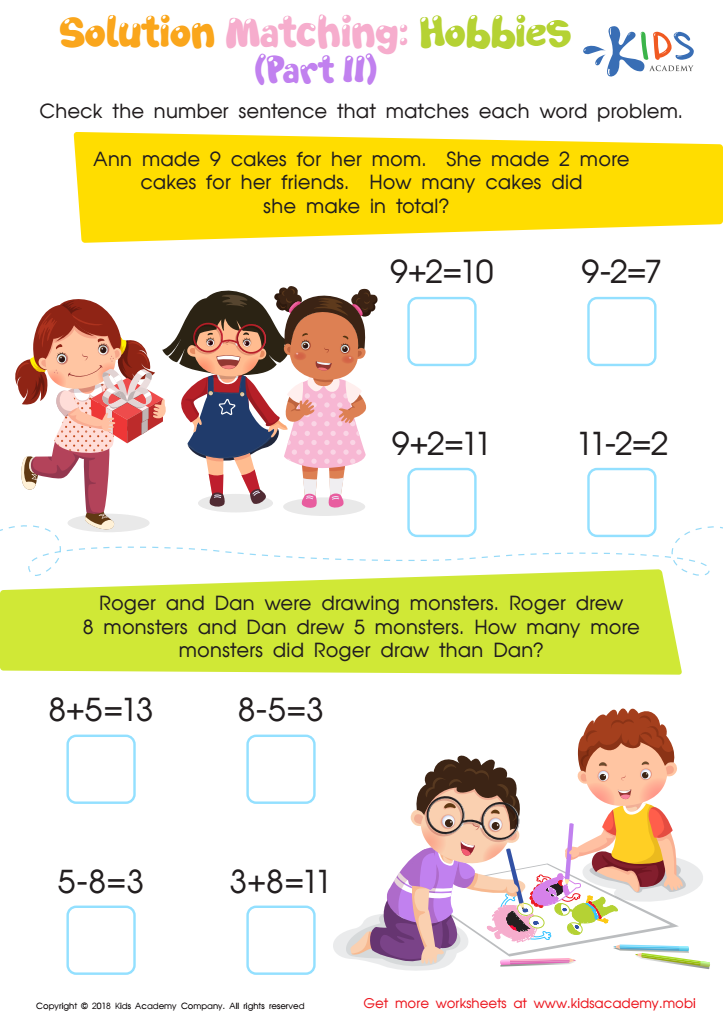
Solution Matching: Hobbies. Part 2 Worksheet
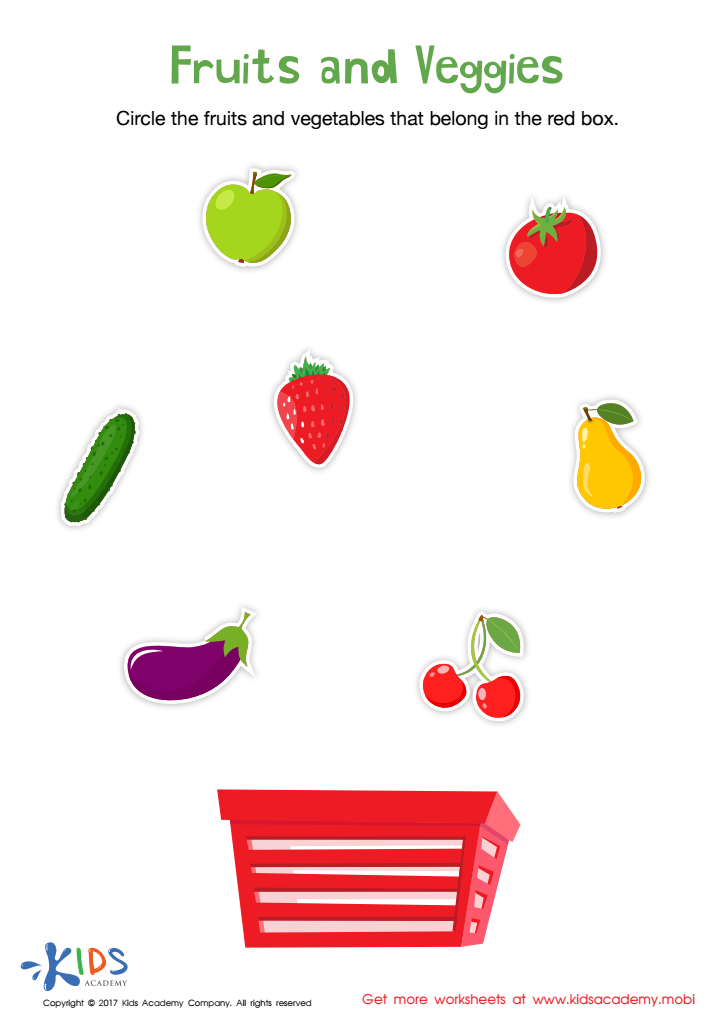
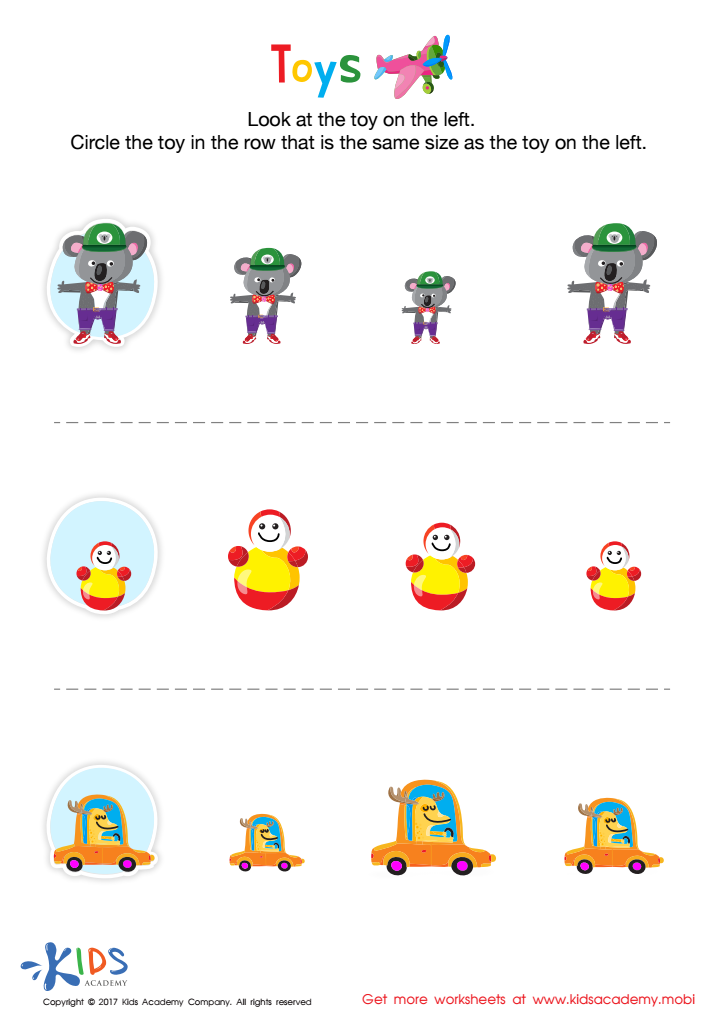
Matching: Classifying Toys by Size Worksheet
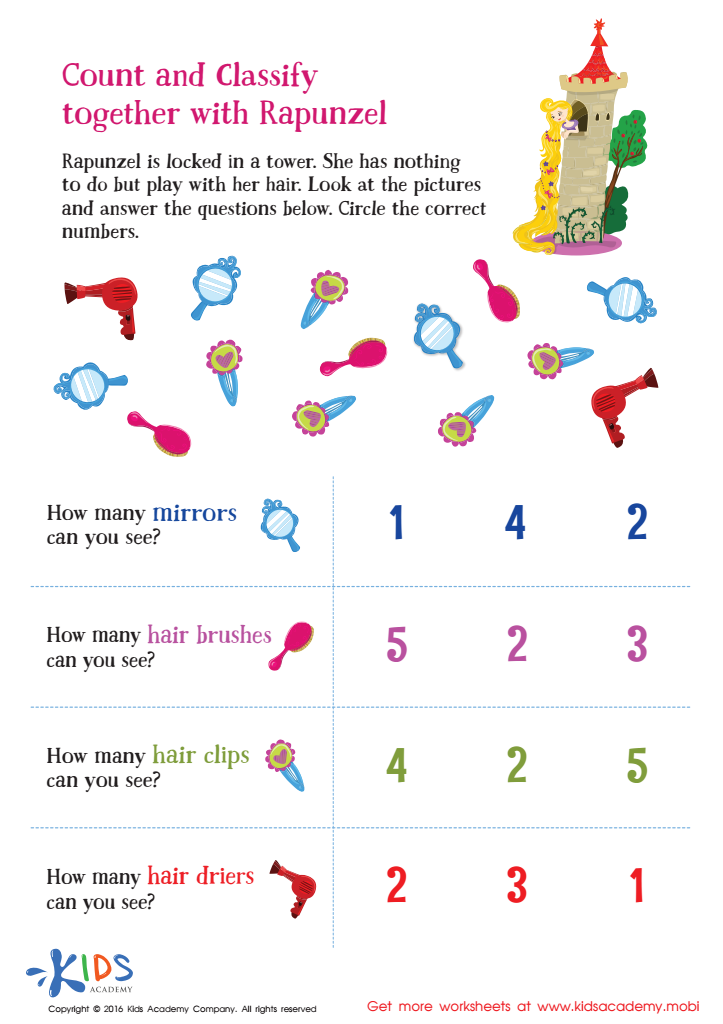
Fairy Tale Worksheet: Count and Classify with Rapunzel
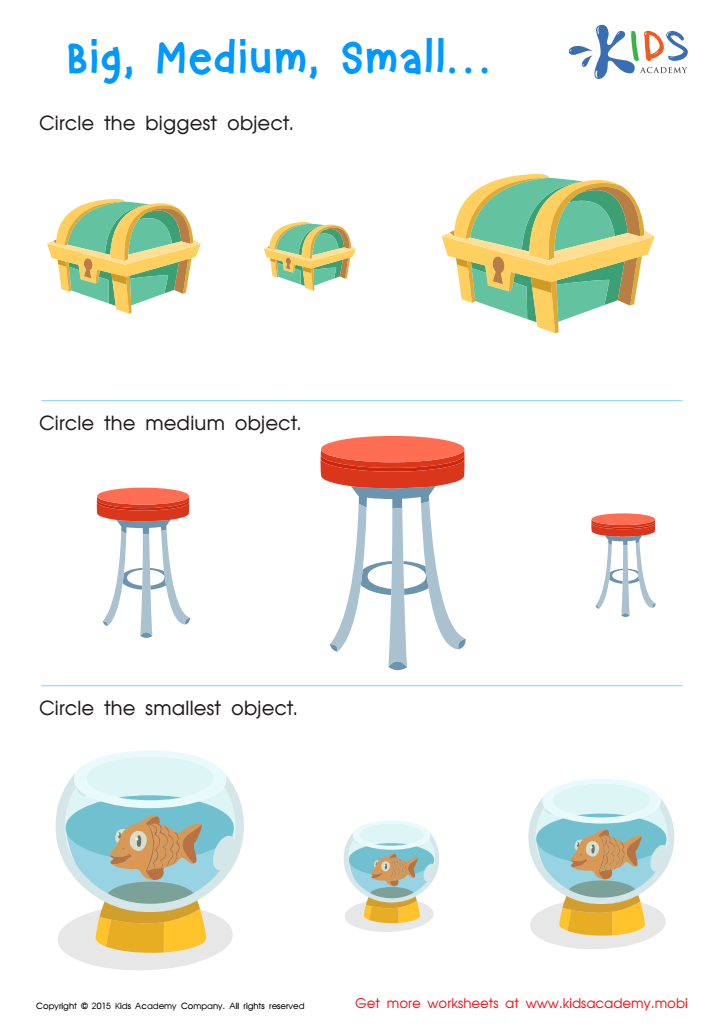
Big Medium Small Worksheet






%20(1).jpg)

Vocabulary Building in Kindergarten Math is crucial because it lays the foundation for future mathematical understanding and overall academic success. At this stage, young learners are not only introduced to numbers and basic operations but also to the language surrounding these concepts. When parents and teachers emphasize mathematical vocabulary, children learn to name, describe, and manipulate mathematical ideas more effectively.
Firstly, mastery of math-related vocabulary helps children follow instructions more easily and understand math problems without confusion. Terms such as "more," "less," "equal," and "different" become intuitive, making complex arithmetic and geometry concepts easier to grasp later on.
Secondly, a strong vocabulary boosts children's confidence, enabling them to participate more actively in class. This active engagement fosters a positive attitude toward learning and helps develop critical thinking skills. Conversational use of math terms translates abstract concepts into something more concrete for young minds.
Lastly, integrating vocabulary in math lessons aligns with cross-curricular learning strategies. As children become more linguistically adept, their reading and comprehension skills improve, creating a synergistic effect that benefits various areas of their education.
In summary, focusing on vocabulary in Kindergarten Math ensures a comprehensive understanding of mathematical concepts, encourages active participation, and supports overall cognitive and linguistic development.








