Normal Tracing Letters Worksheets for Ages 3-6 - Page 2
31 filtered results
-
From - To
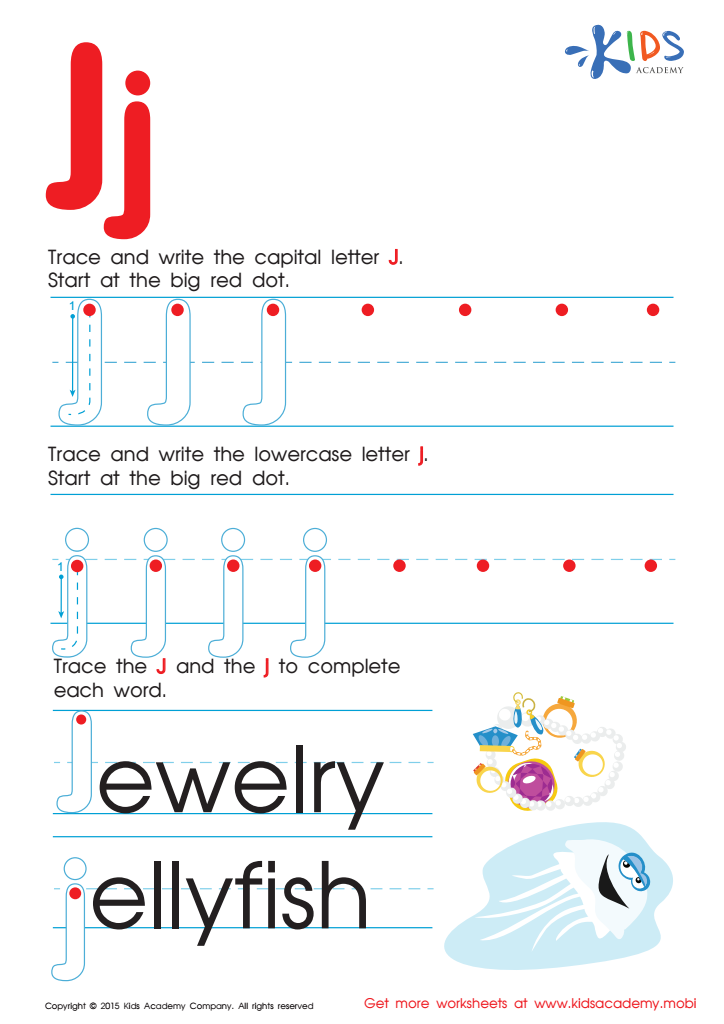
Letter J Tracing Page
 Assign to My Students
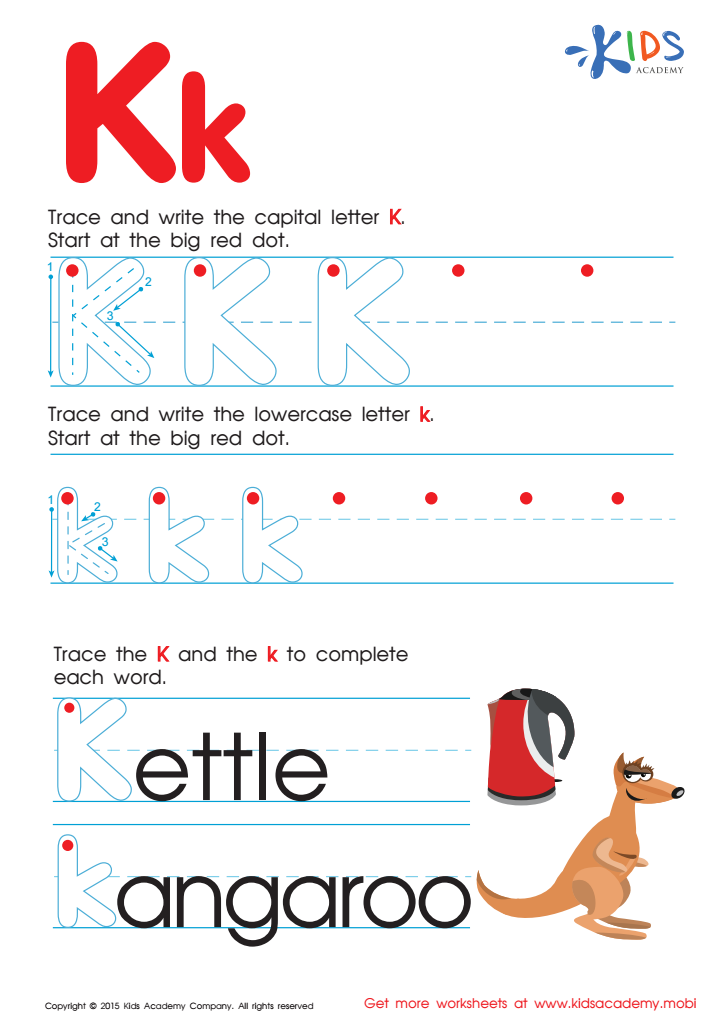
Letter K Tracing Page
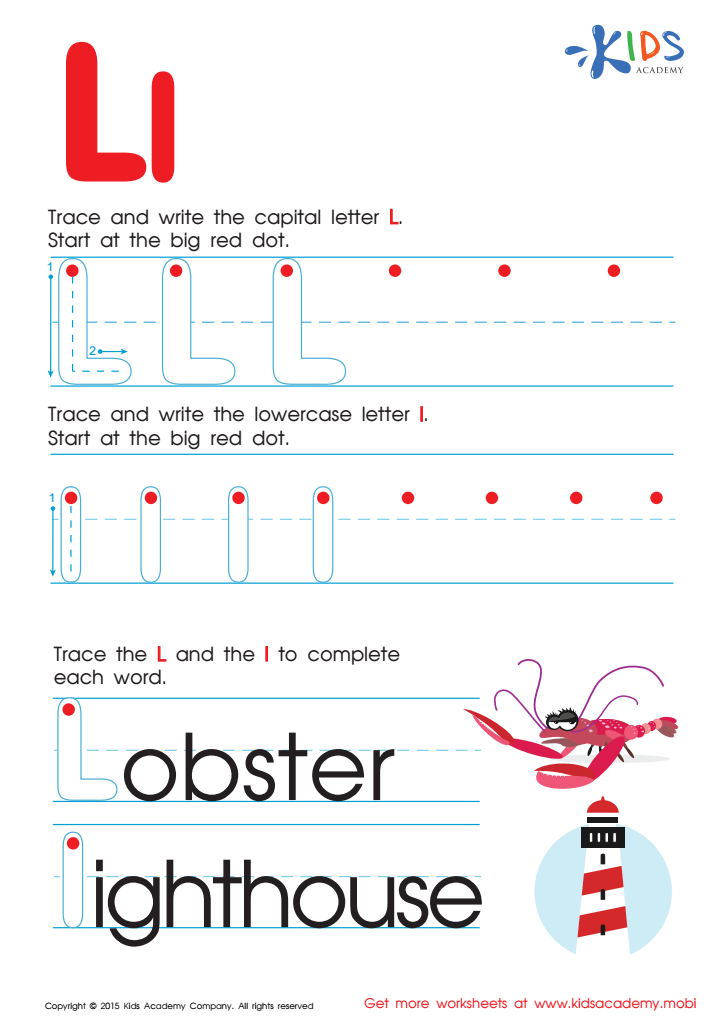
Letter L Tracing Page
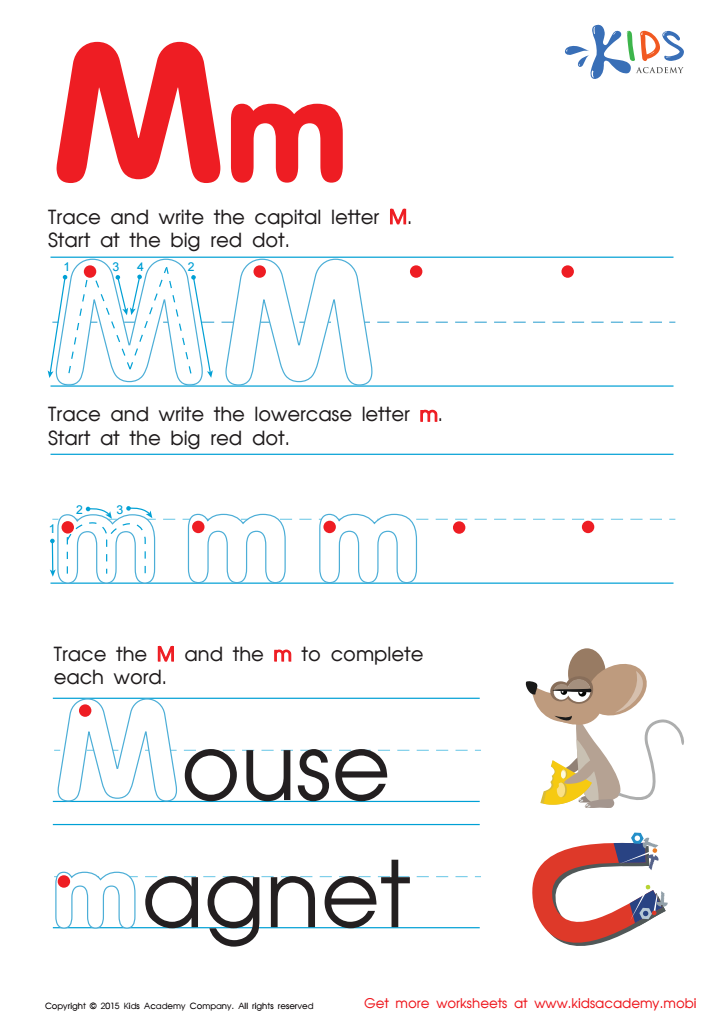
Letter M Tracing Page
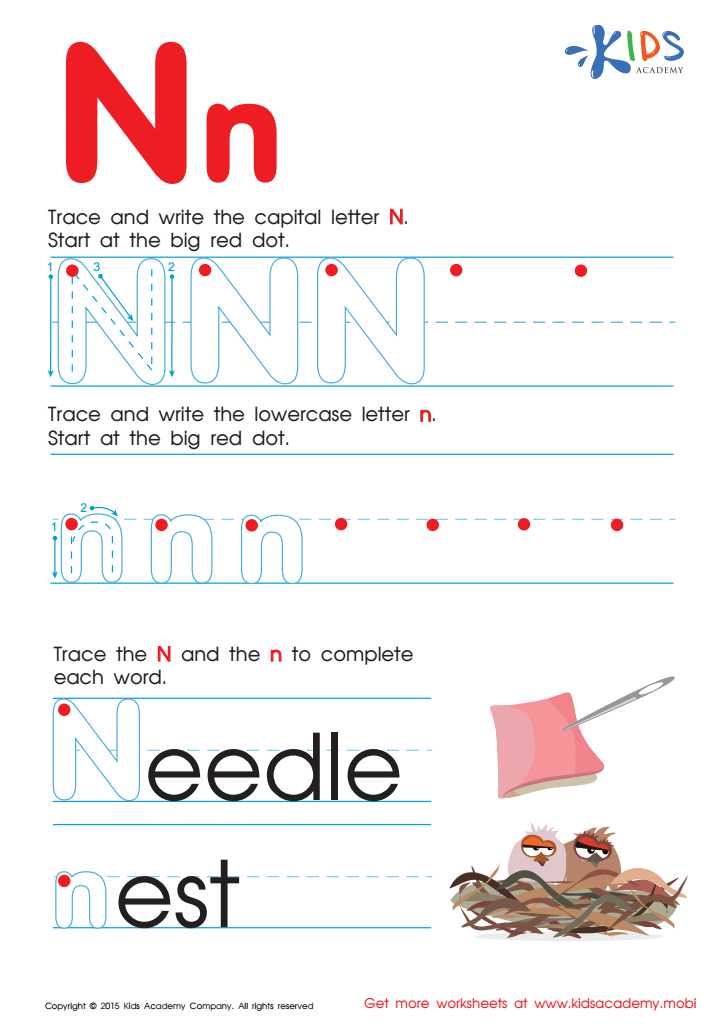
Letter N Tracing Page
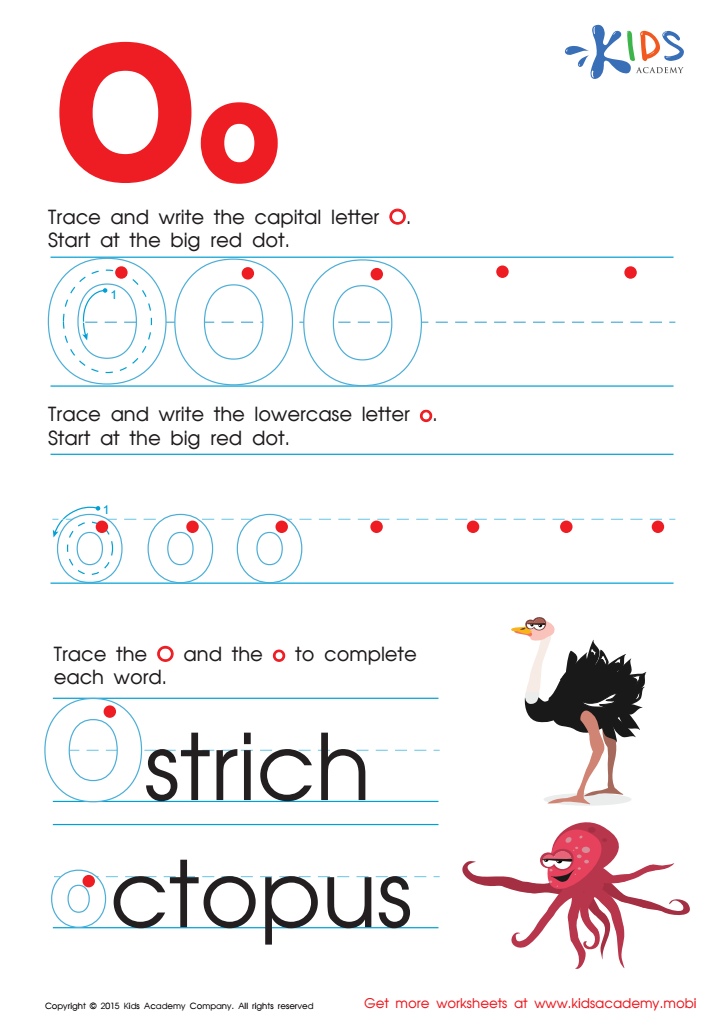
Letter O Tracing Page

Letter P Tracing Page








Normal tracing letters is an essential activity for children aged 3-6, as it lays the foundation for literacy development and fine motor skills. At this early stage, children are like sponges, absorbing information rapidly. Tracing letters aids in letter recognition, which is crucial for reading and writing. When children trace, they're not only familiarizing themselves with the shapes and sounds of letters but also developing their understanding of the alphabet.
Moreover, the physical act of tracing strengthens hand muscles and improves hand-eye coordination. These fine motor skills are vital for various everyday tasks, including holding a pencil properly, tying shoelaces, and participating in arts and crafts. Engaging in tracing activities can also enhance children's focus and concentration, encouraging patience and diligence as they complete each letter.
Parents and teachers should care about tracing activities because they offer a fun, interactive approach to learning that can foster a love for letters and reading early on. Ultimately, instilling these foundational skills will set the stage for future academic success and confidence in their writing abilities. By incorporating tracing letters into home or classroom activities, adults help cultivate a supportive learning environment, ensuring that children are both engaged and developing crucial skills that will benefit them throughout their education.








