Filters

53 filtered results

Clear all filters
Favorites
With answer key
Interactive

53 filtered results

Difficulty Level

Grade


Check out this FREE Trial Lesson on English for Beginners for age 3-6!

P

Favorites
With answer key
Interactive
  • 3-6
  • Interactive
  • English for Beginners
  • Normal
Letter P worksheets
Letter P worksheets

Letter P Tracing Page

Trace the lines from the red dot to learn to write "P"! Then practice this letter with the fun activities: complete the word "Pig" and "Pumpkin". Check out Kids Academy to get more free ABC worksheets.
Letter P Tracing Page
Worksheet
Letter Q worksheets
Letter Q worksheets

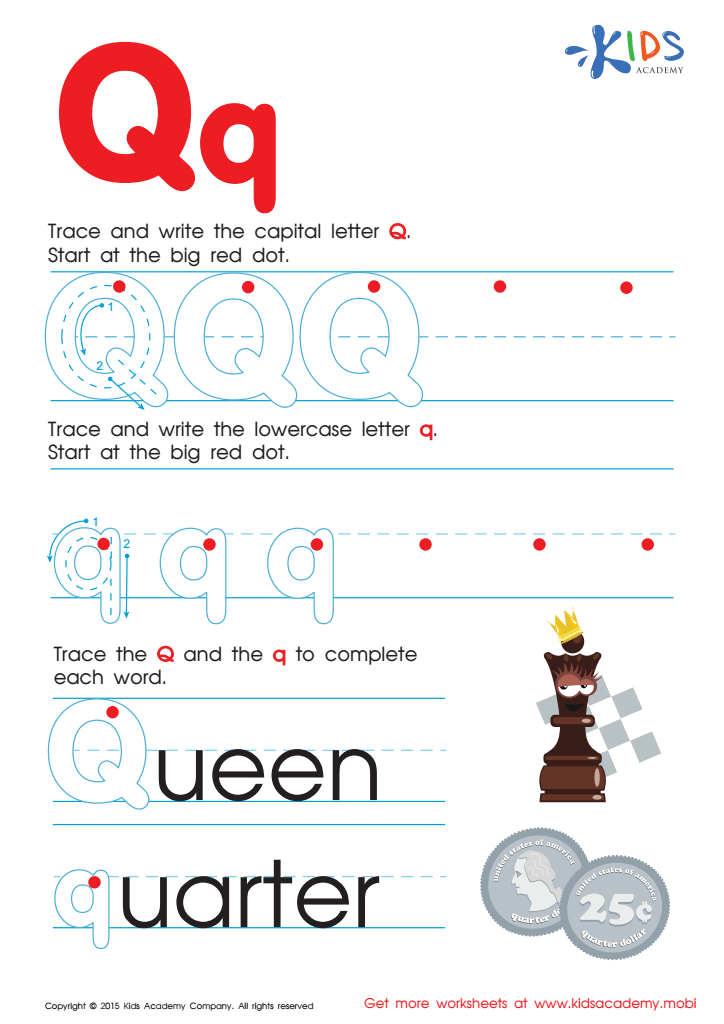
Letter Q Tracing Page

Learn the letter "Q"! Trace and write it a few times in upper and lowercase. Then help the Queen by writing her initial letter. Finally, write "quarters" and practice with more alphabet worksheets.
Letter Q Tracing Page
Worksheet
Learning Numbers Worksheets: Trace And Write Number 0 PDF Worksheet

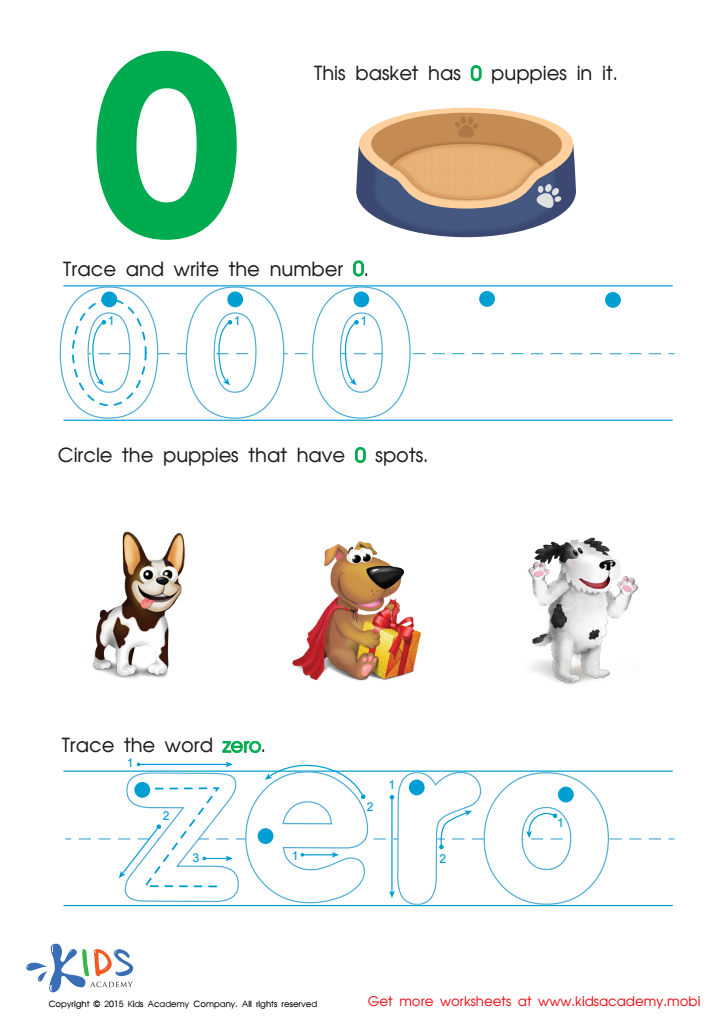
Trace And Write Number 0 Worksheet

Let’s learn numbers together! Start with zero: practice writing, counting, matching spots. Tracing lines will help. Then move on to the collection of number worksheets. Enjoy learning with Kids Academy!
Trace And Write Number 0 Worksheet
Worksheet
Learning Numbers Worksheets: Learn to Write the Number 2 PDF

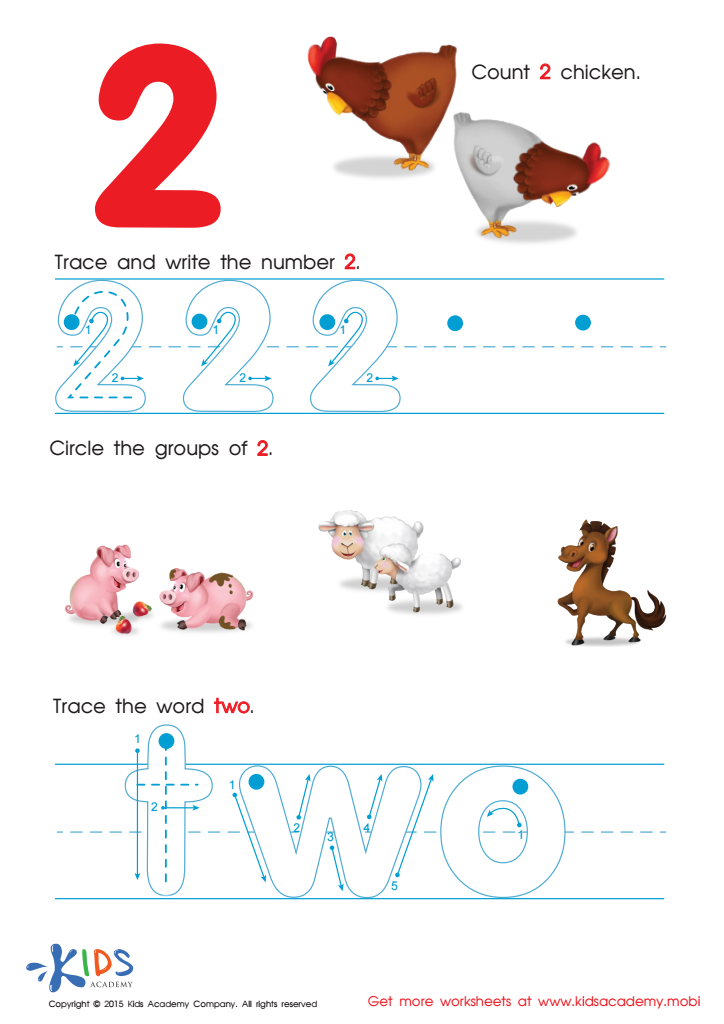
Learn to Write the Number 2 Worksheet
Teaching numbers should be fun! Ask your kids to count the two chicks, circle the groups of two among the animals, then trace and write the number and word. Get more fun worksheets from Kids Academy.
Learn to Write the Number 2 Worksheet
Worksheet
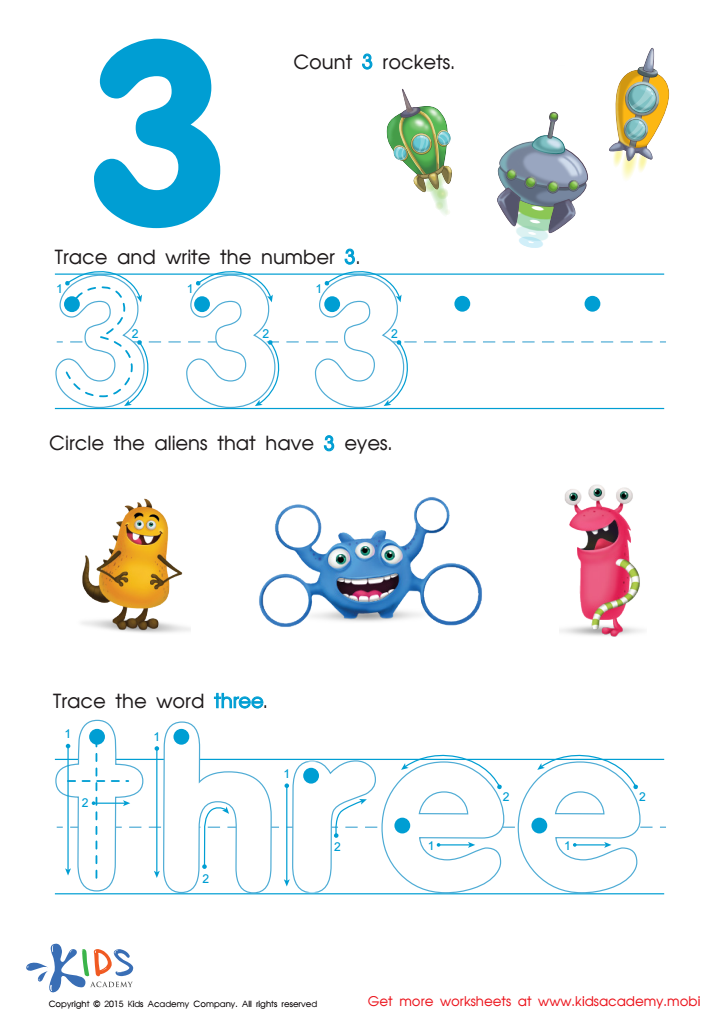
Learning Numbers Worksheets: Learning Number Three PDF

Learning Number Three Worksheet

Learn to count with aliens! Trace the number 3 and circle aliens with 3 eyes. Explore our web site for more number games and activities for preschoolers.
Learning Number Three Worksheet
Worksheet


... 2 3

Parents and teachers should prioritize "Normal English for Beginners" for children ages 3-6 for various compelling reasons. First, this foundational stage in early language development plays a critical role in shaping a child's communication skills and cognitive growth. Introducing children to everyday English concepts and vocabulary fosters their ability to express themselves clearly, enhancing both their social interactions and academic readiness.

Second, normalizing language through relatable and typical contexts helps young learners connect with their environment, making learning both engaging and relevant. This approach can spark curiosity about the world, promoting a lifelong love for learning. Additionally, age-appropriate literacy skills are crucial, as they serve as a springboard for future reading and writing abilities.

Furthermore, utilizing normal English aids in inclusivity, accommodating diverse backgrounds and learning styles, thus ensuring all children feel represented in their educational journey. Teachers and parents can also promote confidence in language use, as children learn to articulate their thoughts and feelings effectively.

In conclusion, advocating for "Normal English for Beginners" is essential for nurturing a child's early literacy, supporting their social-emotional development, and preparing them for academic success. It fosters an enriching environment where young learners can thrive.