Normal Building Vocabulary Worksheets for Ages 3-6 - Page 4
88 filtered results
-
From - To
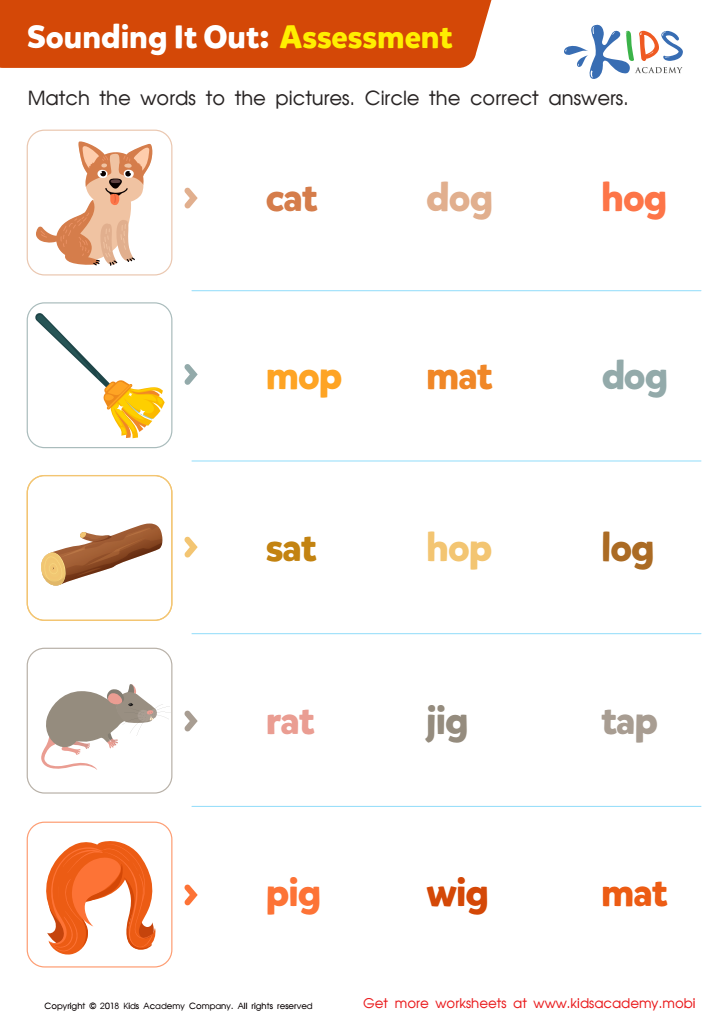
Sounding it Out: Assessment Worksheet
 Assign to My Students











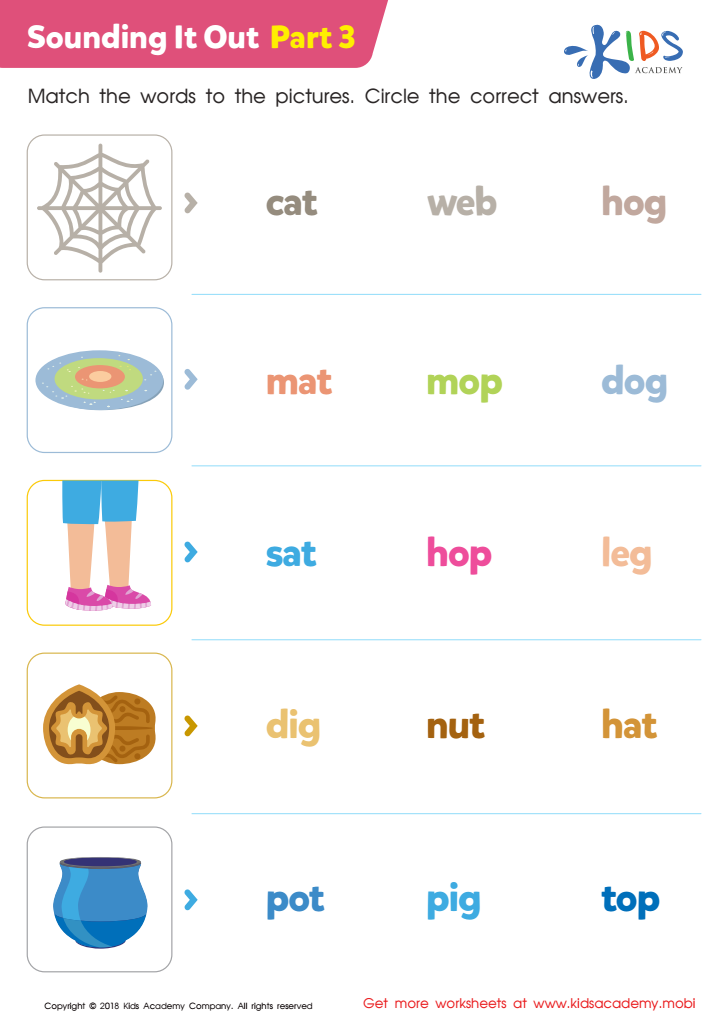
Sounding it Out: Part 3 Worksheet
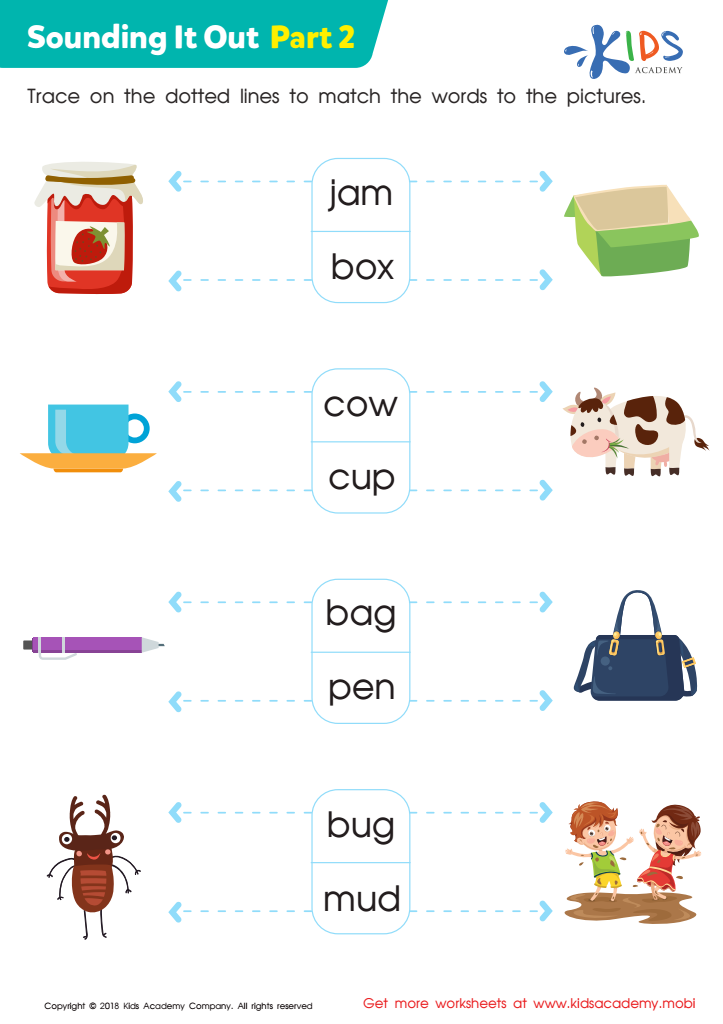
Sounding it Out: Part 2 Worksheet
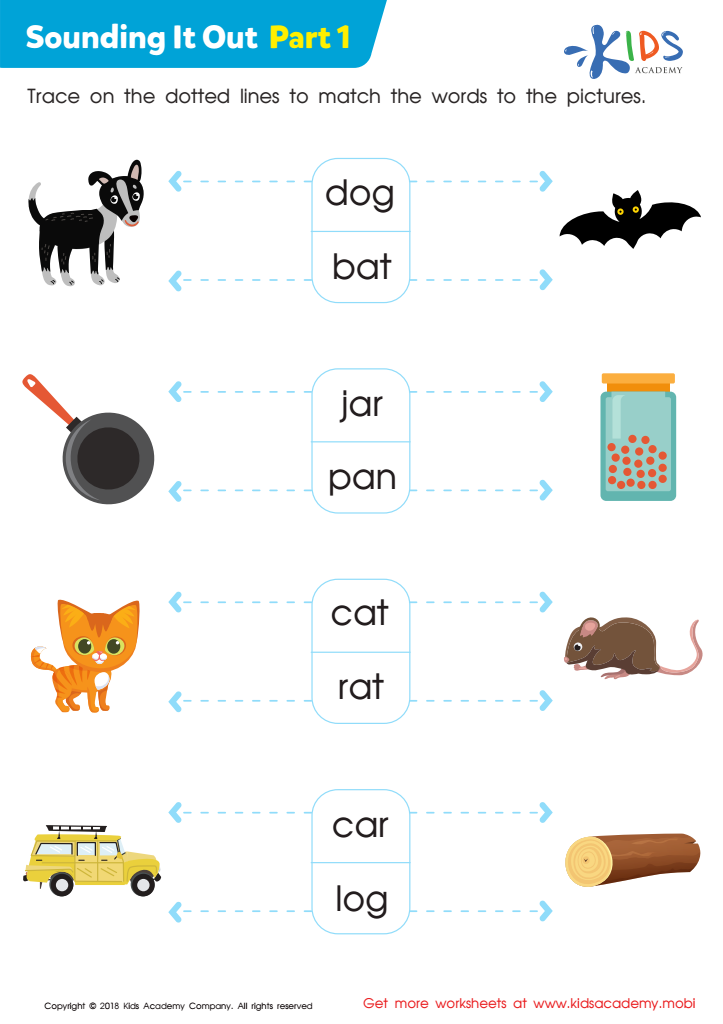
Sounding it Out: Part 1 Worksheet
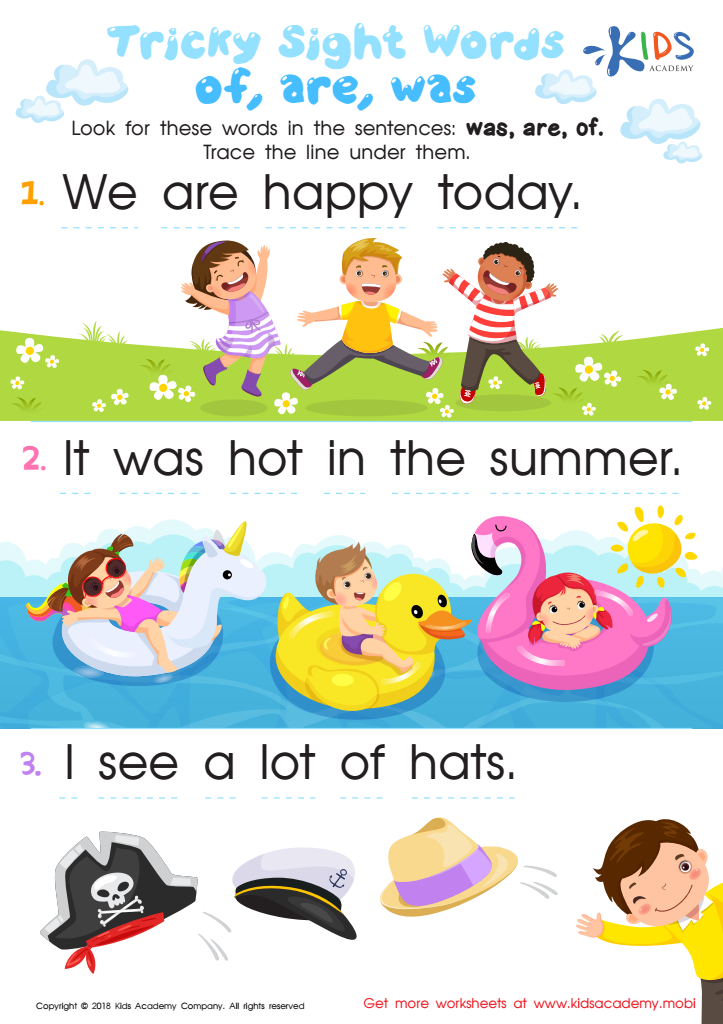
Tricky Sight Words Worksheet
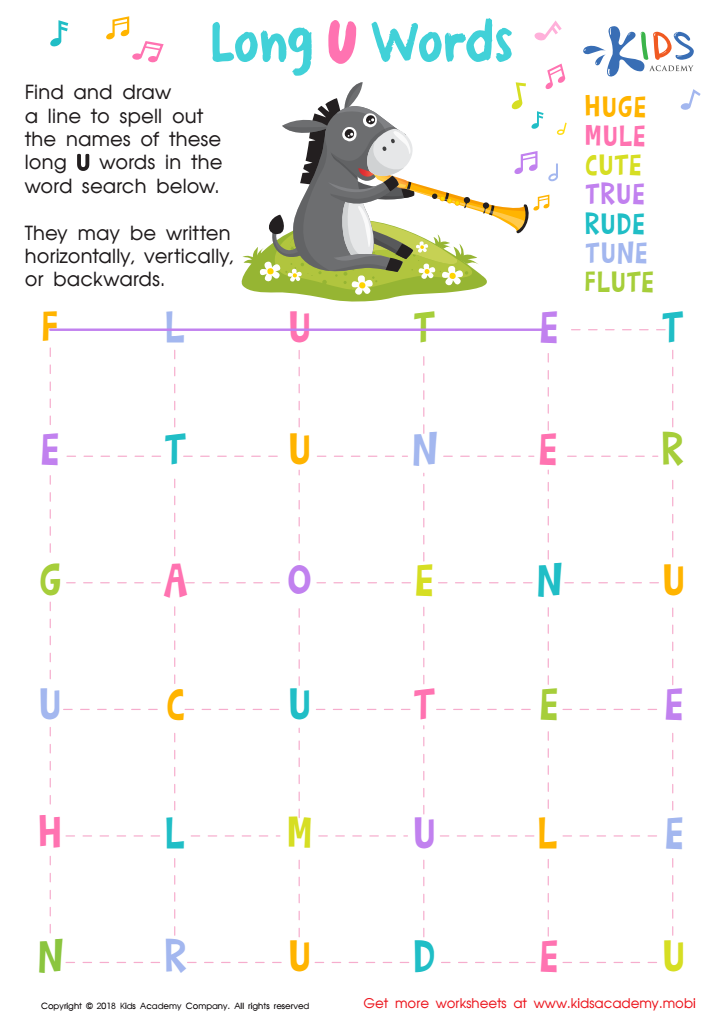
Long /u/ Words Worksheet
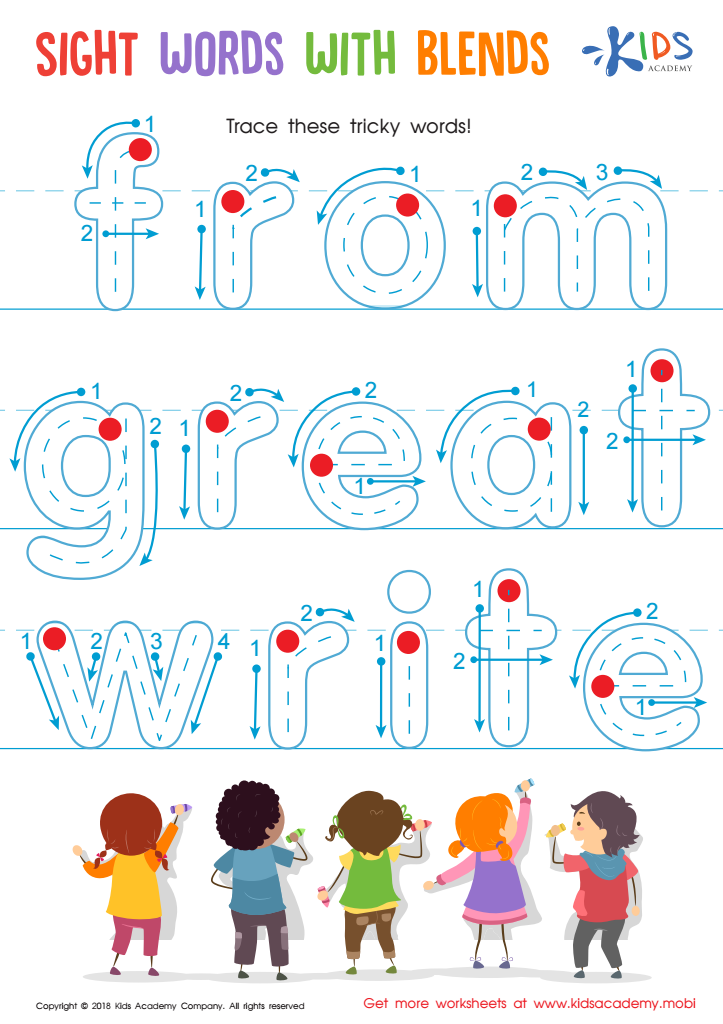
Sight Words with Blends Worksheet
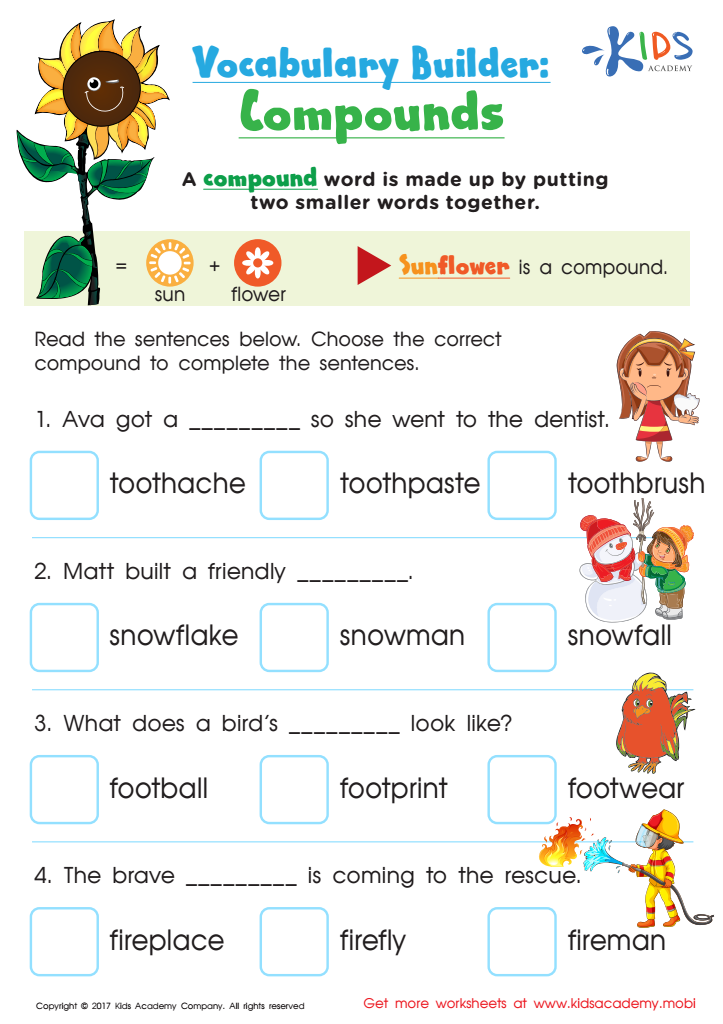
Compound Words Worksheet
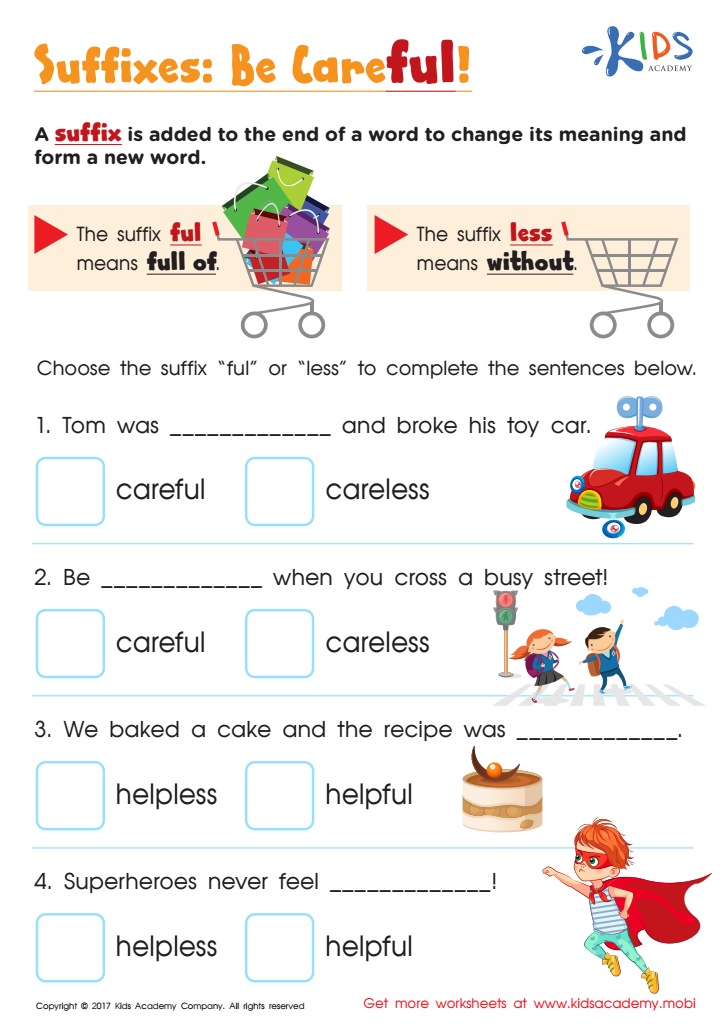
Suffixes Ful and Less Worksheet
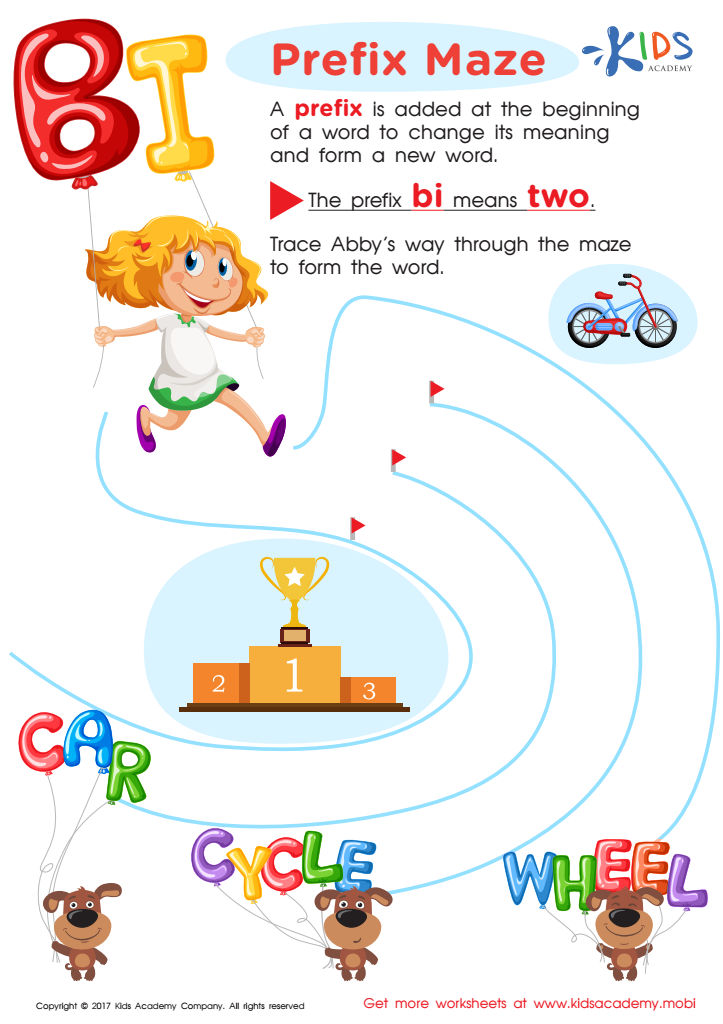
Prefix Bi Words Worksheet
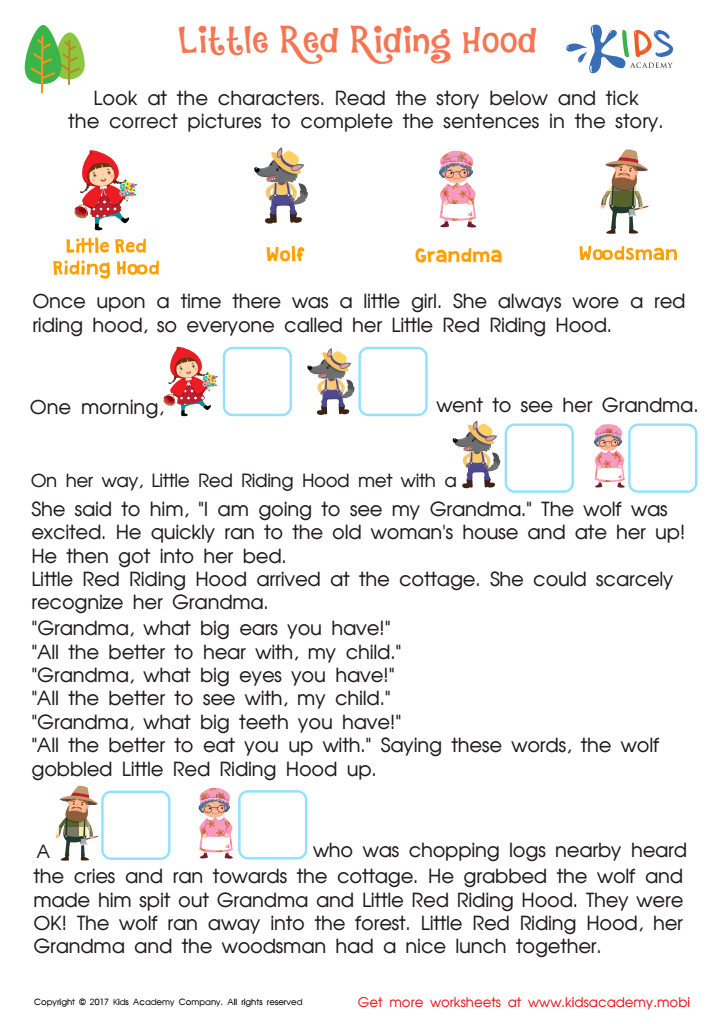
Little Red Riding Hood Printable
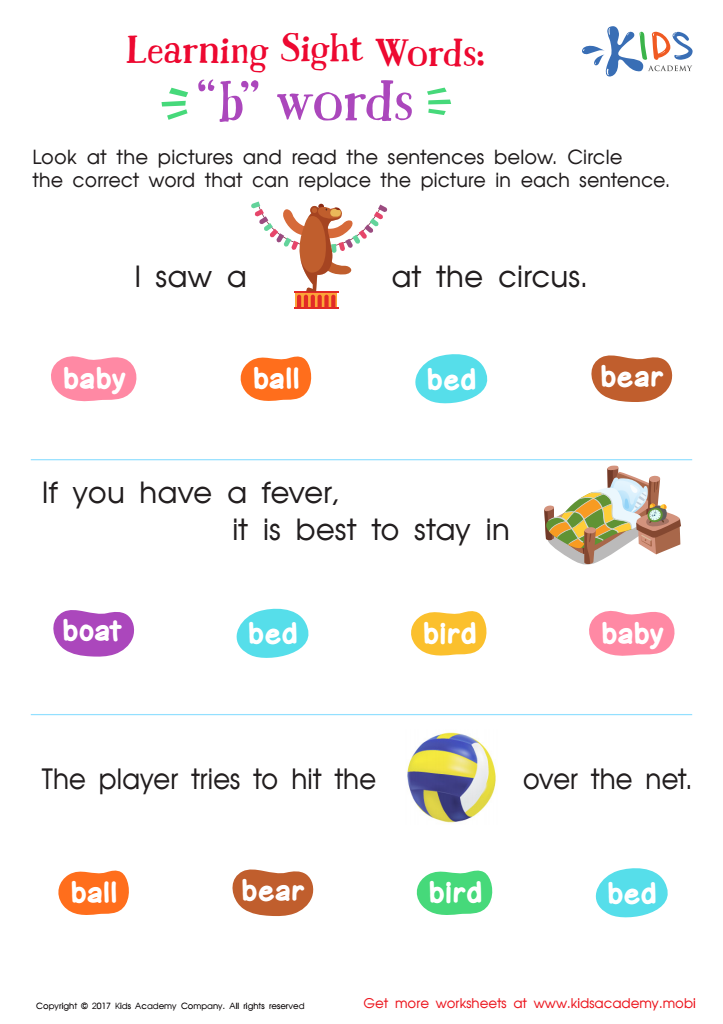
"B" Words Printable Sight Words Worksheet
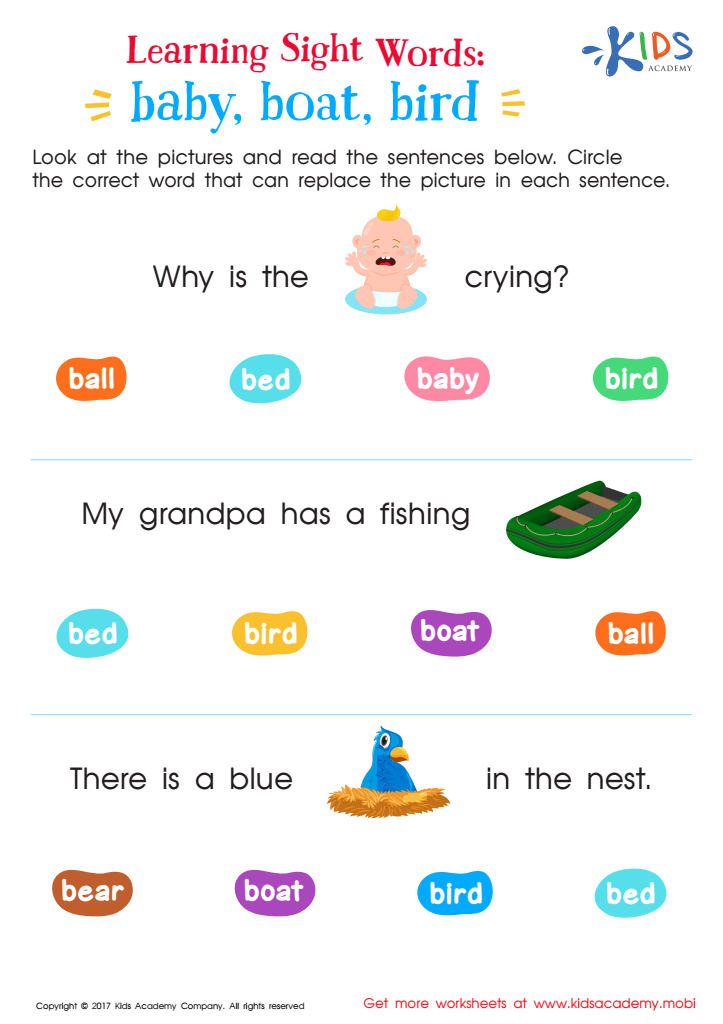
Baby, Boat, Bird Worksheet Sight Words Worksheet
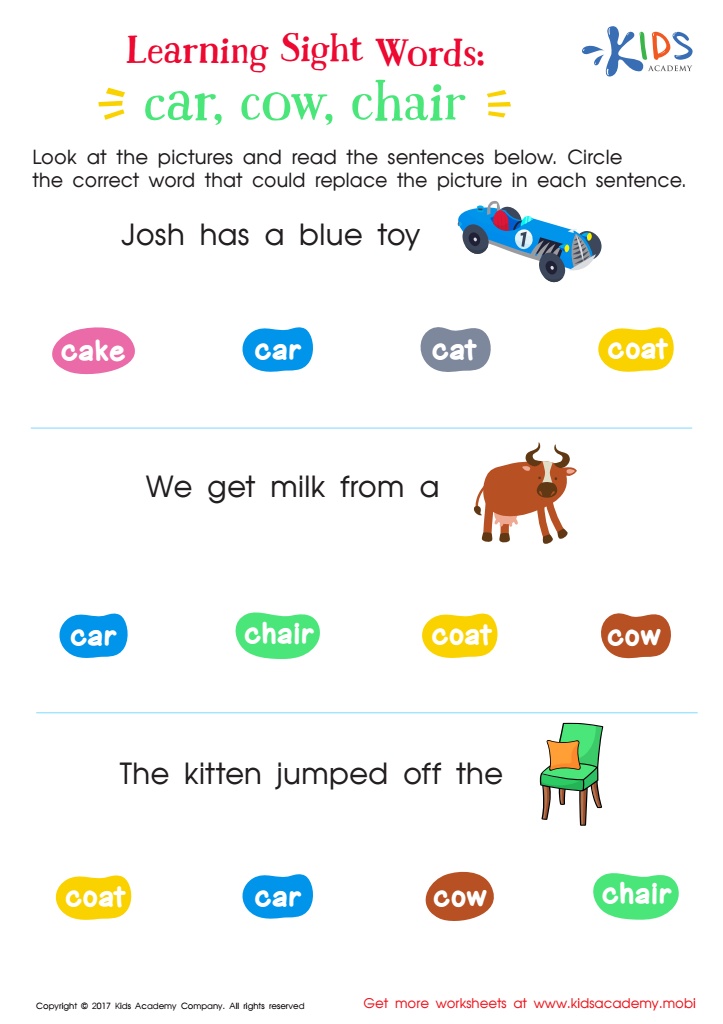
Car, Cow, Chair Worksheet Sight Words Worksheet
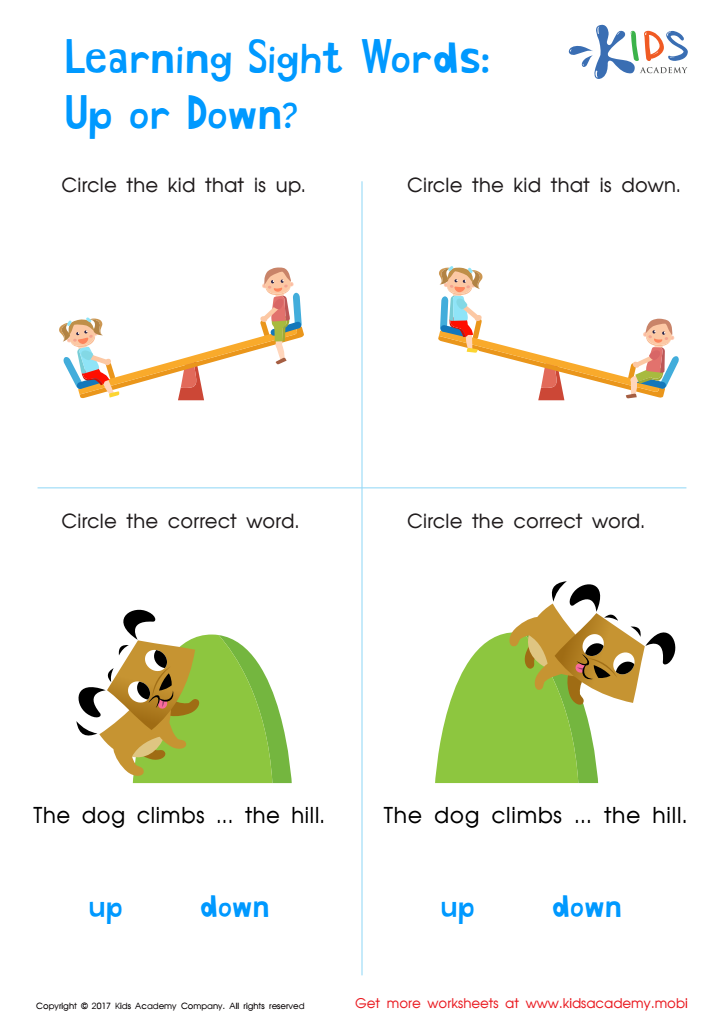
Up or Down Printable Sight Words Worksheet

The Planets: Saturn Printable







Caring about normal building vocabulary for children ages 3-6 is crucial for both parents and teachers because these formative years are a critical period for language development, which plays a fundamental role in a child's overall cognitive, social, and academic growth. During this time, children's brains are highly receptive to learning new words, and a rich vocabulary foundation is developed through daily interactions and exposure to language in various contexts.
A strong vocabulary ensures that children can effectively communicate their needs, thoughts, and emotions, which is essential for building strong relationships with peers and adults. It also directly influences their ability to understand and follow instructions, participate in conversations, and engage in storytelling, all of which are vital components of early childhood education.
Moreover, vocabulary development at this age sets the stage for later reading proficiency. Children with a well-established vocabulary are more likely to recognize words, comprehend texts, and develop a love for reading. A gap in vocabulary can lead to difficulties in these areas, potentially affecting academic success and self-esteem.
Therefore, fostering an environment rich in language experiences — including reading aloud, conversations, and diverse activities — helps children build a robust vocabulary. Investing time and attention in children's language skills from an early age is a meaningful way for parents and teachers to support their lifelong learning and success.








