Normal Reading Comprehension Worksheets for Ages 3-6 - Page 3
100 filtered results
-
From - To
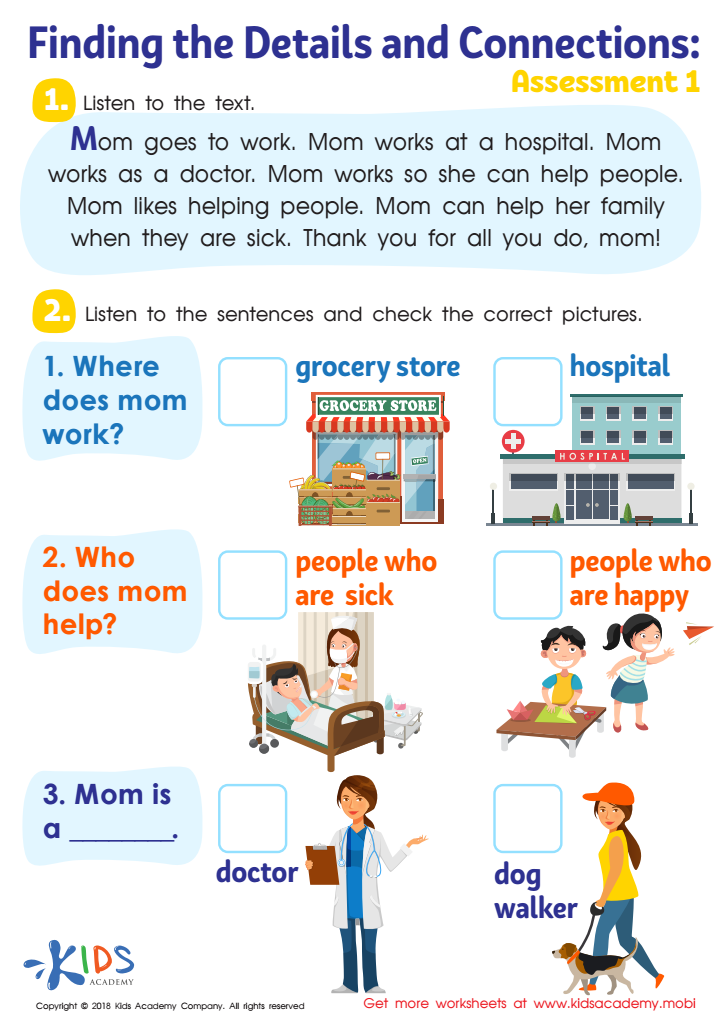
Finding the Details and Connections: Assessment 1 Worksheet
 Assign to My Students
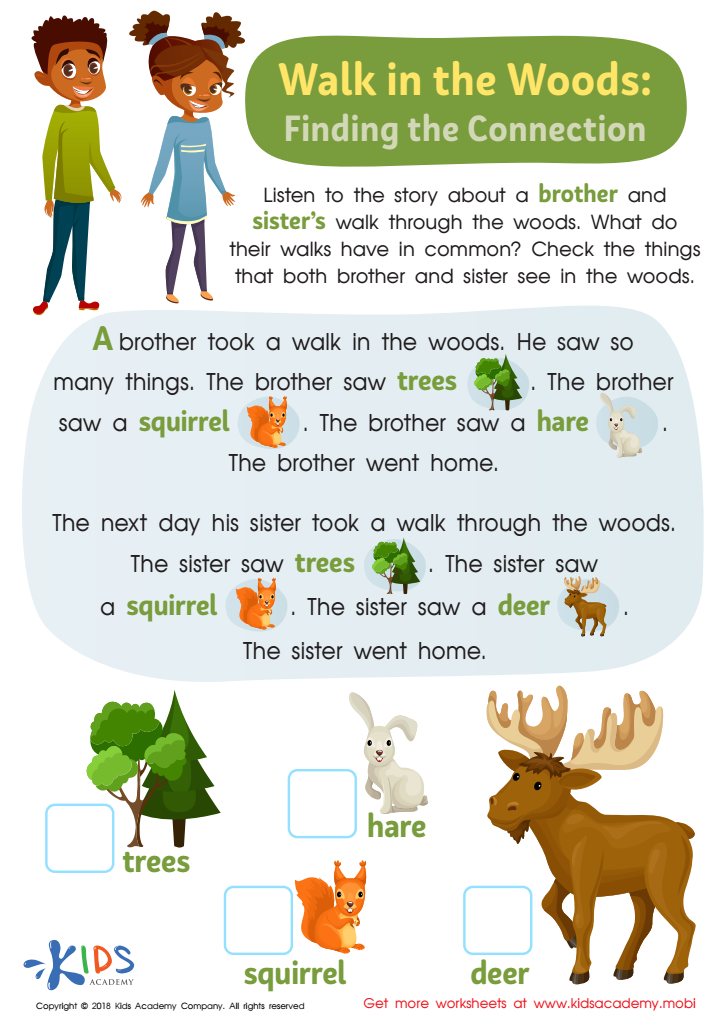
Walk In the Woods: Finding Connections Worksheet
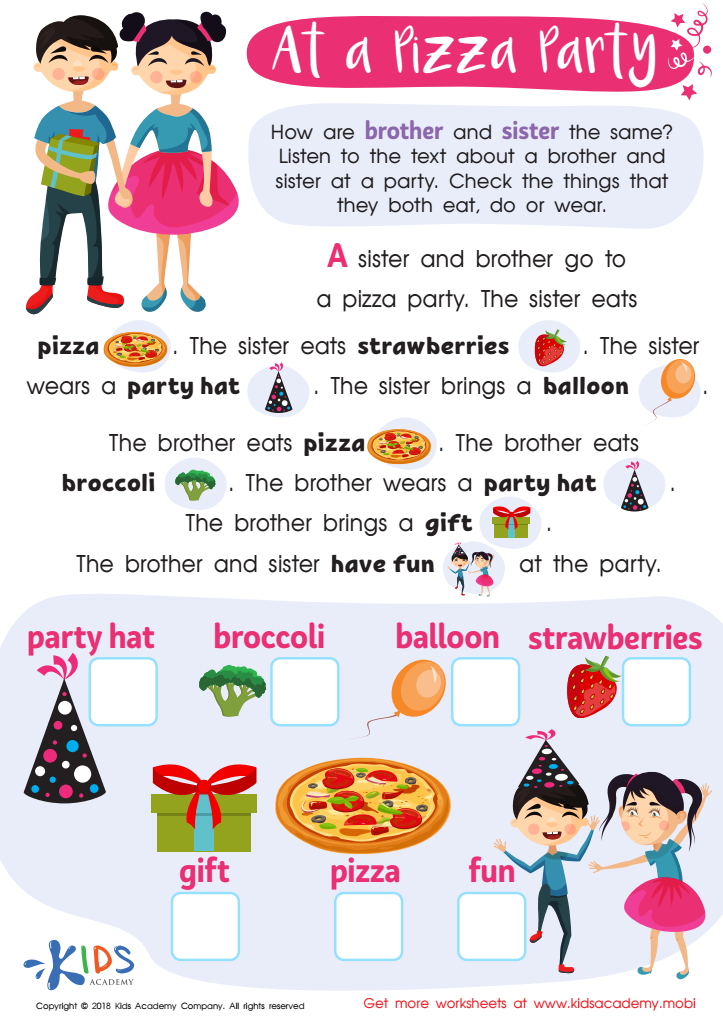
At a Pizza Party Worksheet
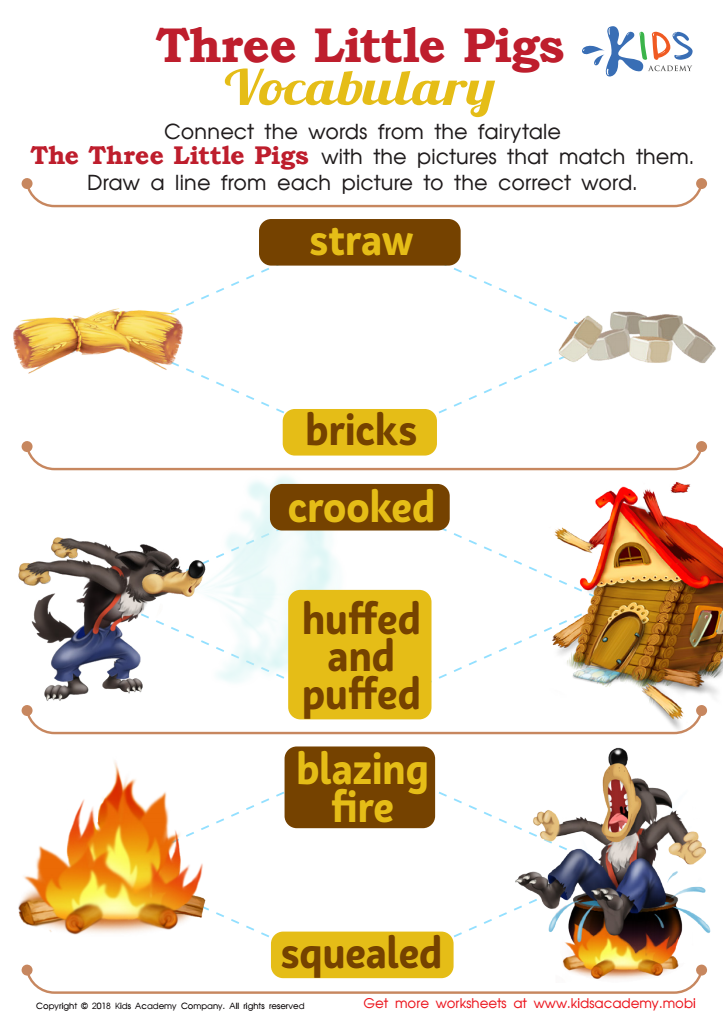
Three Little Pigs Vocabulary Worksheet
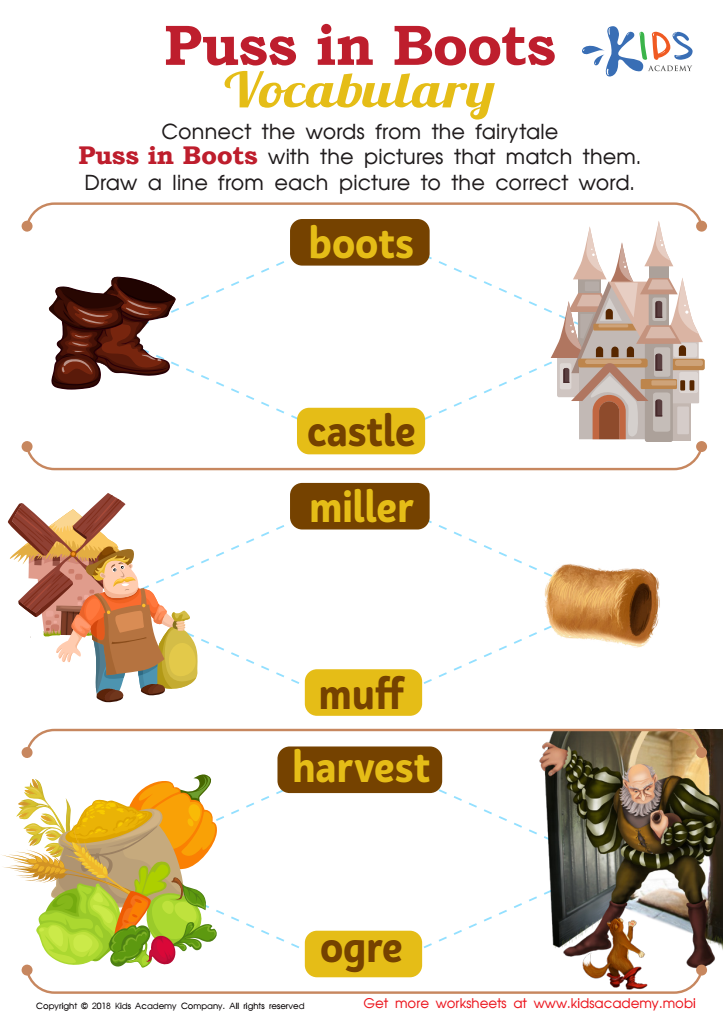
Puss in Boots Vocabulary Worksheet
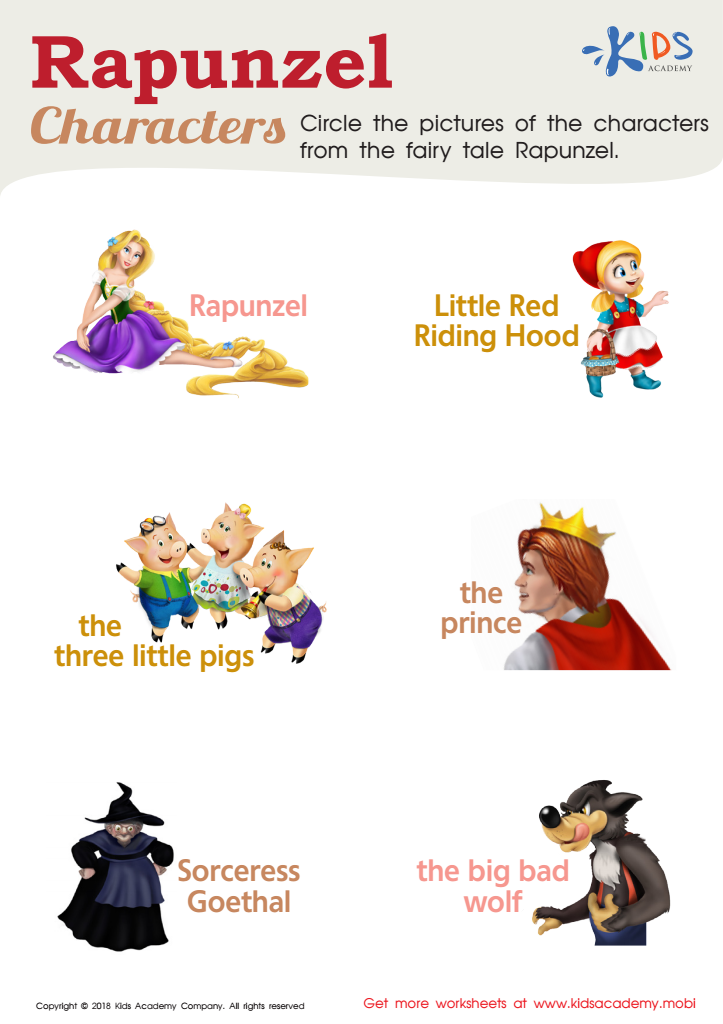
Rapunzel Characters Worksheet
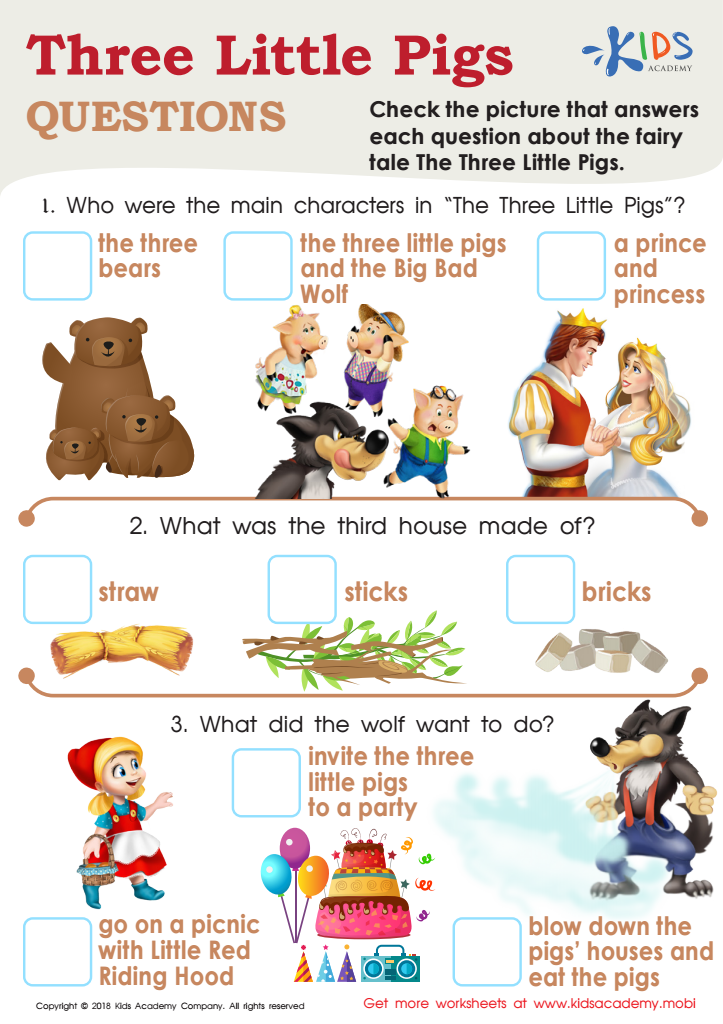
Three Little Pigs Questions Worksheet
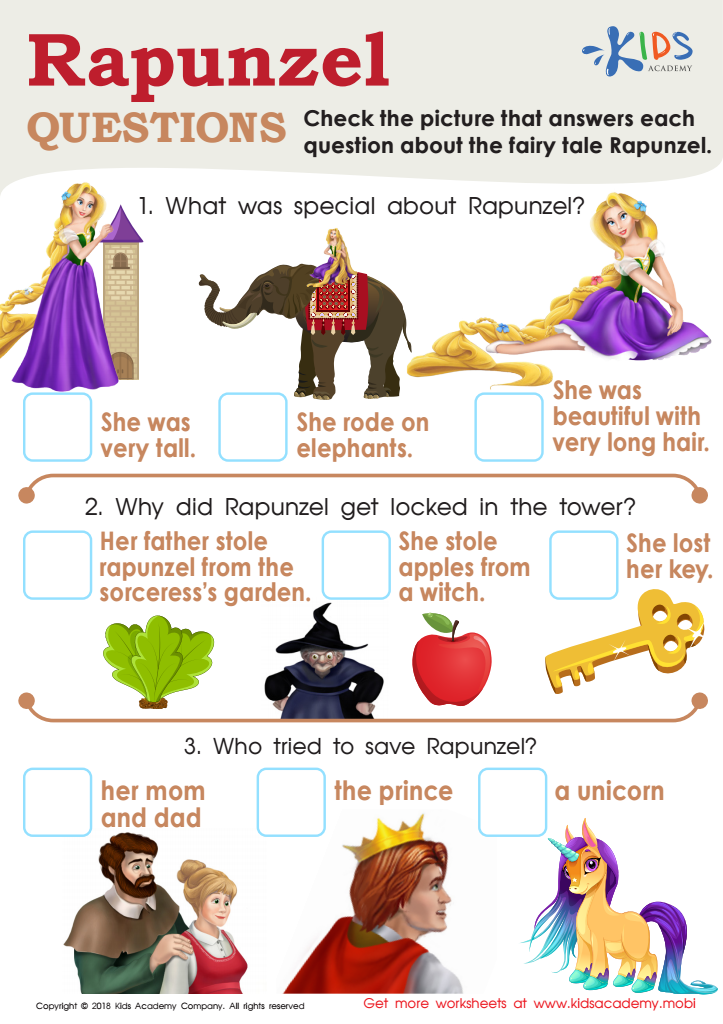
Rapunzel Questions Worksheet
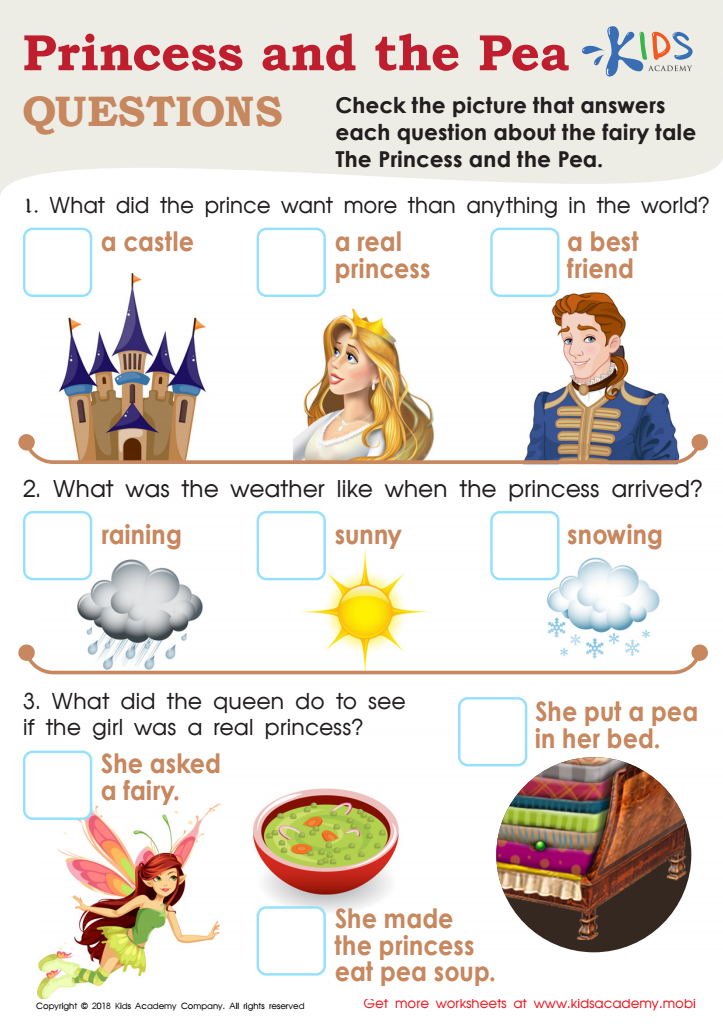
Princess and the Pea Questions Worksheet
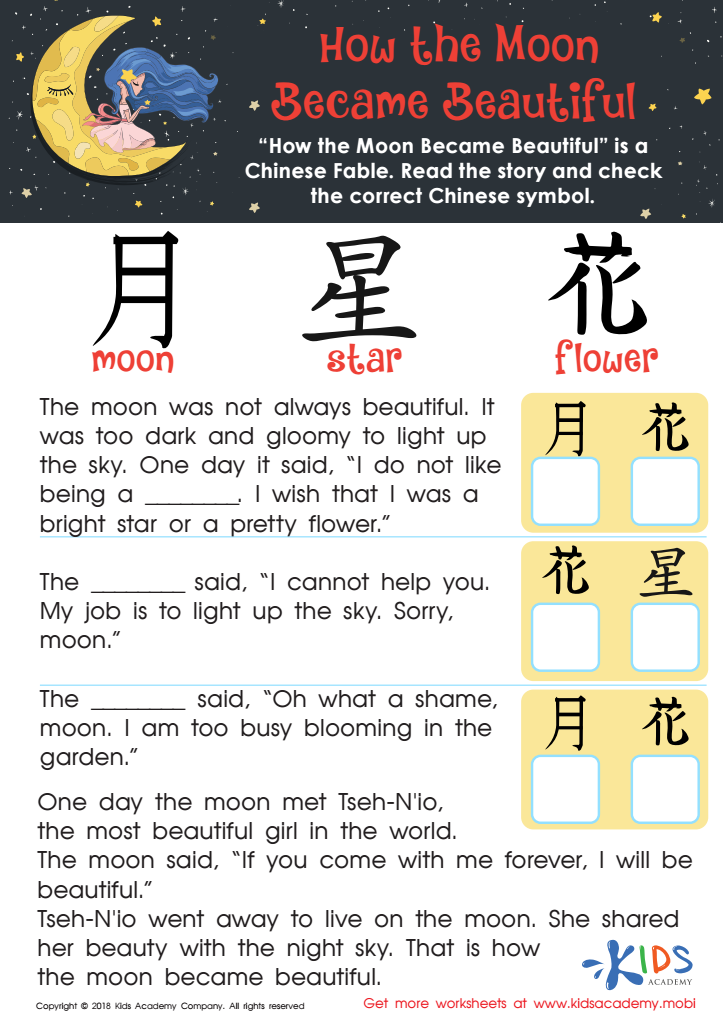
How the Moon Became Beautiful Worksheet
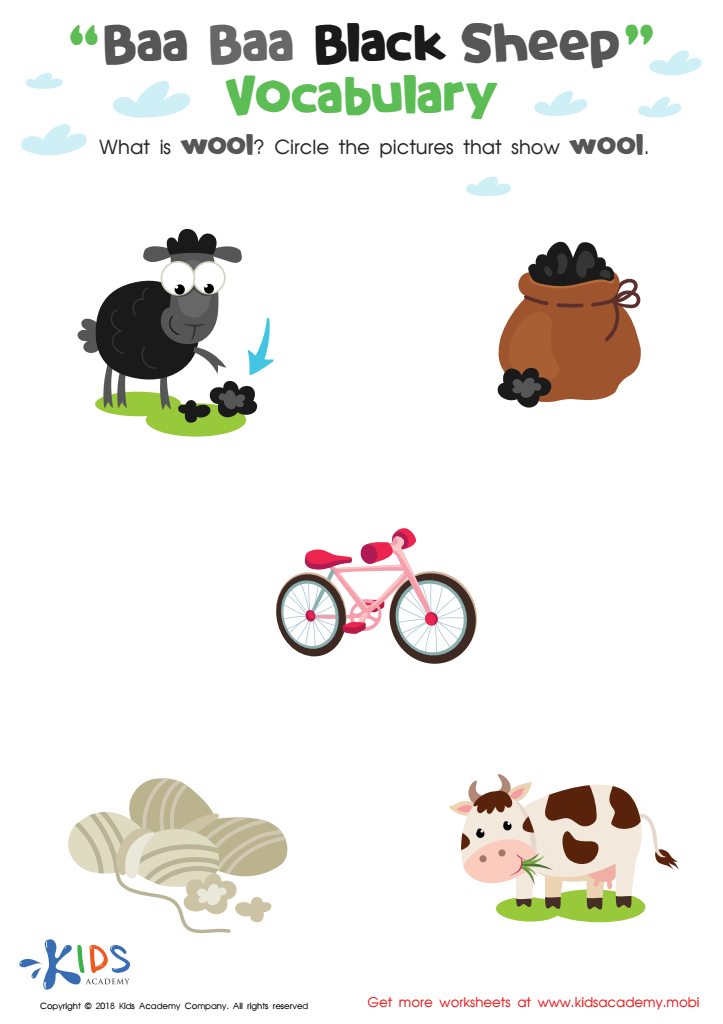
Baa Baa Black Sheep: Vocabulary Worksheet
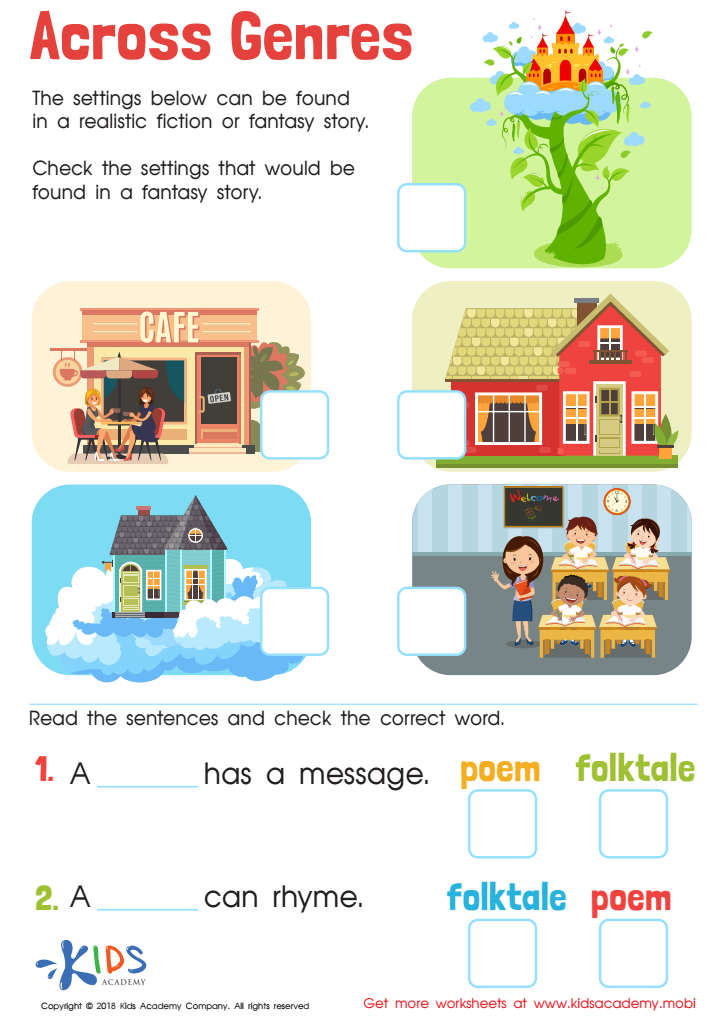
Across Genres Worksheet
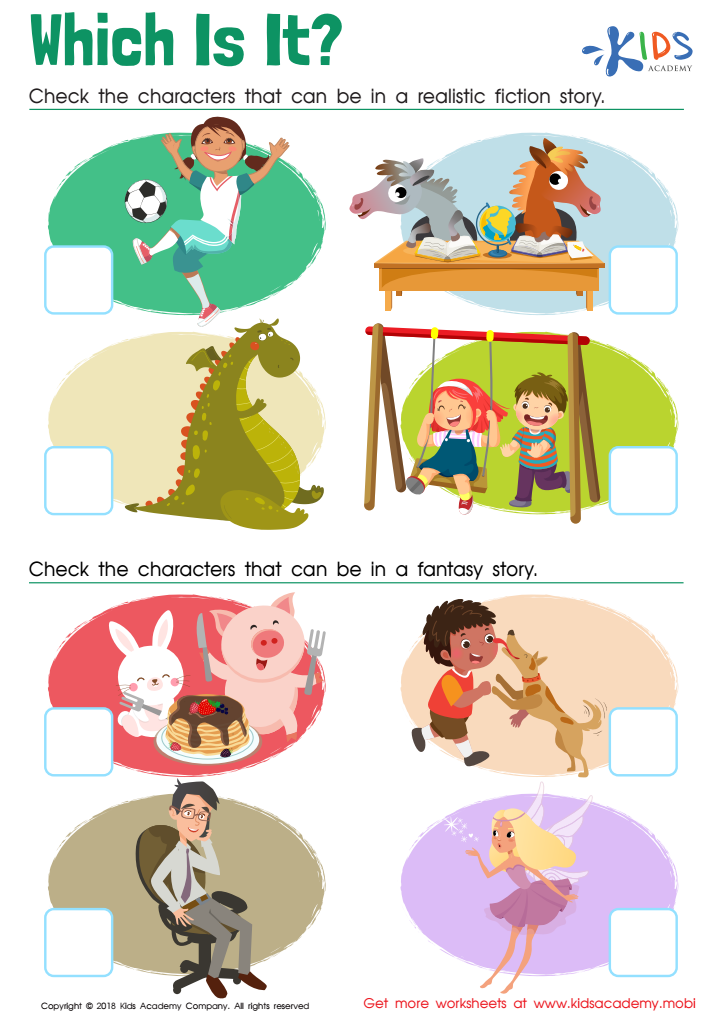
Which Is It? Worksheet
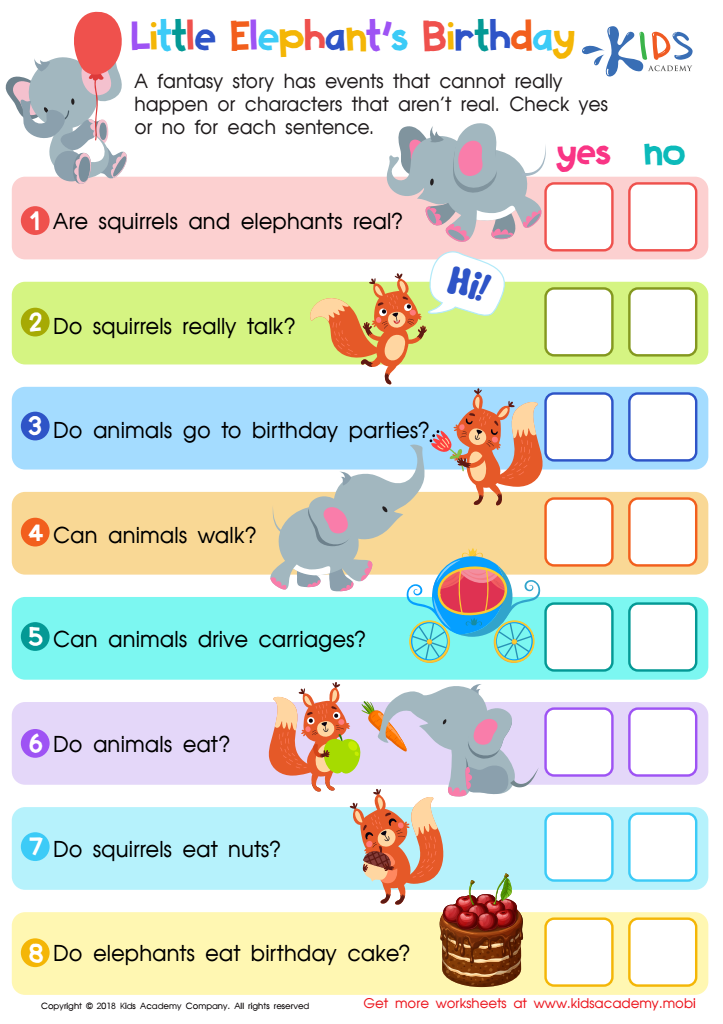
Little Elephant's Birthday Worksheet
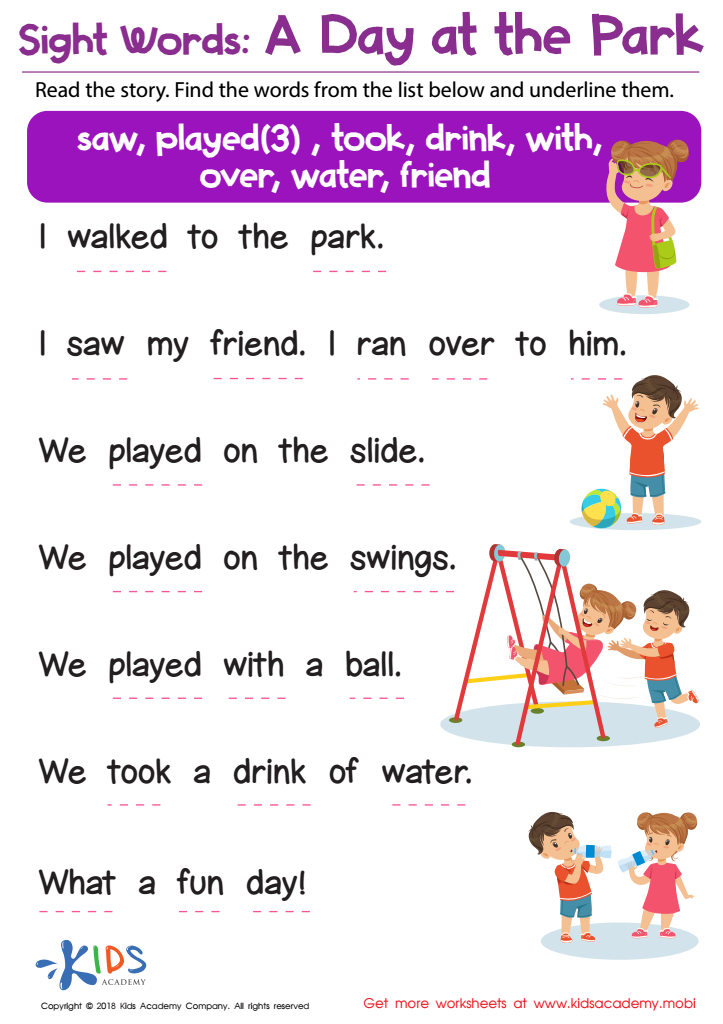
Sight Words: A Day at the Park Worksheet
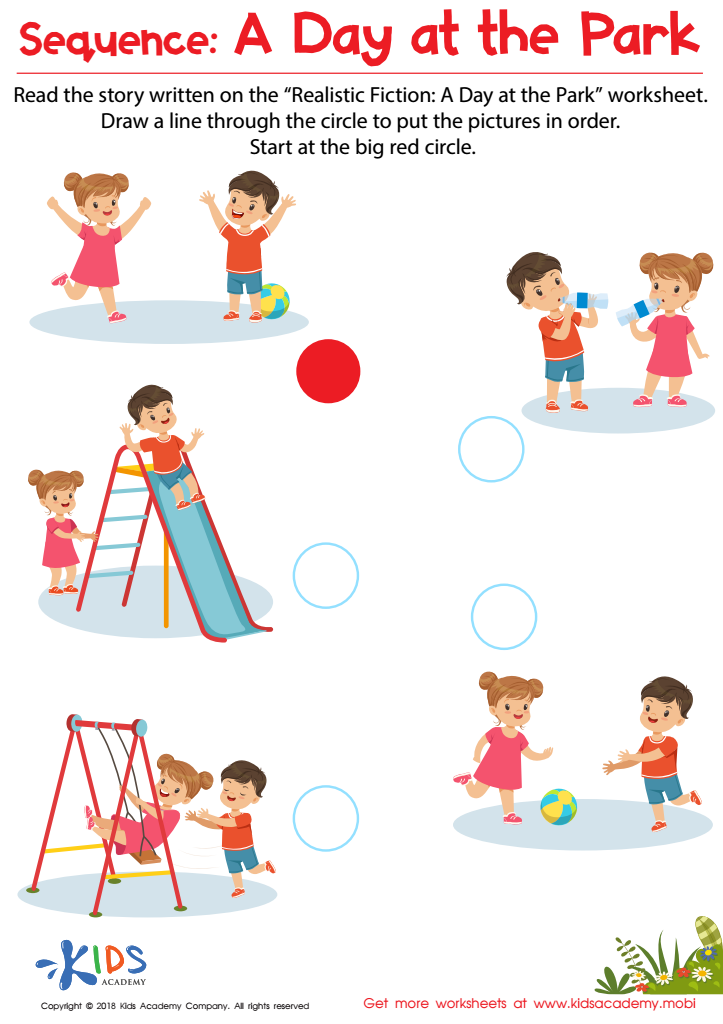
Sequence: A Day at the Park Worksheet
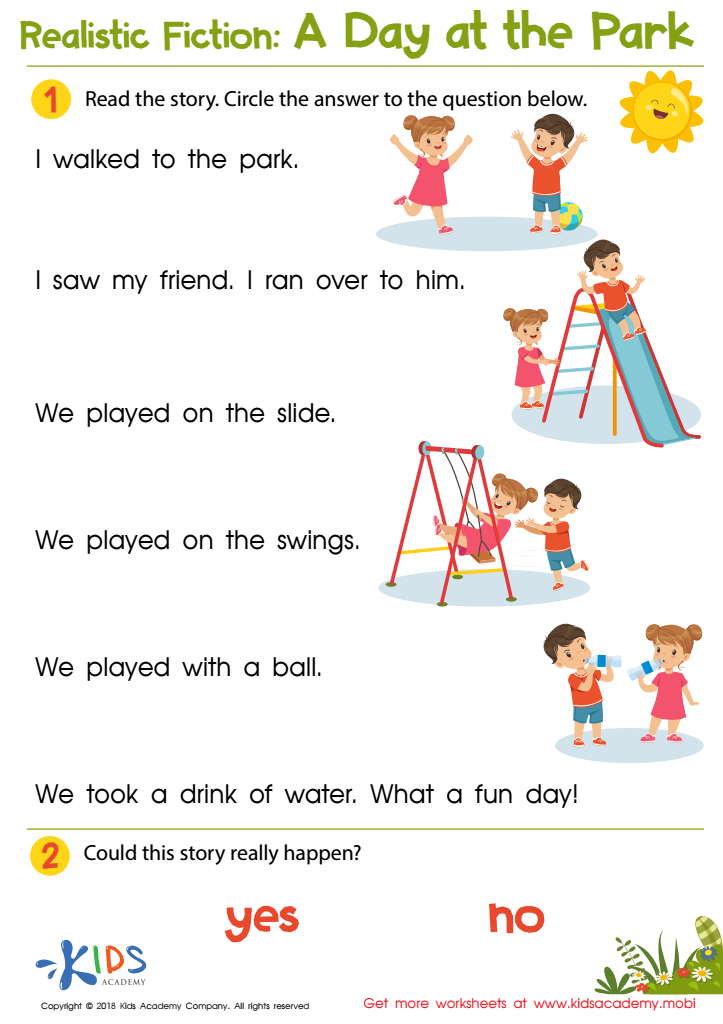
A Day at the Park Worksheet
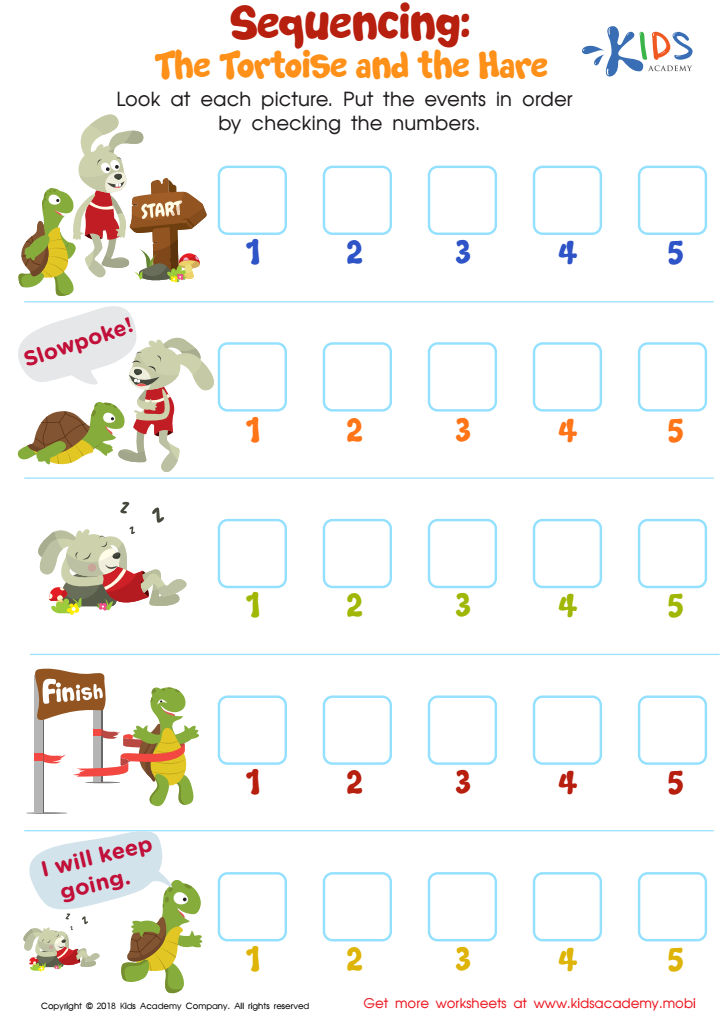
Sequencing: The Tortoise and the Hare Worksheet
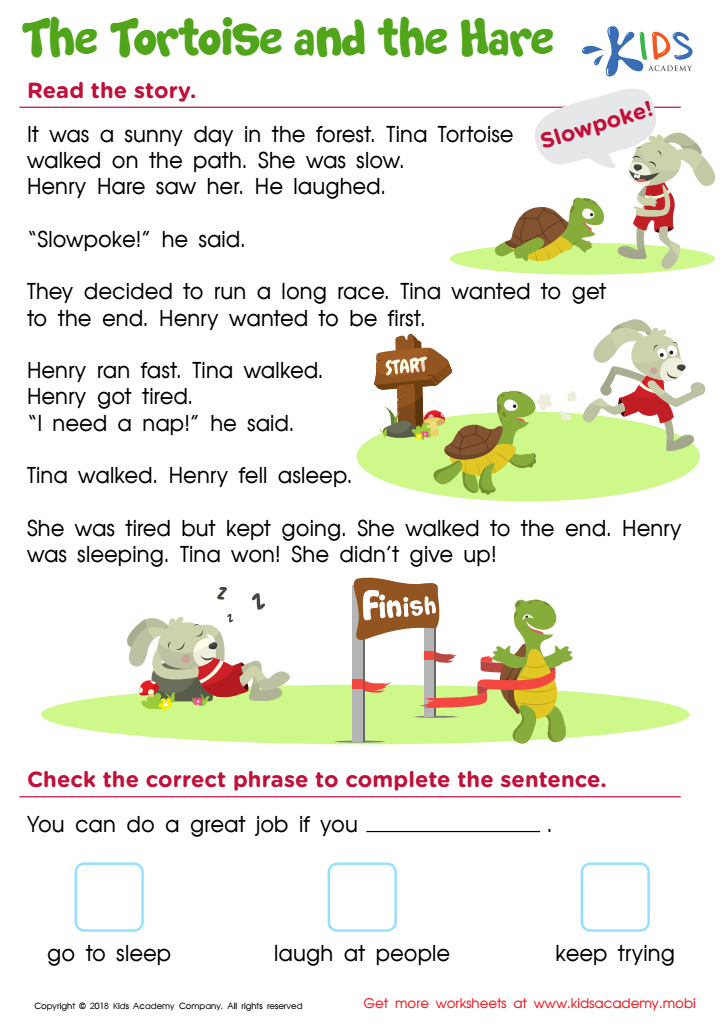
The Tortoise and the Hare Worksheet
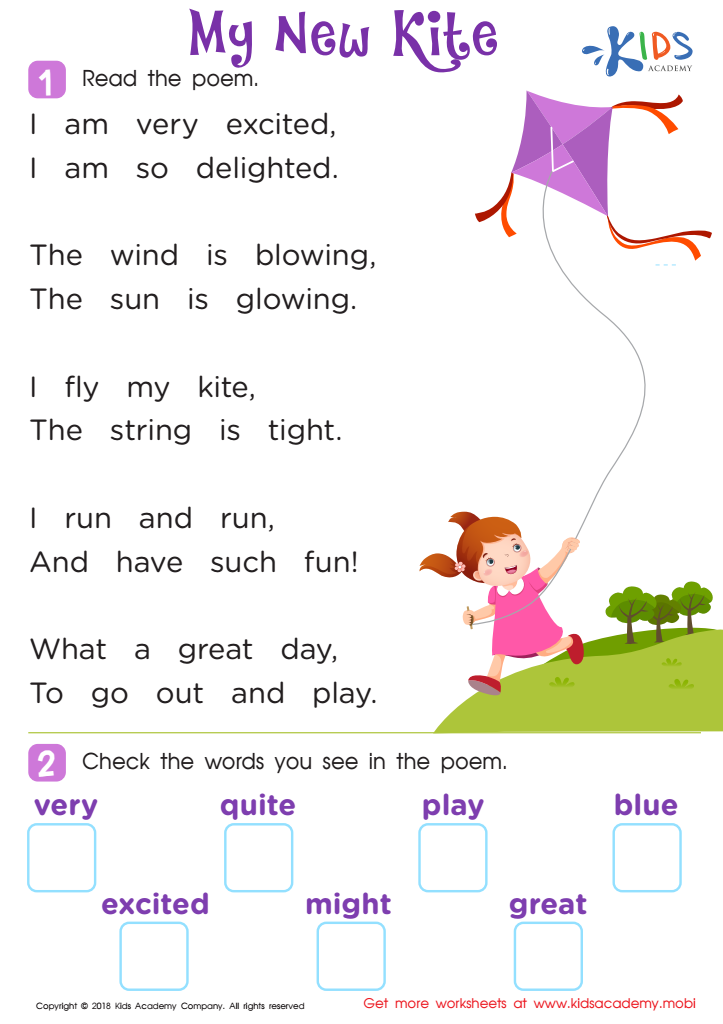
Poem: My New Kite Worksheet
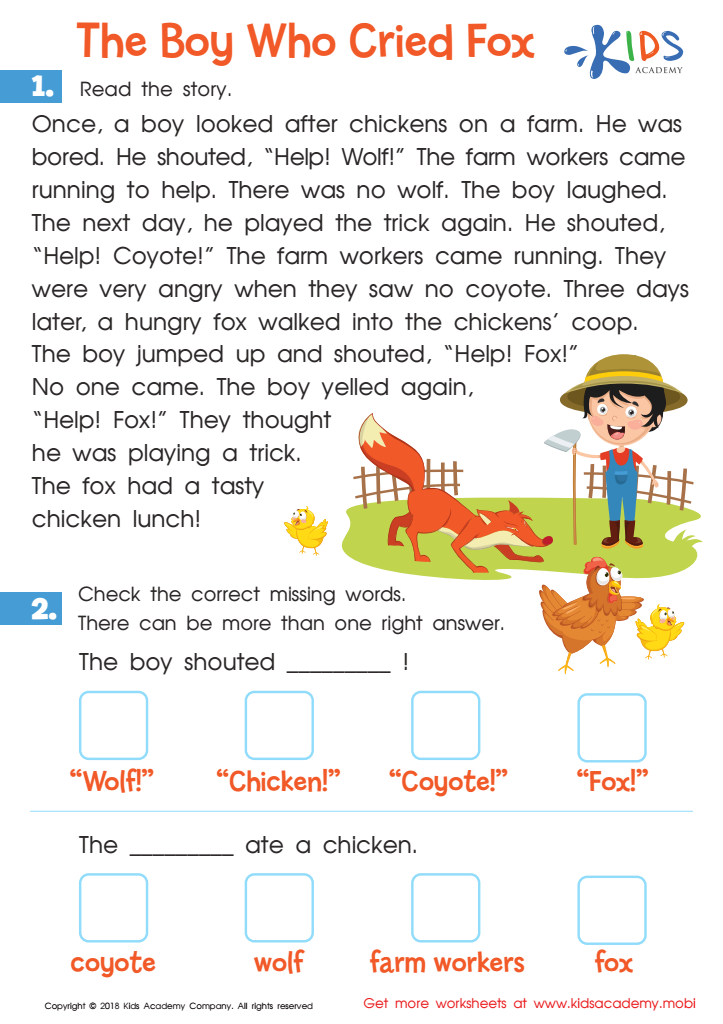
The Boy Who Cried Fox Worksheet
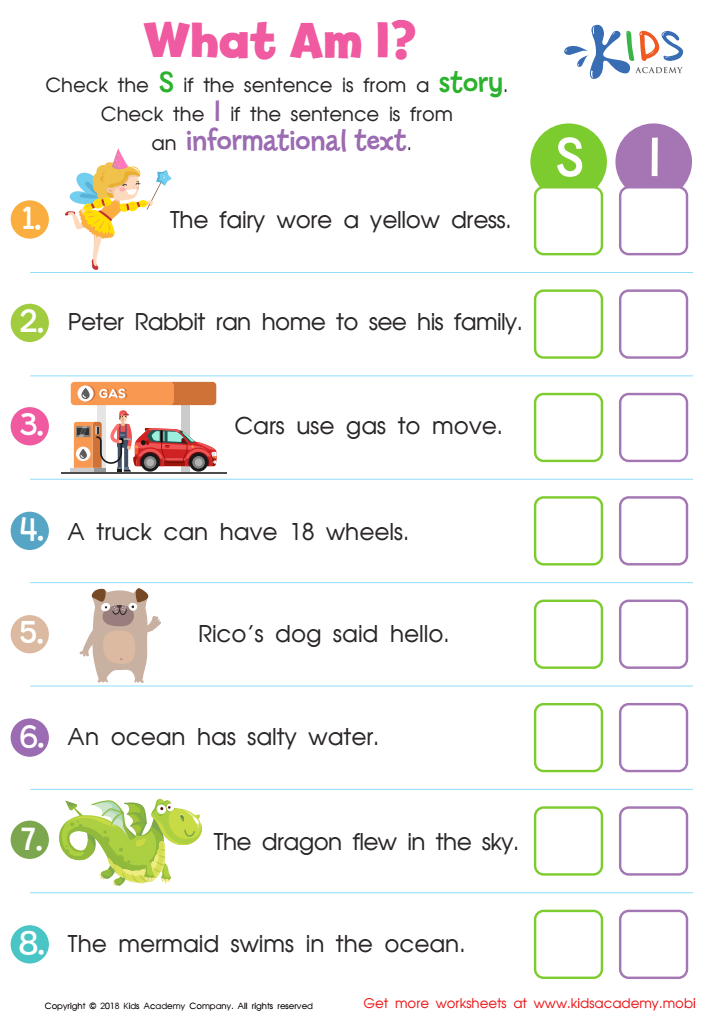
What Am I? Worksheet
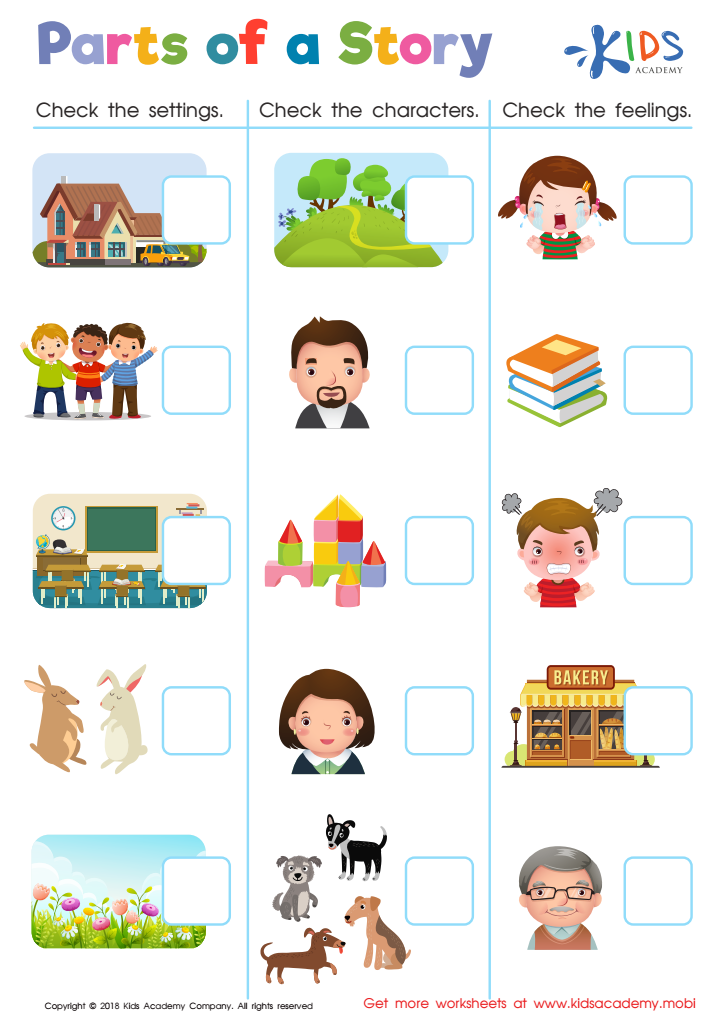
Parts of a Story Worksheet
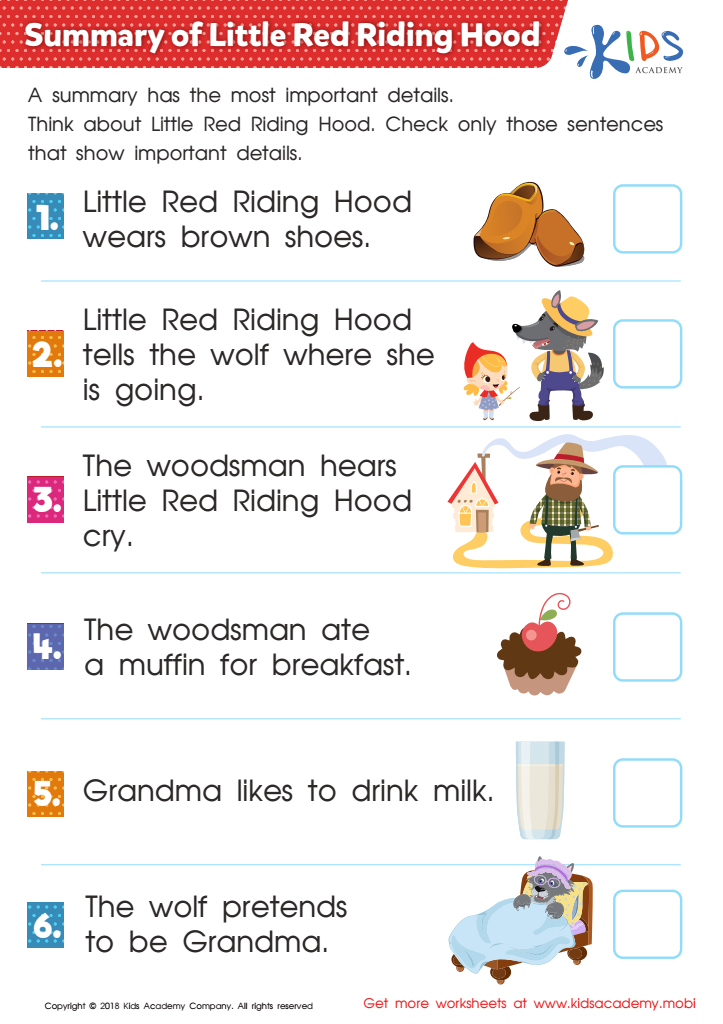
Summary of Little Red Riding Hood Worksheet








Parents and teachers should prioritize reading comprehension for children aged 3-6 because it lays the foundation for future learning and academic success. During these formative years, children develop critical language skills and cognitive abilities essential for understanding and interpreting information. Comprehension goes beyond simple decoding of words; it involves grasping the meaning and context of stories, which nurtures creativity and critical thinking.
Early reading comprehension fosters positive attitudes toward learning and literacy, encouraging a lifelong love for reading. Engaging children in discussions about stories aids vocabulary expansion, improves listening skills, and enhances their ability to express thoughts and ideas. It also promotes social-emotional development, as children learn to connect with characters and understand diverse perspectives.
Furthermore, early proficiency in reading comprehension correlates with better performance in school settings. Students who comprehend text well are more likely to excel in various subjects as they progress in their education. By supporting and nurturing comprehension skills in young children, parents and teachers play a crucial role in setting them up for academic success and meaningful engagement with the world around them and their futures.








