Normal Physical Science Worksheets for Ages 3-6 - Page 2
42 filtered results
-
From - To
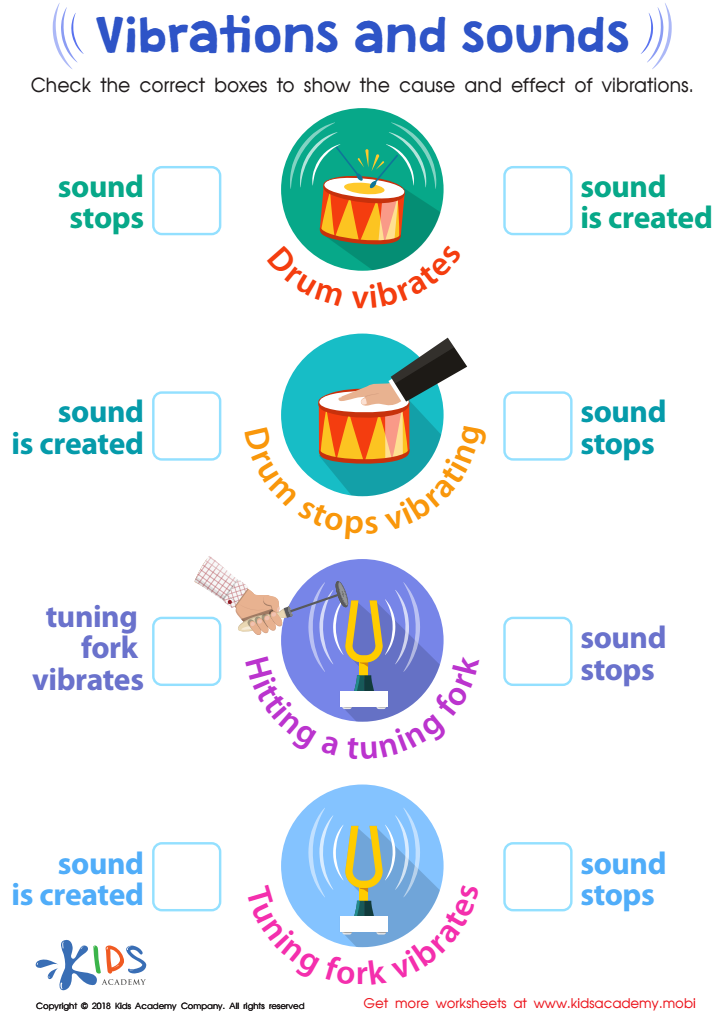
Vibrations and Sounds Worksheet
 Assign to My Students
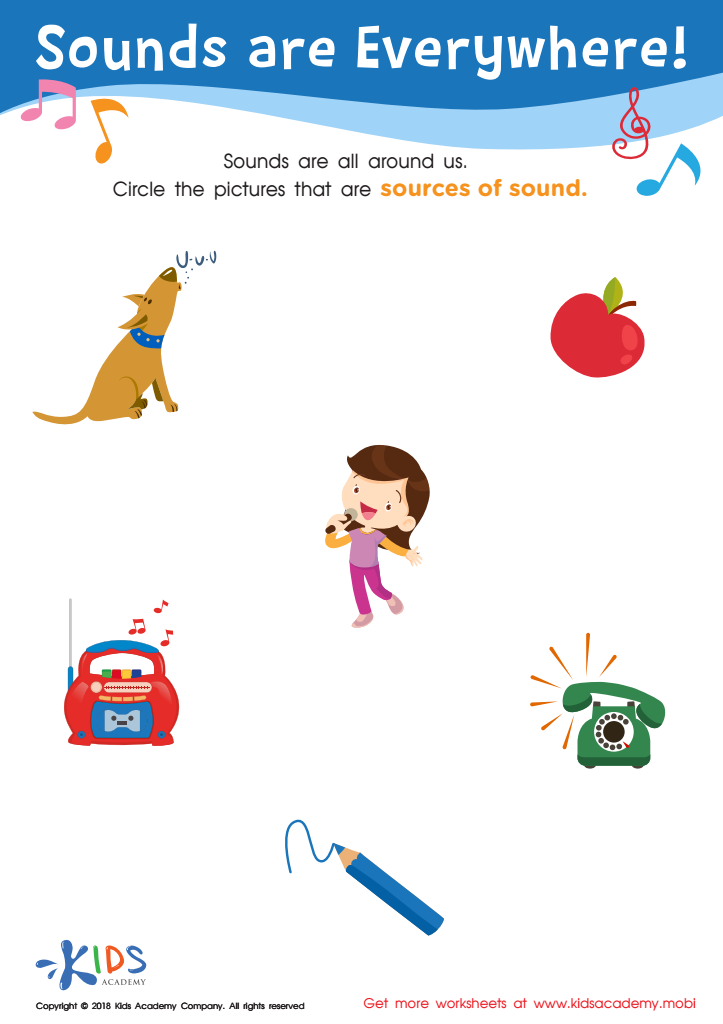
Sounds Are Everywhere! Worksheet
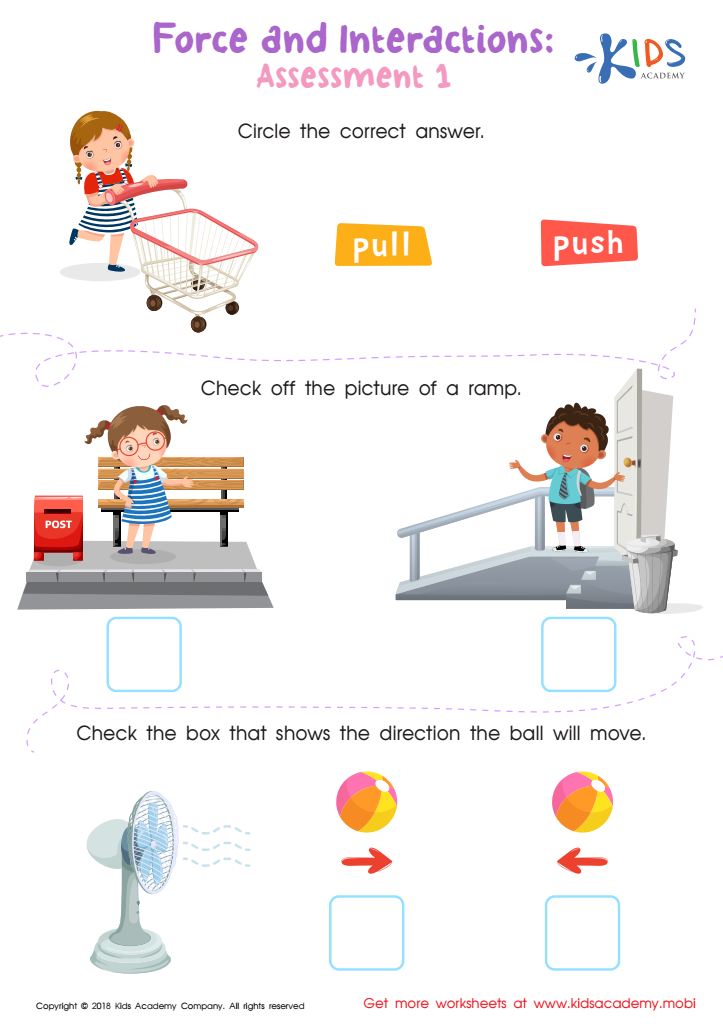
Force and Interactions: Assessment 1 Worksheet
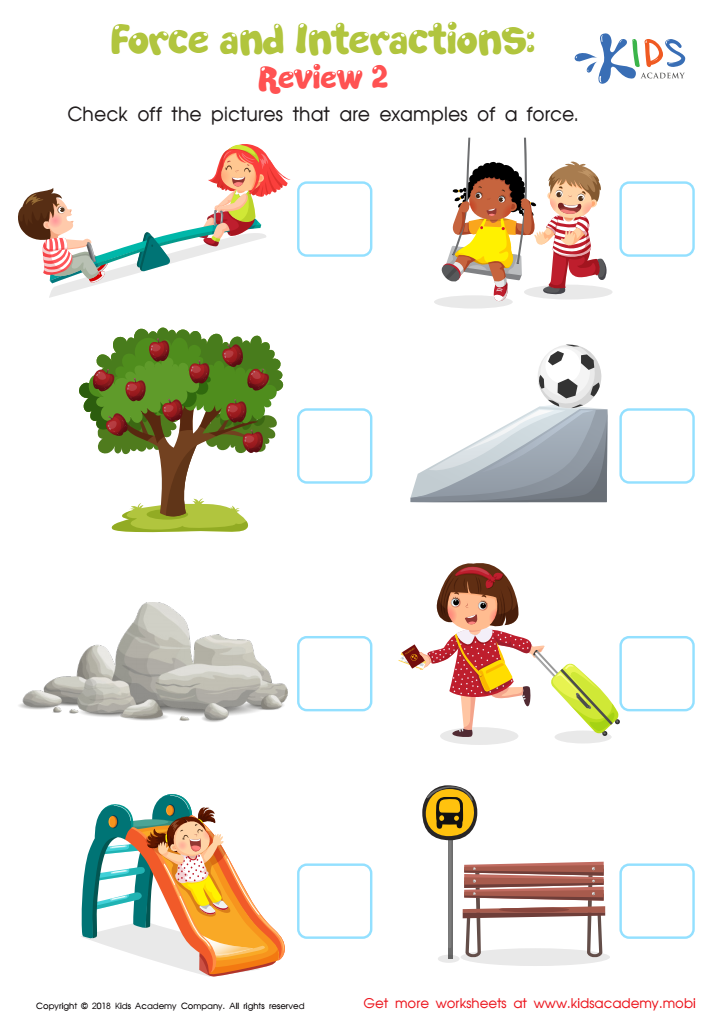
Force and Interactions: Review 2 Worksheet
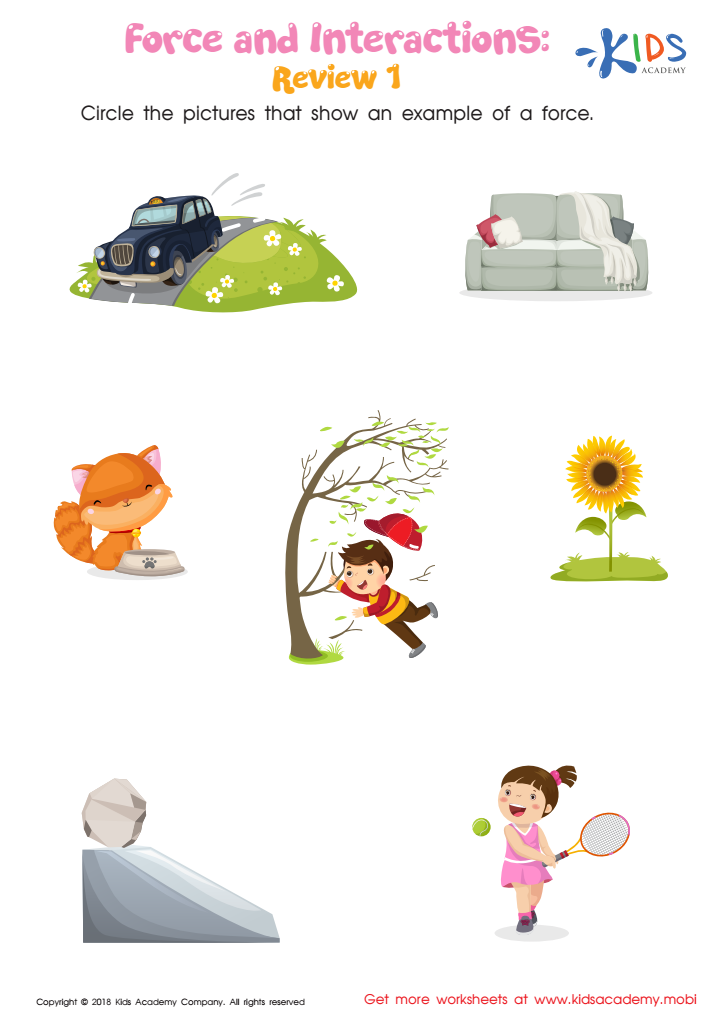
Force and Interactions: Review 1 Worksheet
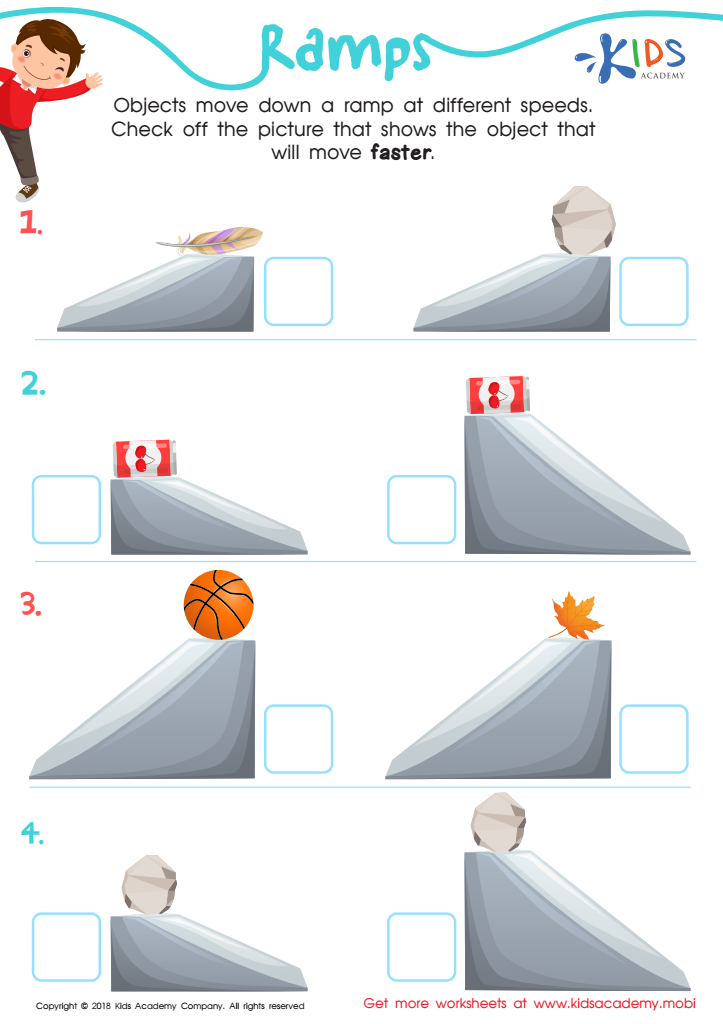
Ramps Worksheet
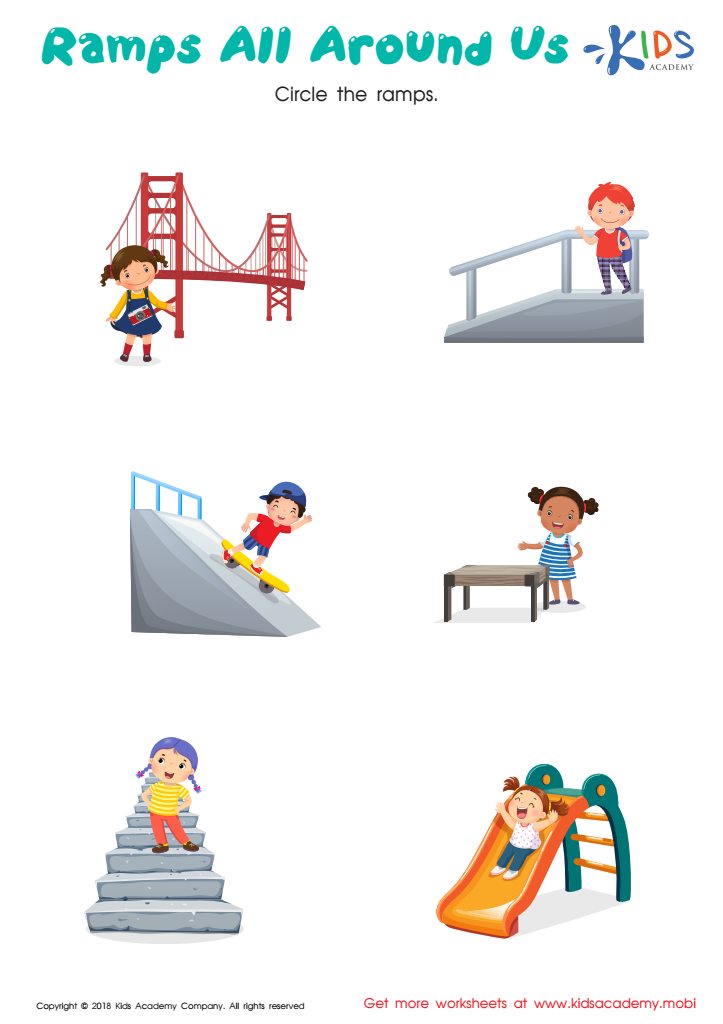
Ramps All Around us Worksheet
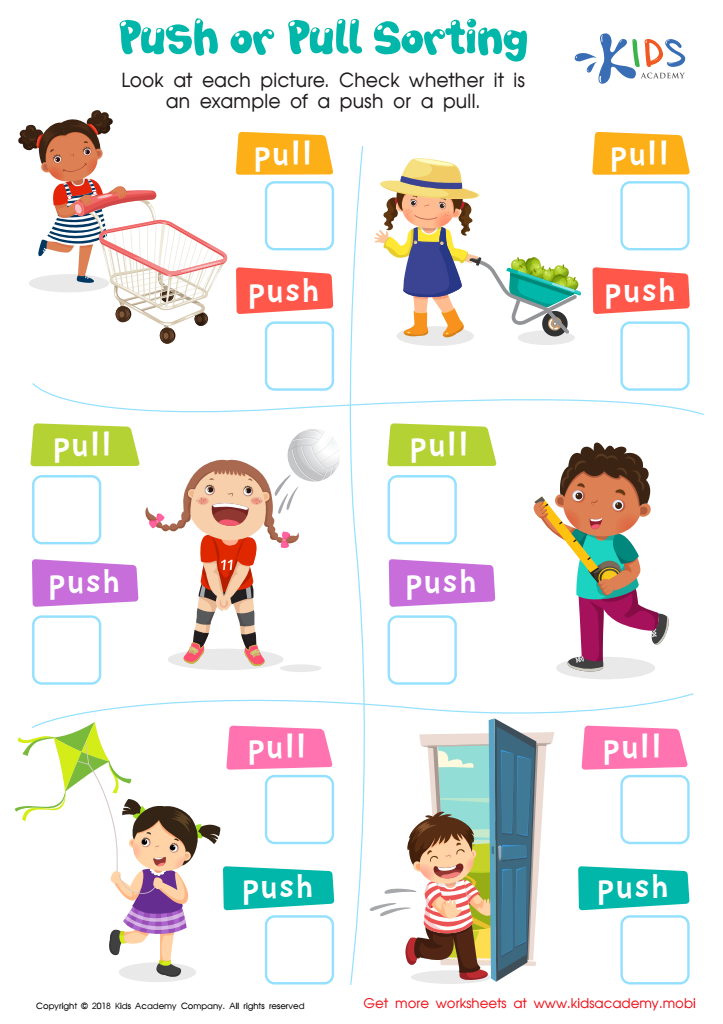
Push or Pull Sorting Worksheet
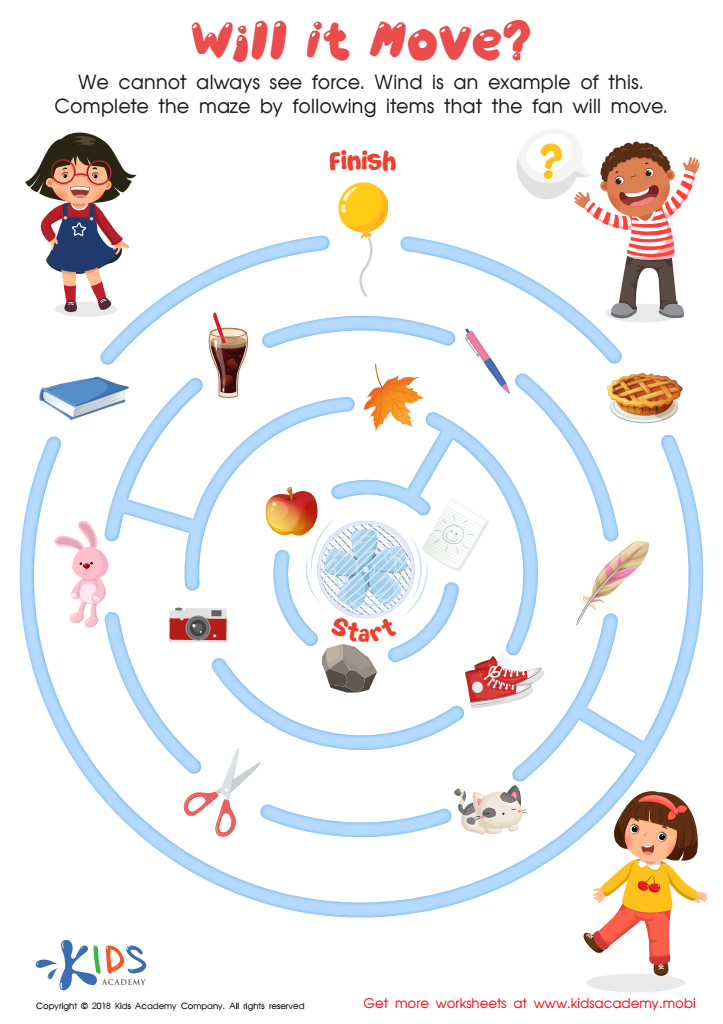
Will it Move? Worksheet
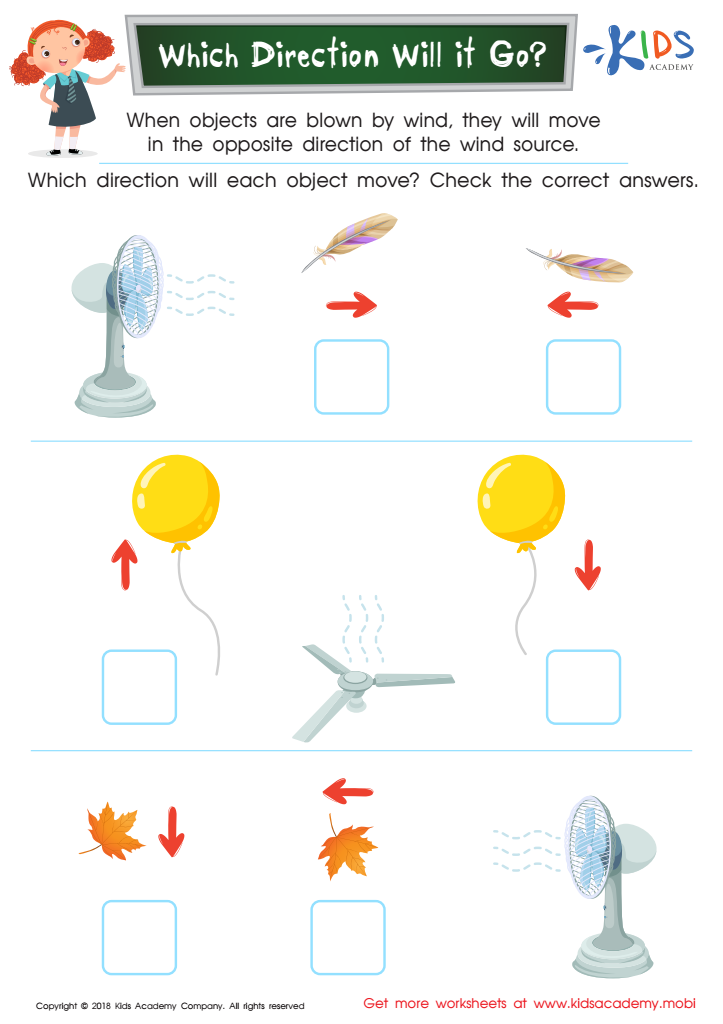
Which Direction Will it Go? Worksheet
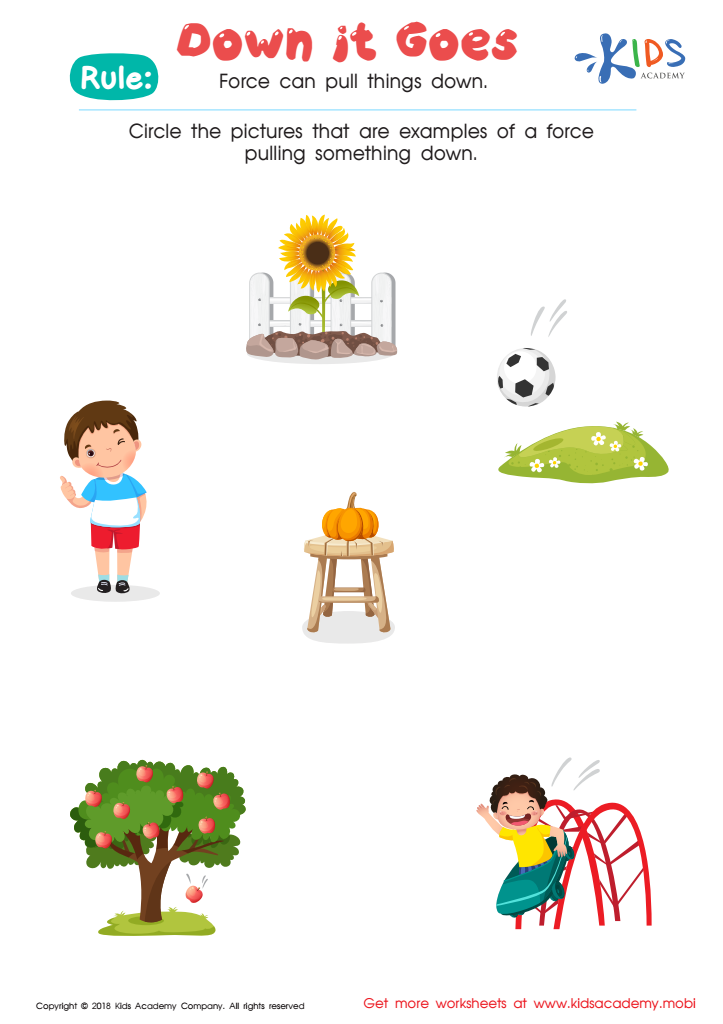
Down it Goes Worksheet
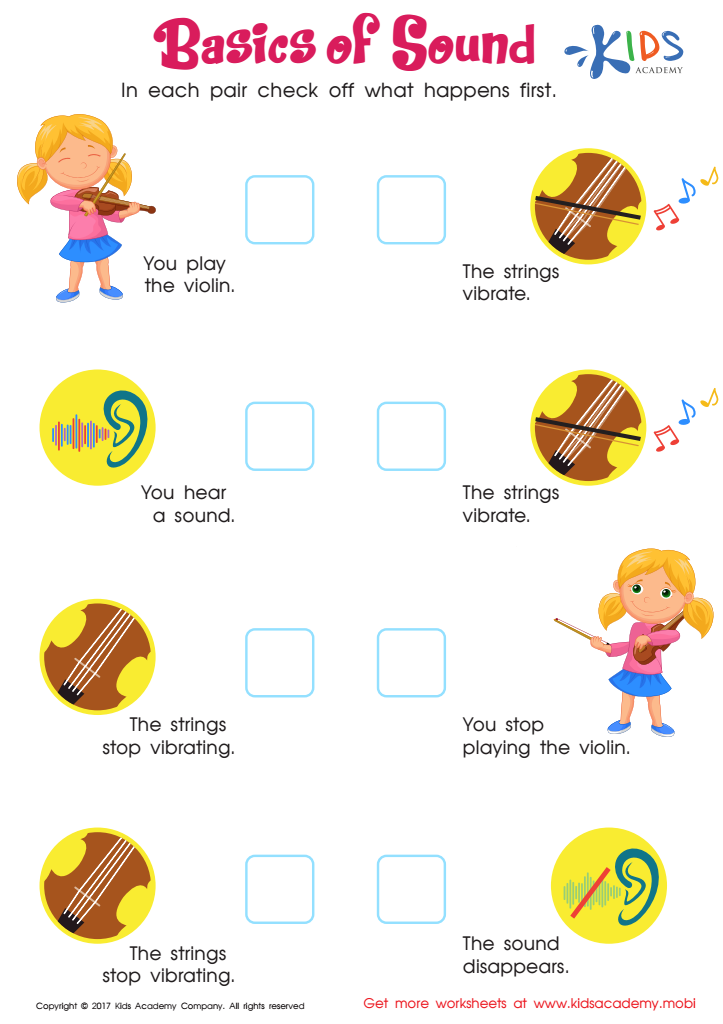
Basics Of Sound Worksheet
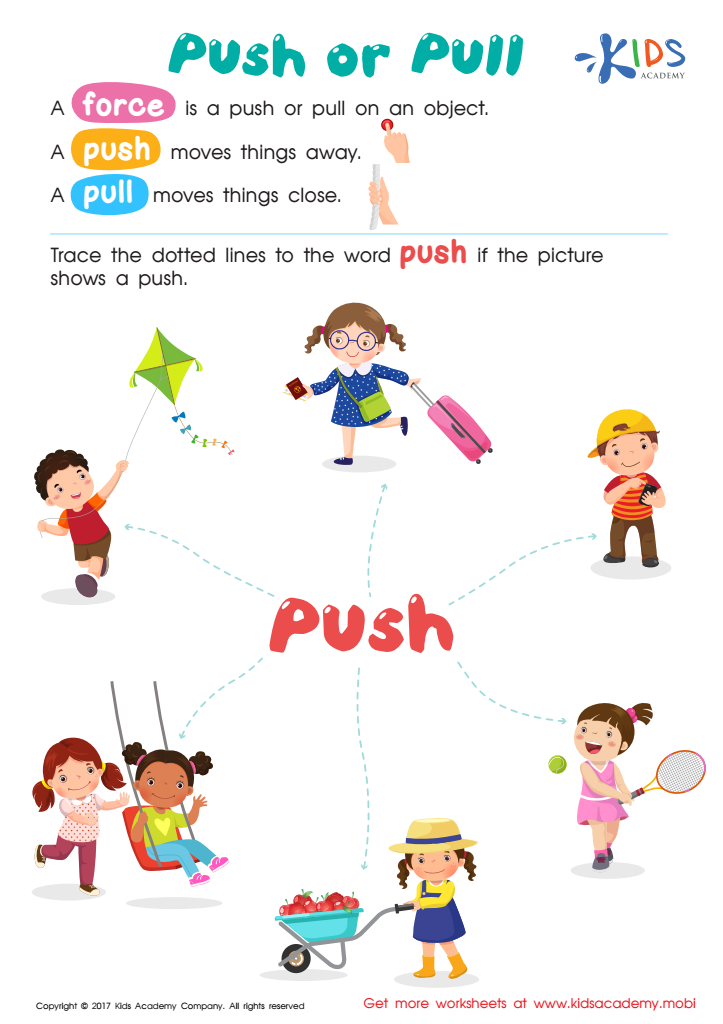
Push or Pull Worksheet
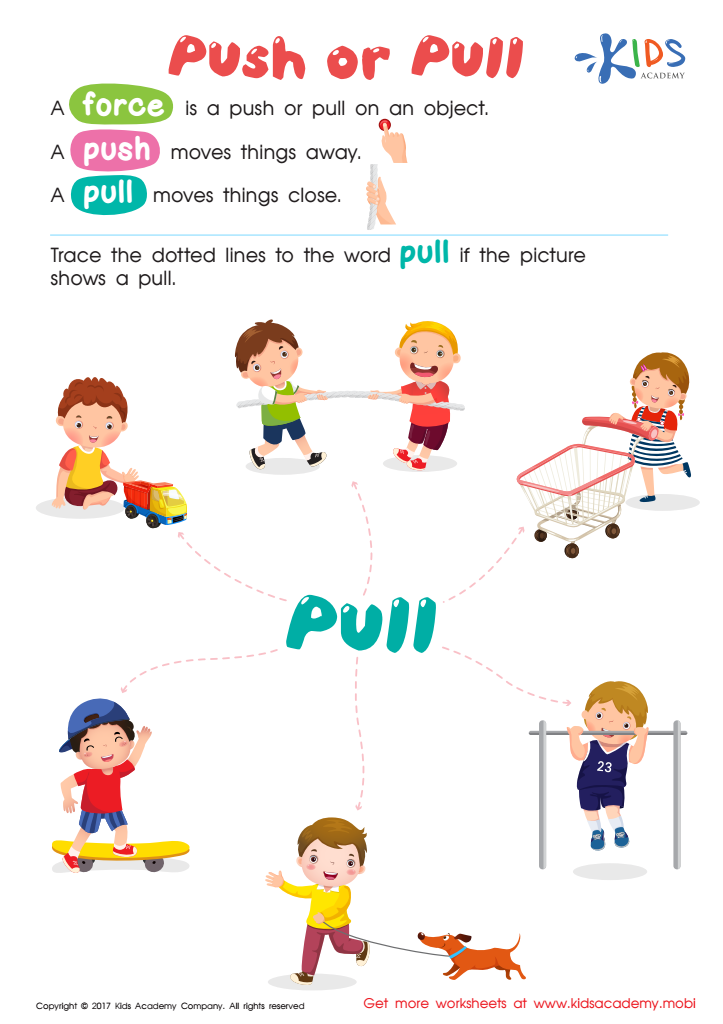
Pull or Push Worksheet
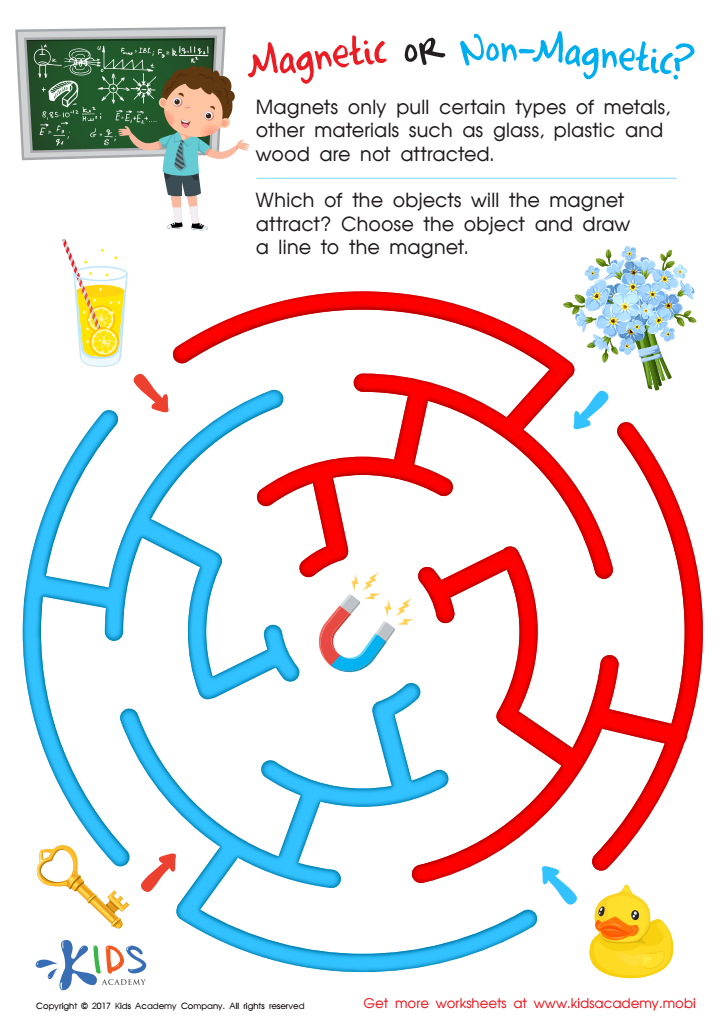
Magnetic or Non–Magnetic Worksheet
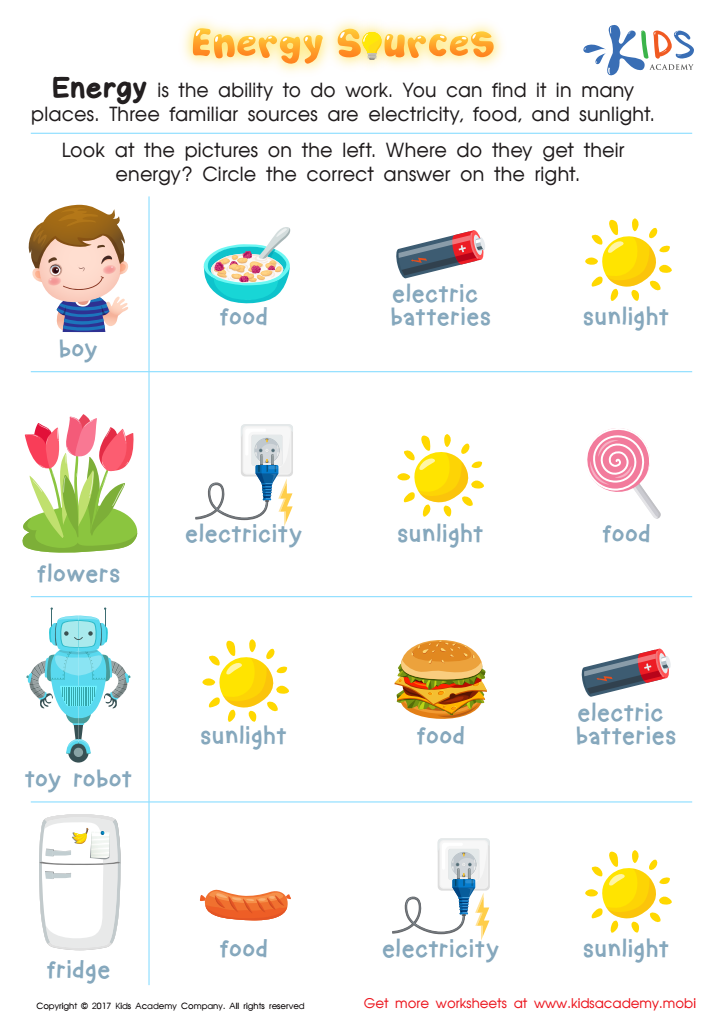
Energy Sources Printable
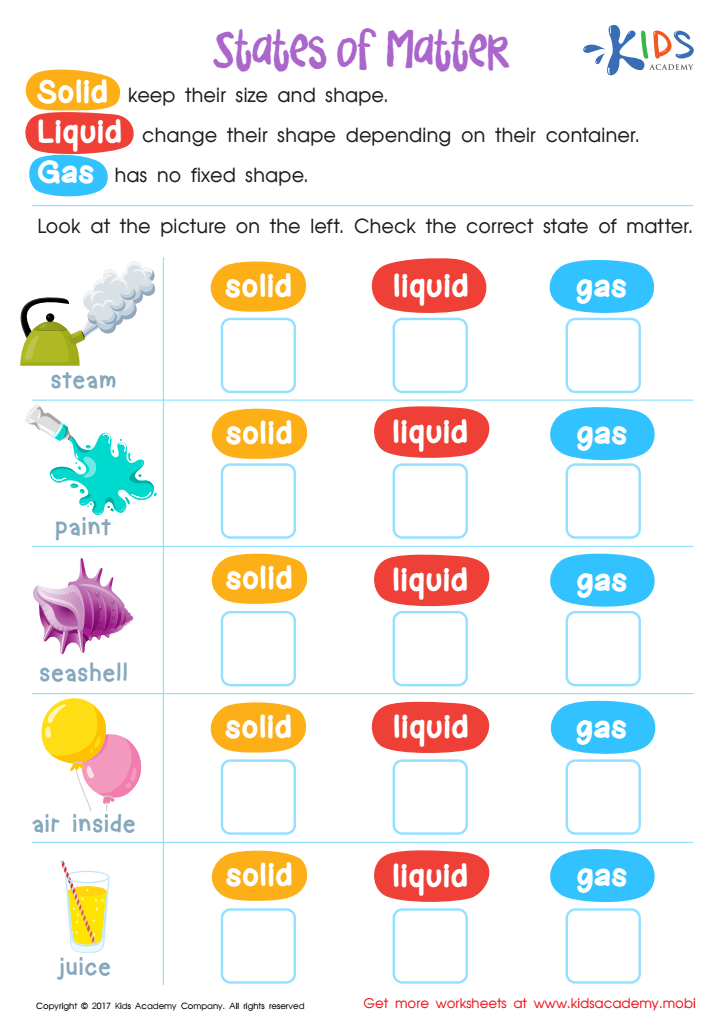
Physical Science: States of Matter Worksheet
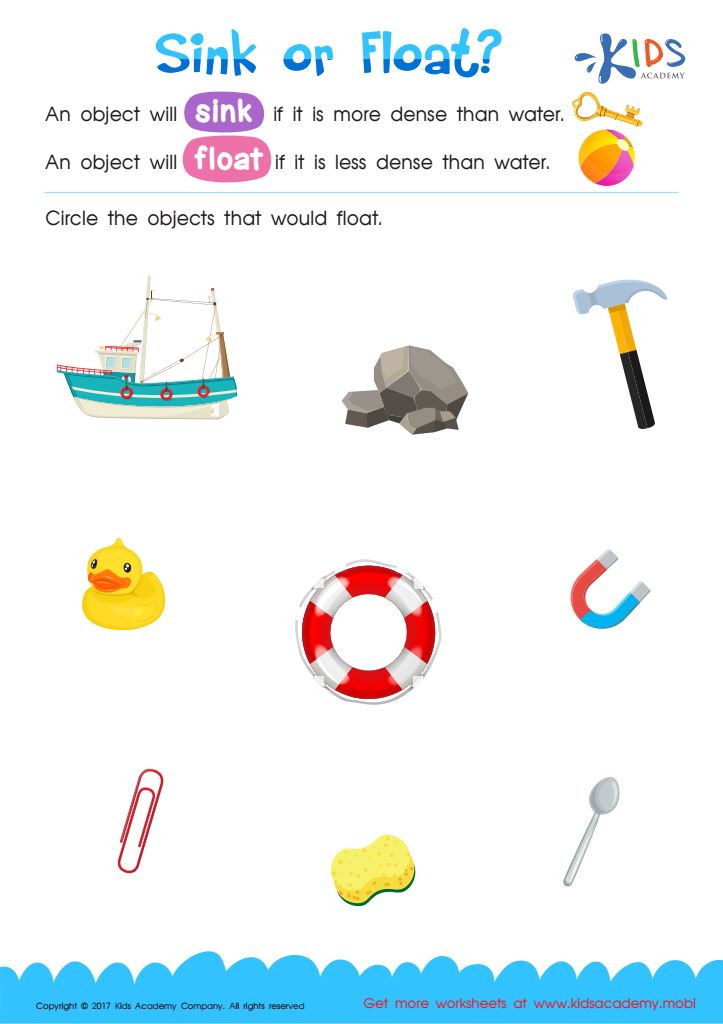
Sink or Float Printable







Parents and teachers should care about introducing normal physical science to children aged 3-6 because early exposure to scientific concepts fosters natural curiosity and promotes cognitive development. By engaging in simple, hands-on activities related to basic principles, such as gravity, magnetism, and states of matter, children develop critical thinking and problem-solving skills. These foundational experiences pave the way for higher academic achievement in later years.
Understanding normal physical science supports language development and vocabulary expansion. When children describe their observations and participate in discussions, they enhance their communication skills. Such interactions often include asking questions and forming hypotheses, which are fundamental scientific practices that can translate to increased confidence in learning.
Moreover, early exposure to science stimulates curiosity, fostering a lifelong love for learning. Kids naturally ask "why" and "how" about the phenomena around them; nurturing these inquiries can turn everyday experiences into educational moments. Additionally, engaging in scientific play and exploration enhances motor skills and hand-eye coordination.
In essence, introducing physical science to young children equips them with a toolkit for understanding the world, encourages positive attitudes towards learning, and lays a robust foundation for future science education. Early scientific engagement not only benefits academic growth but also cultivates inquiry, creativity, and persistence.







