Normal Upper & Lowercase Letters Worksheets for Ages 3-7 - Page 2
44 filtered results
-
From - To

Uppercase Letters V, W, and X Worksheet
 Assign to My Students





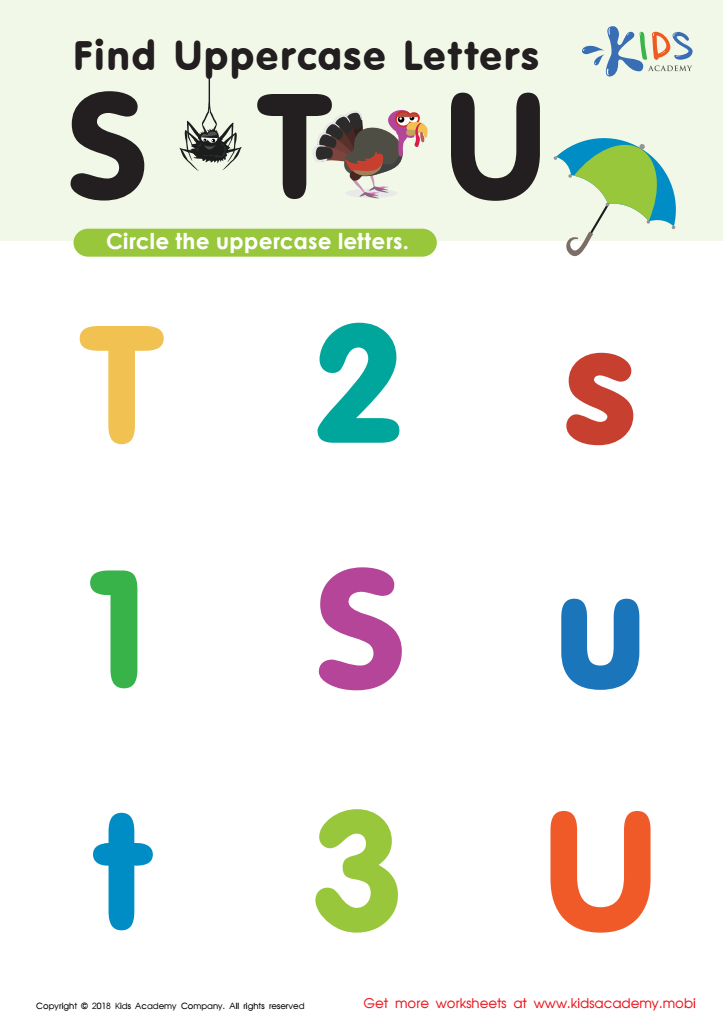
Find Uppercase Letters Worksheet
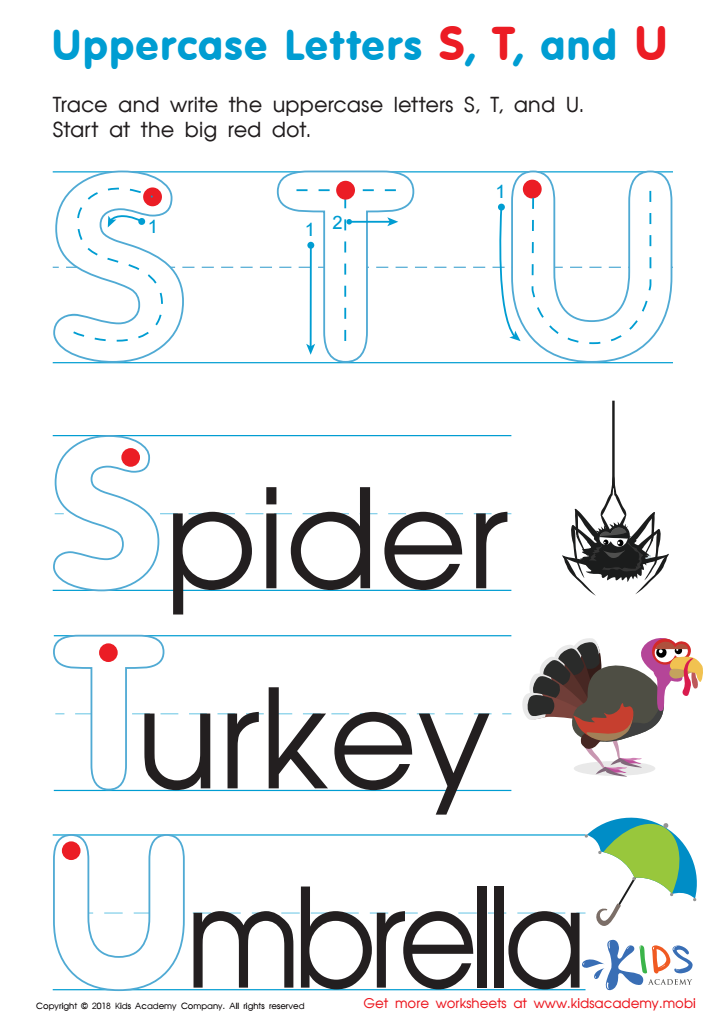
Uppercase Letters S, T, and U Worksheet
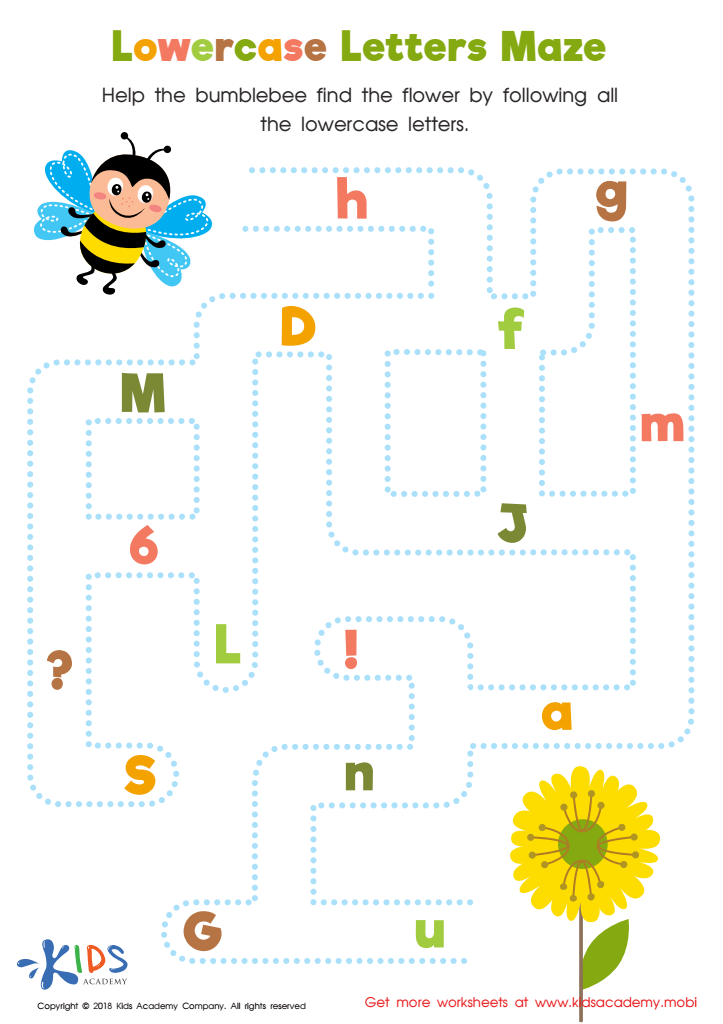
Lowercase Letters Maze Worksheet
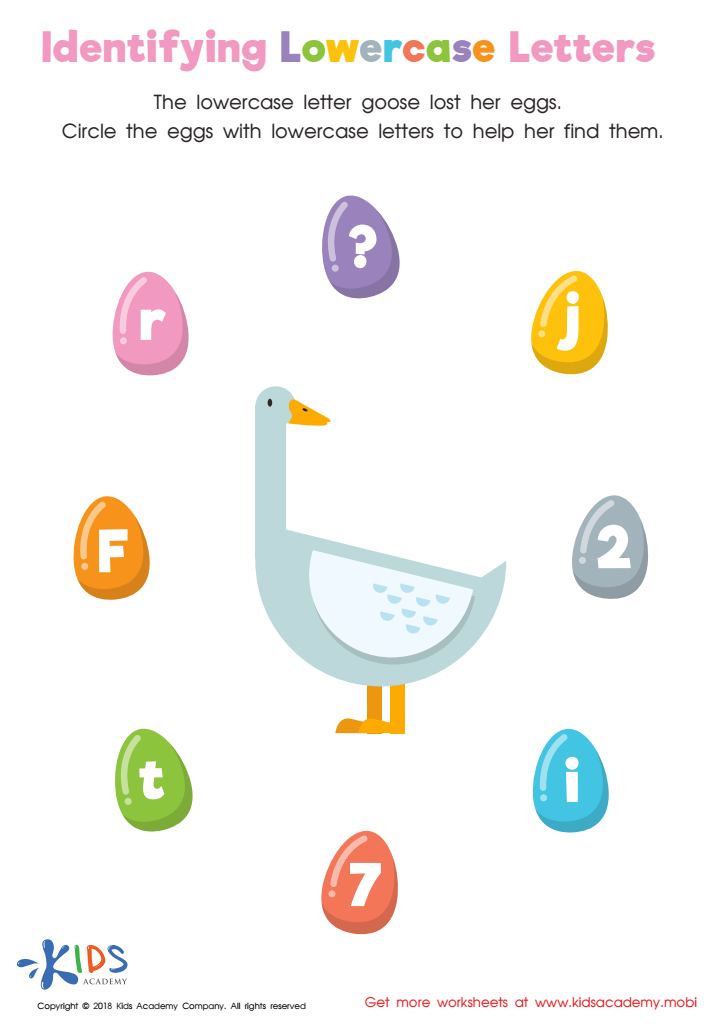
Identifying Lowercase Letters Worksheet
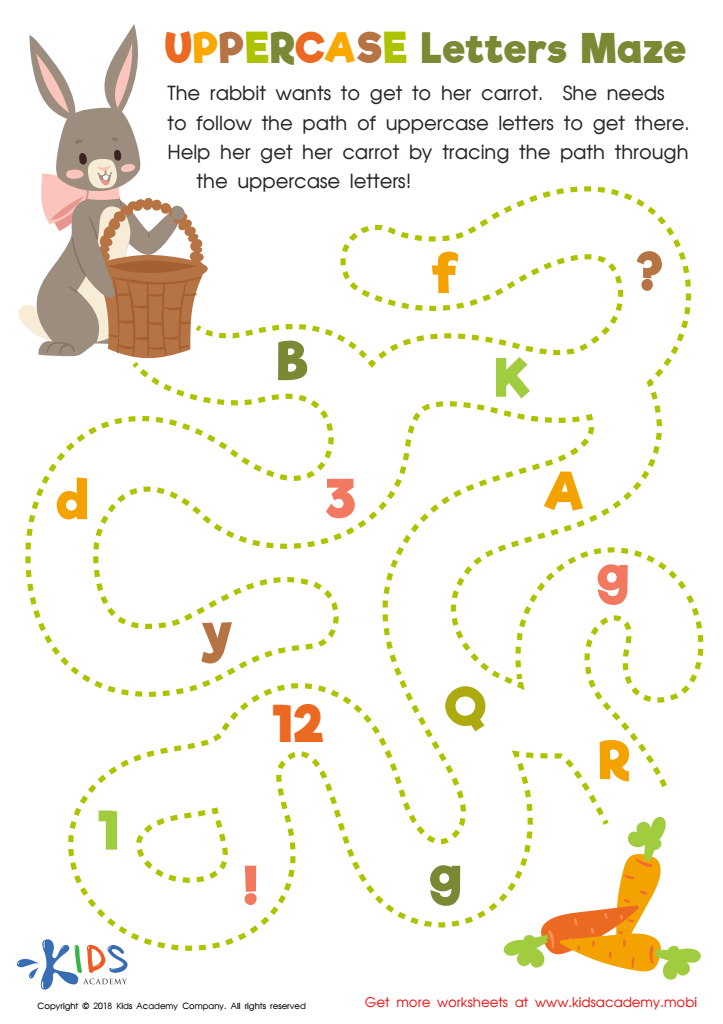
Uppercase Letters Maze Worksheet
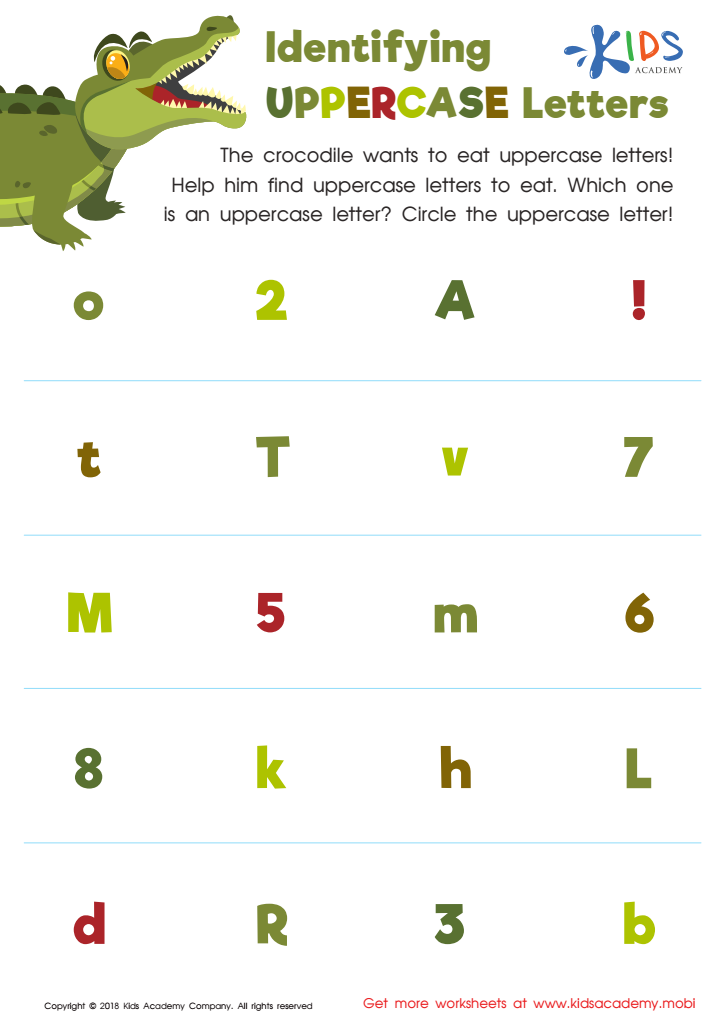
Identifying Uppercase Letters Worksheet
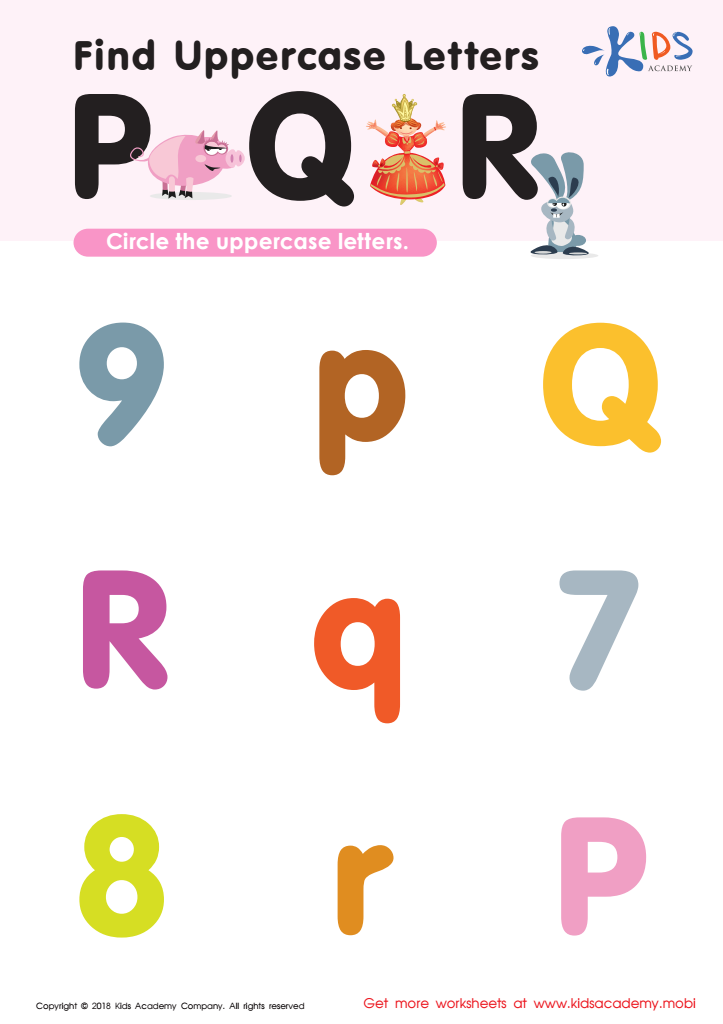
Find Uppercase Letters P, Q, and R Worksheet
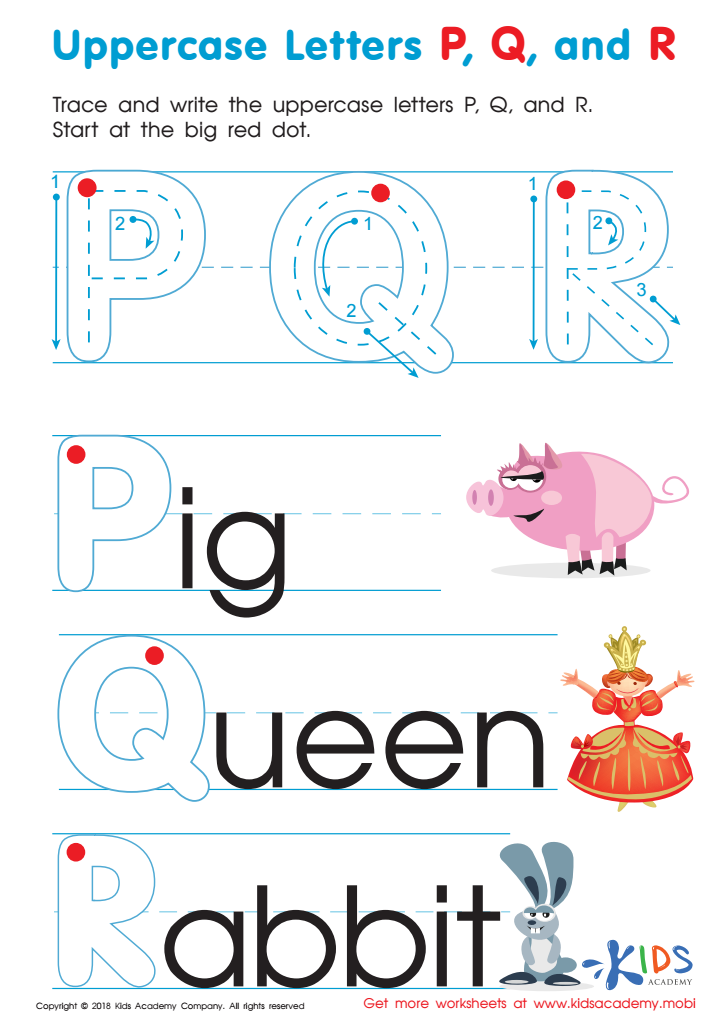
Uppercase Letters P, Q, and R Worksheet
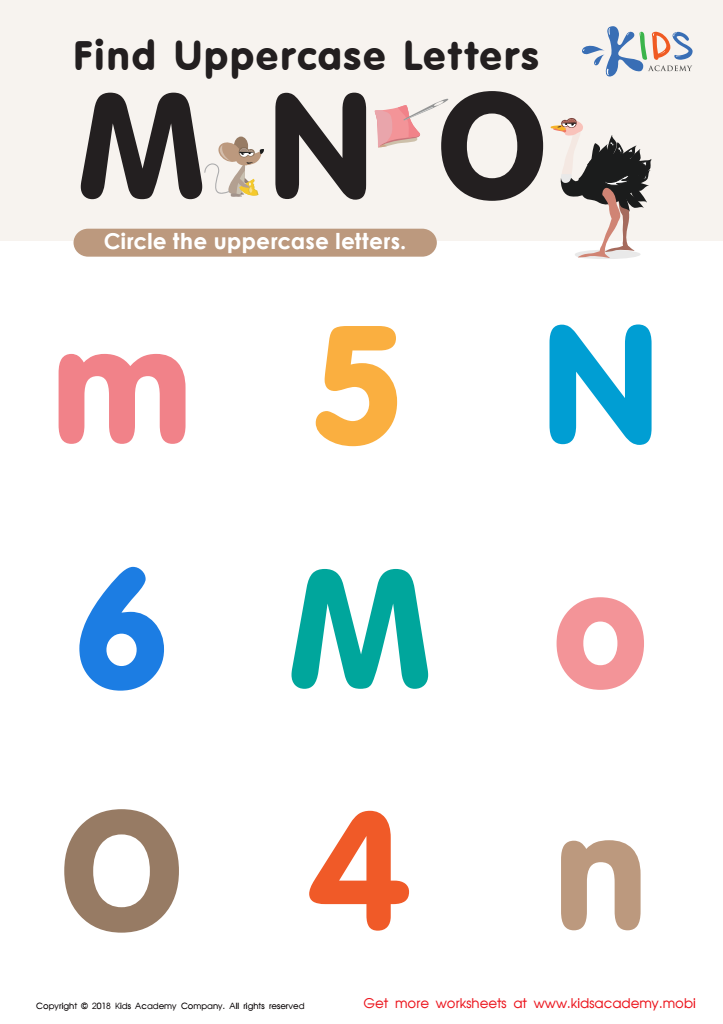
Find Uppercase Letters M, N, and O Worksheet
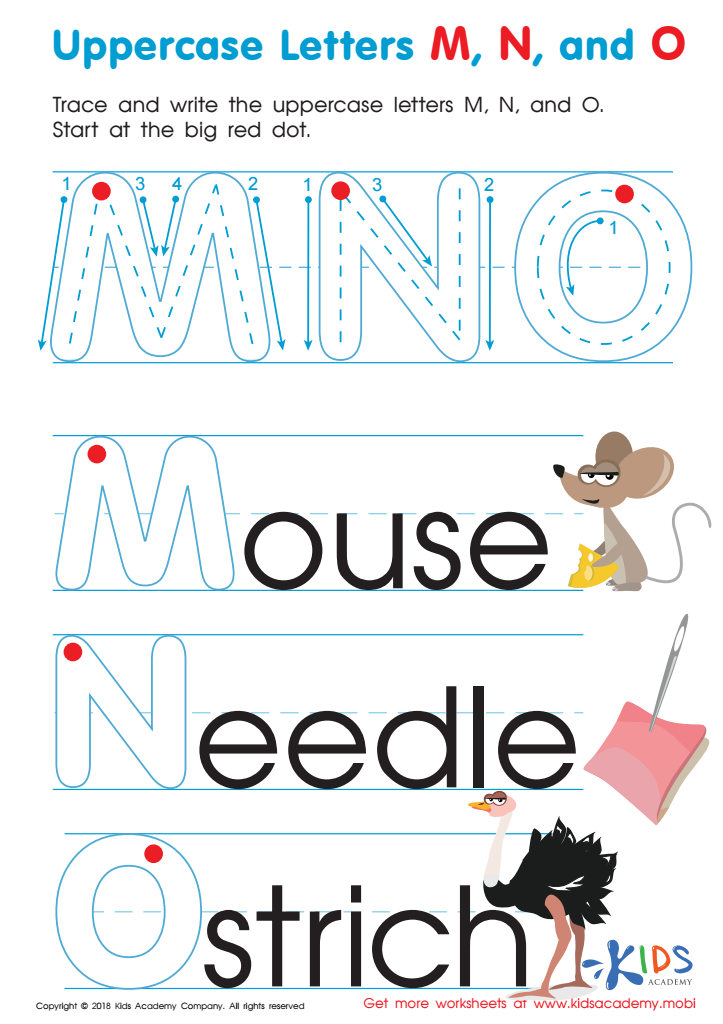
Uppercase Letters M, N, and O Worksheet
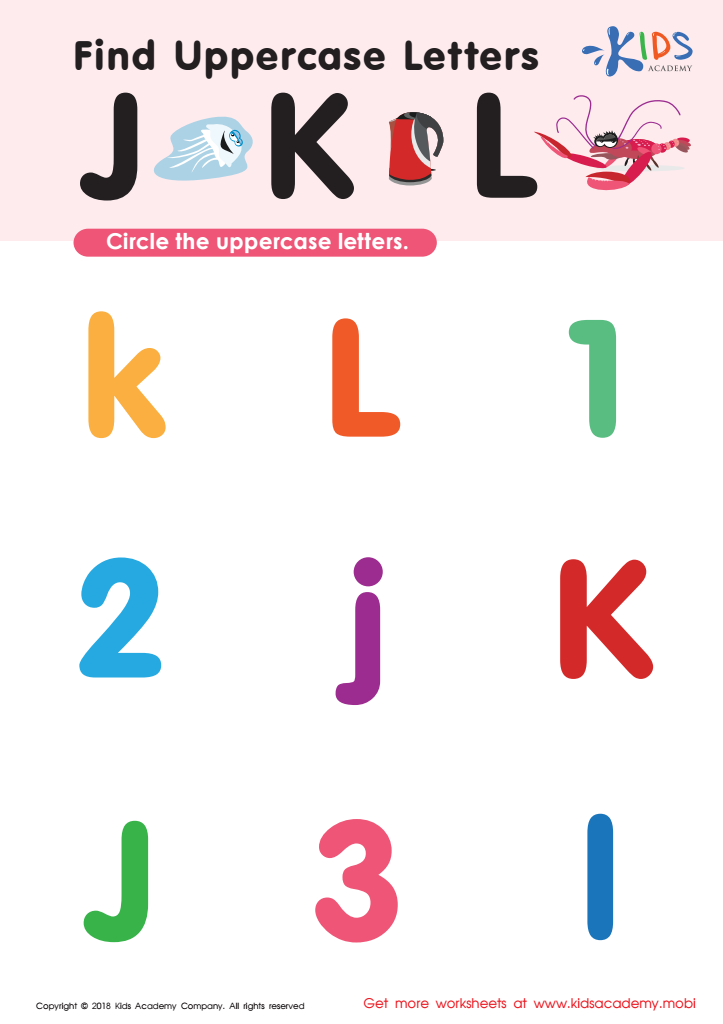
Find Uppercase Letters J, K, and L Worksheet
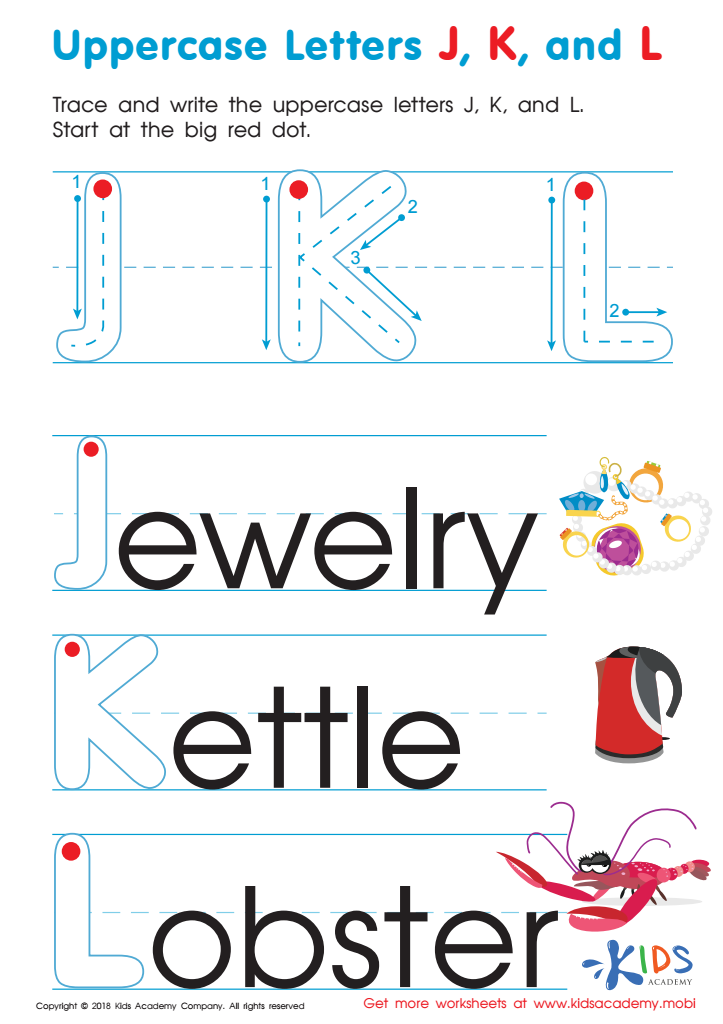
Uppercase Letters J, K, and L Worksheet
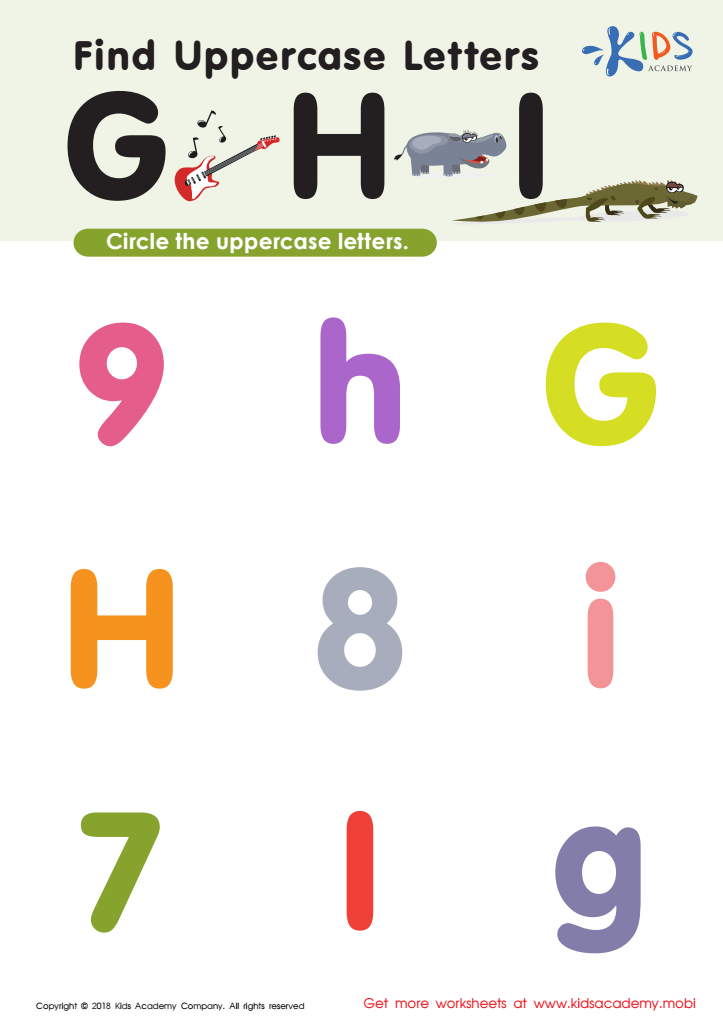
Find Uppercase Letters G, H, and I Worksheet
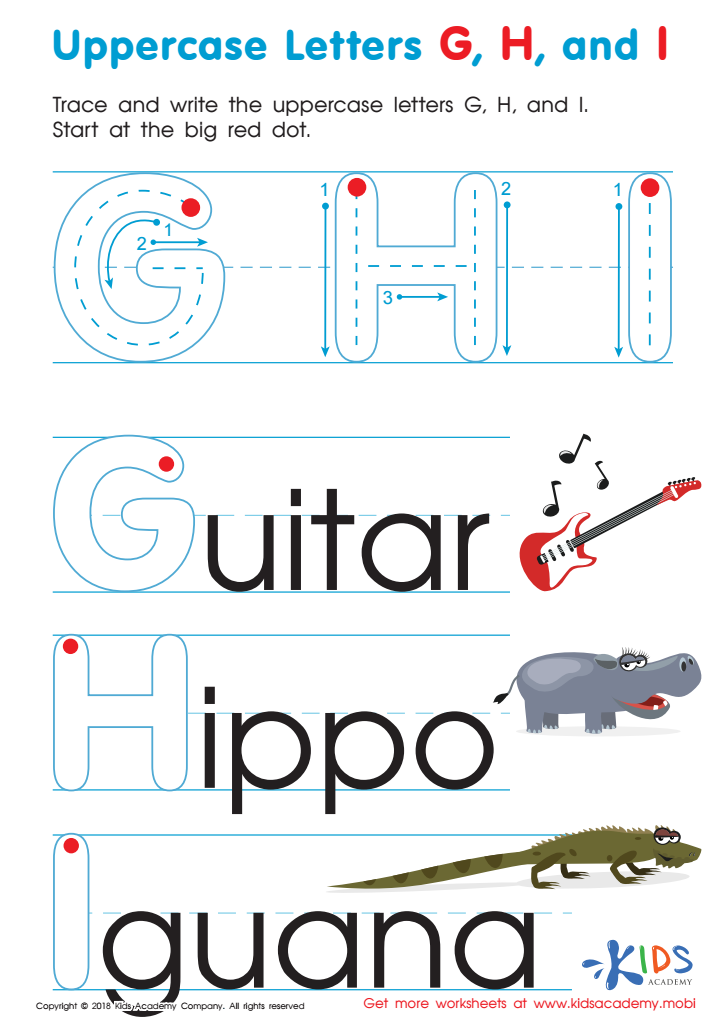
Uppercase Letters G, H, and I Worksheet
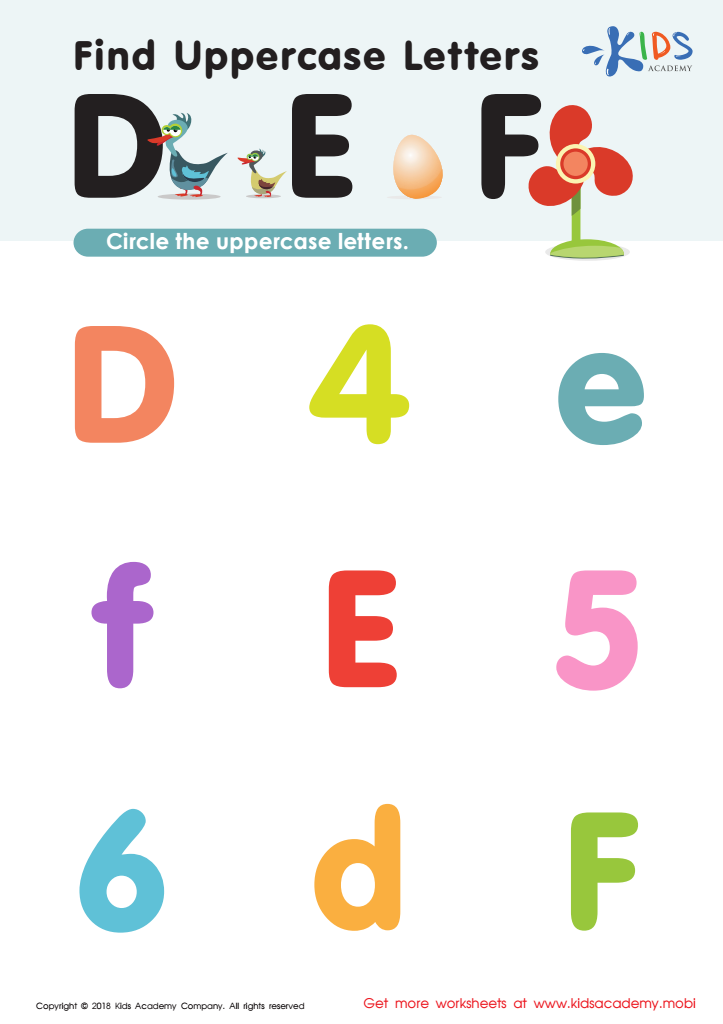
Find Uppercase Letters D, E, and F Worksheet
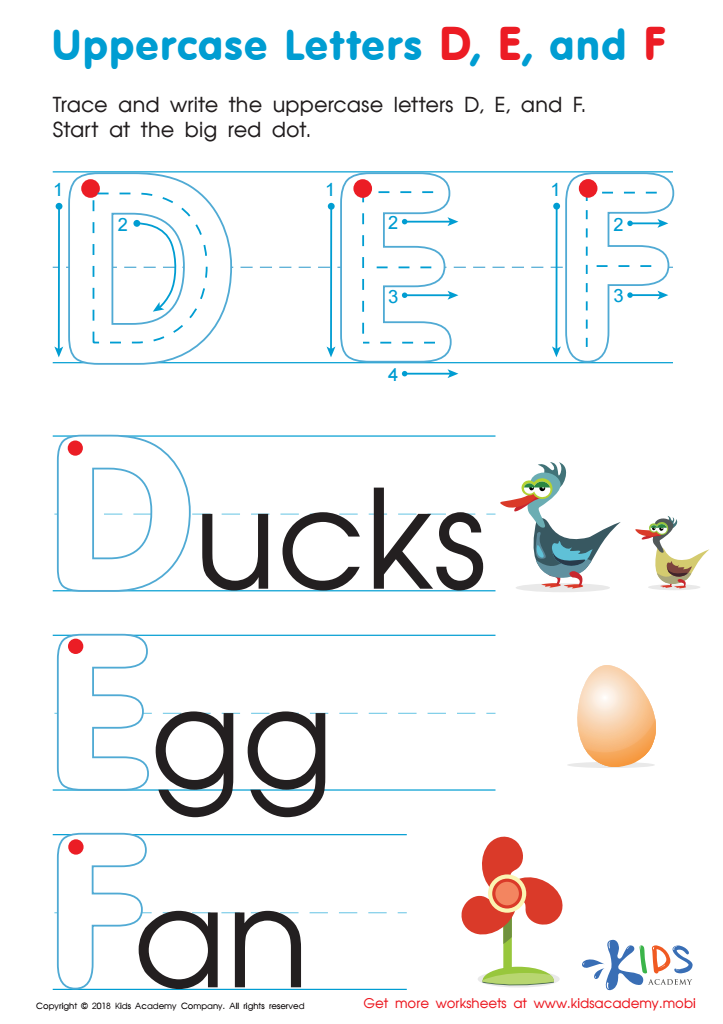
Uppercase Letters D, E, and F Worksheet
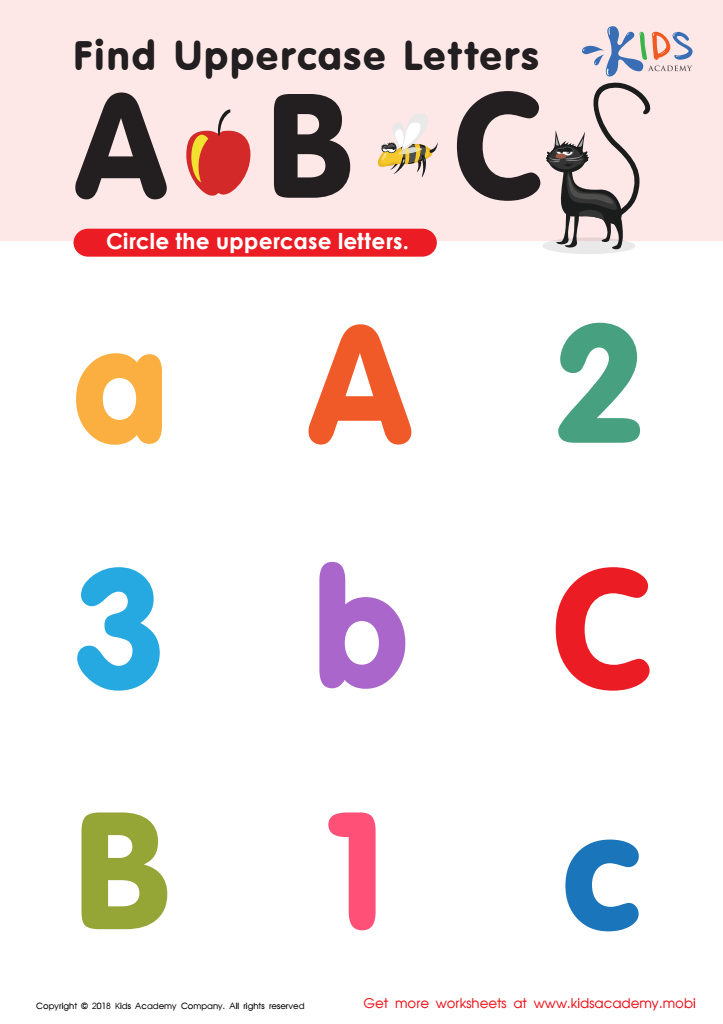
Find Uppercase Letters A, B, and C Worksheet
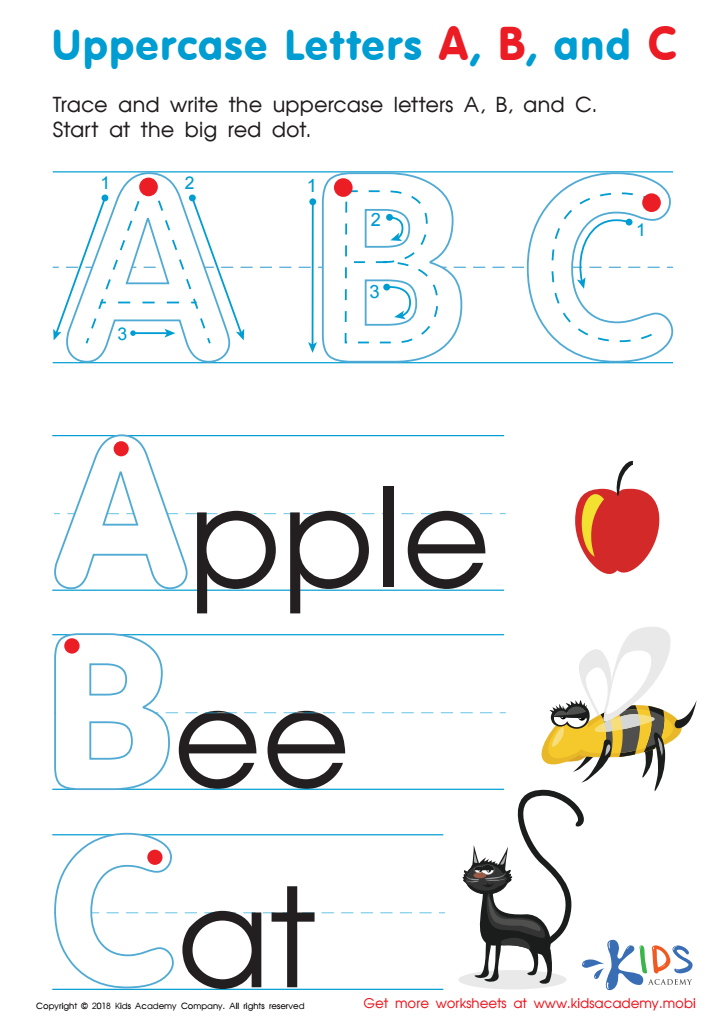
Uppercase Letters A, B, and C Worksheet
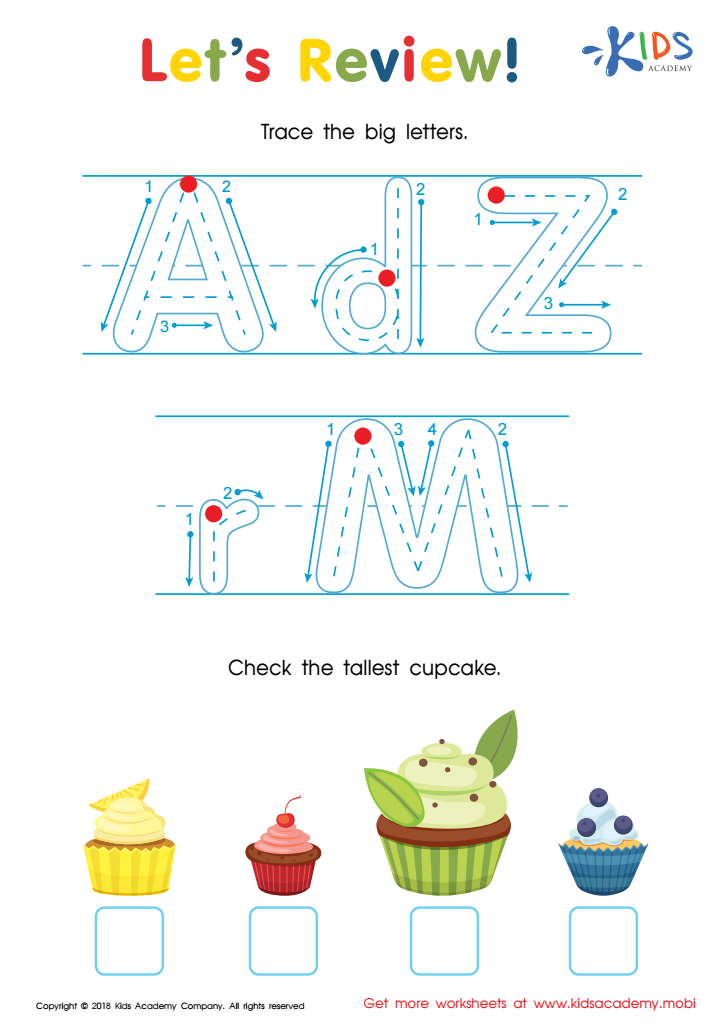
Let's Review! Big Letters Worksheet






Teaching children the difference between normal uppercase and lowercase letters is crucial for their early literacy development. Between the ages of 3 to 7, kids are in a formative stage of learning where they begin to grasp basic language concepts, and differentiating letter cases plays a vital role in this process.
Understanding uppercase and lowercase letters helps young learners recognize the shapes and sounds of letters more efficiently. Uppercase letters often signal the beginning of a sentence or proper nouns, providing context that aids comprehension and reading fluency as they progress. Consistent use of both forms in writing also fosters skills in spelling and composition.
Furthermore, kids at this age delight in stories, poems, and rhymes, which frequently highlight the use of both letter types. This exposure enhances their familiarity and enthusiasm for reading, laying a strong foundation for future literacy skills. In writing exercises, distinguishing between cases also encourages neatness and proper syntax, critical elements in effective communication.
Ultimately, emphasizing the importance of uppercase and lowercase letters enables children to engage meaningfully with language, enriching their cognitive abilities and enhancing their overall academic success. Parents and teachers should actively support this learning process to nourish lifelong literacy appreciation.







