Normal Numbers Worksheets for Ages 3-7 - Page 4
193 filtered results
-
From - To
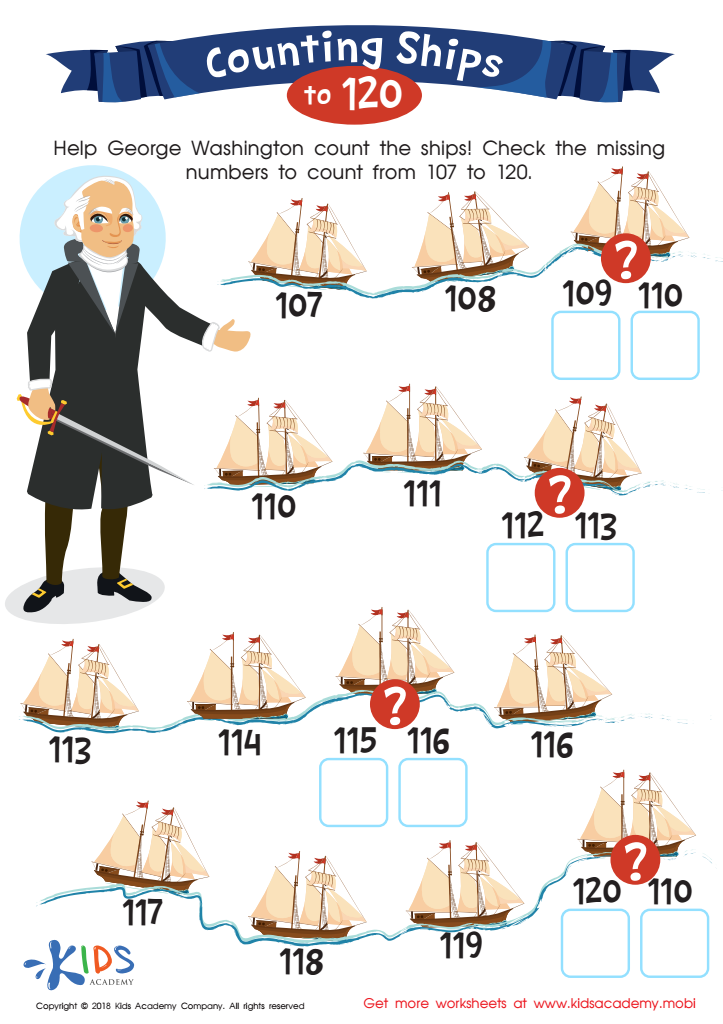
Counting Ships to 120 Worksheet
 Assign to My Students
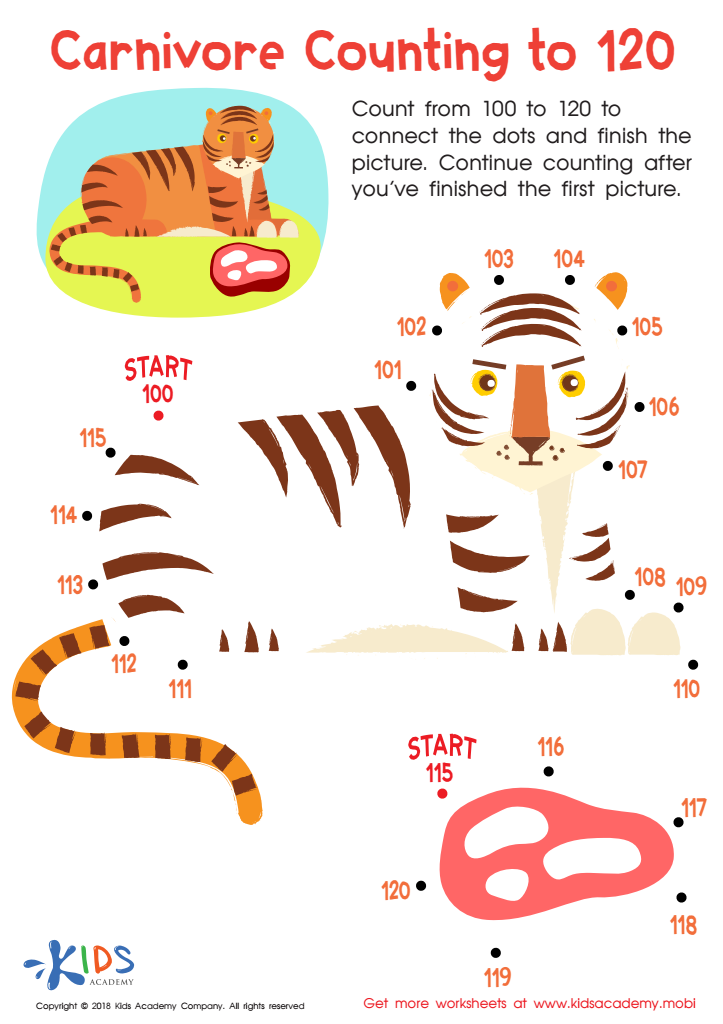
Carnivore Counting to 120 Worksheet
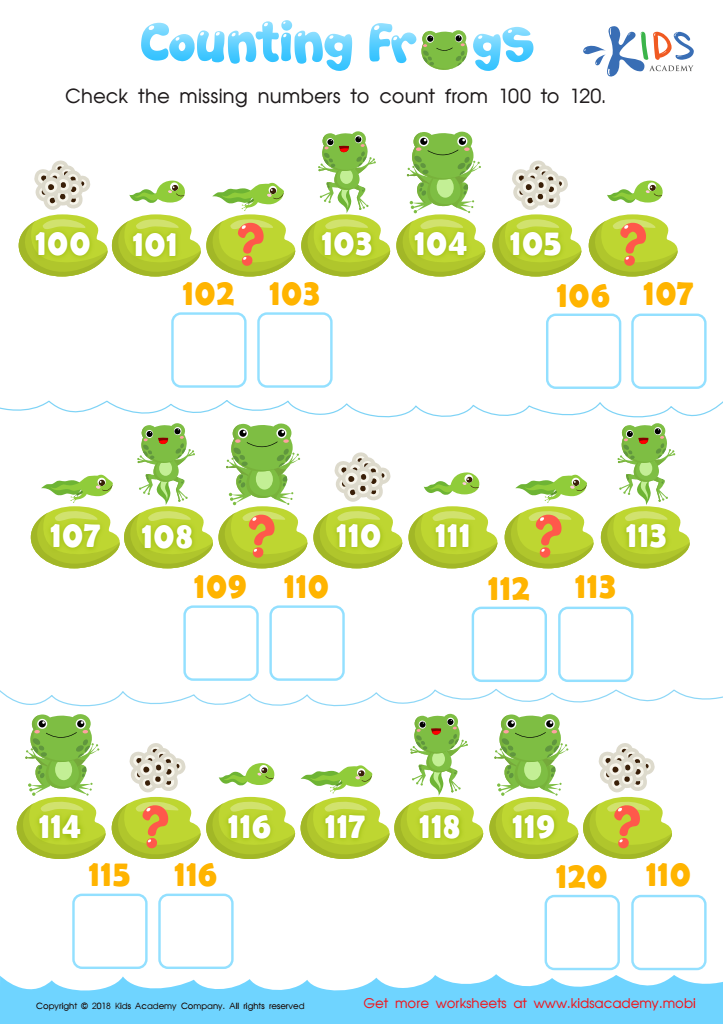
Counting Frogs Worksheet
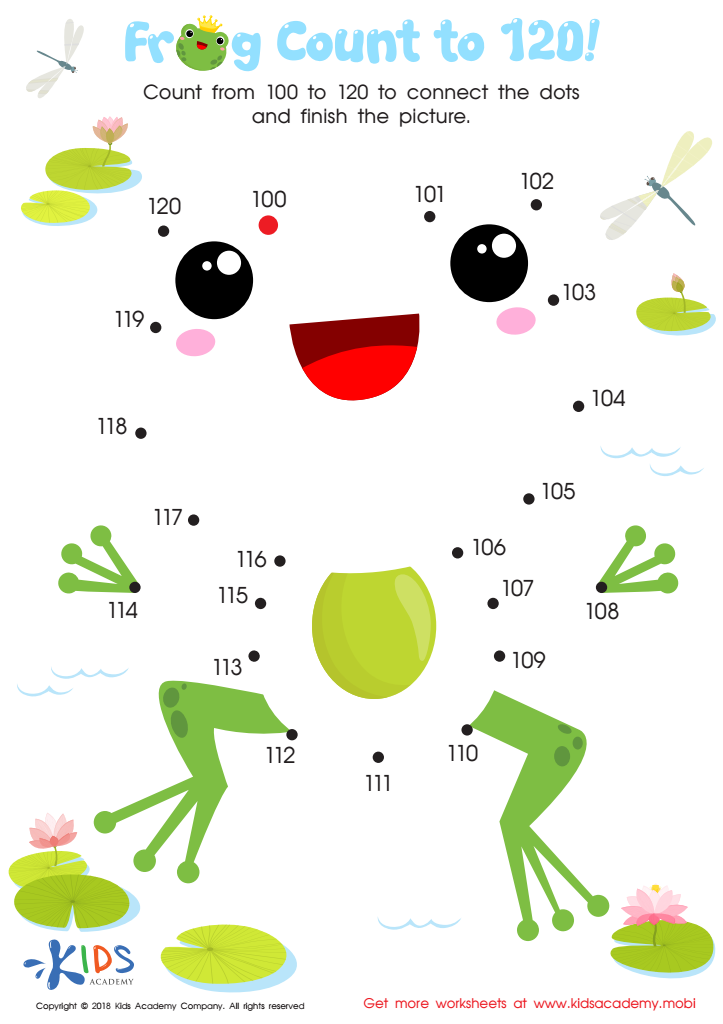
Frog Count to 120 Worksheet
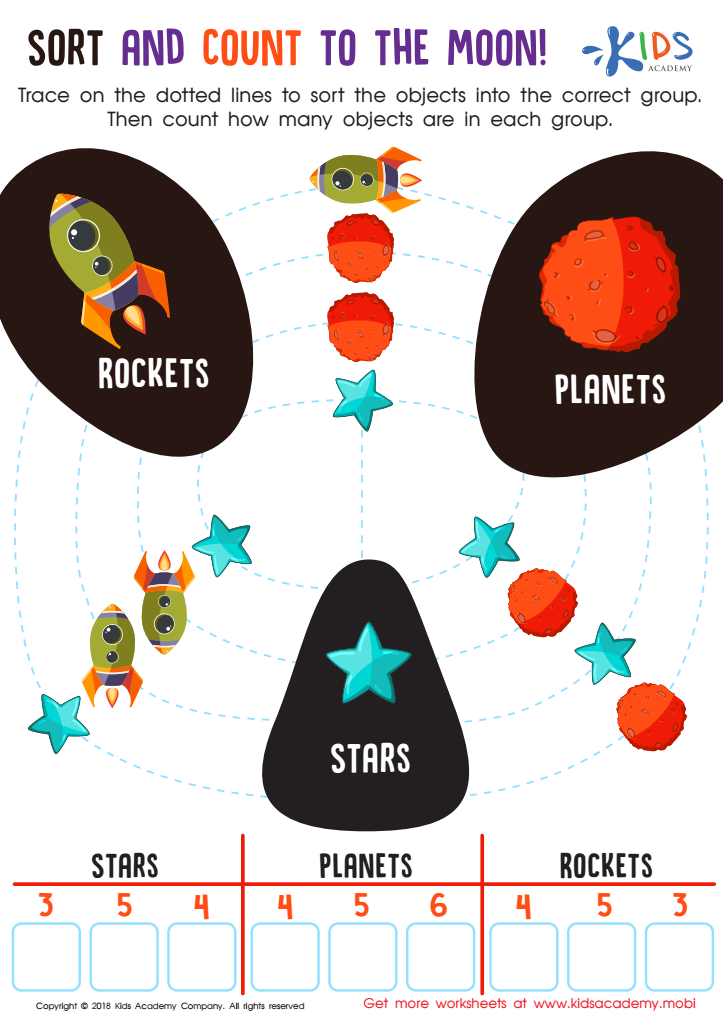
Sort and Count to the Moon Worksheet
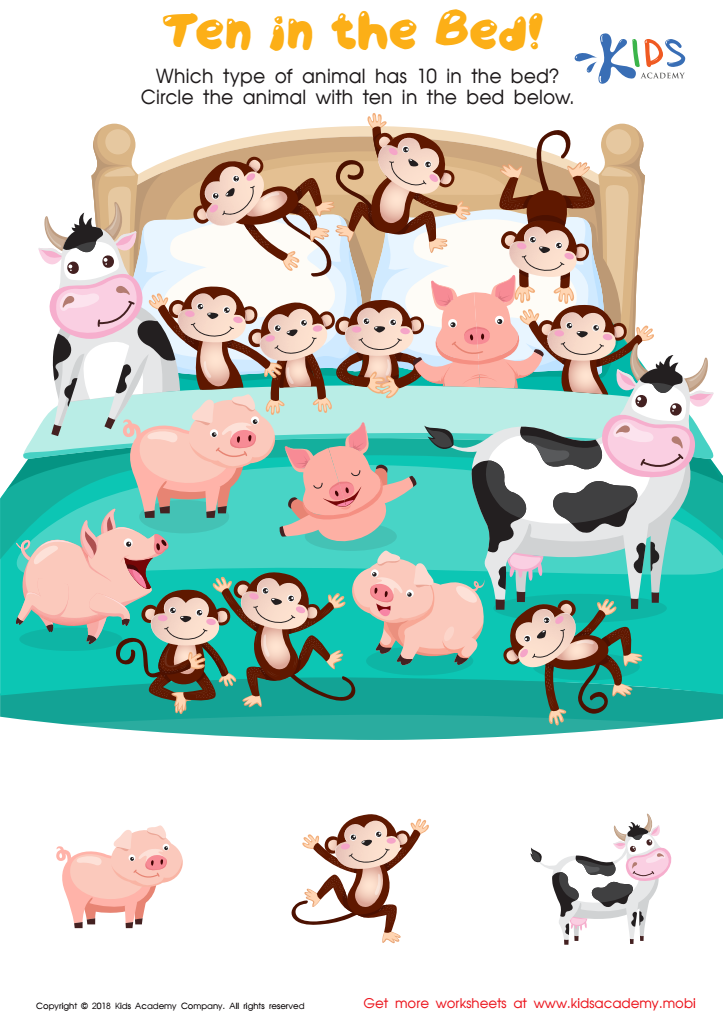
Ten in the Bed Worksheet
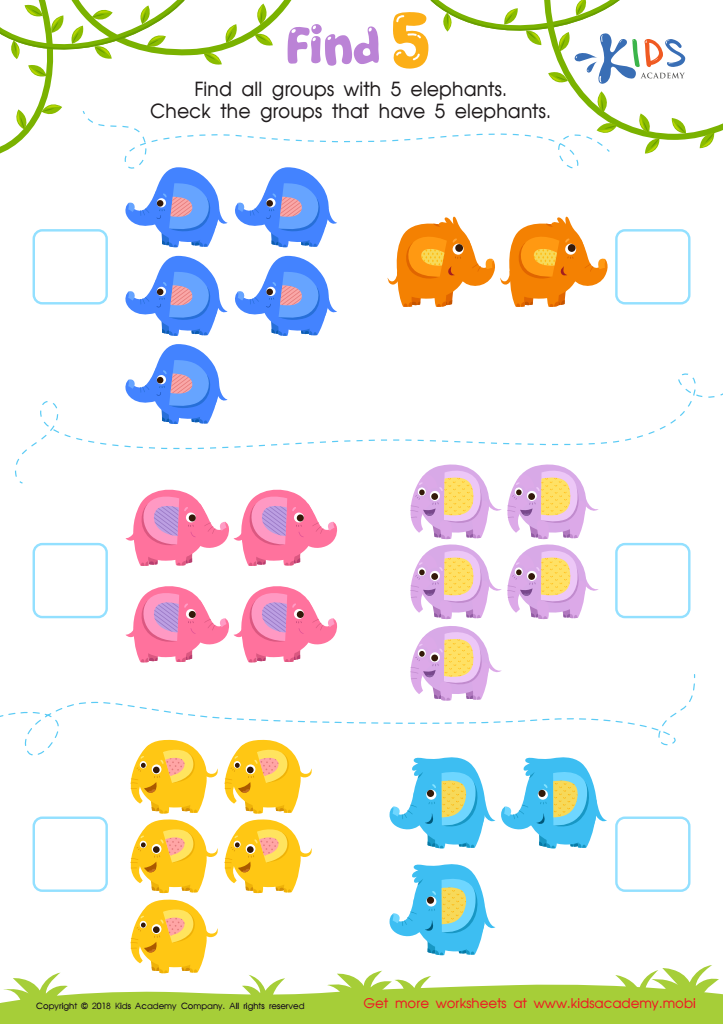
Find 5 Worksheet
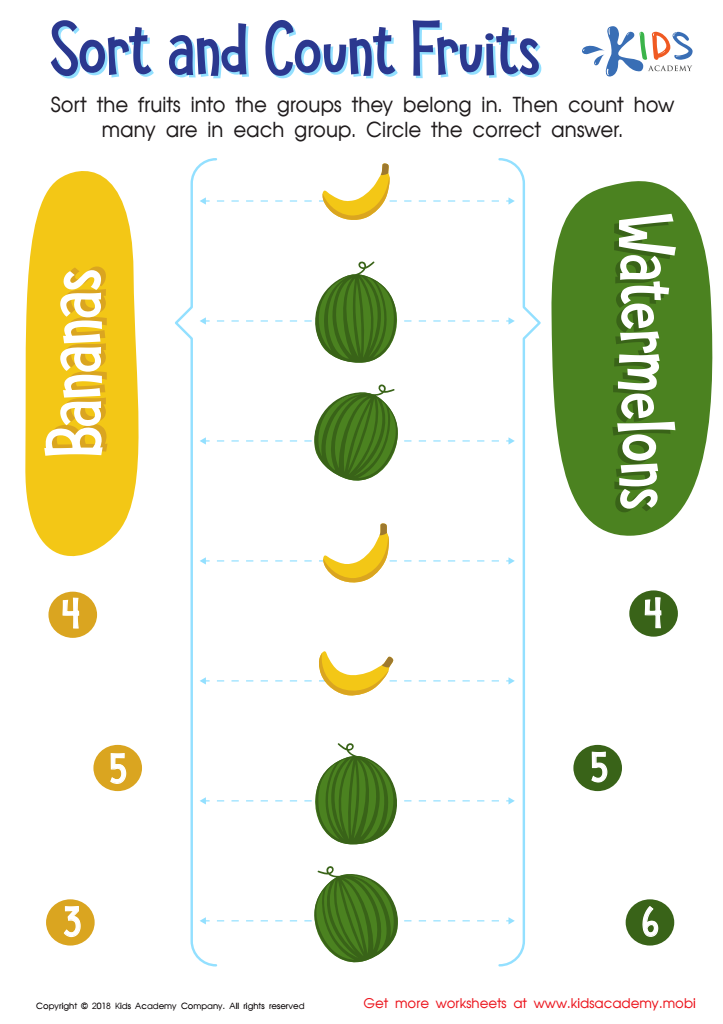
Sort and Count Fruits Worksheet
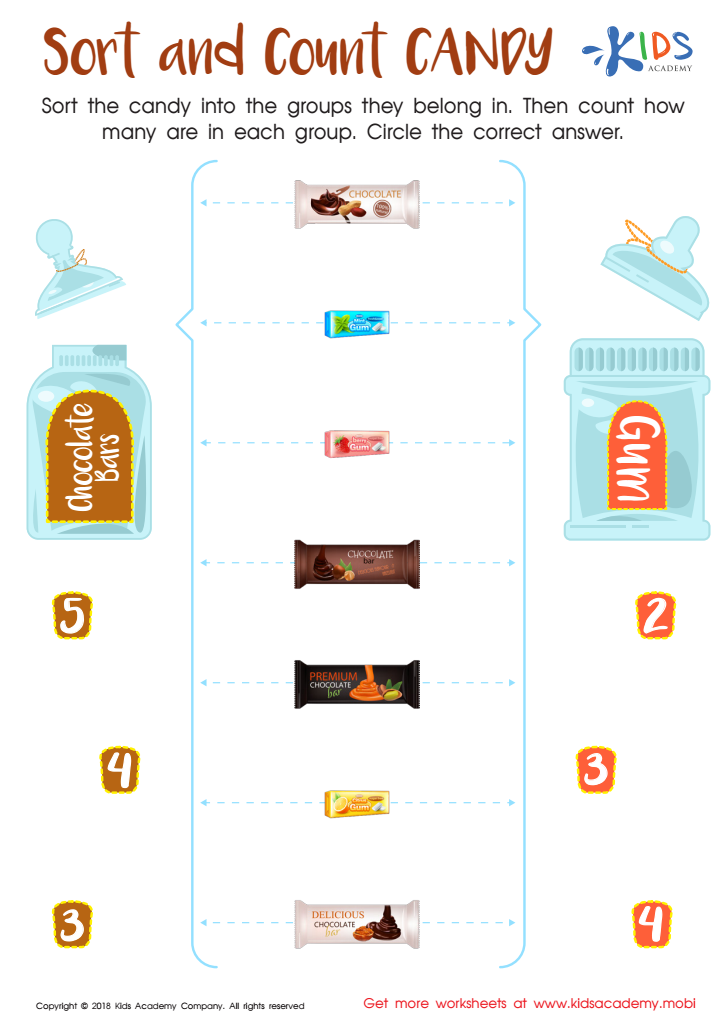
Sort and Count Candy Worksheet
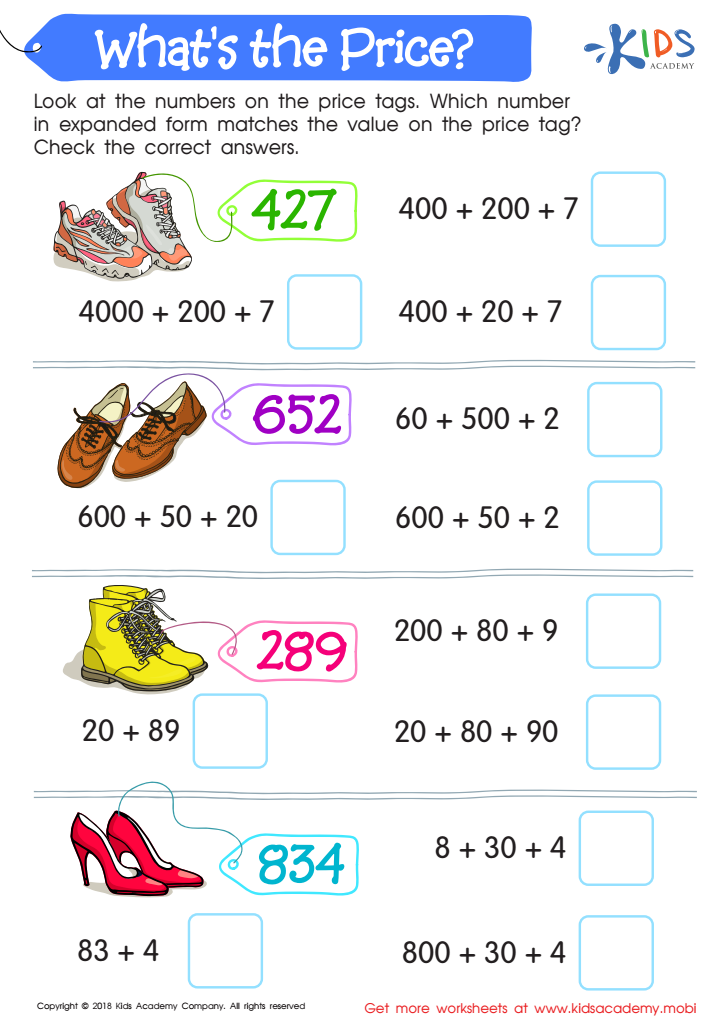
What's the Price? Worksheet
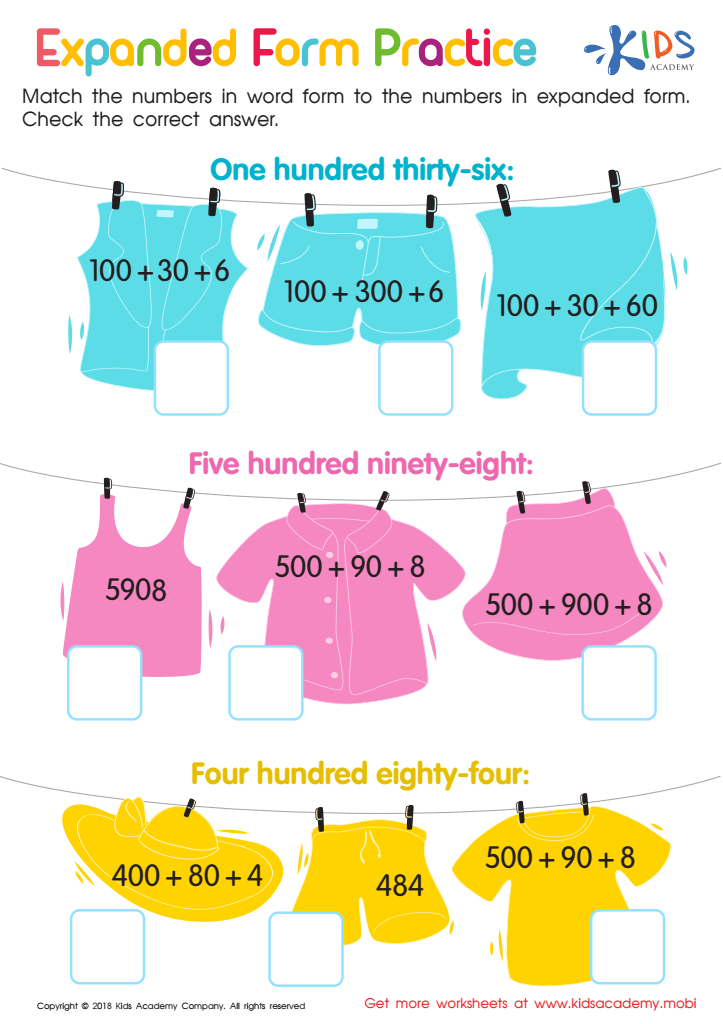
Expanded Form Practice Worksheet
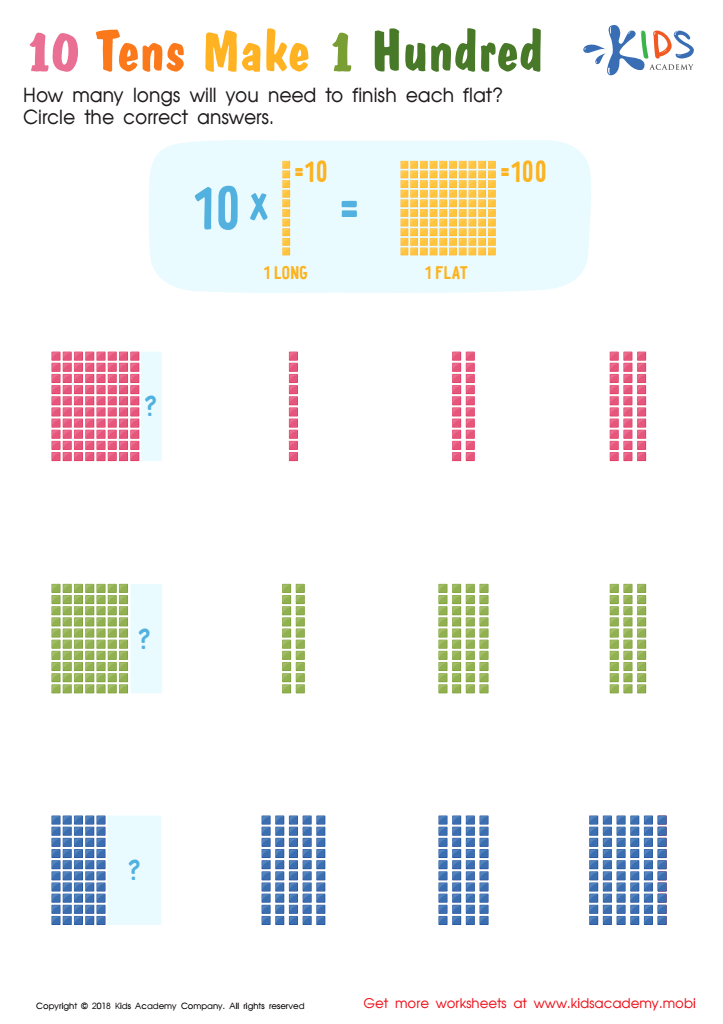
10 Tens Make 1 Hundred Worksheet
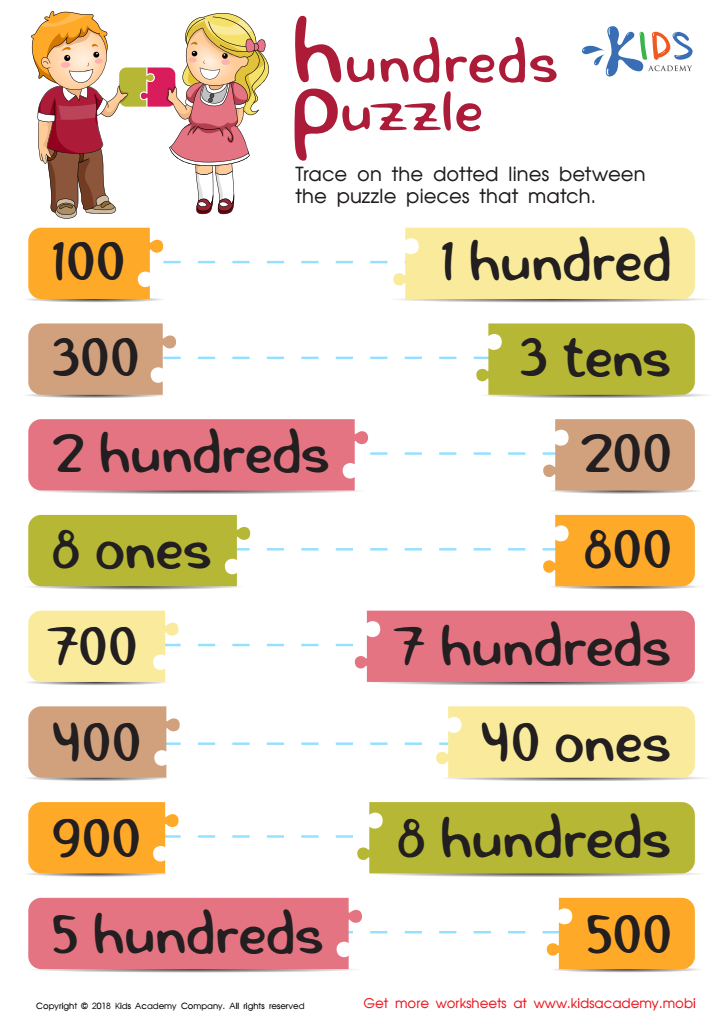
Hundreds Puzzle Worksheet
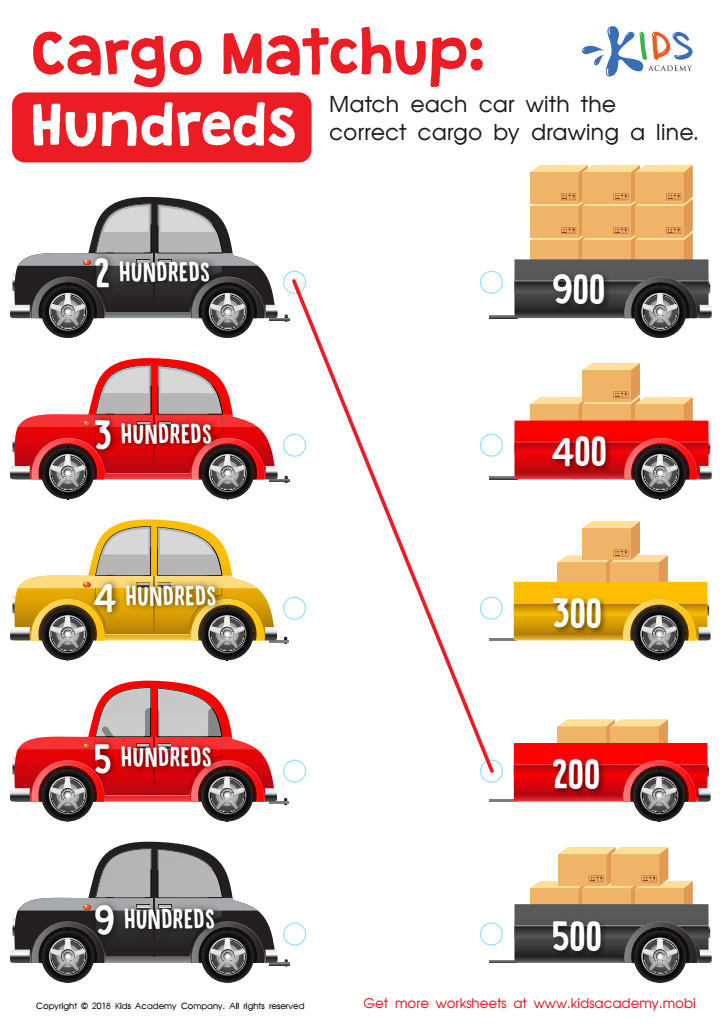
Cargo Matchup: Hundreds Worksheet
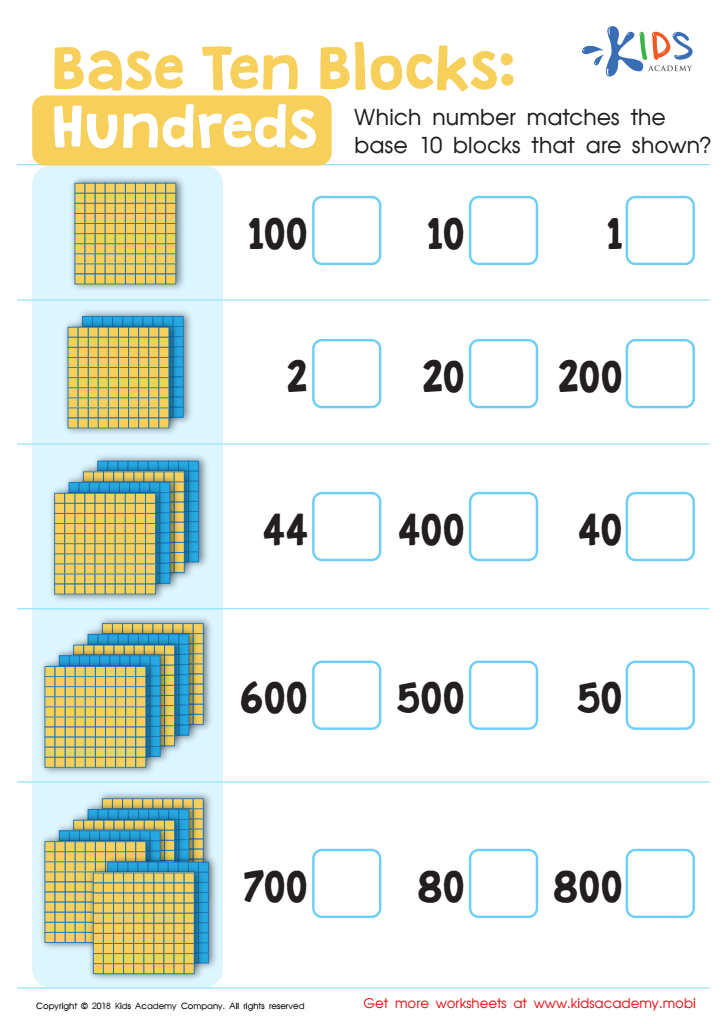
Base Ten Blocks: Hundreds Worksheet
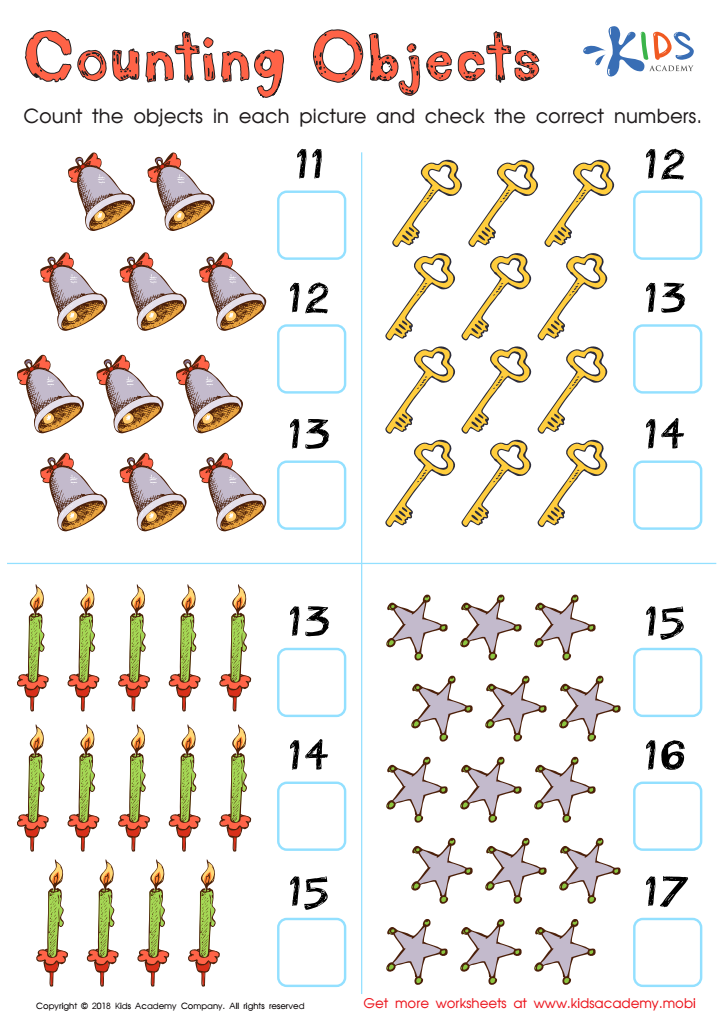
Counting Numbers Worksheet For Kindergarten
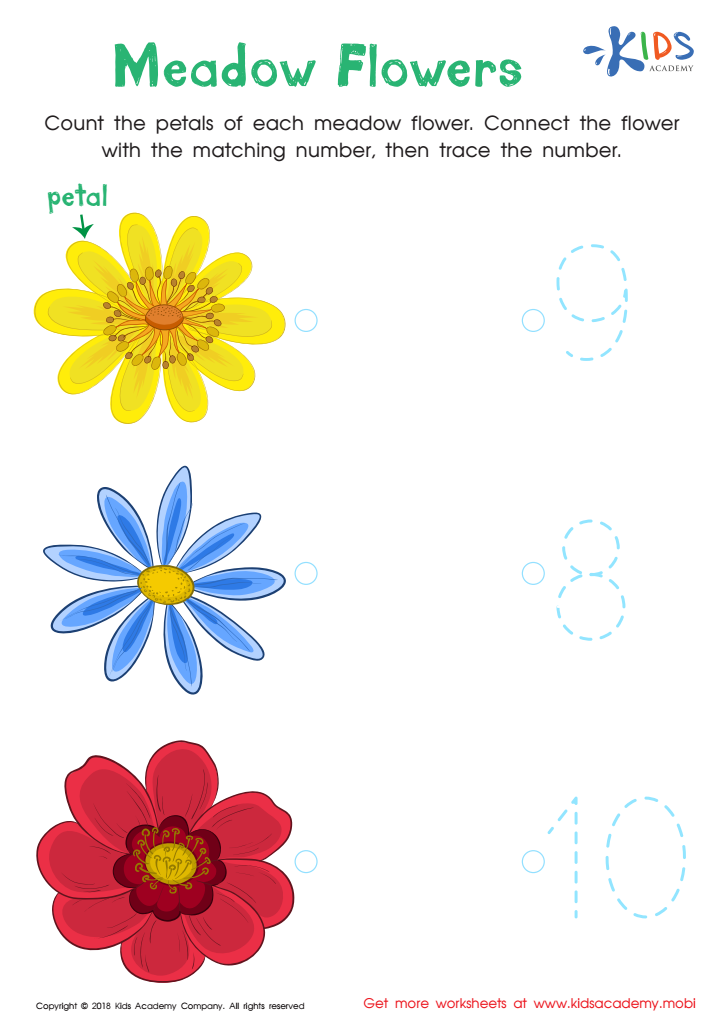
Kindergarten Number Tracing: Medow Flowers Worksheet
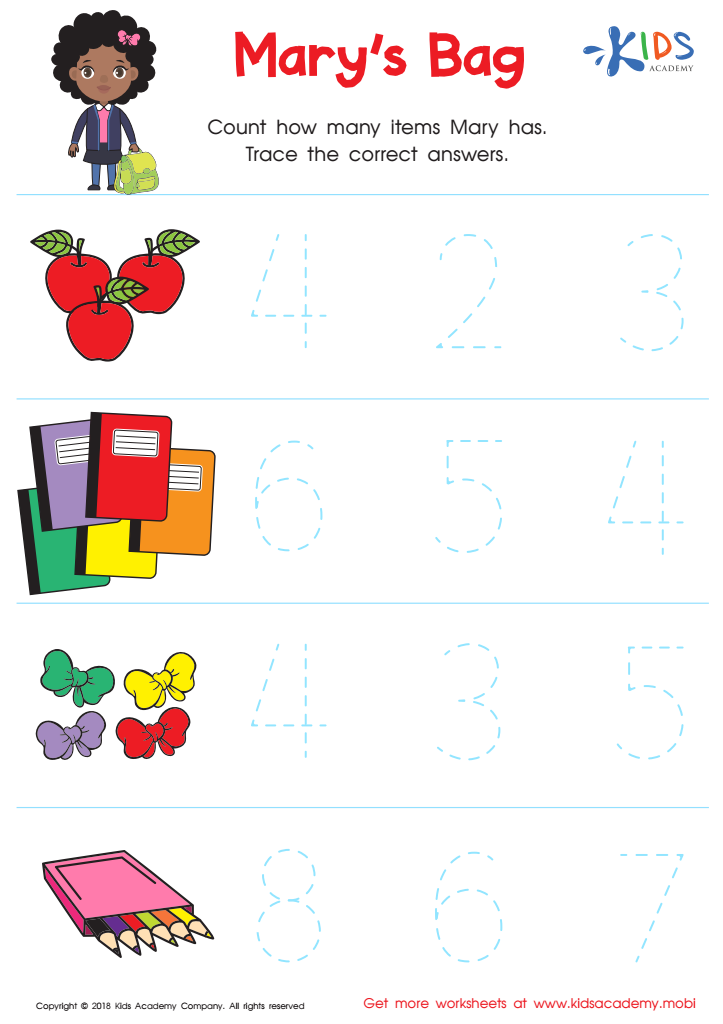
Kindergarten Number Tracing: Mary's Bag Worksheet
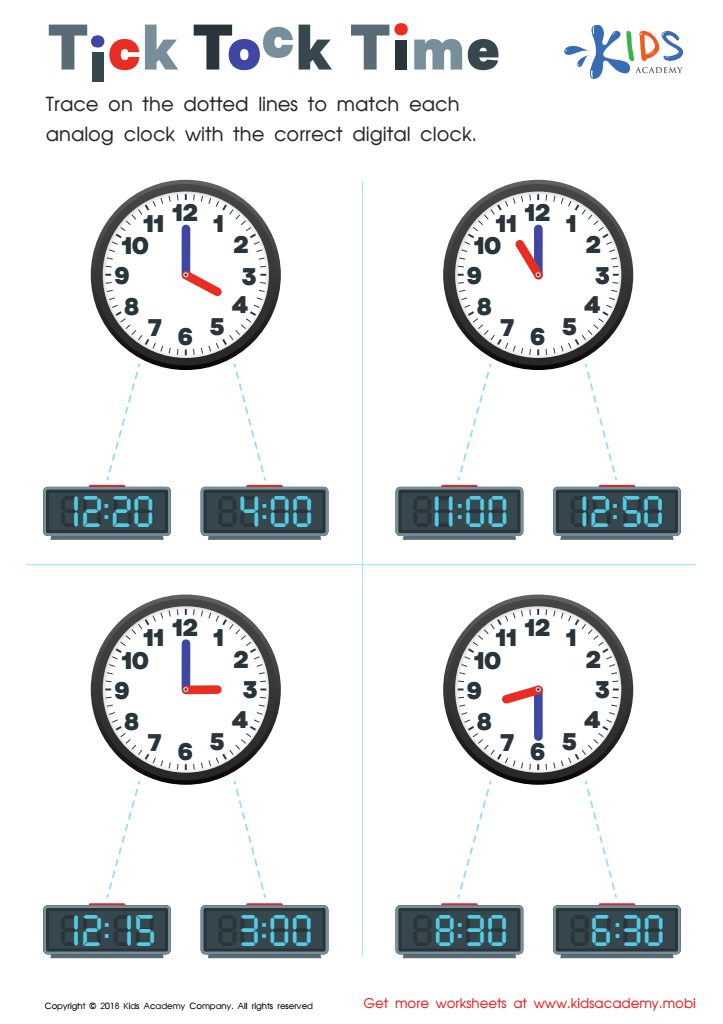
Tick Tock Time Worksheet
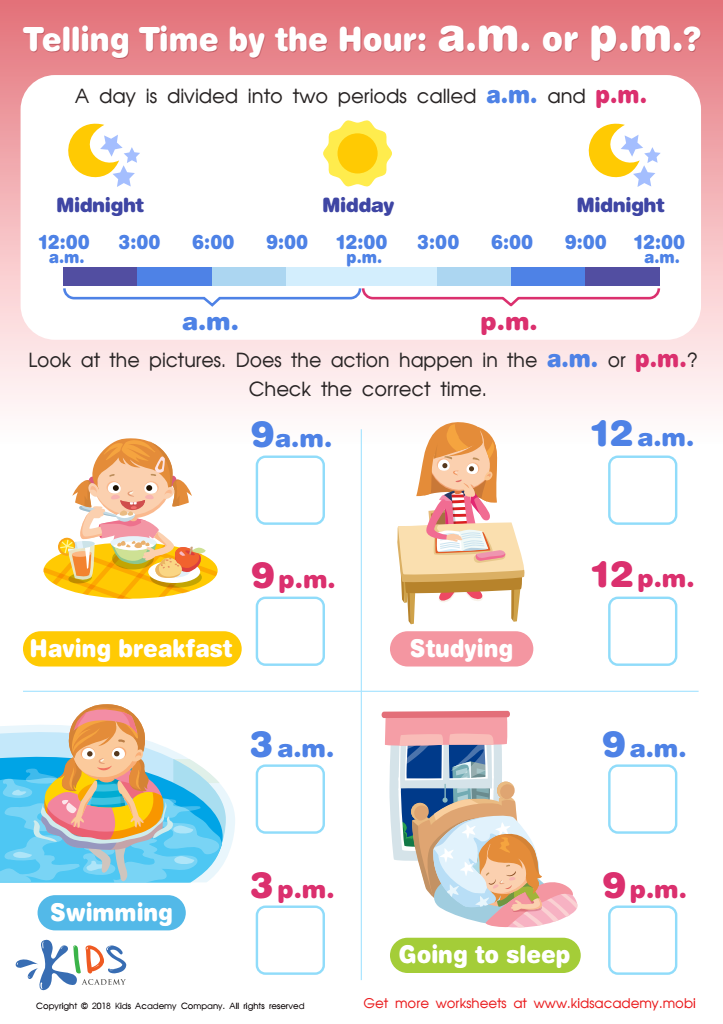
Tilling Time by the Hour: a.m. or p.m.? Worksheet
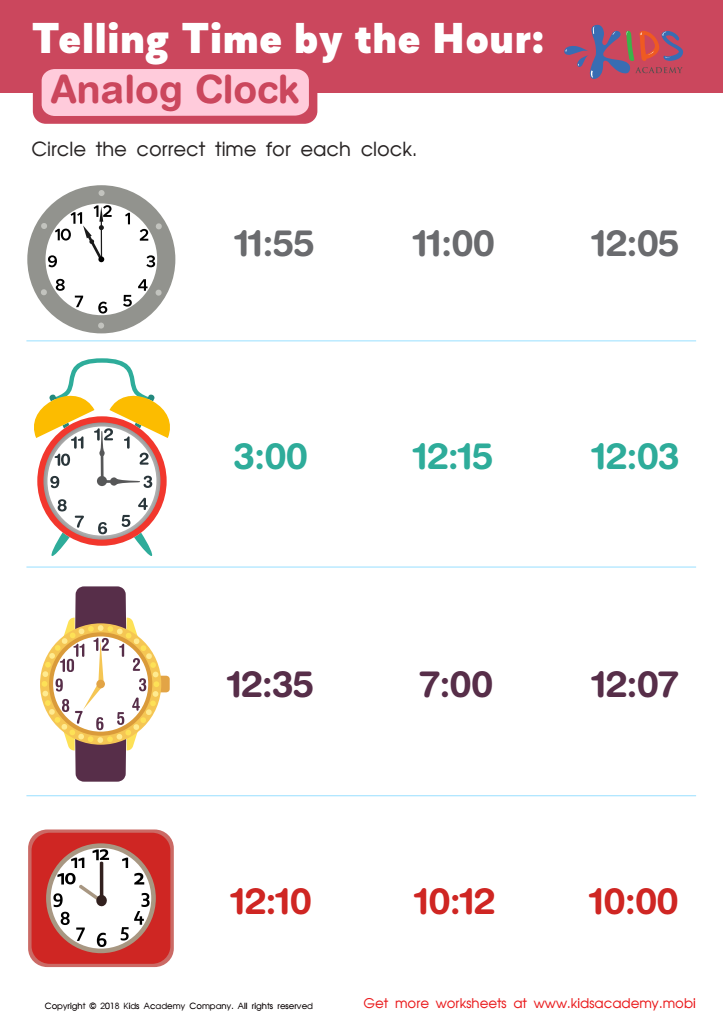
Telling Time by the Hour: Analog Clock Worksheet
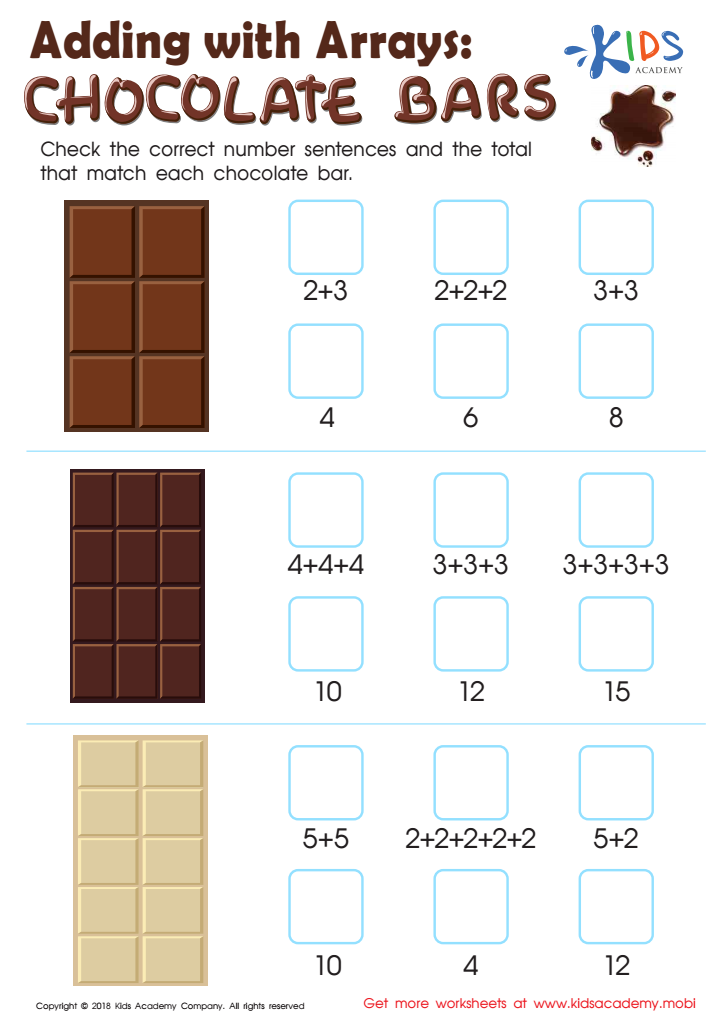
Adding with Arrays: Chocolate Bars Worksheet
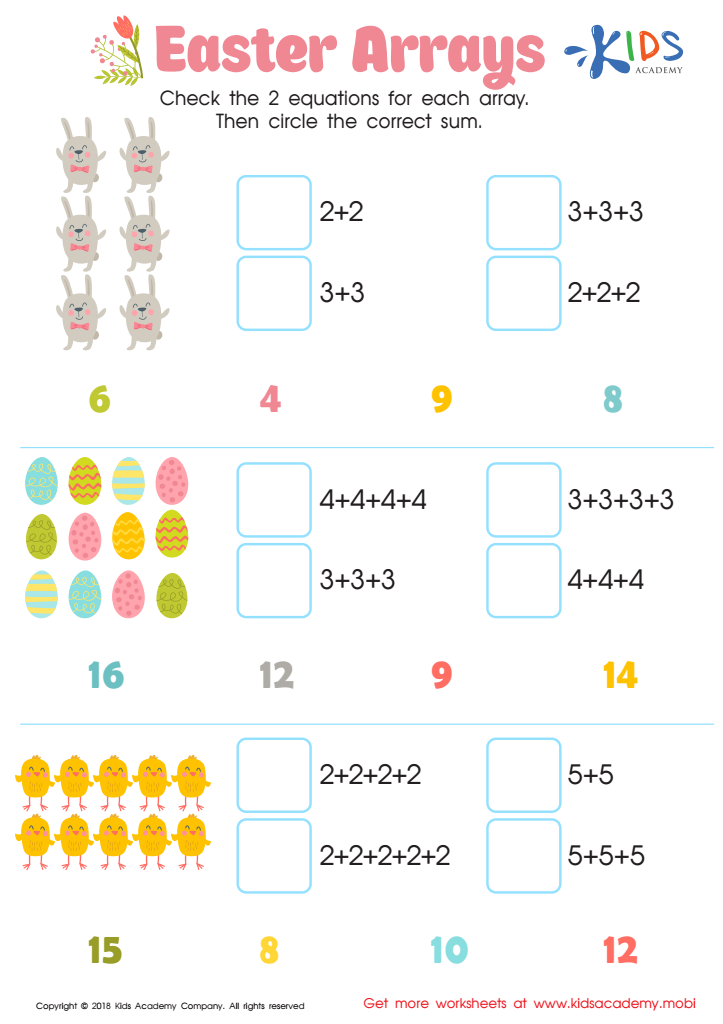
Easter Arrays Worksheet
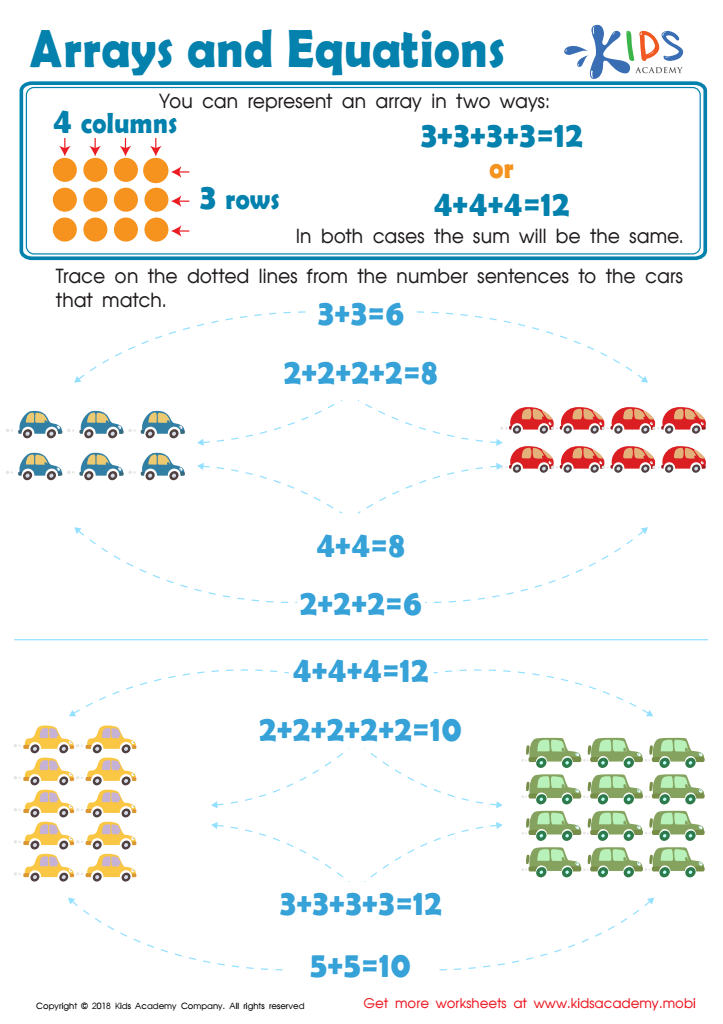
Arrays and Equations Worksheet








Normal numbers might sound technical, but understanding them has significant benefits even for young children, ages 3-7. These numbers form the foundation of everyday math skills essential for future learning. Here's why parents and teachers should care about introducing them early on:
-
Math Fluency: Early familiarity with numbers helps children develop basic math fluency. Counting, recognizing, and understanding numbers lay the groundwork for more complex concepts like addition and subtraction.
-
Cognitive Development: Engaging with numbers enhances cognitive skills such as problem-solving, memory, and logical thinking. These skills are crucial for academic success and real-world problem-solving.
-
Confidence Boost: Early success with numbers builds confidence in young learners. Positive experiences with numbers reduce math anxiety, making children more likely to engage with math-related subjects later on.
-
Daily Life Skills: Numbers are part of everyday life—from telling time to understanding money and quantities. Early numeracy helps children navigate and make sense of their daily environment effectively.
-
Language Development: Discussing numbers and mathematical concepts also helps boost language skills. Descriptive phrases like "more than," "less than," or "equal to" enhance vocabulary and comprehension.
In essence, introducing normal numbers to young children is more than just teaching them to count. It's about sowing the seeds of a strong educational foundation and fostering essential life skills.








