Normal Physical Science Worksheets for Ages 3-7 - Page 2
56 filtered results
-
From - To
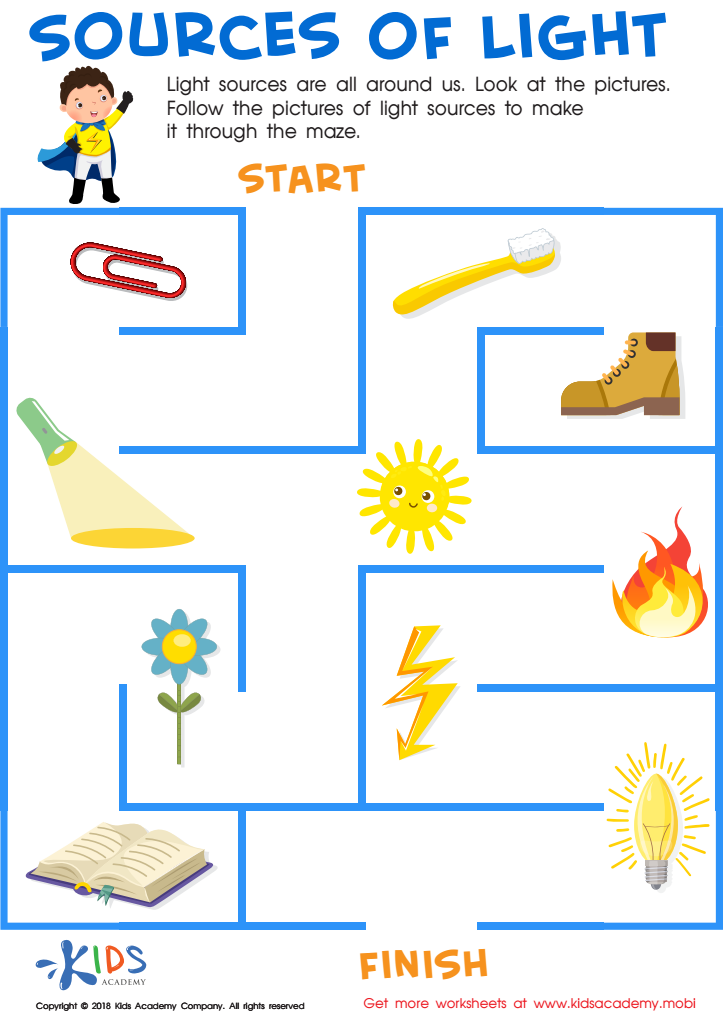
Sources of Light Worksheet
 Assign to My Students
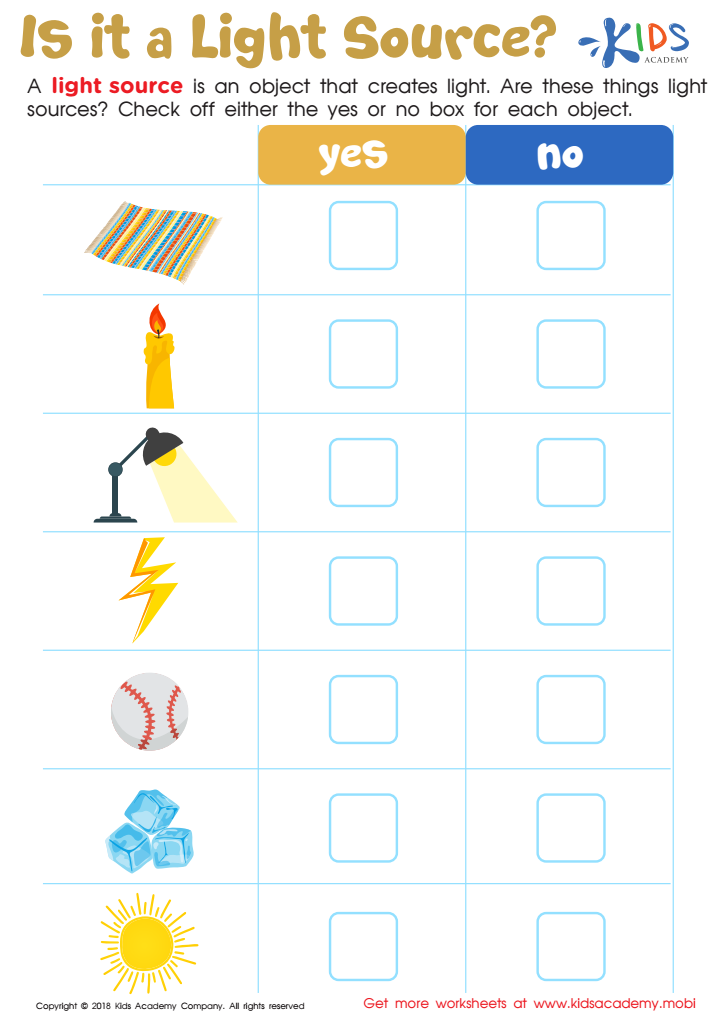
Is It a Light Source? Worksheet
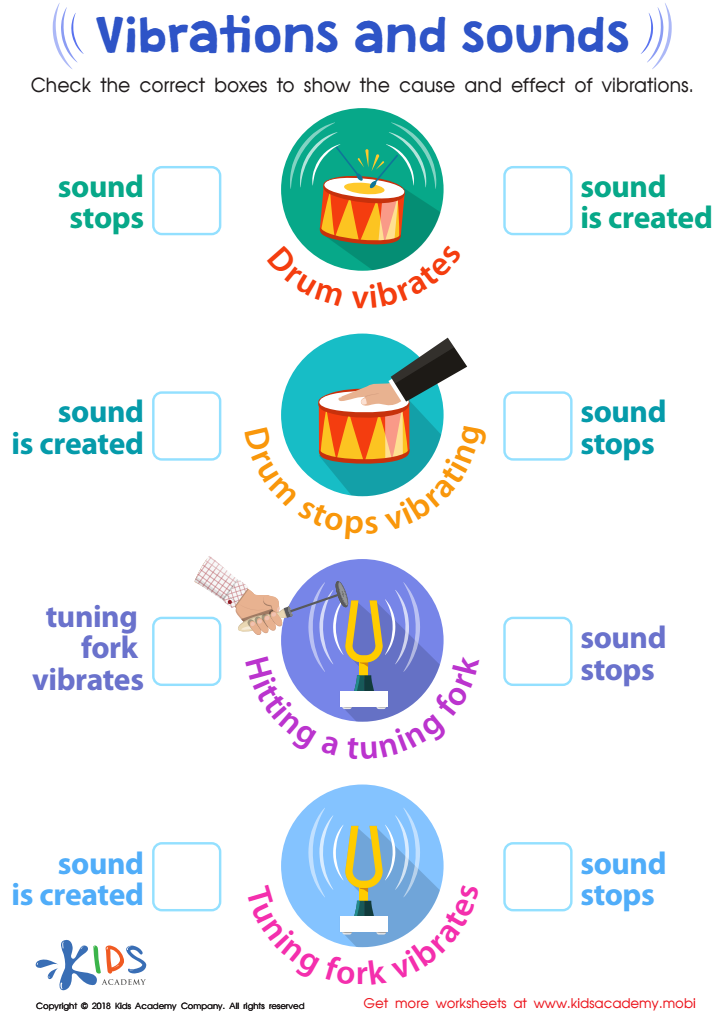
Vibrations and Sounds Worksheet
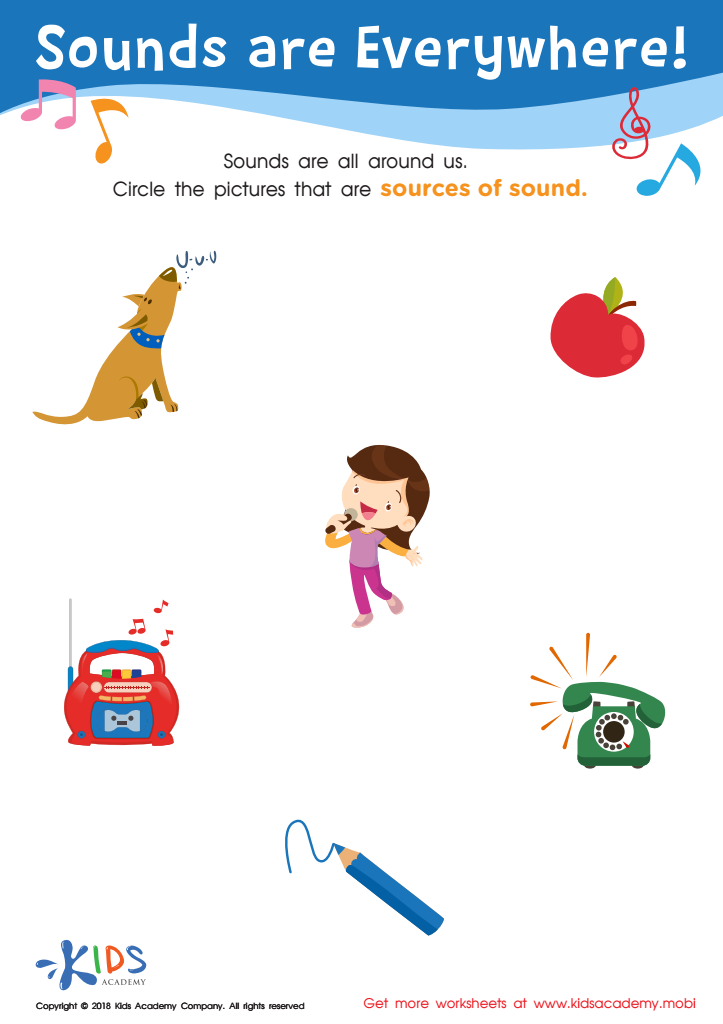
Sounds Are Everywhere! Worksheet
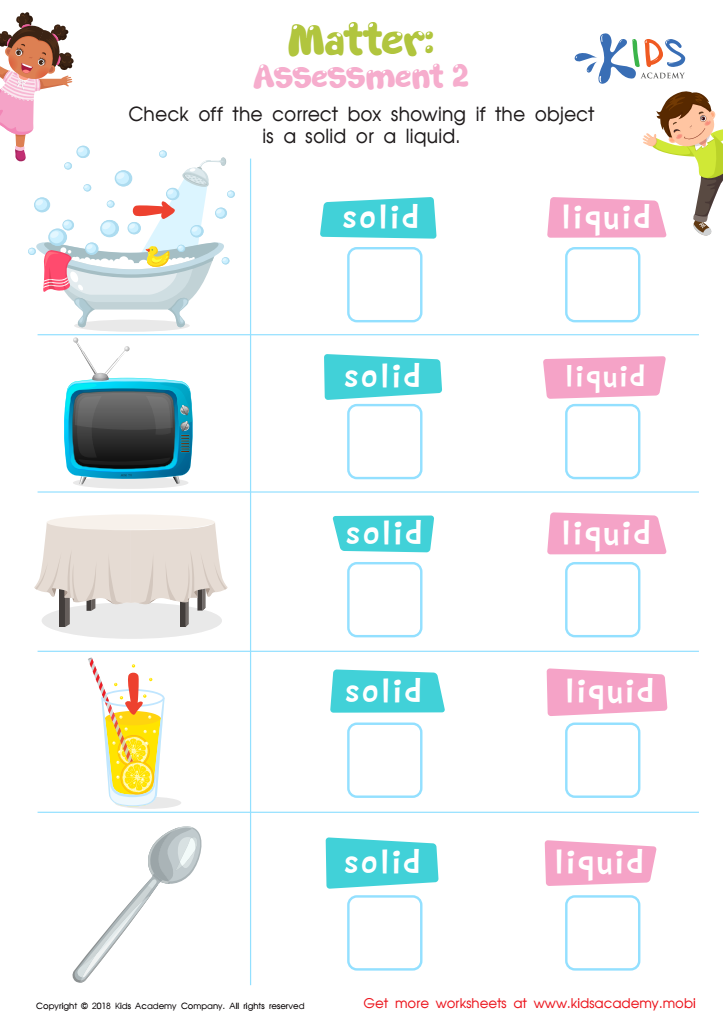
Matter: Assessment 2 Worksheet
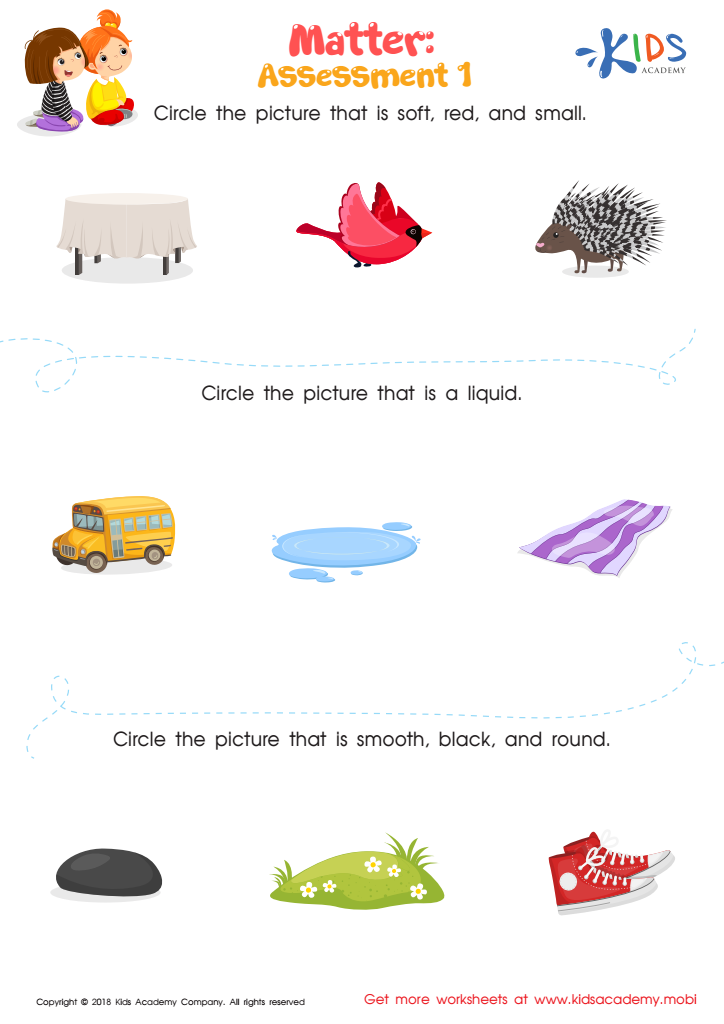
Matter: Assessment 1 Worksheet
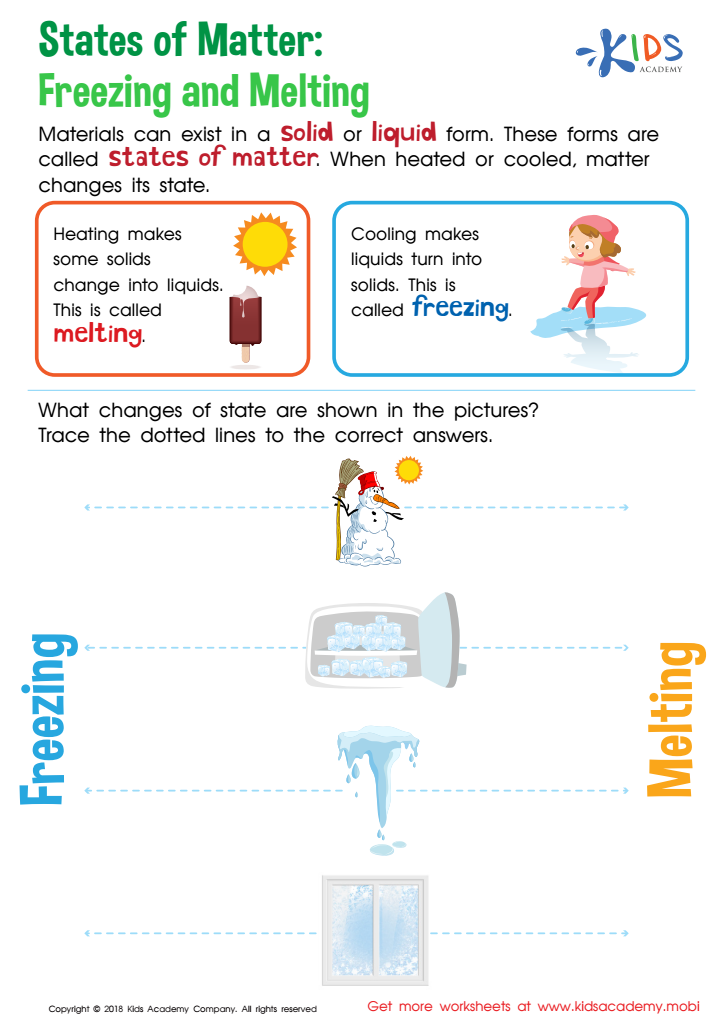
States of Matter: Freezing and Melting Worksheet
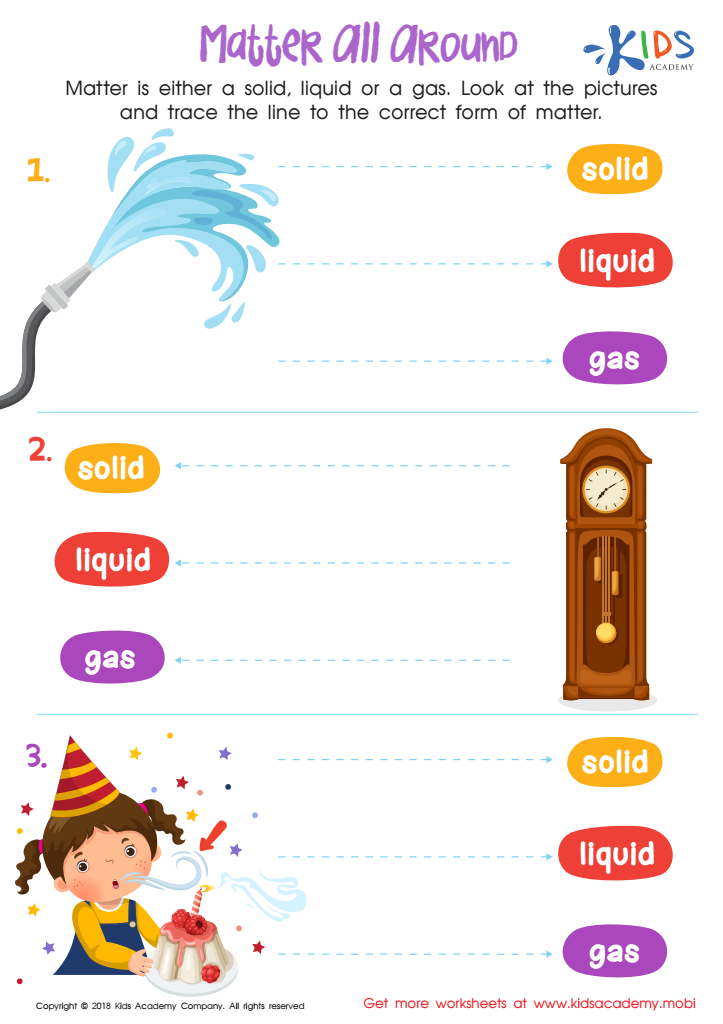
Matter all Around Worksheet
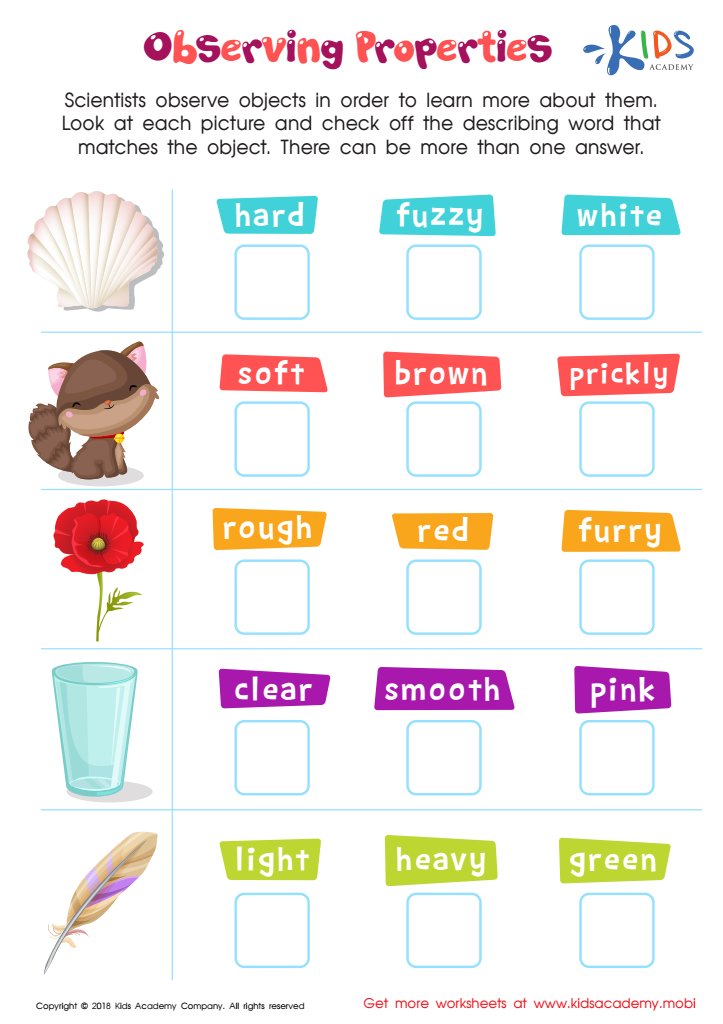
Observing Properties Worksheet
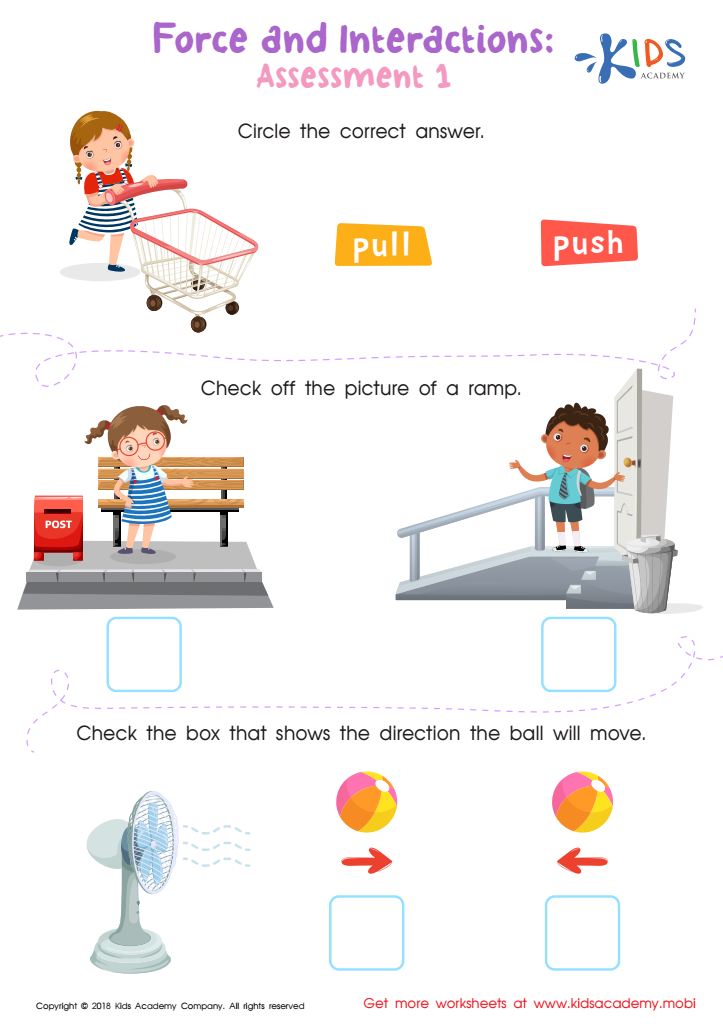
Force and Interactions: Assessment 1 Worksheet
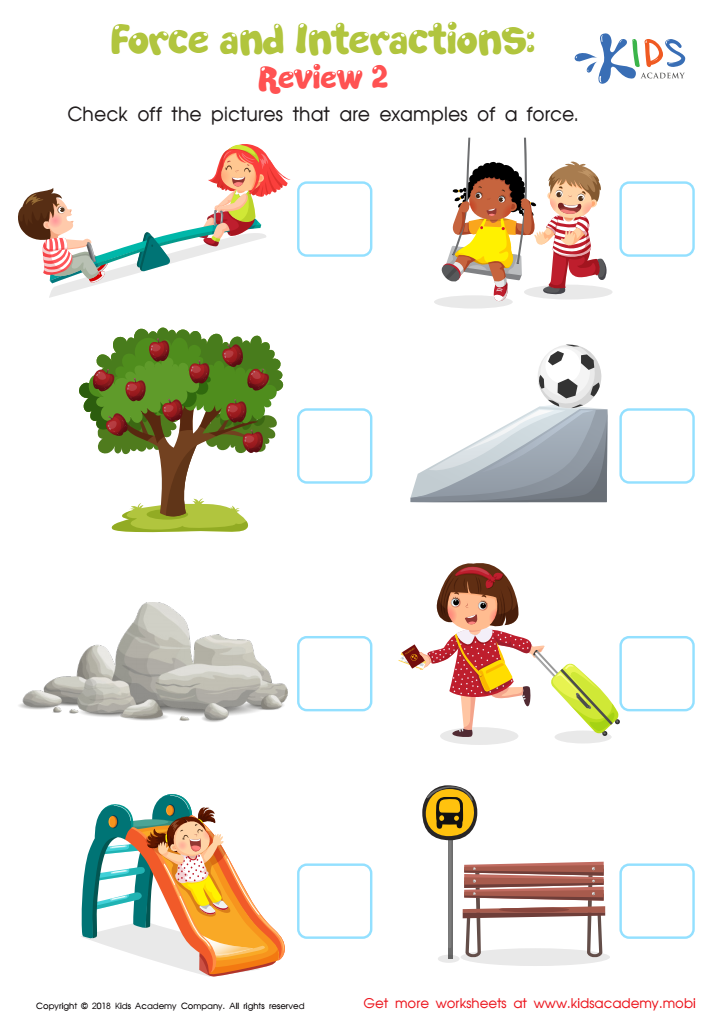
Force and Interactions: Review 2 Worksheet
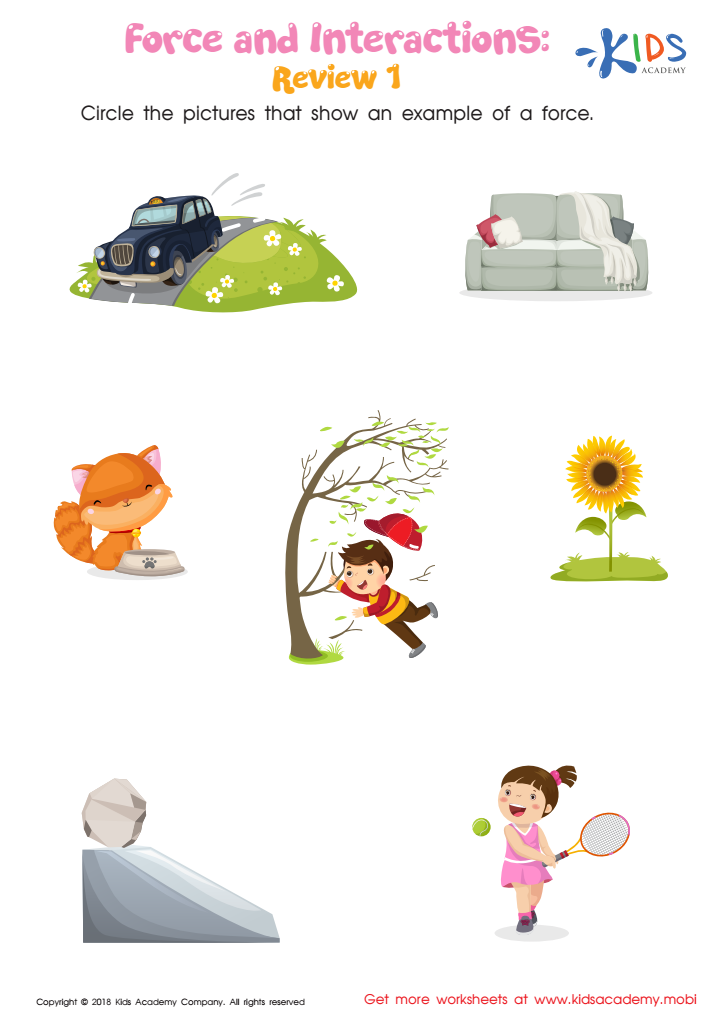
Force and Interactions: Review 1 Worksheet
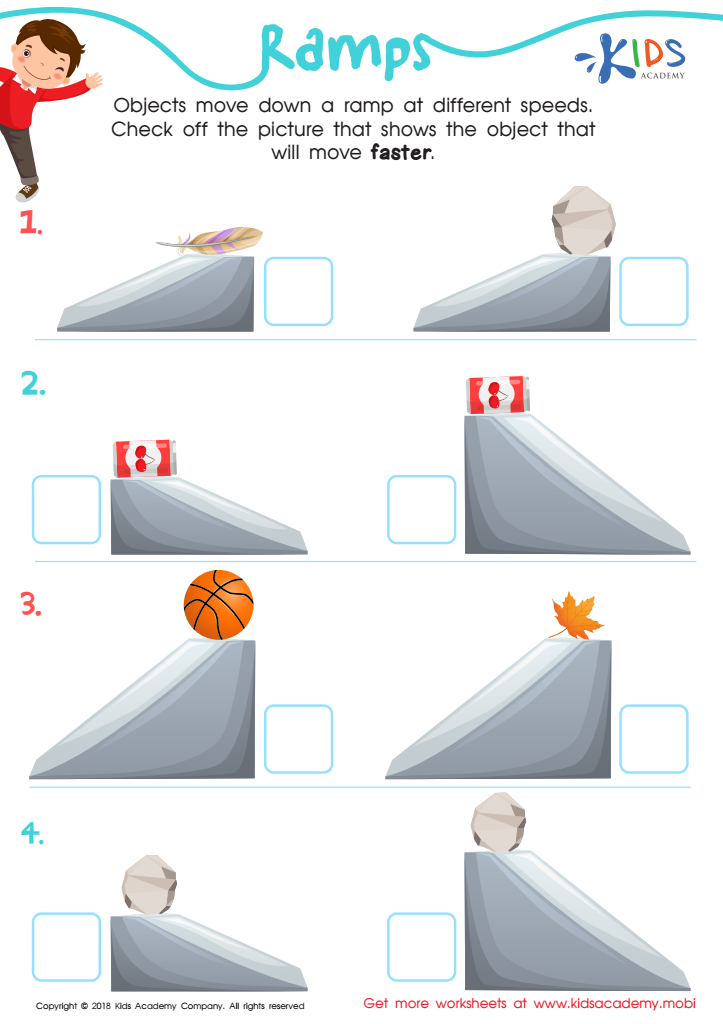
Ramps Worksheet
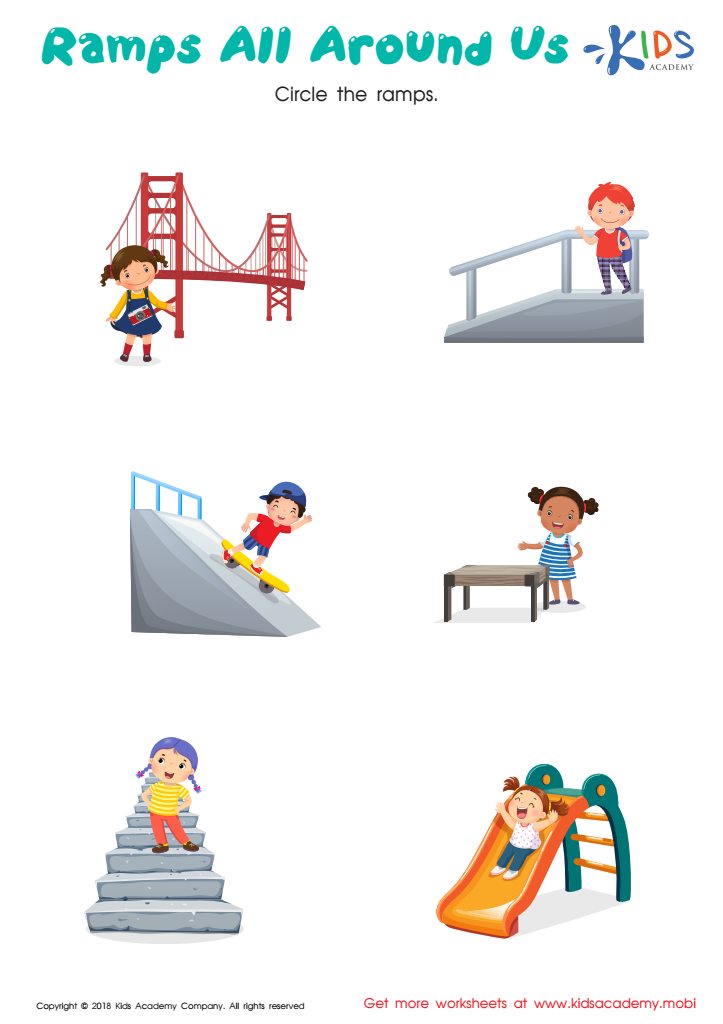
Ramps All Around us Worksheet
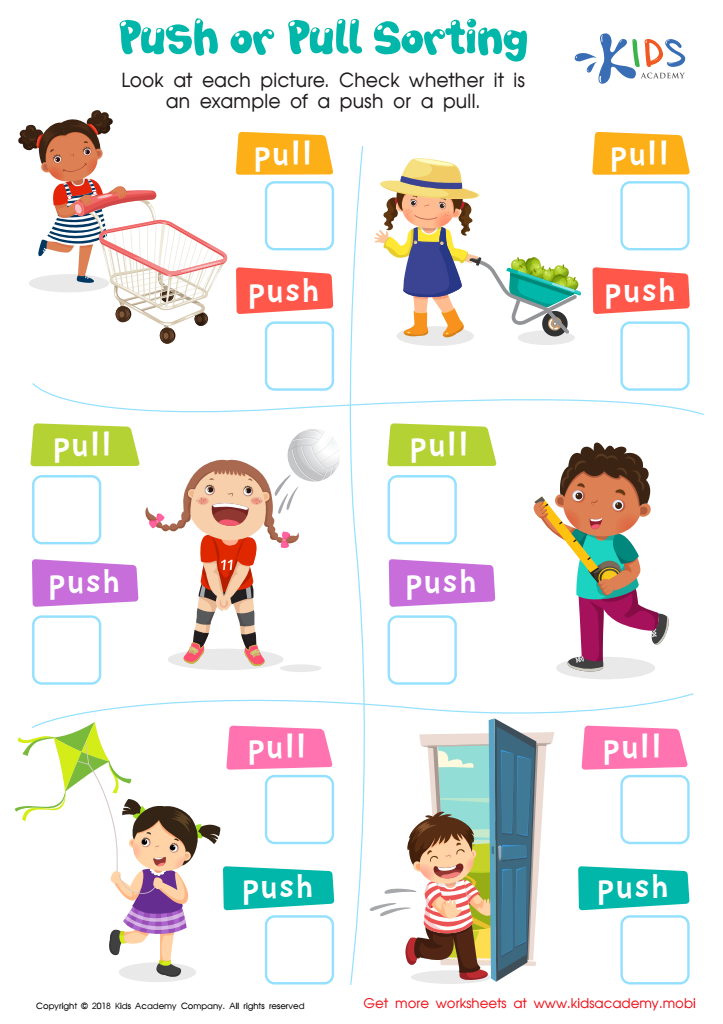
Push or Pull Sorting Worksheet
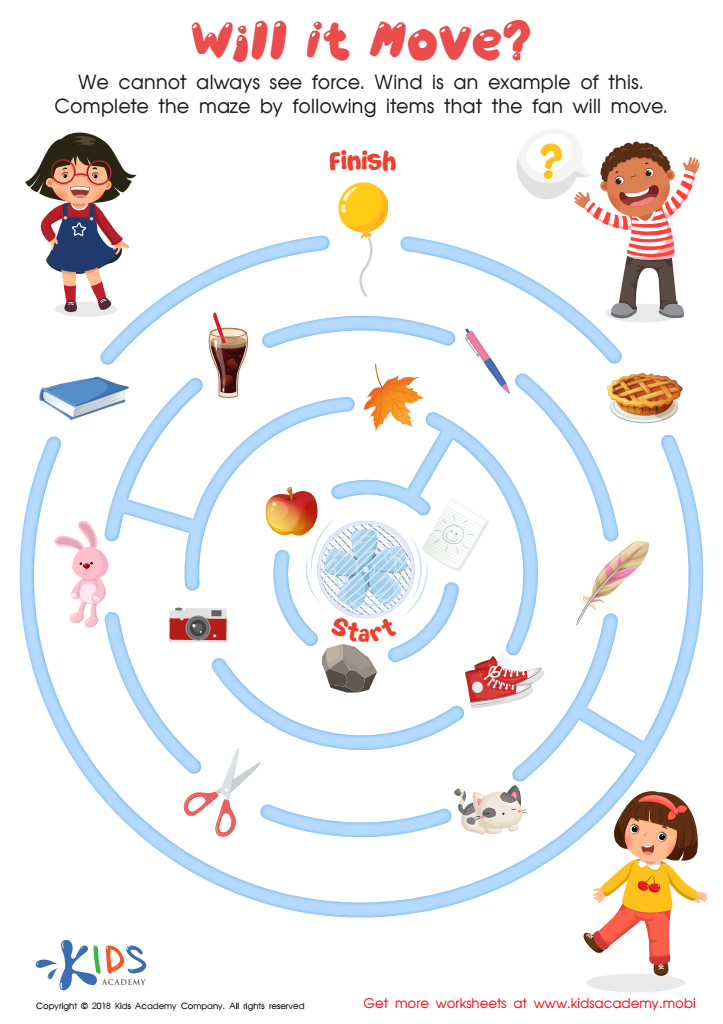
Will it Move? Worksheet
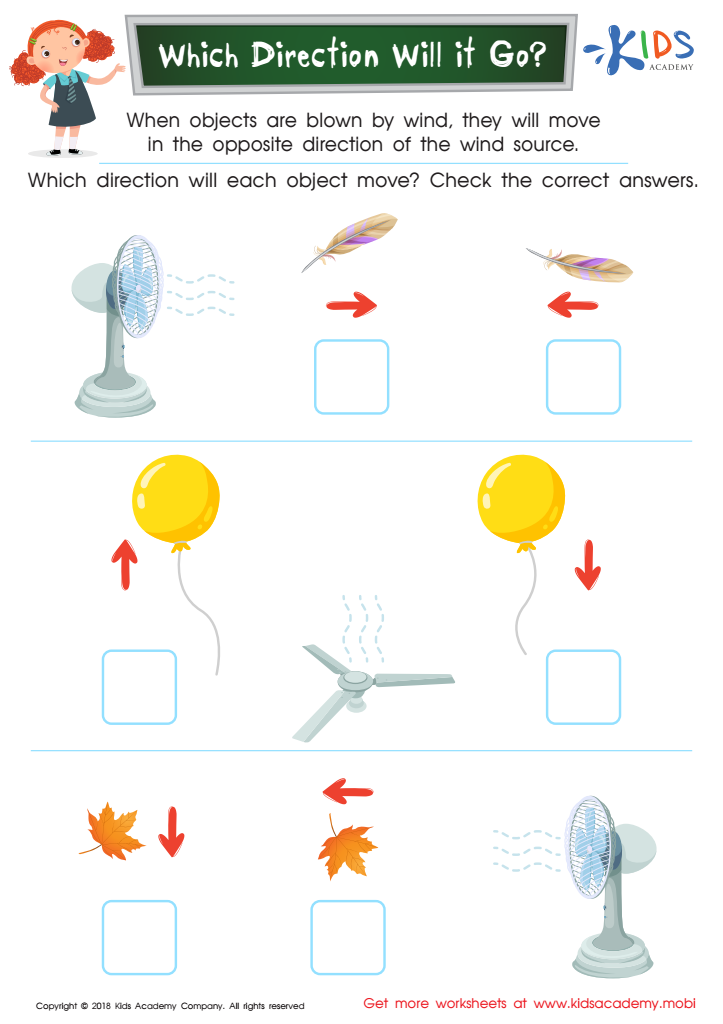
Which Direction Will it Go? Worksheet
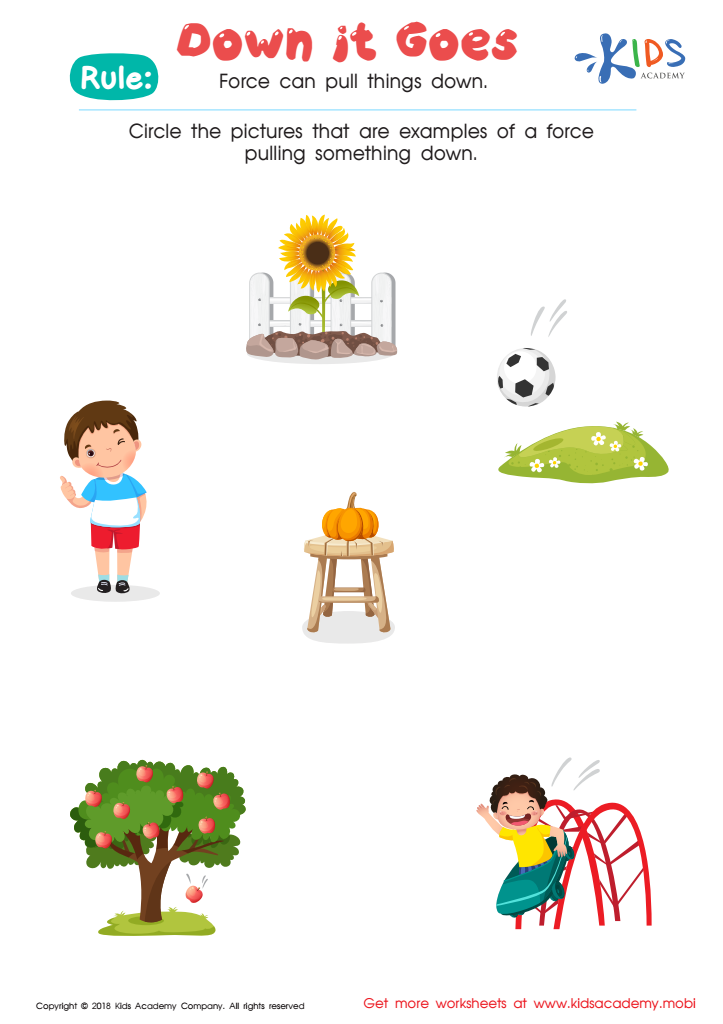
Down it Goes Worksheet
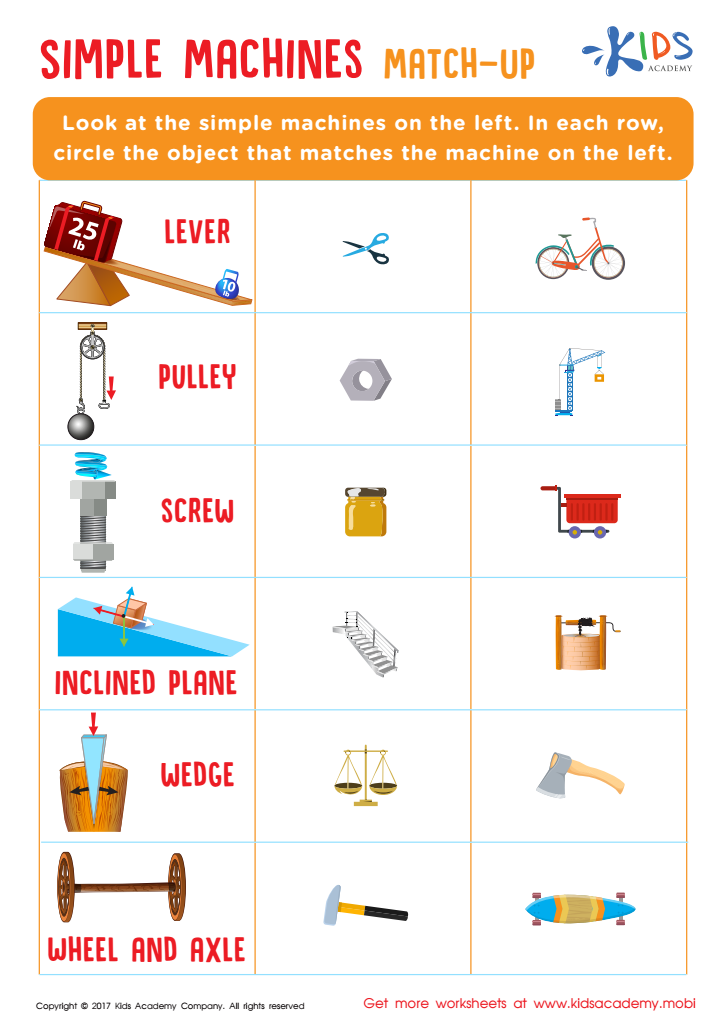
Simple Machines Worksheet
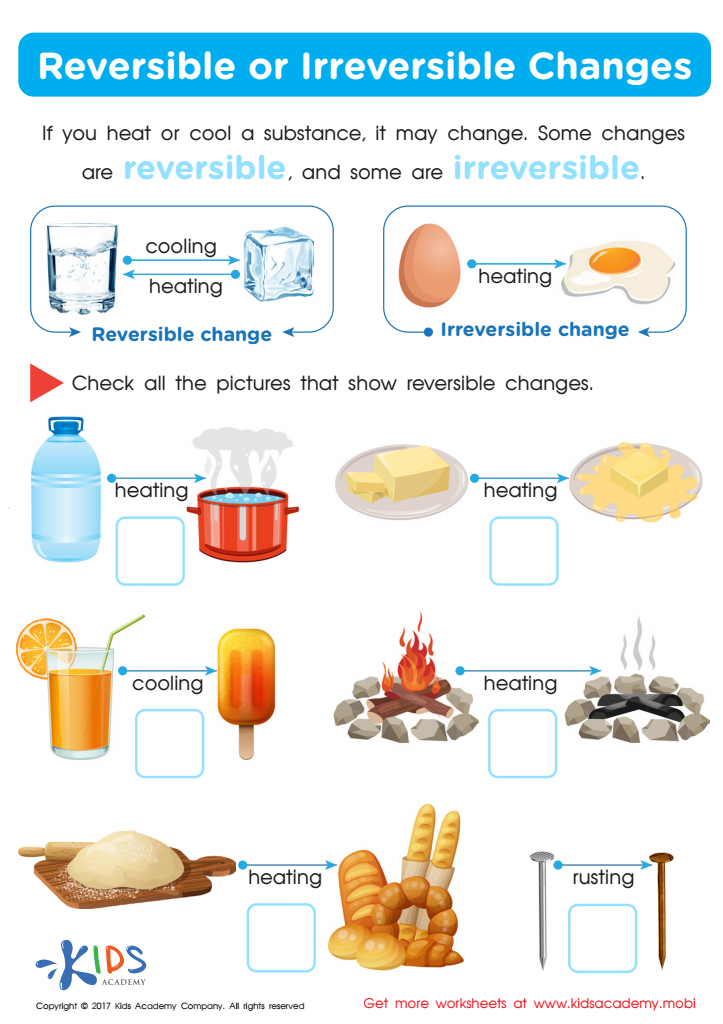
Reversible Irreversible Changes Worksheet
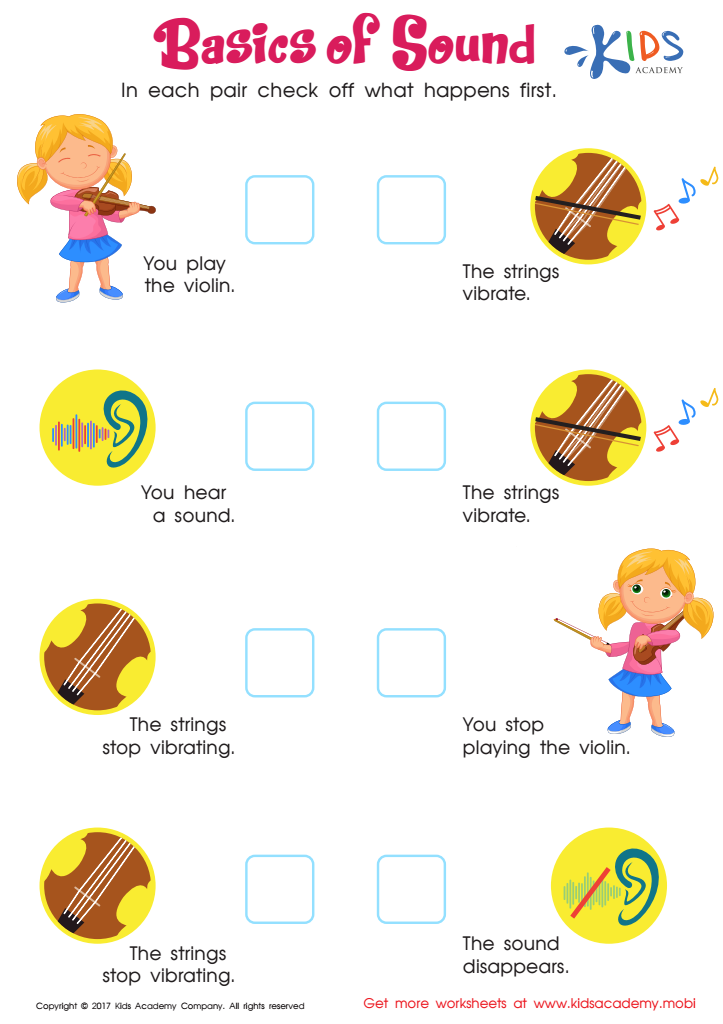
Basics Of Sound Worksheet
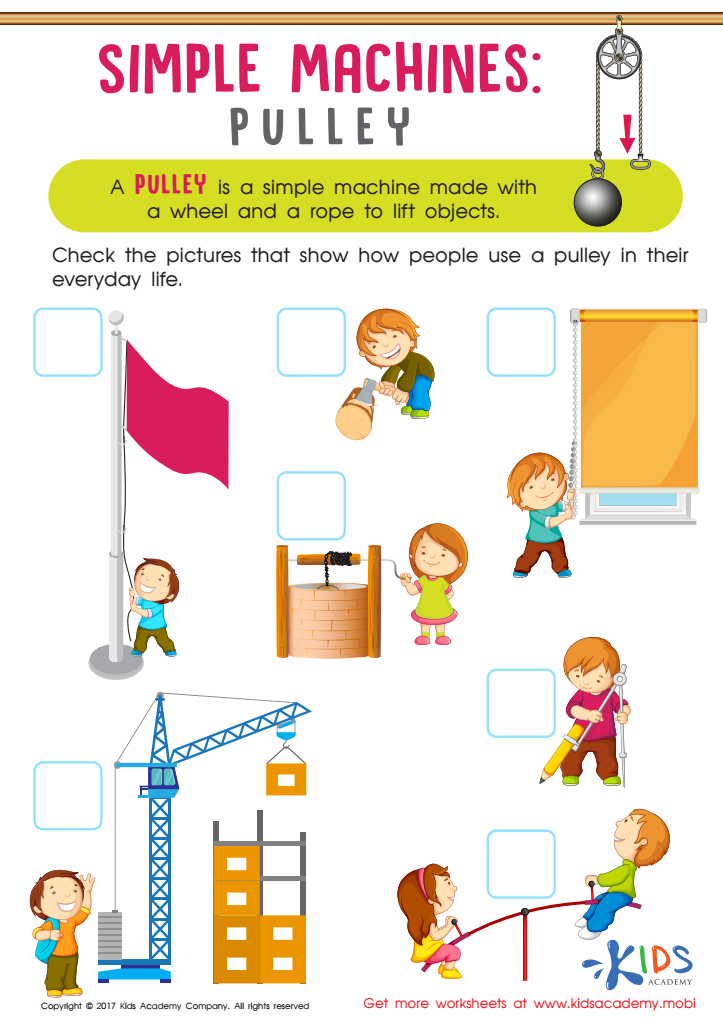
Simple Machines Pulley Worksheet
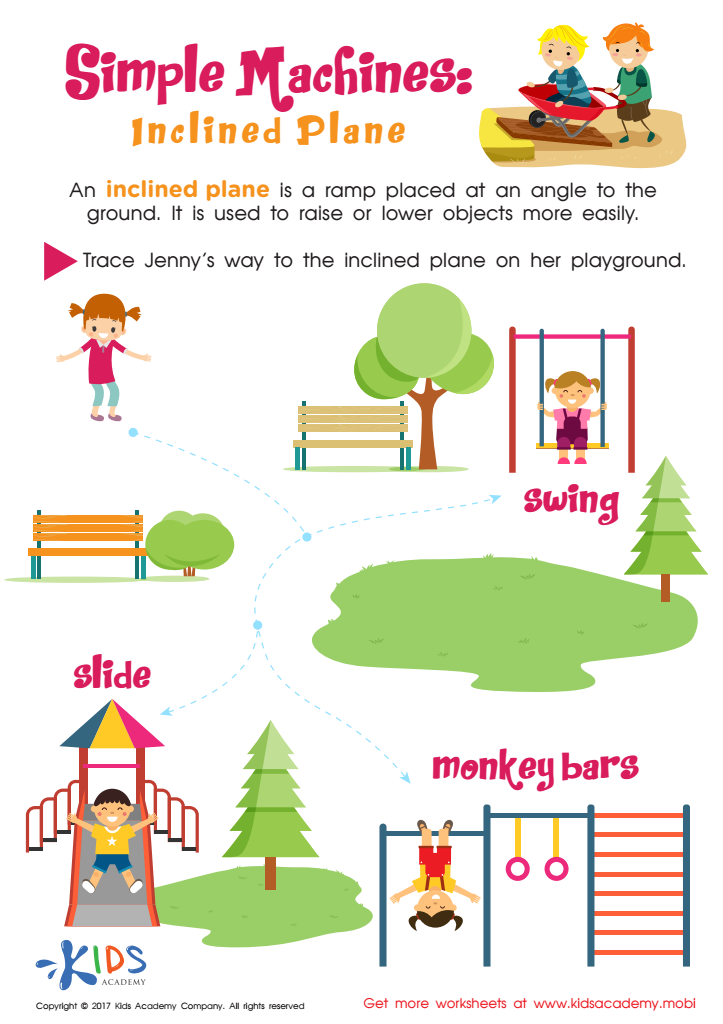
Simple Machines Inclined Plane Worksheet
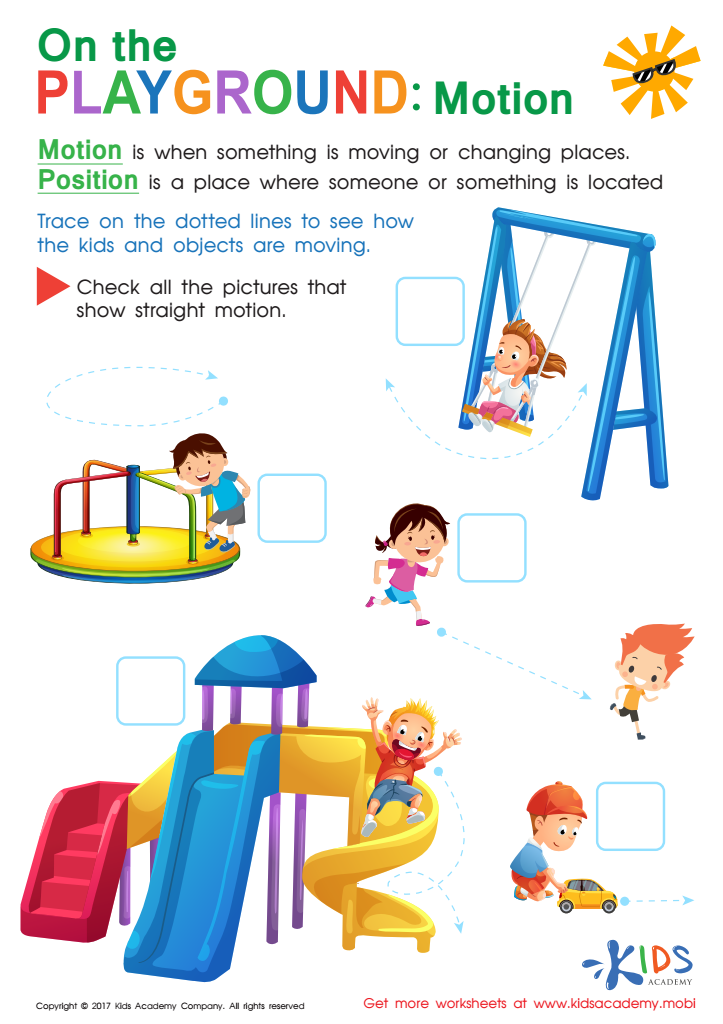
Position and Motion Worksheet








Parents and teachers should care about introducing normal physical science to children aged 3-7 because early exposure to science concepts can significantly impact cognitive development and foster a lifelong love for learning. At this formative age, children are naturally curious about the world around them, and engaging with physical science taps into this innate curiosity. Through simple experiments and observations, children learn to ask questions, make predictions, and develop critical thinking skills.
Understanding basic physical science concepts such as gravity, magnetism, and states of matter helps children make sense of the everyday phenomena they encounter. This foundational knowledge builds confidence and encourages them to explore further. Additionally, engaging in hands-on science activities enhances fine motor skills, observation, and communication abilities as children describe what they see and do.
Incorporating physical science into early childhood education also supports the development of problem-solving skills. By exploring cause and effect relationships, children learn to approach problems methodically and anticipate outcomes, which is crucial for higher-level thinking in later academic subjects.
Furthermore, early exposure to science complements other areas of learning such as math and literacy, creating a well-rounded educational experience. Encouraging children to explore physical science from a young age lays the groundwork for future academic success, critical thinking, and a balanced understanding of the world.







