Normal History Worksheets for Ages 3-7 - Page 2
25 filtered results
-
From - To
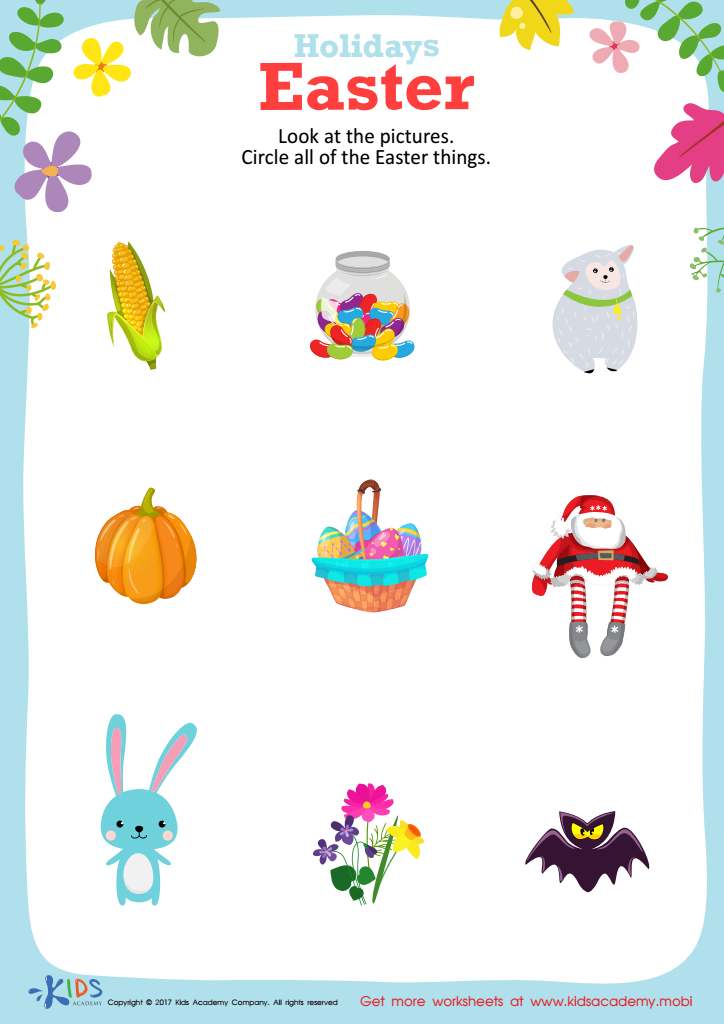
Easter Holiday Printable
 Assign to My Students







Parents and teachers should care about Normal History for ages 3-7 because it lays a vital foundation for children's understanding of the world, developing their sense of identity and belonging. Introducing young learners to Normal History—stories of everyday life, cultural practices, and common experiences—helps them relate to the past and present while fostering critical thinking skills.
Engaging with relatable historical narratives enhances children's communication and social skills, allowing them to express their thoughts and feelings while understanding those of others. This early exposure nurtures empathy, guiding them to appreciate diversity and similar experiences shared among different cultures and communities.
Moreover, Normal History can spark curiosity and stimulate learning, serving as a gateway to explore broader historical themes. Through relatable stories of normal people and their contributions to society, children learn that history is not just about famous figures but also about the countless ordinary lives that shape our world.
Ultimately, incorporating Normal History in educational settings or at home encourages a love of learning, cultivates critical awareness, and inspires future generations to be proactive, informed citizens who appreciate the continuity of human experience.