Normal Letter Recognition Worksheets for Ages 3-8 - Page 3
67 filtered results
-
From - To
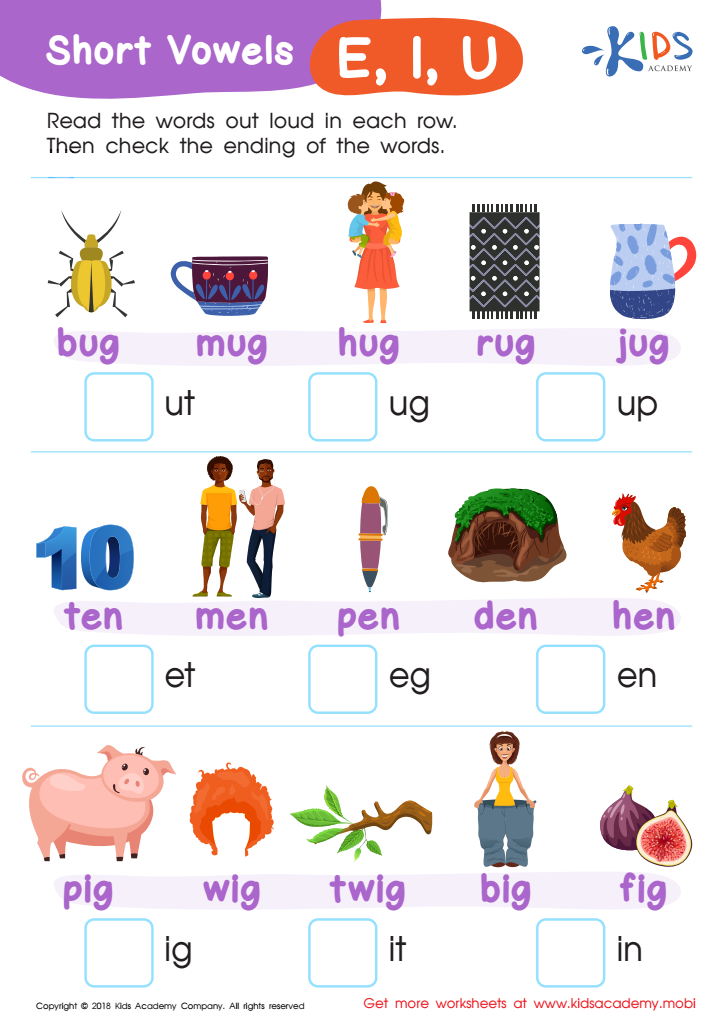
Short Vowels /e/, /i/, and /u/ Worksheet
 Assign to My Students
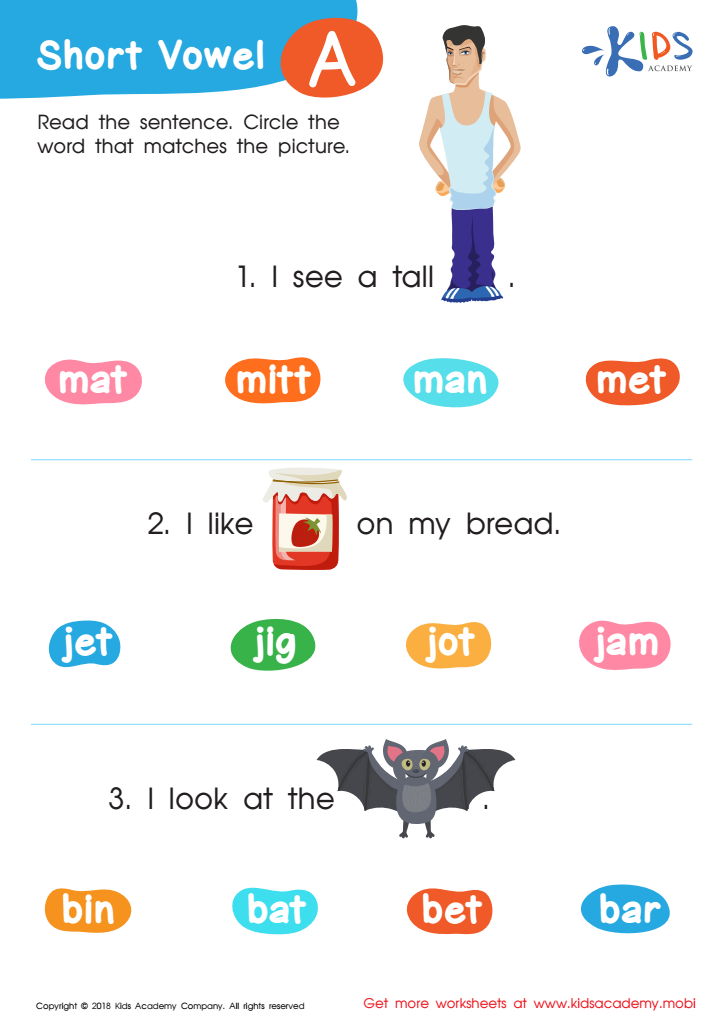
Short Vowel /a/ Worksheet
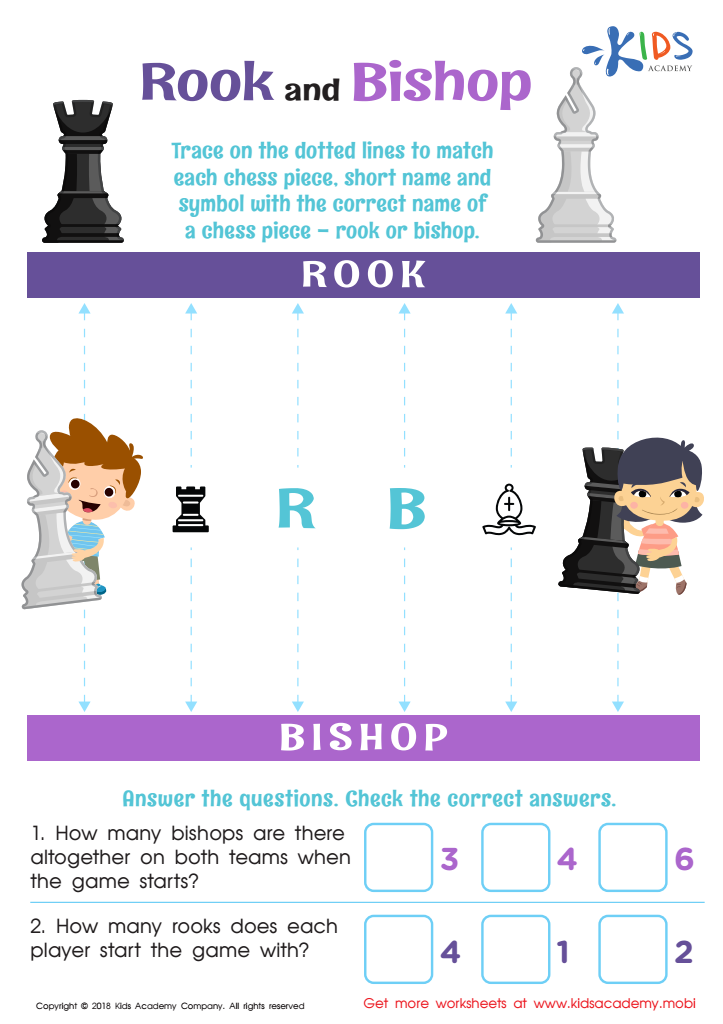
Rook and Bishop Worksheet
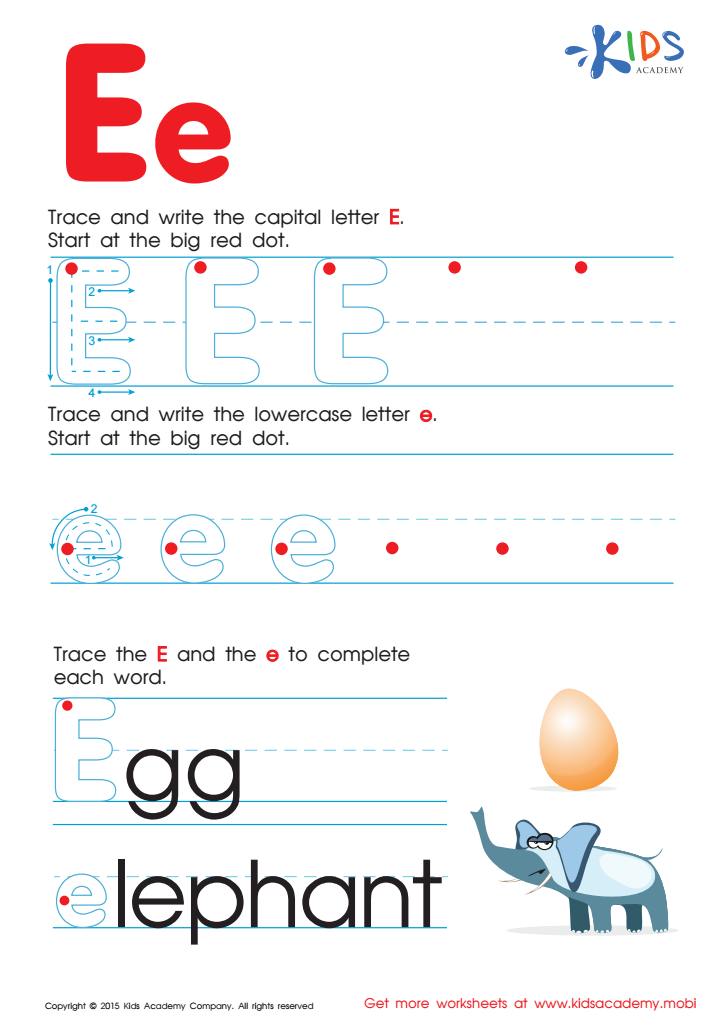
Letter E Tracing Page
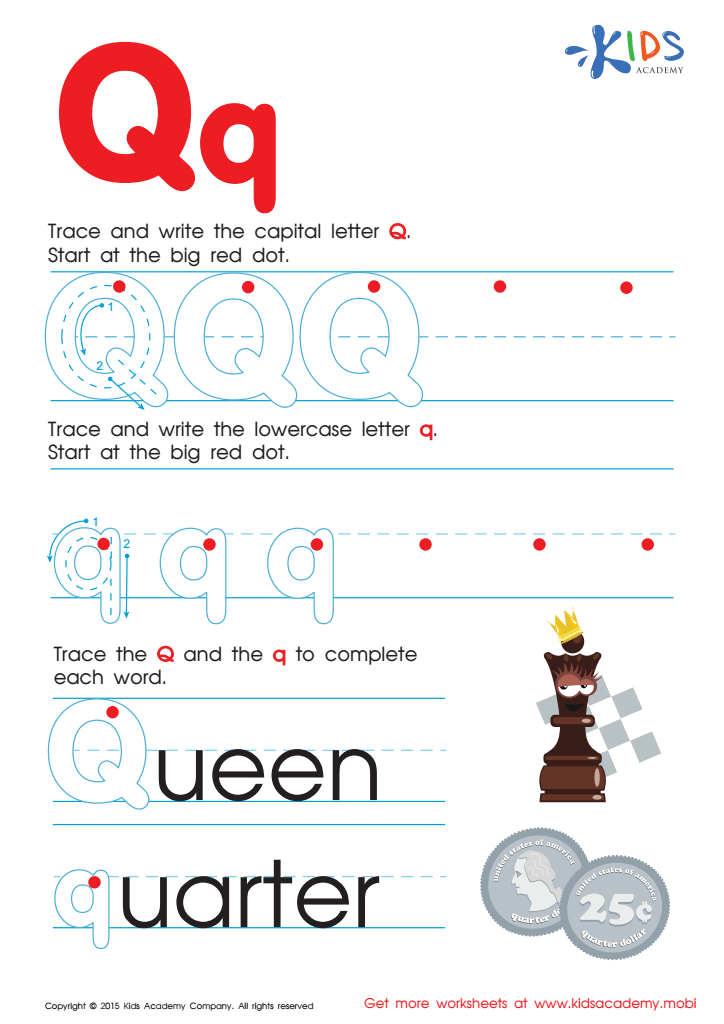
Letter Q Tracing Page
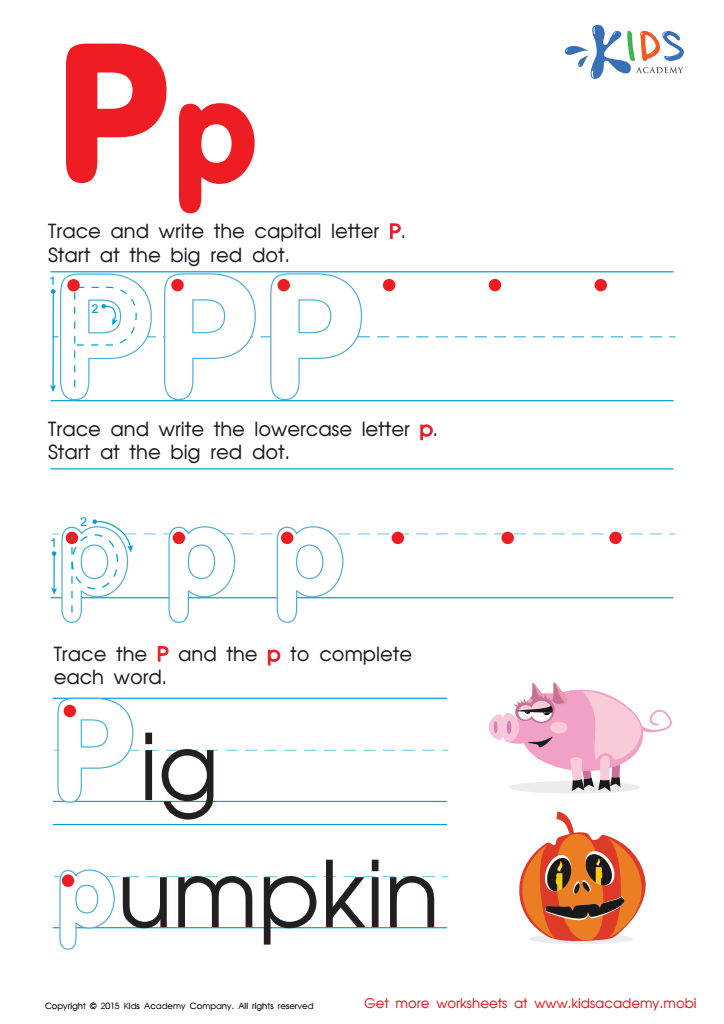
Letter P Tracing Page
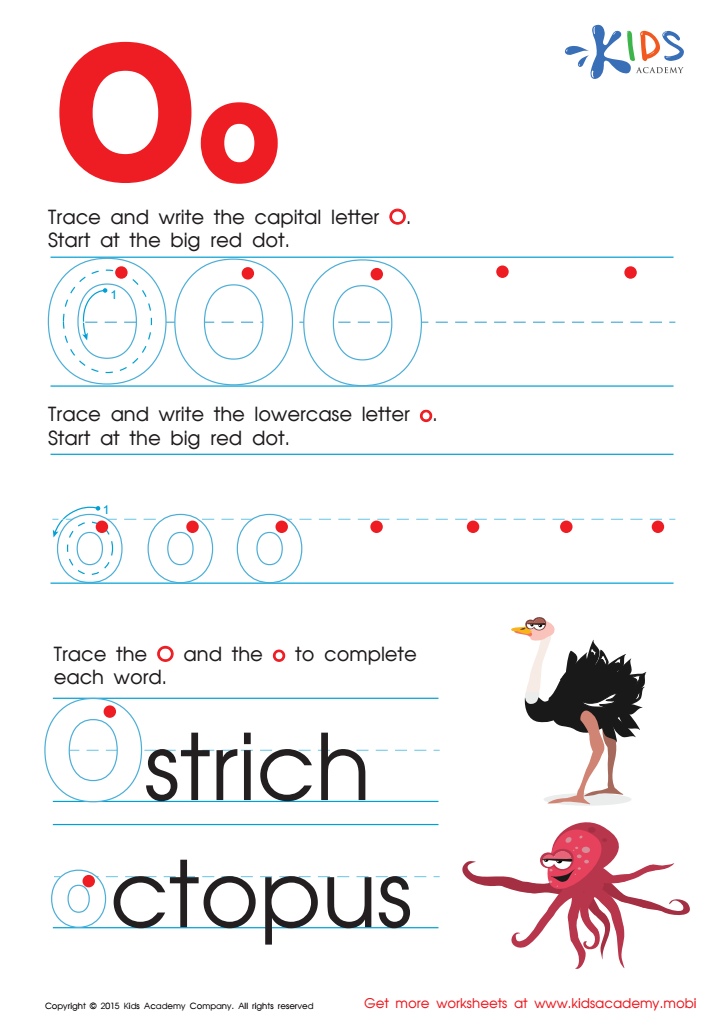
Letter O Tracing Page
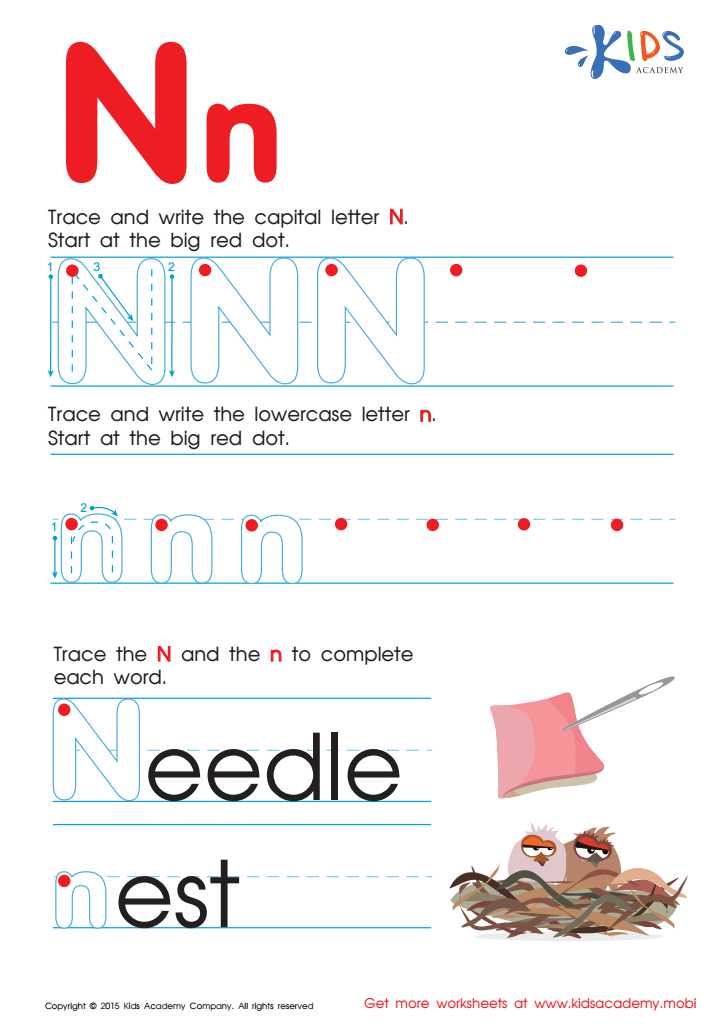
Letter N Tracing Page
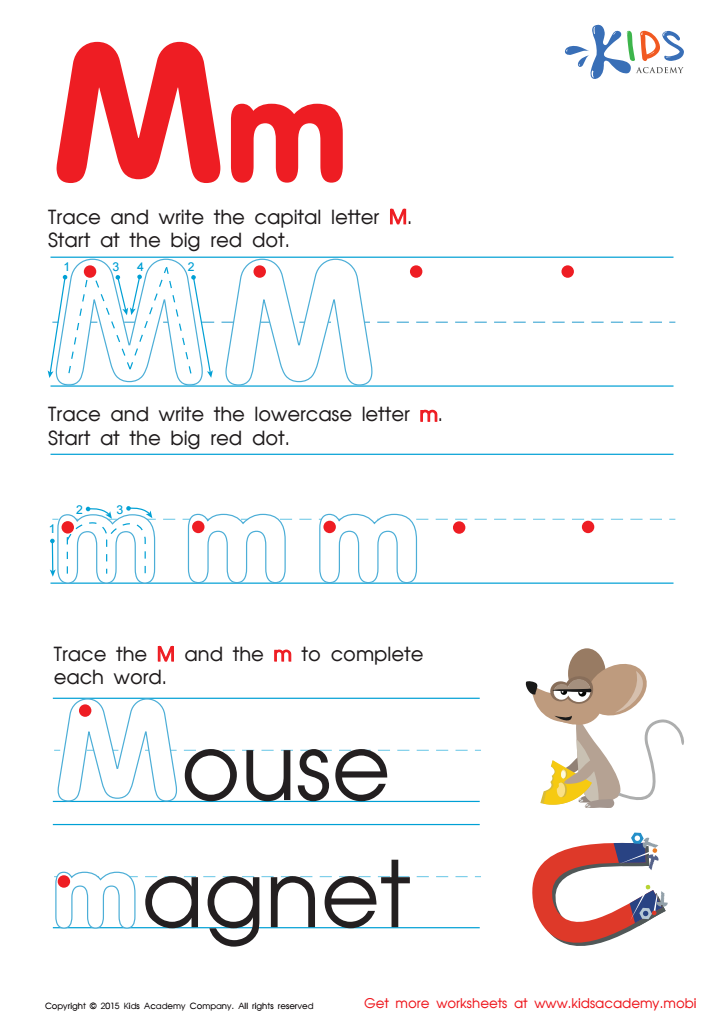
Letter M Tracing Page
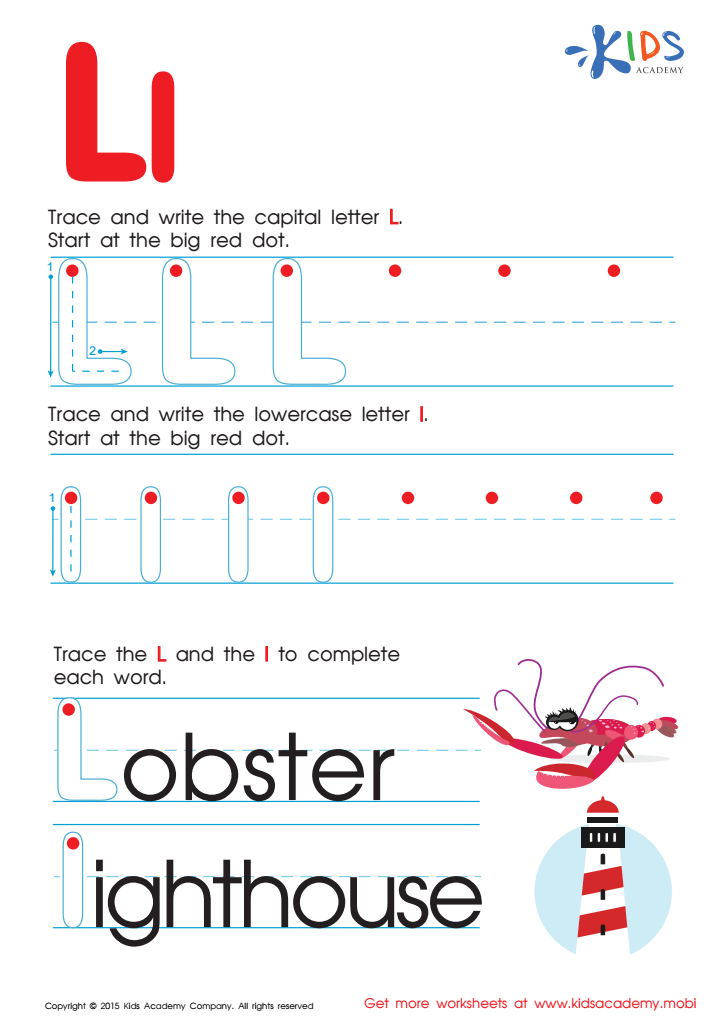
Letter L Tracing Page
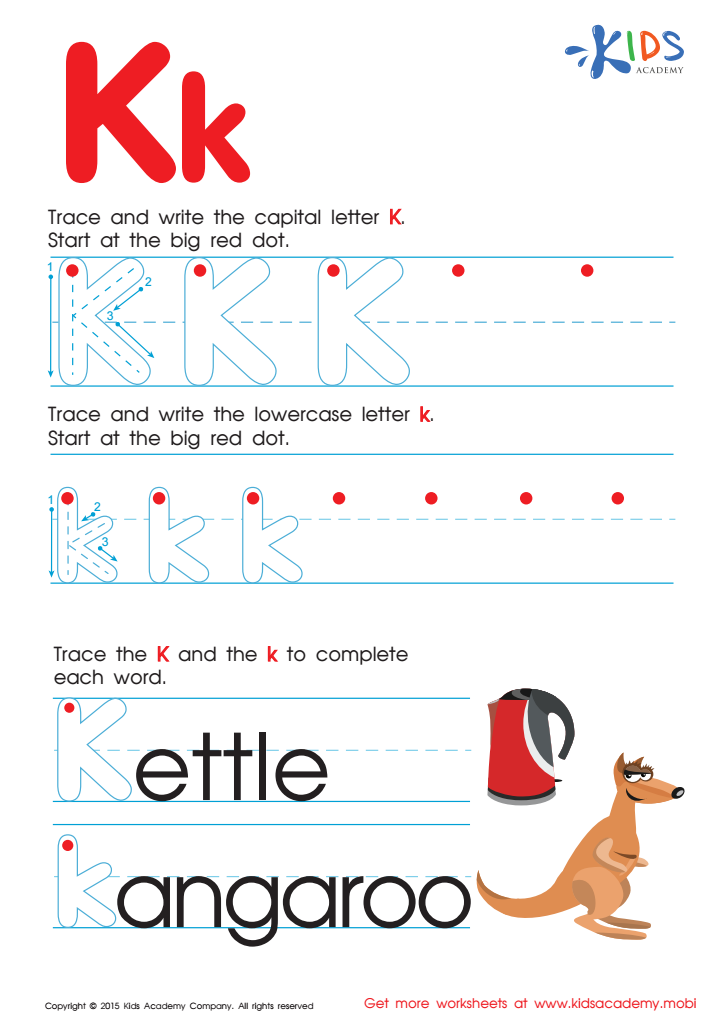
Letter K Tracing Page
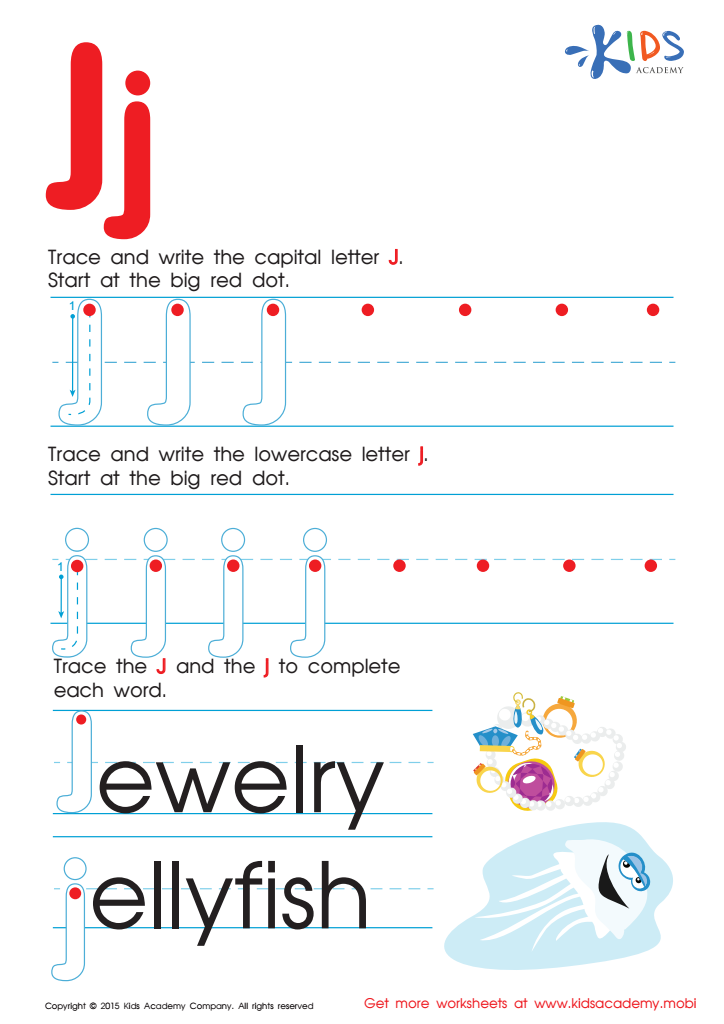
Letter J Tracing Page
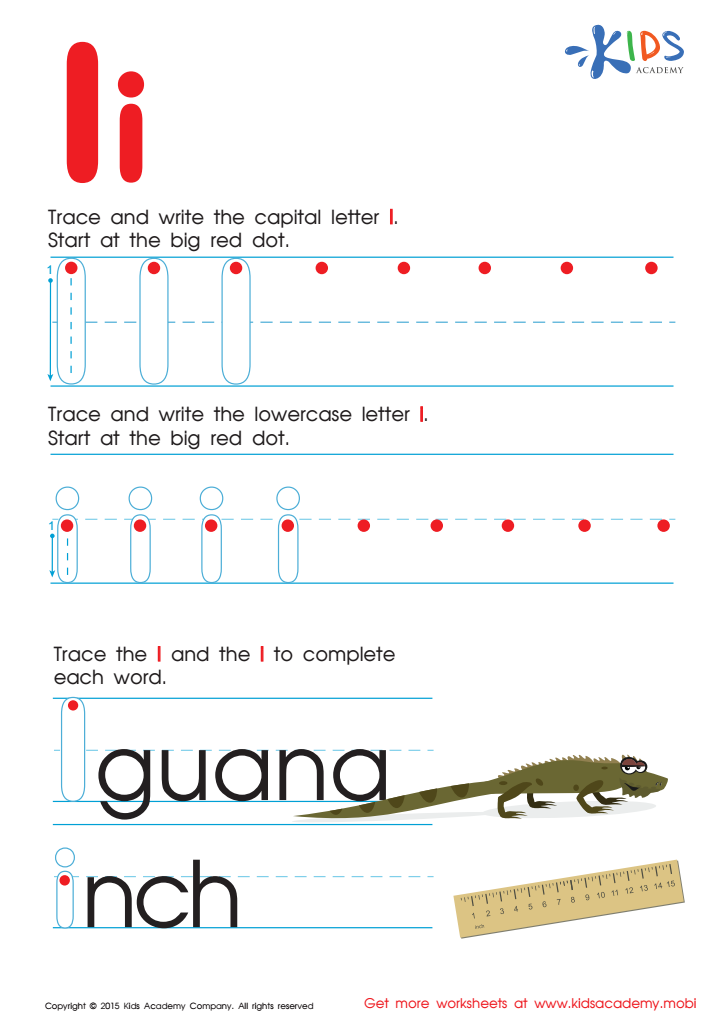
Letter I Tracing Page
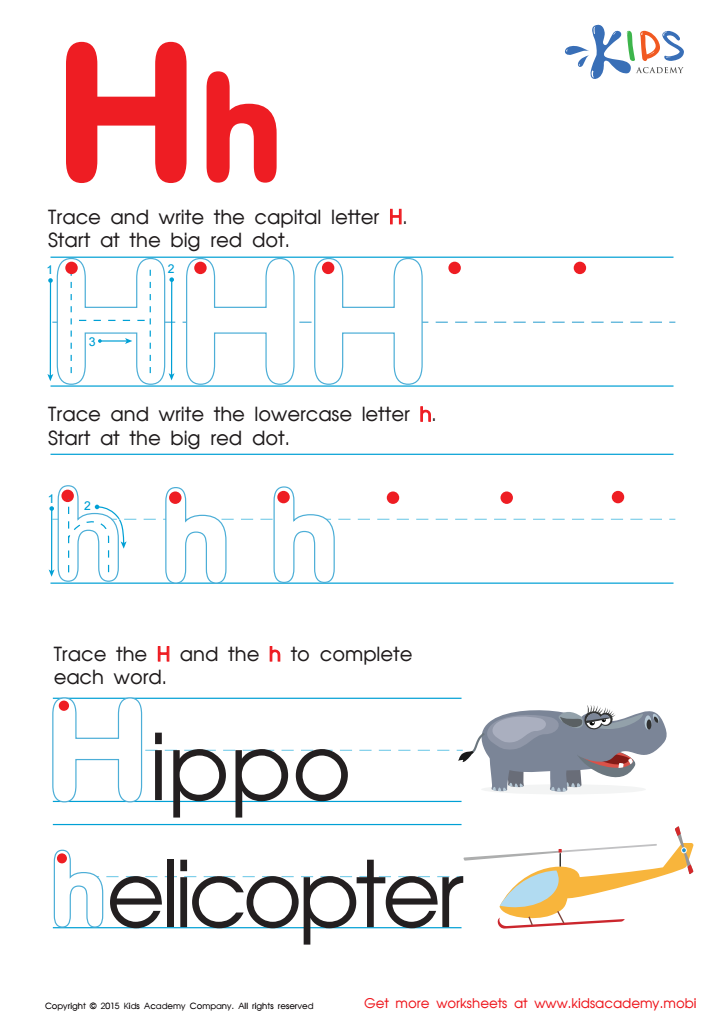
Letter H Tracing Page
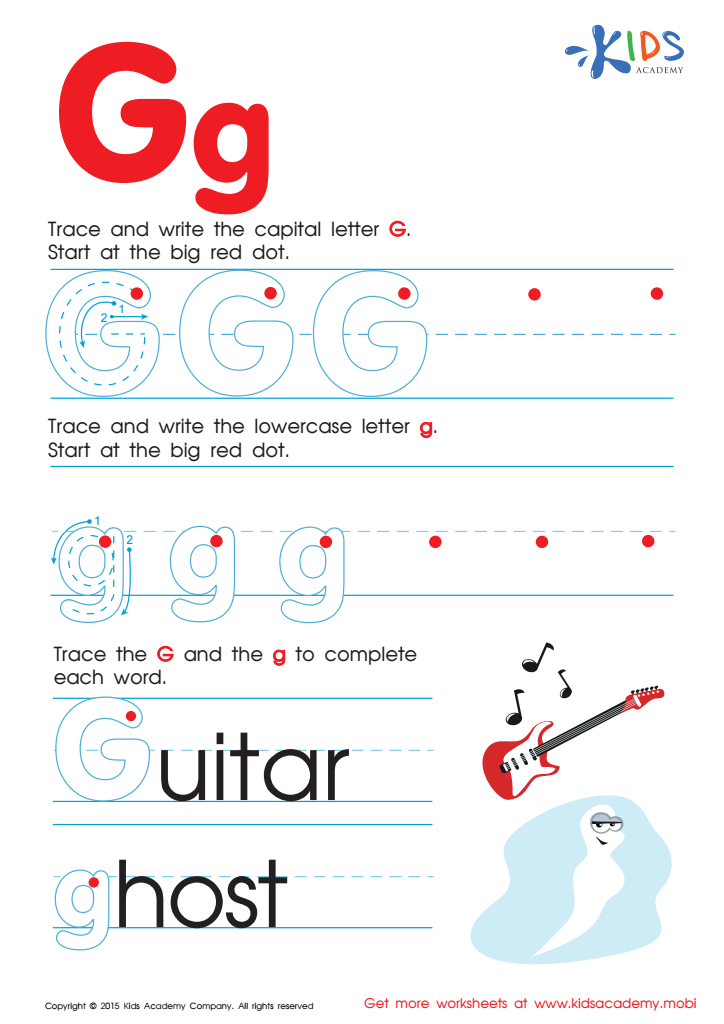
Letter G Tracing Page
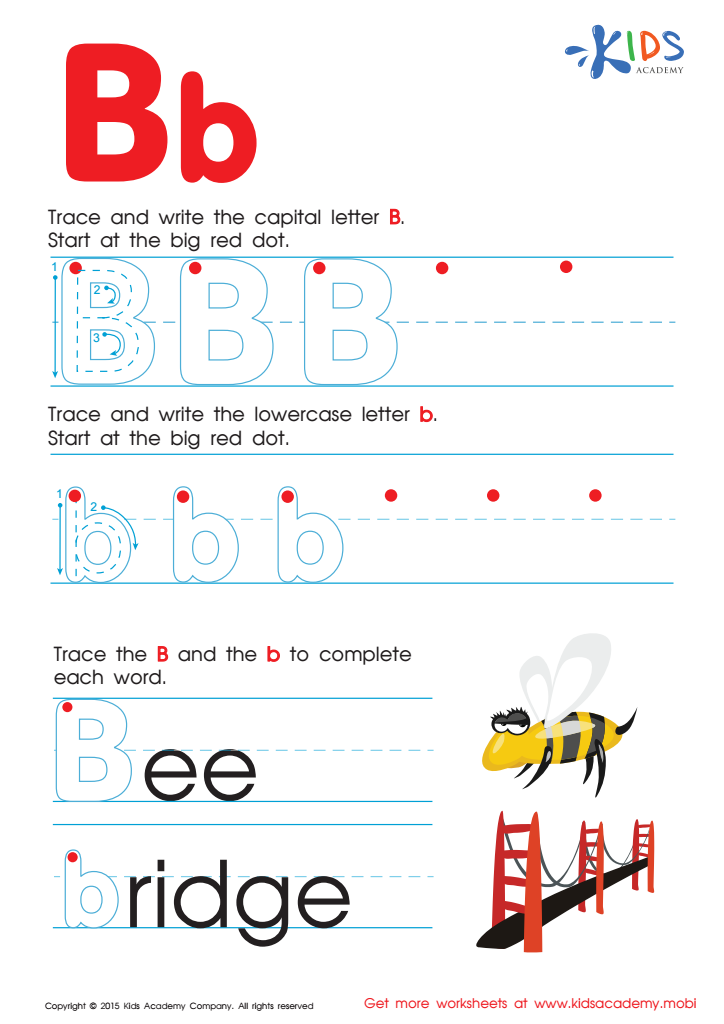
Letter B Tracing Page
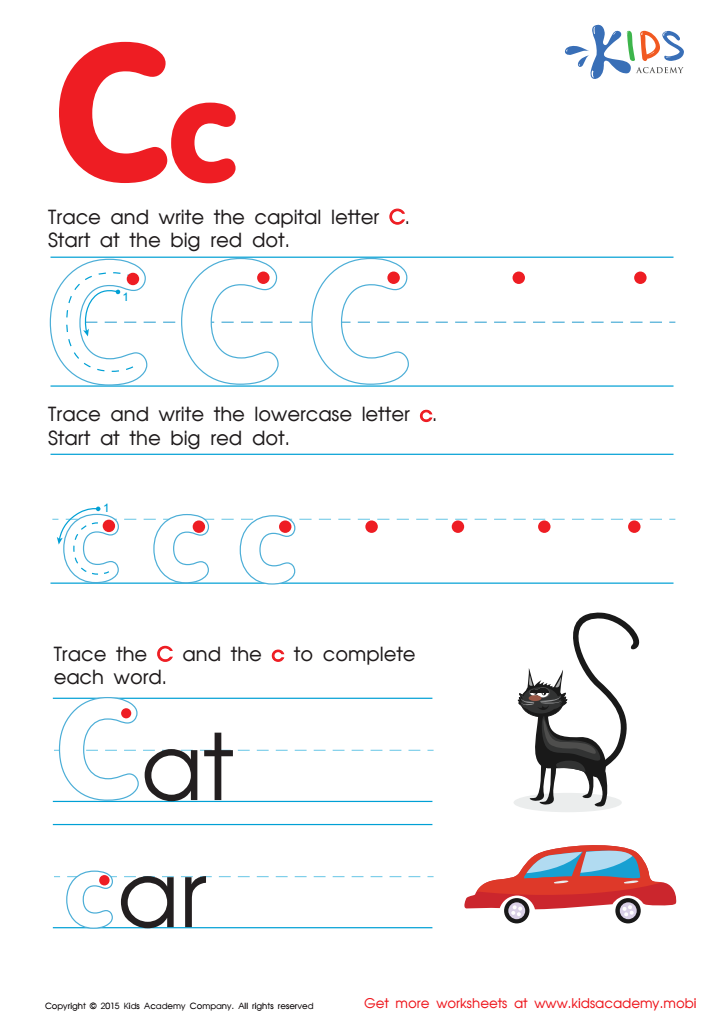
Letter C Tracing Page
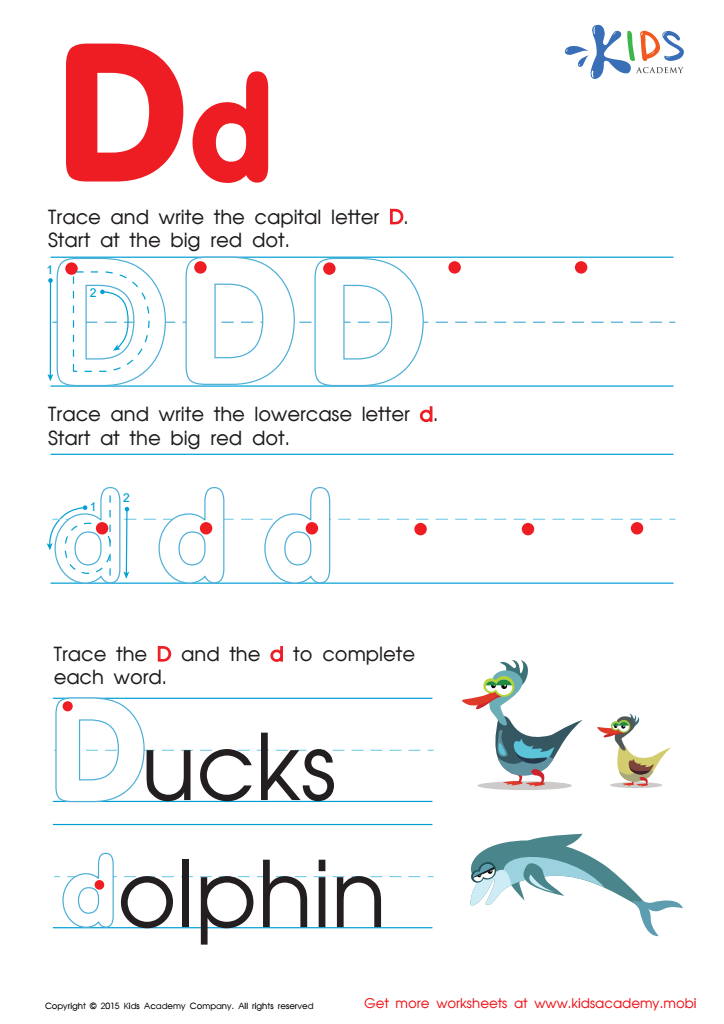
Letter D Tracing Page
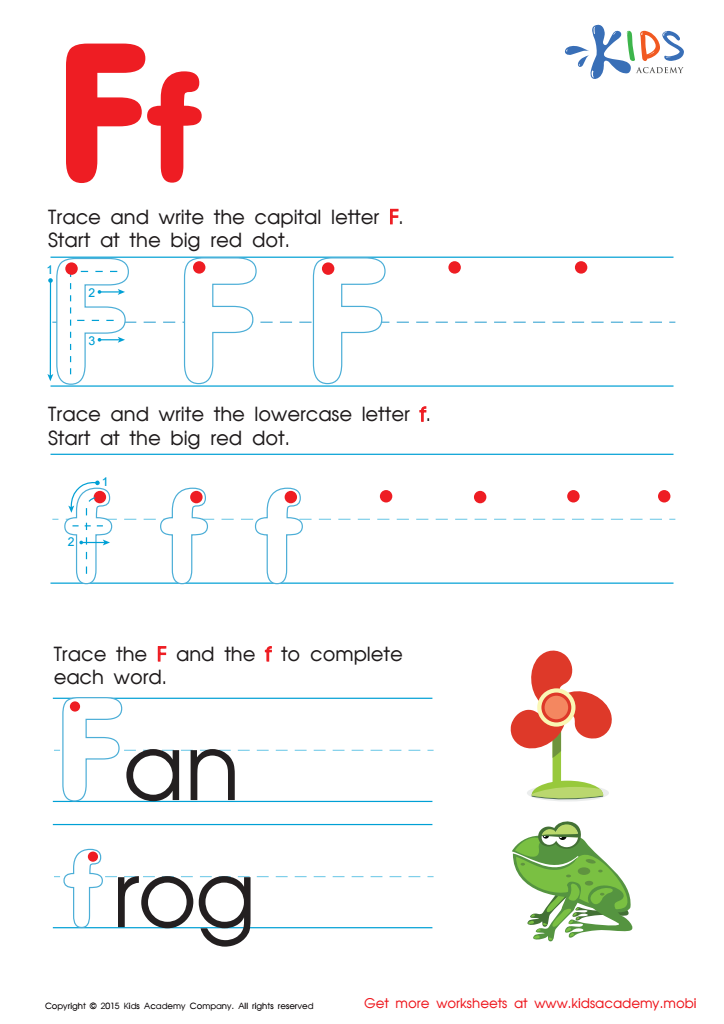
Letter F Tracing Page








Normal Letter Recognition is a critical milestone for children ages 3-8, as it serves as a foundation for a range of essential academic and life skills. During these formative years, the ability to recognize letters is closely tied to language development, reading aptitude, and writing proficiency. Understanding and identifying letters is the first step in learning to read, a skill that is indispensable for academic success. Early letter recognition facilitates phonemic awareness, helping children understand how sounds correspond to letters, which is vital for decoding words and improving reading fluency.
Moreover, letter recognition contributes to a child's ability to spell and write. When children can easily identify and recall letters, they are more likely to write legibly and accurately. This forms the basis for effective communication through written language, which will be important throughout their education and into adulthood.
On a socio-emotional level, mastering letter recognition can boost a child's confidence and eagerness to learn. Early struggles with letters can lead to frustration and a dislike for reading and related activities. Therefore, parents and teachers should prioritize and support letter recognition to ensure children develop a positive attitude toward learning, laying the groundwork for continued academic achievement and lifelong literacy.








