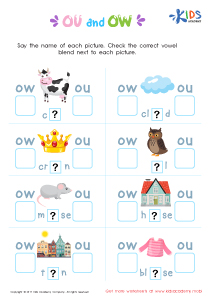
Normal Short Vowels Worksheets for Ages 3-8
12 filtered results
-
From - To
Introduce your young learners to foundational reading skills with our "Normal Short Vowels Worksheets for Ages 3-8" at Kids Academy. Perfectly crafted for preschool to early elementary students, these engaging worksheets focus on recognizing and pronouncing short vowel sounds. Interactive activities, colorful illustrations, and simple exercises cater to various learning styles, making phonics fun and effective. Build your child's confidence in sounding out words and strengthen their literacy skills early on. Join Kids Academy to unlock a world of knowledge, where education meets enjoyment through our expertly designed short vowel resources.
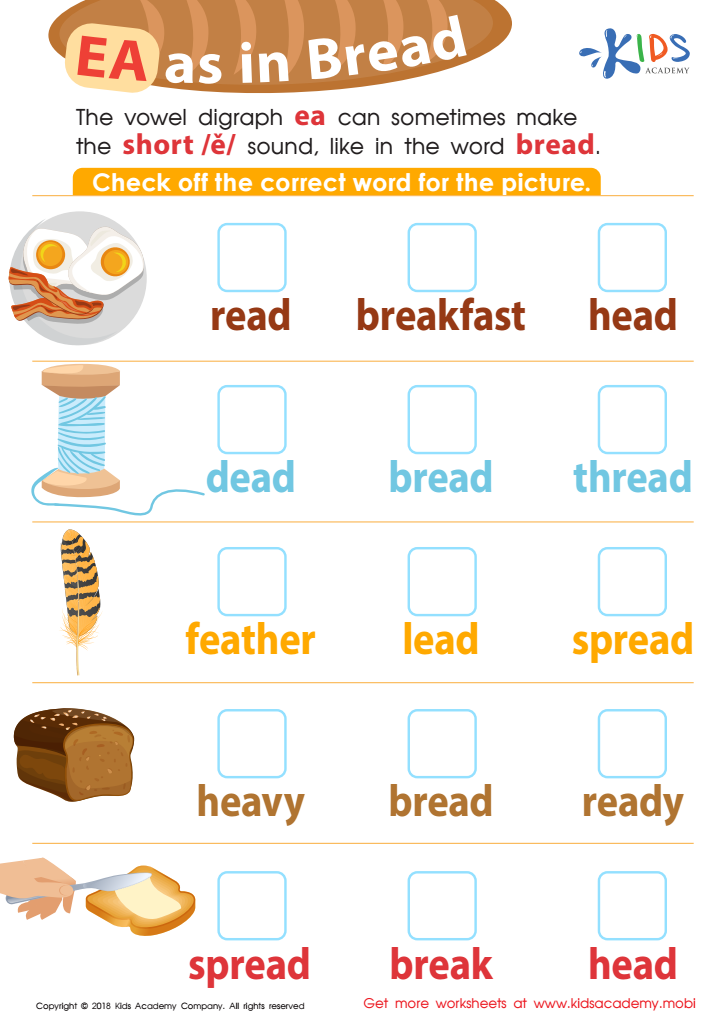
Reading: EA as in Bread Worksheet
 Assign to My Students
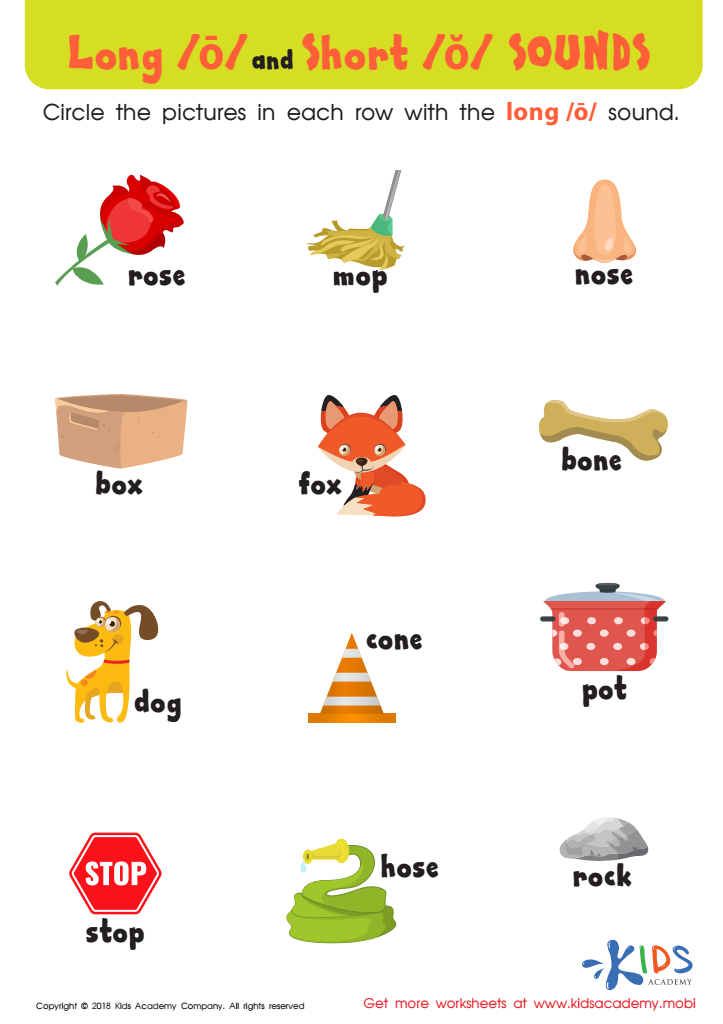
Reading: Long O and Short O Sounds Worksheet
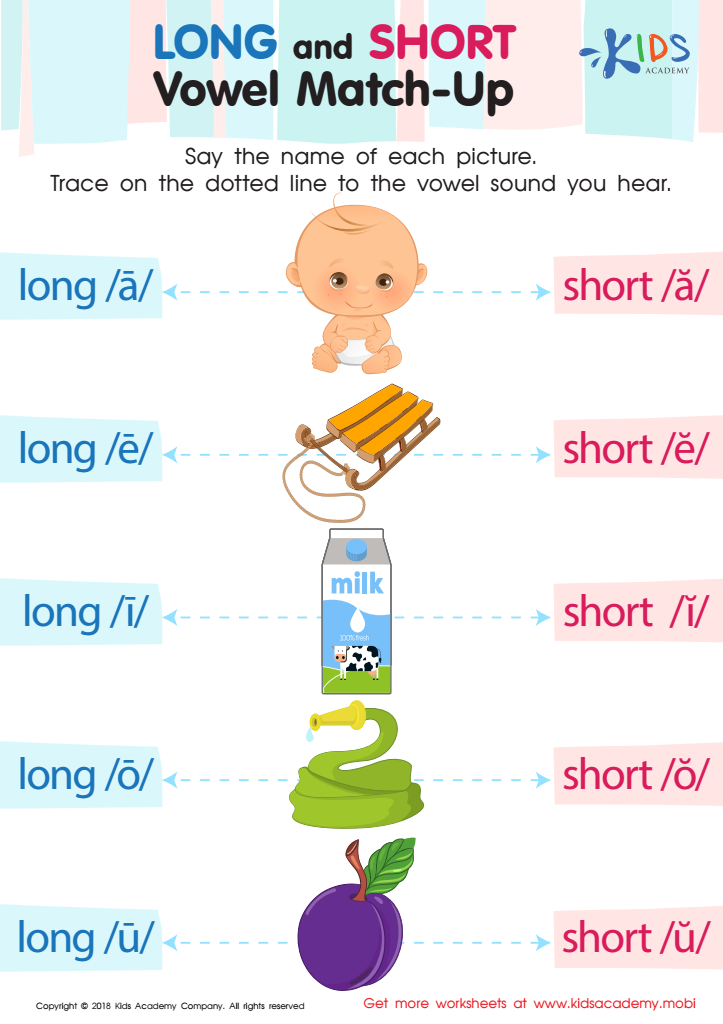
Long and Short Vowel Match up Reading Worksheet
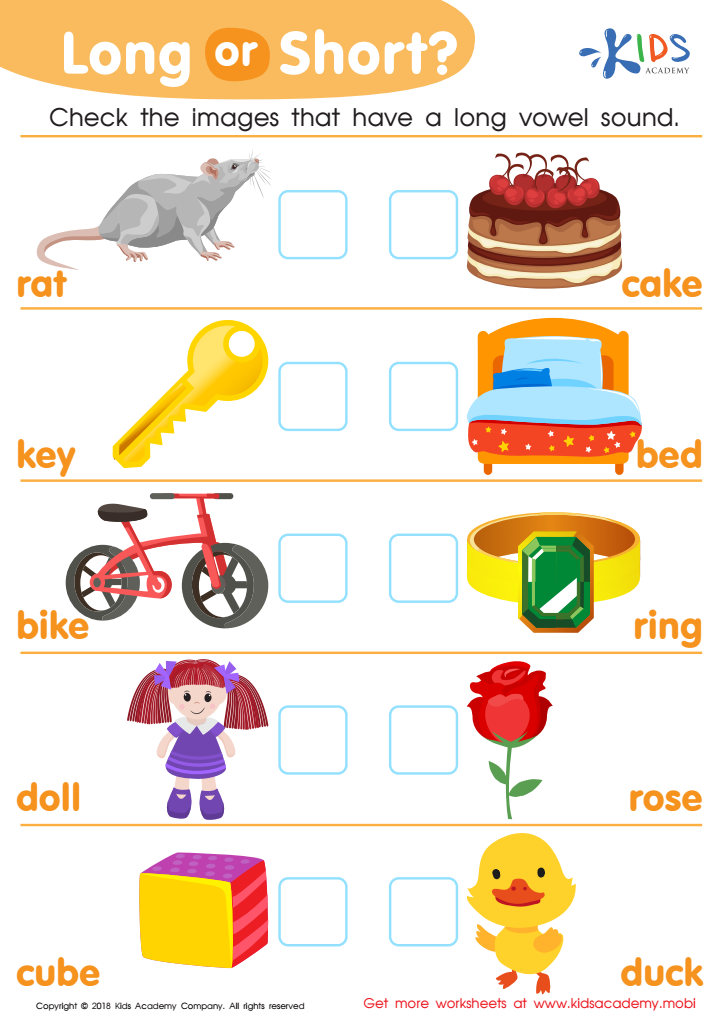
Long or Short Reading Worksheet
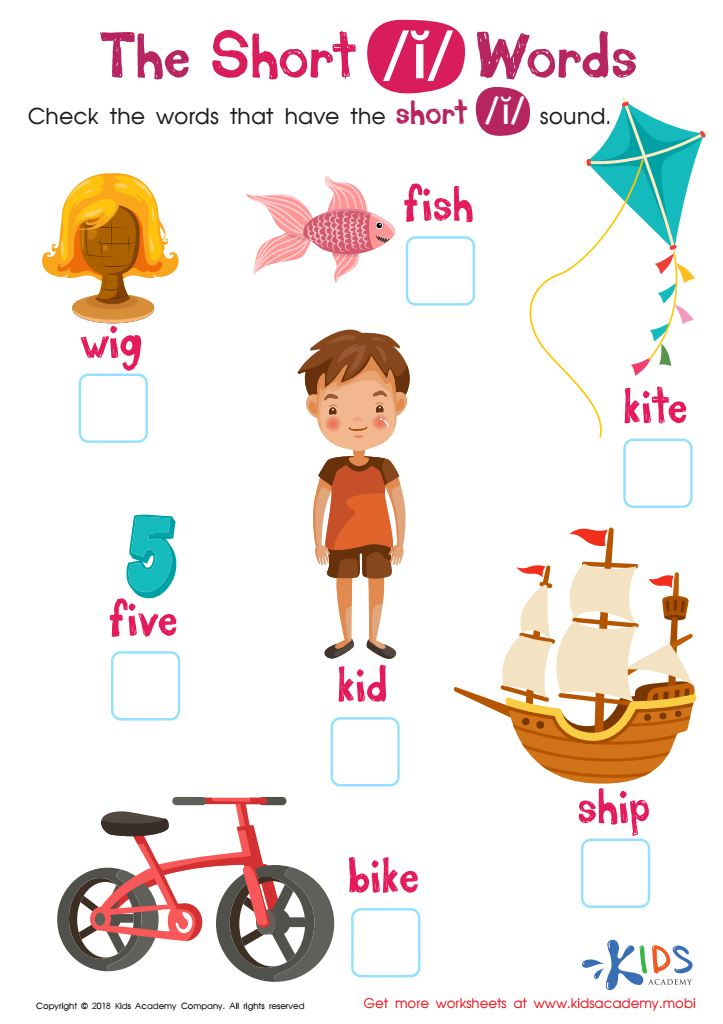
The Short I Words Reading Worksheet
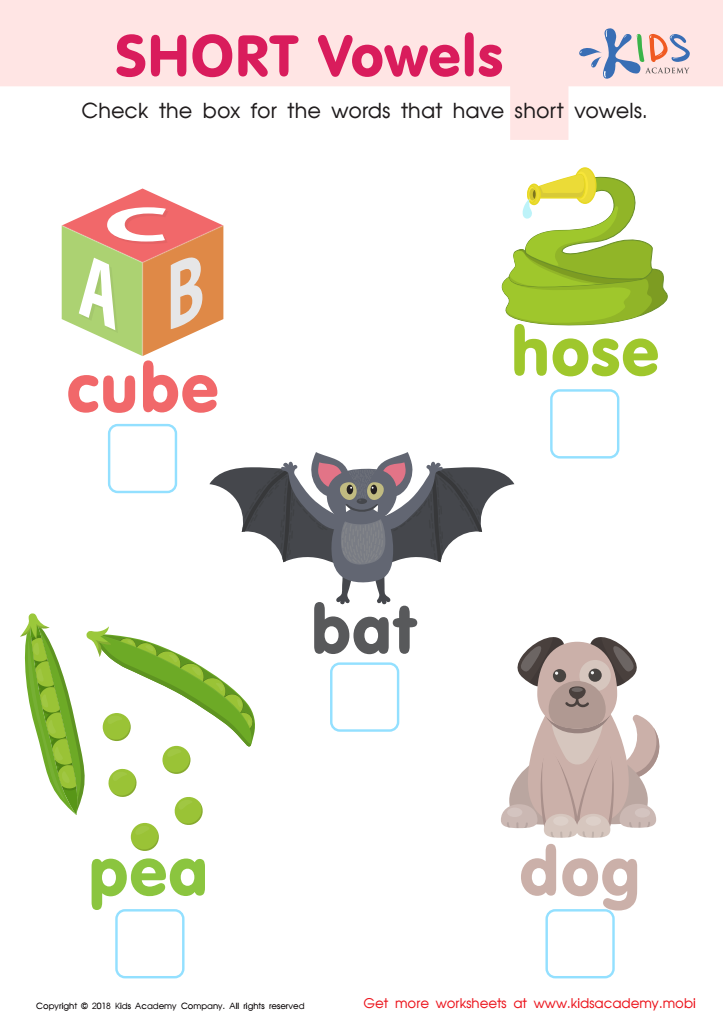
short vowels Worksheet
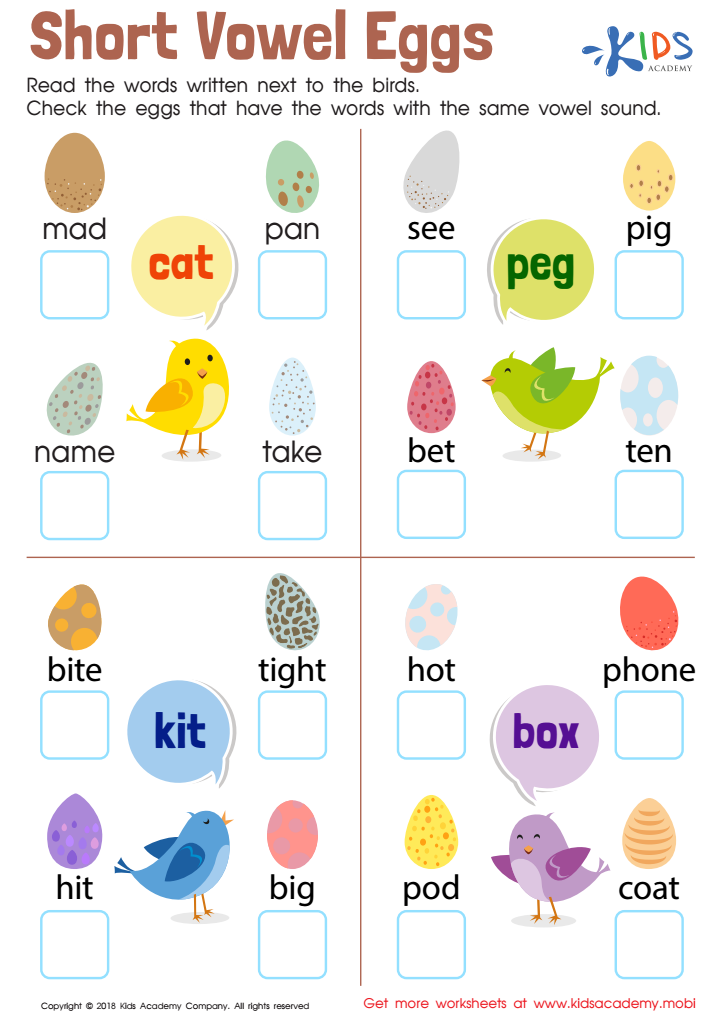
Short Vowel Eggs Worksheet
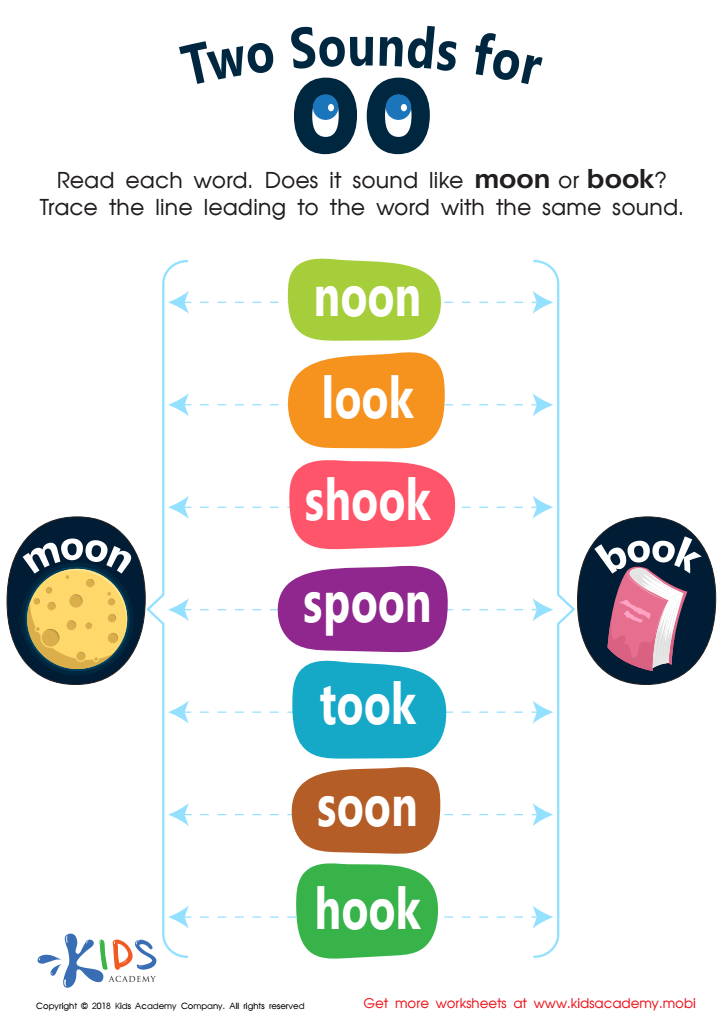
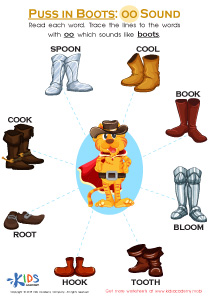
Two Sounds for OO Worksheet
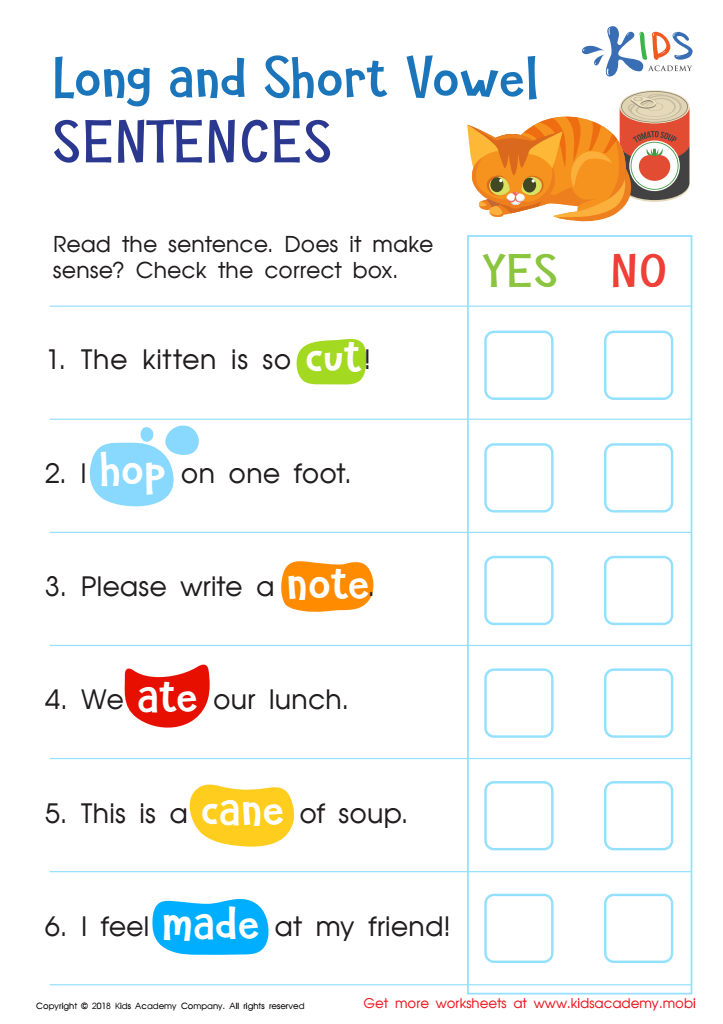
Long and Short Vowel Sentences: Assessment Worksheet
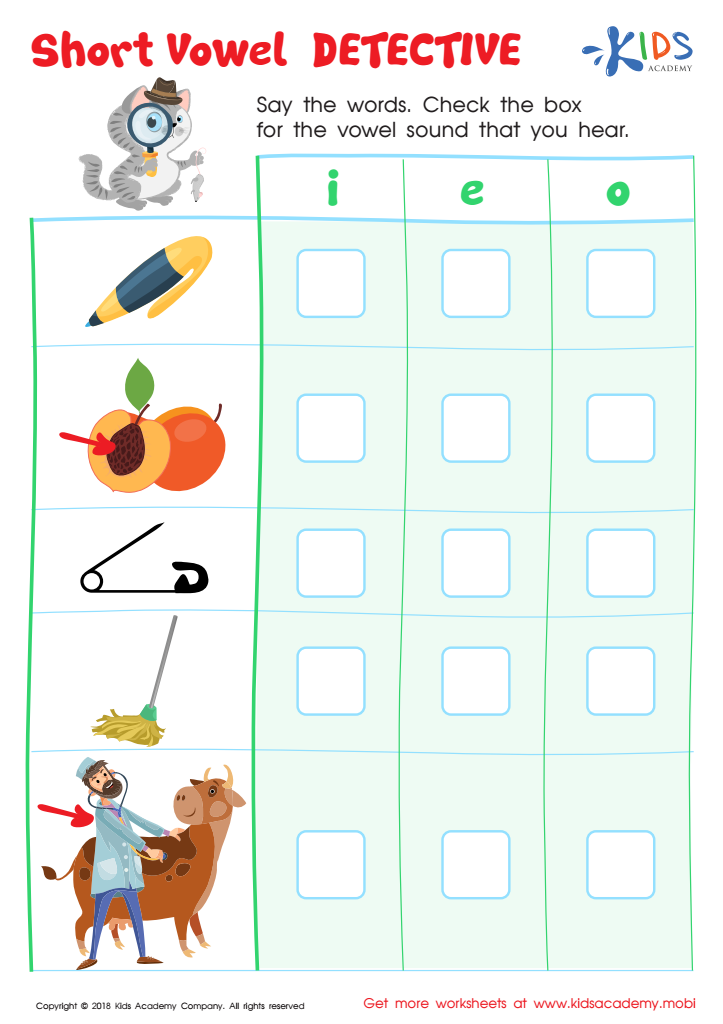
Short Vowel Detective Worksheet
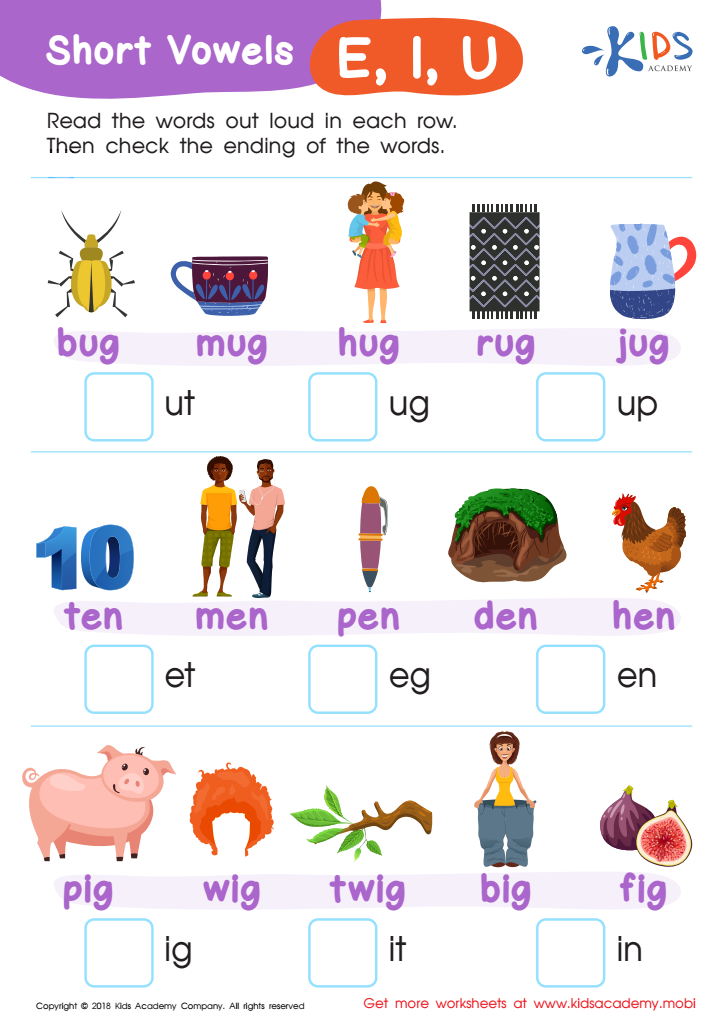
Short Vowels /e/, /i/, and /u/ Worksheet
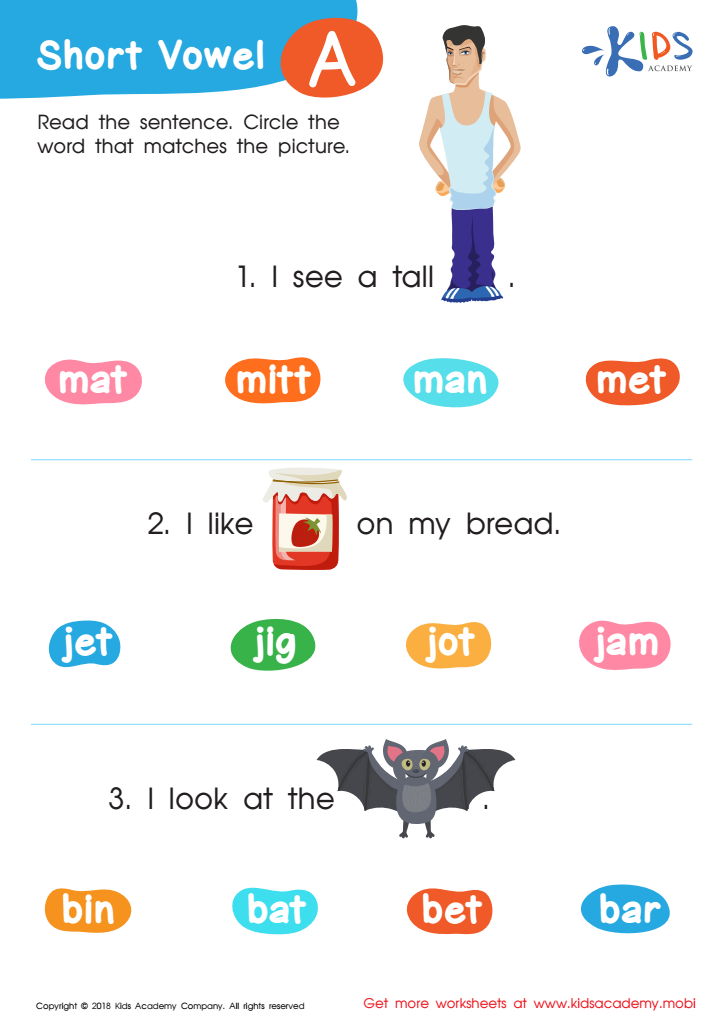
Short Vowel /a/ Worksheet



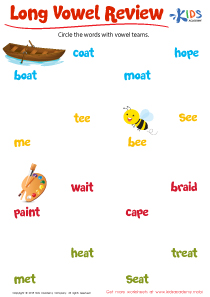
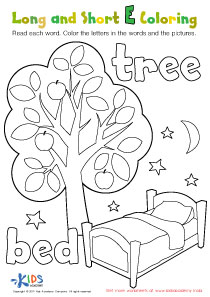
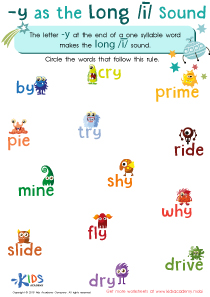
Parents and teachers should prioritize normal short vowels in early childhood education for children aged 3-8 because these sounds are fundamental building blocks for mastering spoken and written language. Short vowels (a, e, i, o, u) typically refer to the sounds these letters make in simple words (like "bat," "bed," "sit," "cot," and "cup") and are essential for phonemic awareness, the ability to hear and manipulate the individual sounds in words, which greatly aids in reading readiness.
During these crucial formative years, children's brains are highly receptive to language acquisition. Helping them correctly identify and pronounce short vowels strengthens their ability to decode words, a key reading skill. It also supports their spelling skills, allowing them to write more effectively. Mastery of short vowels empowers children to connect sounds with letters seamlessly, aiding in fluent reading and comprehension.
Strong foundational skills in understanding short vowels contribute to overall academic success. When children quickly grasp the basics of short vowels, they find it easier to progress to more complex phonics patterns, ultimately enjoying and engaging more with reading and writing. Giving early attention to these fundamental sounds also builds children's confidence, setting a positive tone for their ongoing learning journey.