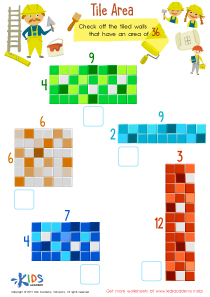
Normal Numbers Worksheets for Ages 3-8
237 filtered results
-
From - To
Discover our engaging collection of Normal Numbers Worksheets designed specifically for children ages 3-8! These printable resources help young learners master number recognition, counting, and early math skills in a fun and interactive way. Featuring colorful illustrations and age-appropriate activities, our worksheets promote hands-on learning and critical thinking. Whether your child is just starting their math journey or needs a review, our variety of exercises will keep them motivated and excited about numbers. Perfect for classroom use or at-home learning, these worksheets support foundational numeracy skills and set the stage for future math success. Download now and inspire young mathematicians!
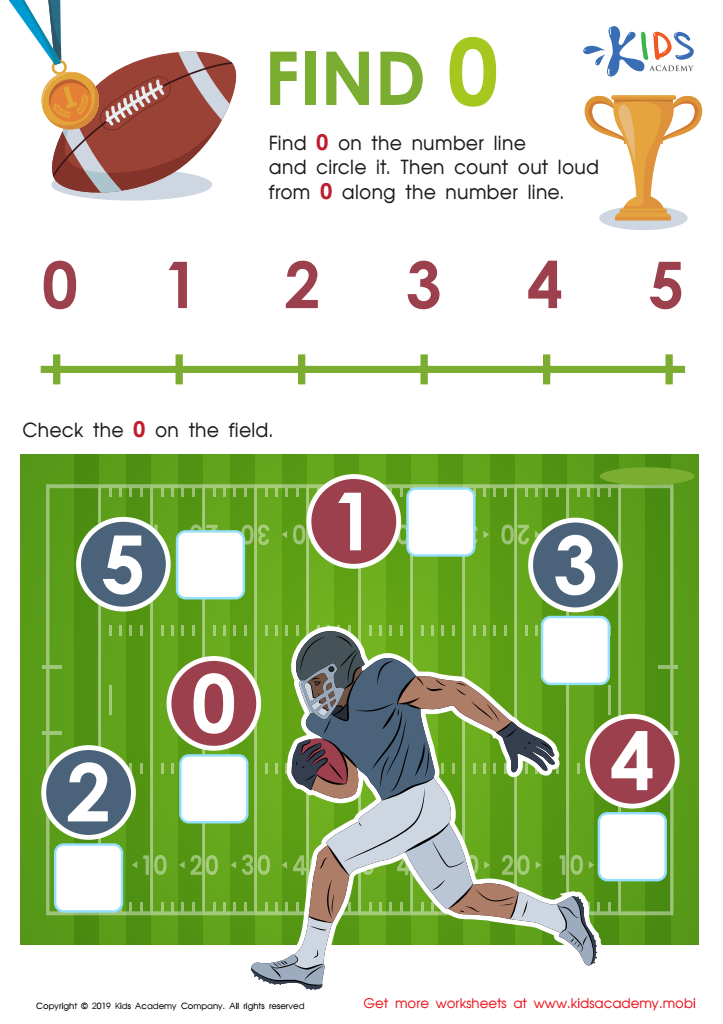
Find 0 Worksheet
 Assign to My Students
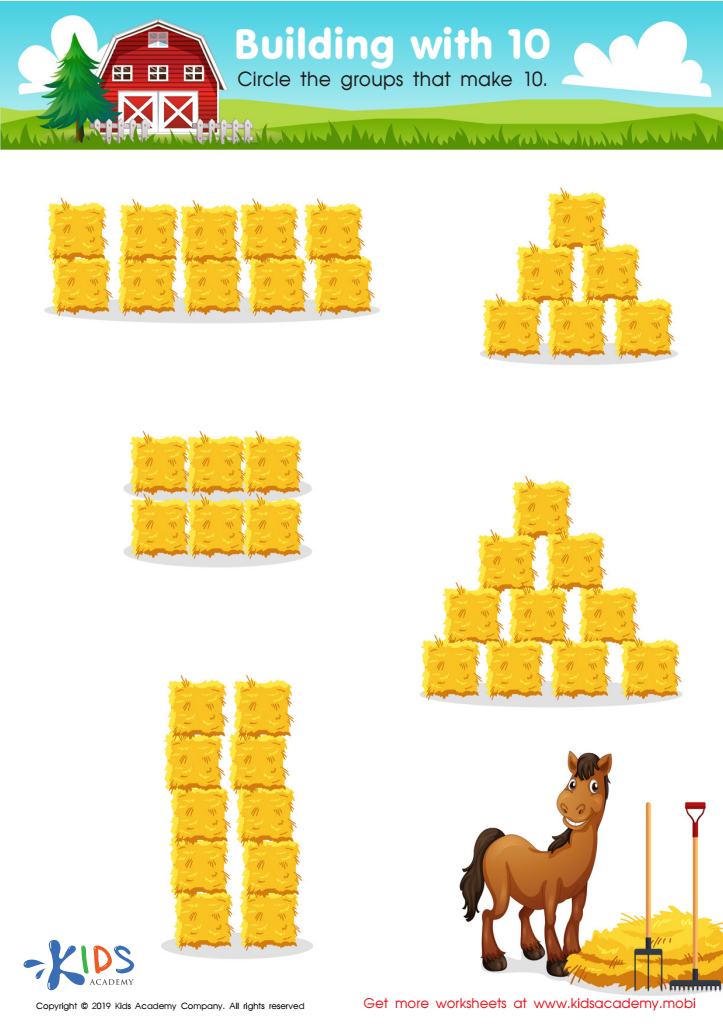
Building with 10 Worksheet
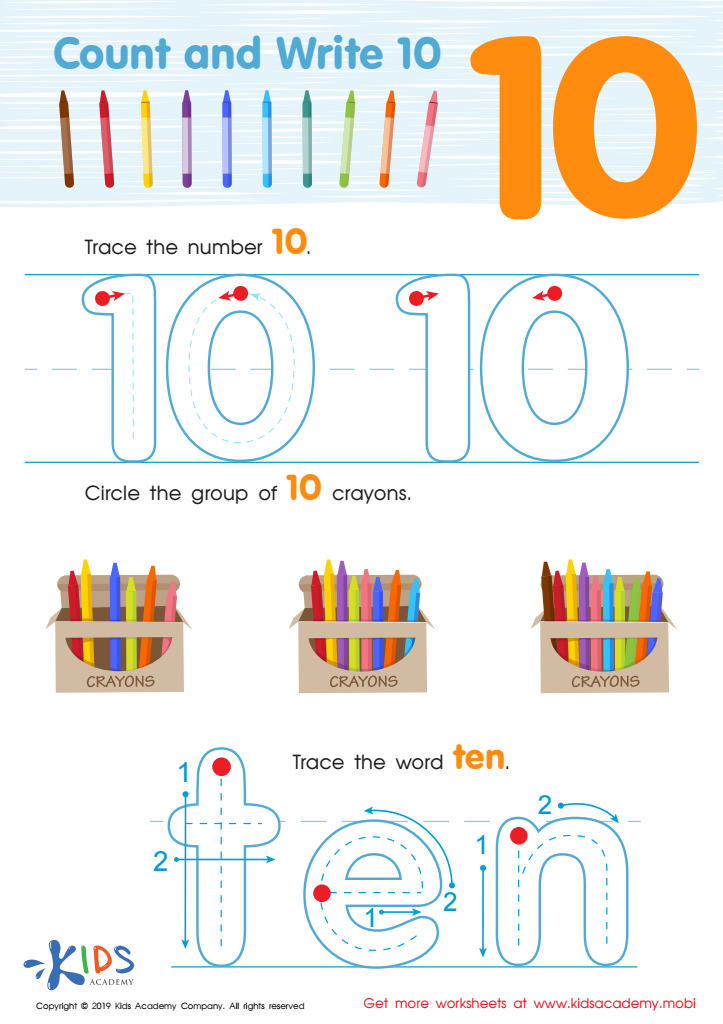
Count and Write 10 Worksheet
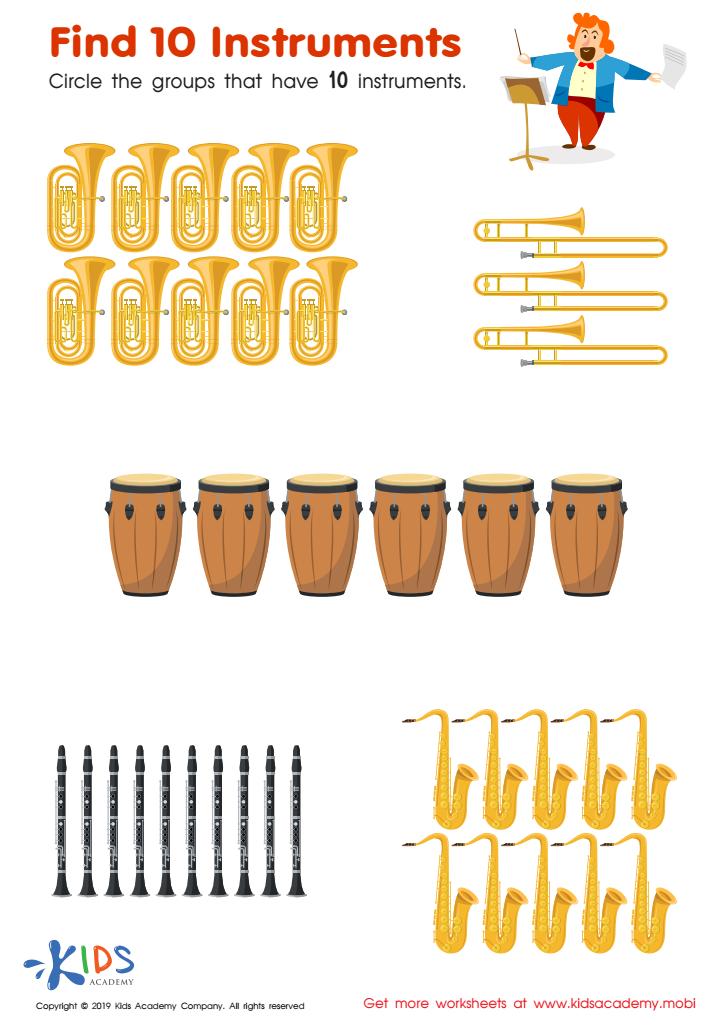
Find 10 Instruments Worksheet
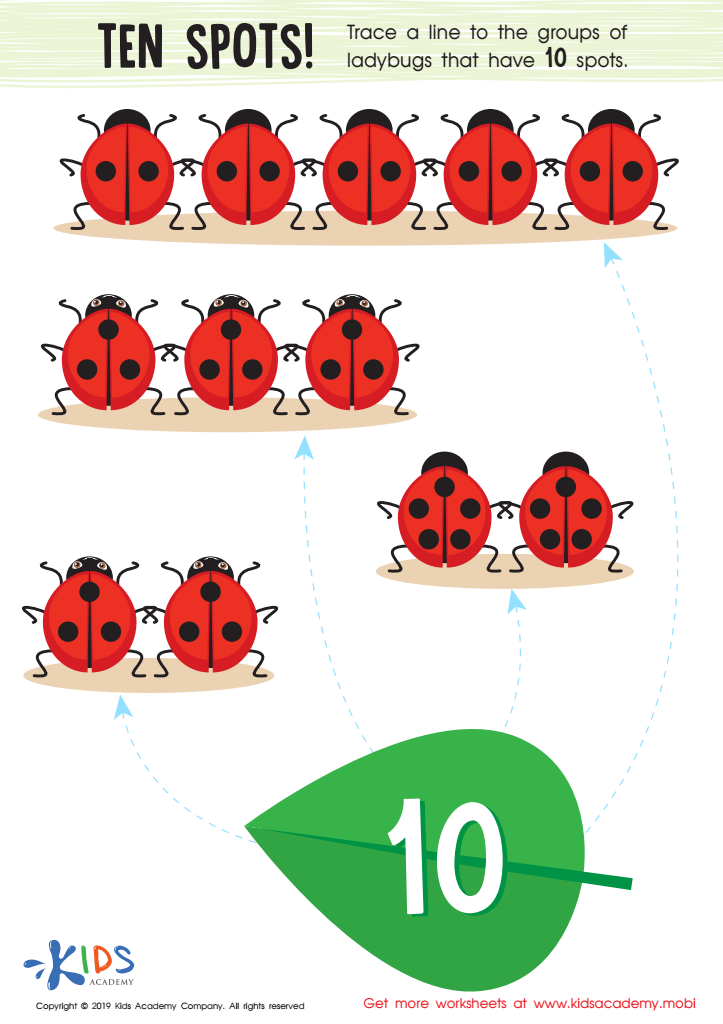
Ten Spots Worksheet
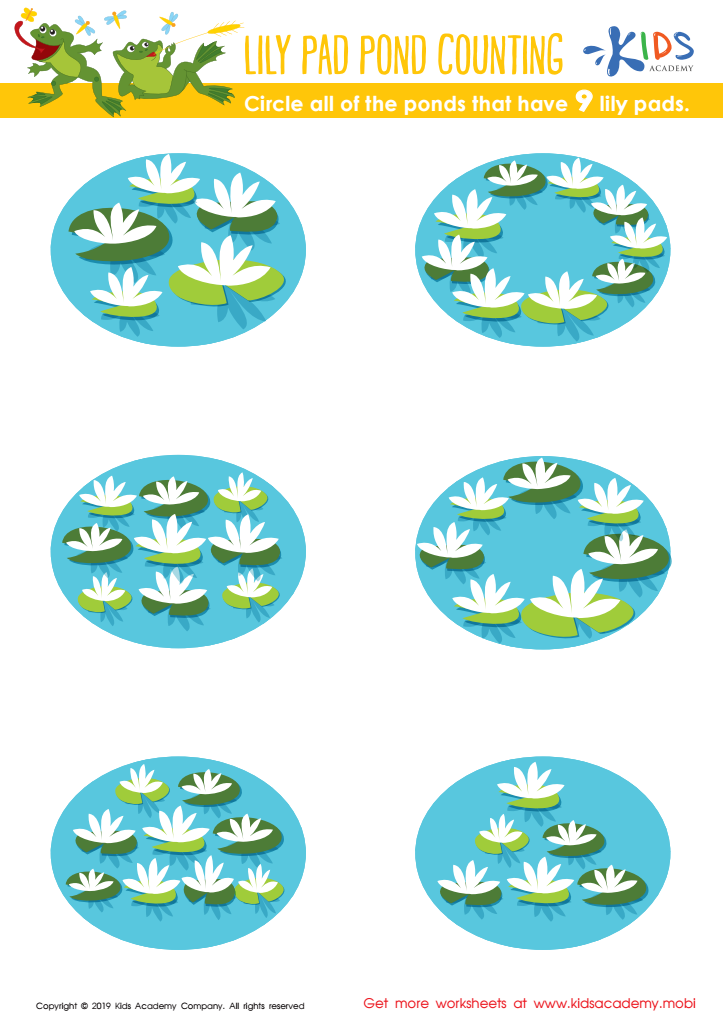
Lily Pad Pond Counting Worksheet
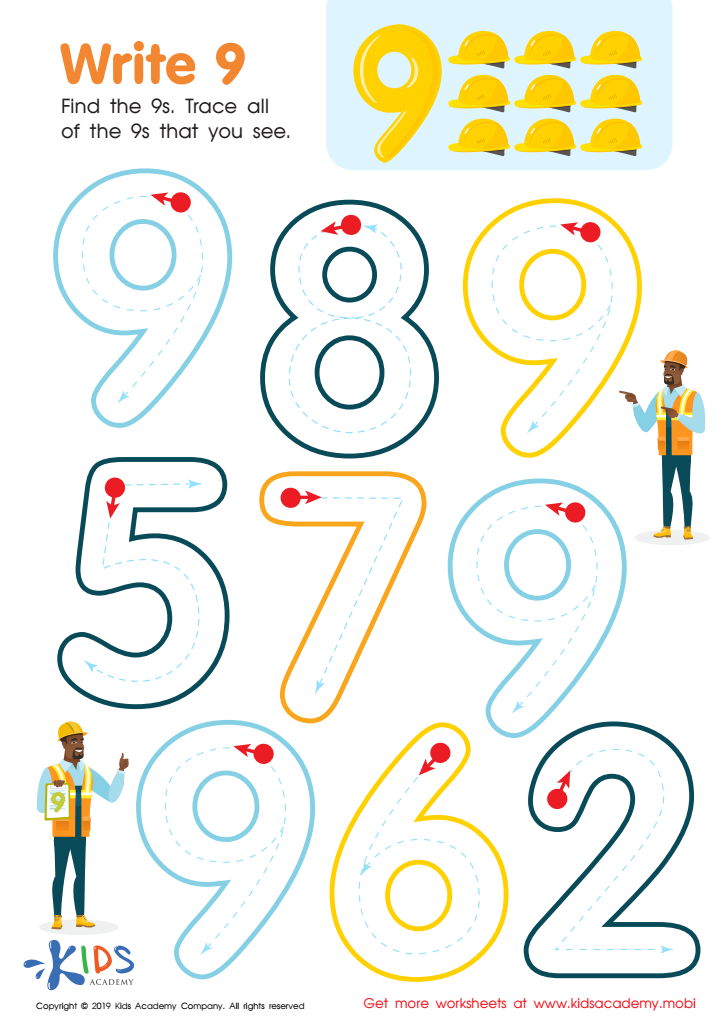
Write 9 Worksheet
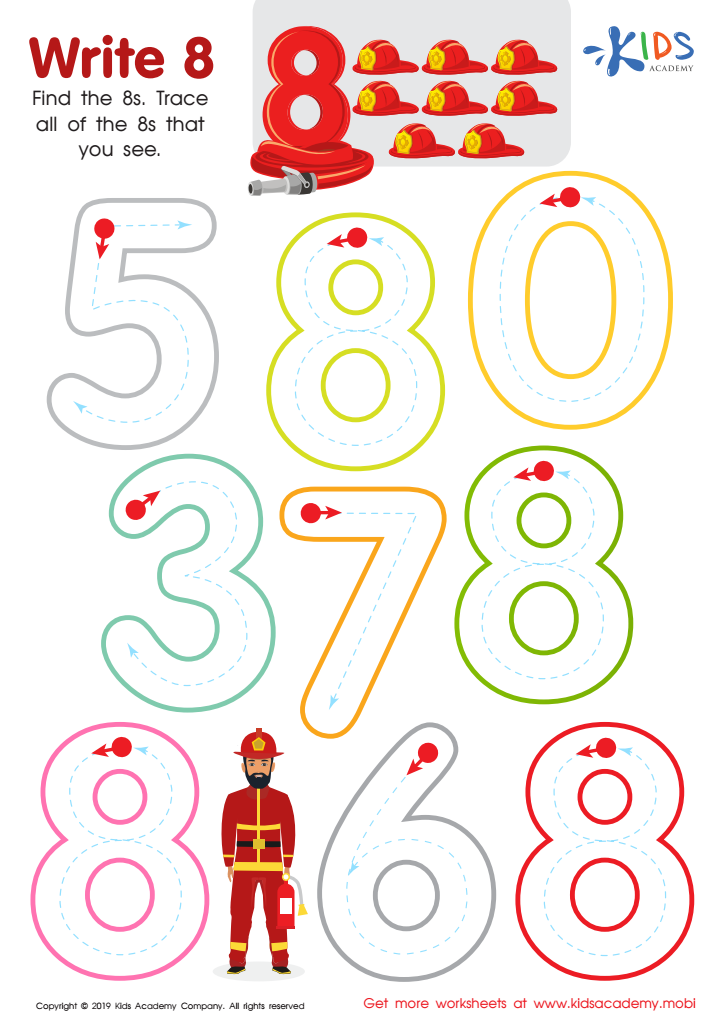
Write 8 Worksheet
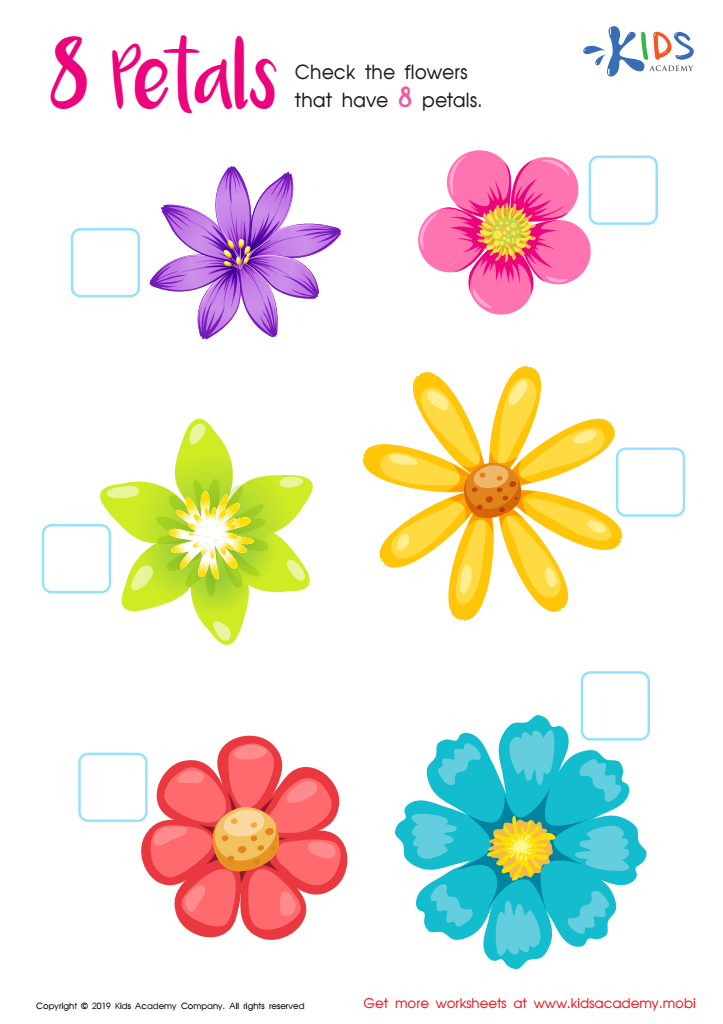
8 Petals Worksheet
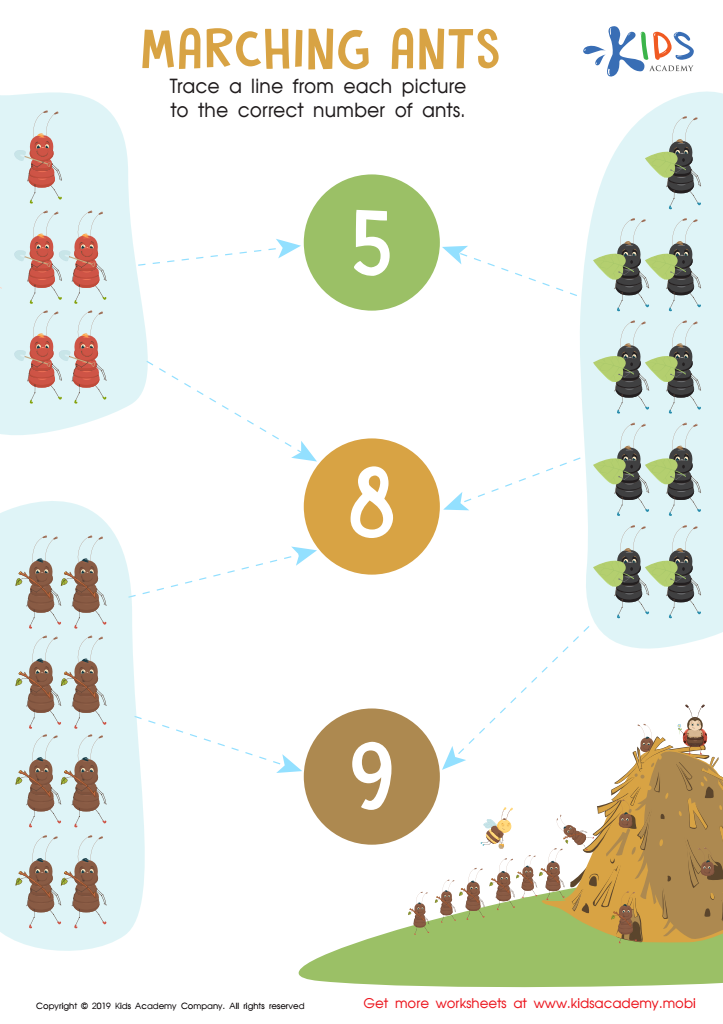
Marching Ants Worksheet
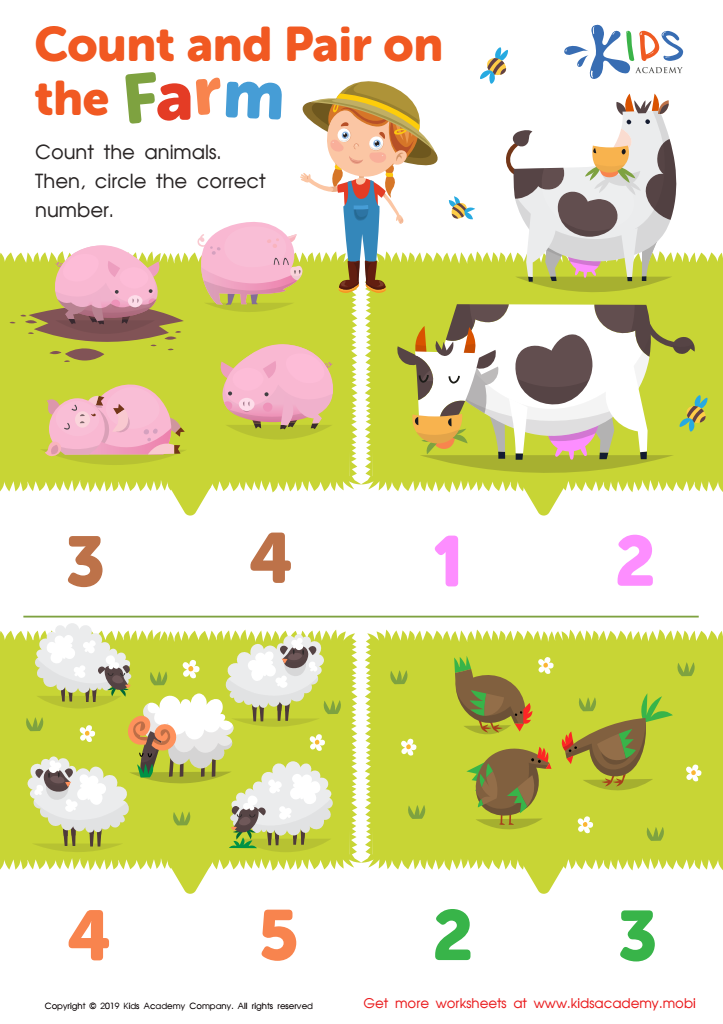
Count and Pair on the Farm Worksheet
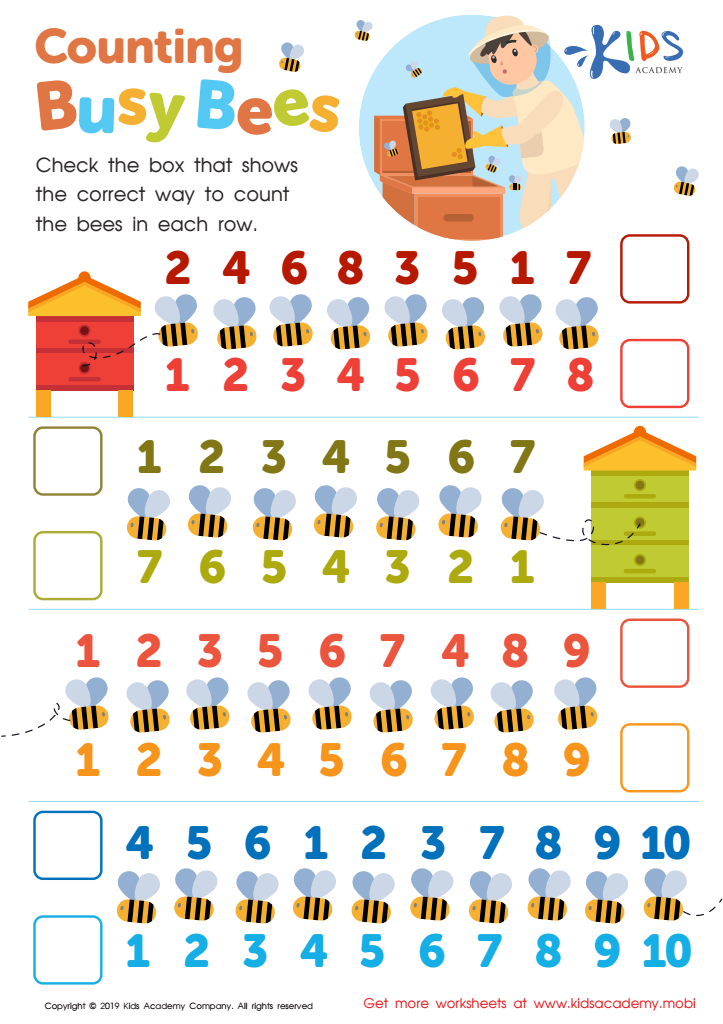
Counting Busy Bees Worksheet
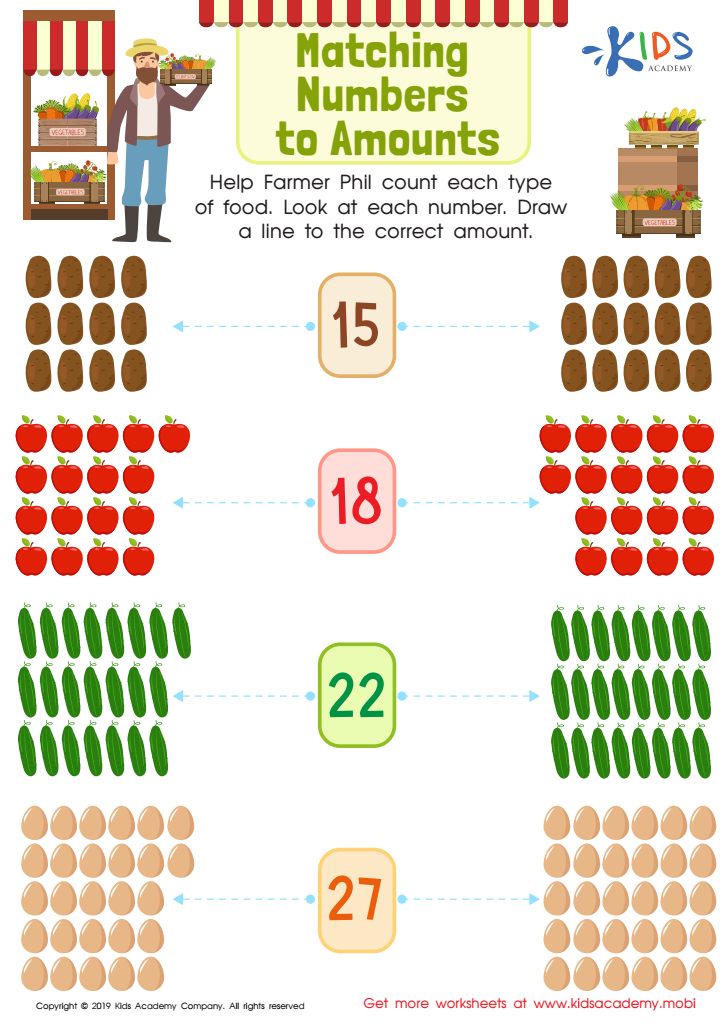
Matching Numbers to Amounts Worksheet
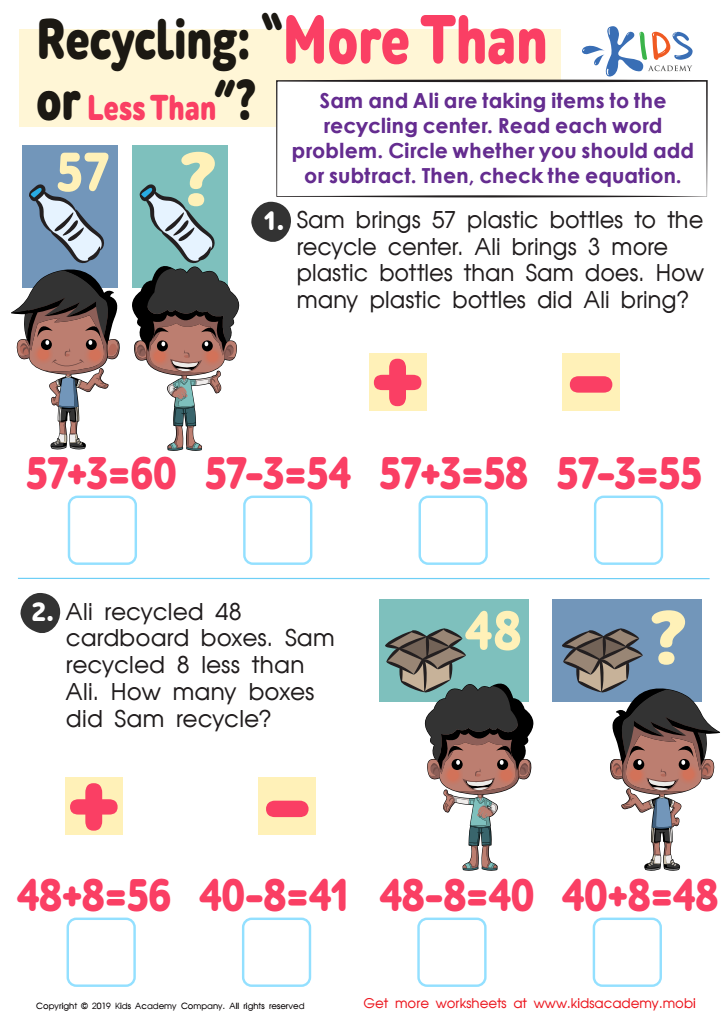
Recycling - More or Less Worksheet
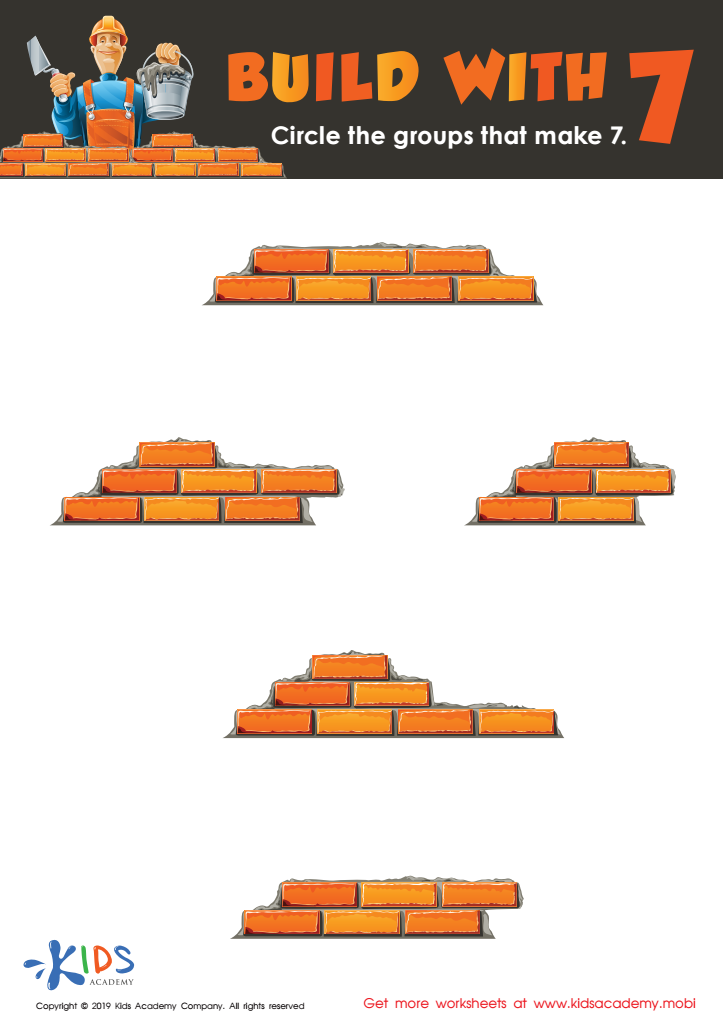
Build with 7 Worksheet
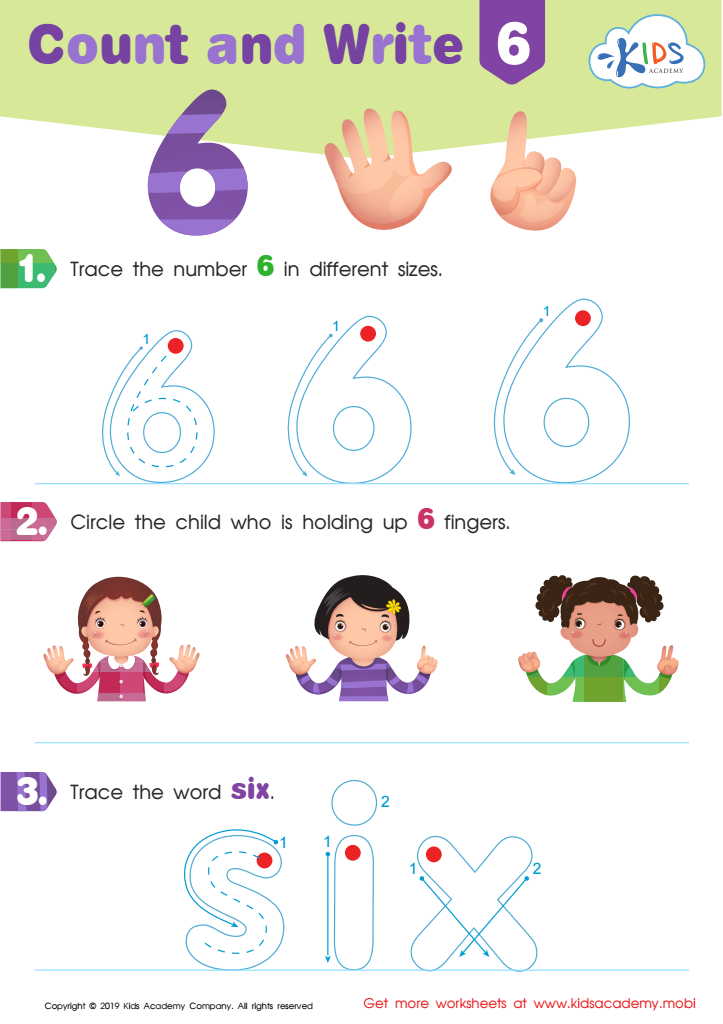
Count and Write 6 Worksheet
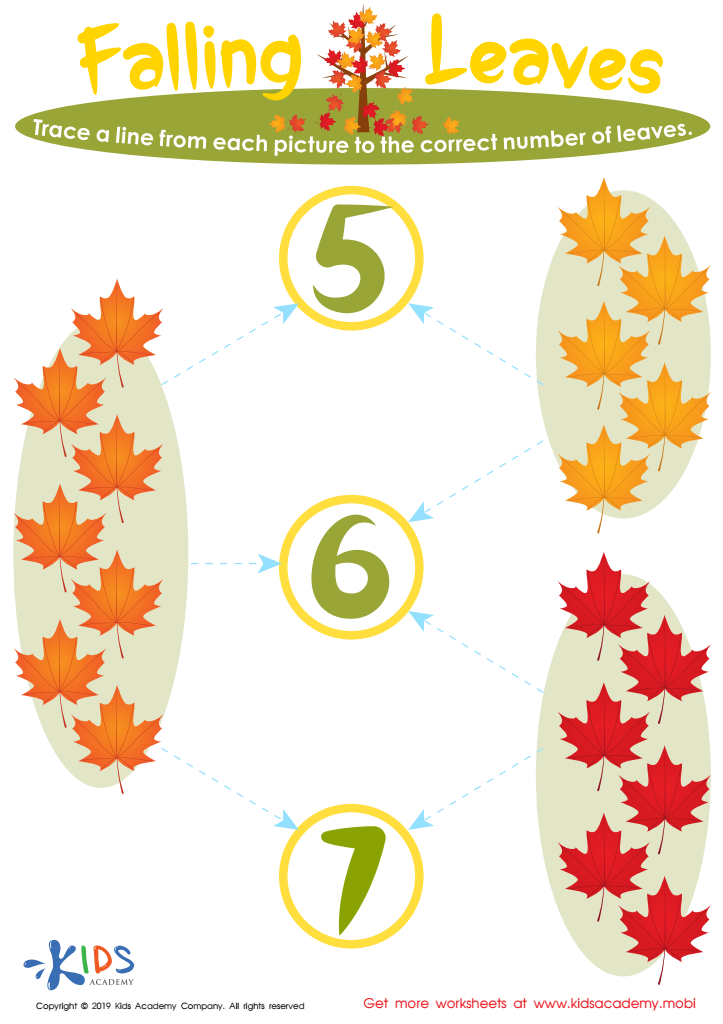
Falling Leaves Worksheet
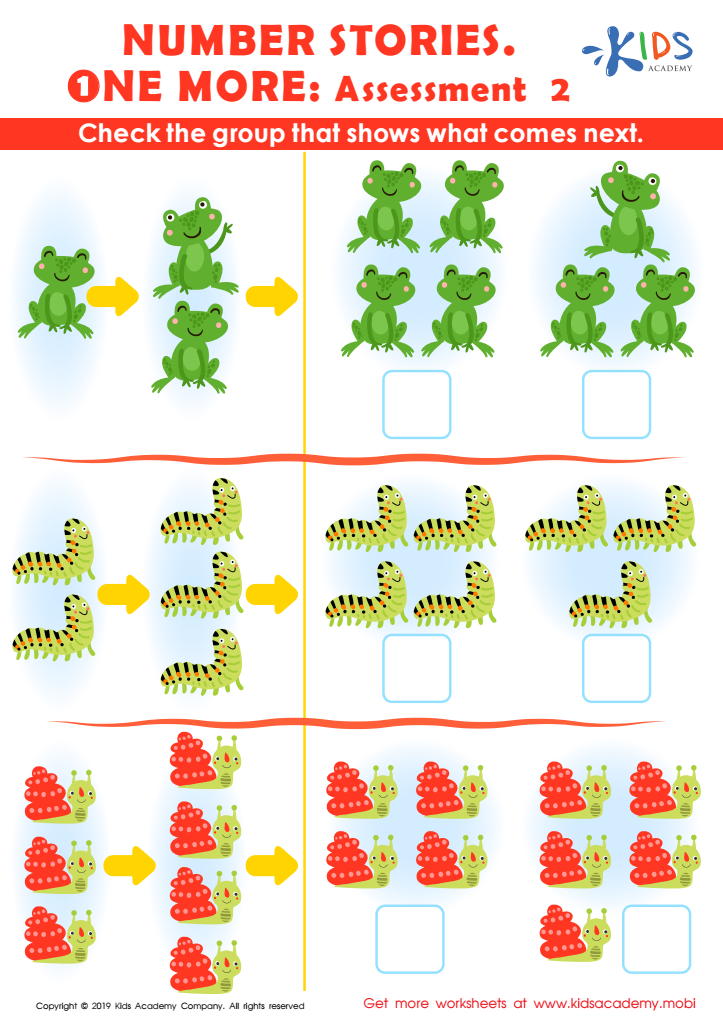
Number Stories One More – Assessment 2 Worksheet
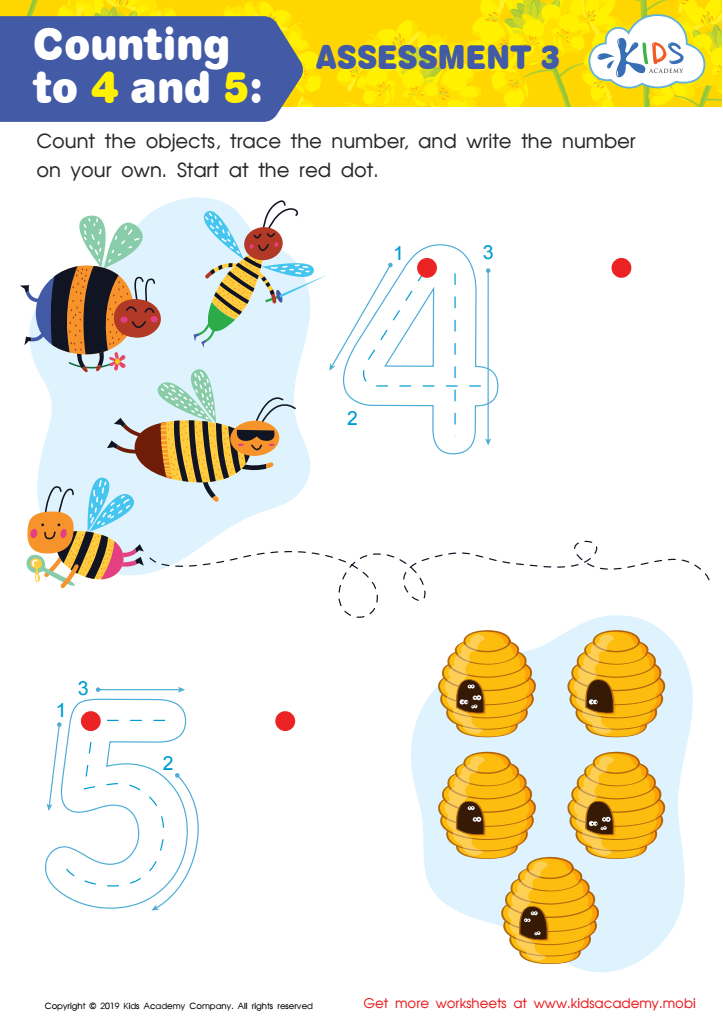
Counting to 4 and 5: Assessment 3 Worksheet
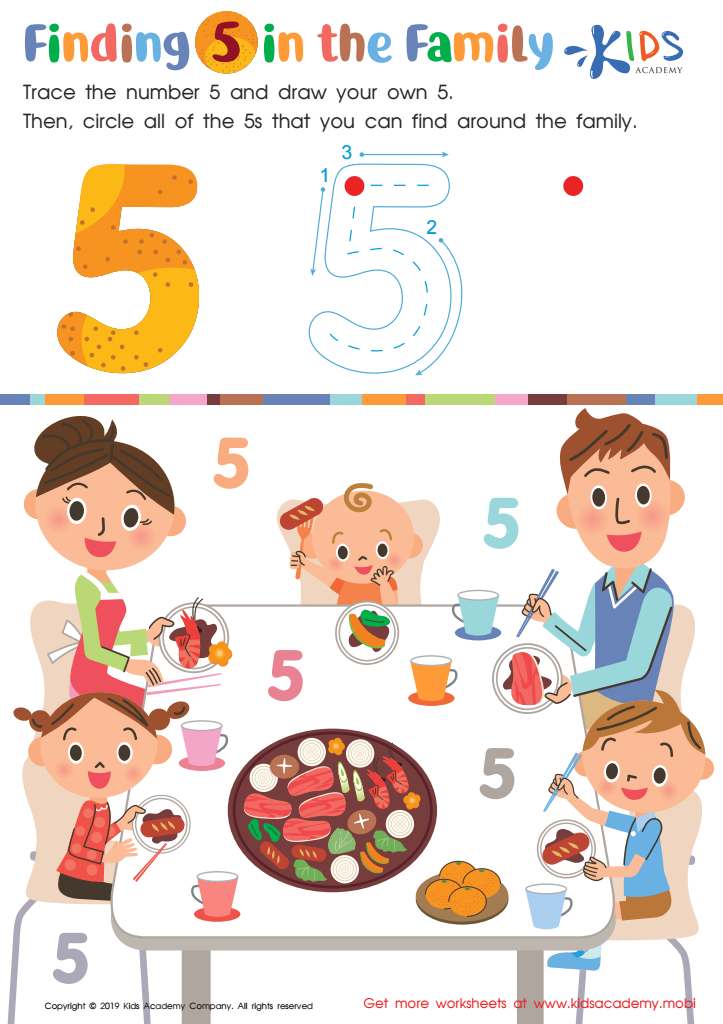
Finding 5 in the Family Worksheet
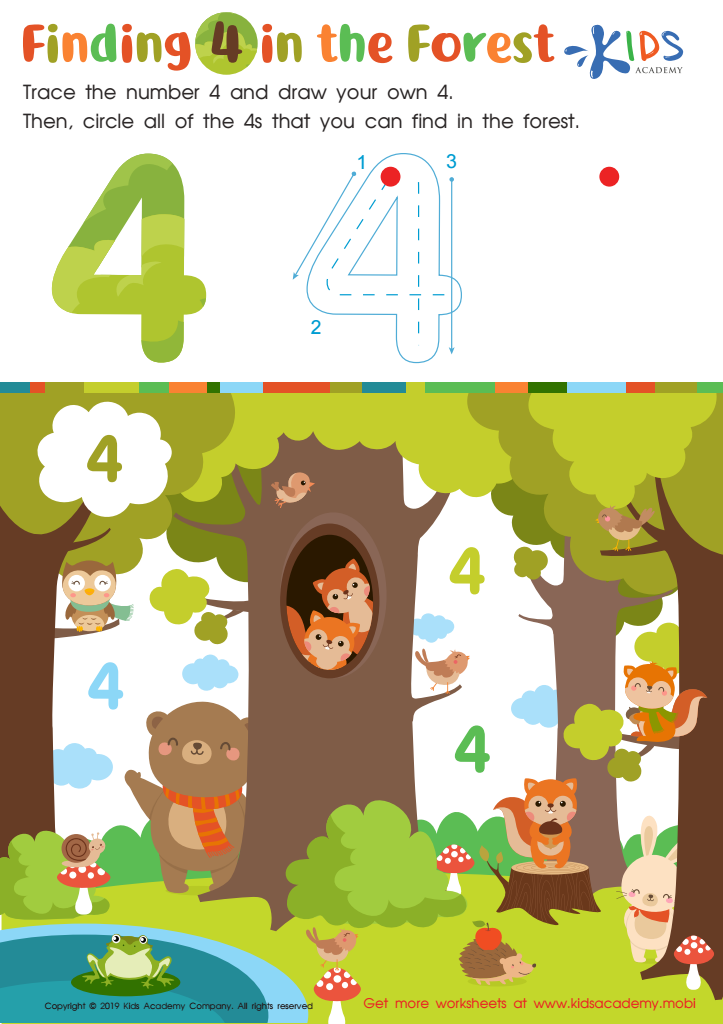
Finding 4 in the Forest Worksheet
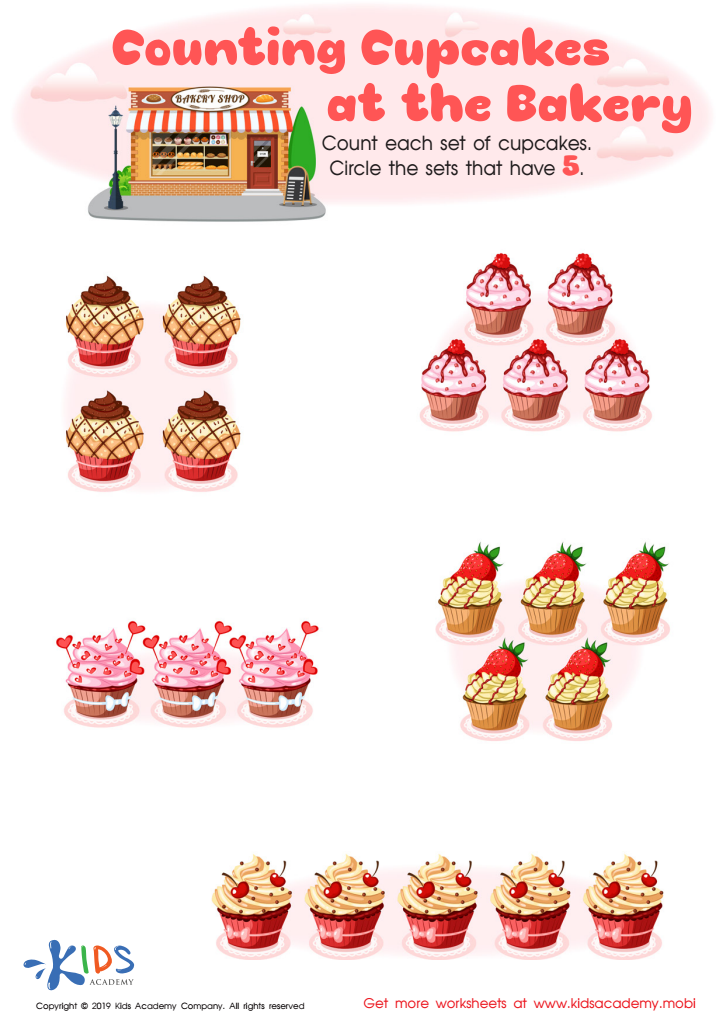
Counting Cupcakes Worksheet
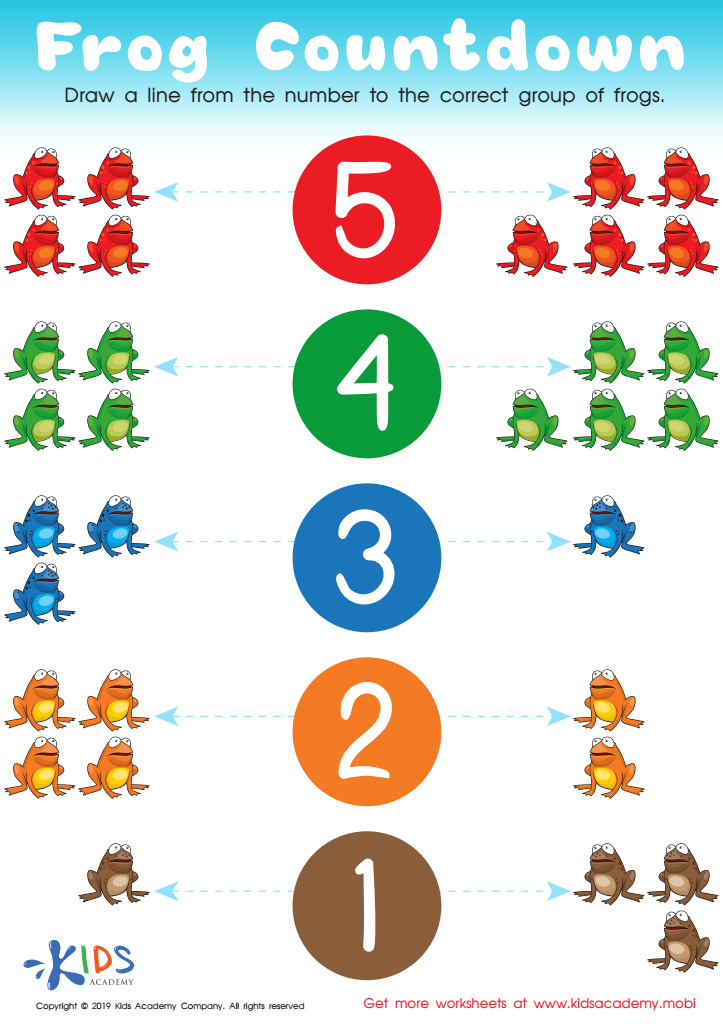
Frog Countdown Worksheet
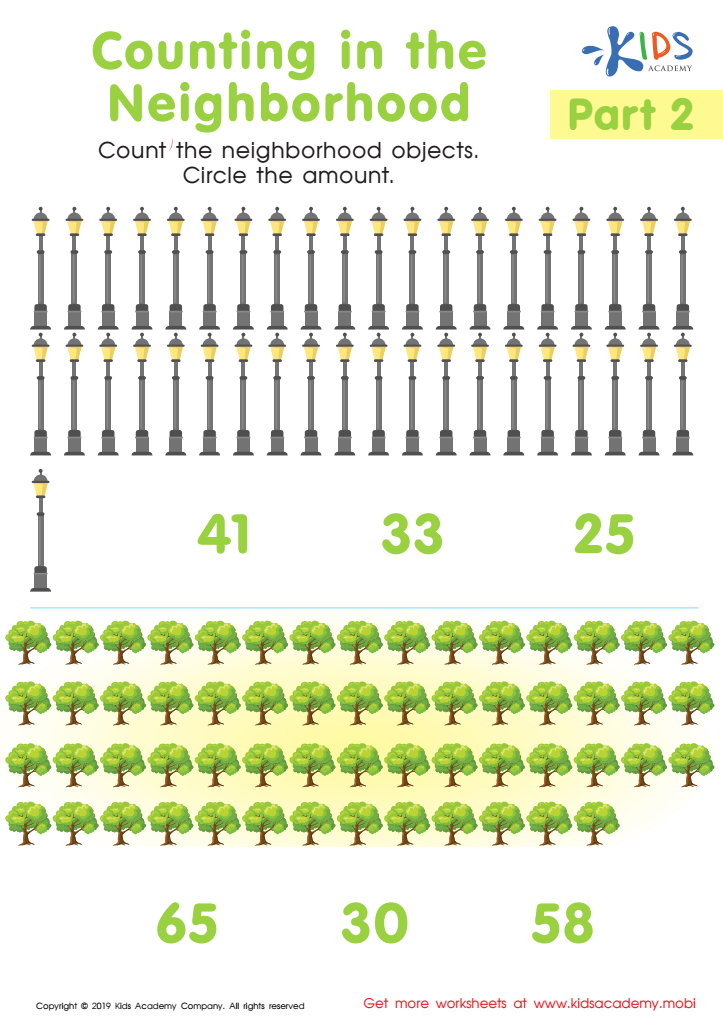
Counting In The Neighborhood Part 2 Worksheet








Understanding normal numbers is crucial for both parents and teachers managing the mathematical development of children aged 3-8. Normal numbers are sequences that have digits equally represented, which can enhance children's intuitive grasp of numbers, patterns, and ratios, critical skills in early mathematics.
By introducing the concept of normal numbers, children learn to appreciate equality and fairness in numbers. This foundational understanding supports various key mathematical concepts they will encounter later, such as arithmetic, percentages, and statistical reasoning. For example, when children understand distribution and representation within numbers, they'll be better equipped for future mathematical challenges.
Moreover, engaging with normal numbers applies to everyday life, promoting skills that can enhance critical thinking and problem-solving abilities. Counting objects, splitting snacks, or balancing games are all opportunities where parents and teachers can illustrate these concepts.
Lastly, exposure to these mathematical ideas fosters a positive attitude towards math from a young age, reducing anxiety and building confidence. When children feel comfortable with numbers, they are more likely to succeed academically. Therefore, prioritizing the understanding of normal numbers sets the stage for a well-rounded mathematical foundation essential for lifelong learning.