Normal Worksheets for Ages 5-8 - Page 69
1638 filtered results
-
From - To
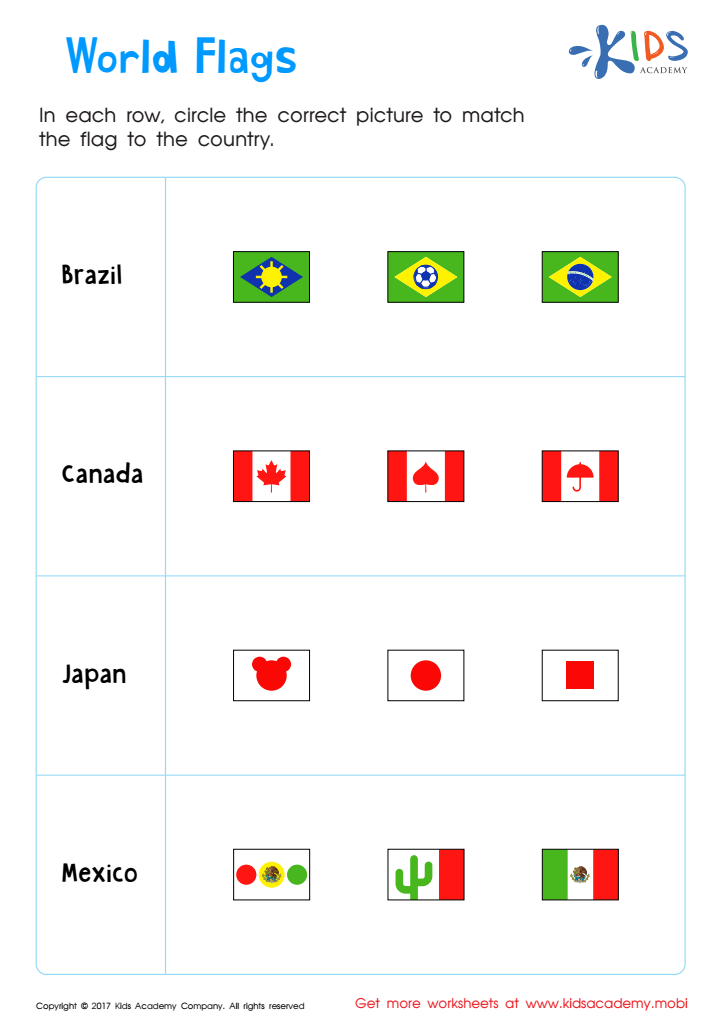
World Flags Printable
 Assign to My Students
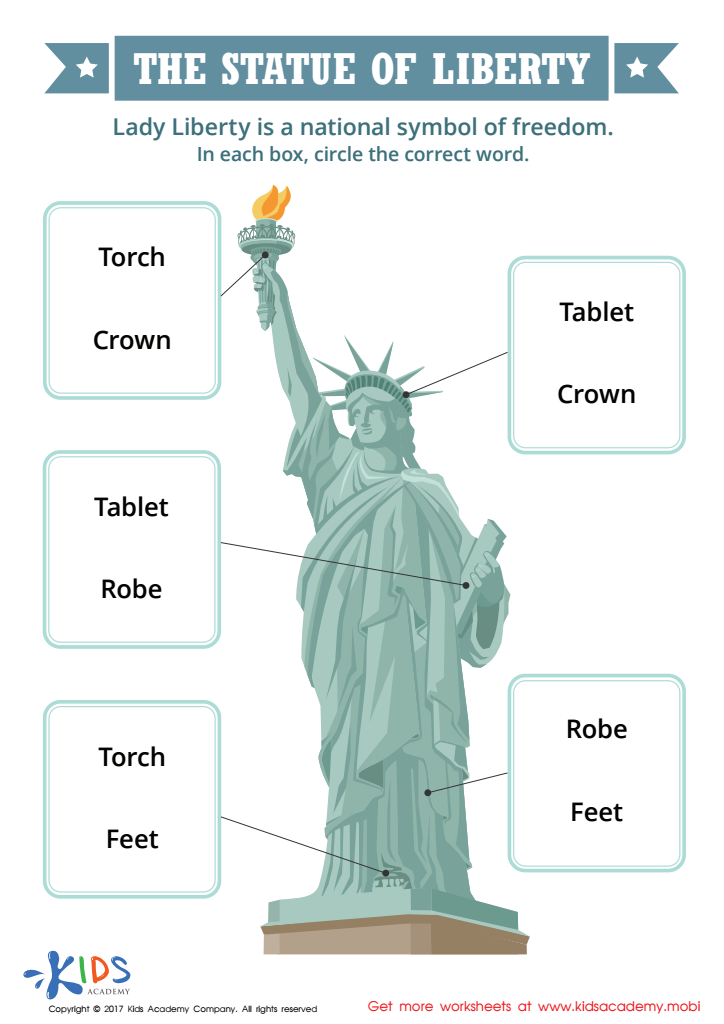
The Statue of Liberty Printable
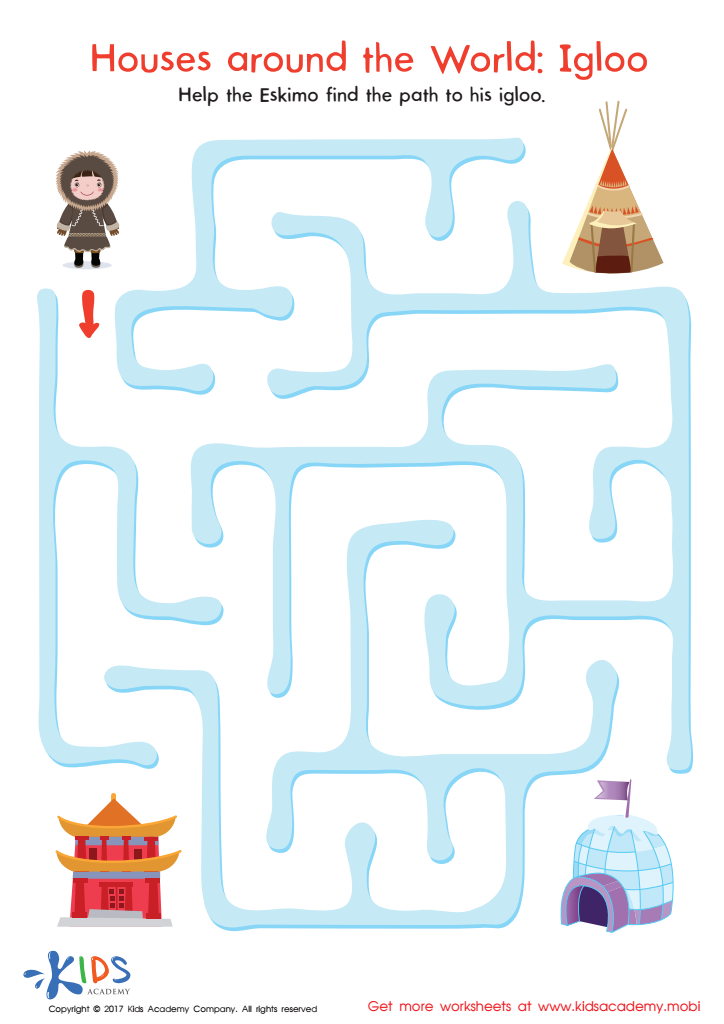
Houses Around the World: Igloo Printable
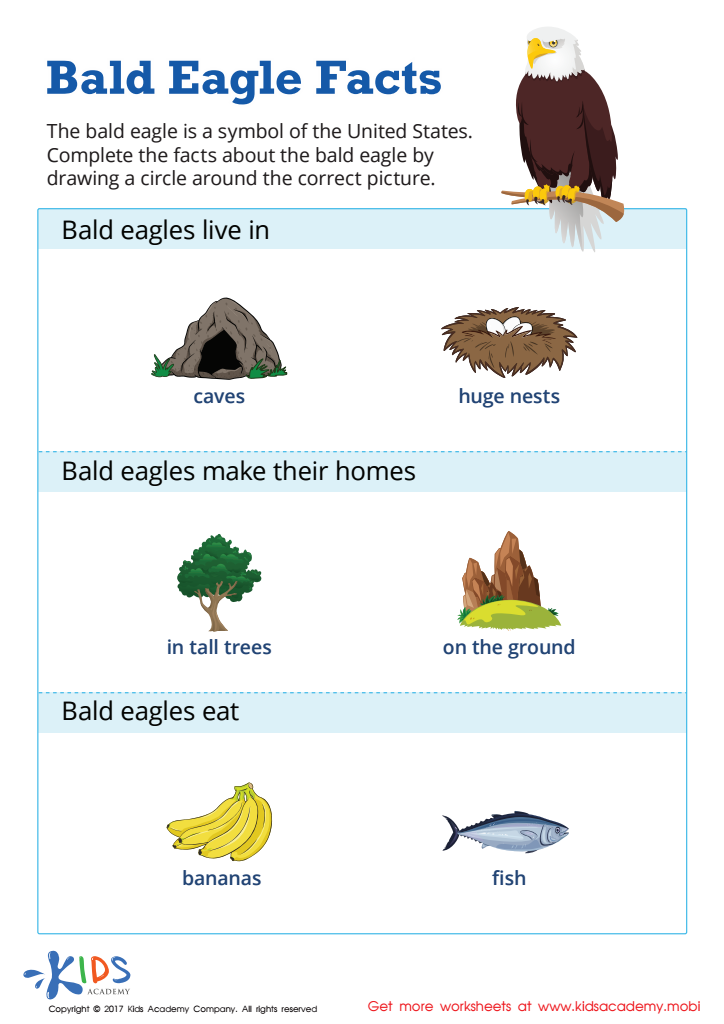
Bald Eagle Facts Worksheet
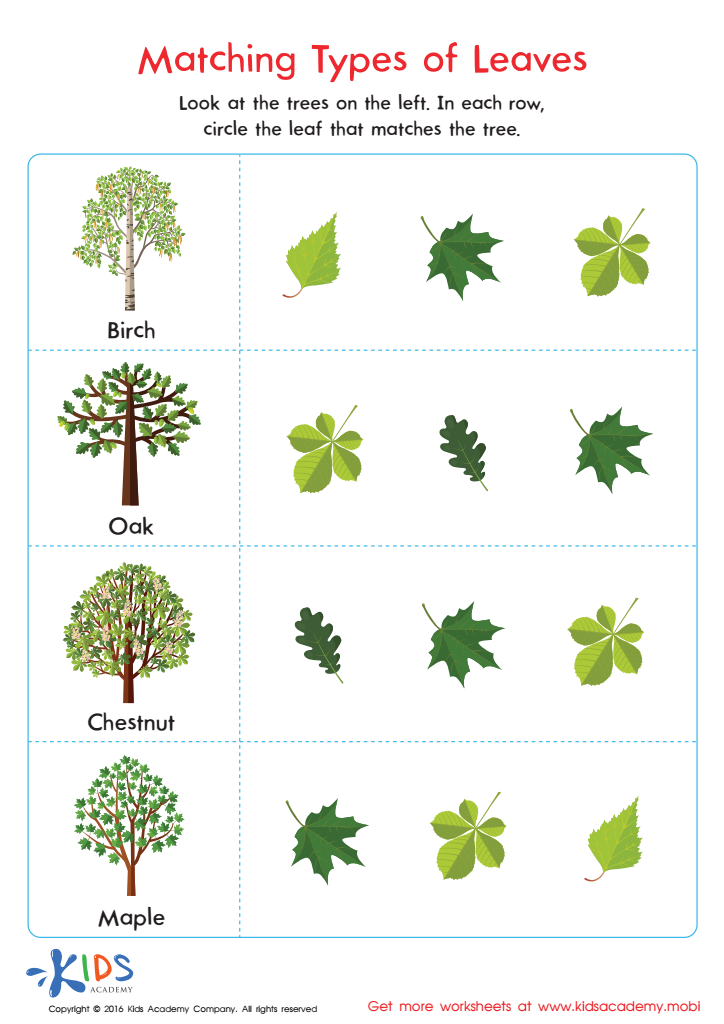
Matching Types of Leaves Printable
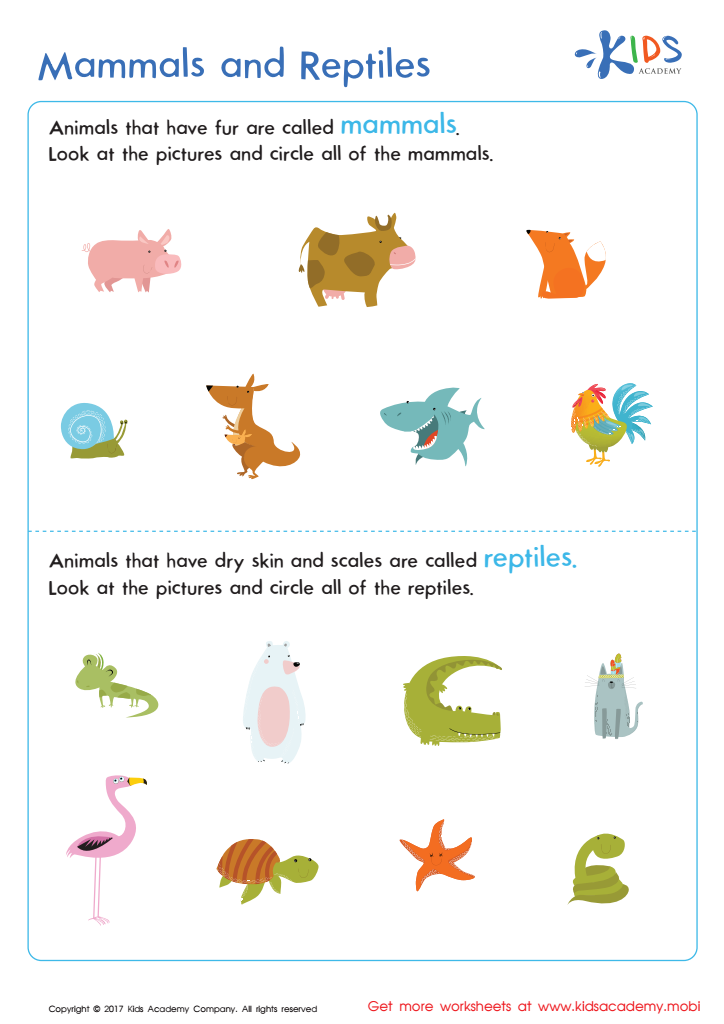
Mammals and Reptiles Worksheet








Understanding what is considered "normal" for ages 5-8 is vital for parents and teachers because it provides a benchmark for child development in various domains, including cognitive, social, emotional, and physical growth. During these formative years, children experience rapid development and exhibit milestones that can significantly influence their future learning and interpersonal skills.
Recognizing these norms helps caregivers identify potential issues early on. For example, if a child struggles with basic language skills or social interactions, it may suggest the need for additional support or intervention. Furthermore, understanding normal behavior and development can guide parents and teachers in setting realistic expectations, fostering a supportive environment that encourages growth.
Additionally, knowledge of these norms enables educators to create age-appropriate learning experiences that align with children's developmental stages, enhancing engagement and retention of knowledge. Open discussions around what is typical for this age group empower parents and teachers with the tools needed to nurture a child’s individual needs, promote self-esteem, and address concerns compassionately.
Ultimately, fostering awareness about norms allows for a collaborative approach in a child's education, ensuring they receive the attention and resources necessary to thrive academically, socially, and emotionally.








