Normal Vowels Worksheets for Ages 7-9 - Page 3
58 filtered results
-
From - To
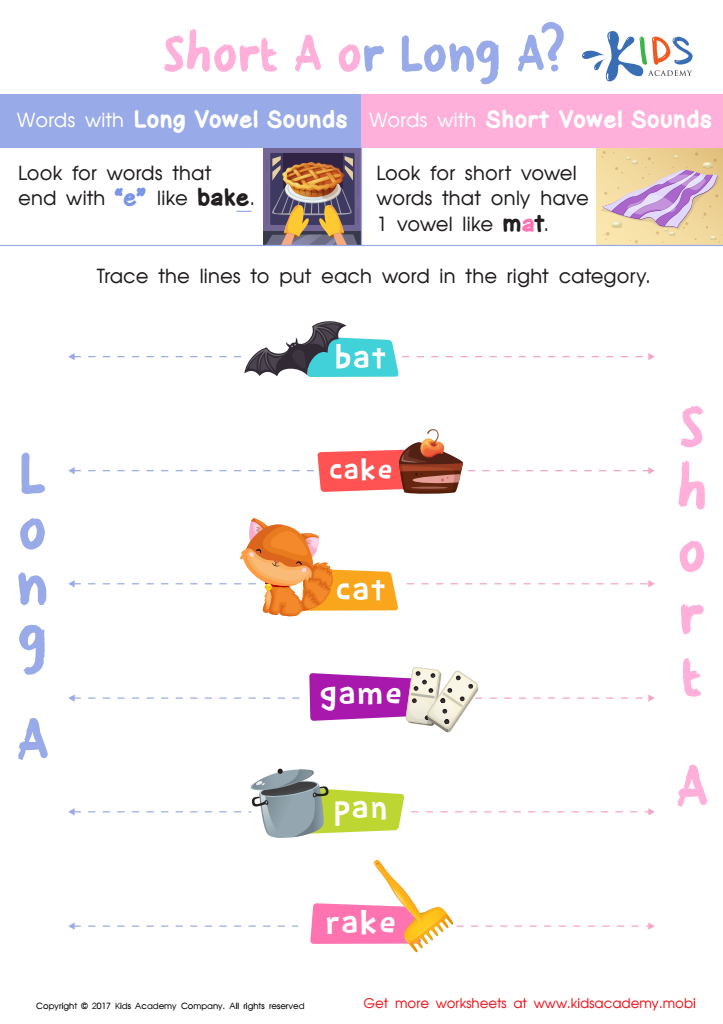
Short /a/ or Long /a/? Worksheet
 Assign to My Students
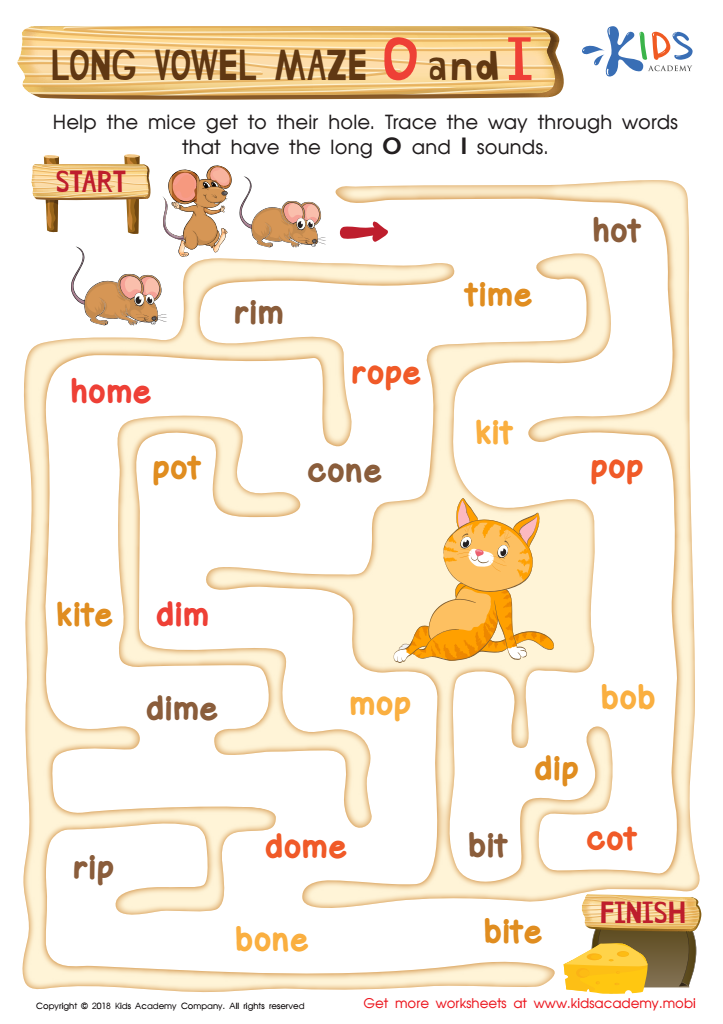
Long Vowel Maze /o/ and /i/ Worksheet
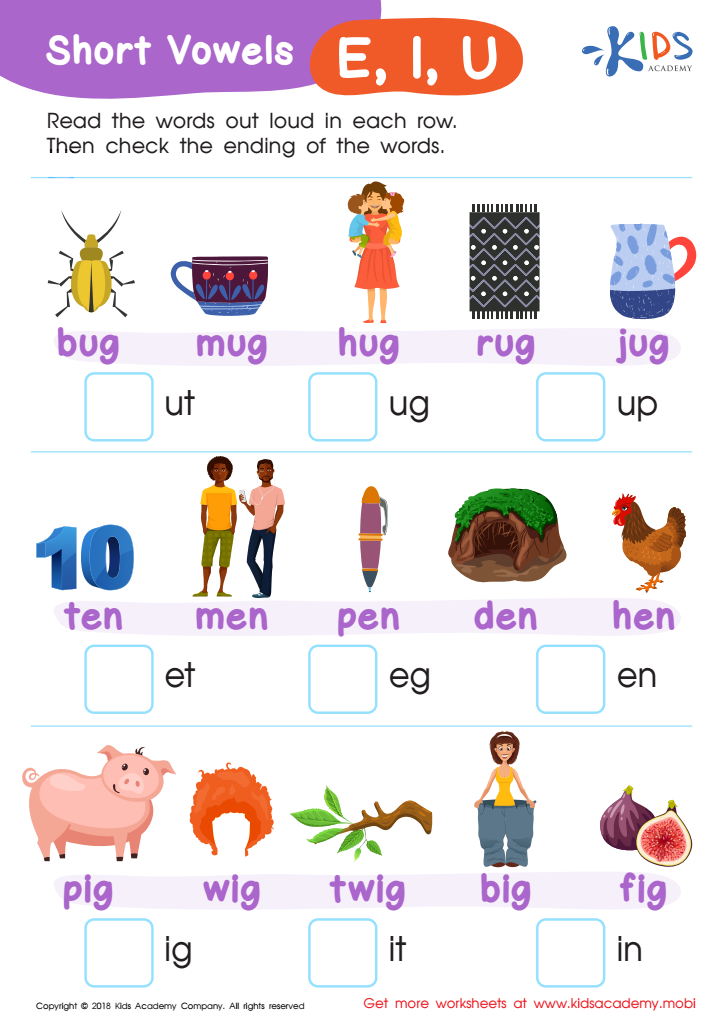
Short Vowels /e/, /i/, and /u/ Worksheet
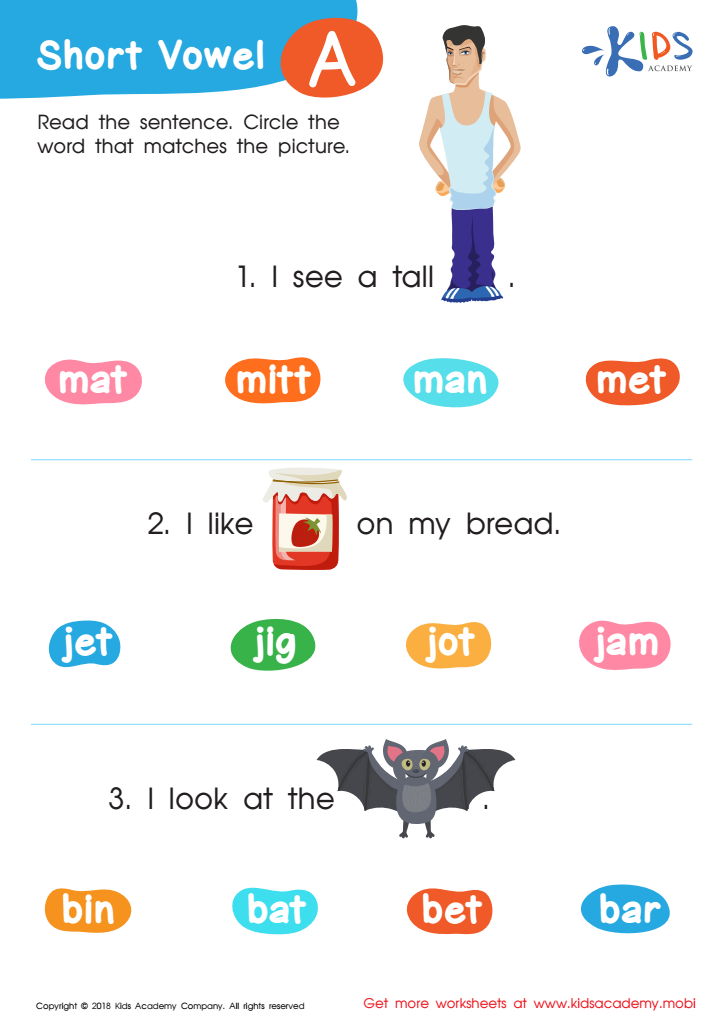
Short Vowel /a/ Worksheet
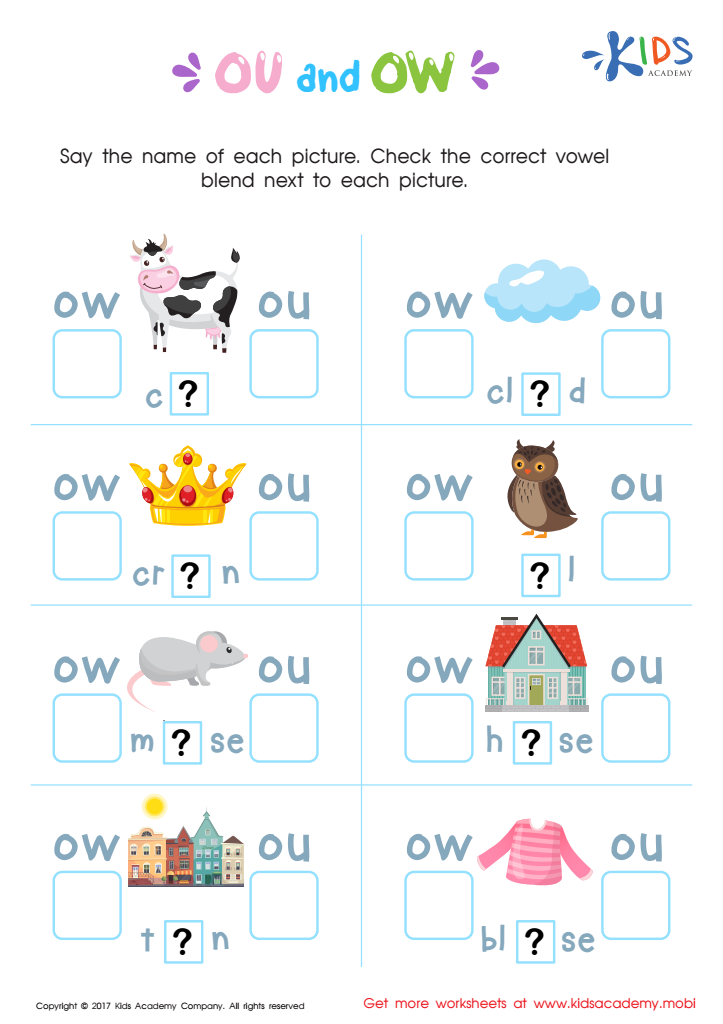
OU and OW Words Worksheet
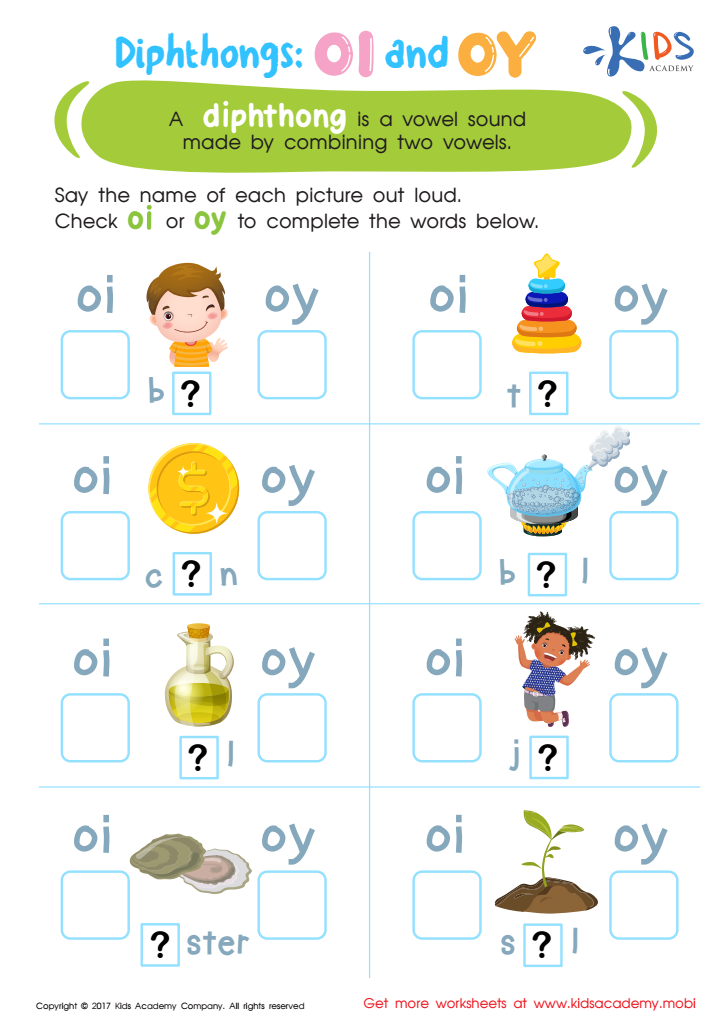
Vowel Diphthongs OI OY Worksheet
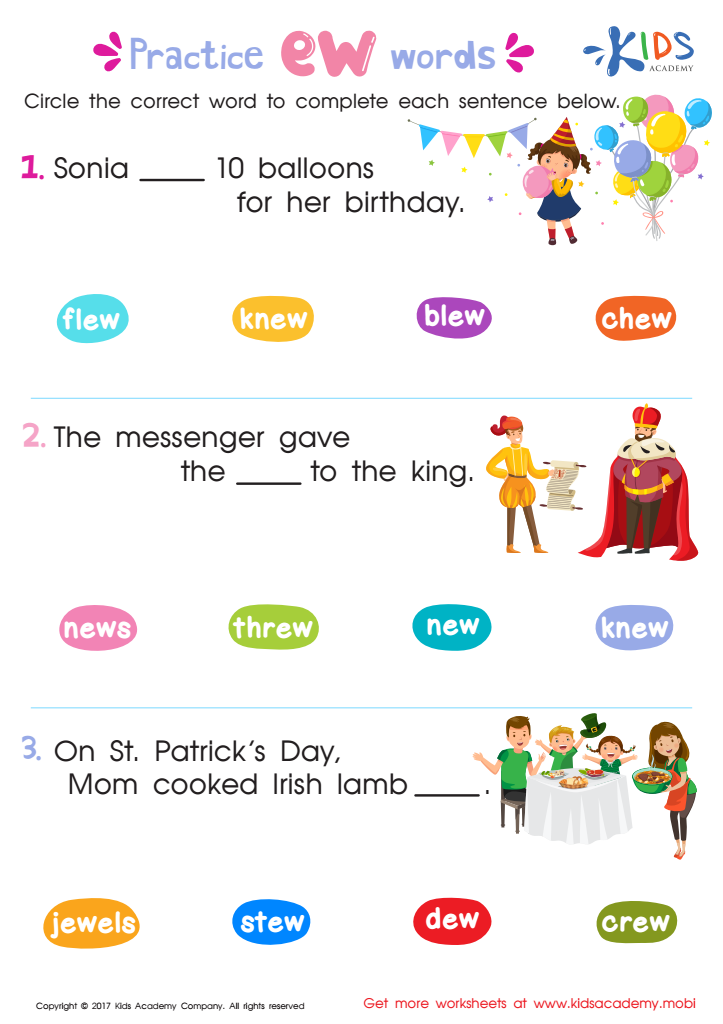
EW Words Worksheet
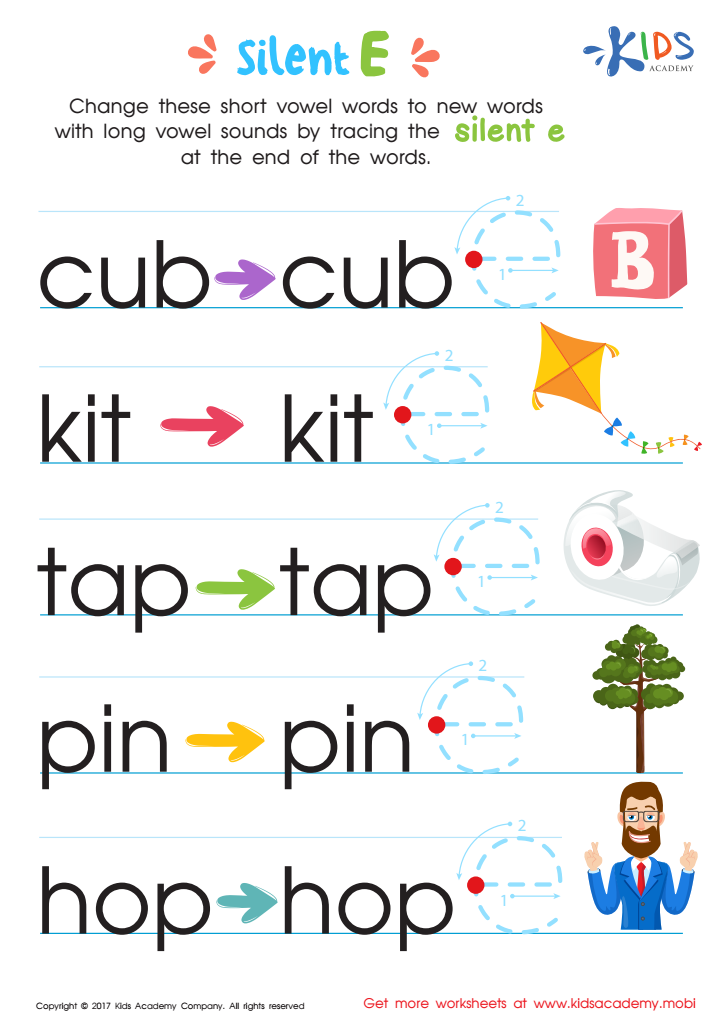
Silent E Words Worksheet
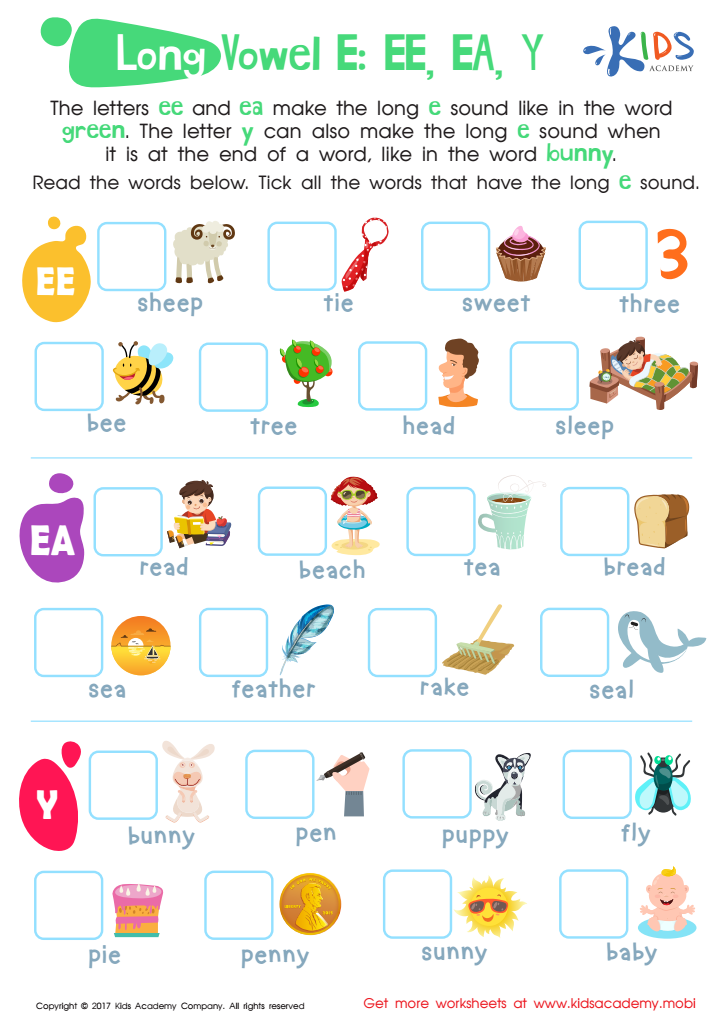
Long Vowel E Printable
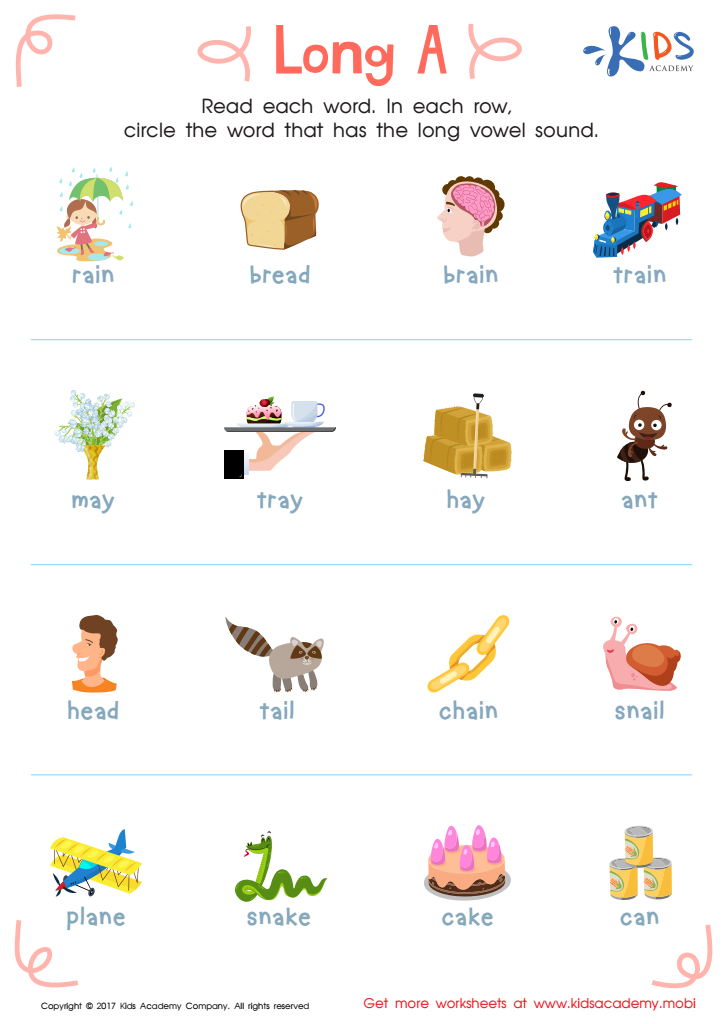





Normal vowels are fundamental components of language that play a crucial role in literacy development for children aged 7-9. At this age, children are refining their phonemic awareness, the ability to hear and manipulate sounds in spoken words. Understanding normal vowels—short and long vowel sounds—enables children to decode words more effectively, enhancing their reading fluency.
When parents and teachers prioritize normal vowels, they provide students with the necessary skills to build a strong reading foundation. This, in turn, supports comprehension and vocabulary growth, critical components of a child’s educational success. Mastery of vowels also aids in spelling, as many spelling rules are based on vowel usage.
Furthermore, engagement with vowel sounds through games, storytelling, and songs fosters a positive attitude towards learning. This can significantly impact a child's desire to read independently, unlocking access to new ideas and cultures through books. Lastly, recognizing the interconnectedness of literacy and academic achievement, early emphasis on vowel proficiency nurtures a love for learning and paves the way for lifelong educational success. Thus, parents and teachers should actively support children's understanding and use of normal vowels to enrich their literacy journey.