Normal Life Science Worksheets for Ages 7-9
22 filtered results
-
From - To
Discover our engaging Normal Life Science Worksheets designed specifically for children ages 7-9. These worksheets cover essential topics in life sciences, encouraging young learners to explore and understand the natural world around them. From plants and animals to ecosystems and habitats, our resources foster curiosity and critical thinking skills. Each worksheet includes a variety of activities such as coloring, matching, and simple research tasks that make learning fun and interactive. Perfect for both classroom and at-home use, our Life Science worksheets support the development of lifelong learning skills. Elevate your child’s science comprehension with our captivating materials today!
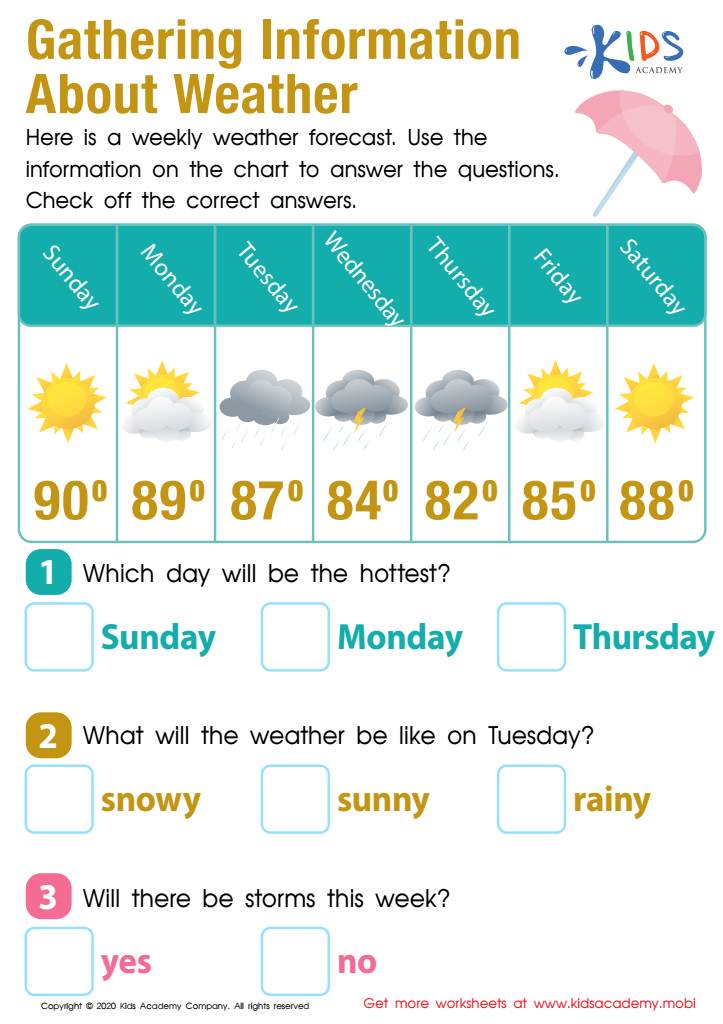
Gathering Information About the Weather Worksheet
 Assign to My Students
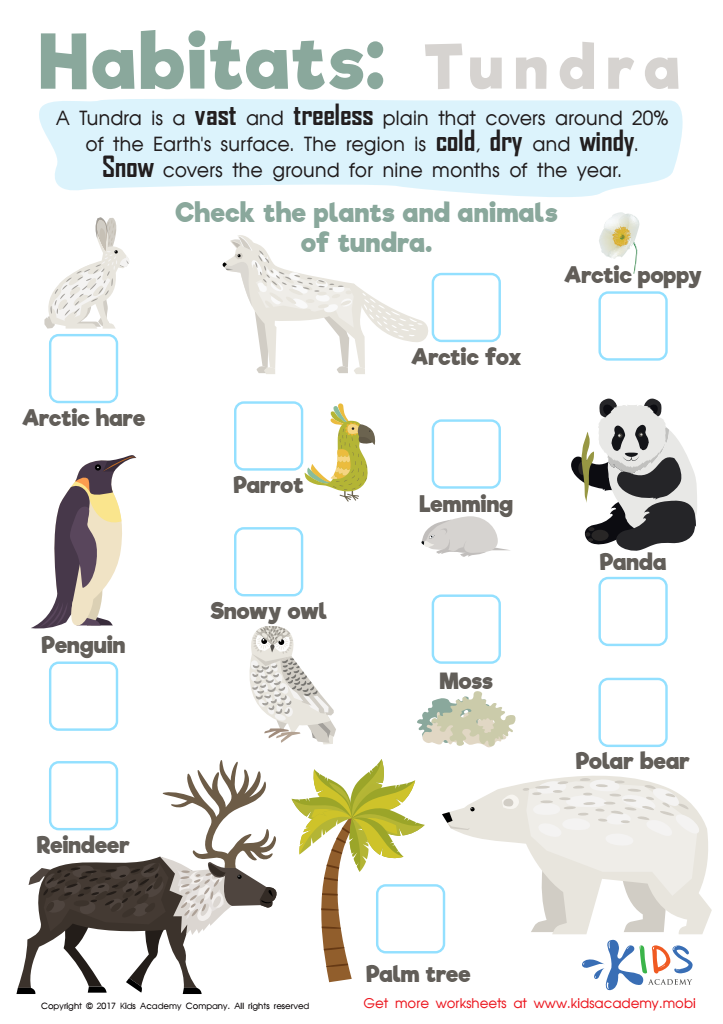
Tundra Habitats Worksheet
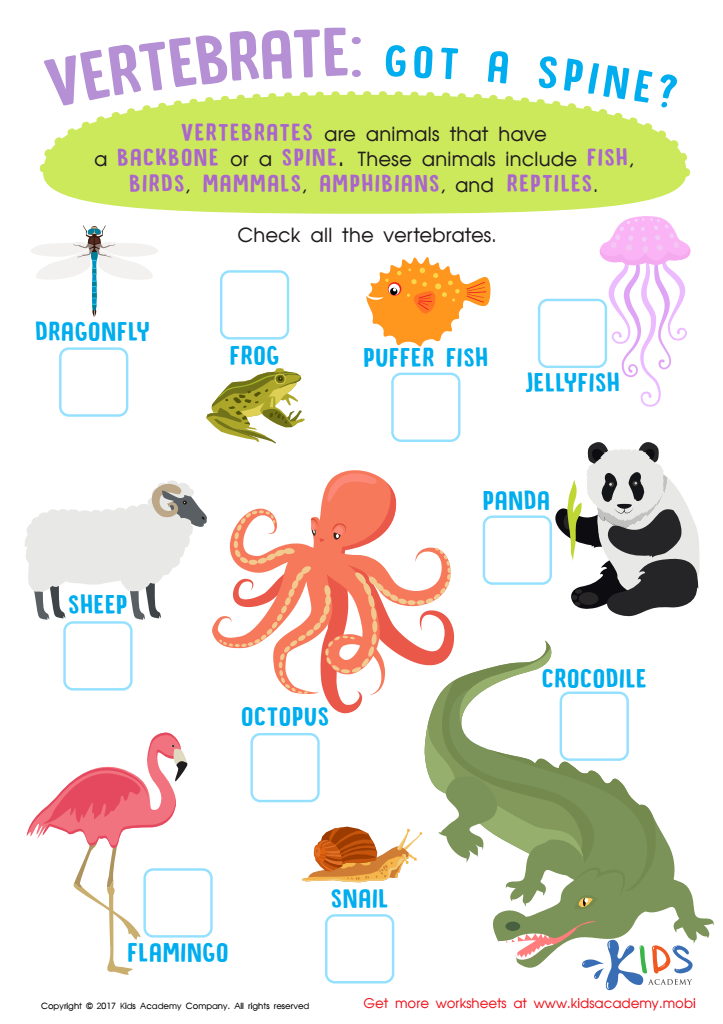
Vertebrates Animals Worksheet for 3rd Grade
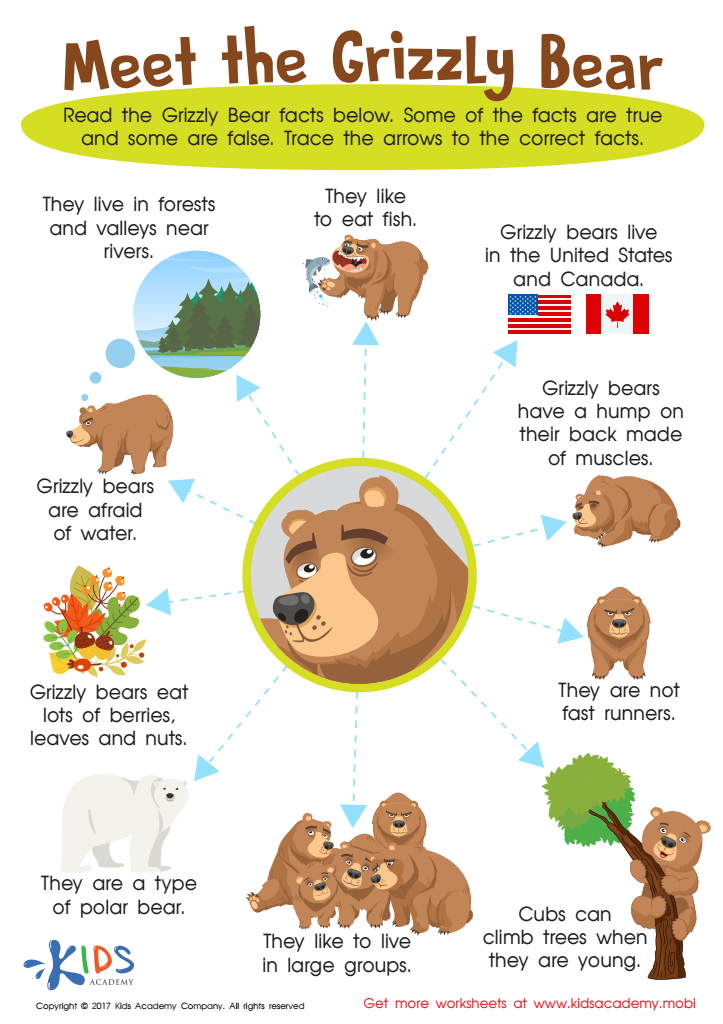
Grizzly Bear Facts Worksheet
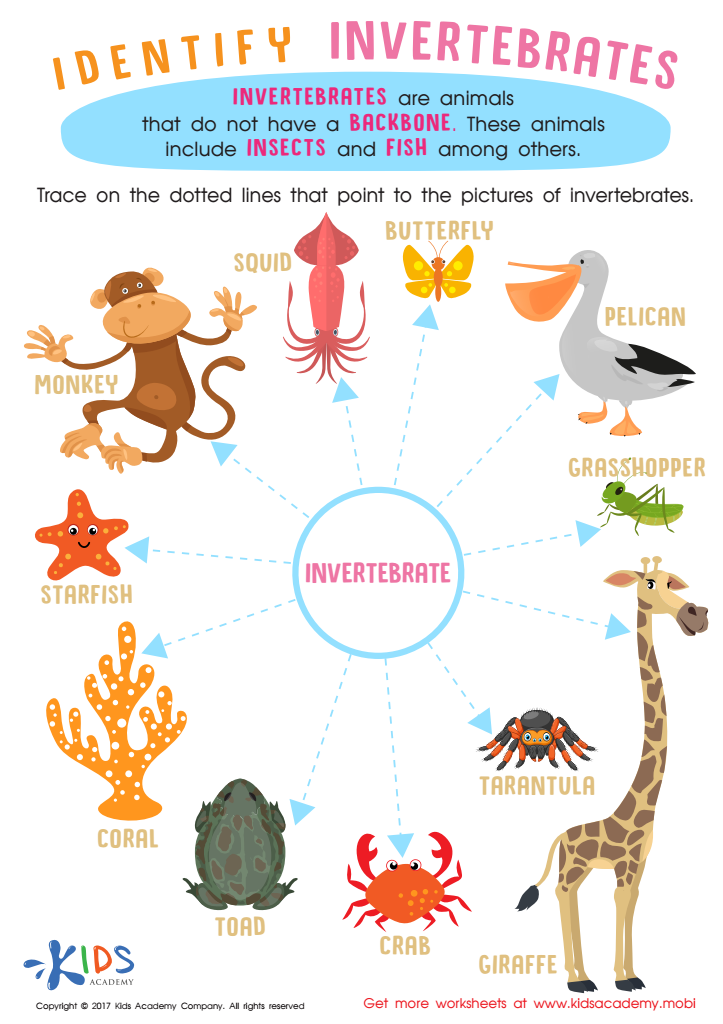
Invertebrates Worksheet for Grade 3
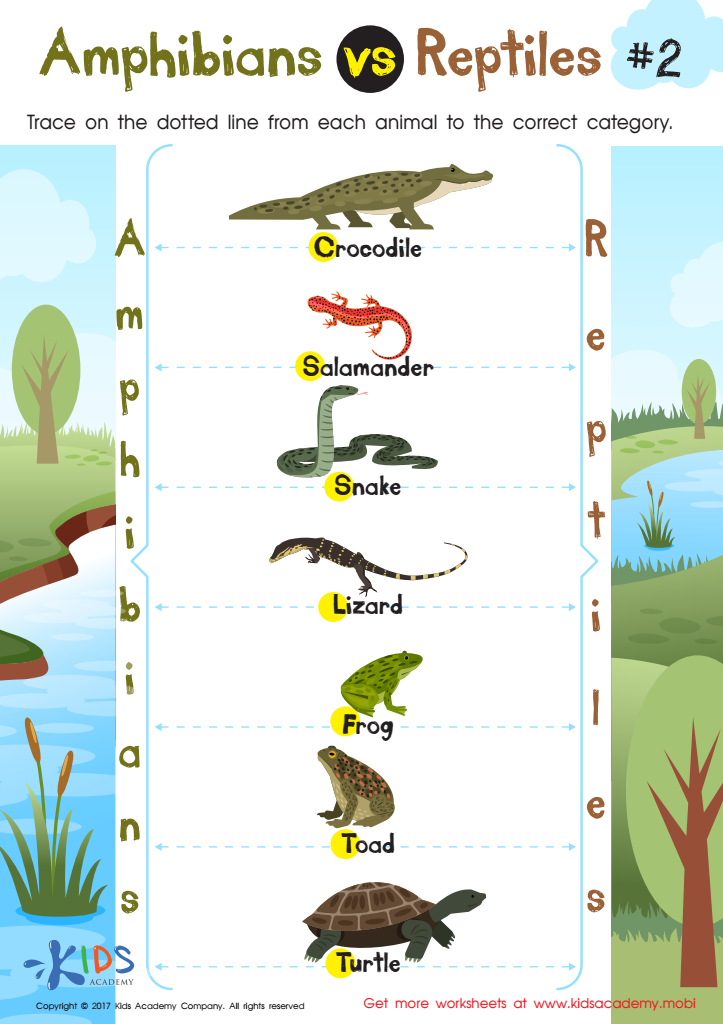
Amphibians vs Reptiles Worksheet for 3rd Grade
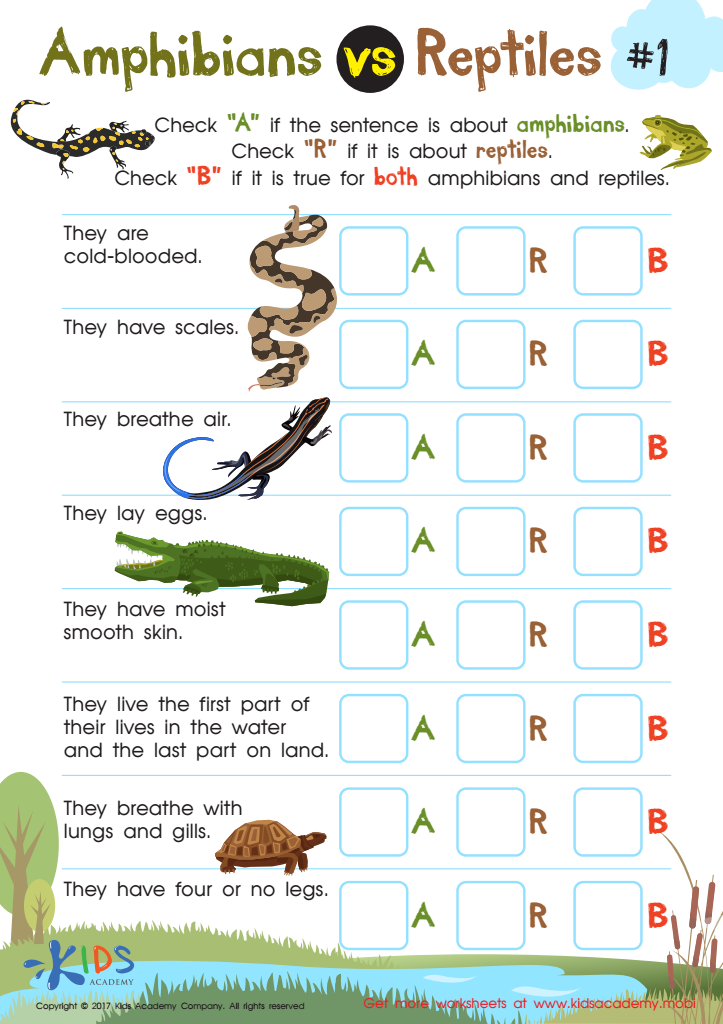
Amphibians vs Reptiles Worksheet
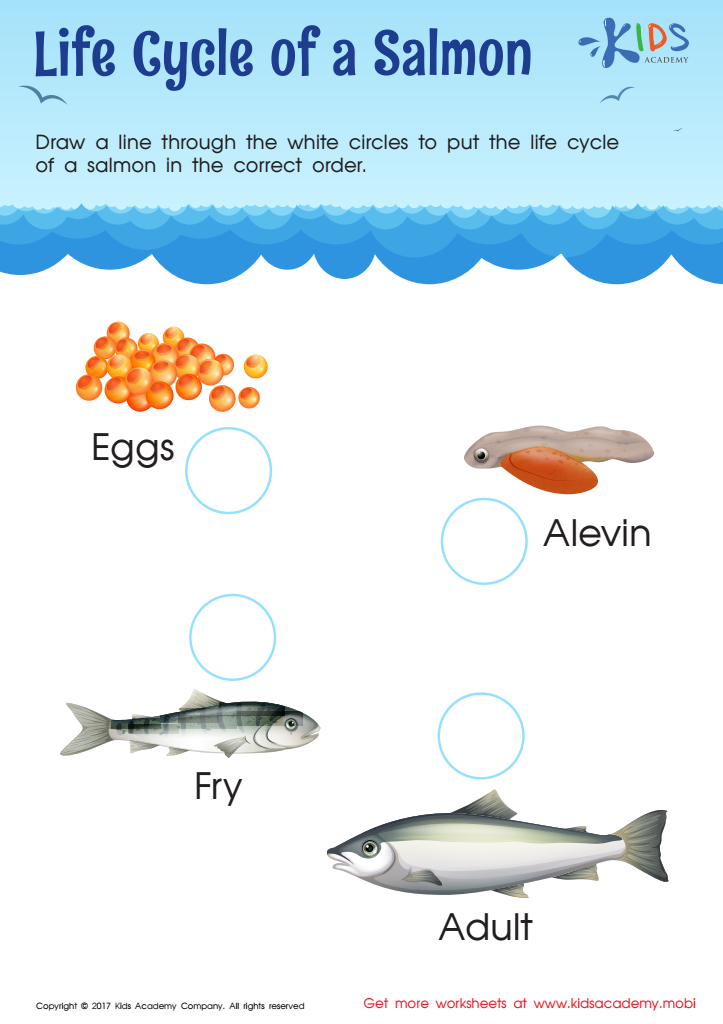
Cycle Of Salmon Worksheet
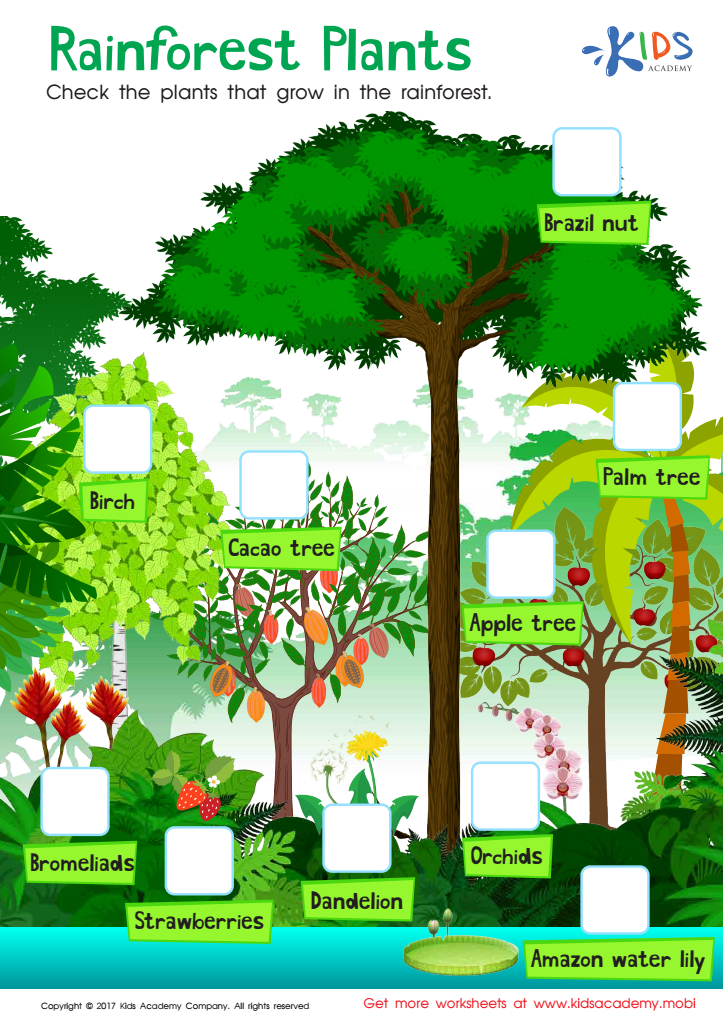
Rainforest Plants Worksheet
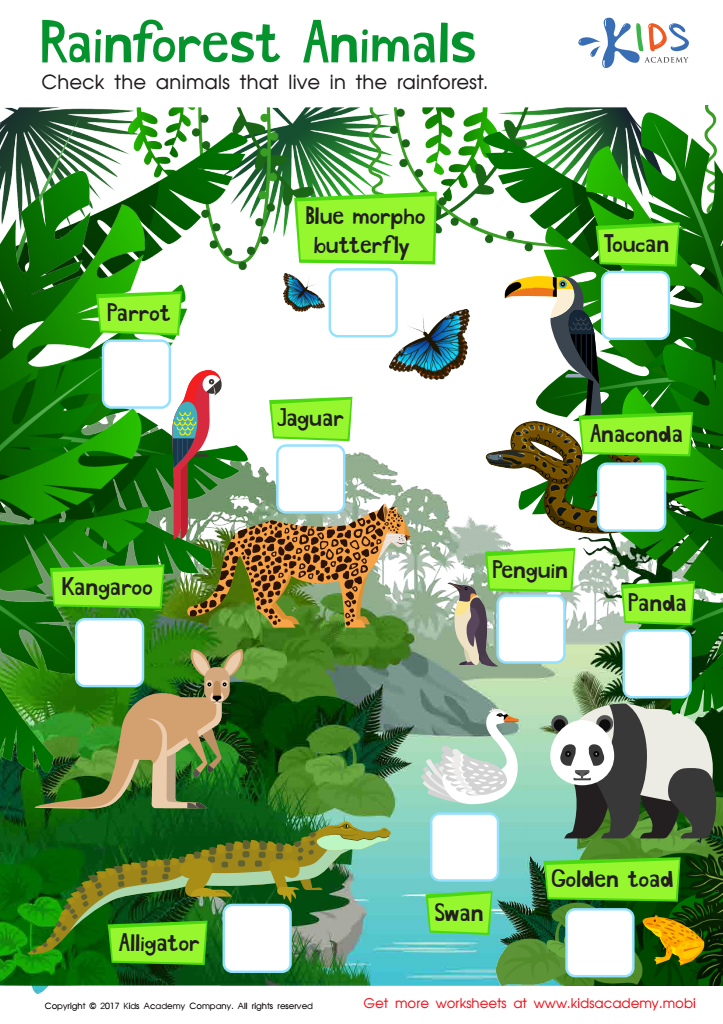
Rainforest Animals Worksheet
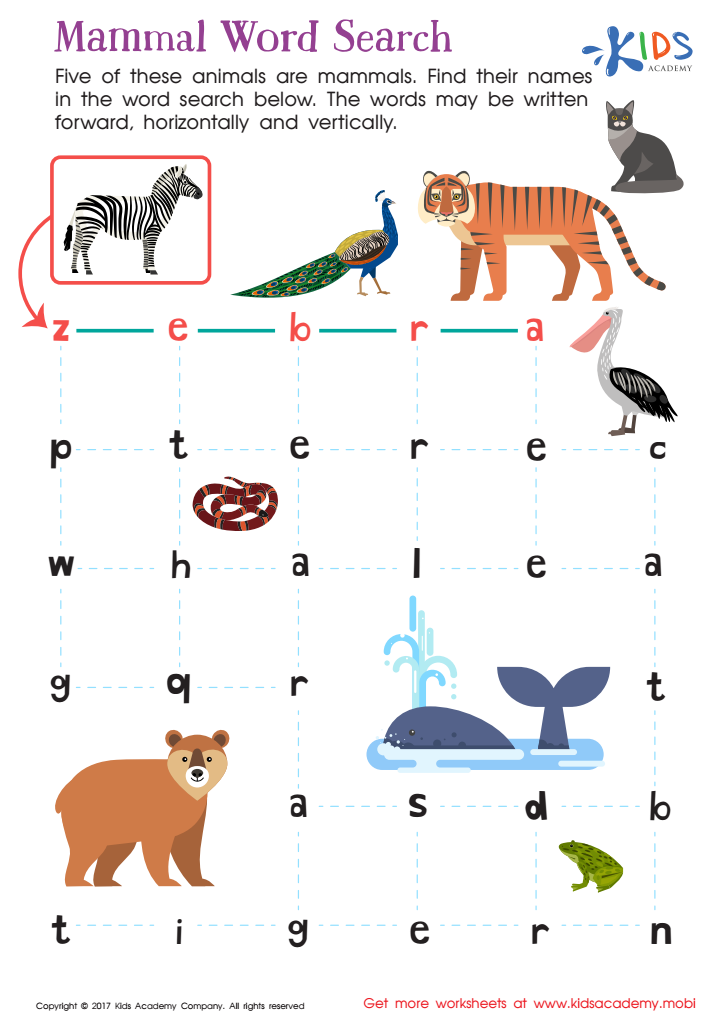
Printable Mammal Word Search
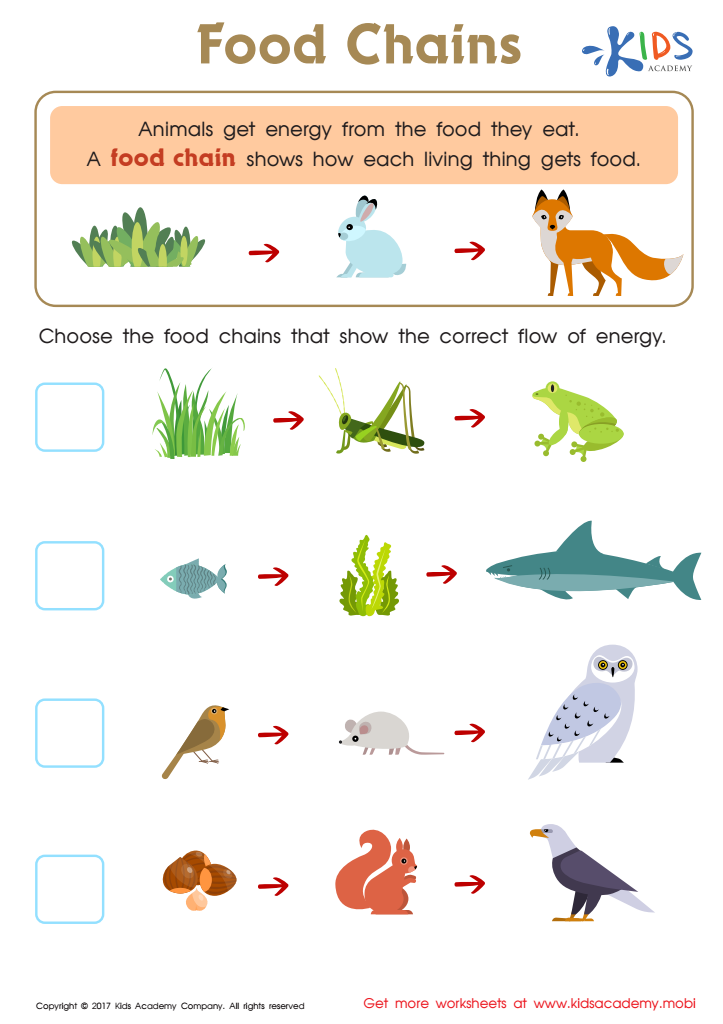
Food Webs and Food Chains Worksheet
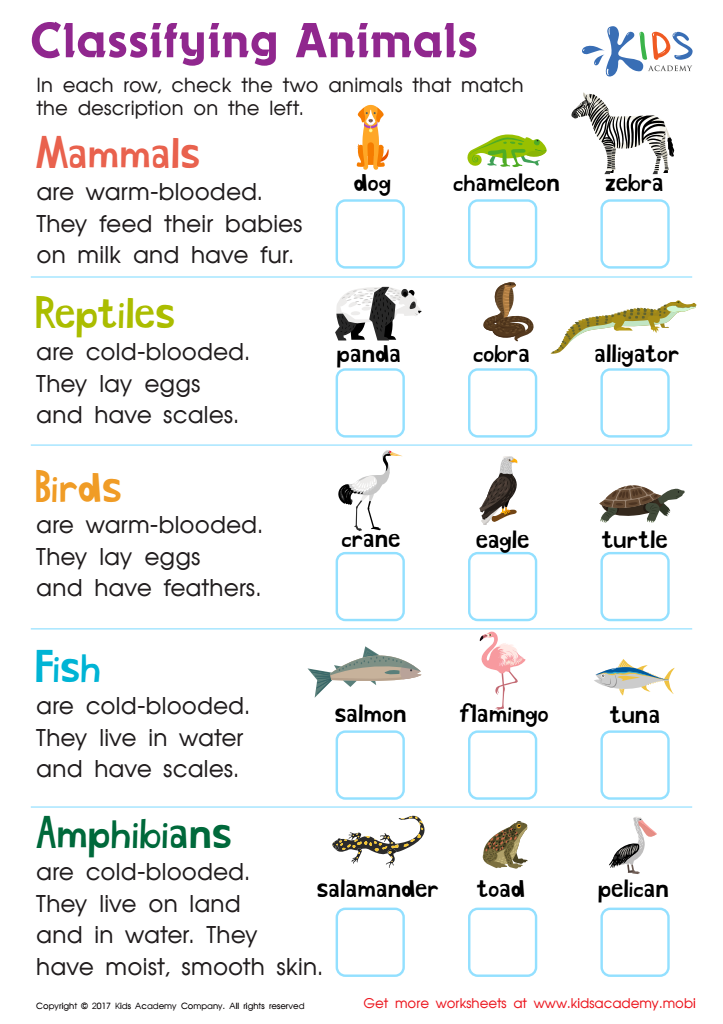
Classifying Animals Worksheet
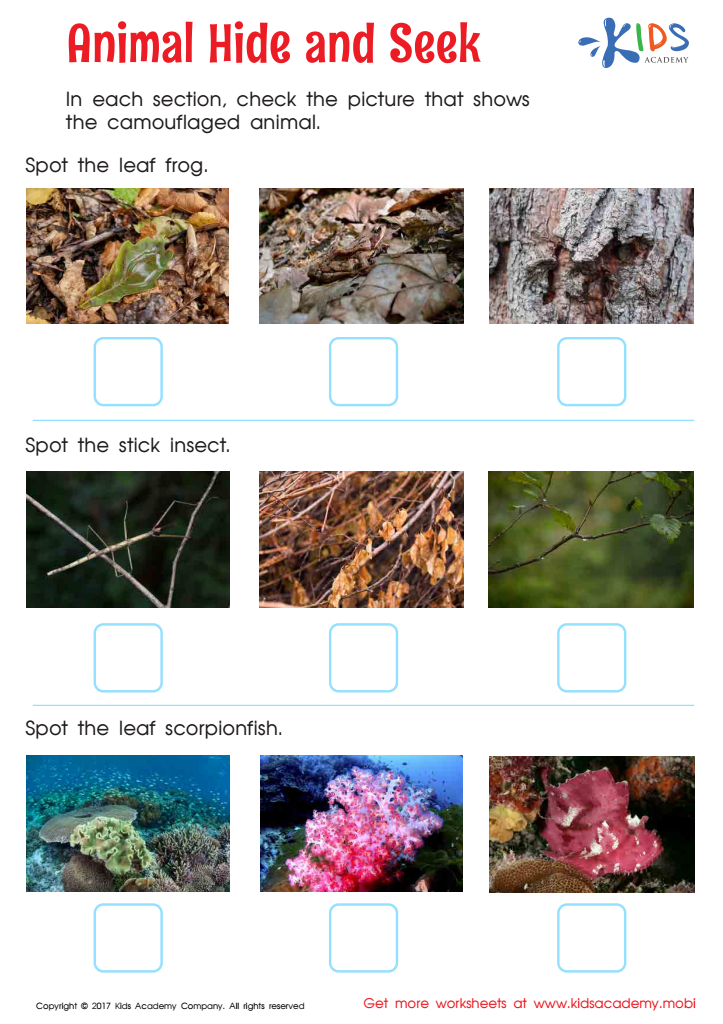
Animal Hide and Seek Worksheet
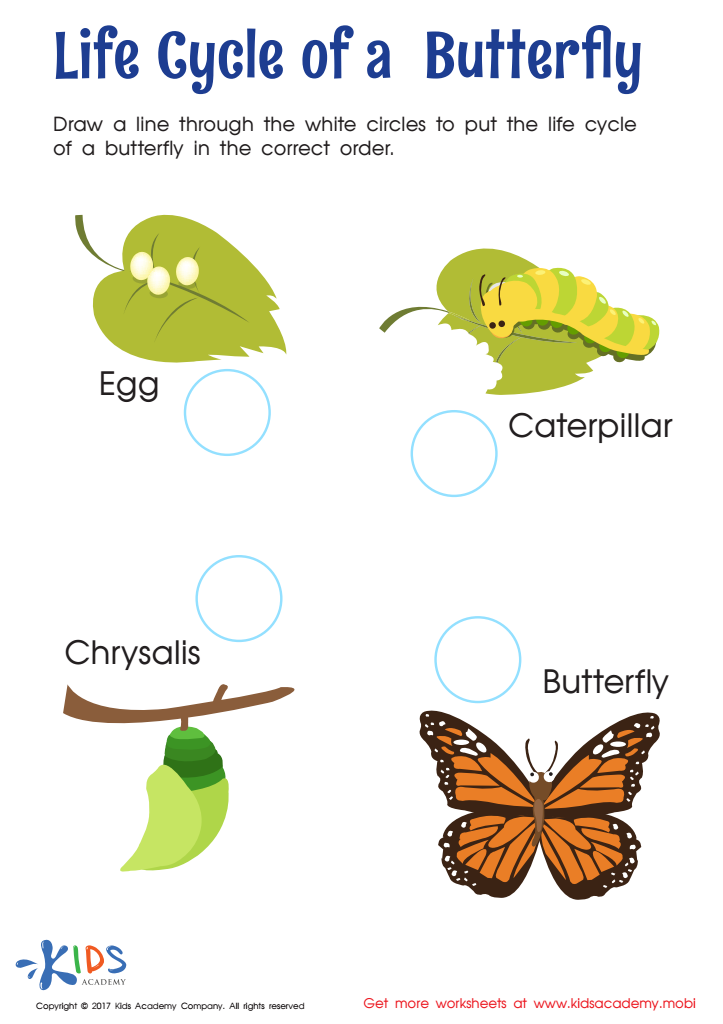
Life Cycle of Butterfly Worksheet
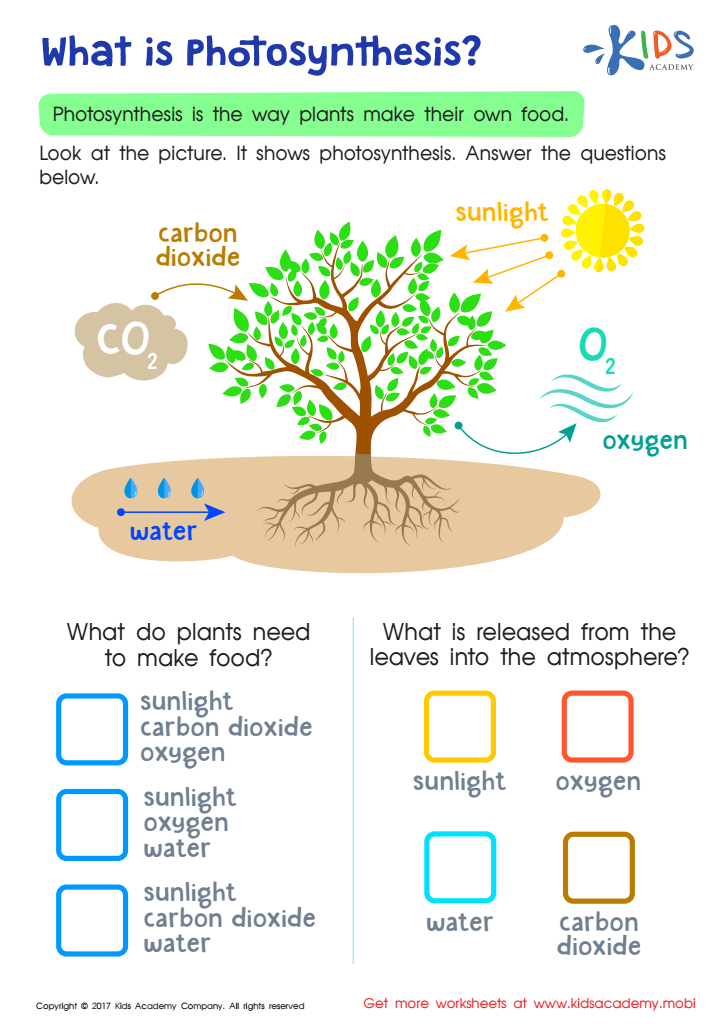
What is Photosynthesis Printable
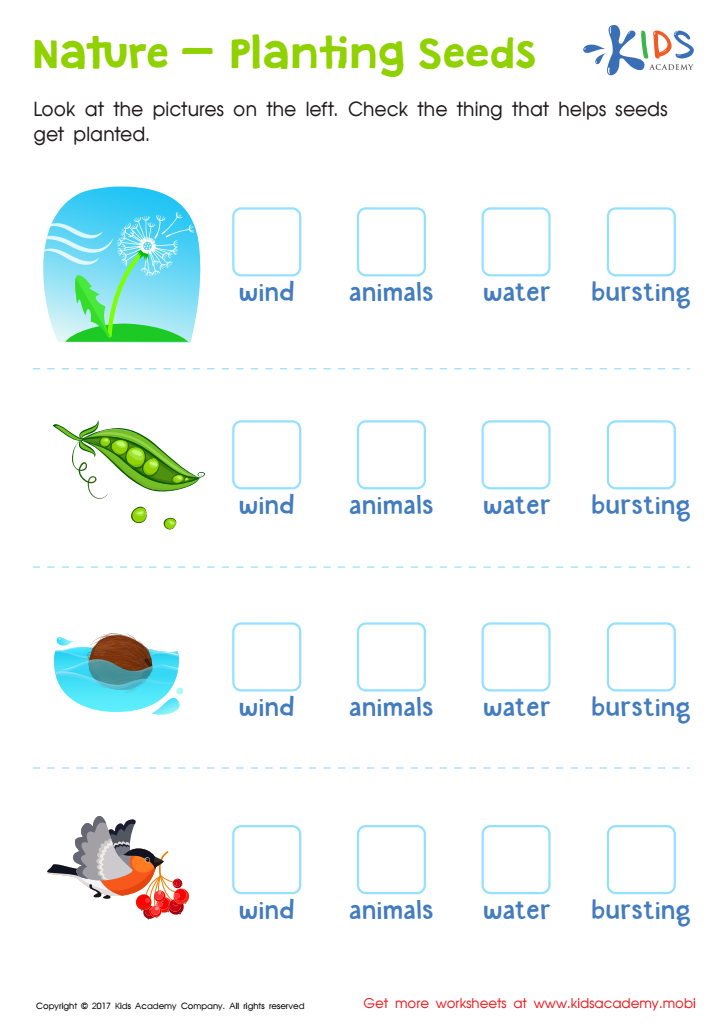
Nature Planting Seeds Worksheet
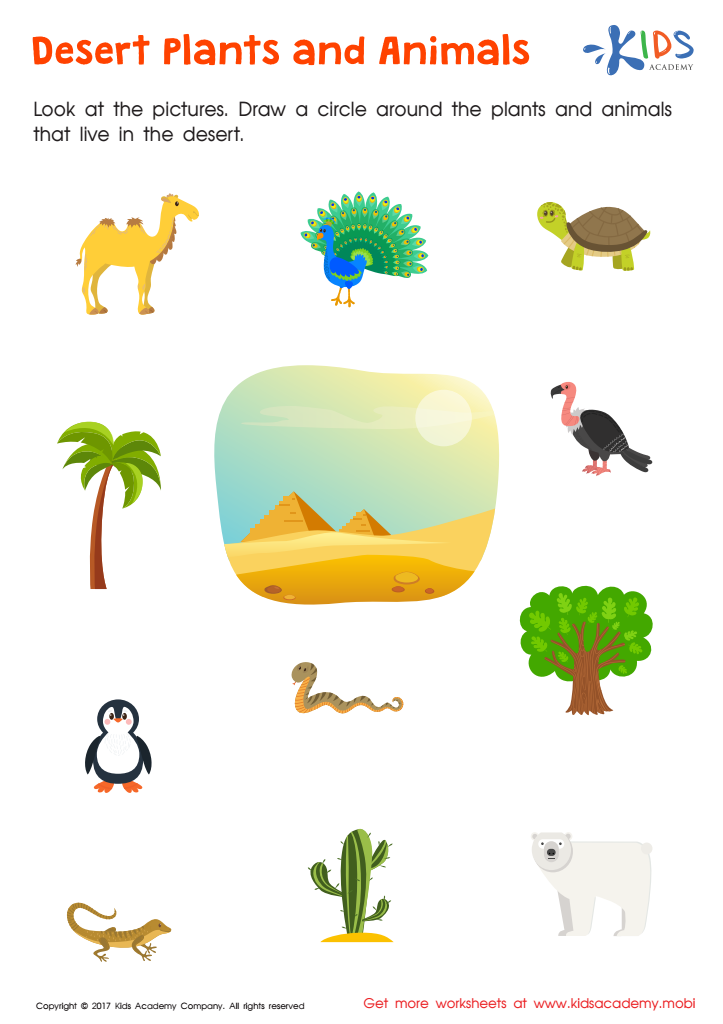
Desert Plants Animals Printable
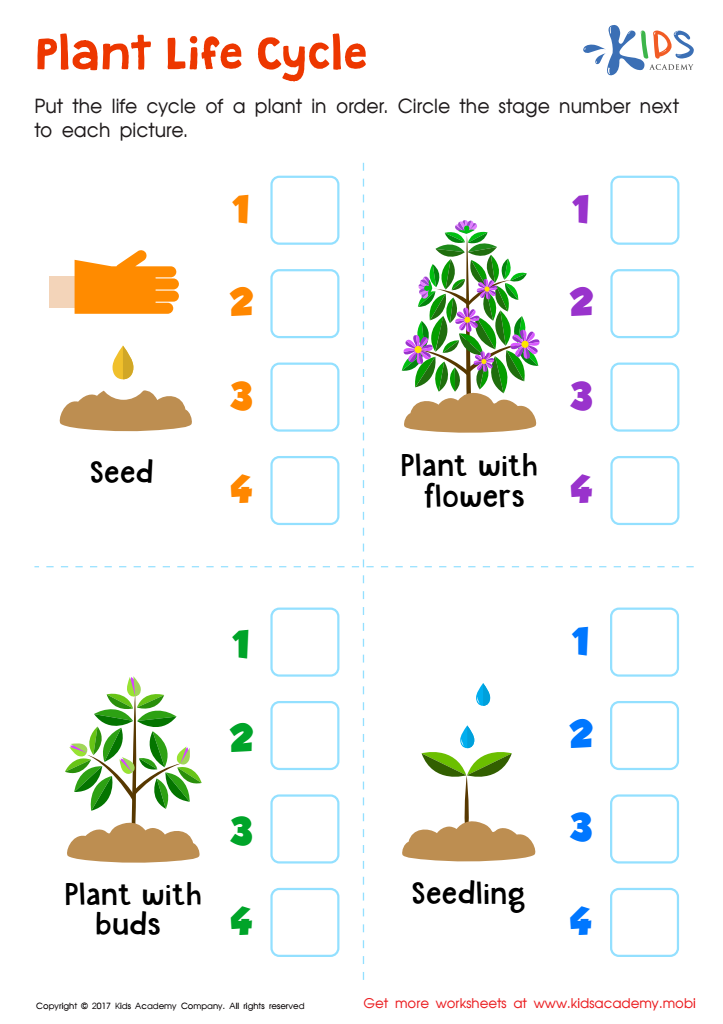
Plant Life Cycle Printable
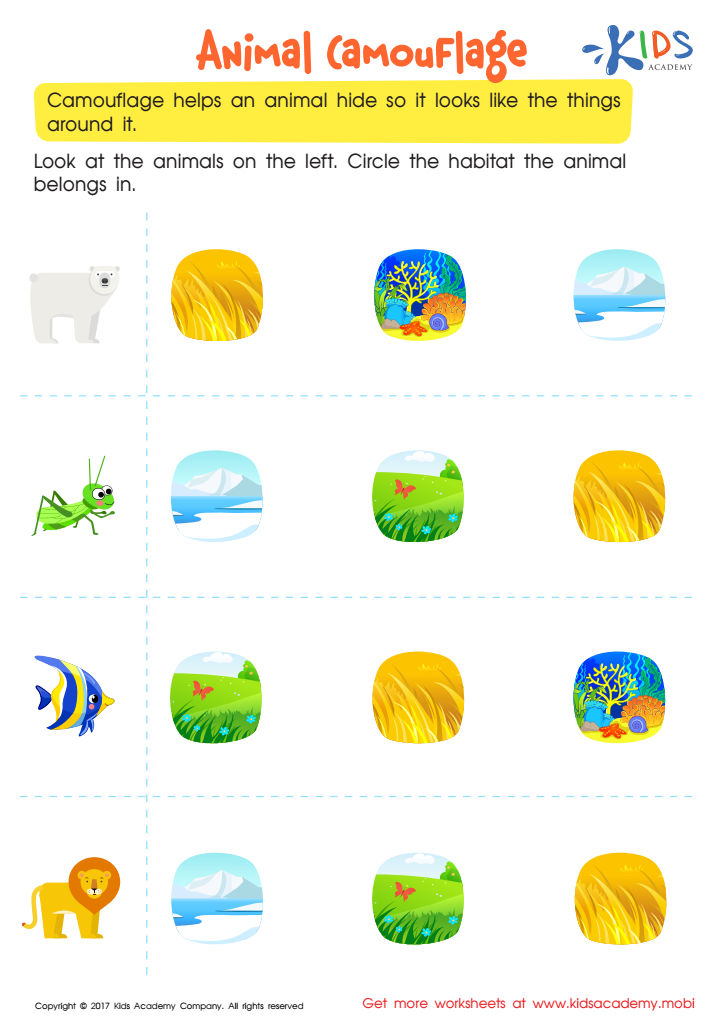
Animal Camouflage Worksheet
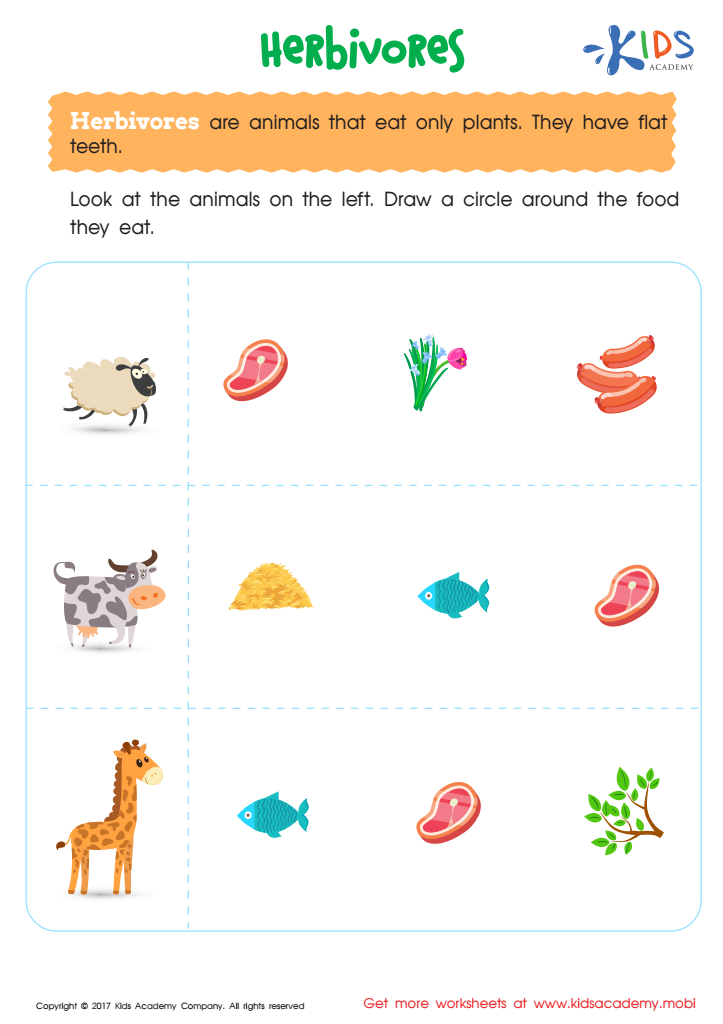
Herbivores Printable
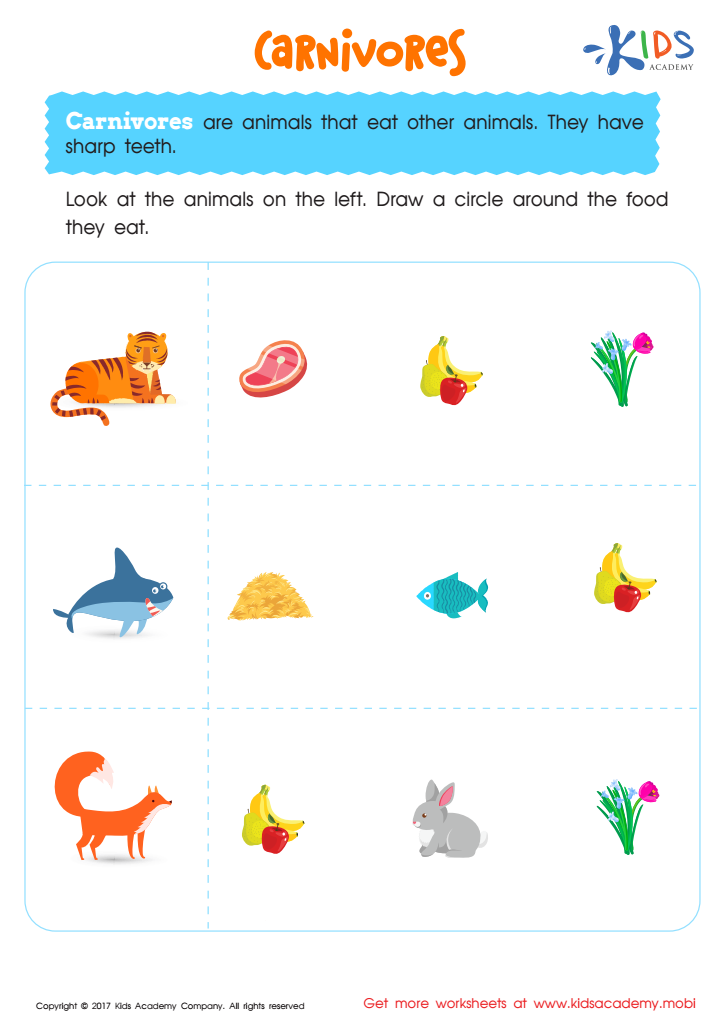
Carnivores Worksheet







Understanding Normal Life Science is essential for children aged 7-9 as it lays the foundation for their curiosity about the world around them. At this age, children are natural explorers, eager to understand the living things and ecosystems that make up their environment. Introducing them to basic concepts of life science cultivates a sense of wonder and encourages scientific inquiry.
Parents and teachers should care because life science education promotes critical thinking skills. When children learn about topics like ecosystems, habitats, and the life cycles of plants and animals, they develop analytical abilities and learn to ask questions, make observations, and understand cause-and-effect relationships. This foundational knowledge supports their overall academic growth.
Moreover, life science education cultivates environmental awareness and responsibility. Children become more attuned to the importance of conservation, biodiversity, and the impact of human activities on the planet. This empowerment encourages them to become informed, active participants in their communities.
Lastly, life science contributes to holistic development, blending science with creativity. Activities like observing nature, conducting simple experiments, and discussing living organisms foster cooperation, communication, and emotional intelligence. Thus, emphasizing life science during these formative years equips children with valuable skills that extend beyond the classroom.








