Emotional identification Preschool Worksheets
3 filtered results
-
From - To
Explore our engaging Emotional Identification Preschool Worksheets, designed to help young children recognize and express their feelings effectively. These printable resources feature colorful illustrations and fun activities that teach kids how to identify various emotions, fostering emotional intelligence from an early age. Through sorting, matching, and coloring exercises, preschoolers will not only enhance their emotional vocabulary but also develop empathy and social skills. Perfect for enhancing classroom learning or at-home activities, our worksheets encourage open dialogue about feelings, promoting a supportive environment for emotional growth. Empower your preschooler with the tools they need to navigate their emotions confidently!
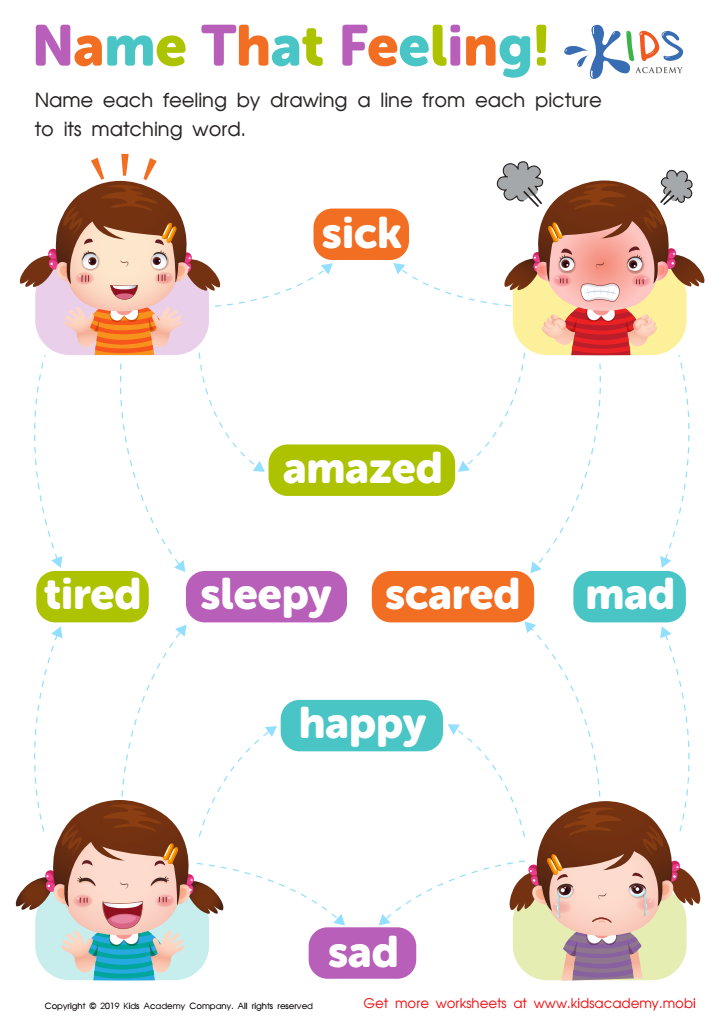
Name that Feeling Worksheet
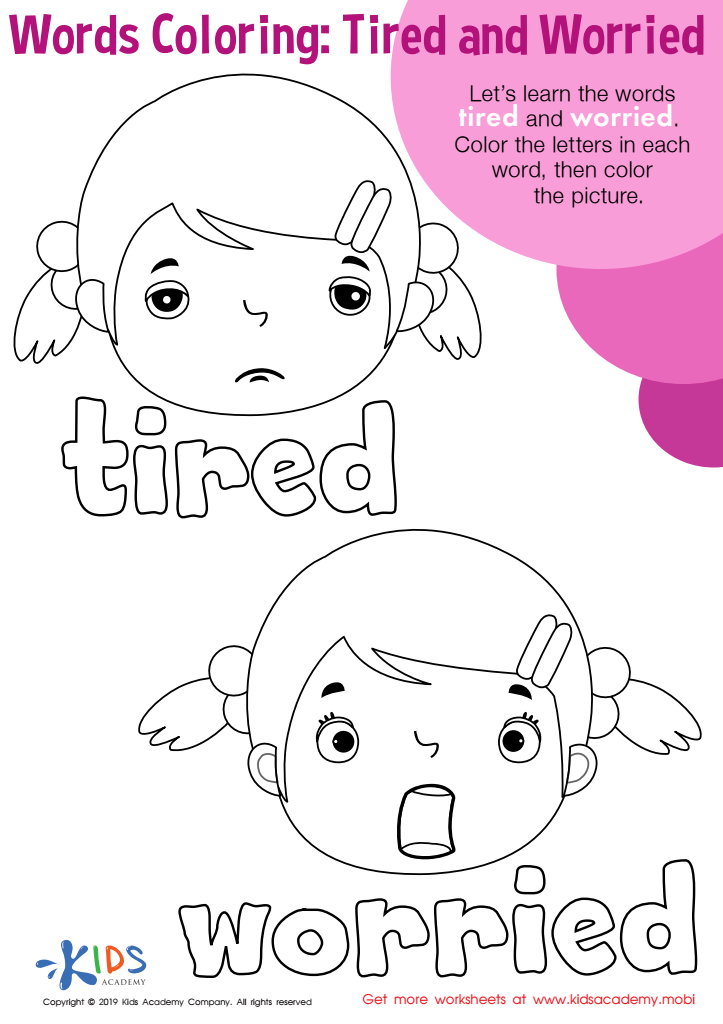
Tired and Worried Words Coloring Worksheet
 Assign to My Students
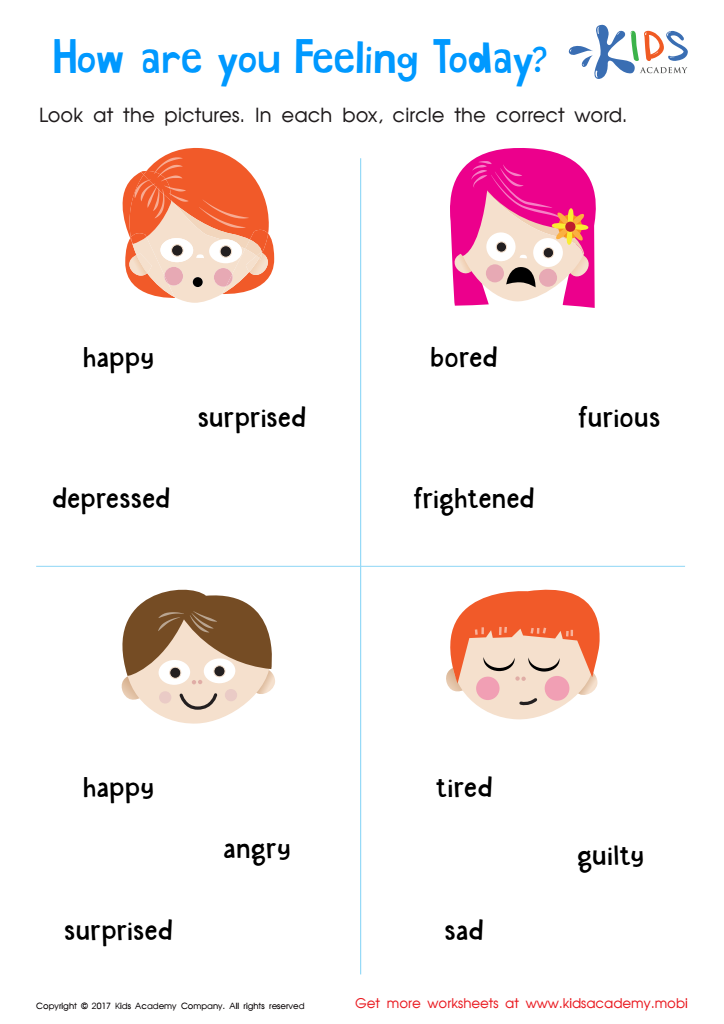
Understanding Feelings Worksheet






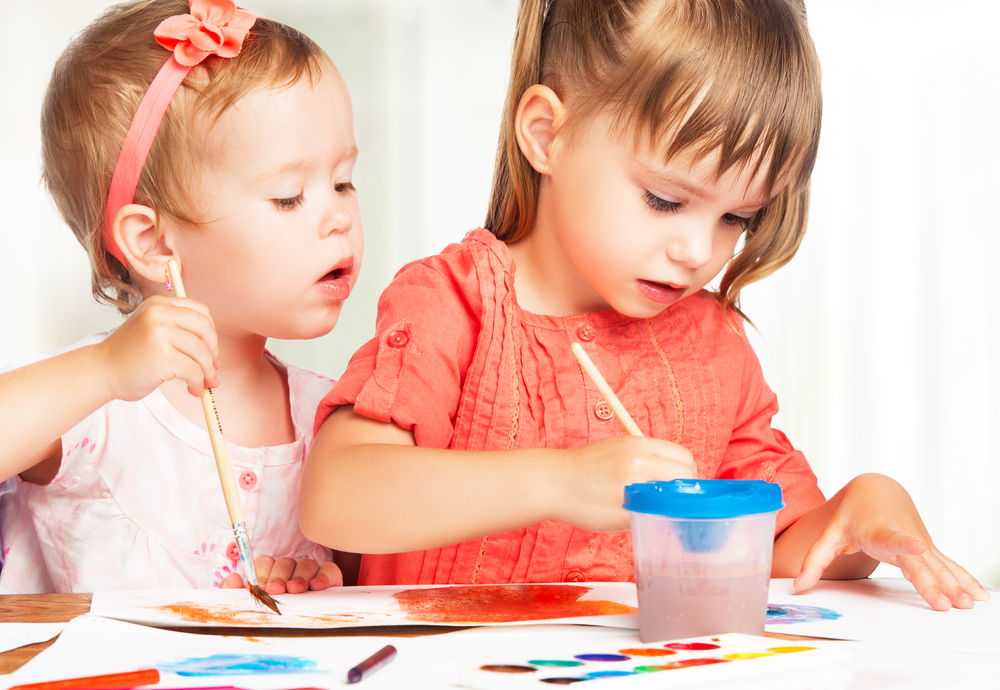

Emotional identification in preschool is crucial for the social and emotional development of young children. At this transformative age, children begin to explore their feelings and those of others, laying the foundation for healthy relationships and effective communication. Parents and teachers should care about fostering emotional identification because it enhances self-awareness and emotional regulation. When children learn to identify their emotions, they become better equipped to express how they feel, which aids in managing challenges and conflicts appropriately.
Furthermore, emotional identification promotes empathy. By understanding their own emotions—like joy, sadness, or frustration—children can better recognize similar feelings in their peers. This understanding helps create a more supportive and nurturing environment both at home and in the classroom.
Encouraging emotional literacy also improves cognitive development. Children who are emotionally aware are more engaged learners; they can focus better and are less likely to act out when challenges arise. Overall, promoting emotional identification sets the stage for lifelong social skills, resilience, and mental well-being, ultimately leading to more harmonious interactions across various facets of life. Engaging in these practices in early education enables parents and teachers to cultivate emotionally intelligent individuals capable of thriving in society.