Fine motor skills (drawing) Preschool Worksheets
4 filtered results
-
From - To
Explore our engaging collection of Preschool Worksheets focused on fine motor skills through drawing! Designed to enhance your child's dexterity and coordination, these worksheets feature fun and age-appropriate activities like tracing, coloring, and simple shaping exercises. As children practice their drawing skills, they not only develop essential motor skills but also boost creativity and concentration. Ideal for young learners, our worksheets seamlessly integrate learning with play, making it easy for parents and educators to support skill development at home or in the classroom. Download our Fine Motor Skills Drawing worksheets today and watch your little ones flourish!
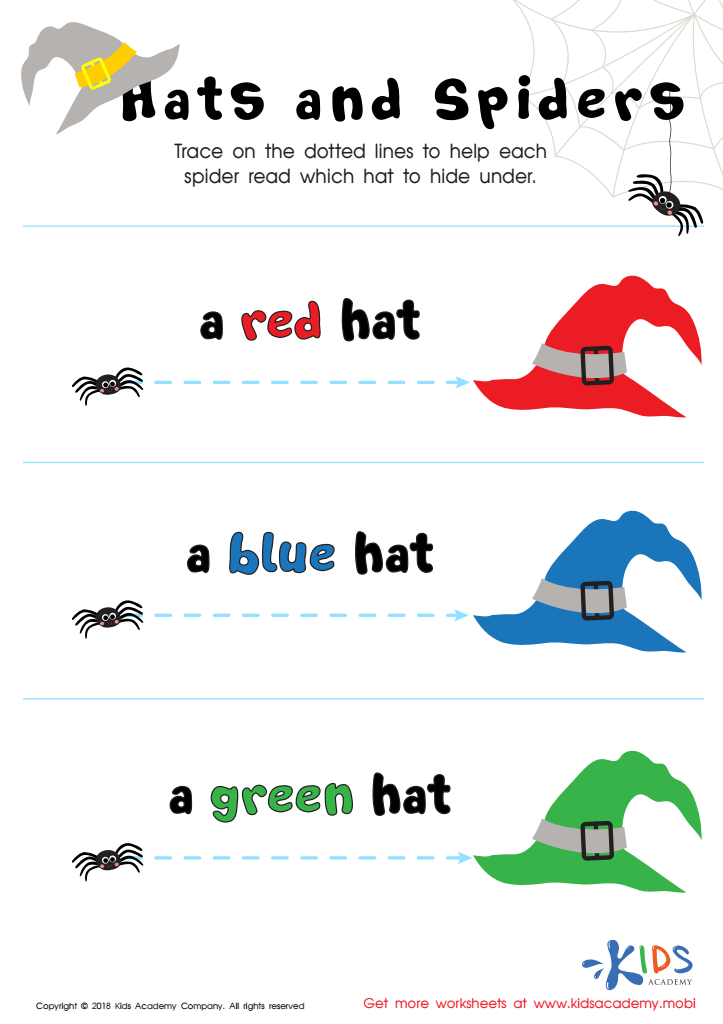
Read from Left to Right: Hats and Spiders Worksheet
 Assign to My Students
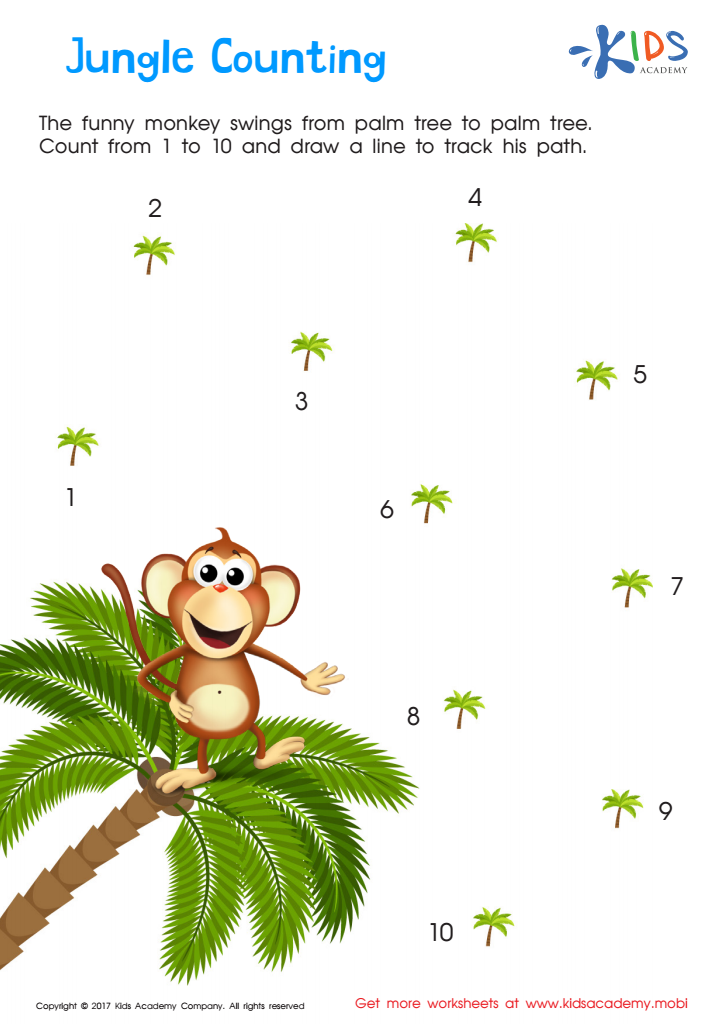
Jungle Counting Connect Dots Worksheet
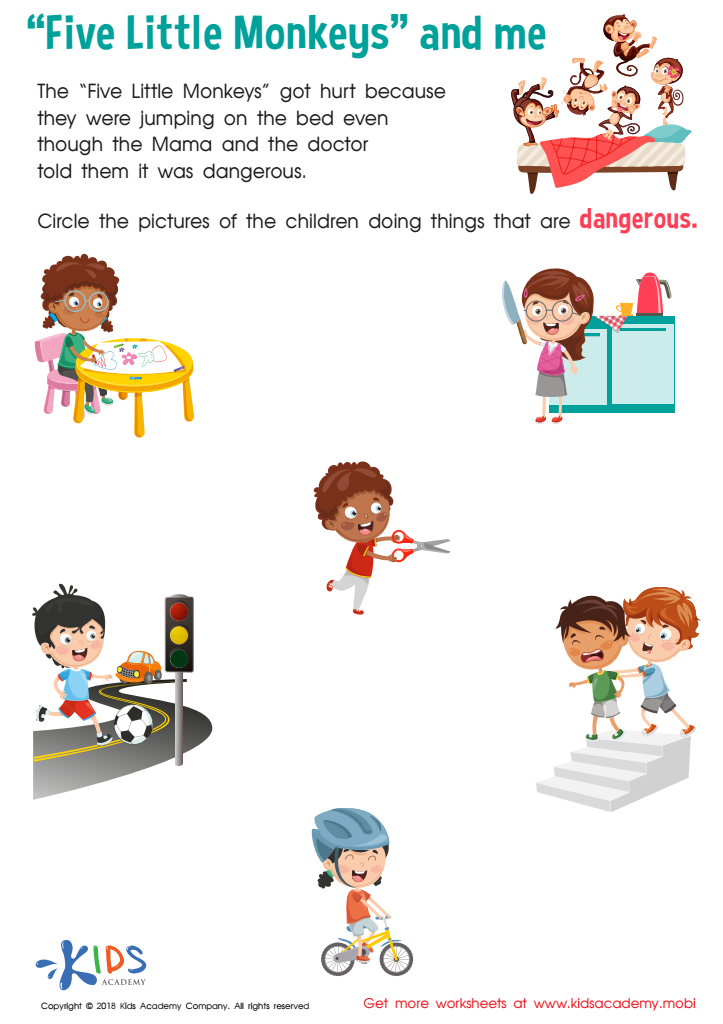
Five Little Monkeys and Me Worksheet








Fine motor skills are crucial in preschool development, and both parents and teachers should prioritize activities that nurture these abilities, especially through drawing. Firstly, fine motor skills involve the small muscles in the hands and fingers, enabling children to perform essential tasks such as writing, buttoning clothing, and using utensils. Engaging in drawing significantly enhances hand-eye coordination, grip strength, and dexterity, laying a strong foundation for future academic success.
Moreover, drawing fosters creativity and self-expression, allowing children to communicate ideas and emotions visually. As they engage in this creative process, children develop critical thinking and problem-solving skills, which are essential for their cognitive growth. Additionally, drawing provides opportunities for social interaction as children share their artwork and explain their concepts, promoting language development and social skills.
From a developmental perspective, bridging fine motor skill development at an early stage can help reduce future learning difficulties. For children struggling with these skills, targeted drawing exercises can offer invaluable support. Therefore, by prioritizing the cultivation of fine motor skills through drawing, parents and teachers play a fundamental role in shaping children’s overall development, readiness for school, and lifelong learning abilities.