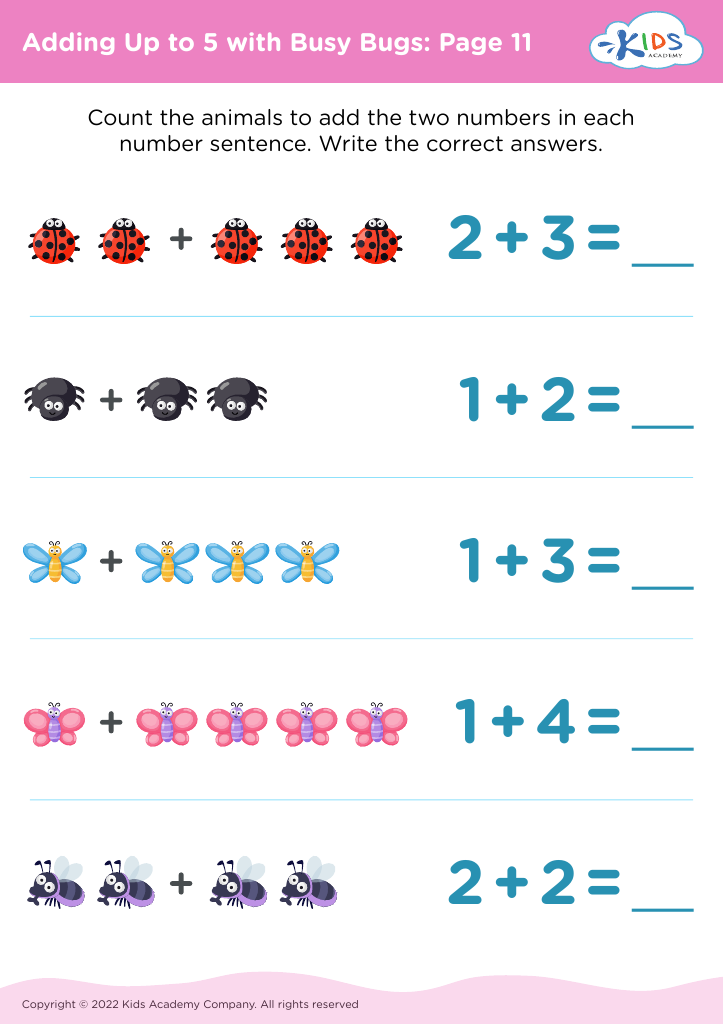
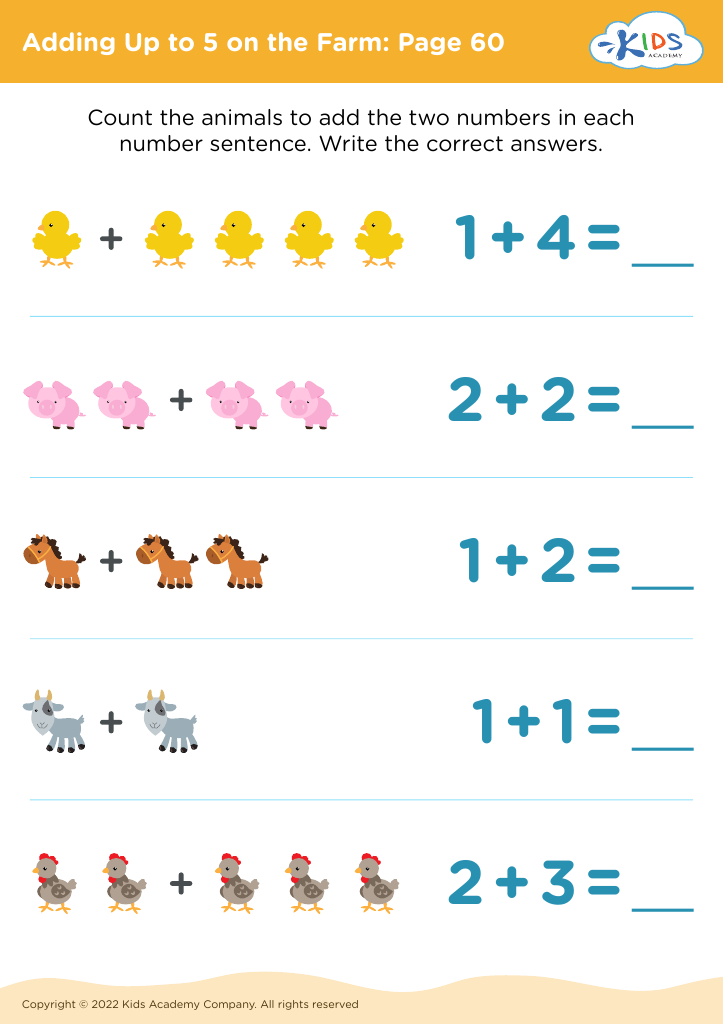
Basic Addition Skills Preschool Addition Worksheets - Page 11
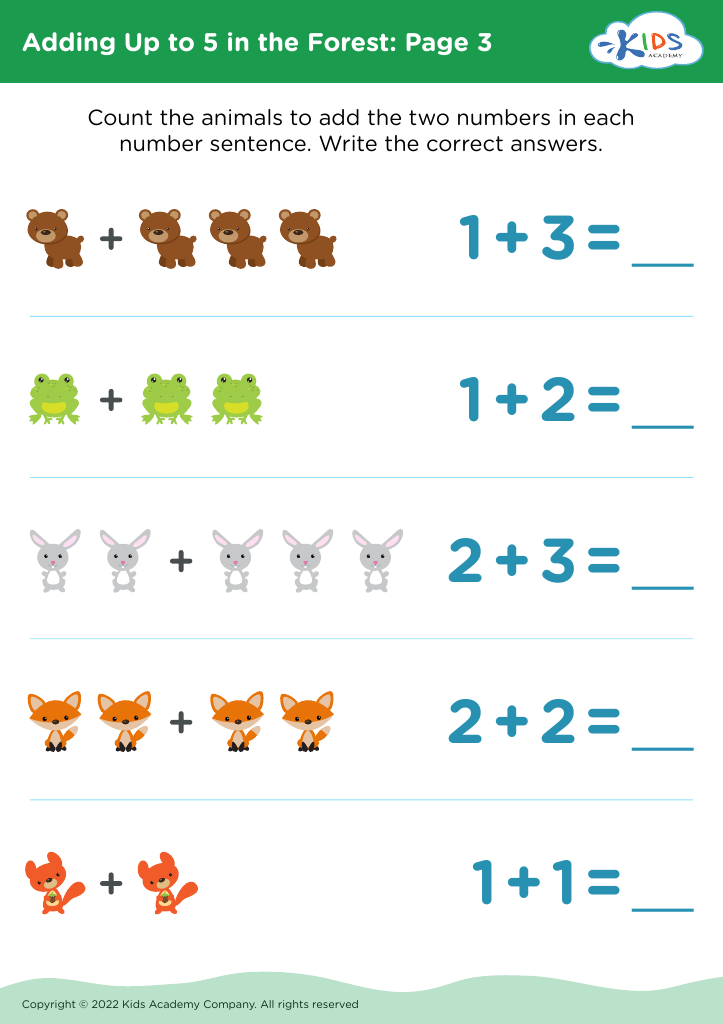
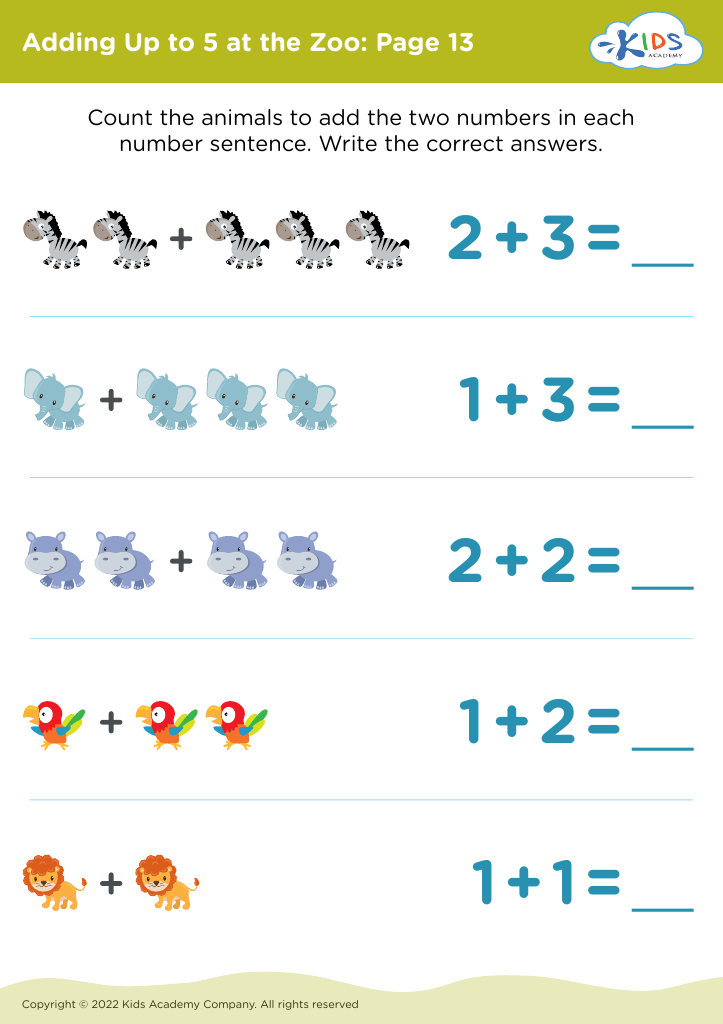
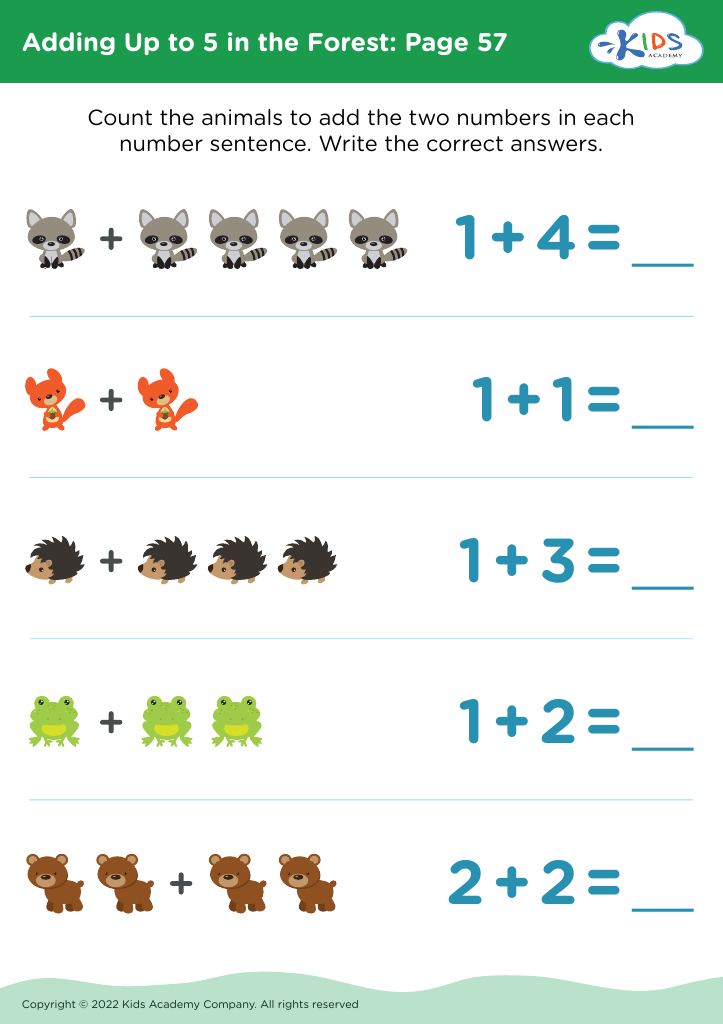
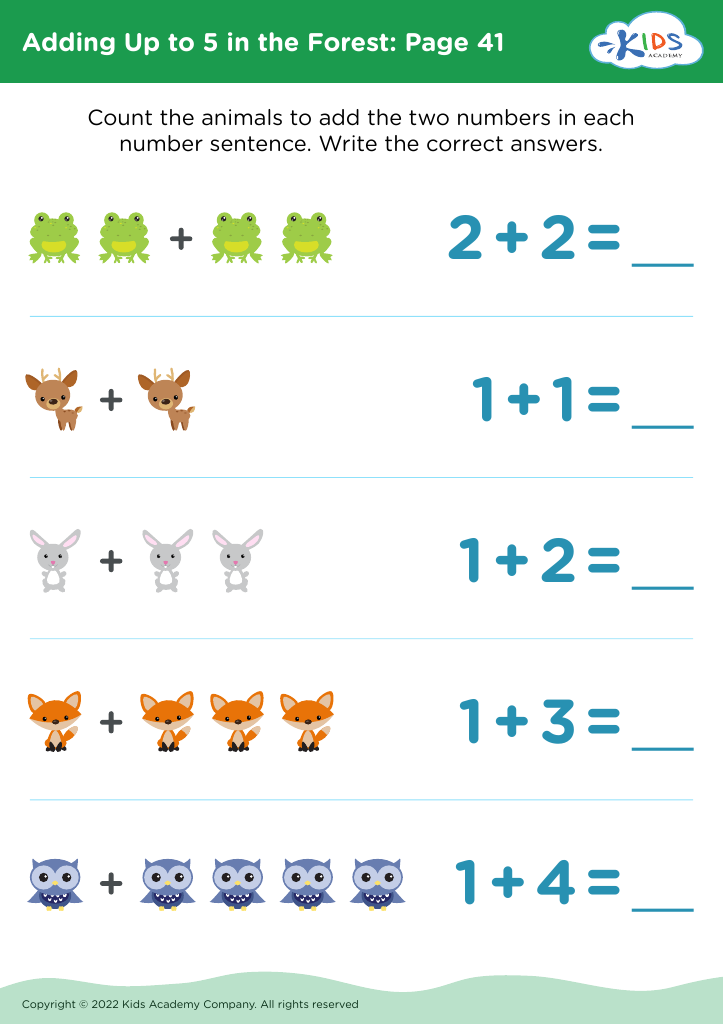
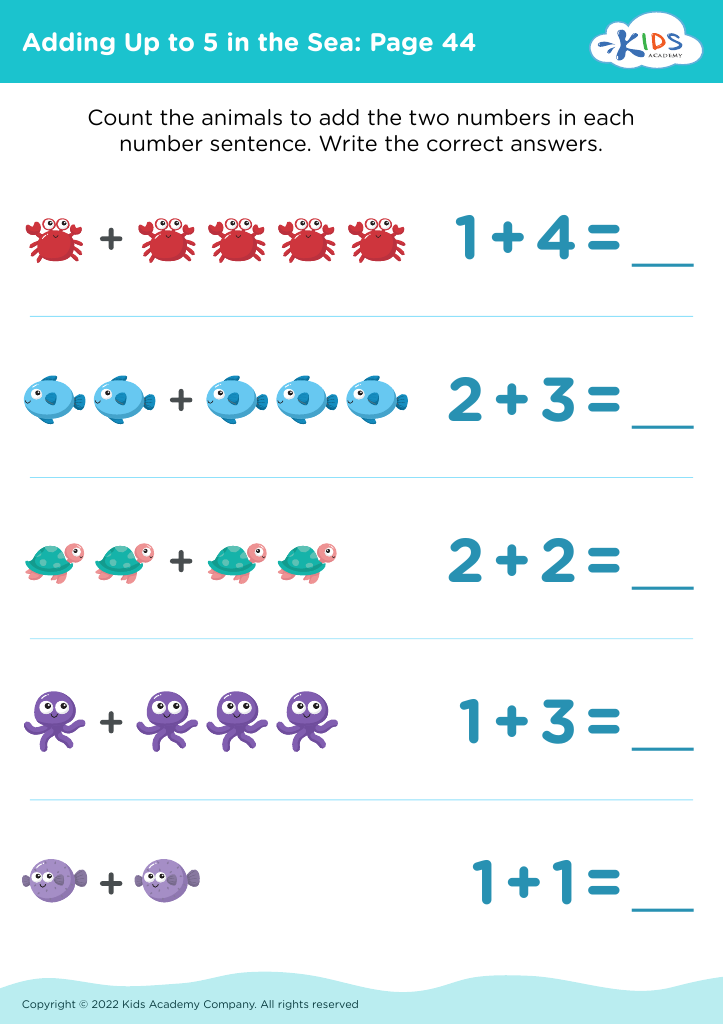







Basic addition skills are foundational for early childhood development and learning, making it crucial for parents and teachers to prioritize this area. Understanding addition not only helps children grasp essential math concepts but also fosters critical thinking and problem-solving abilities that extend beyond mathematics.
When preschoolers master basic addition, they build confidence in their numerical aptitude, enabling them to tackle more complex mathematical operations as they progress in school. Moreover, early exposure to addition provides a sense of achievement and an essential understanding of how numbers relate to everyday situations, such as counting objects and sharing equally among friends.
Additionally, basic addition skills lay the groundwork for later learning in subjects such as science and comprehending real-world phenomena. Collaborative learning opportunities in preschool, where teachers guide children through playful activities that involve addition, nurture social skills and cooperation among peers.
Ultimately, investing time and resources in helping children develop basic addition skills fosters a solid academic foundation while promoting enthusiasm for learning. This early attention helps prepare children for future academic challenges and instills a lifelong appreciation for mathematics. Thus, engaging in meaningful addition practice is a vital responsibility for both parents and educators in shaping well-rounded learners.