Basic Arithmetic Preschool Addition Worksheets - Page 2
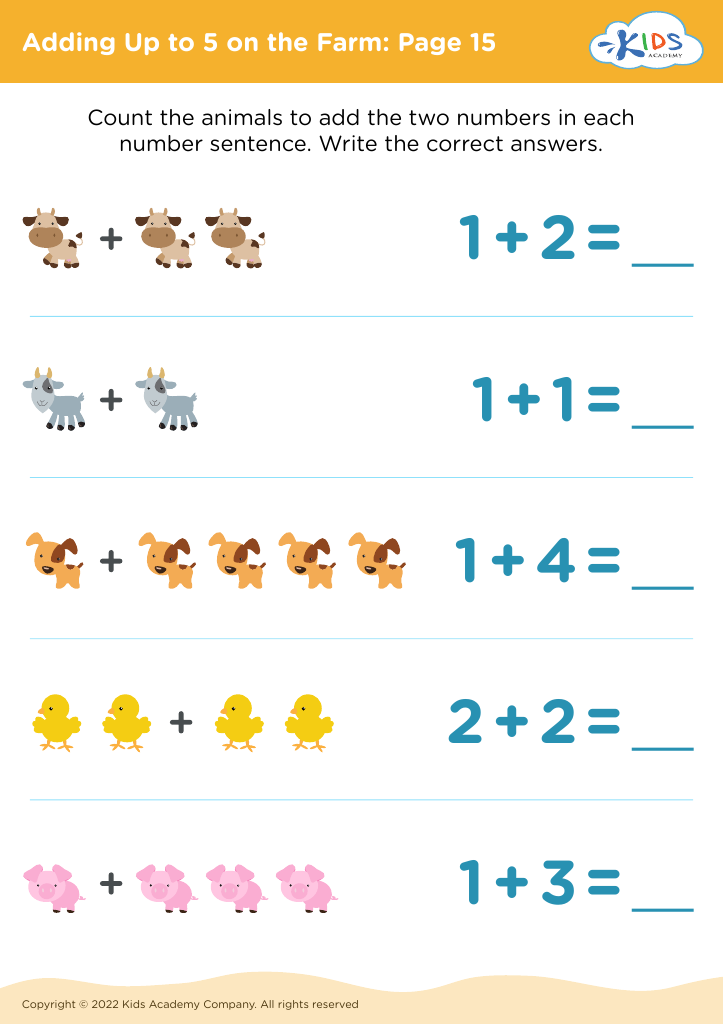
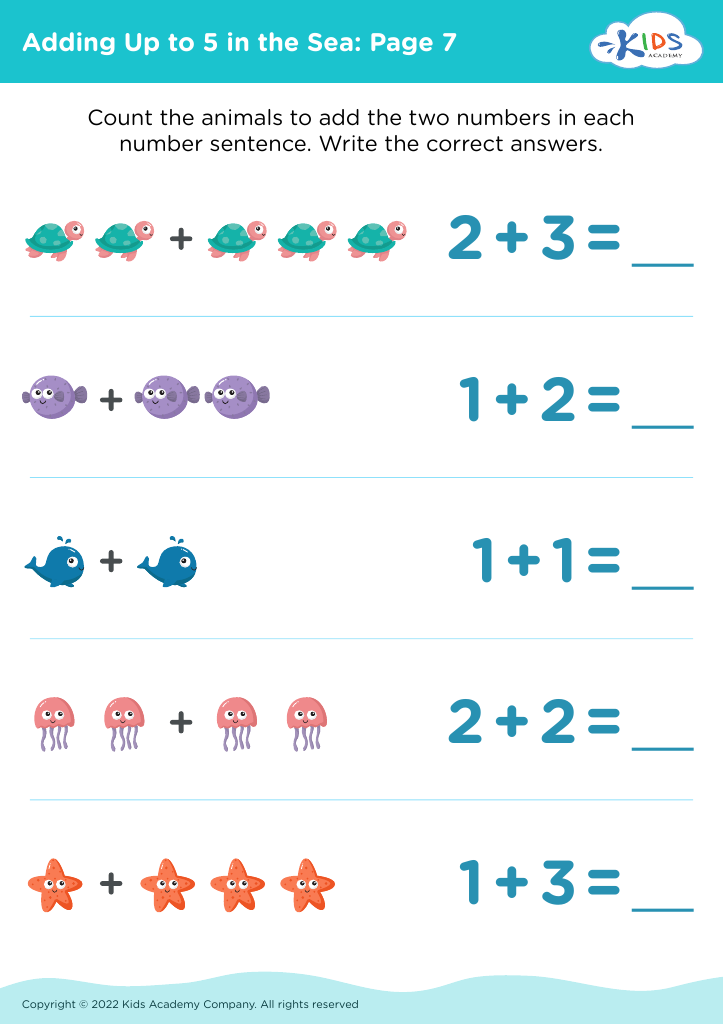
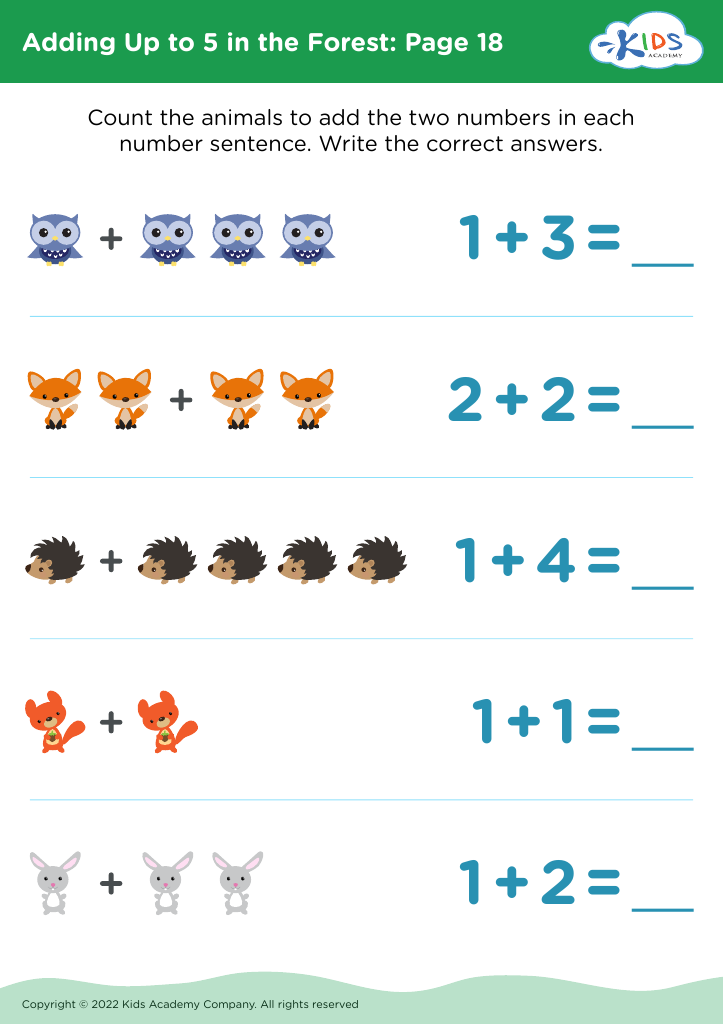
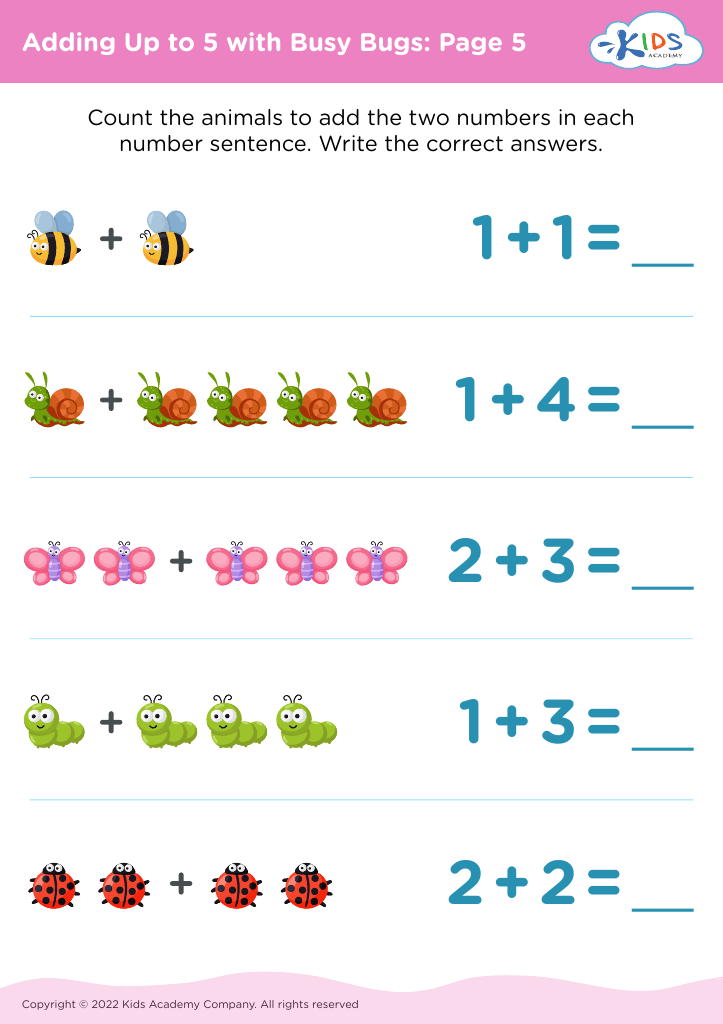
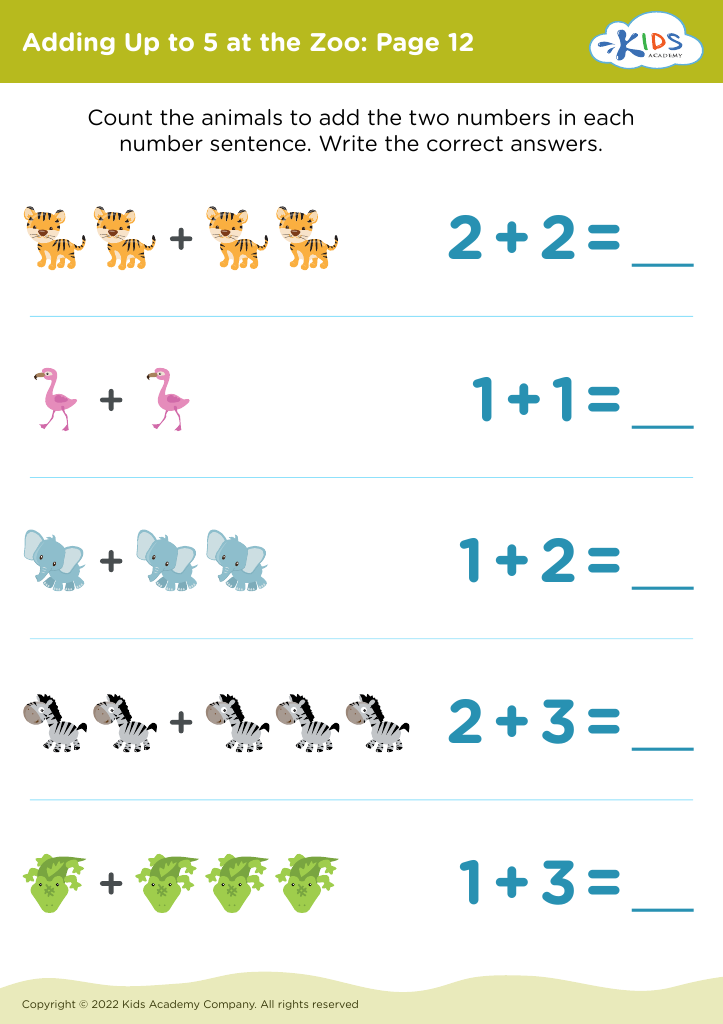
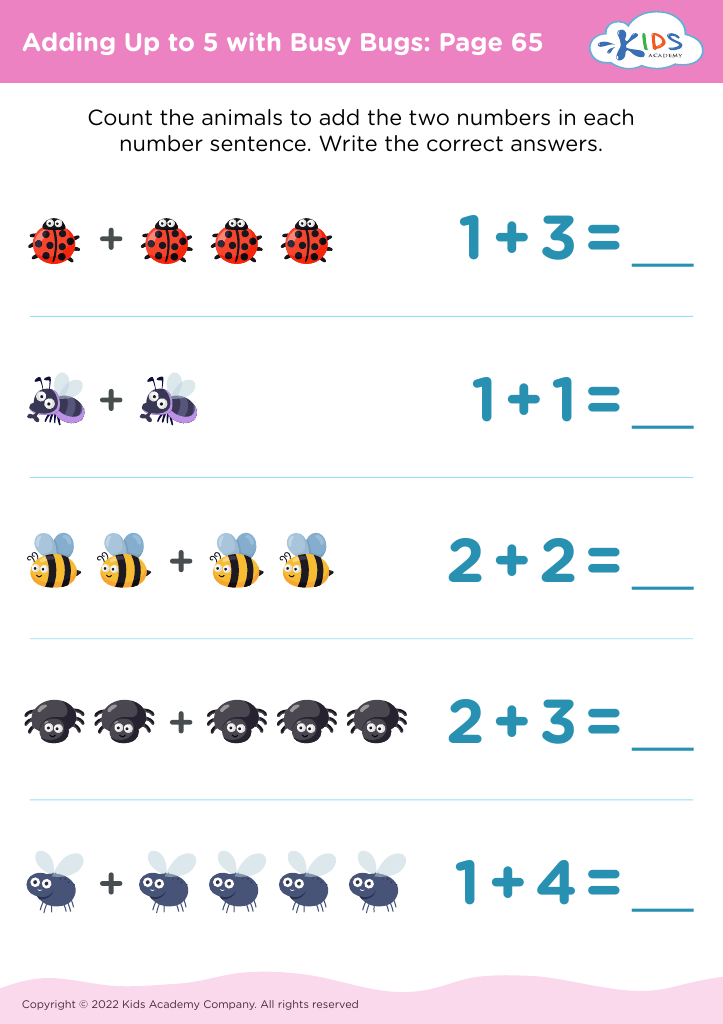
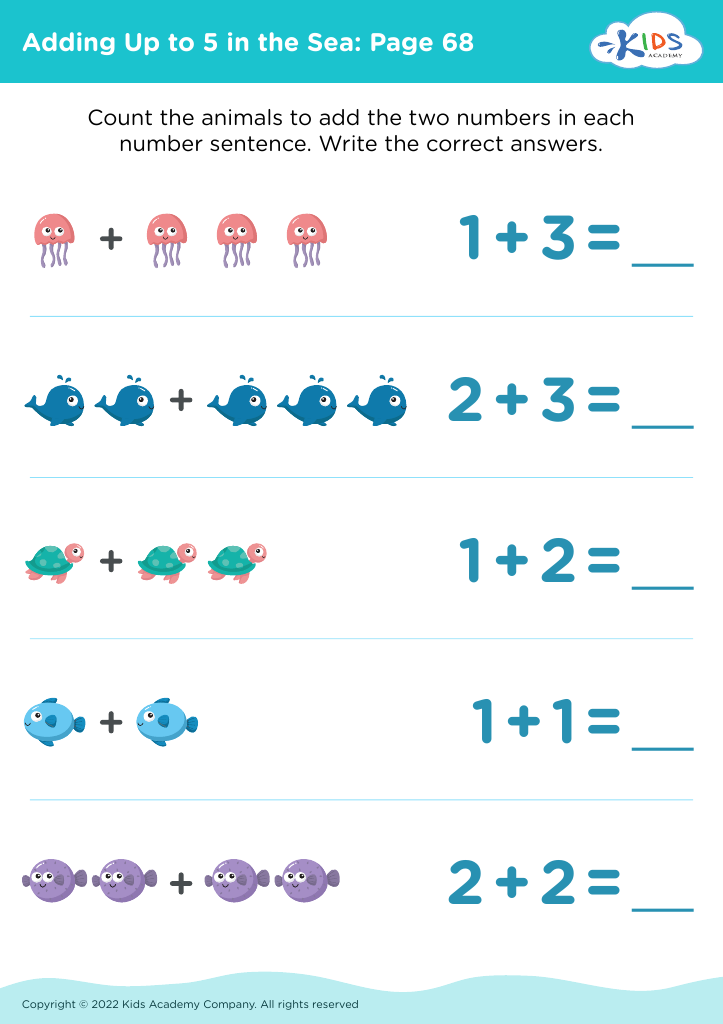
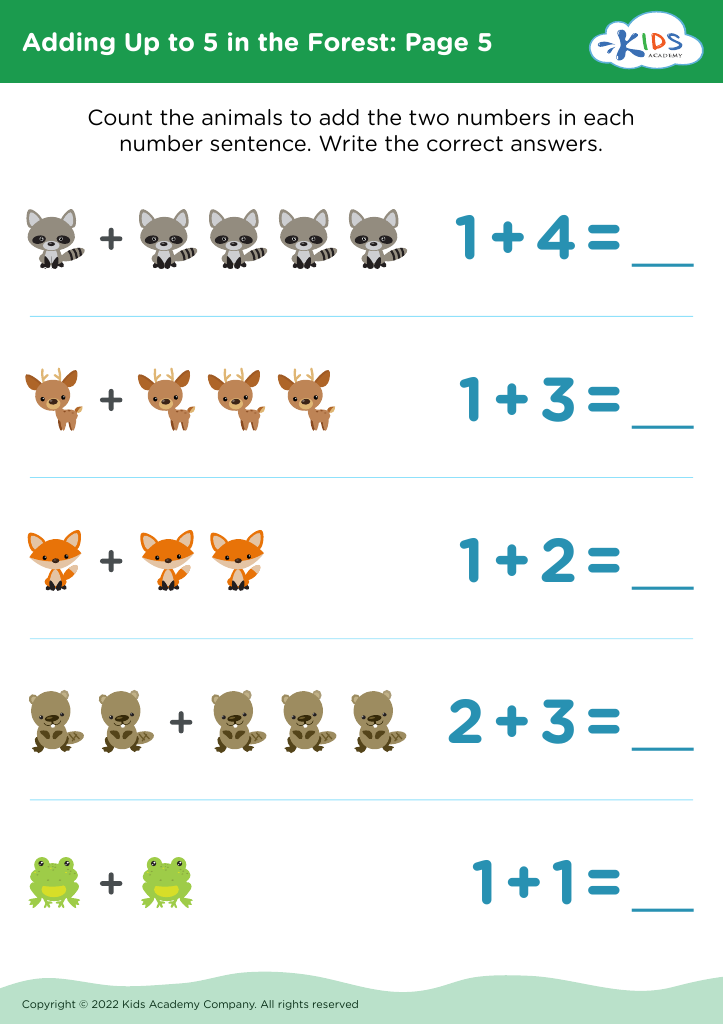
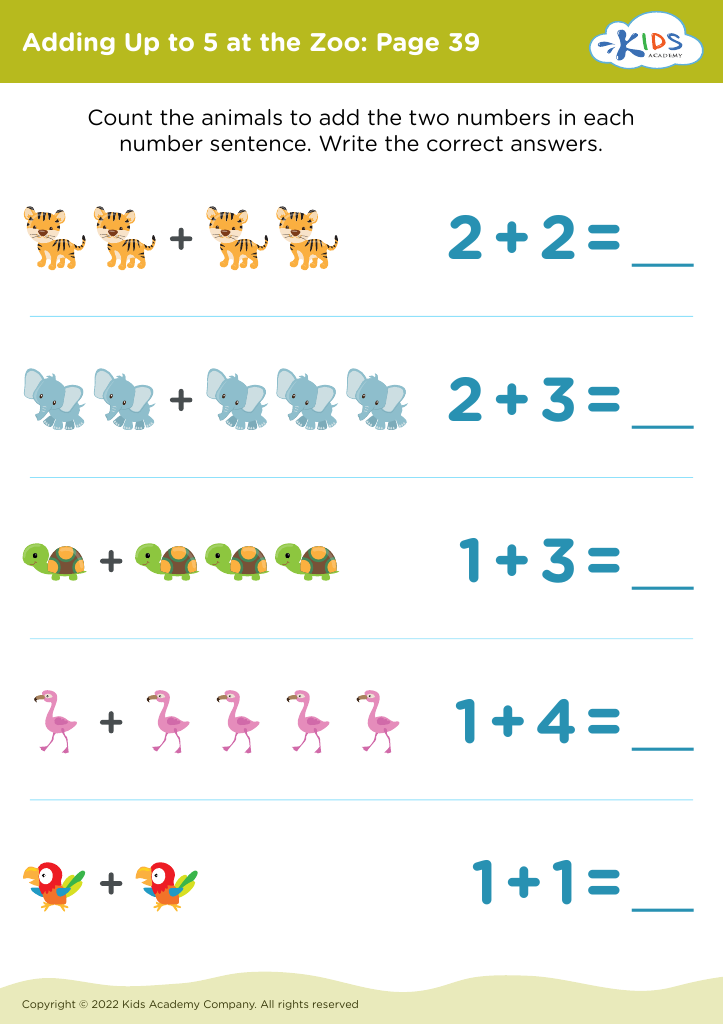
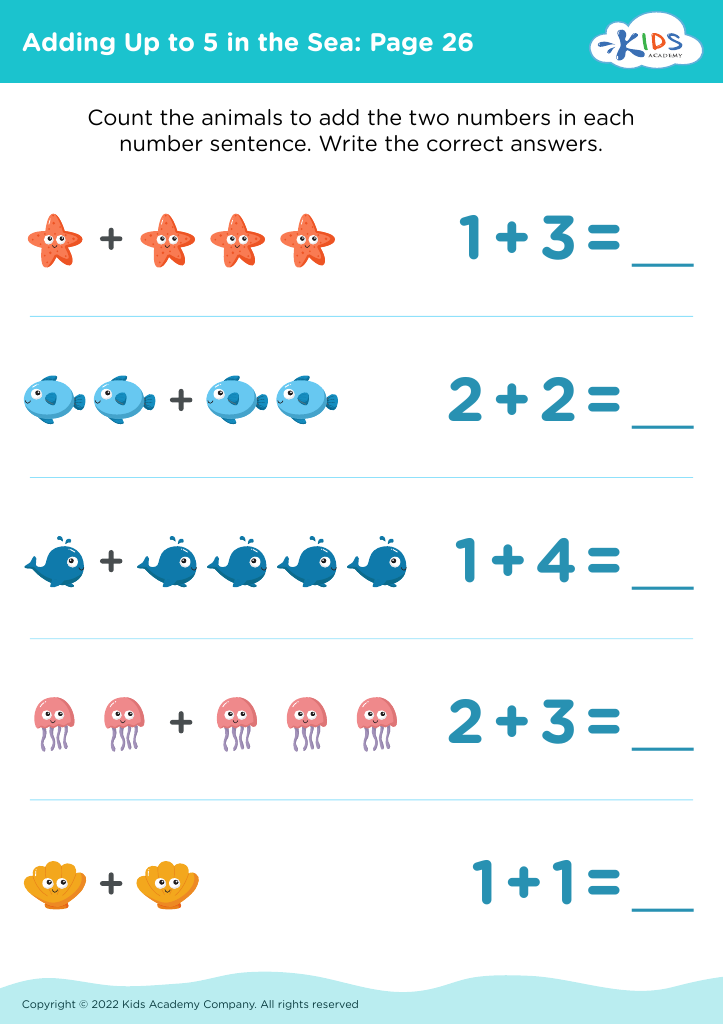
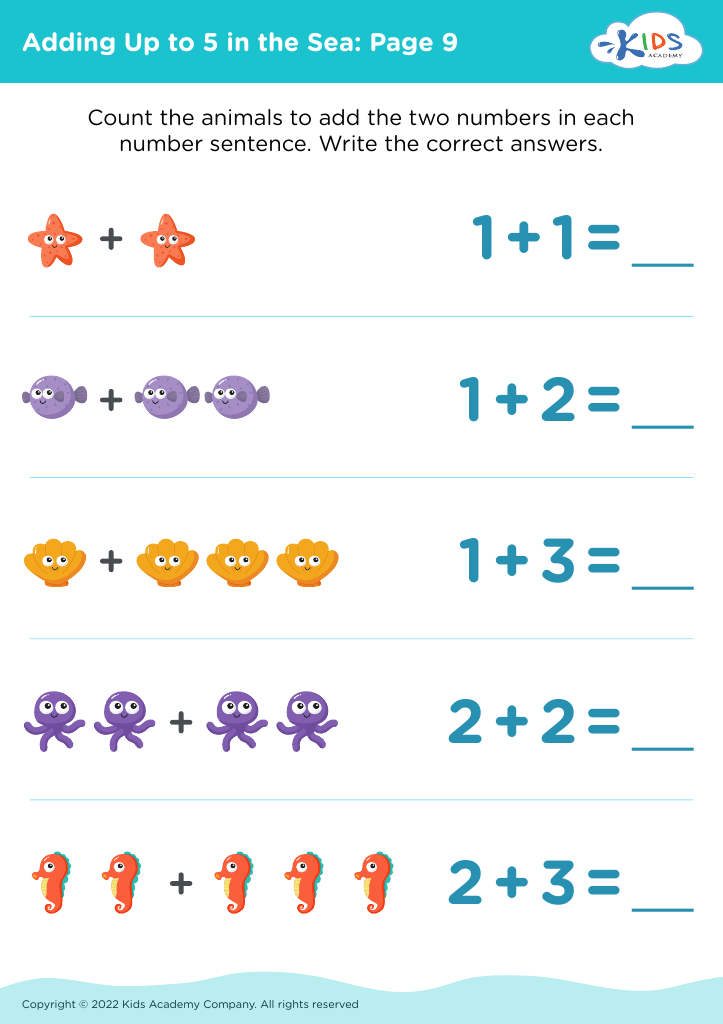








Parents and teachers should care about basic arithmetic preschool addition because it lays the fundamental groundwork for all future mathematical understanding and cognitive skills. Early exposure to addition helps children to develop number sense, a critical skill that allows them to understand and manipulate numbers in various situations. Mastery of basic arithmetic at a young age promotes confidence and enthusiasm for math, making children more likely to tackle complex problems with ease as they advance academically.
Basic arithmetic also enhances problem-solving skills, logical reasoning, and critical thinking. These skills are not confined to mathematics but are transferable to other areas of learning and everyday life decisions. For example, the ability to systematically approach a problem, break it down into manageable parts, and work towards a solution can be applied to subjects like science and reading comprehension.
Furthermore, learning addition in preschool supports language development and social skills. Explaining their thinking process and communicating with peers during collaborative activities hones their verbal and interpersonal abilities. Additionally, achieving early success in math fosters a positive attitude and resilience, encouraging children to face educational challenges confidently. By prioritizing basic arithmetic preschool addition, parents and teachers are investing in a holistic educational foundation that benefits children well beyond the math classroom.