Fine motor skills (writing) Preschool Addition Worksheets - Page 2
32 filtered results
-
From - To
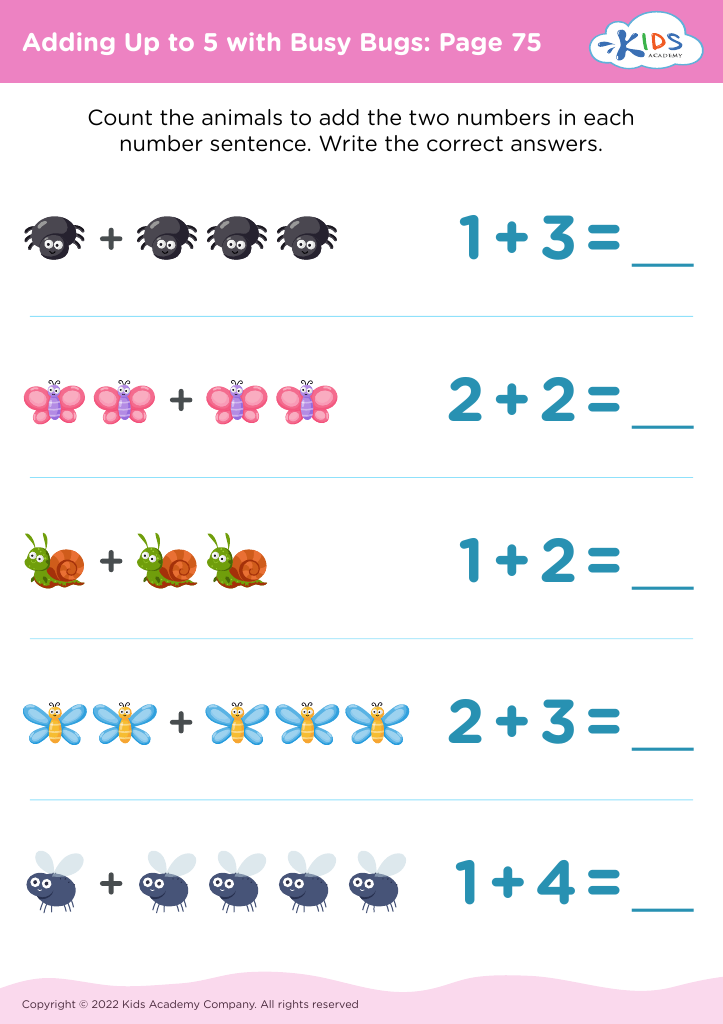
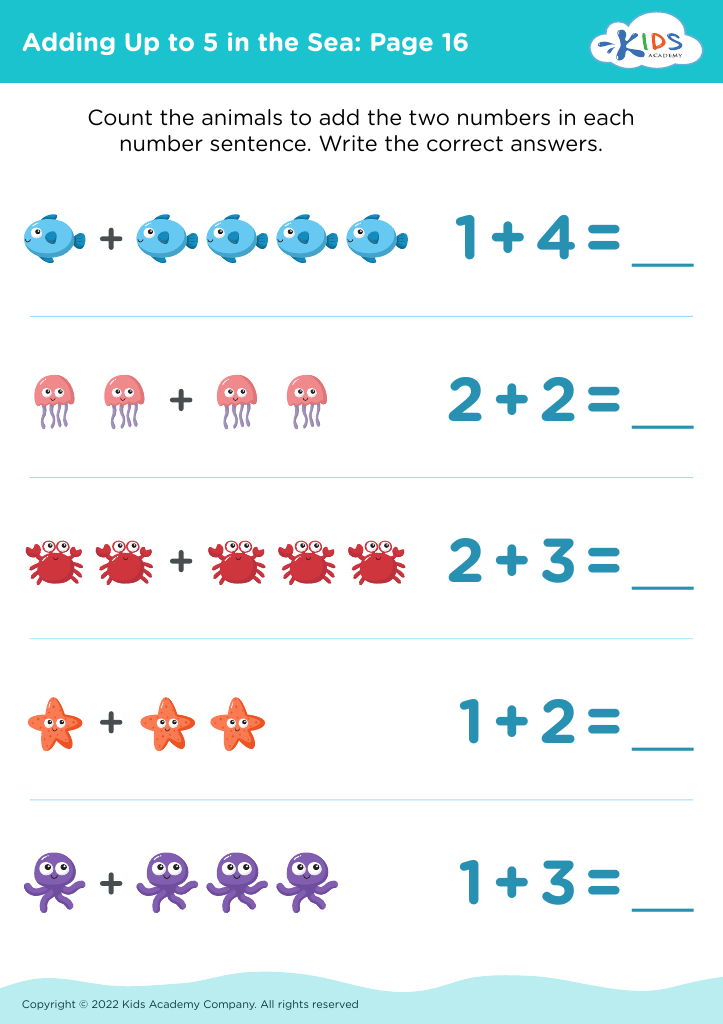
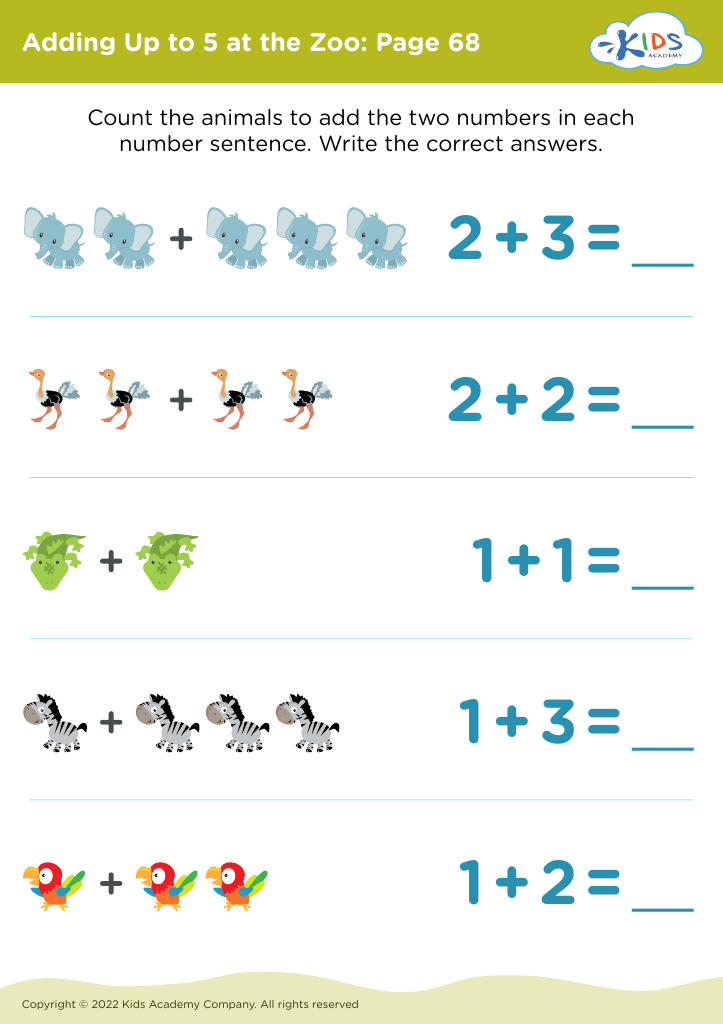
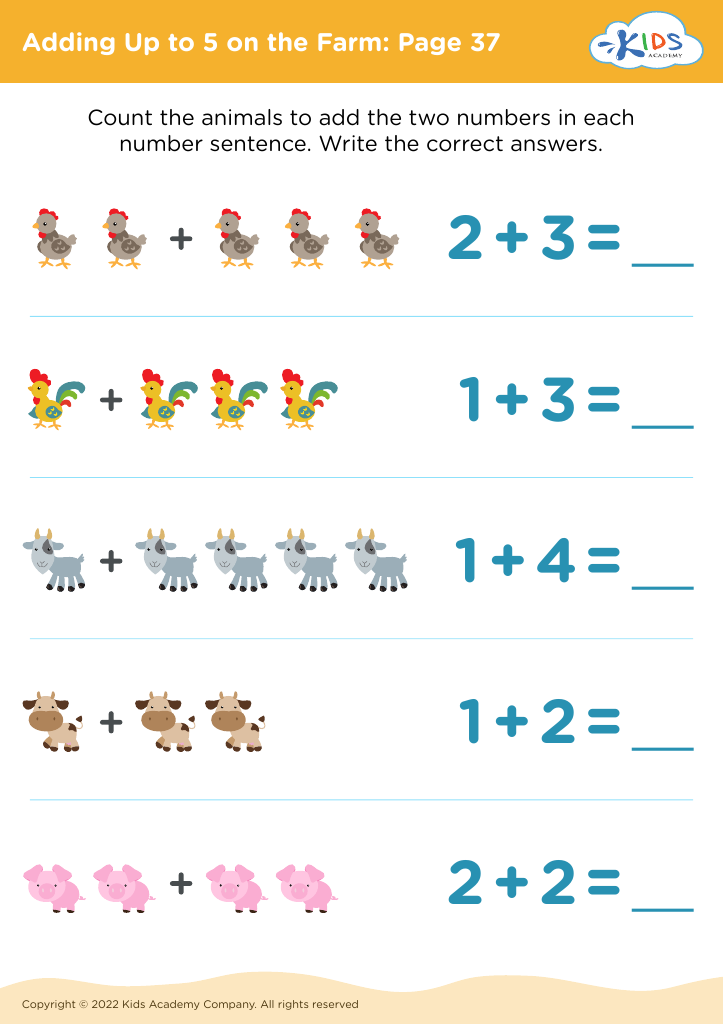
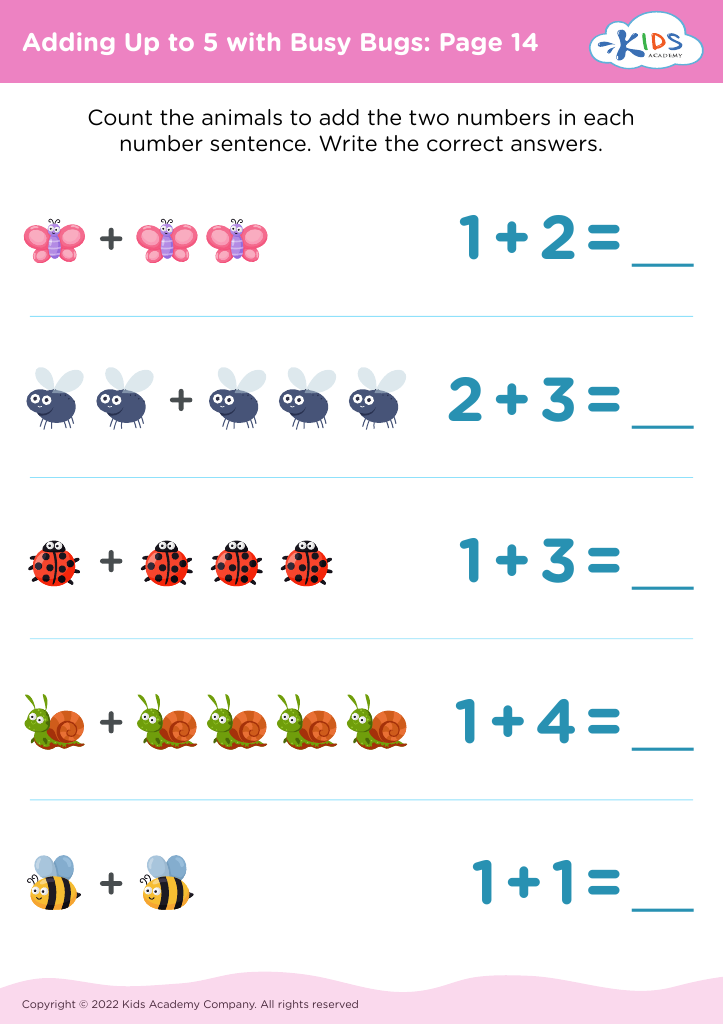
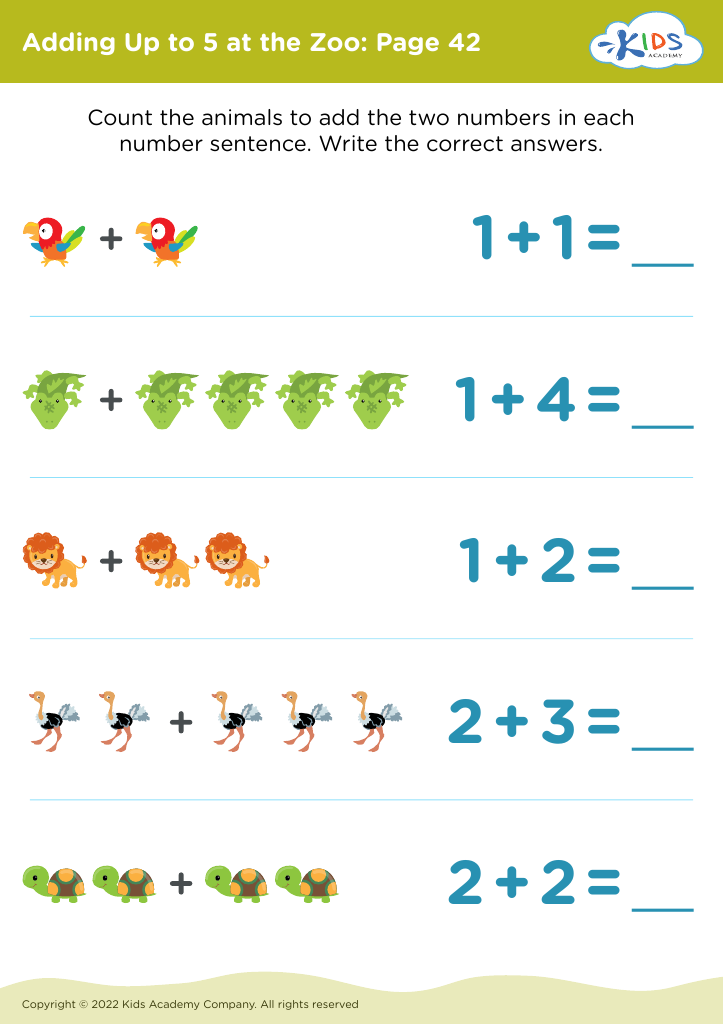
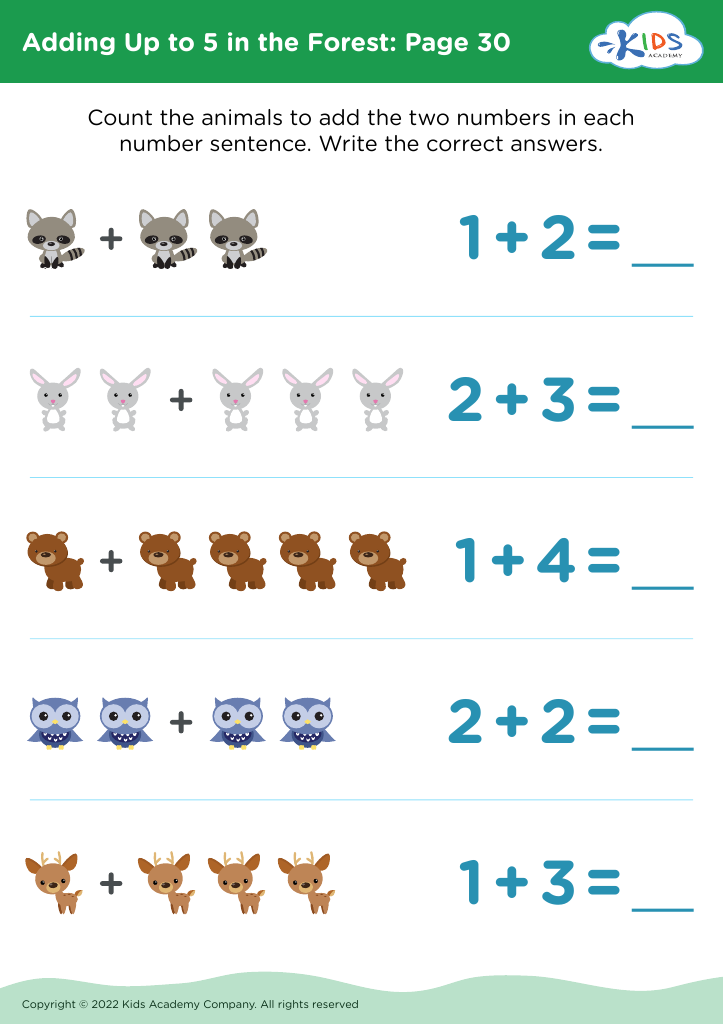
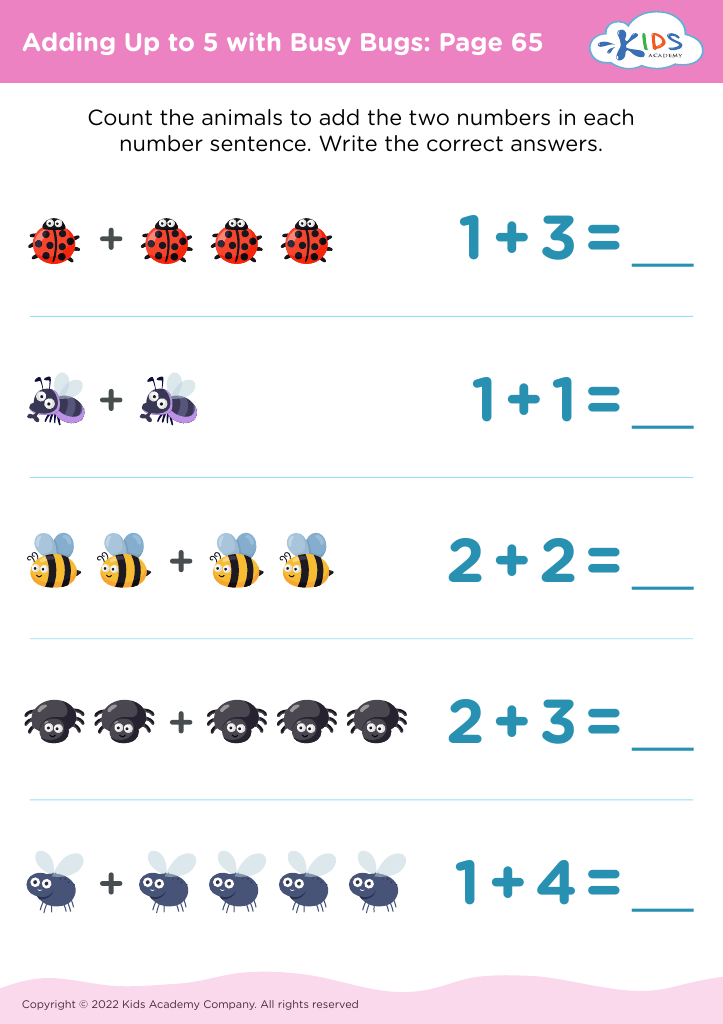








Fine motor skills are essential for preschoolers as they form the foundation for writing and other crucial tasks in early childhood education. Developing these skills enables children to coordinate their hand movements with their eye-hand coordination, which is vital as they transition into writing letters, numbers, and drawing shapes.
Teachers and parents should care about fine motor skills because they facilitate not only academic success but also daily life skills. Activities like using scissors, manipulating small objects, or even buttoning a shirt require fine motor dexterity, impacting a child’s independence and confidence. Additionally, strong fine motor skills contribute to better hand strength and control, which are critical during early writing experiences.
Furthermore, the development of fine motor skills is interconnected with cognitive development. Engaging in activities that enhance these skills can stimulate problem-solving, increase concentration, and encourage creativity. By fostering fine motor skills through activities like drawing, tracing, and simple preschool projects, educators and caregivers nurture a child’s overall development and readiness for school.
Ultimately, investing time and resources into developing a child’s fine motor skills not only prepares them for writing but also supports their growth in numerous other areas essential for lifelong learning and growth.