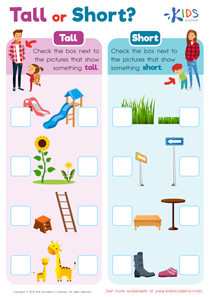
Matching skills Preschool Geometry Worksheets
4 filtered results
-
From - To
Discover a fun and engaging way for preschoolers to learn geometry with our "Matching Skills Preschool Geometry Worksheets"! Designed to enhance visual recognition and critical thinking, these worksheets feature vibrant illustrations that invite young learners to match shapes, sizes, and patterns. Each activity aims to strengthen their understanding of fundamental geometric concepts while developing essential matching skills. Ideal for at-home learning or classroom use, our printable worksheets ensure that learning is both enjoyable and effective. Help your child build a strong foundation in geometry through interactive play and exploration. Start your preschoolers' learning journey today!
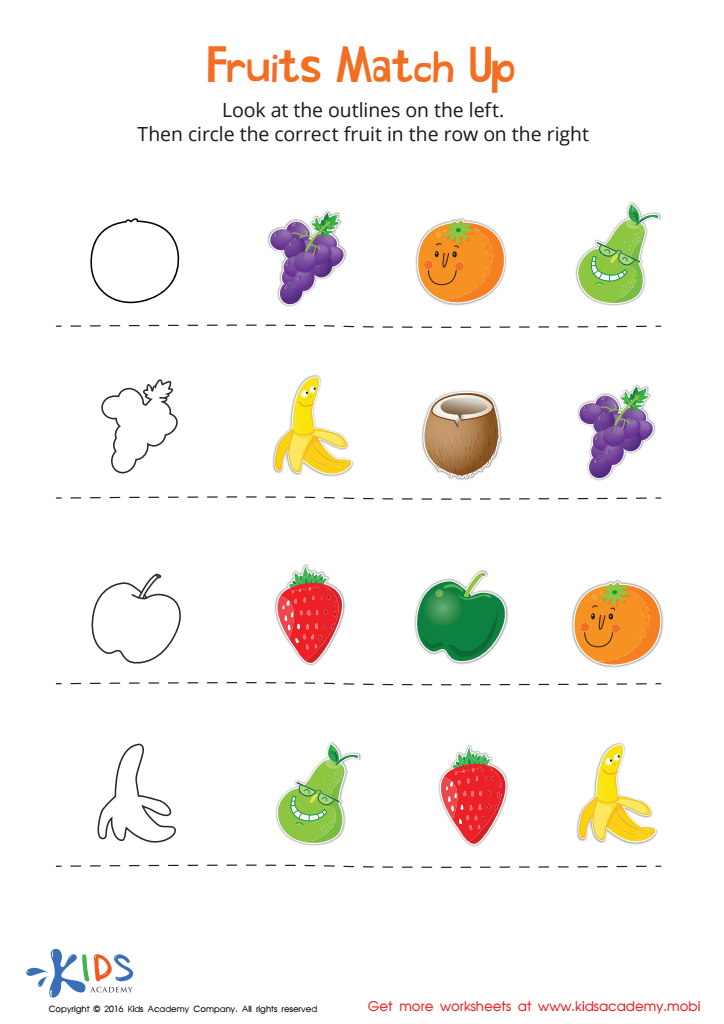
Fruits Match Up Worksheet
 Assign to My Students


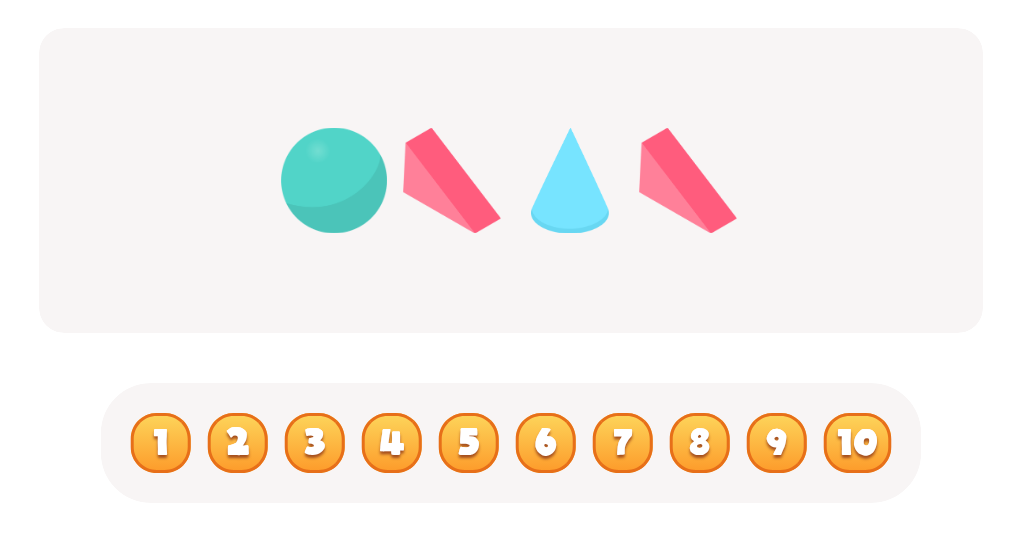




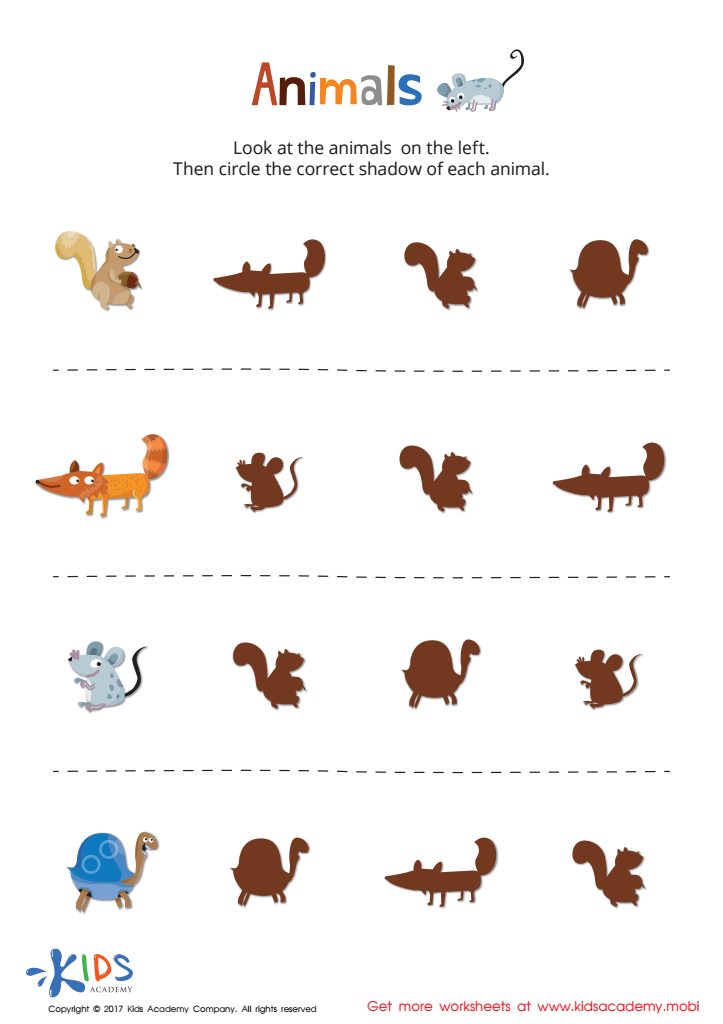
Animal Shadows Sorting Worksheet
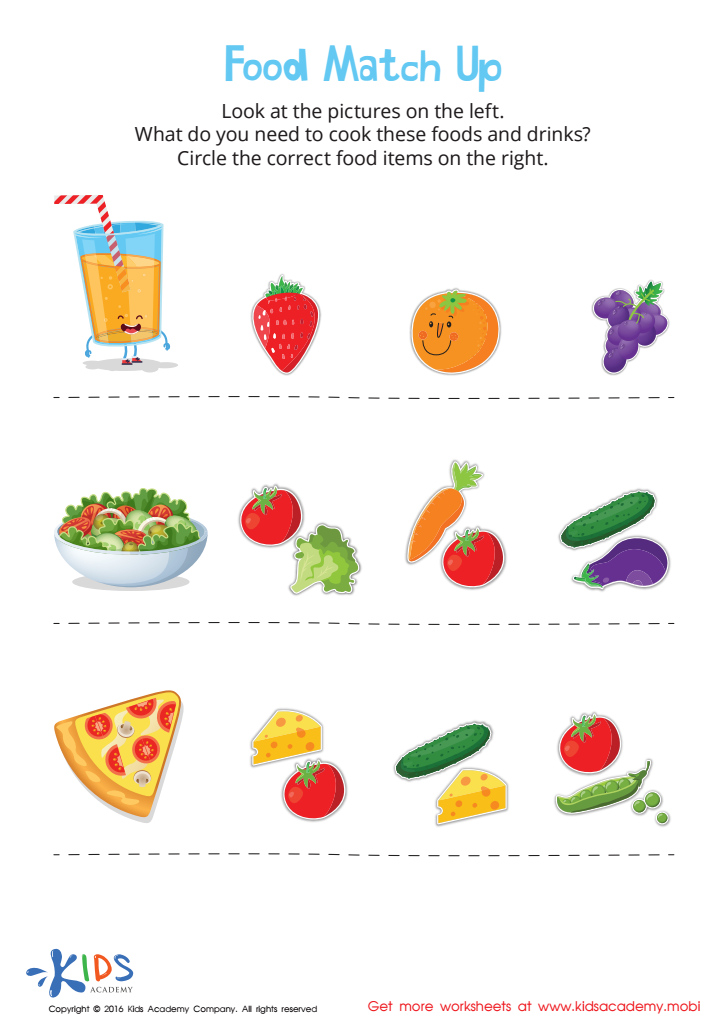
Food Match Up Worksheet
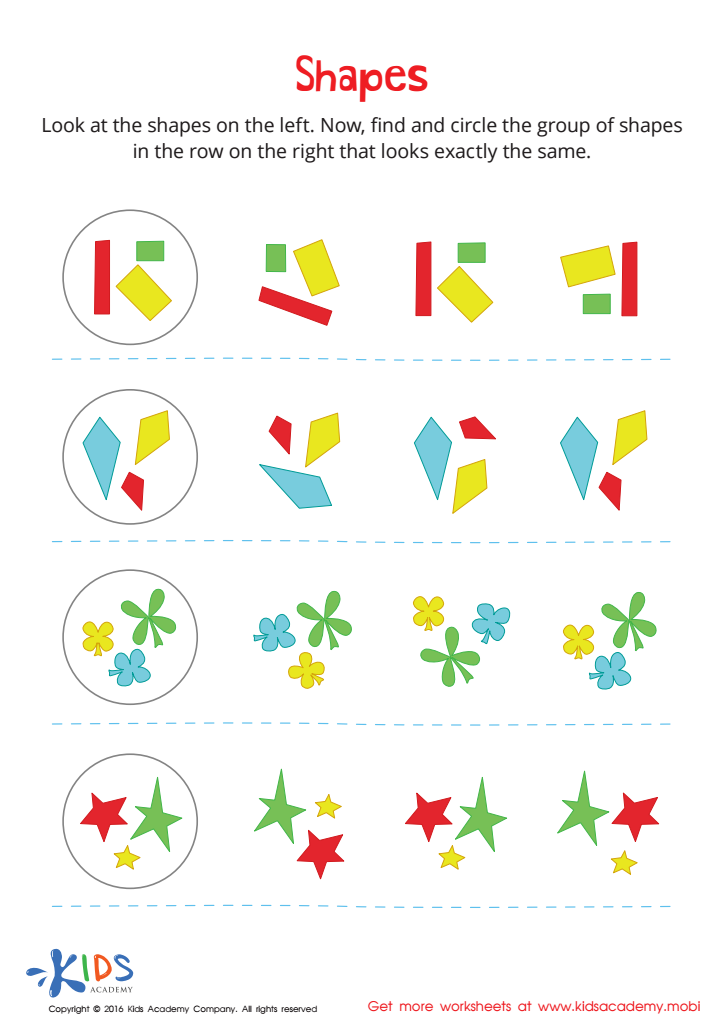
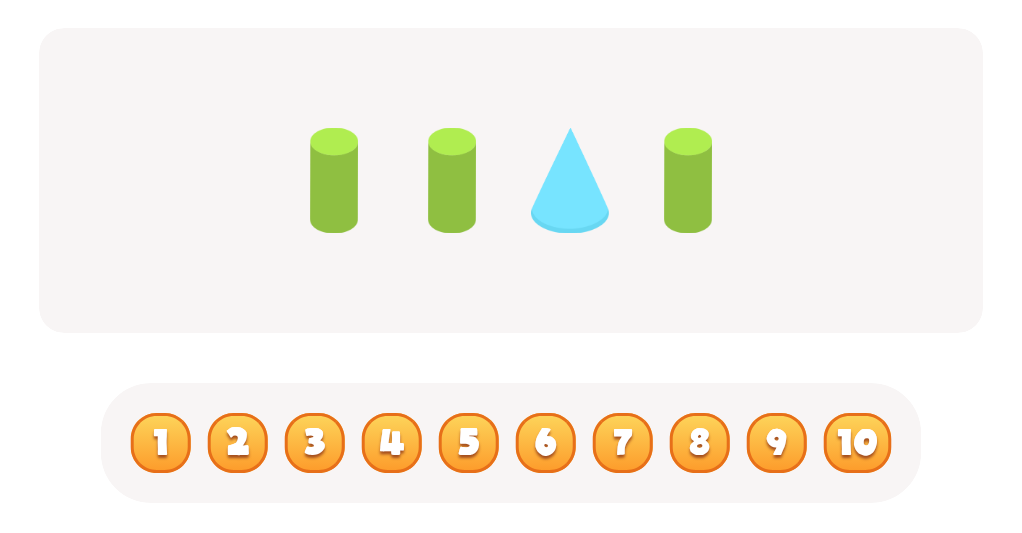
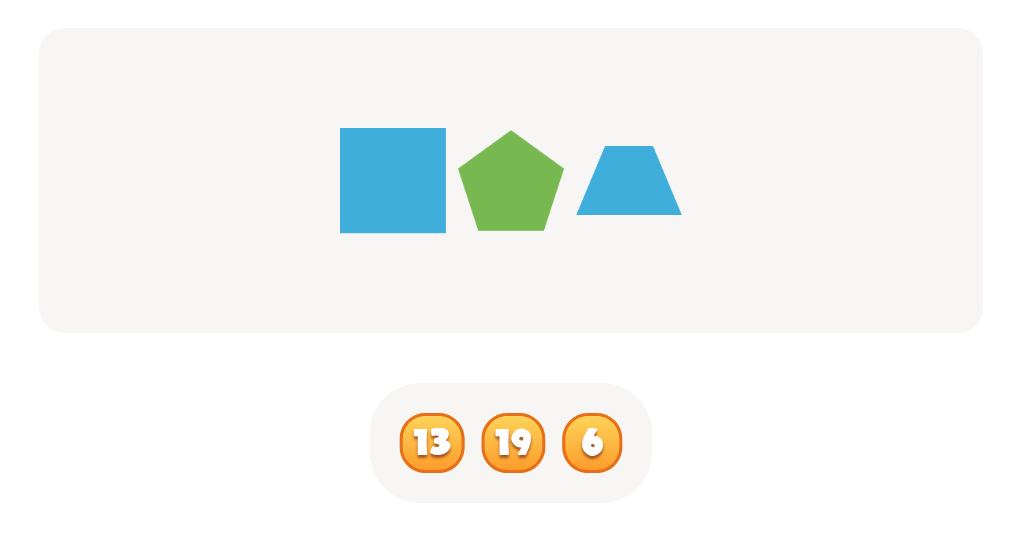
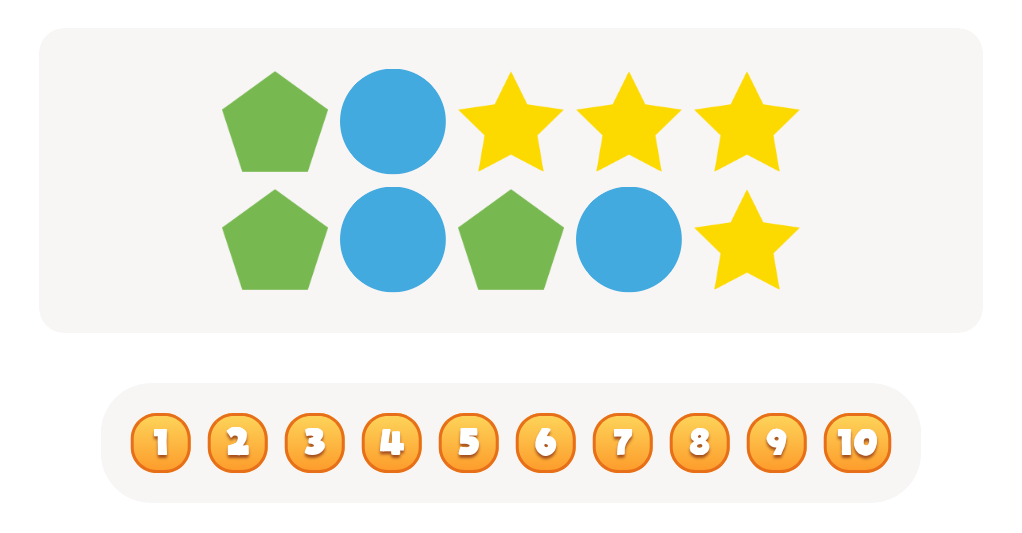
Shapes Worksheet








Matching skills in preschool geometry play a crucial role in young children's cognitive development, laying the foundation for their future learning in mathematics and critical thinking. Parents and teachers should care about these skills for several reasons.
Firstly, mastering matching skills helps children understand geometric concepts, such as shapes, sizes, and spatial relationships, enabling them to identify and classify objects accurately. This understanding not only enhances their mathematical reasoning but also supports their problem-solving abilities in everyday situations.
Secondly, these skills promote visual discrimination, which is vital for recognizing patterns and relationships in math, reading, and science. Strong matching skills can lead to better comprehension of more complex concepts as children progress in their education.
Furthermore, engaging activities that promote matching skills, such as sorting shapes or pattern games, foster collaboration and communication among peers. This social interaction is essential for developing emotional intelligence and teamwork skills.
Lastly, early proficiency in matching skills boosts children's confidence in their abilities, promoting a positive attitude toward learning. By prioritizing these foundational geometric skills, parents and teachers can set children on a trajectory for academic success and lifelong learning.