Visual perception Preschool Geometry Worksheets
5 filtered results
-
From - To
Engage your preschooler with our exciting Visual Perception Preschool Geometry Worksheets! Tailored for young minds, these worksheets promote early math skills through fun, interactive activities. Children will refine essential abilities like shape recognition, spatial awareness, and critical thinking. Our engaging exercises, featuring vibrant images and easy-to-follow instructions, ensure learning is enjoyable and effective. Perfect for classroom and home use, these resources support foundational geometry concepts while boosting visual perception. Help your child build confidence and enthusiasm in math with our expertly designed worksheets. Explore our collection today and watch your preschooler thrive!
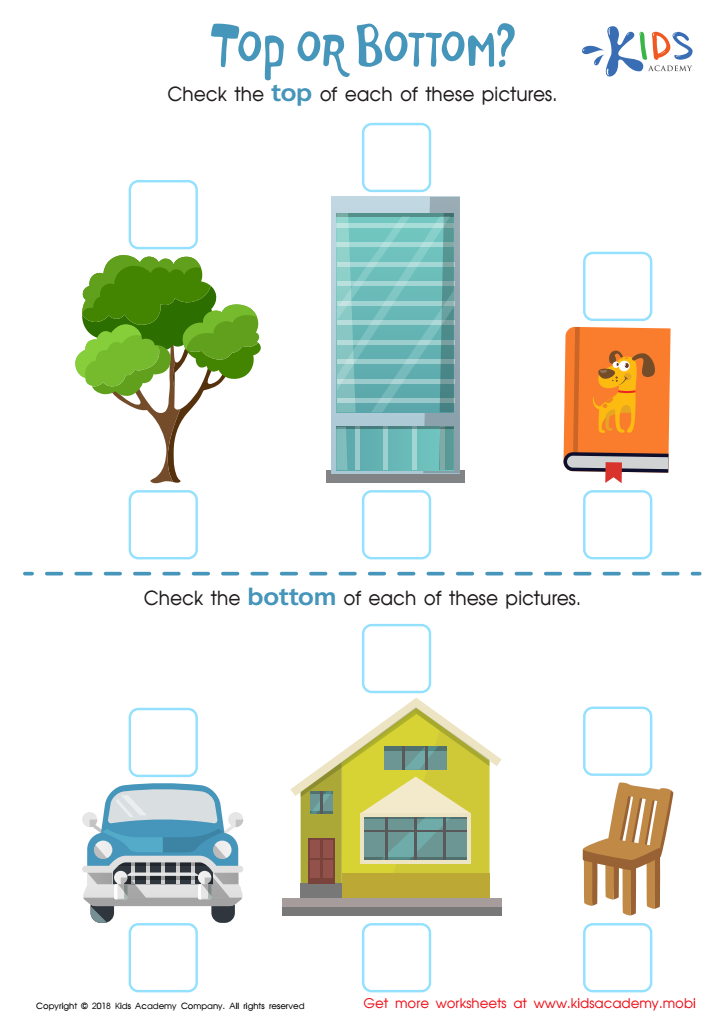
Top or Bottom Worksheet
 Assign to My Students


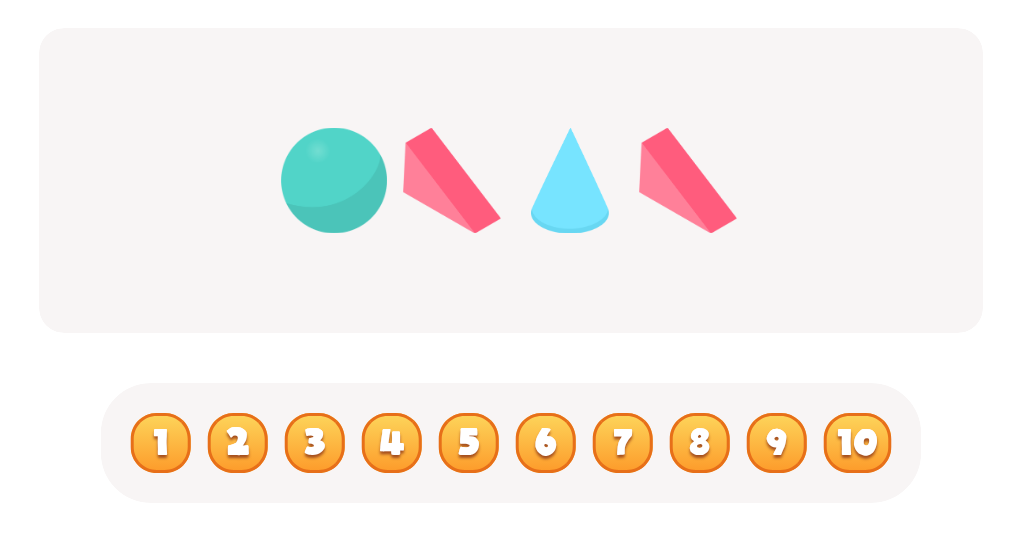
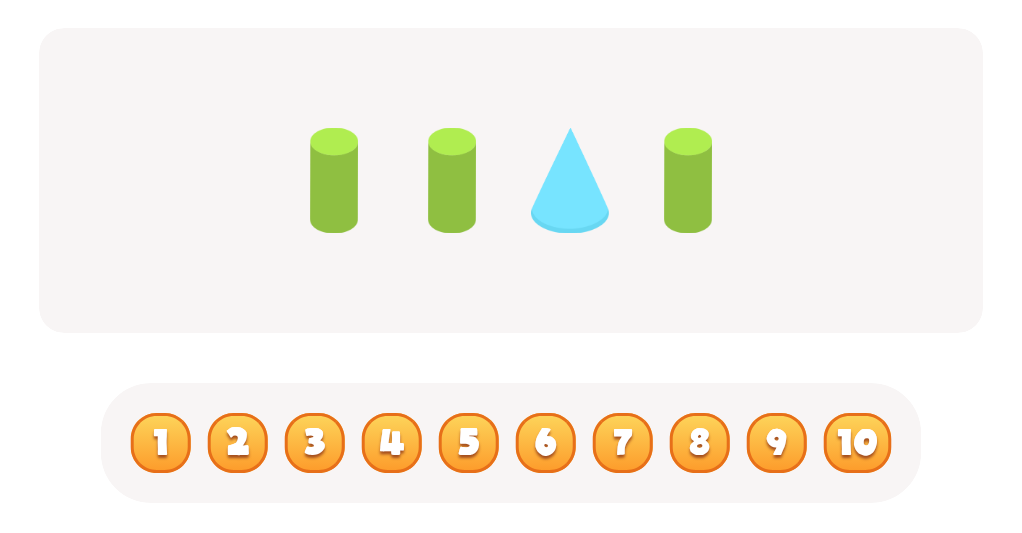



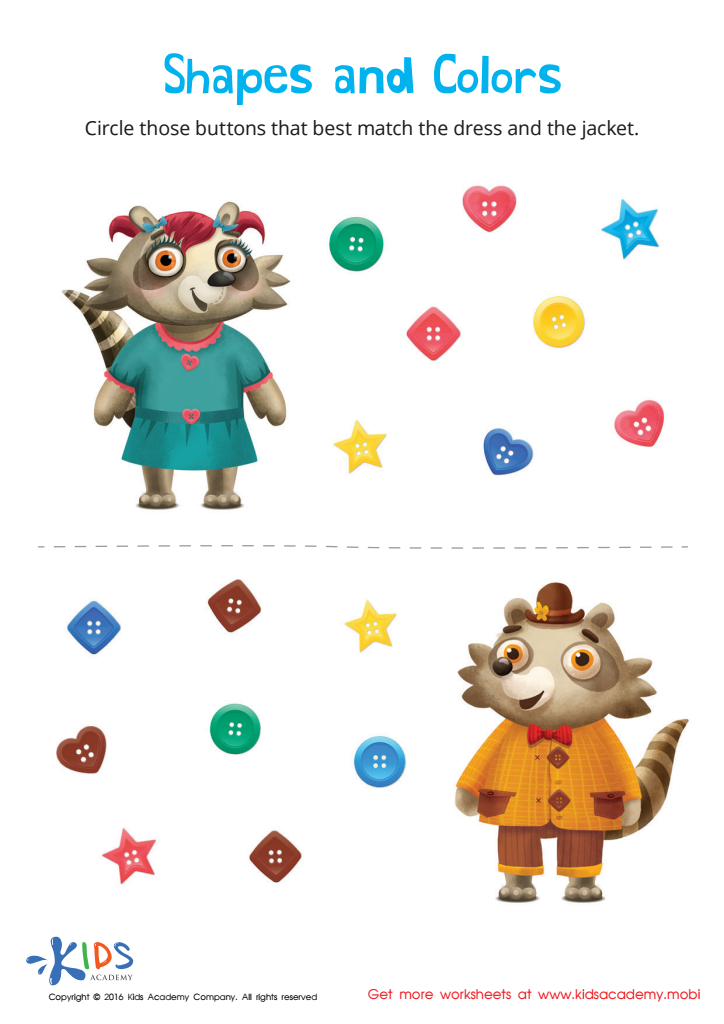
Matching: Shapes and Colors Worksheet
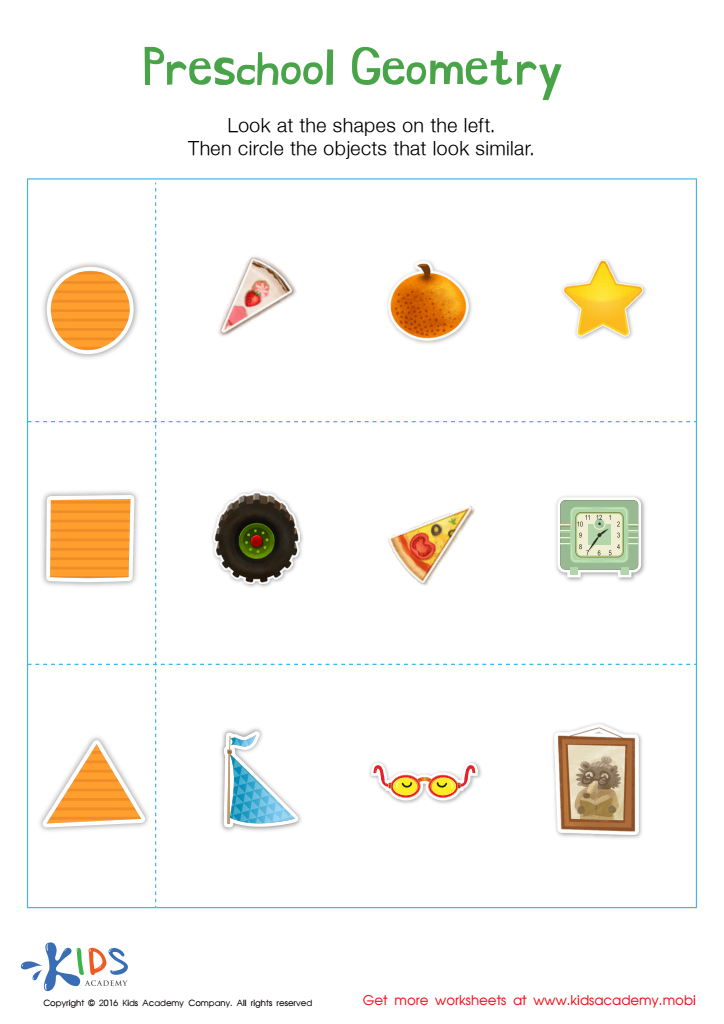
Preschool Geometry Match Up Worksheet
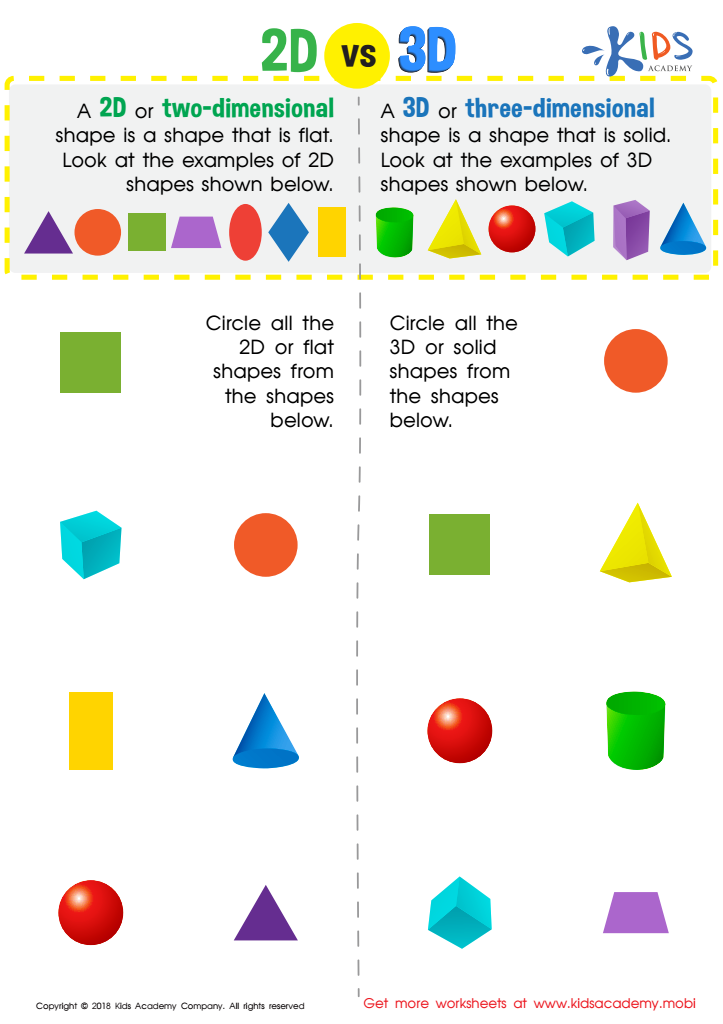
2D vs 3D Shapes Worksheet
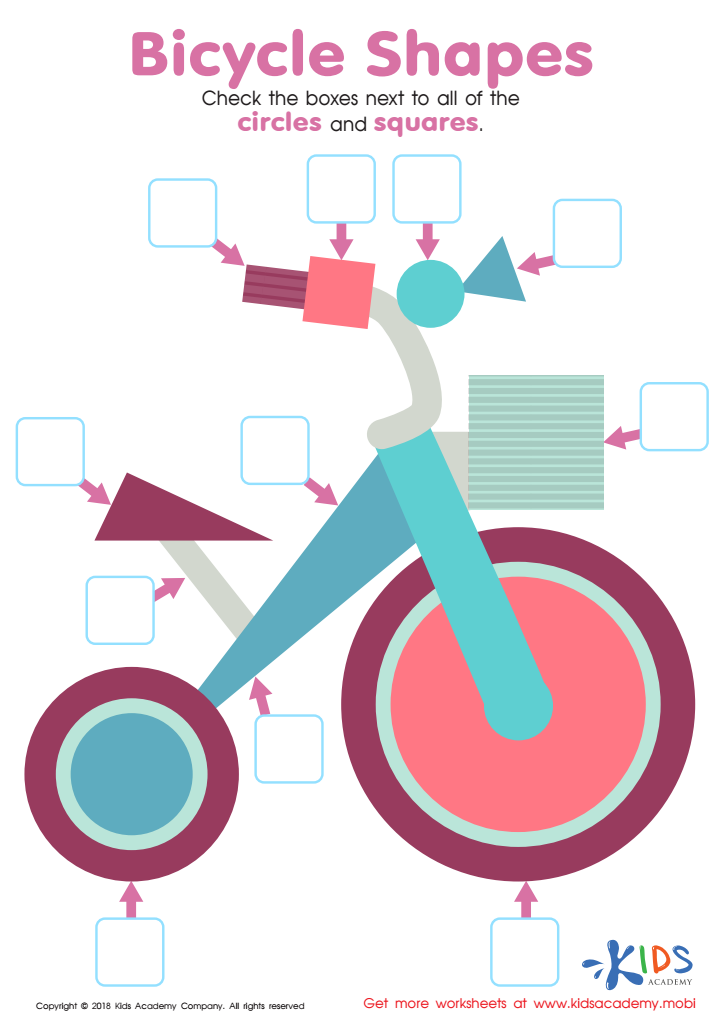
Bicycle Shapes Worksheet








Visual perception is crucial for preschool children as it forms the foundation for effective learning and everyday functioning. Focusing on visual perception in preschool geometry aids in the development of several essential skills integral to early childhood education. Understanding shapes, sizes, and spatial relationships boosts cognitive development and prepares children for complex mathematical concepts in the future.
Parents and teachers should care about visual perception in preschool geometry because it enhances a child's ability to interpret, respond, and interact with their environment. Skills such as scanning, discriminating differences, and maintaining visual attention are nurtured through engaging with geometric activities. These skills are vital for reading readiness; recognizing letter patterns and understanding text directionality directly benefit from strong visual perception abilities. Additionally, spatial awareness developed from geometry lessons helps improve fine and gross motor skills, impacting activities such as writing, drawing, and participating in physical play.
Investing in visual perception development through preschool geometry also boosts a child's confidence and fosters problem-solving abilities. Joyful, hands-on geometric play stimulates curiosity, encouraging children to explore and ask questions, thereby fostering a lifelong love of learning. By valuing and supporting visual perception activities, parents and teachers play a pivotal role in building a child's academic foundation and overall development.