Visual perception Preschool Math Worksheets - Page 2
34 filtered results
-
From - To
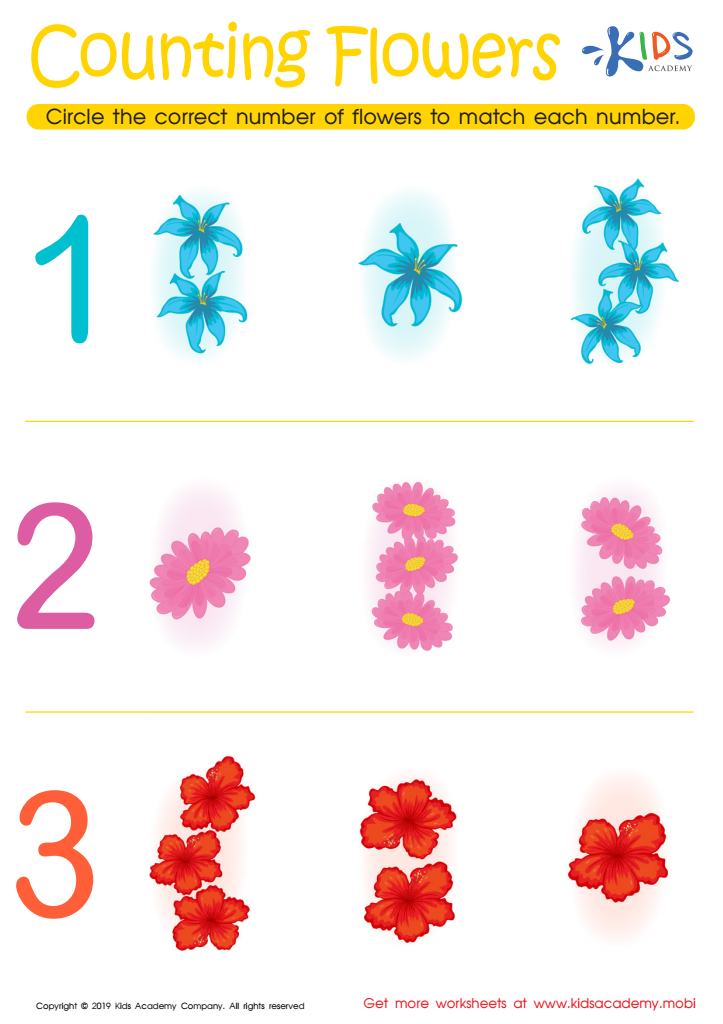
Counting Flowers Worksheet
 Assign to My Students
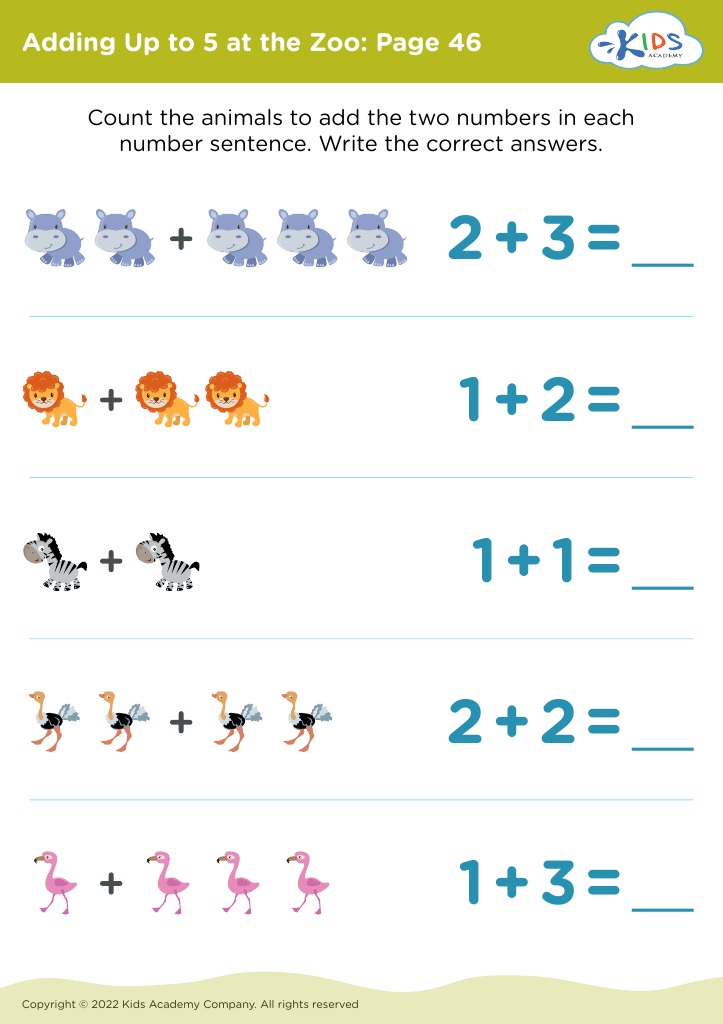
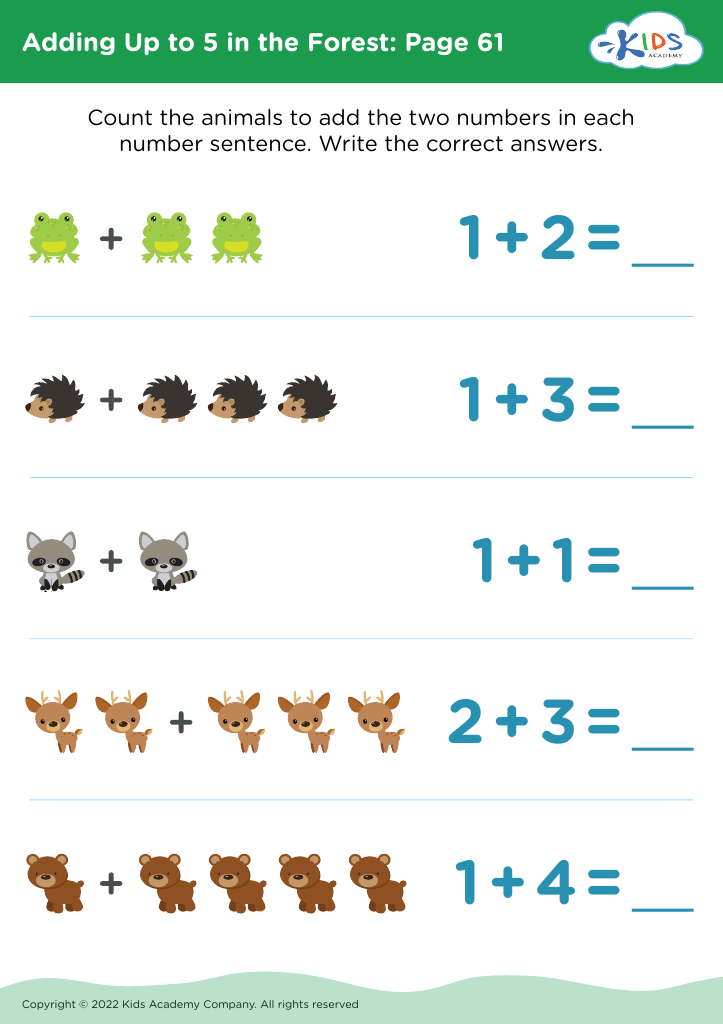
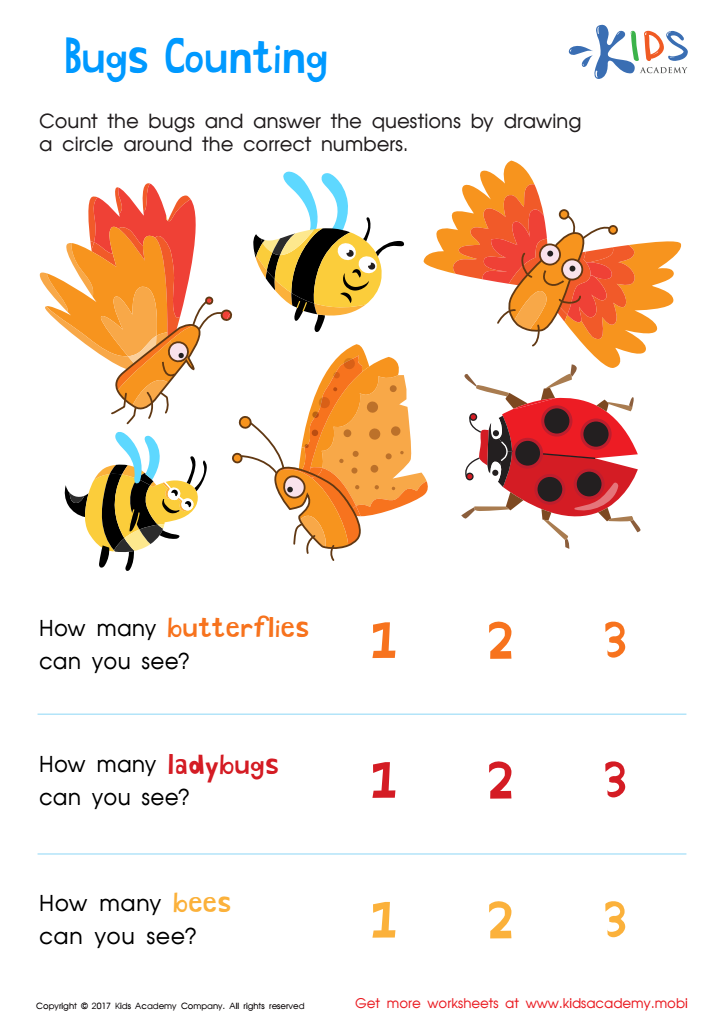
Bugs Counting Worksheet
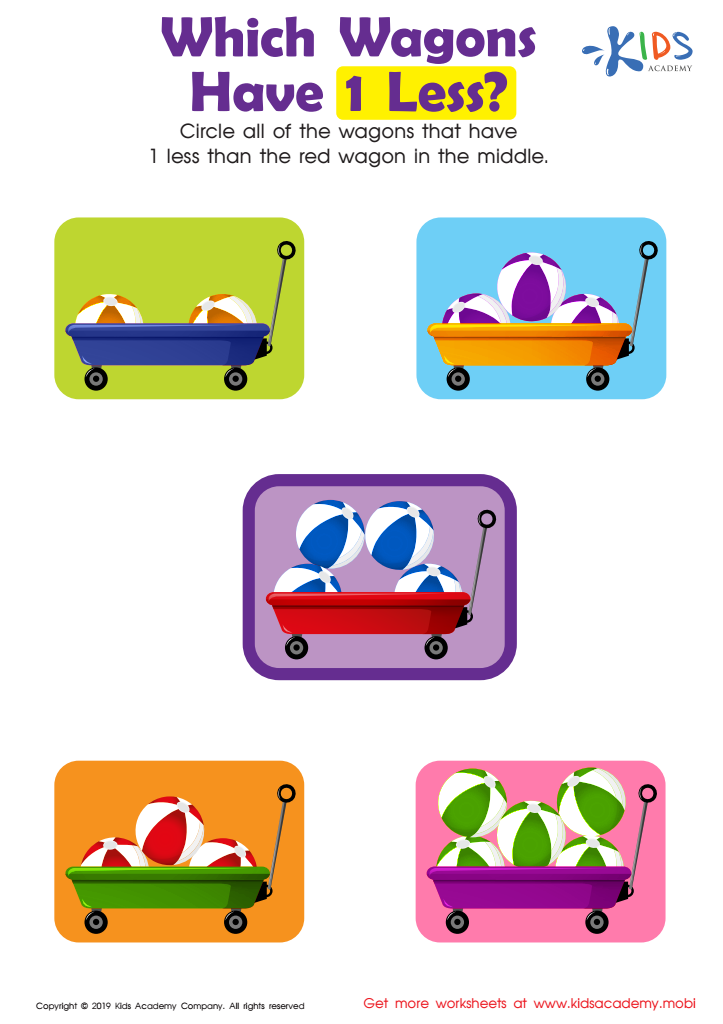
Which Wagons Have 1 Less? Worksheet
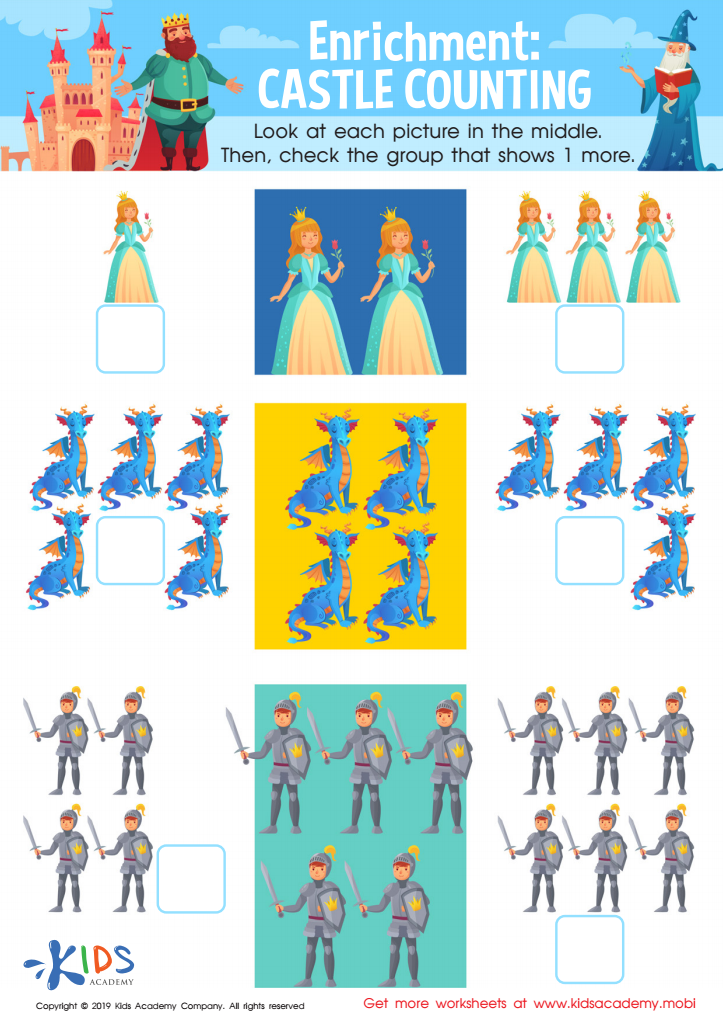
Enrichment: Castle Counting Worksheet
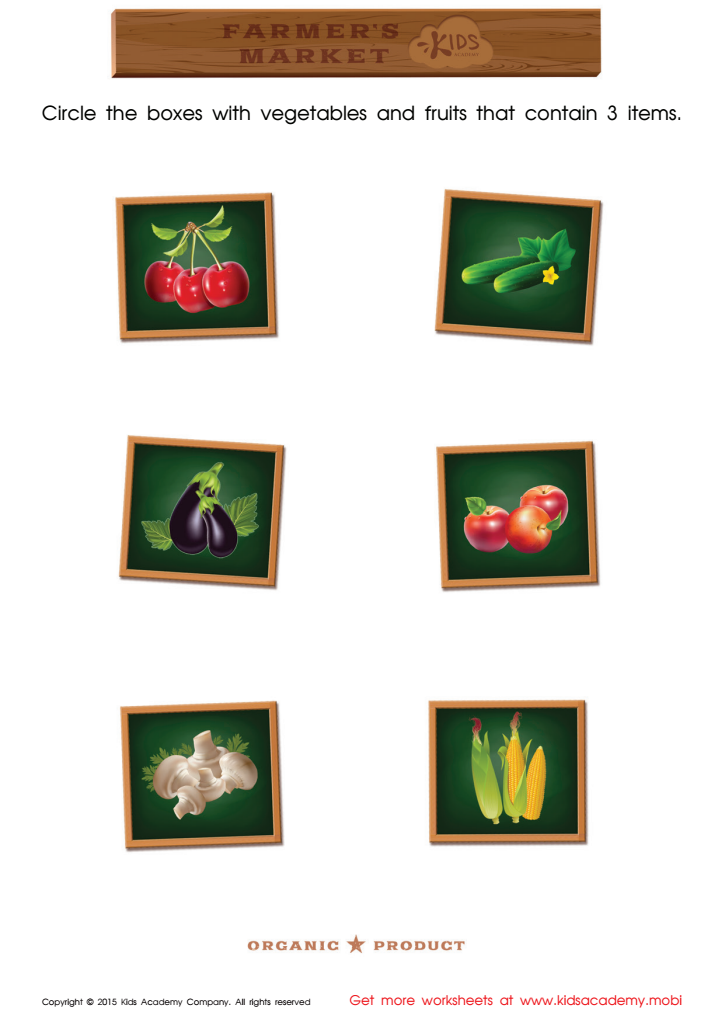
Count and Match Vegetables 1 – 5 Math Worksheet
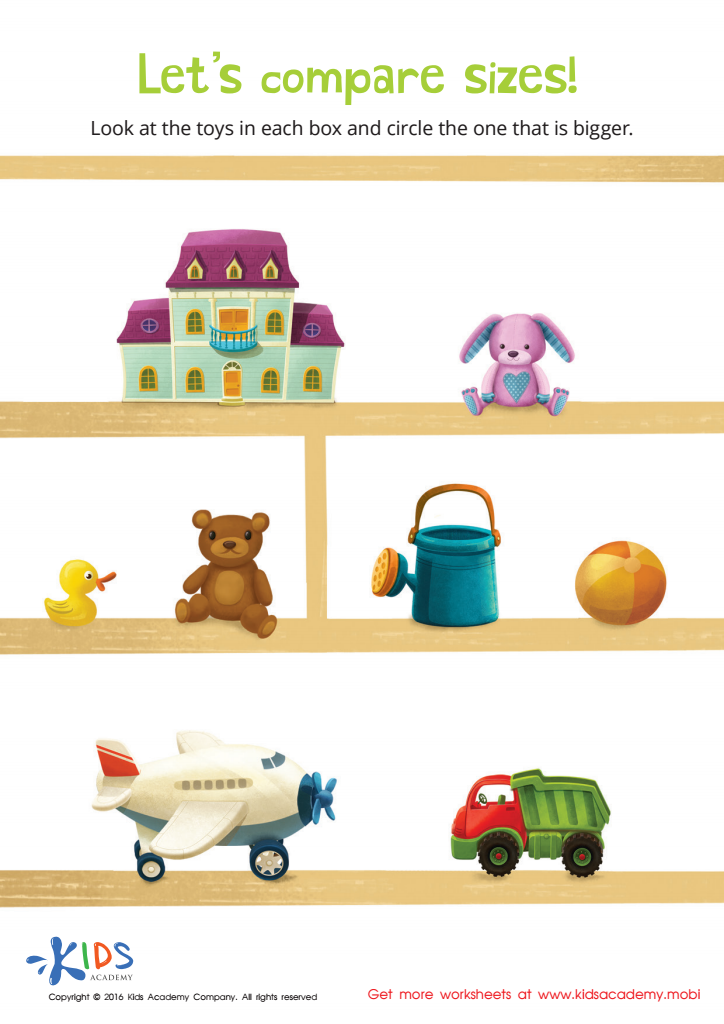
Classifying by Size Sorting Worksheet
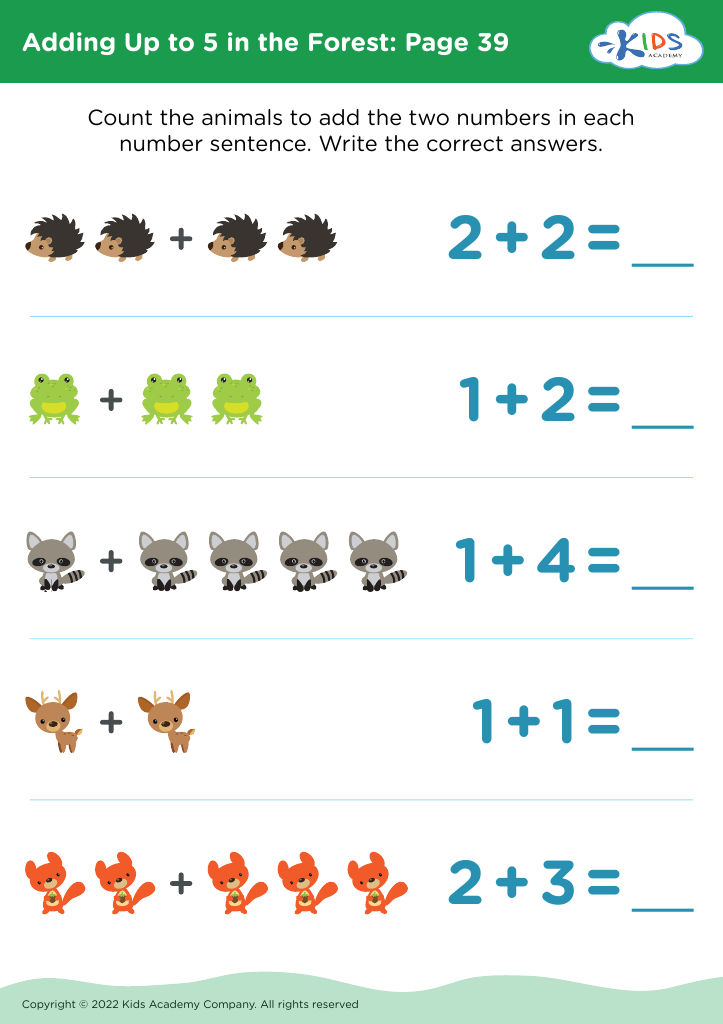







Visual perception is a critical aspect of preschool math that impacts children's overall learning and development. Parents and teachers should care about this competency because it serves as a foundation for essential math skills. Visual perception involves the ability to interpret and make sense of visual information, which helps children recognize shapes, sizes, patterns, and numbers.
This skill is not only important for early math understanding, but it also enhances problem-solving and critical thinking. As preschoolers engage in activities like sorting, classifying, and counting objects, they refine their visual discrimination abilities, which are instrumental when learning to add or subtract in later grades.
Furthermore, strong visual perception encourages engagement and motivation in young learners. When children are confident in their ability to visualize and manipulate objects, they are more likely to participate in math-related activities enthusiastically.
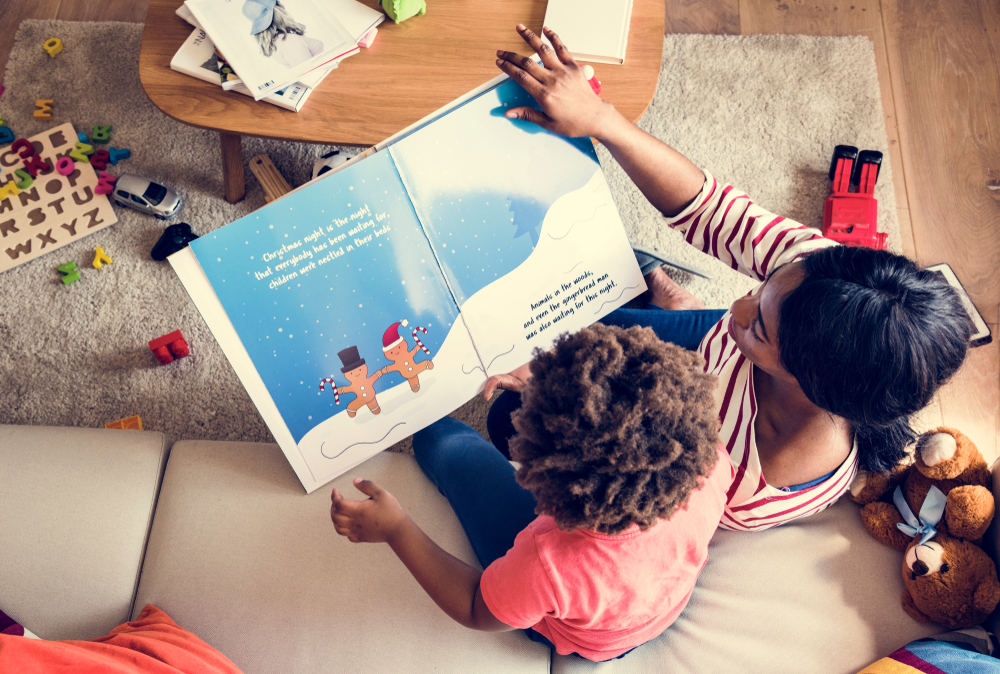
For parents, supporting their child's visual perception through games, puzzles, and drawing activities can enrich their everyday learning experiences. For teachers, integrating visual perception-friendly practices in the classroom can promote a more conducive learning atmosphere, setting the stage for future academic success. By recognizing its importance, parents and teachers can collaboratively nurture stronger math skills in preschoolers.