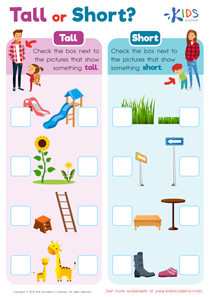
Cognitive Development Preschool Matching Worksheets
6 filtered results
-
From - To
Welcome to our Cognitive Development Preschool Matching Worksheets! Designed to nurture young minds, these engaging worksheets promote essential cognitive skills like pattern recognition, critical thinking, and memory. Our fun and interactive activities allow preschoolers to match items, fostering their ability to make connections and improve their understanding of the world around them. Aligned with early learning standards, these printables serve as valuable tools for parents and educators alike. Encourage curiosity and support your child’s cognitive growth with our thoughtfully crafted sheets that stimulate learning through play. Explore our collection today and watch your preschooler thrive in a playful learning environment!
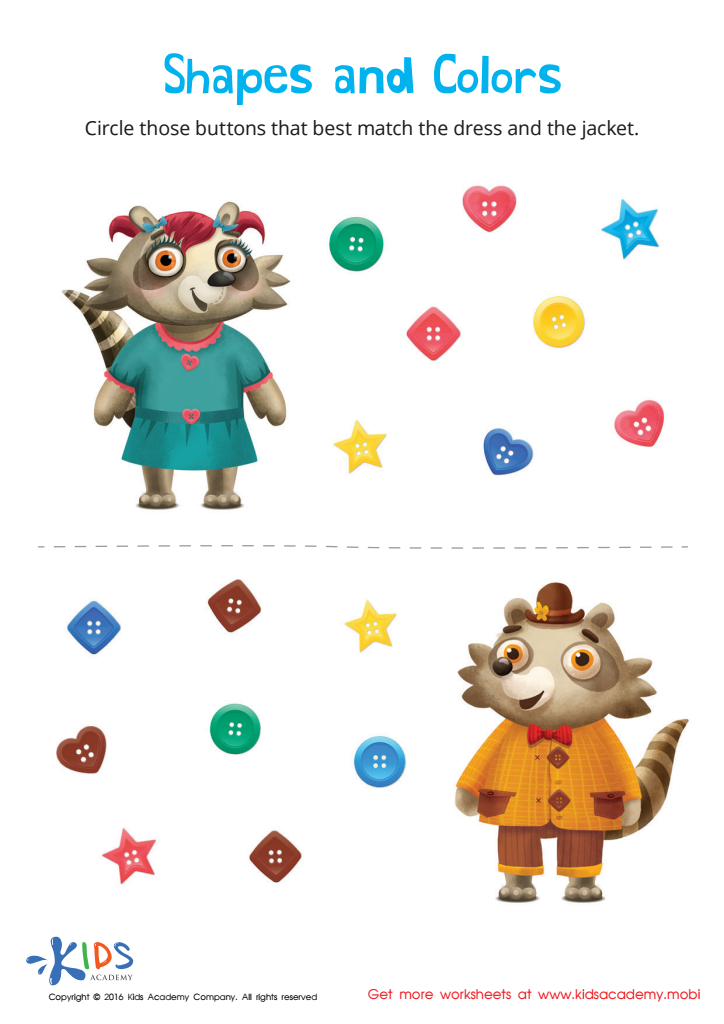
Matching: Shapes and Colors Worksheet
 Assign to My Students
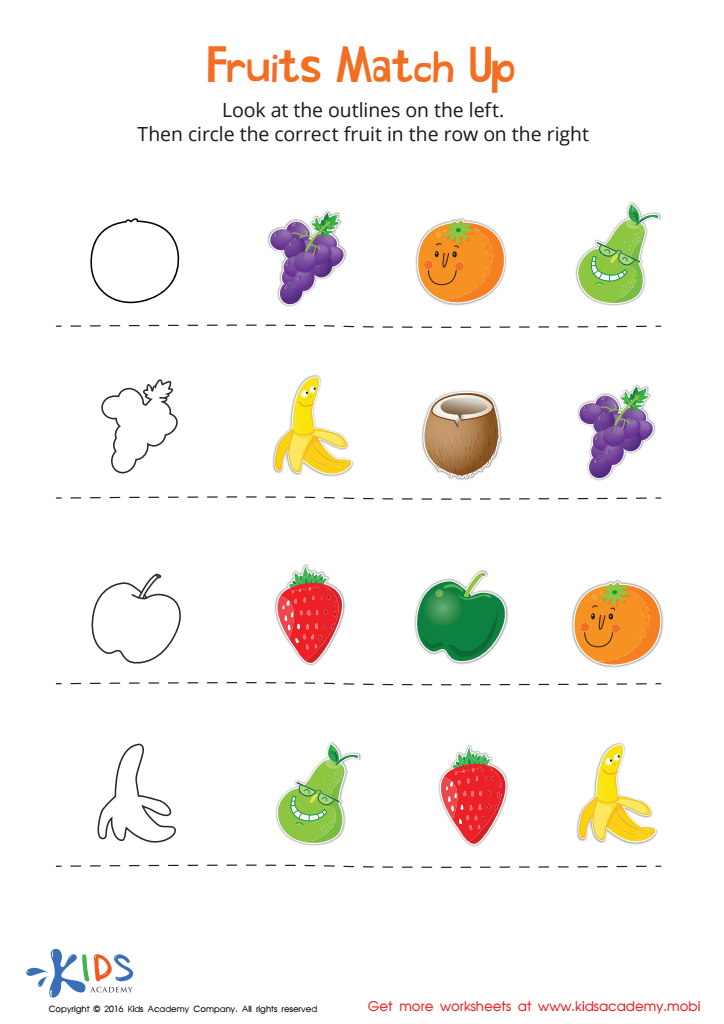
Fruits Match Up Worksheet
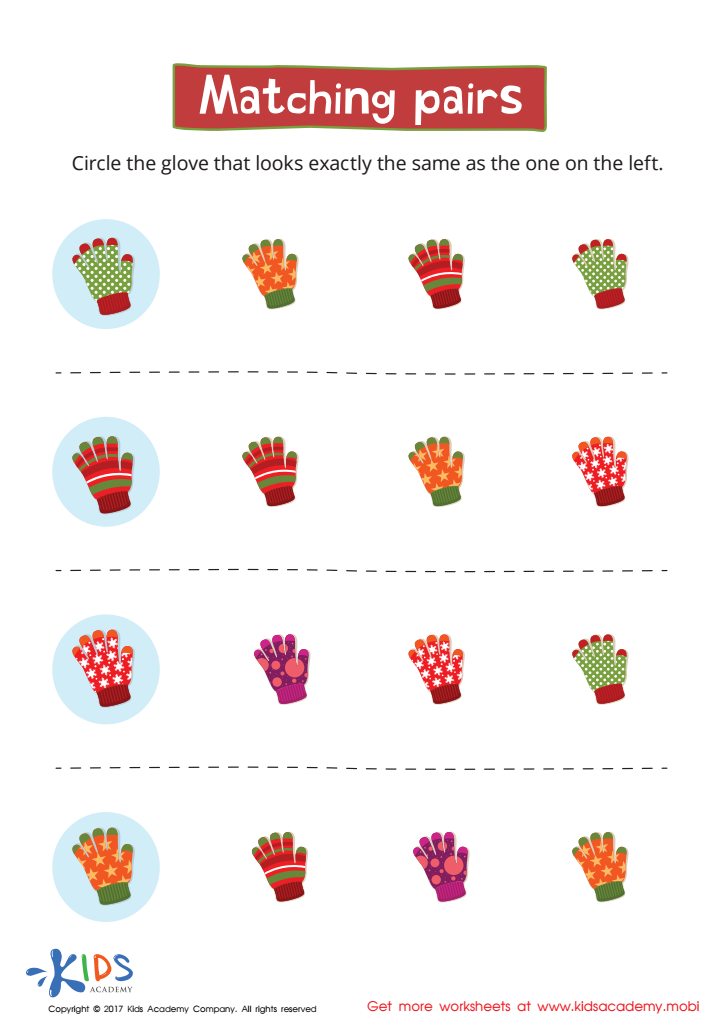
Matching: Matching Pairs Worksheet
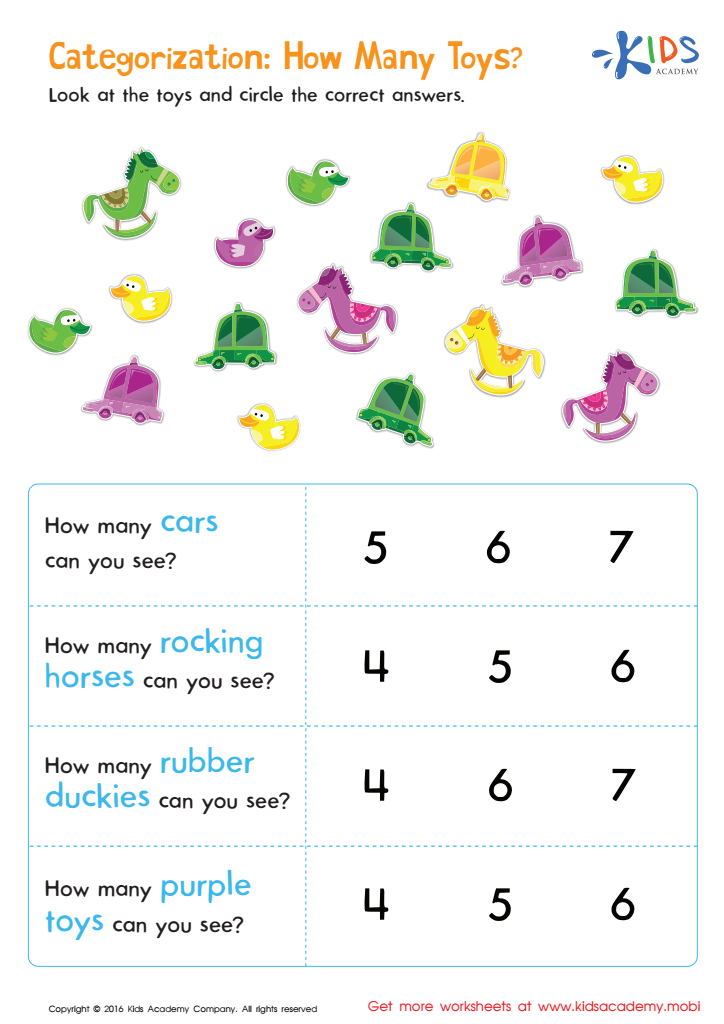
Classifying Toys by Type and Color Sorting Worksheet
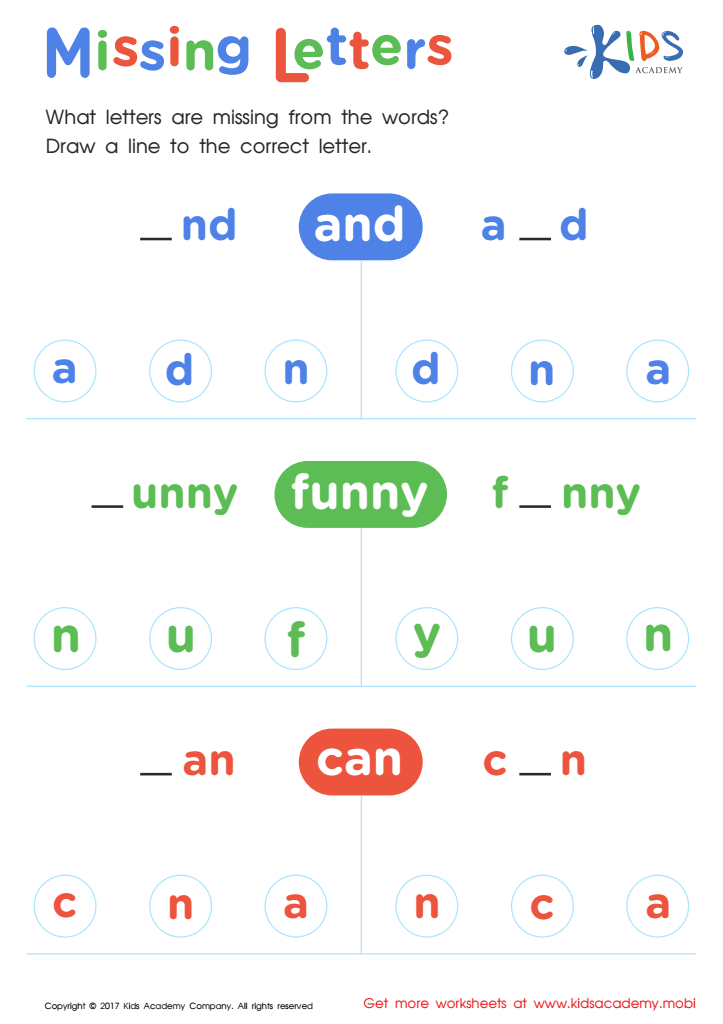
Missing Letters Worksheet
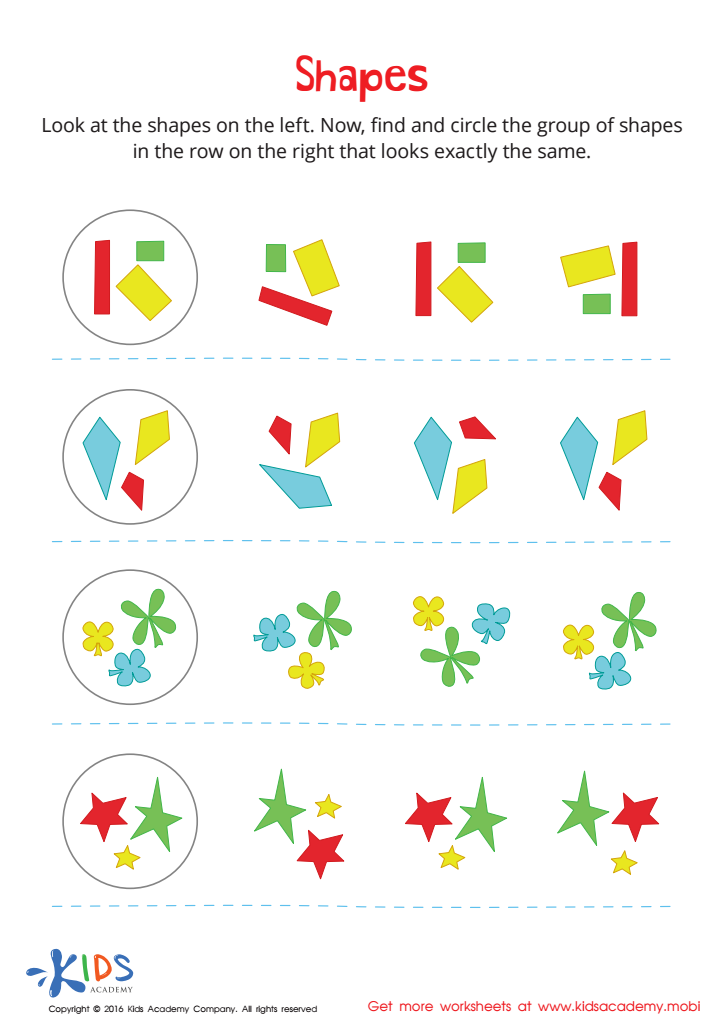
Shapes Worksheet








Cognitive development during the preschool years is crucial for a child's overall growth and future learning. Engaging in matching activities supports this developmental process by enhancing memory, categorization, and problem-solving skills. When children participate in matching games, they learn to recognize patterns, make connections between similar and different objects, and develop critical thinking skills—all foundational elements of cognitive development.
For parents and teachers, understanding the importance of matching in preschool years is vital. It provides a fun and interactive way to reinforce concepts, strengthening language skills as children talk about what they are matching. Additionally, these activities encourage social interaction, teamwork, and communication among peers, fostering social development as well.
Moreover, cognitive skills developed during preschool act as building blocks for future learning experiences, directly influencing later academic success. By including matching activities in play and learning environments, educators and parents can create supportive, enriching opportunities that promote curiosity and a love for learning. Ultimately, prioritizing effective cognitive development lays the groundwork for stronger academic and social outcomes in children, making recognition of these activities essential for everyone involved in a child’s educational journey.