Story sequencing Preschool Reading Fiction Worksheets
8 filtered results
-
From - To
Boost your preschooler’s reading skills with our Story Sequencing Preschool Reading Fiction Worksheets from Kids Academy. These engaging and educational worksheets help young readers understand the order of events in a story, enhancing comprehension and critical thinking. Featuring charming illustrations and age-appropriate content, our worksheets are designed to be both fun and instructive. Your child will love arranging scenes in logical progression while developing essential literacy skills that lay a strong foundation for future reading success. Perfect for at-home learning or classroom activities, our Story Sequencing worksheets make early reading practice delightful and effective.
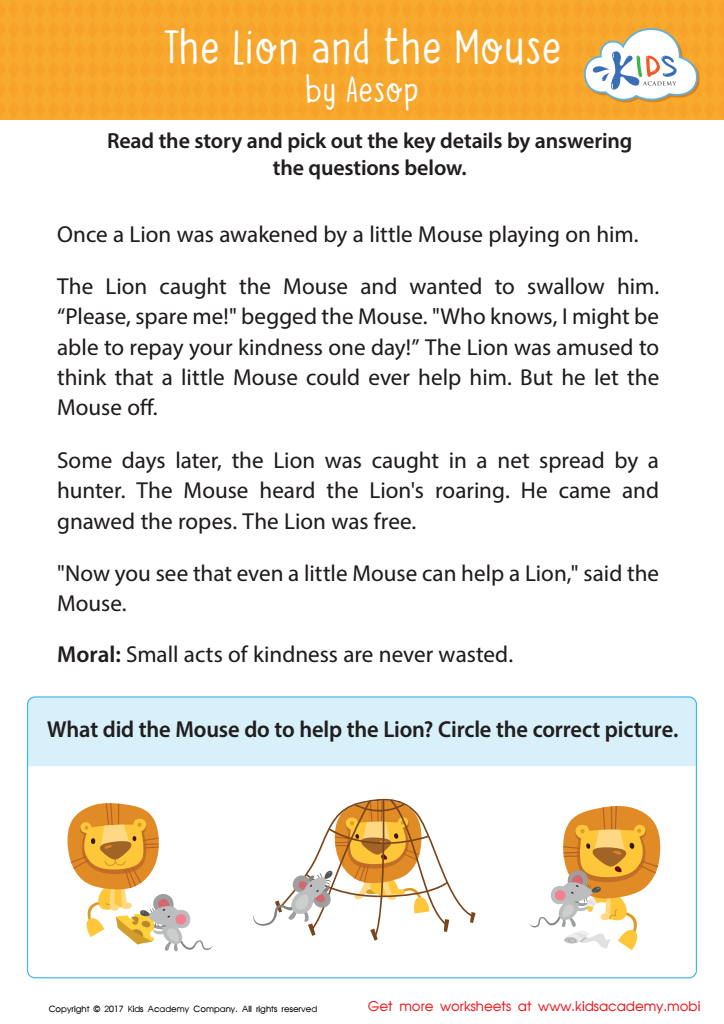
The Lion and The Mouse Sequencing Worksheet
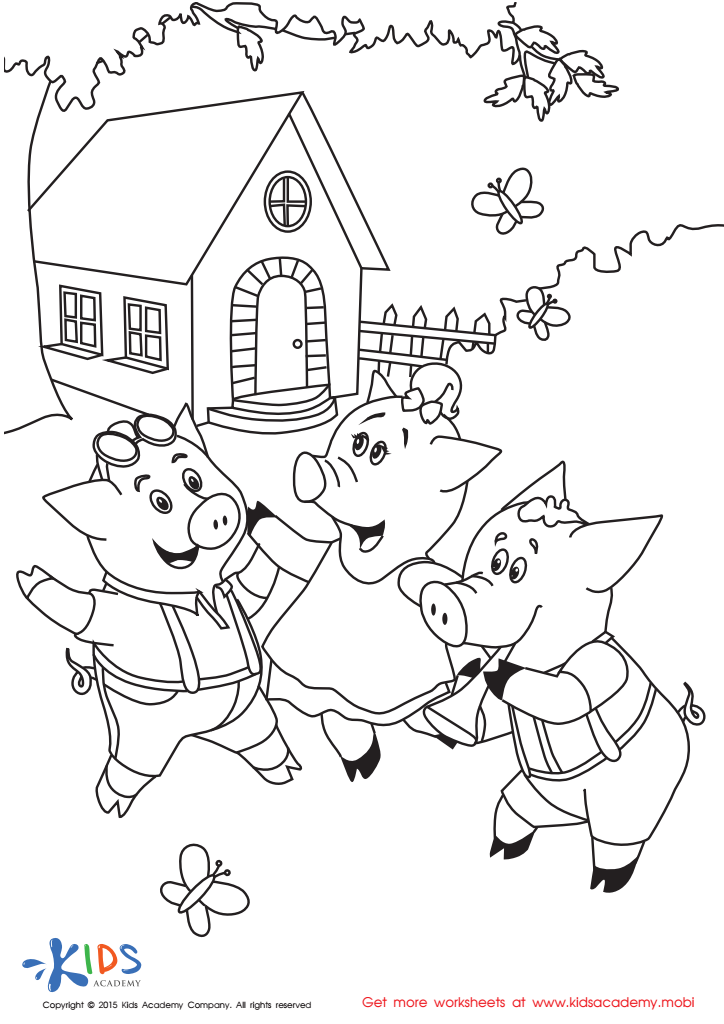
Folktales Printable PDF Worksheet: The 3 Little Pigs
 Assign to My Students
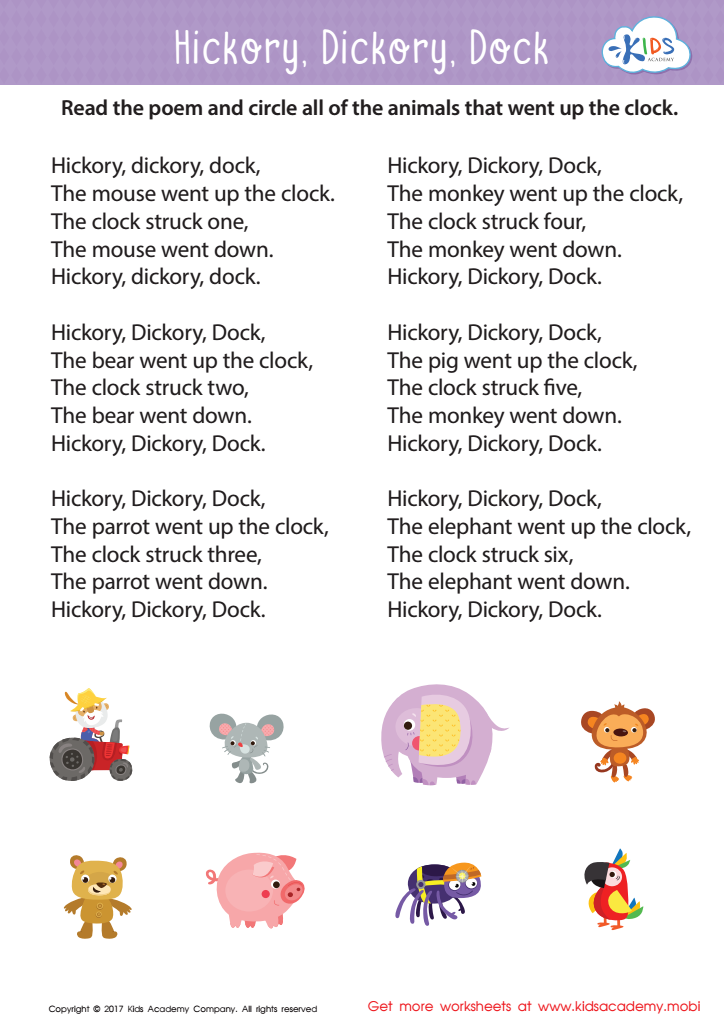
Hickory Dickory Dock Sequencing Worksheet
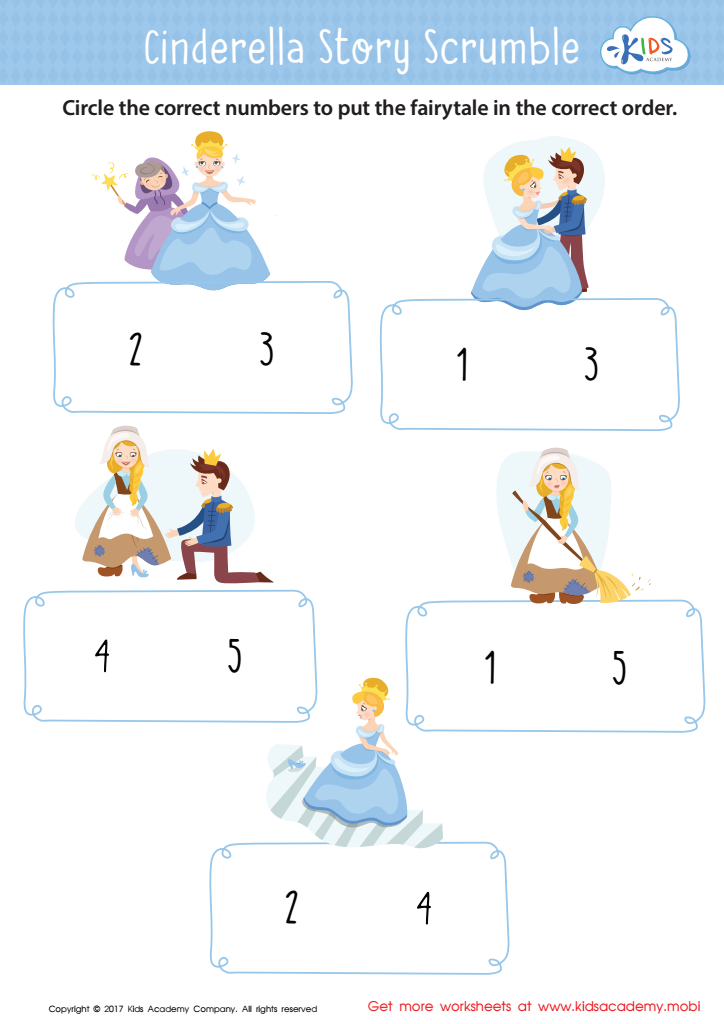
Cinderella Story Sequencing Worksheet
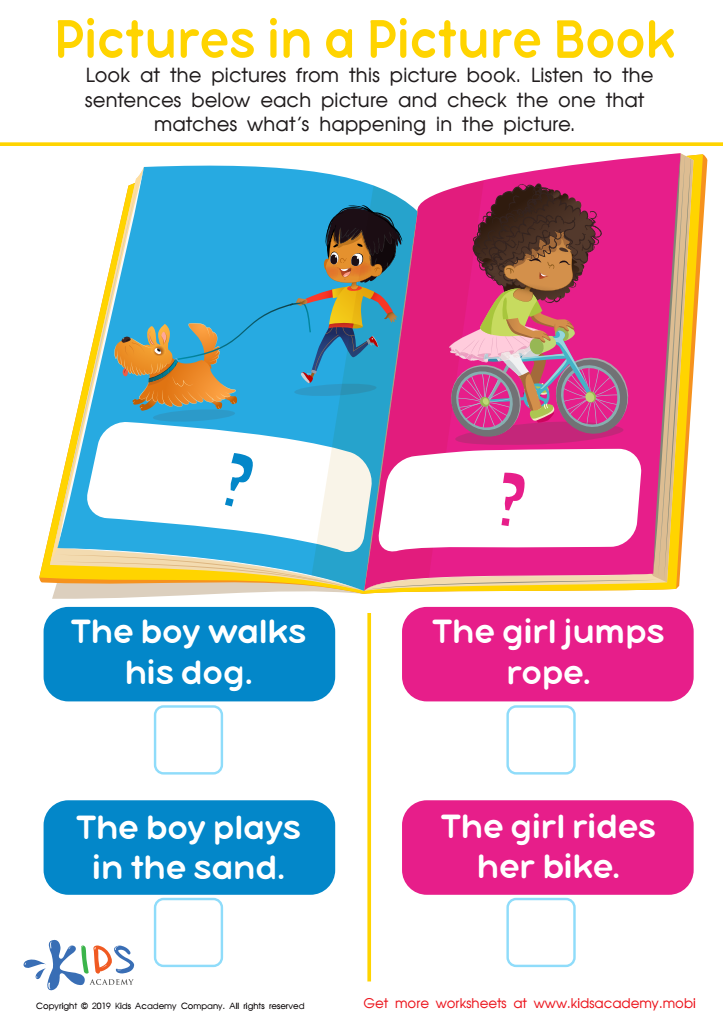
Picture in Books Worksheet
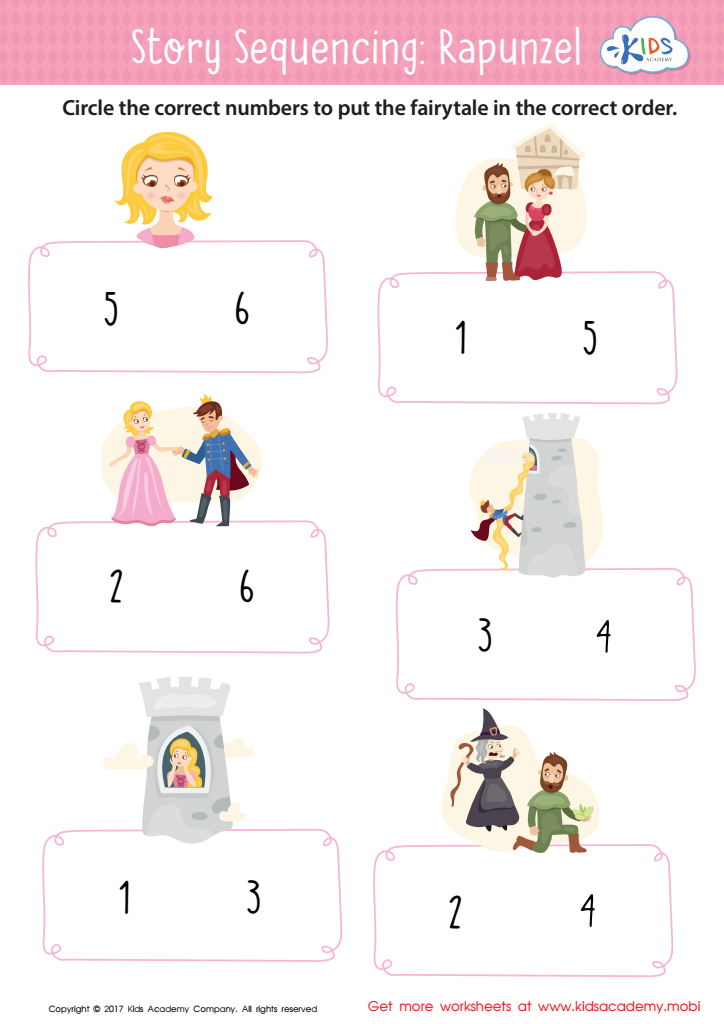
Rapunzel Story Sequencing Worksheet
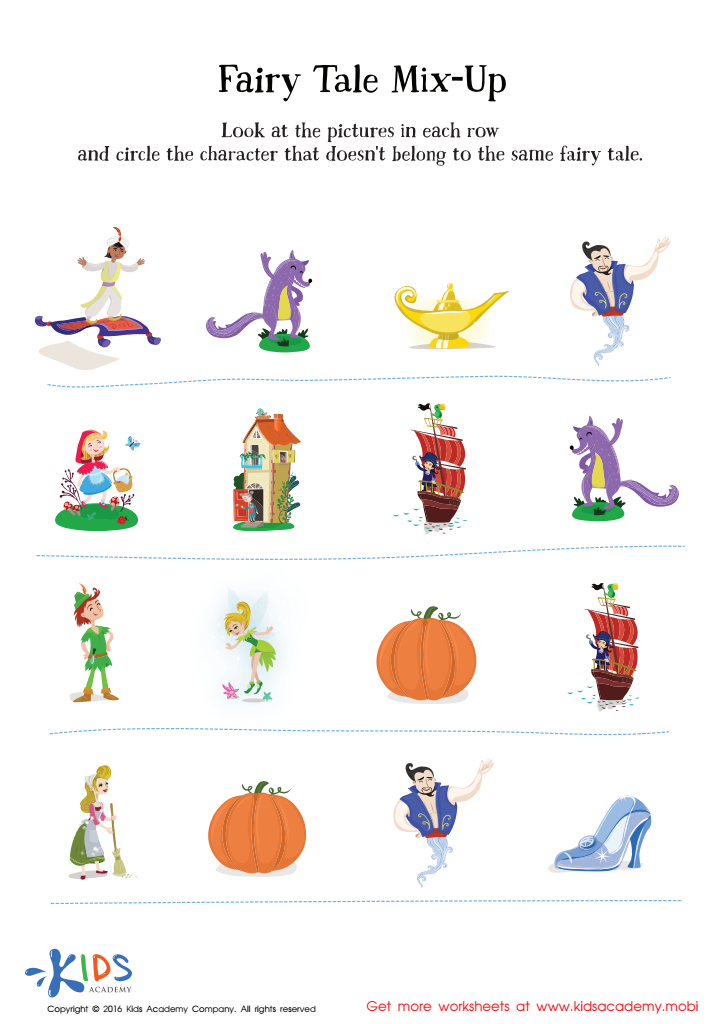
Fairy Tale Worksheet: Story Mix Up
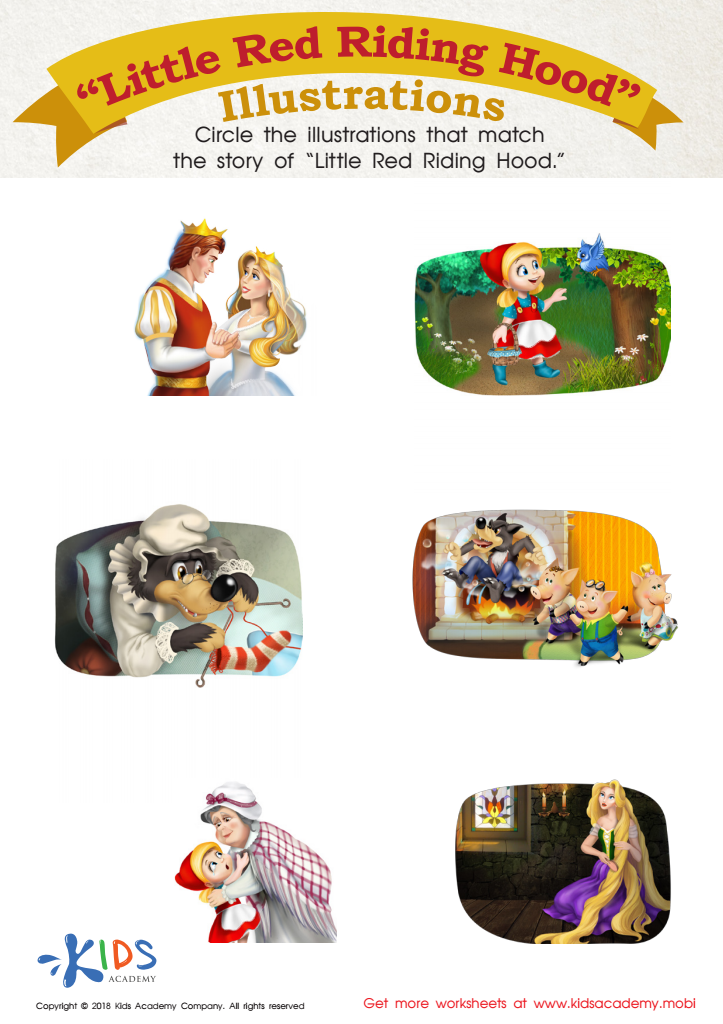
Little Red Riding Hood: Illustrations Worksheet







Story sequencing is a foundational skill in early childhood education that involves arranging the events of a story in the correct order. Parents and teachers should care about story sequencing in preschool reading fiction because it enhances several key areas of development crucial for young learners.
Firstly, it aids in comprehension. Understanding the beginning, middle, and end of a story helps children grasp the narrative's structure, making it easier for them to follow and remember the storyline. This skill not only bolsters reading comprehension but also prepares children for more complex reading and writing tasks in the future.
Secondly, story sequencing fosters critical thinking. When children identify and order the events of a story, they begin to understand cause-and-effect relationships, problem-solving, and logical progression. These skills are not limited to reading; they are vital for overall cognitive development and real-world problem-solving.
Thirdly, engaging in story sequencing enriches language skills. As children discuss and rearrange stories, they learn new vocabulary, sentence structures, and ways of expressing ideas. This interactive process supports verbal and written communication abilities.
Lastly, story sequencing activities often involve collaboration and discussion, which promote social-emotional learning. Children practice listening, sharing, and considering different viewpoints, which are key components of social interaction.
In sum, story sequencing is a powerful, multi-faceted tool that helps lay a robust foundation for children's academic and personal growth.