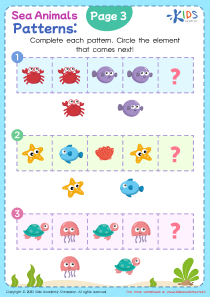
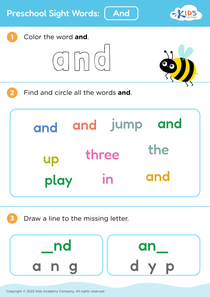
Logical Reasoning Preschool Sight Words Worksheets
3 filtered results
-
From - To
Discover our engaging "Logical Reasoning Preschool Sight Words Worksheets," designed to enhance your child's reading skills while developing critical thinking. These worksheets combine fun exercises focused on sight words with logical reasoning challenges, encouraging young learners to make connections and solve problems. As children practice recognition and usage of sight words, they also learn to analyze situations and draw conclusions, essential components for early literacy development. Ideal for parents and educators, our printable resources create an interactive and enjoyable learning experience. Foster a love for reading while strengthening logical reasoning skills with our expertly crafted worksheets tailored for preschoolers!
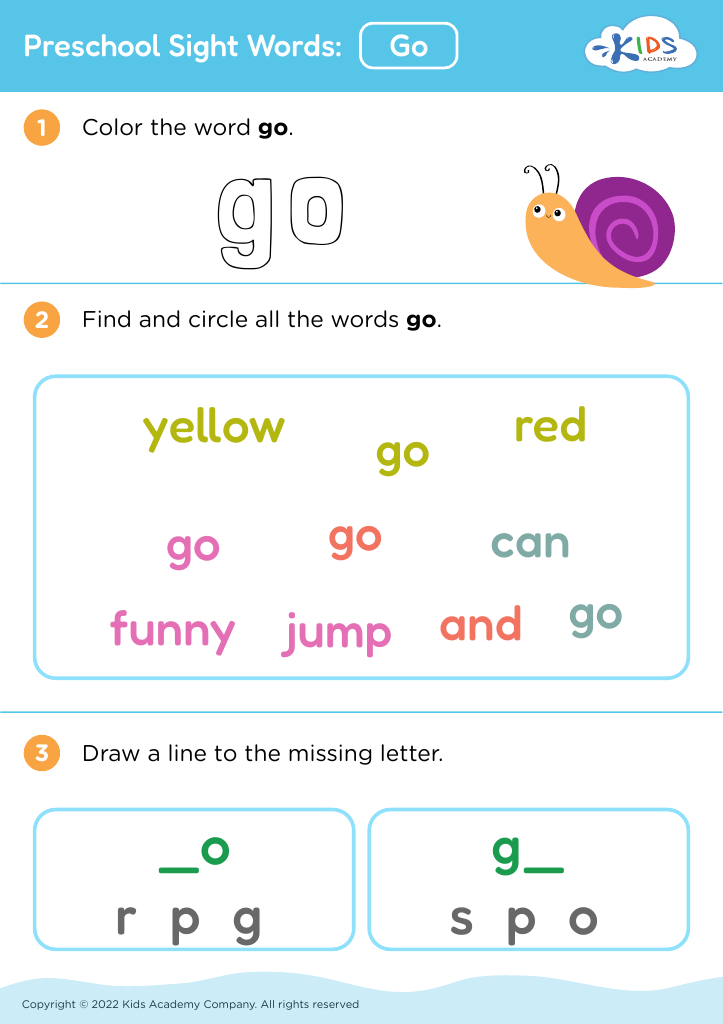
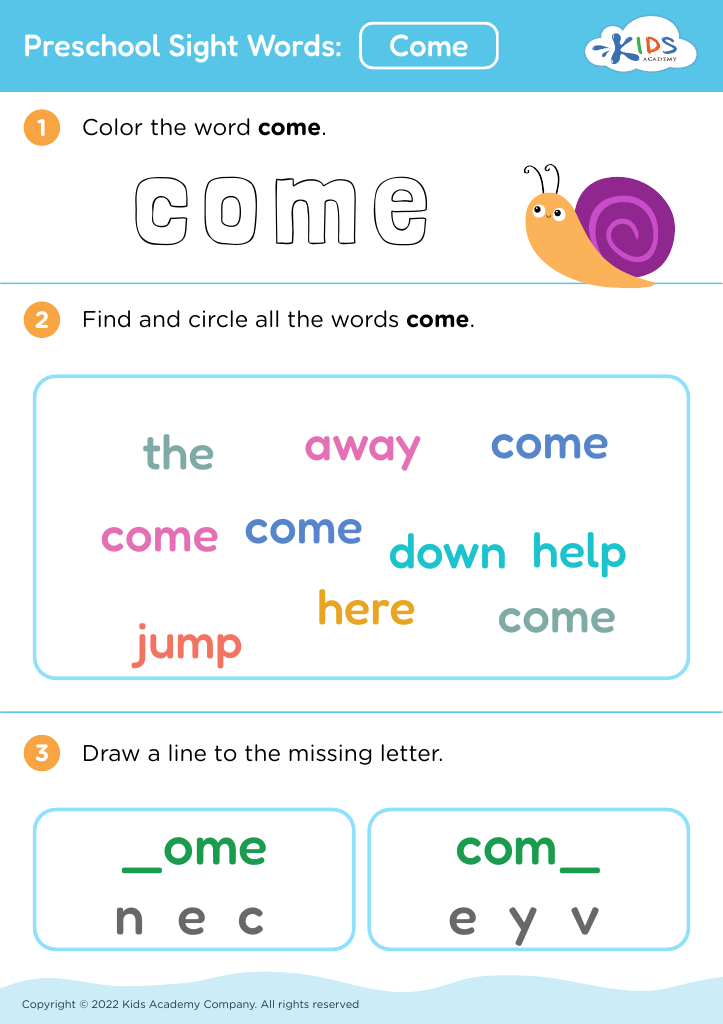
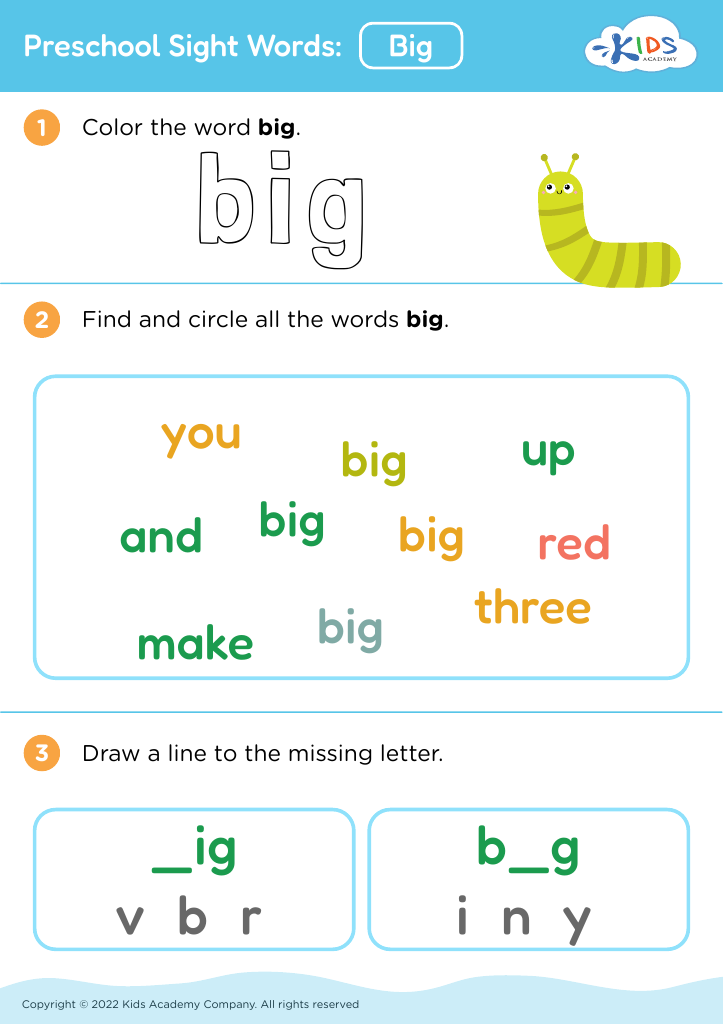








Logical reasoning and sight words are essential components of early literacy development, which form the foundation for children’s reading and comprehension skills. For parents and teachers, understanding and promoting logical reasoning through sight words is crucial for several reasons.
Firstly, mastering sight words fosters fluency in reading. Sight words, commonly used words that children should recognize instantly, allow young readers to process text more swiftly, enabling them to focus on understanding the context rather than decoding each word. This fluency is vital for building confidence in emerging readers.
Secondly, logical reasoning enhances critical thinking skills. Engaging children with logical reasoning exercises, while helping them identify and use sight words, serves to develop their cognitive abilities. This integrated approach promotes deeper comprehension and analysis, equipping children to make connections, draw conclusions, and solve problems.
Finally, a solid foundation in sight words and logical reasoning prepares children for more complex reading tasks in the future. As such, parents and teachers investing time in these areas not only improve a child’s immediate literacy outcomes but also empower them for lifelong learning and academic success. Ultimately, fostering these skills sets children on a path to becoming proficient readers and discerning thinkers.