Fine Motor Skills Preschool Science Worksheets
5 filtered results
-
From - To
Enhance your preschooler's learning experience with our engaging Fine Motor Skills Science Worksheets! Designed specifically for young learners, these worksheets combine scientific exploration with essential fine motor skill development. Kids will enjoy activities that promote hand-eye coordination, dexterity, and valuable problem-solving skills. Each worksheet encourages creativity and critical thinking, making science fun and interactive. Perfect for at-home learning or classroom activities, these resources are easy to print and adapt to your child's learning pace. Foster a lifelong love of science while helping your child develop the fine motor skills they need for future success. Explore our collection today!
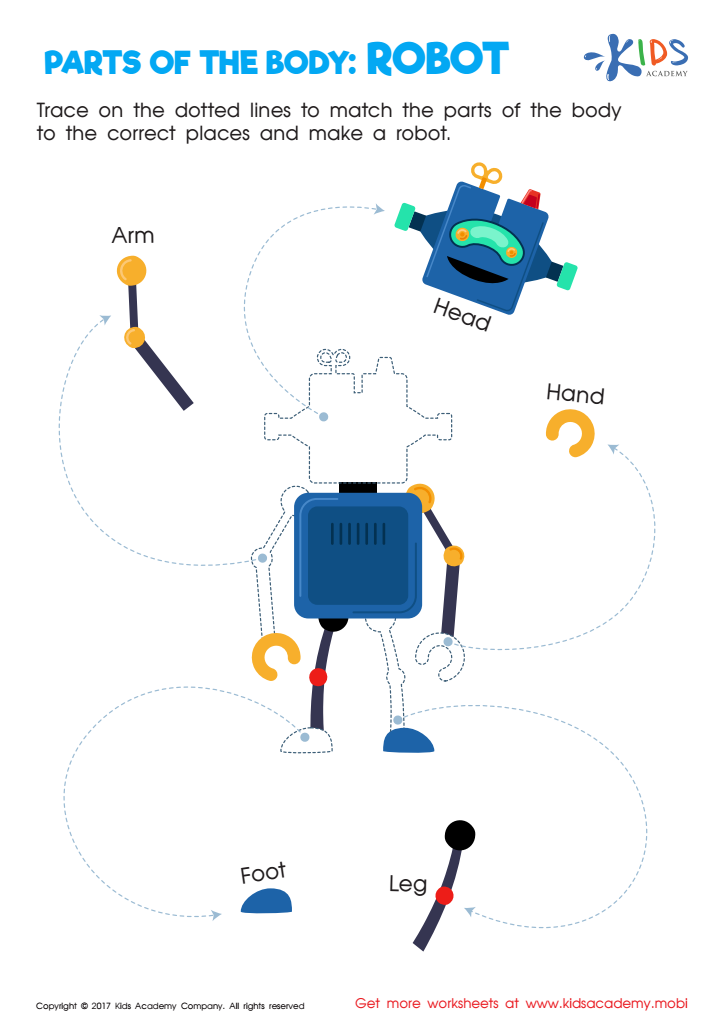
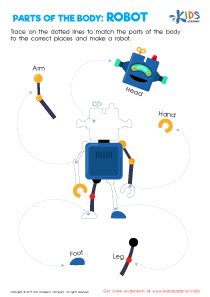
Robot Printable
 Assign to My Students
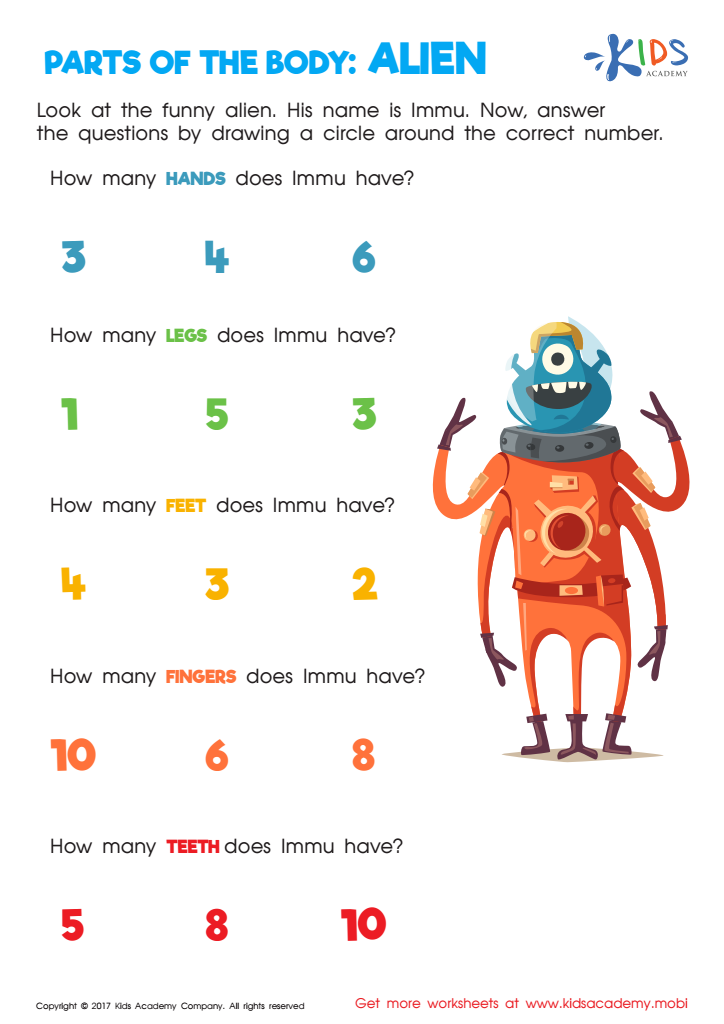
Alien Worksheet
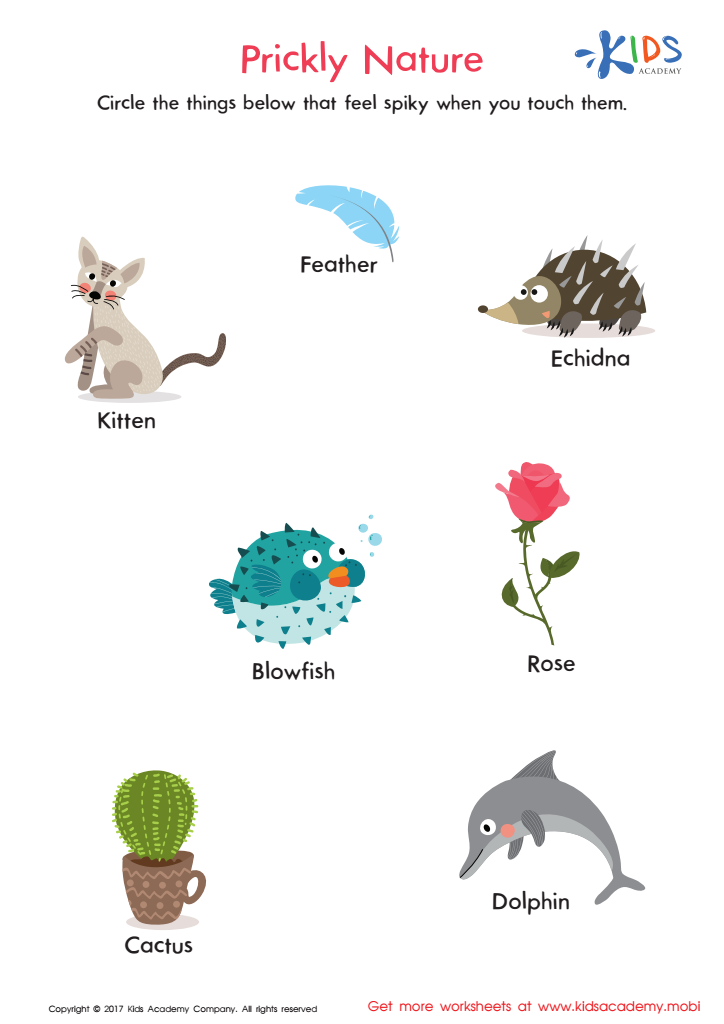
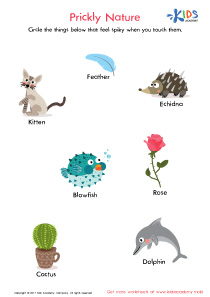
Prickly Nature Worksheet
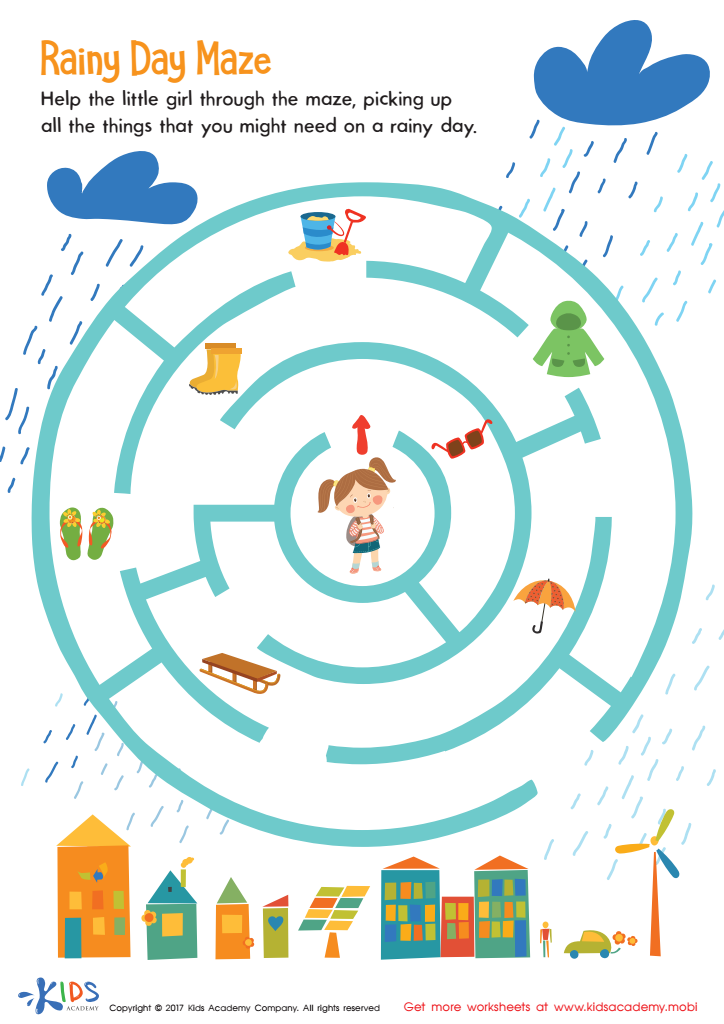
Rainy Day Maze Worksheet








Fine motor skills are the small movements of the hands and fingers that are essential for many daily tasks and activities. For preschoolers, the development of these skills is crucial as they form the foundation for later academic success, particularly in science-related activities that require precision and coordination. Parents and teachers should care about fostering fine motor skills because they are linked to a child’s ability to engage effectively in hands-on learning experiences.
For instance, manipulating tools used in experiments or art projects relies heavily on fine motor coordination. When preschoolers develop these skills, they learn to experiment, explore, and create with more confidence and independence. Fine motor activities also enhance cognitive development, as they often require problem-solving and critical thinking.
Moreover, strong fine motor skills are beneficial for writing, building, and other basic tasks that contribute to overall school readiness. Encouraging activities such as threading beads, using playdough, or engaging in simple science experiments can further nurture these skills. By demonstrating an active interest in supporting fine motor development, parents and teachers set the stage for a child's lifelong learning and success in all areas, especially in the sciences where experimentation and tactile experiences are key.