Counting skills Preschool World Around Us Worksheets
5 filtered results
-
From - To
Explore the exciting world of counting skills with our Preschool World Around Us Worksheets! Designed for young learners, these engaging activities help children develop essential early math abilities through hands-on practice. Our worksheets incorporate vibrant visuals and fun themes that reflect the natural and social environments surrounding preschoolers, making learning enjoyable and relatable. From number recognition to simple addition, each activity strengthens counting skills in a variety of contexts, empowering children to build a strong mathematical foundation. Perfect for home or classroom use, these worksheets promote independent learning and confidence while preparing kids for future academic success. Dive into counting fun today!
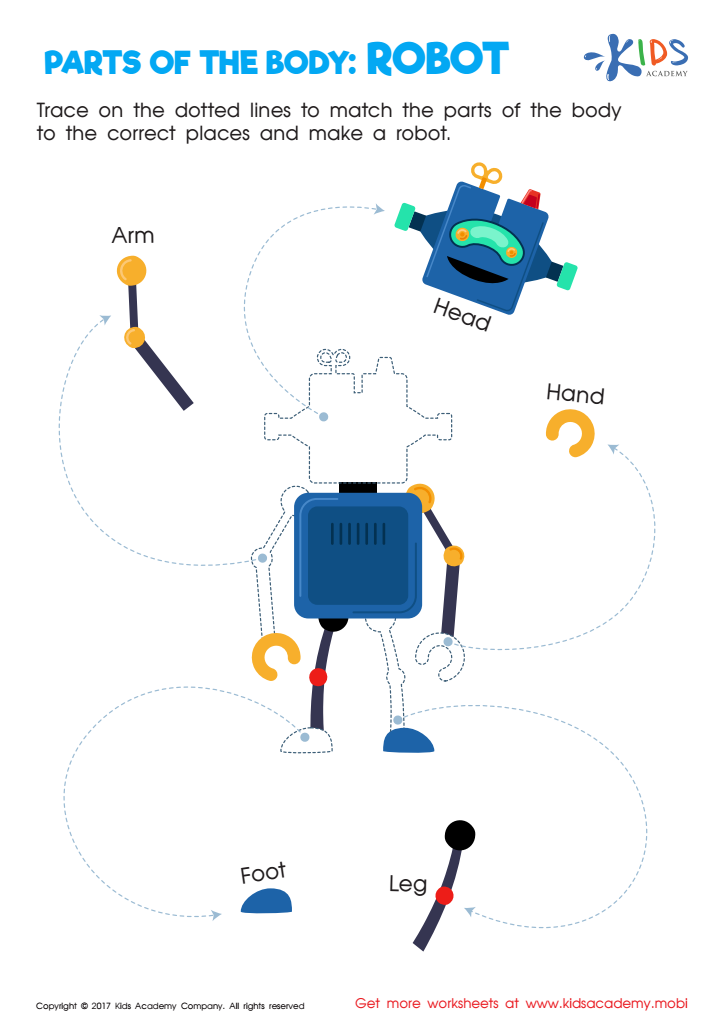
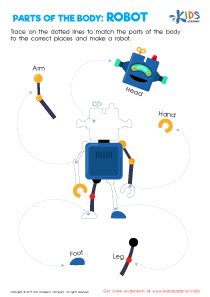
Robot Printable
 Assign to My Students
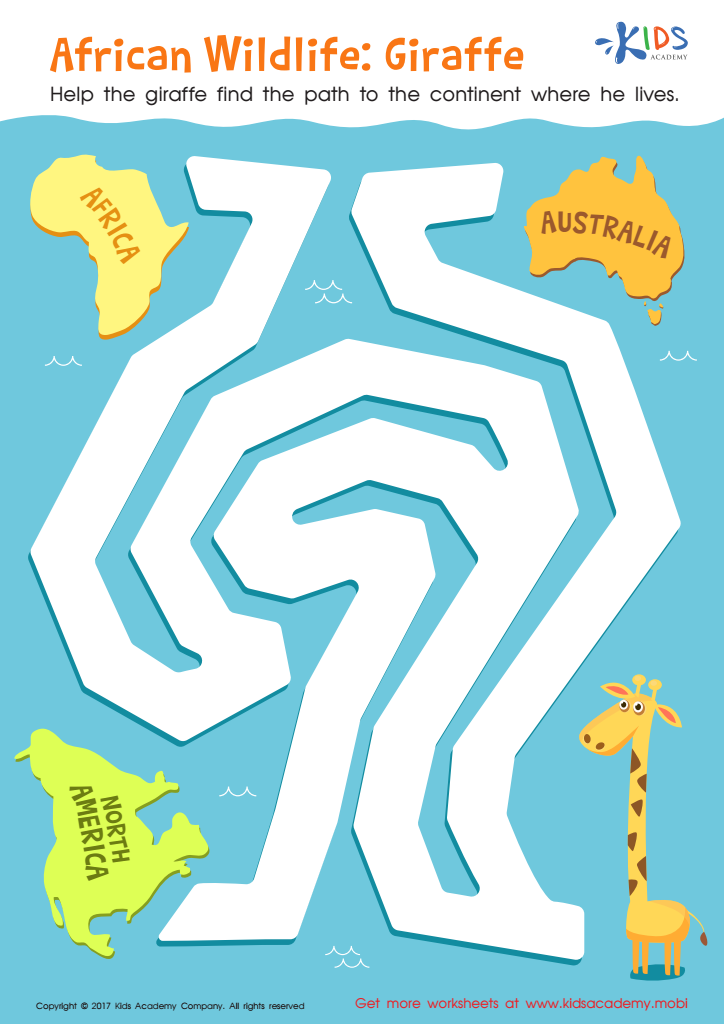
African Wildlife: Giraffe Worksheet
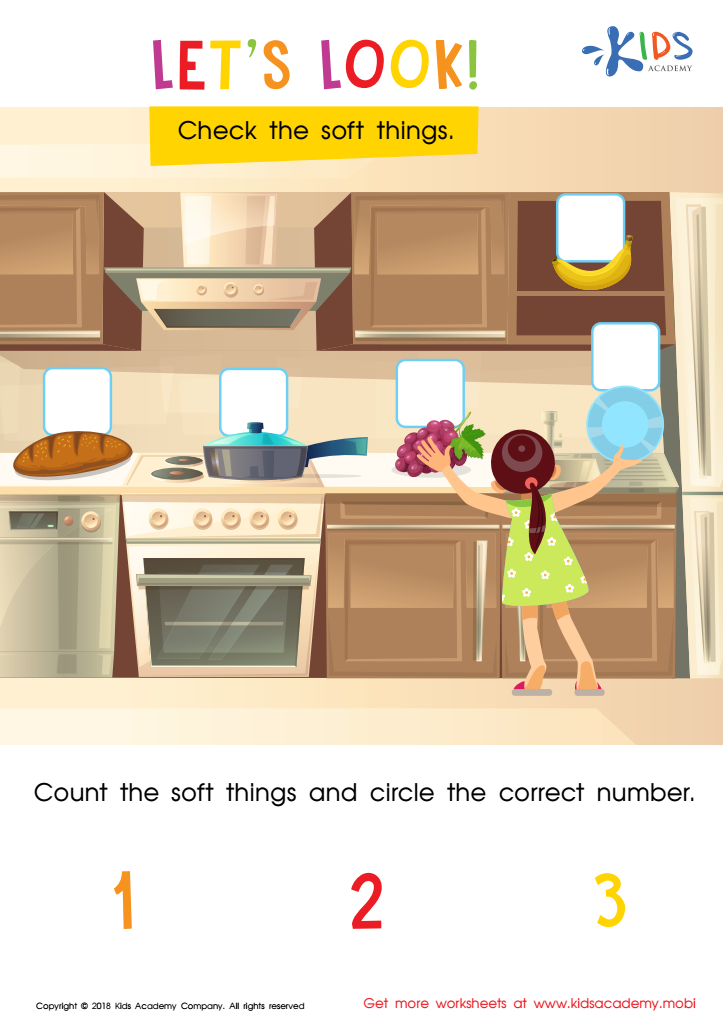
Let's Look! Assessment Worksheet
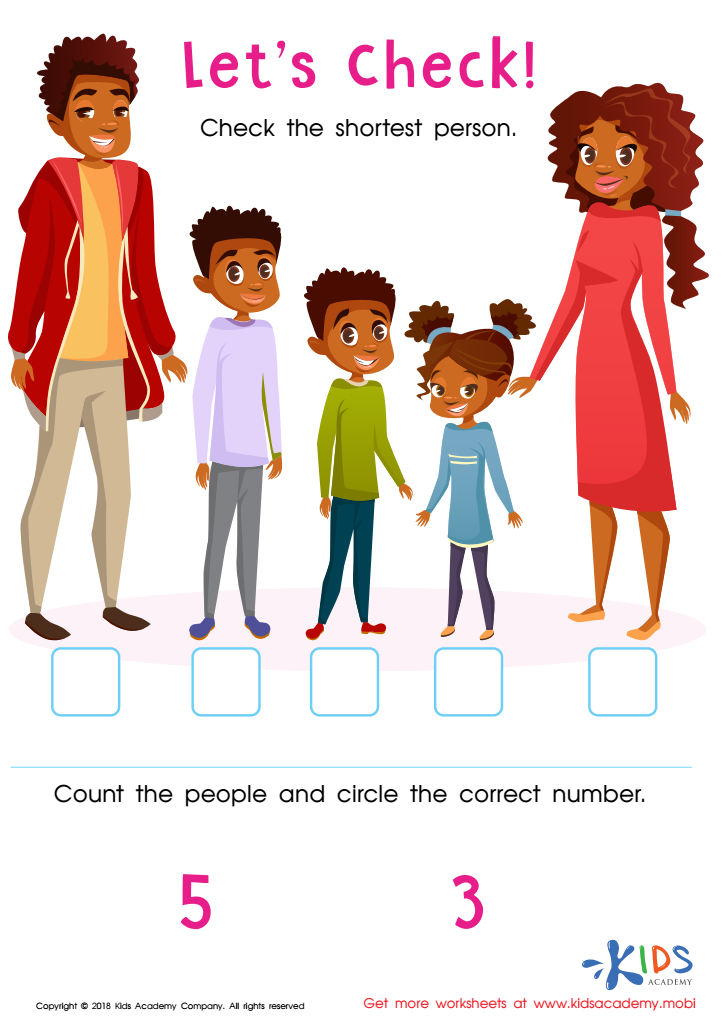
Let's Check! Assessment Worksheet
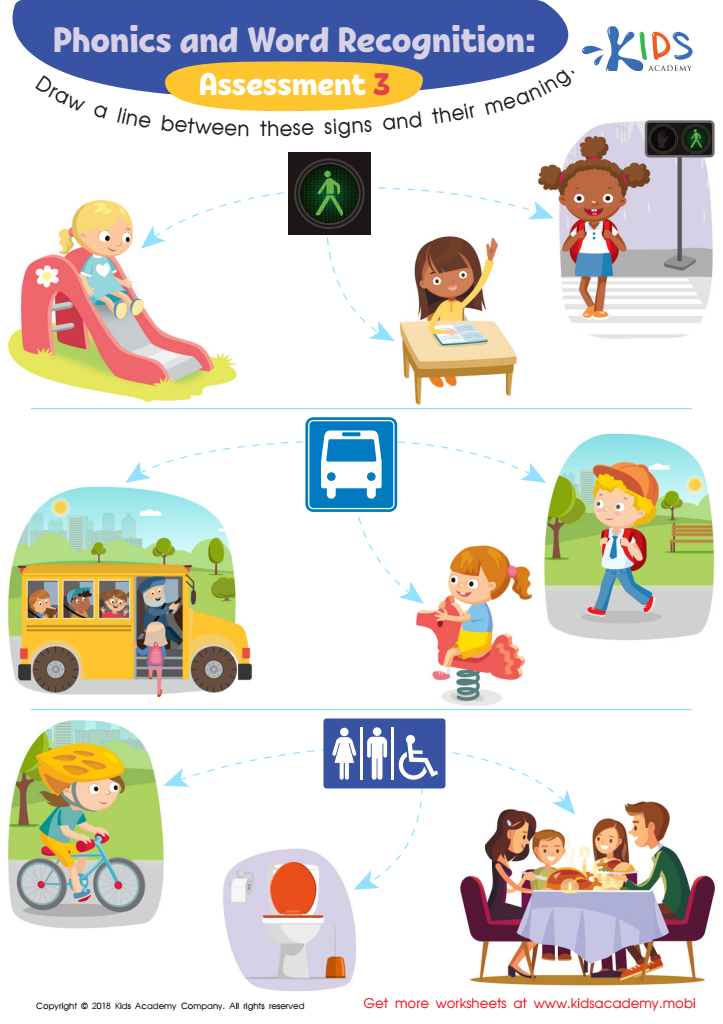
Phonological Awareness: Assessment 3 ELA Worksheet







Counting skills are foundational to preschool children's cognitive and social development, making it essential for parents and teachers to prioritize these skills in the context of the world around us. First and foremost, counting fosters basic mathematical proficiency, which is crucial for future academic success. By introducing counting in various everyday situations—like counting apples at the grocery store or steps on a playground—parents and teachers create a practical understanding of numbers.
Moreover, counting enhances children's cognitive abilities, such as problem-solving and critical thinking. Engaging children in counting helps develop their memory and concentration, vital skills for all learning areas. Socially, group activities centered around counting can promote collaboration and communication, allowing children to learn from one another.
Furthermore, counting skills are integral to understanding patterns and sequences, paving the way for more complex mathematics later on. Incorporating counting into playful, hands-on experiences helps children see the relevance of these skills in their daily lives, making learning enjoyable and meaningful.
Ultimately, when parents and teachers emphasize counting skills, they are not only laying the groundwork for essential academic advancement but also enriching children's developmental journeys. By connecting counting to their world, children gain confidence and a sense of achievement.