Addition Practice Building Vocabulary Worksheets
8 filtered results
-
From - To
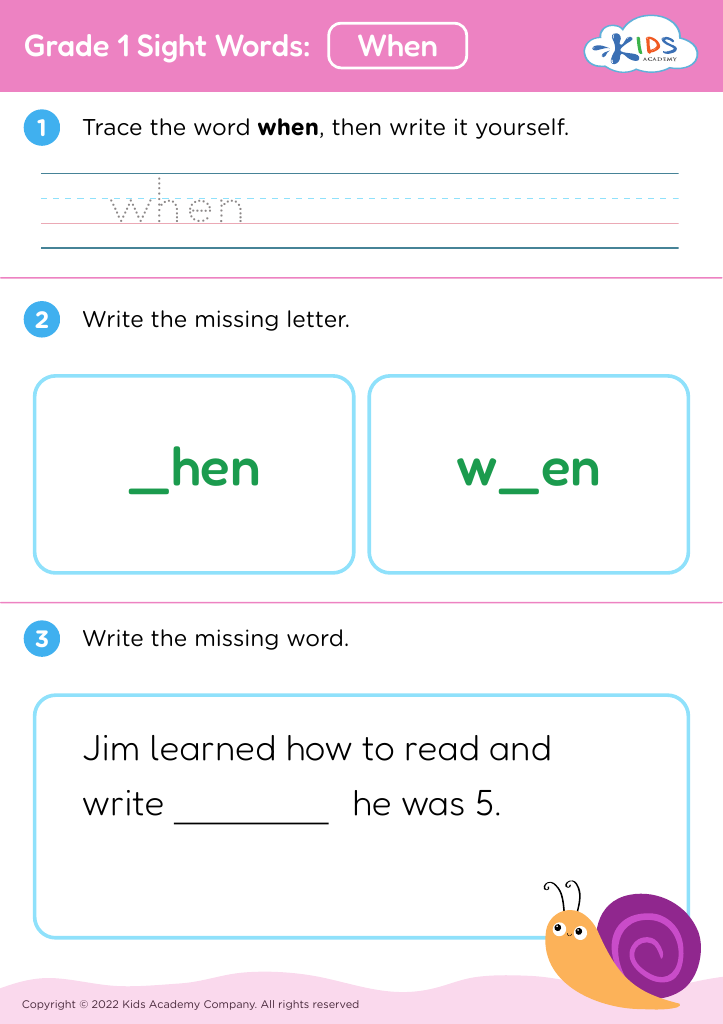
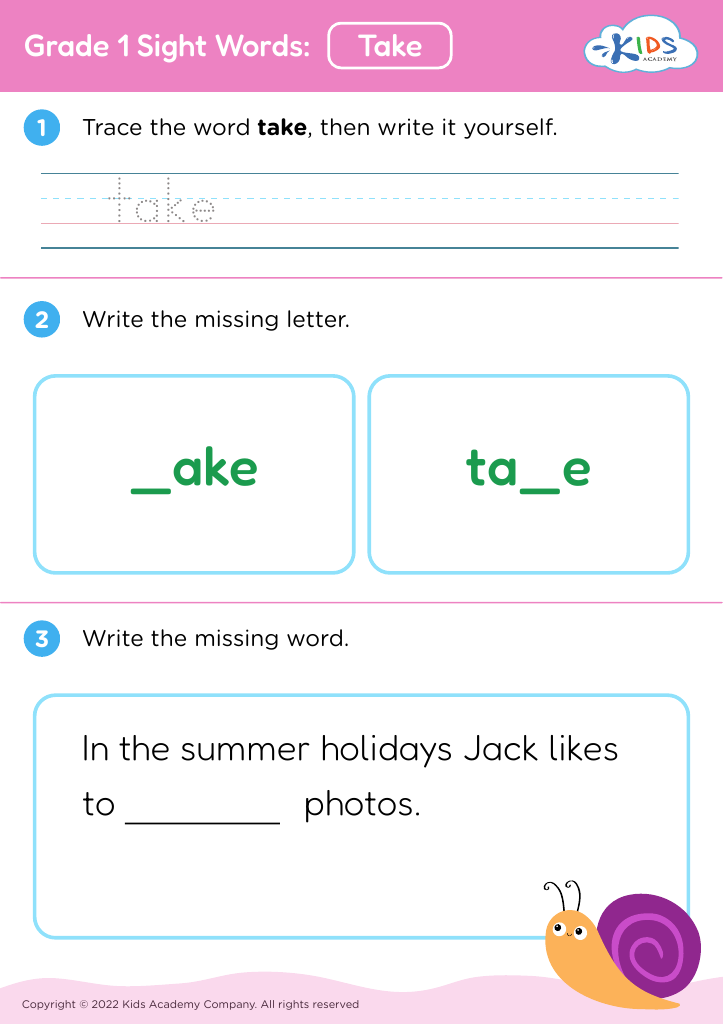
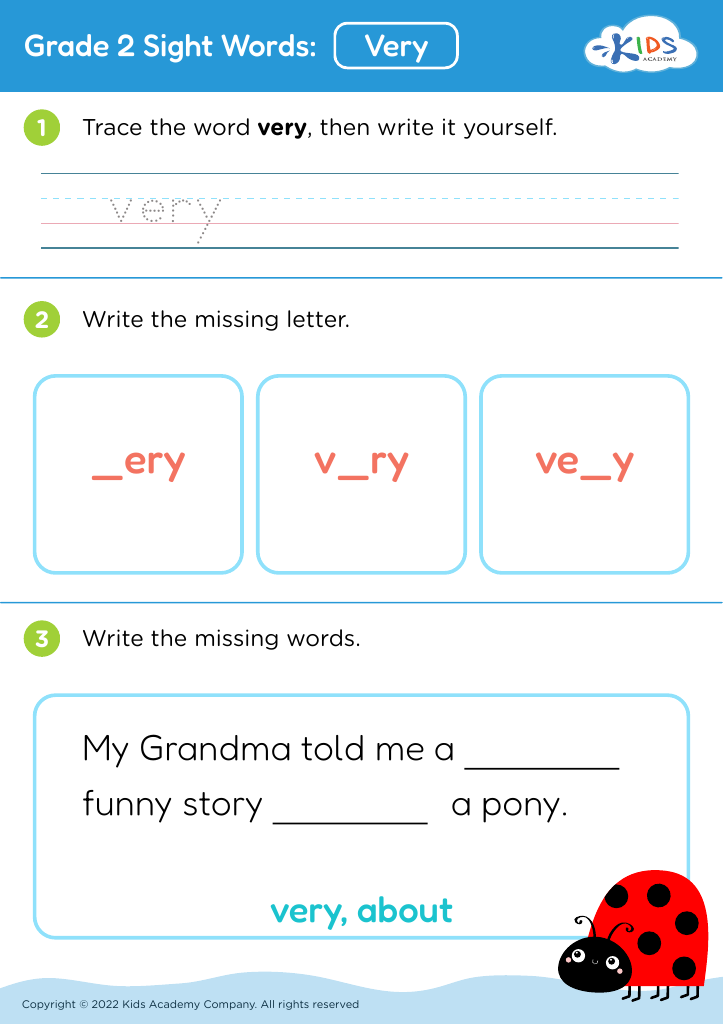
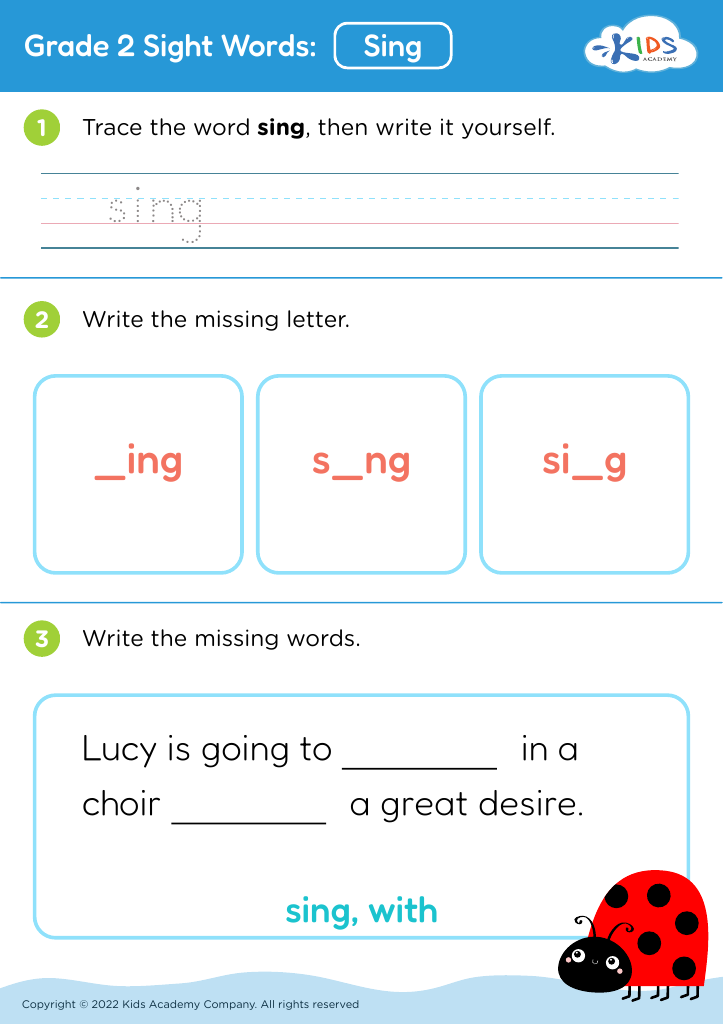
Our Addition Practice Building Vocabulary Worksheets seamlessly integrate math and language skills to boost your child's academic growth. These engaging printables combine fun addition exercises with vocabulary-building activities, ensuring that young learners enhance their numeric and verbal prowess simultaneously. Ideal for early elementary grades, the worksheets feature colorful illustrations, word problems, and diverse vocabulary tasks that make learning enjoyable and effective. Perfect for classroom use or at-home practice, our worksheets are designed to solidify foundational skills in a comprehensive and enjoyable manner. Visit Kids Academy to download and watch your child master both addition and vocabulary effortlessly!











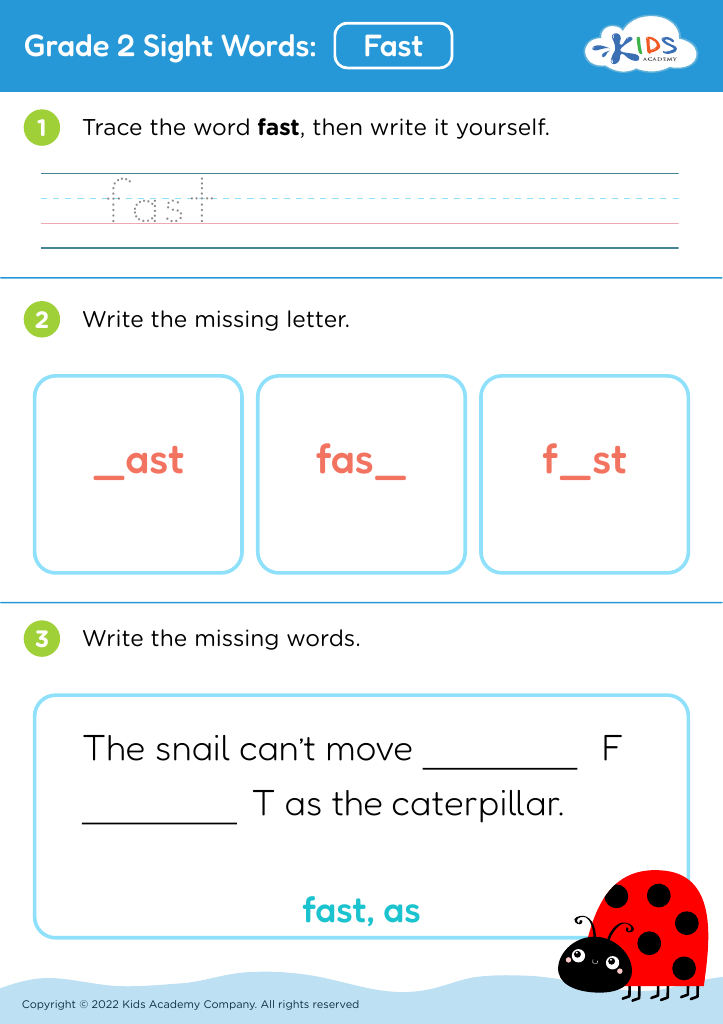
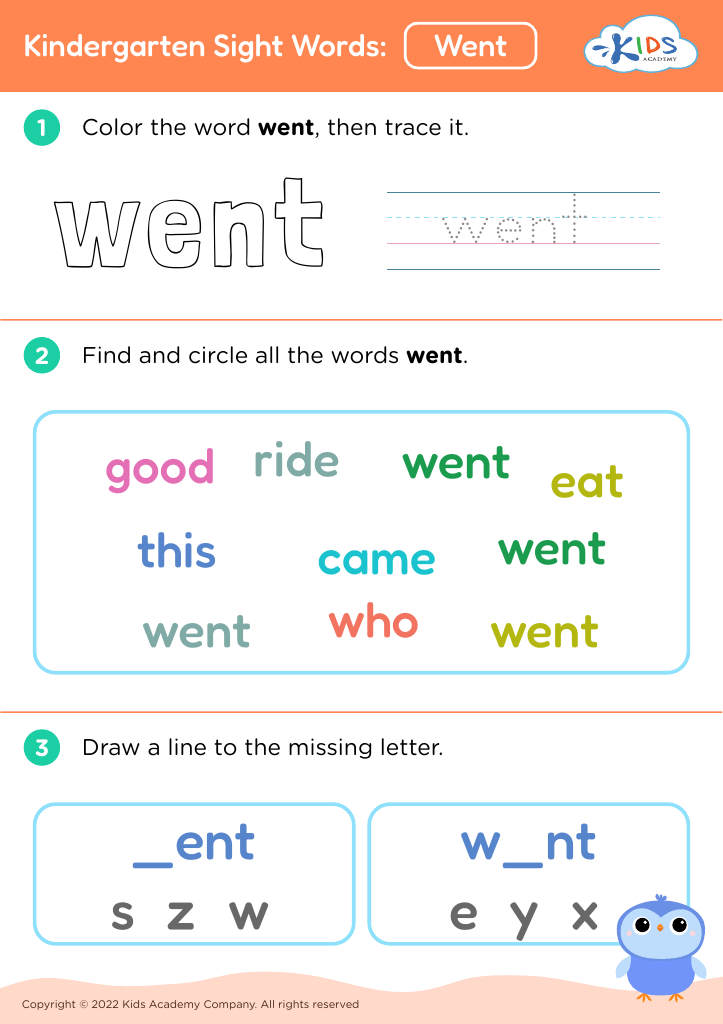
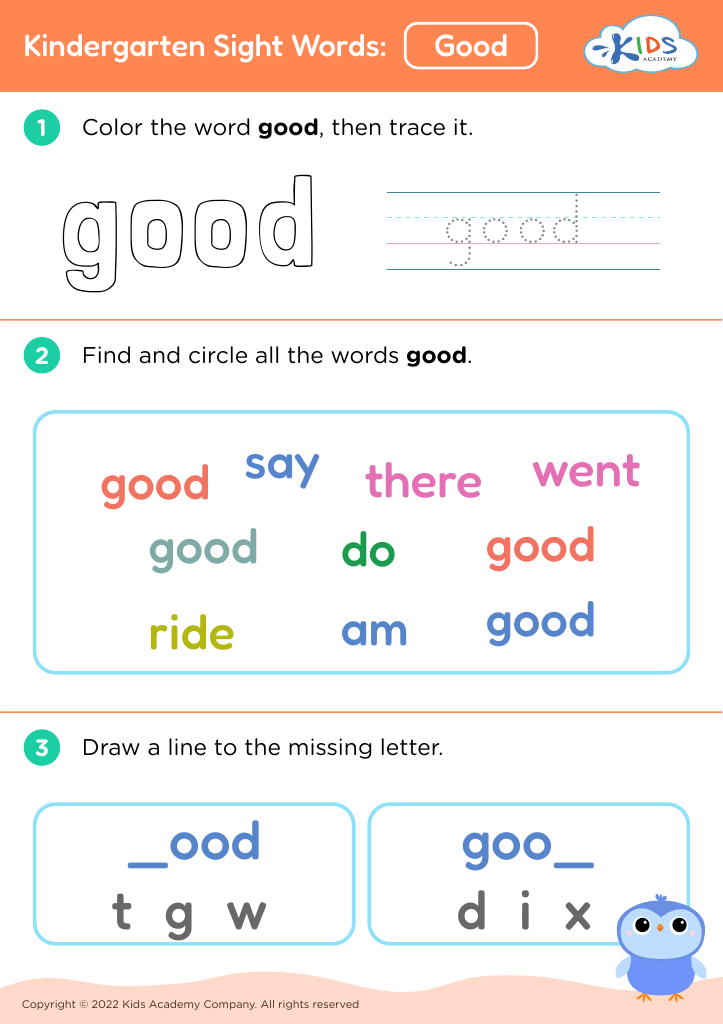
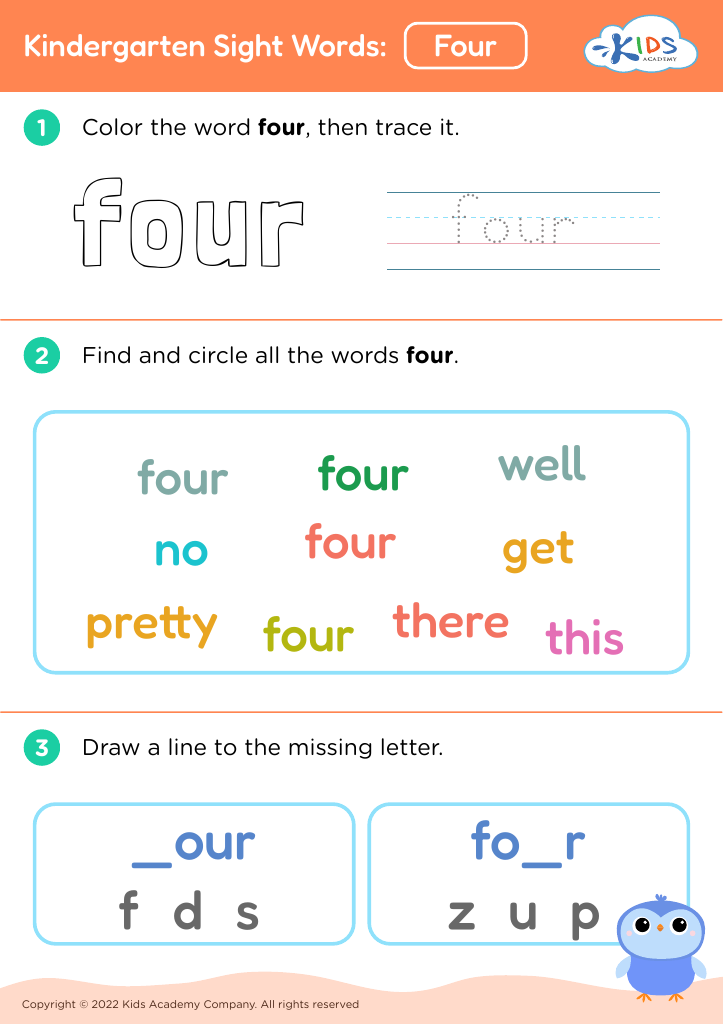






.jpg)

Parents and teachers should prioritize Addition Practice Building Vocabulary because it serves two fundamental educational purposes. First, it consolidates the essential mathematical skill of addition, enabling children to perform basic arithmetic operations with confidence. Without a strong foundation in addition, students may struggle with more complex mathematical concepts in later years. Practicing addition reinforces number sense, enhances mental math capabilities and problem-solving skills, and supports overall mathematical fluency.
Second, integrating vocabulary-building exercises within addition practice fosters linguistic development. Children learn to articulate mathematical processes, understand instructions, and grasp mathematical terminology (such as “sum,” “addend,” and “total”). This dual focus on math and language helps children become well-rounded learners, capable of approaching problems from multiple angles. With a strong vocabulary, they can better communicate their reasoning and strategies, both in mathematics and across other subjects.
Inclusively, Addition Practice Building Vocabulary cultivates a classroom environment where math and language learning intersect, making lessons more dynamic and engaging for students with diverse learning preferences. This combination fosters an enriched learning experience, encouraging children to see the relevance and connection between different educational disciplines, ultimately leading to well-rounded intellectual growth.








