Shape identification Building Vocabulary Worksheets
4 filtered results
-
From - To
Discover our engaging Shape Identification Building Vocabulary Worksheets designed for young learners! These interactive worksheets help children master shape recognition while expanding their vocabulary. Each activity features colorful illustrations and simple instructions, making learning both fun and effective. By connecting shapes with relevant words, students enhance their cognitive skills and language development. Perfect for classroom use or at-home learning, these worksheets support early childhood education goals. Foster creativity and critical thinking as kids explore circles, squares, triangles, and more! Download now to provide a rich learning experience that encourages exploration and strengthens foundational concepts in geometry and language.
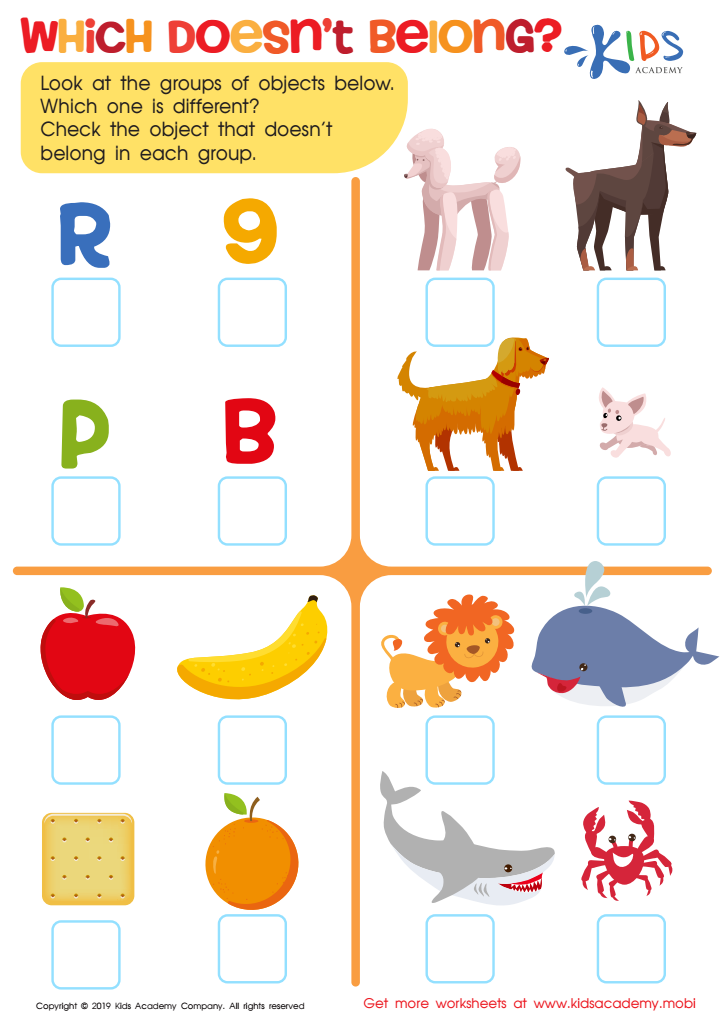
Which Doesn't Belong? Worksheet
 Assign to My Students











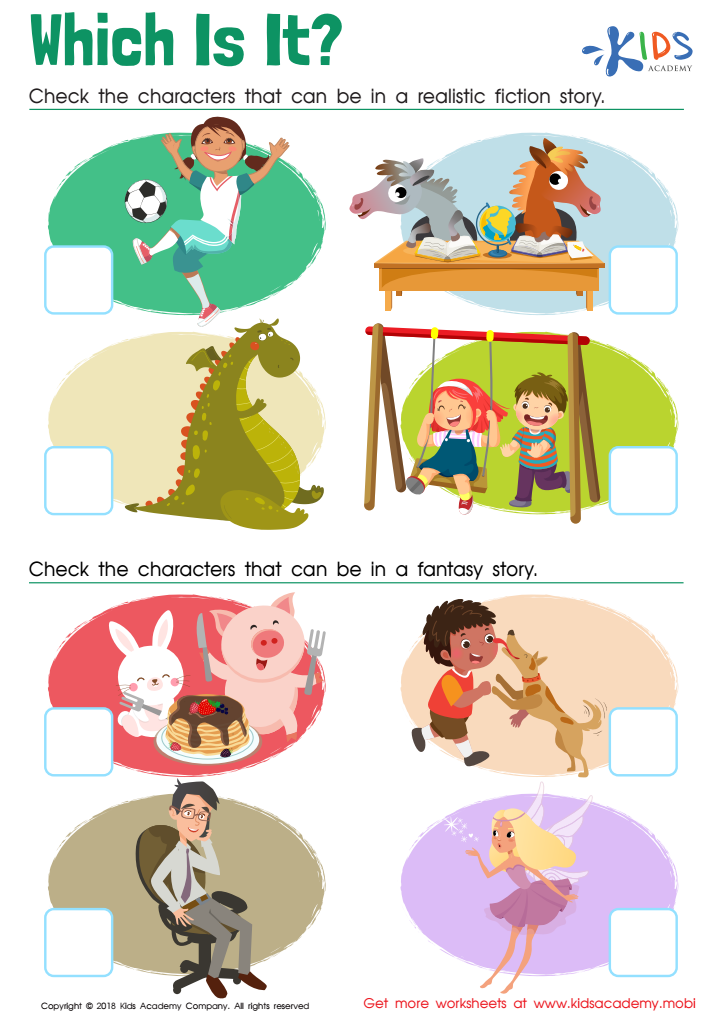
Which Is It? Worksheet







.jpg)
Shape identification plays a crucial role in early childhood education, making it essential for parents and teachers to prioritize this skill. Firstly, recognizing and naming shapes helps young children develop their vocabulary, which is foundational for effective communication. By engaging with various shapes, children learn to articulate their thoughts, enhancing their language skills overall.
Moreover, shape identification fosters cognitive development. It encourages critical thinking as children learn to categorize and differentiate between shapes based on attributes like size, color, and dimensions. This analytical thinking is not only vital for early math skills but also lays the groundwork for problem-solving abilities in later years.
Additionally, discussing shapes encourages spatial awareness and enhances fine motor skills. Activities involving shape sorting, drawing, or crafting reinforce these concepts while making learning enjoyable and interactive. Parents and teachers can leverage everyday opportunities to discuss shapes, integrating vocabulary lessons naturally into daily activities such as cooking or exploring nature.
Investing time in shape identification benefits children by enriching their language development, cognitive skills, and creativity, setting them on a well-rounded path to academic and personal success. By caring about shape identification, parents and teachers actively contribute to holistic child development, preparing them for future learning experiences.








