Enhance critical thinking Reading Worksheets
3 filtered results
-
From - To
Unlock your child's full reading potential with our "Enhance Critical Thinking Reading Worksheets" from Kids Academy. Designed for young learners, these engaging worksheets foster analytical skills, boost comprehension, and stimulate curiosity through thought-provoking activities. Each worksheet offers challenges tailored to development levels, encouraging kids to ask questions, draw conclusions, and think independently. Our dynamic resources support classroom learning and home practice, making critical thinking a fun and integral part of reading. Guide your child to become a confident reader with sharper critical thinking skills by exploring our collection today. Cultivate a love for reading and analytical thinking seamlessly with Kids Academy!
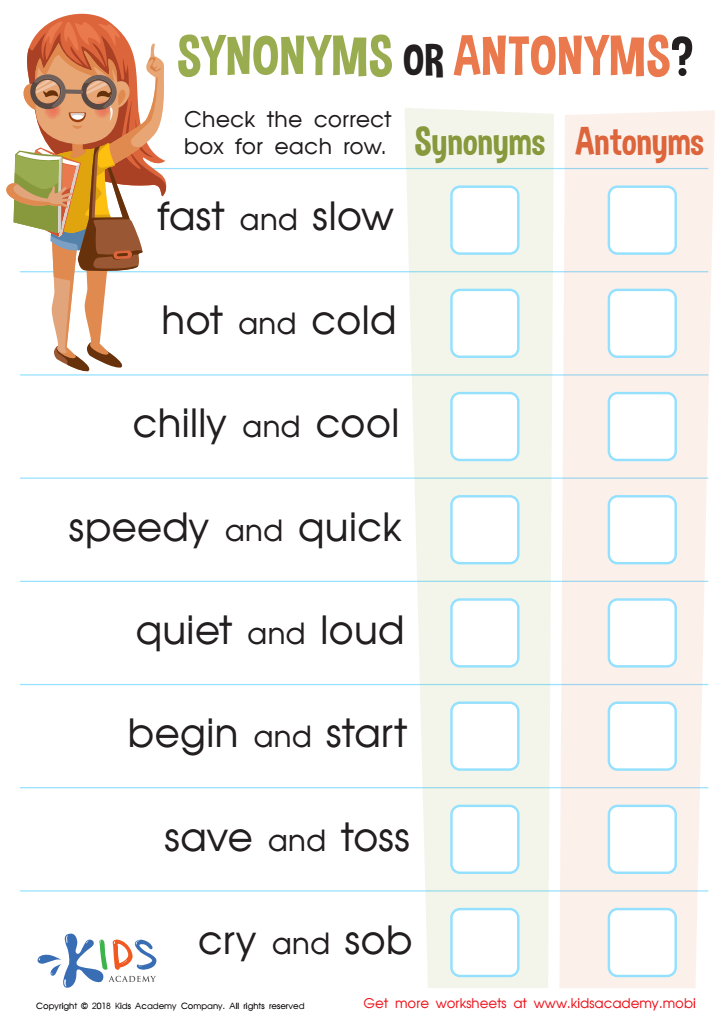
Synonyms or Antonyms: Assessment Worksheet
 Assign to My Students
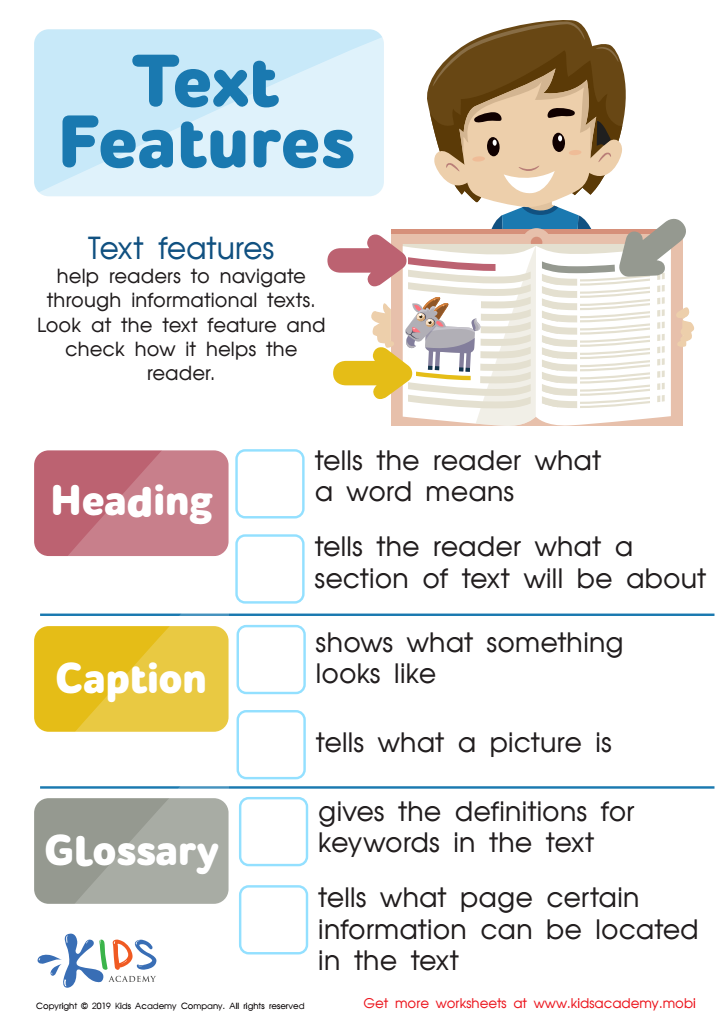
Text Features Worksheet
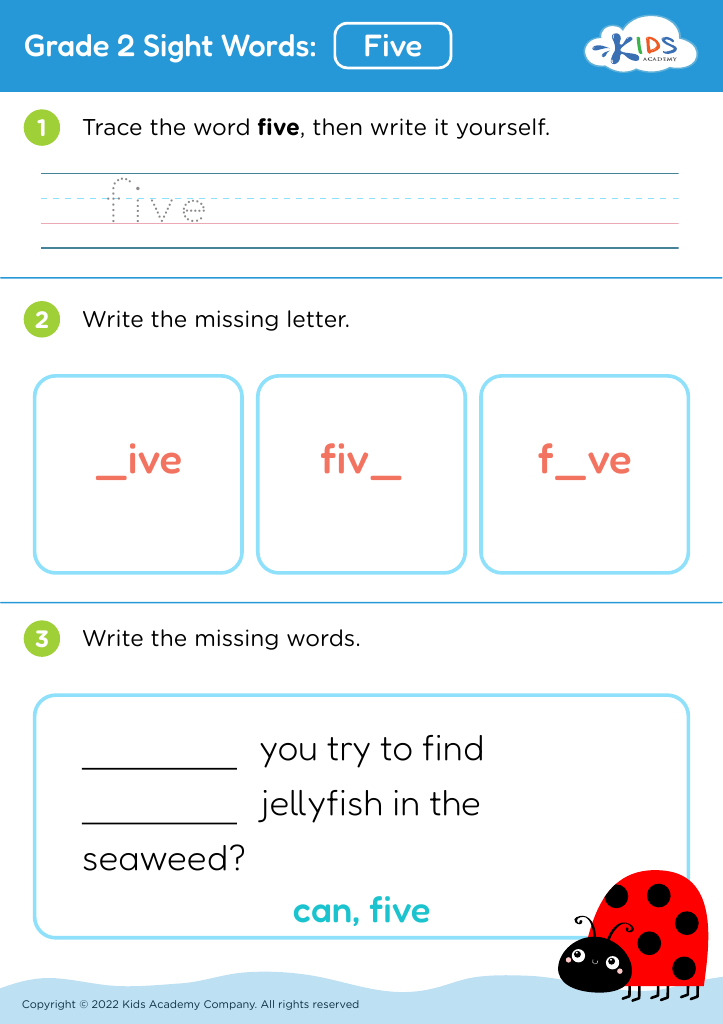



.jpg)

.jpg)


Enhancing critical thinking through reading is pivotal for children's intellectual and social development, laying the foundation for long-term academic and personal success. Critical thinking encourages students to analyze, evaluate, and interpret diverse texts, fostering a deeper understanding rather than mere surface-level comprehension. When children engage with stories and informational texts critically, they learn to question assumptions, identify biases, and compare differing viewpoints, which sharpens their analytical skills.
For parents and teachers, promoting critical thinking in reading helps cultivate a love for learning and curiosity. Children become more self-sufficient learners as they develop problem-solving skills and cognitive abilities that transfer to other academic subjects and real-world situations. This competency prepares them to navigate an increasingly complex world, making informed and thoughtful decisions.
Moreover, critical thinking nurtures empathy and cultural awareness. By understanding characters' motives and contexts in stories, children expand their appreciation for diverse experiences and perspectives. For educators, embedding critical thinking in literacy is essential to meeting educational standards and fostering an inclusive, engaging learning environment.
In essence, prioritizing critical thinking in reading equips children with essential life skills, empowers them to be proactive in their education, and prepares them for future challenges, making it an indispensable aspect of early education.








