Sound recognition Reading Worksheets
5 filtered results
-
From - To
Discover our engaging Sound Recognition Reading Worksheets designed to help young readers enhance their phonemic awareness. Ideal for early learners, these worksheets make mastering sound recognition fun and interactive. Through activities such as identifying initial, medial, and final sounds, children develop essential literacy skills that lay the foundation for fluent reading. Tailored to various learning styles, our colorful and engaging worksheets strengthen children's ability to decode words confidently. Whether at home or in the classroom, watch your child's reading skills blossom with these effective, research-based resources. Download our printable worksheets today and set your child on a path to reading success!
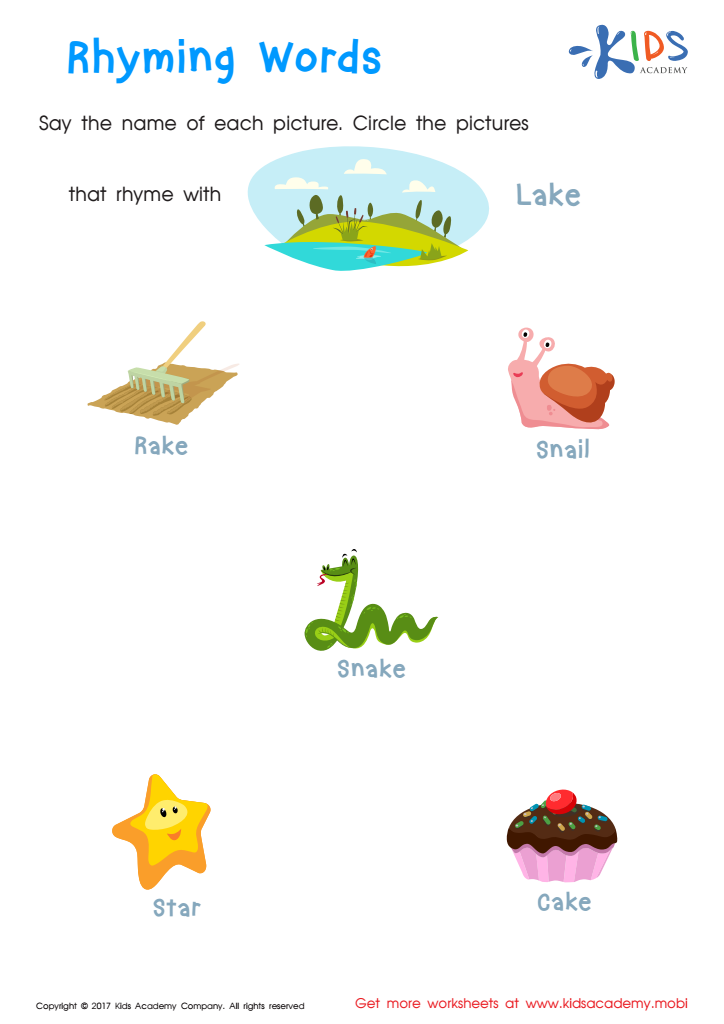
Rhyming Words Rhyming Worksheet

Long and Short U Worksheet
 Assign to My Students
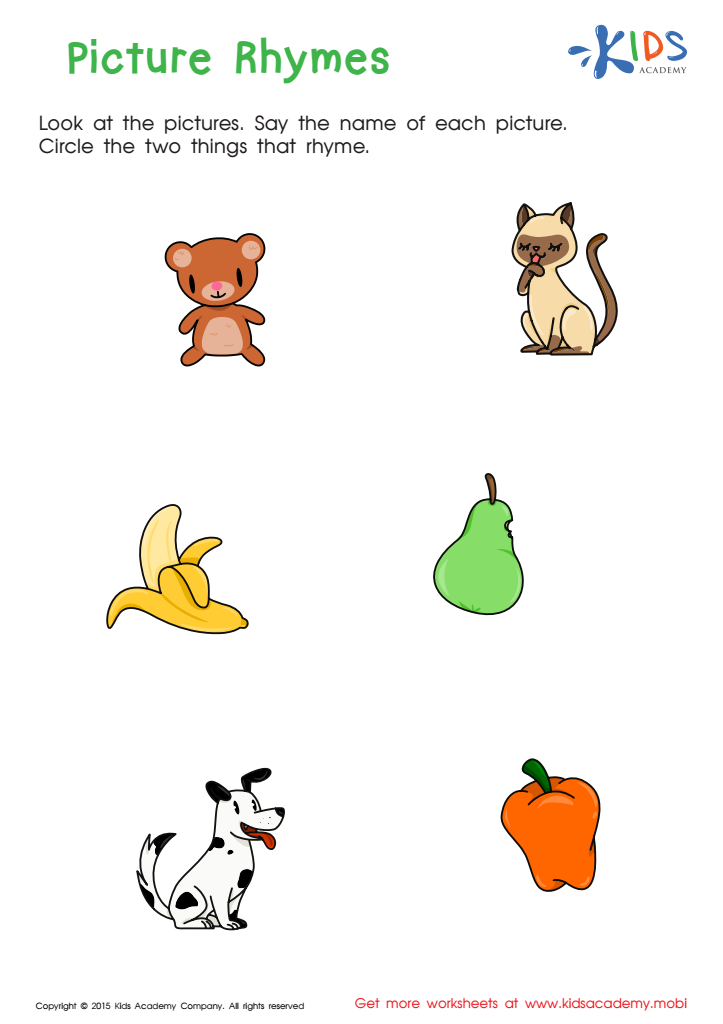
First Words: Picture Rhymes Worksheet
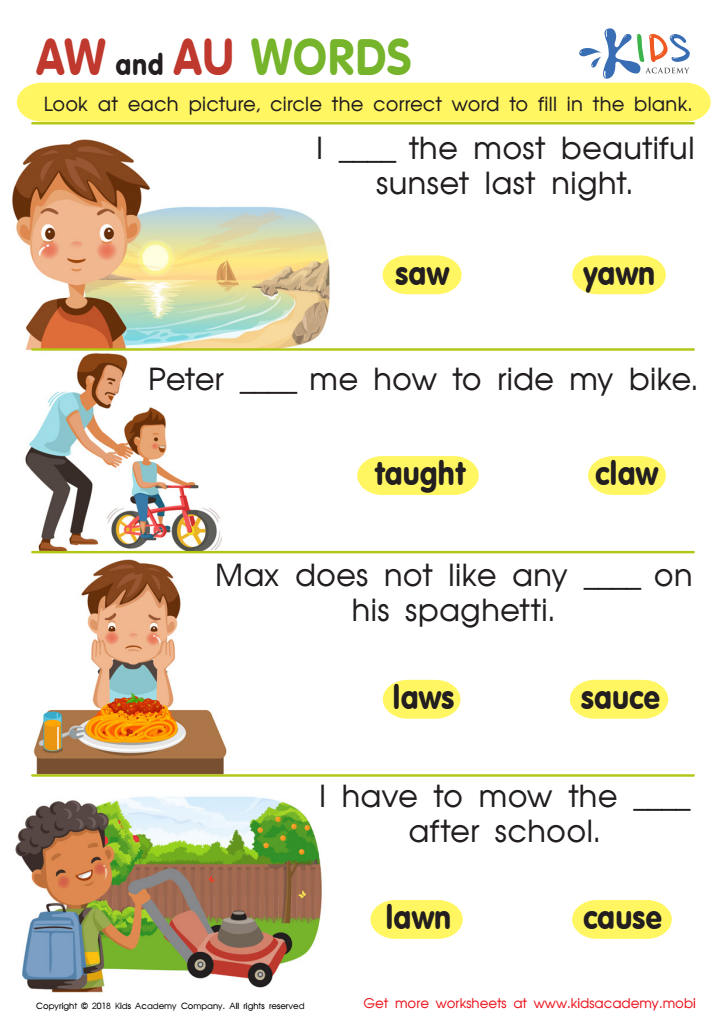
Reading: AW and AU Words Worksheet
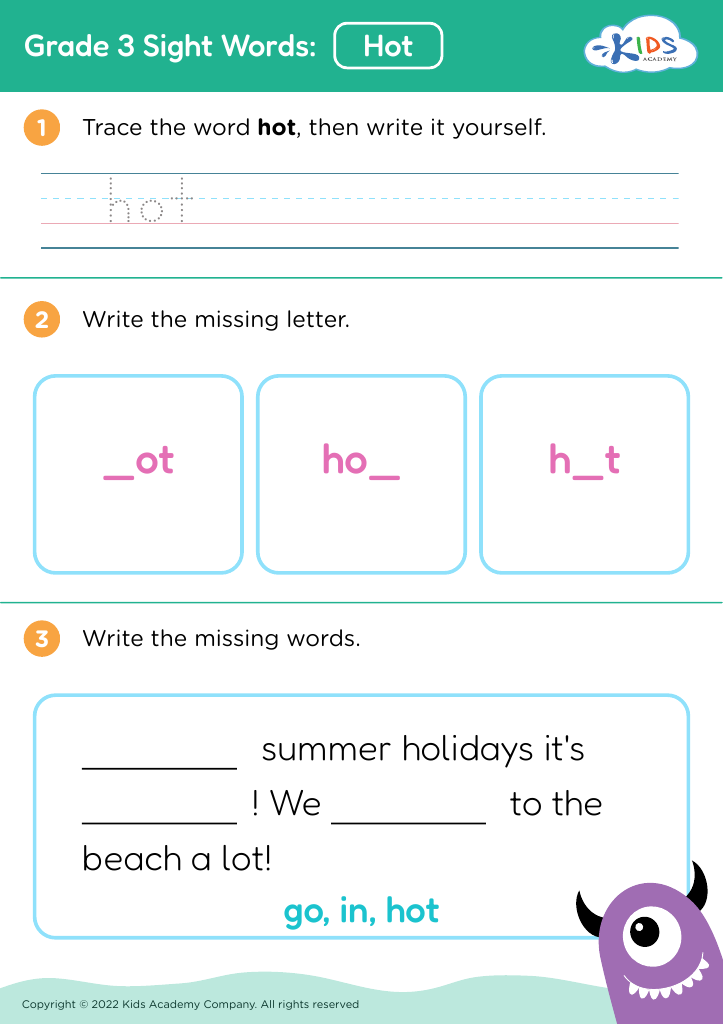







Sound recognition reading, often referred to as phonemic awareness, is crucial for young learners both at home and in the classroom. Here’s why parents and teachers should pay special attention to it:
Phonemic awareness is the ability to hear, identify, and manipulate individual sounds—phonemes—in spoken words. This skill is the foundation of reading, as it prepares children to connect sounds with written letters, leading to effective decoding and word recognition. Without a strong grasp of sound recognition, children may struggle to read fluently, facing challenges in spelling and comprehension later on.
Early mastery of phonemic awareness fosters confidence. When children can effortlessly recognize and use sounds, they face fewer obstacles, making reading a more enjoyable experience. Parents and teachers who focus on building these skills early open the doors to a lifetime of reading and learning.
Additionally, difficulties in sound recognition can be early indicators of reading disorders, such as dyslexia. Early identification allows for timely intervention, tailored support, and resources that cater to each child's unique needs, substantially improving their prospects.
Involving parents in sound recognition activities enriches the learning environment. Practices like storytelling, rhyming games, or simple phonics exercises can reinforce what’s being taught in the classroom, ensuring a cohesive and supportive approach to literacy development.
Thus, by prioritizing sound recognition, parents and teachers lay a sturdy foundation, setting children on the path to becoming skilled and enthusiastic readers.








