Character analysis Reading Fiction Worksheets
5 filtered results
-
From - To
Enhance your students' literary skills with our engaging Character Analysis Reading Fiction Worksheets! Designed for early grade learners, these worksheets provide a fun and interactive way to dive deeper into characters’ traits, motivations, and development within a story. By encouraging critical thinking and comprehension, students will learn to identify distinct characteristics and understand their roles in the narrative. These resources are perfect for classroom use or at-home learning, fostering a love for reading while developing essential analysis techniques. Explore our worksheets to help young readers boost their confidence and skills in character exploration today!
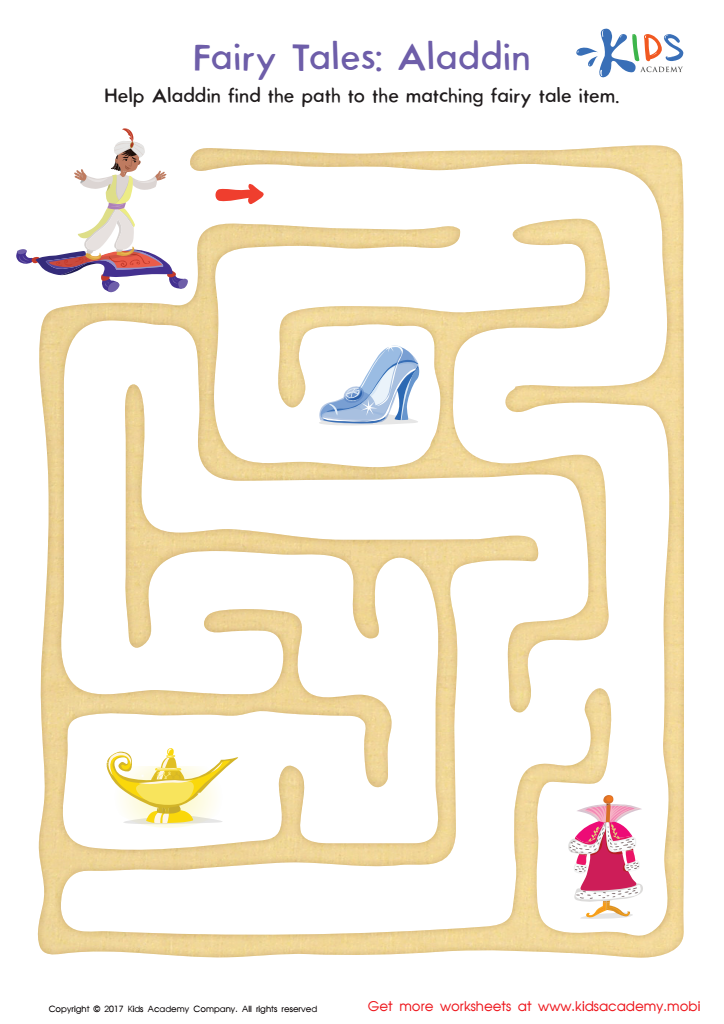
Fairy Tales Aladdin Printable
 Assign to My Students
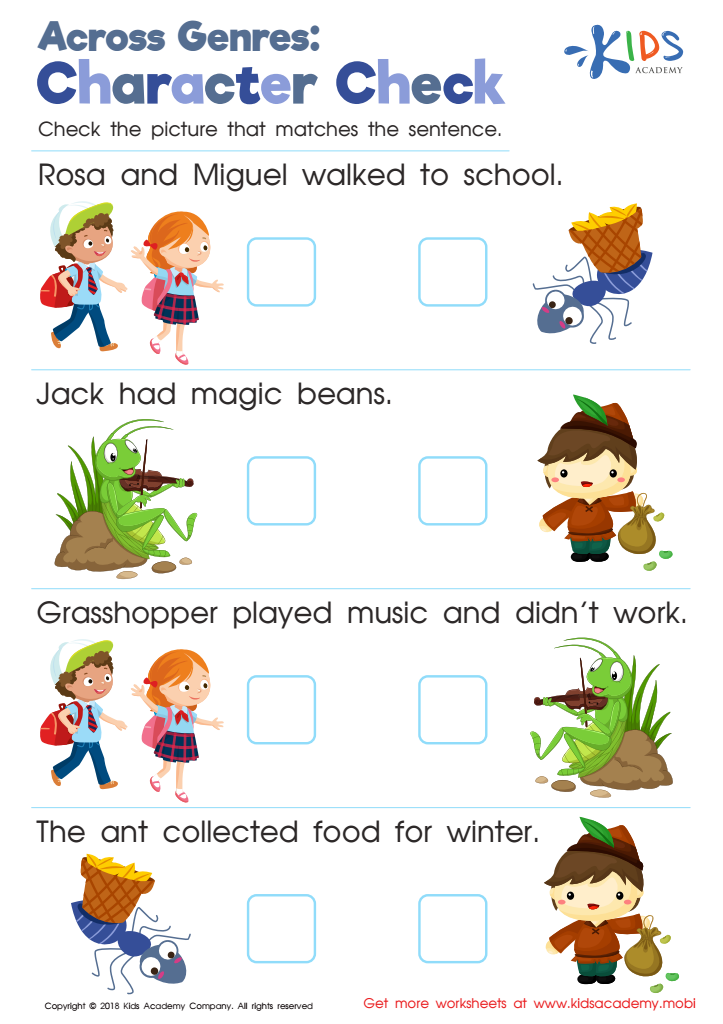
Across Genres: Character Check Worksheet
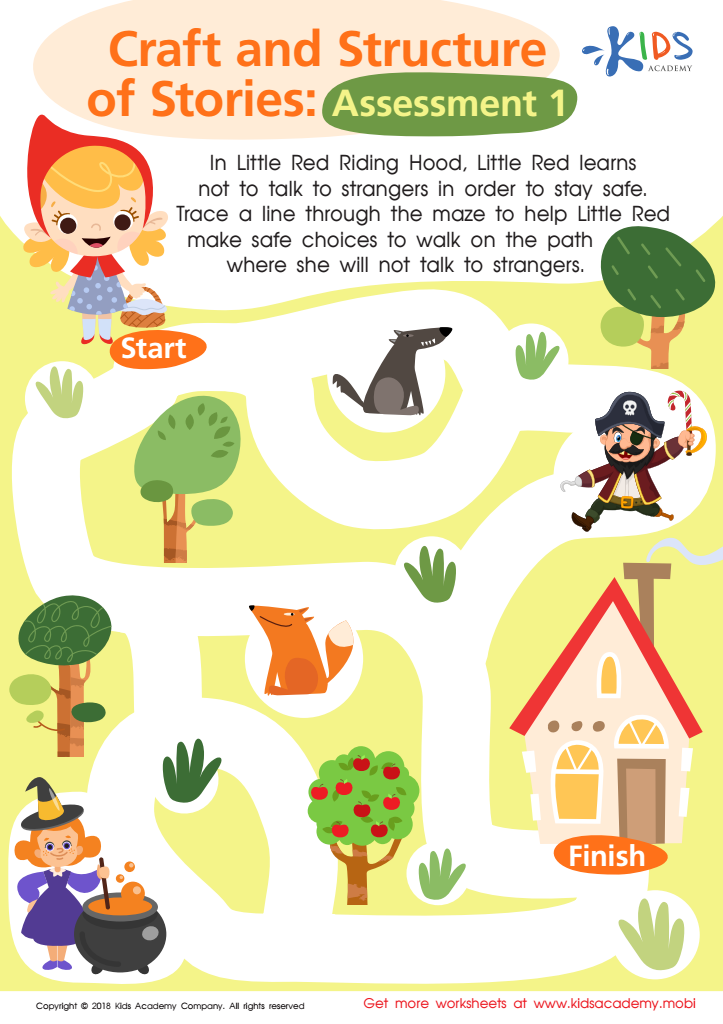
Craft and Structure of Stories: Assessment 1 Worksheet
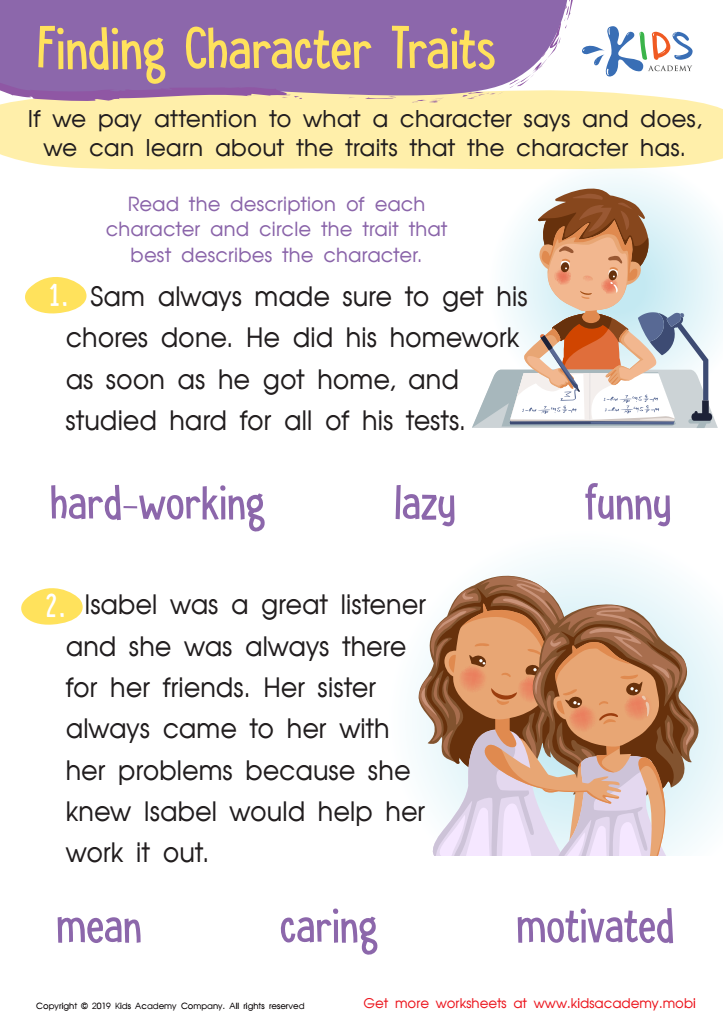
Finding Character Traits Worksheet
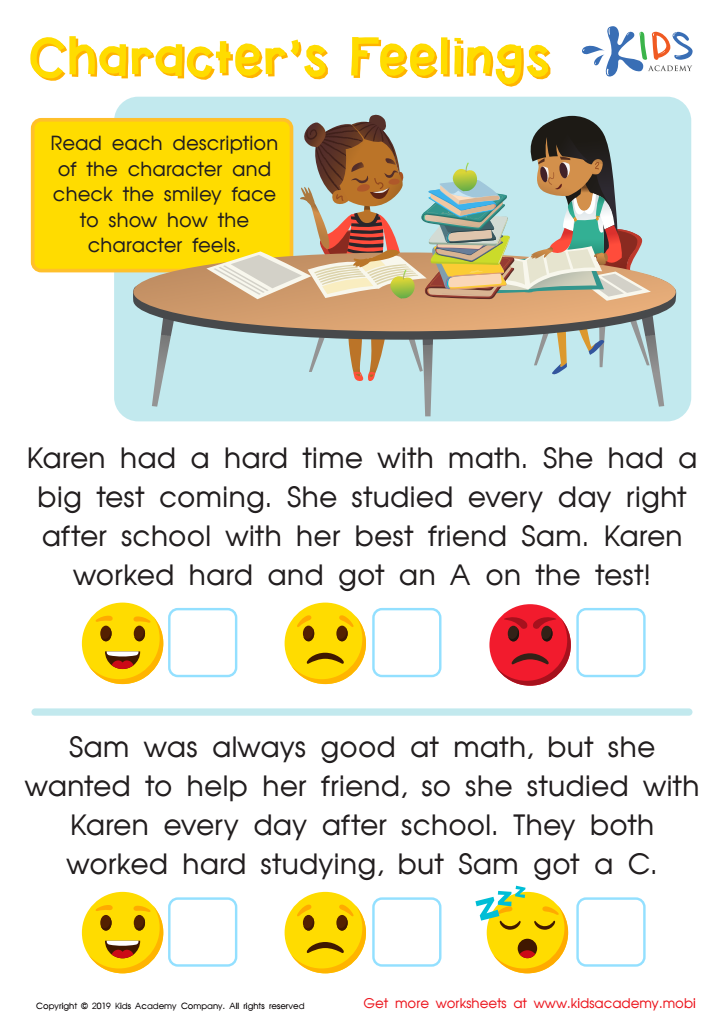
Character’s Feelings Worksheet







Character analysis in reading fiction is crucial for parents and teachers as it enhances students' comprehension and critical thinking skills. Engaging with characters allows young readers to explore diverse perspectives, fostering empathy and emotional intelligence. By understanding character motivations, conflicts, and growth, students learn to make connections between the text and their own experiences, which promotes deeper learning.
Moreover, character analysis encourages discussions about ethics and morality, helping children navigate complex social situations. It can serve as a springboard for conversations about real-life issues, empowering them to explore their values and beliefs. For teachers, fostering an analytical approach to characters can transform independent reading into a collaborative, interactive experience in the classroom.
Additionally, this practice aligns with literacy standards and prepares students for more advanced literary analysis in later grades. For parents, supporting character analysis helps reinforce the lessons learned in school, enhancing their child's overall reading experience. Ultimately, prioritizing character analysis not only enriches students' understanding of literature but also nurtures essential life skills that contribute to their development as thoughtful, compassionate individuals.








