Logical thinking Reading Fiction Worksheets
4 filtered results
-
From - To
Enhance your child's reading comprehension with our Logical Thinking Reading Fiction Worksheets! Designed for early grade students, these engaging resources help develop critical thinking skills as they analyze characters, plot, and themes in fictional texts. Our worksheets encourage children to make inferences, recognize cause-and-effect relationships, and draw conclusions based on the narratives they explore. Tailored to align with educational standards, these worksheets promote active reading, creativity, and analytical skills, making learning both enjoyable and effective. Foster a love for reading while boosting your child's logical thinking abilities today. Discover the joy of reading through thoughtful engagement with fiction!
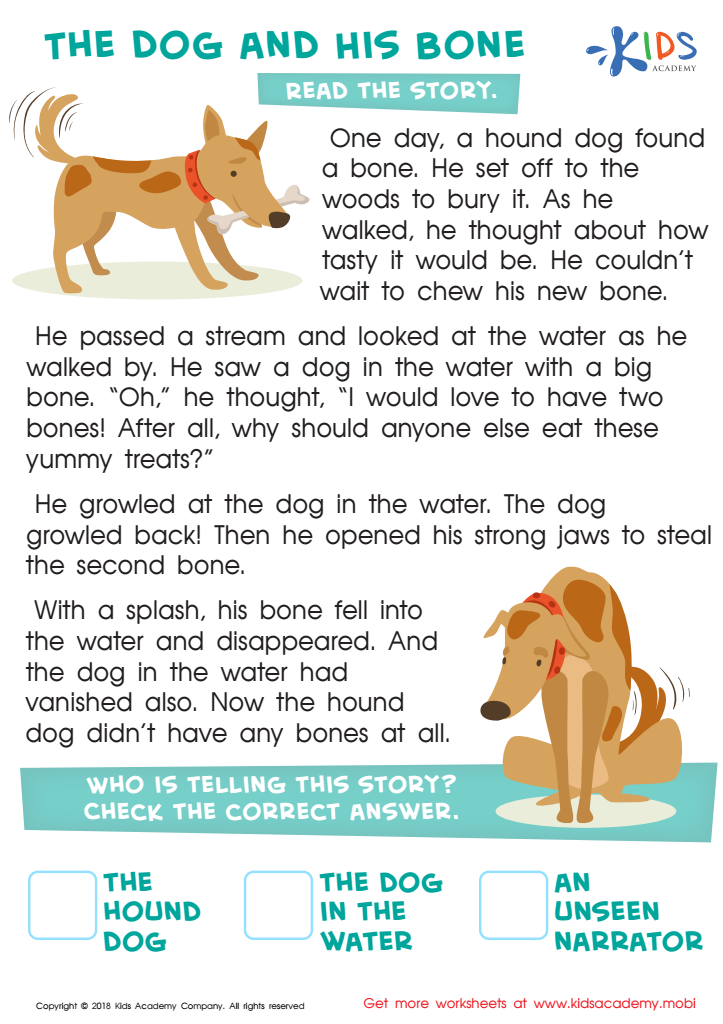
The Dog and His Bone Worksheet
 Assign to My Students
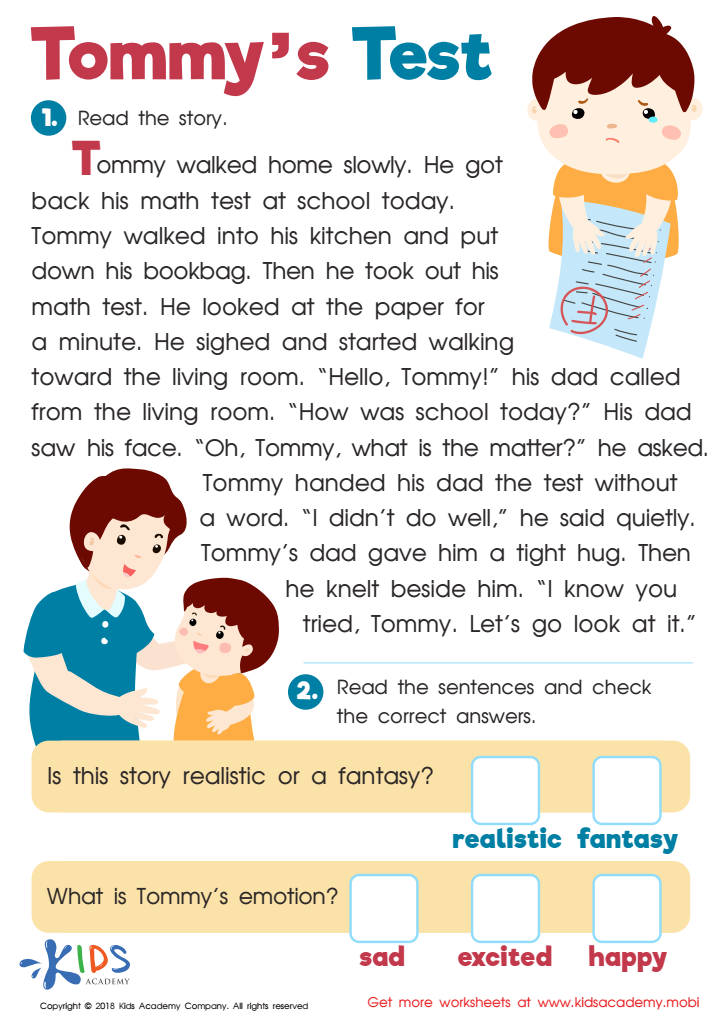
Tommys Test Worksheet
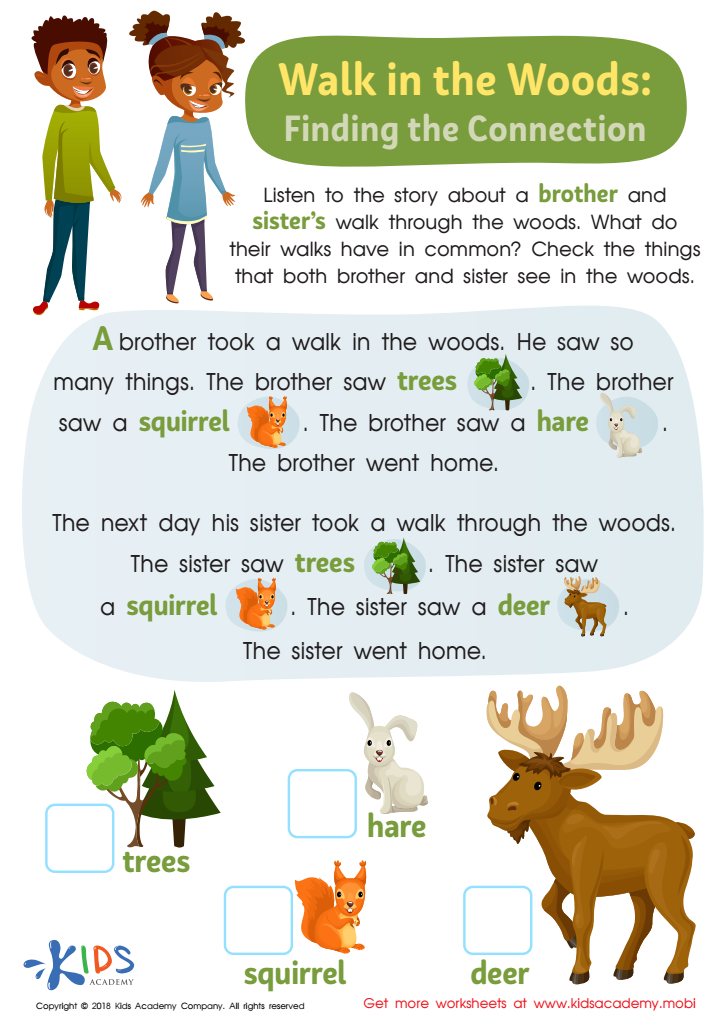
Walk In the Woods: Finding Connections Worksheet
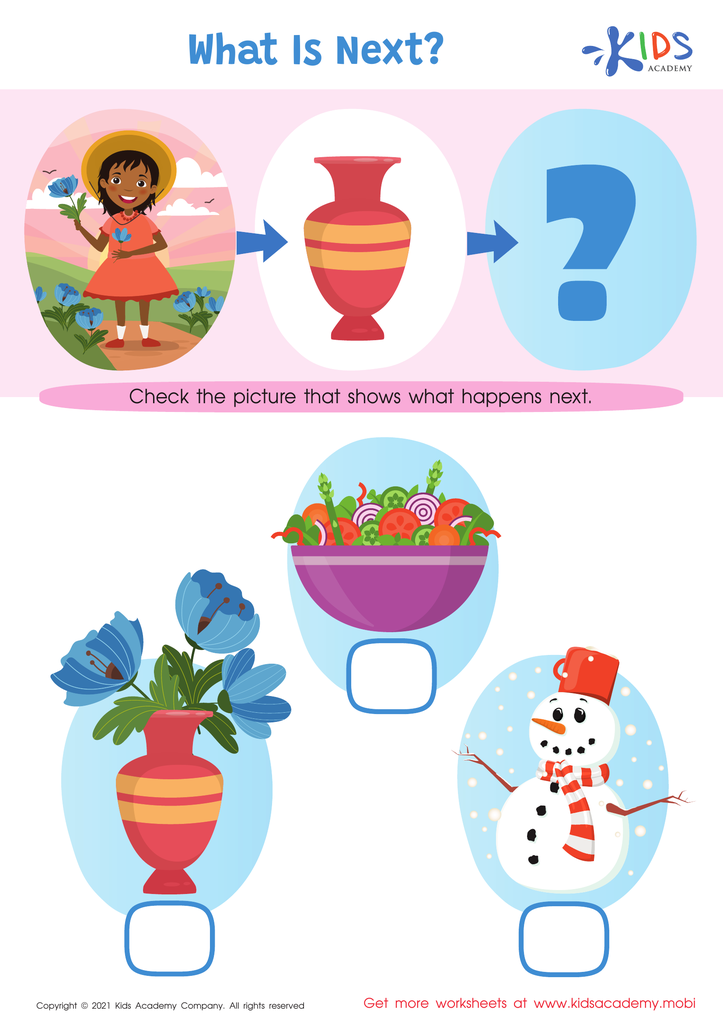
What is Next? Worksheet








Parents and teachers should prioritize encouraging logical thinking through reading fiction because it enhances critical cognitive skills essential for children's overall development. Fictional narratives often present complex characters, conflicts, and resolutions, prompting readers to analyze motives, predict outcomes, and connect different plots. This engages logical reasoning, as children must gather clues and draw inferences, honing their ability to think critically about various scenarios in life.
Additionally, fiction nurtures creativity and imagination, qualities that are vital for problem-solving and innovative thinking. By exploring diverse perspectives and moral dilemmas in stories, children learn to empathize with others and think beyond their own experiences, guiding them toward more logical and structured approaches to understanding the world.
Reading fiction also enhances language and communication skills, aiding children in articulating their thoughts logically. As they discuss themes or character developments with parents or teachers, they practice articulating their reasoning and justifying their viewpoints.
Ultimately, fostering logical thinking through reading fiction equips children with essential life skills that transcend academics, including decision-making and emotional intelligence, making it invaluable for their education and future success.








