Information retention Reading Non-Fiction Worksheets
4 filtered results
-
From - To
Enhance your child's learning experience with our Information Retention Reading Non-Fiction Worksheets! Specifically designed for early grades, these worksheets help students develop essential comprehension skills by encouraging them to engage with non-fiction texts. Focusing on key concepts, important details, and summarization, our activities foster critical thinking and improve retention of information. With a variety of engaging prompts and questions, children will learn how to identify main ideas and supporting details effectively. Ideal for both classroom and at-home learning, these worksheets serve as a valuable resource to help young readers build confidence, understand factual content, and enjoy the wonders of reading non-fiction!
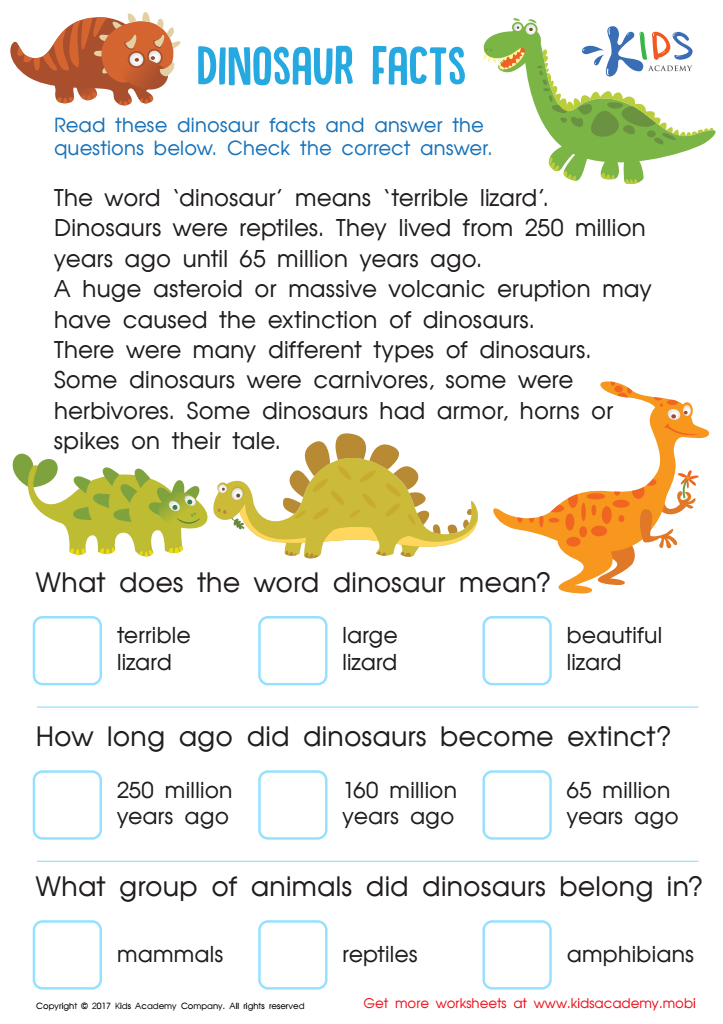
Dinosaur Facts Worksheet
 Assign to My Students
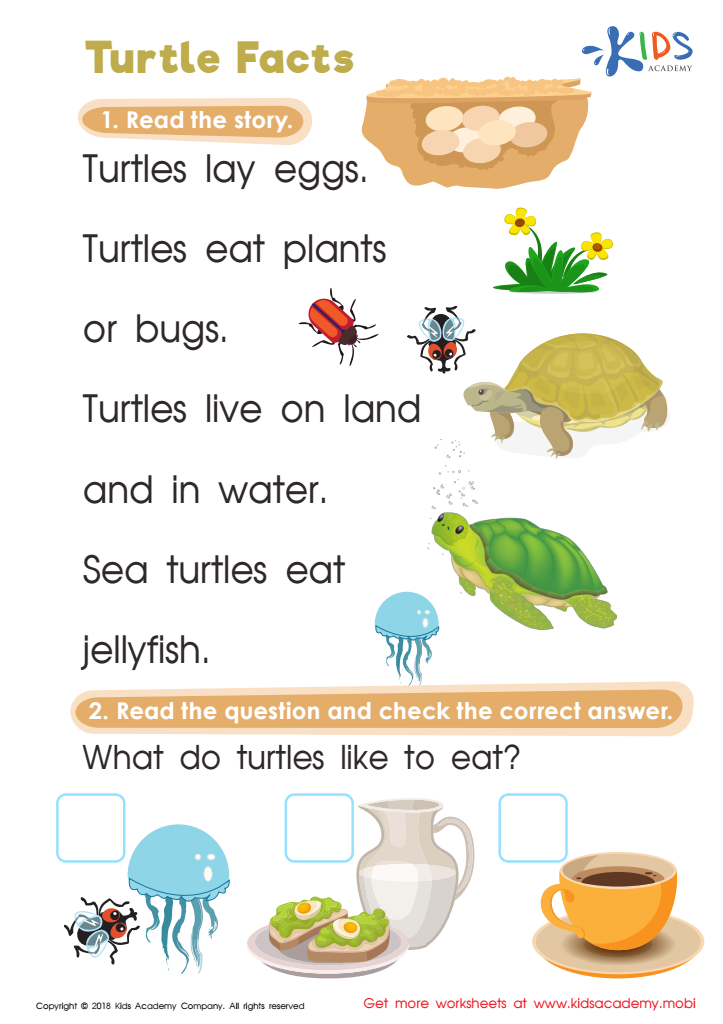
Turtle Facts Worksheet
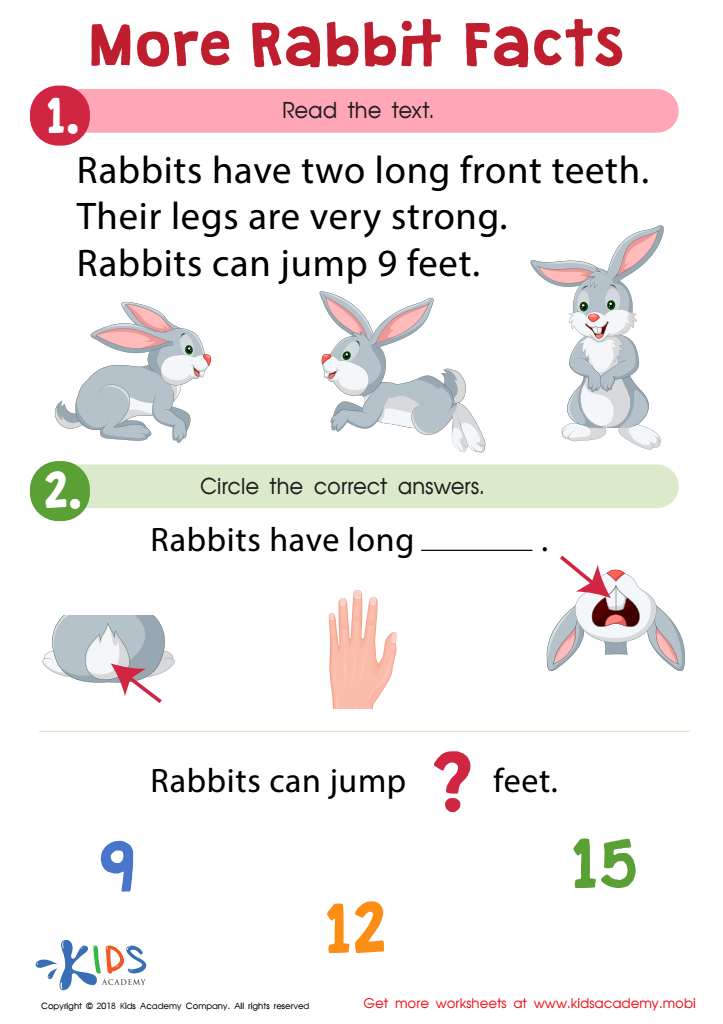
More Rabbit Facts Worksheet
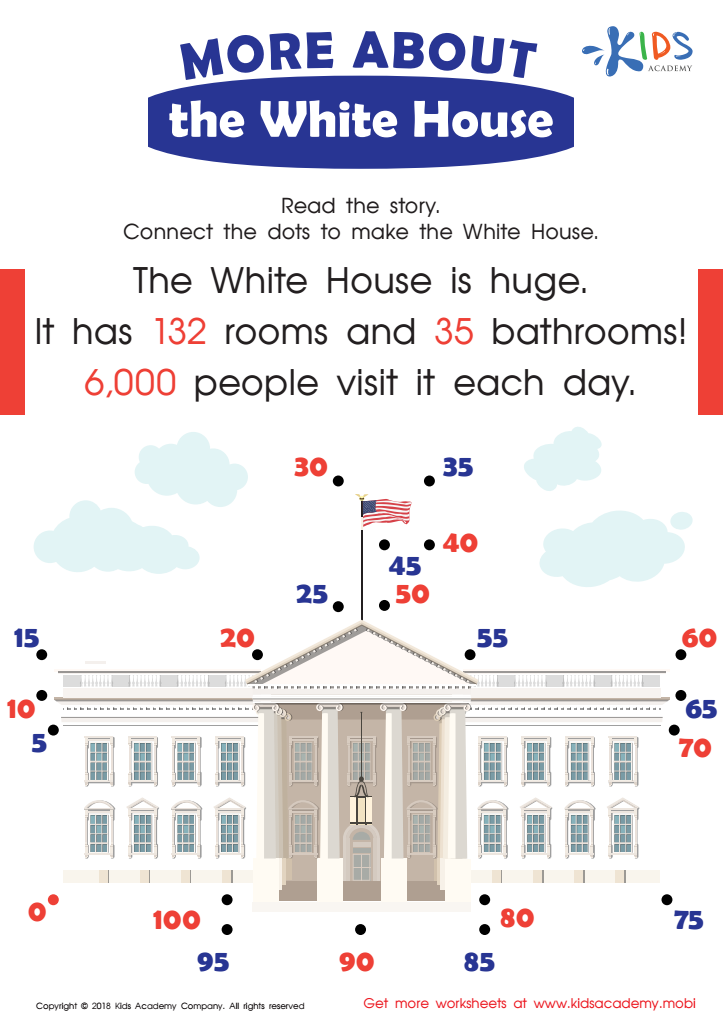
More About the White House Worksheet








Information retention in reading non-fiction is crucial for both parents and teachers as it profoundly impacts a child’s educational journey and overall cognitive development. When children engage with non-fiction texts, they encounter facts, concepts, and real-world applications that contribute to their understanding of the world. Therefore, the ability to retain this information is vital for several reasons.
Firstly, retention helps children build a strong knowledge base. This foundational understanding informs their comprehension skills in later education and everyday life. Non-fiction exposes students to various disciplines, fostering critical thinking and analytical skills that are essential for future academic success.
Additionally, parents and teachers play a central role in encouraging a love for (and mastery of) non-fiction reading, which often requires implementing strategies to enhance retention, such as summarization and discussions. Engaged children are more likely to apply what they learn, leading to greater student agency and confidence.
Finally, proficiency in retaining information from non-fiction texts supports lifelong learning, enabling children to engage in informed discussions about global issues, scientific advancements, and historical contexts as they mature. Therefore, fostering information retention is a shared responsibility that reaps long-lasting rewards for students’ personal and academic growth.








