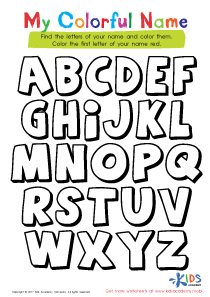
Fine Motor Skills Grade 2 Alphabet Coloring Pages Worksheets
18 filtered results
-
From - To
Enhance your second grader's fine motor skills with our fun and engaging Alphabet Coloring Pages Worksheets! Designed specifically for Grade 2, these printable resources feature beautiful illustrations of each letter, perfect for capturing your child's attention. As they color, children will strengthen their hand-eye coordination and develop their dexterity while familiarizing themselves with the alphabet. Our worksheets promote creativity and make learning enjoyable, providing a hands-on approach to mastering letter recognition. Whether at home or in the classroom, these coloring pages are an excellent way to combine artistic expression with essential early learning skills. Download them today and watch your child thrive!
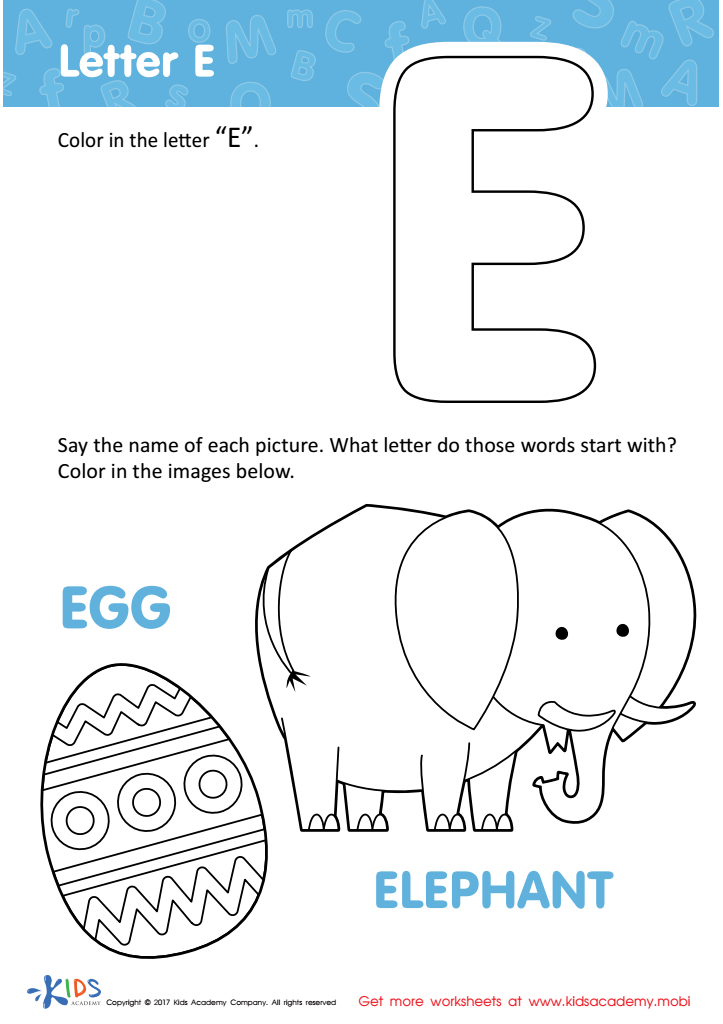
Letter E Coloring Sheet
 Assign to My Students
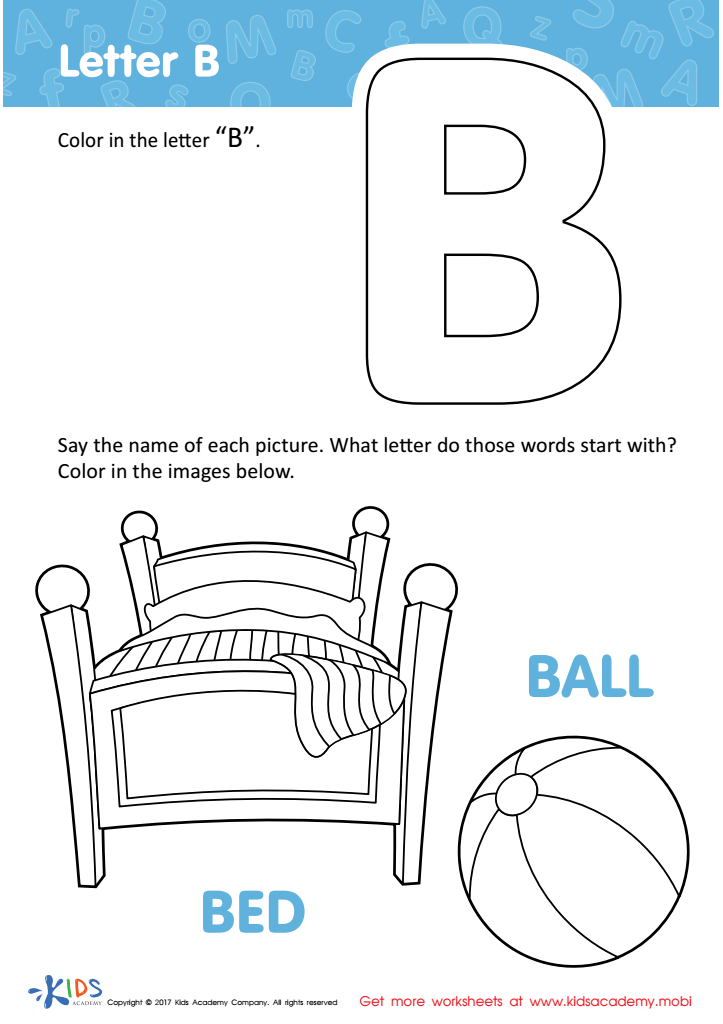
Letter B Coloring Sheet
Assign to My Students
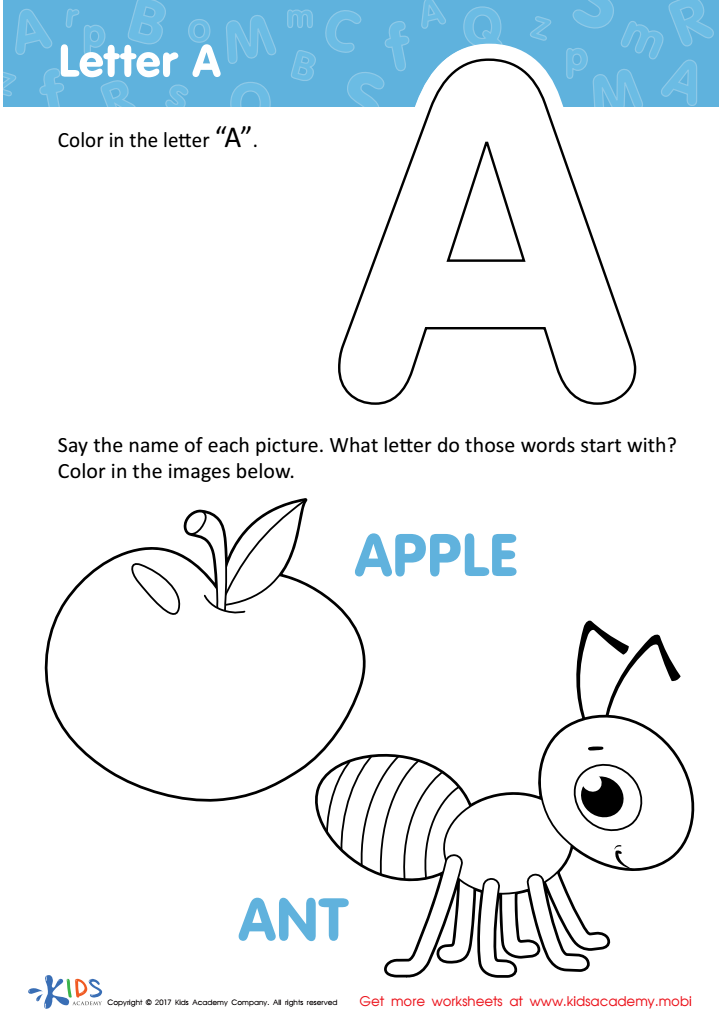
Letter A Coloring Sheet
Assign to My Students
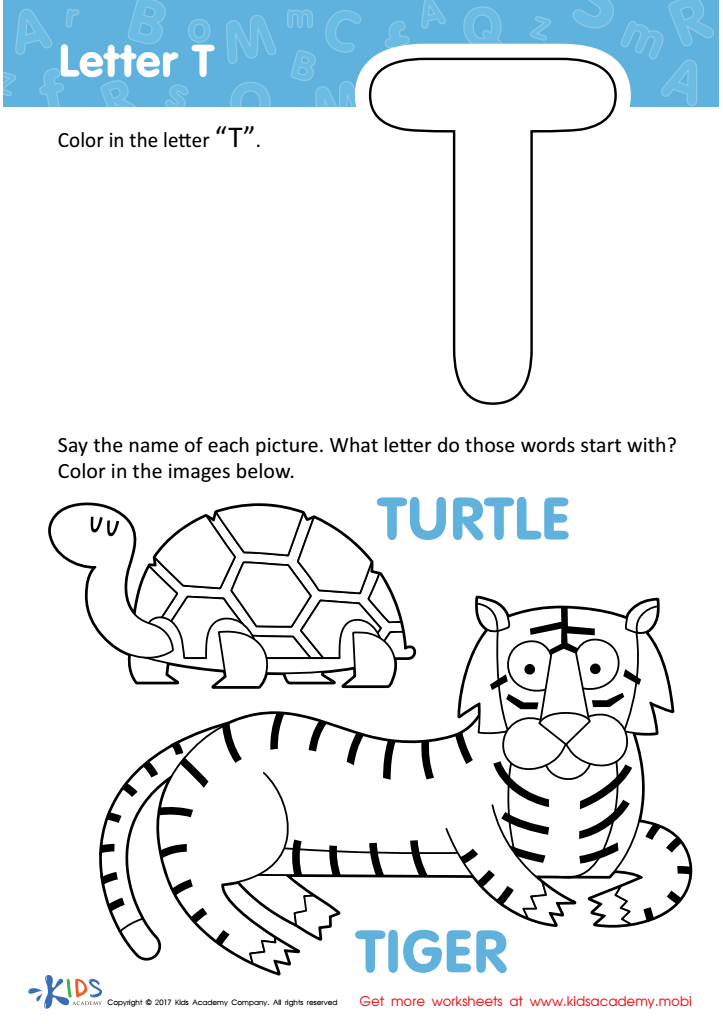
Letter T Coloring Sheet
Assign to My Students
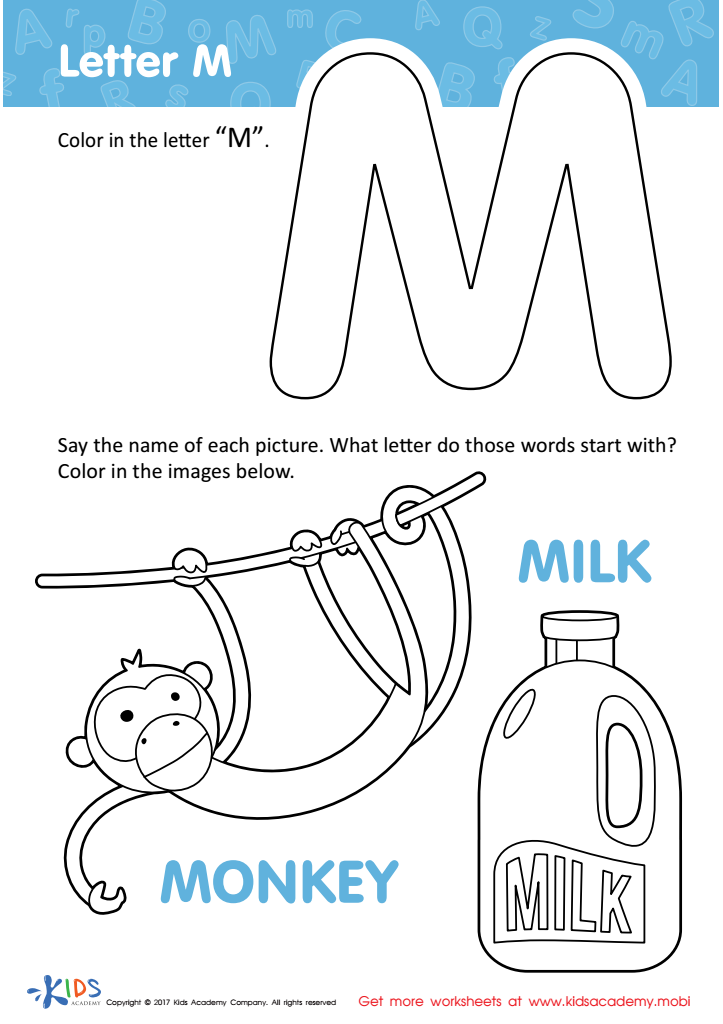
Letter M Coloring Sheet
Assign to My Students
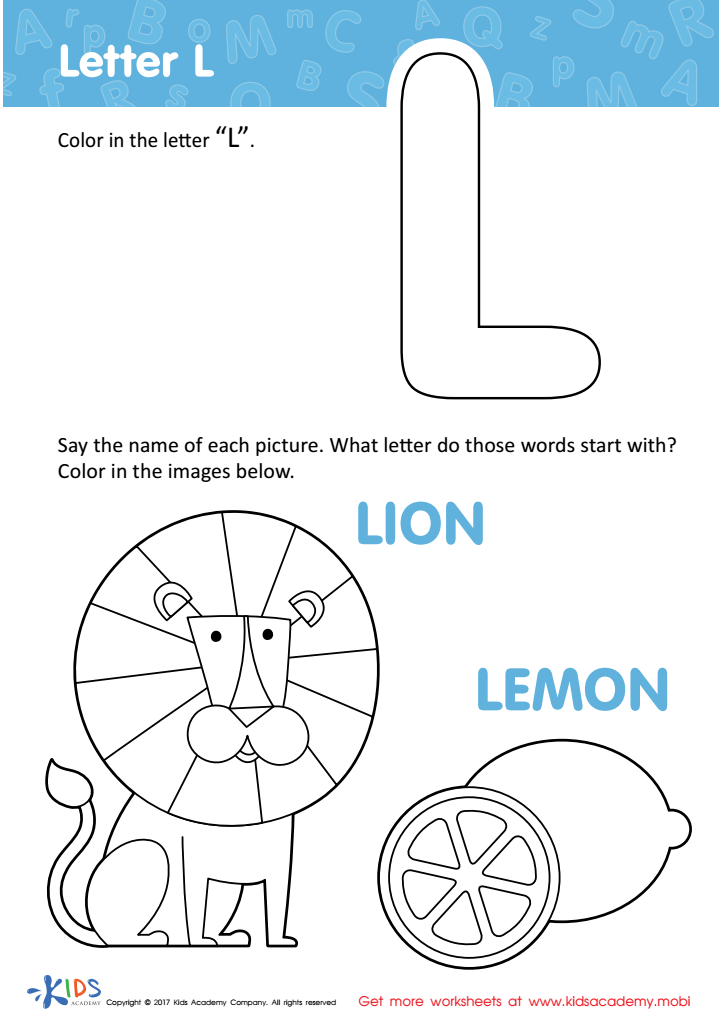
Letter L Coloring Sheet
Assign to My Students
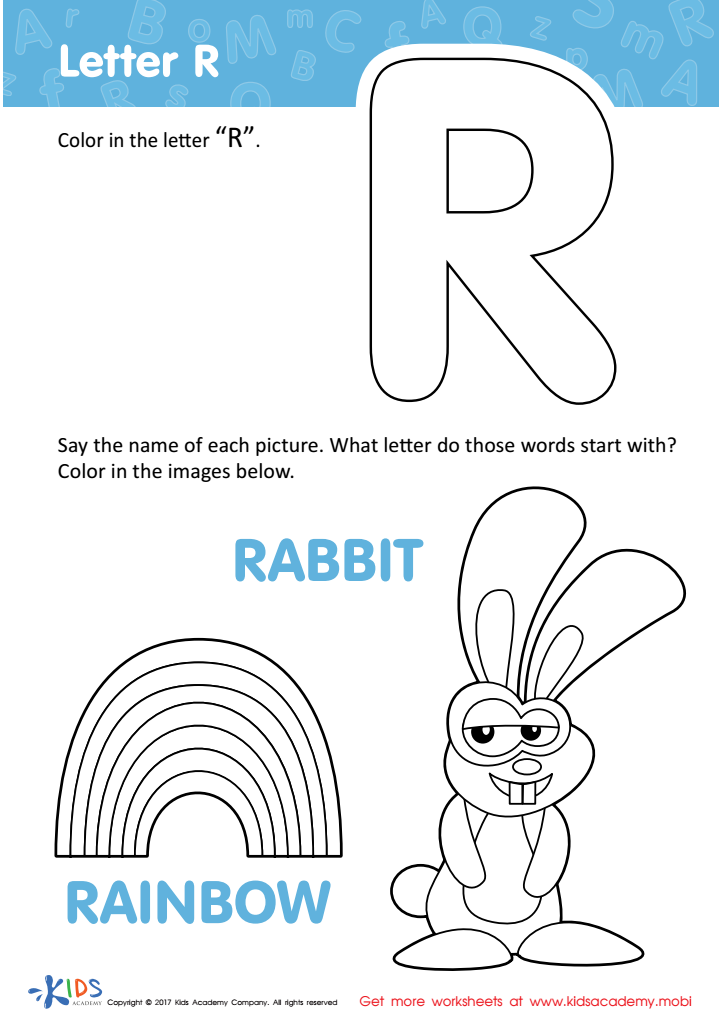
Letter R Coloring Sheet
Assign to My Students
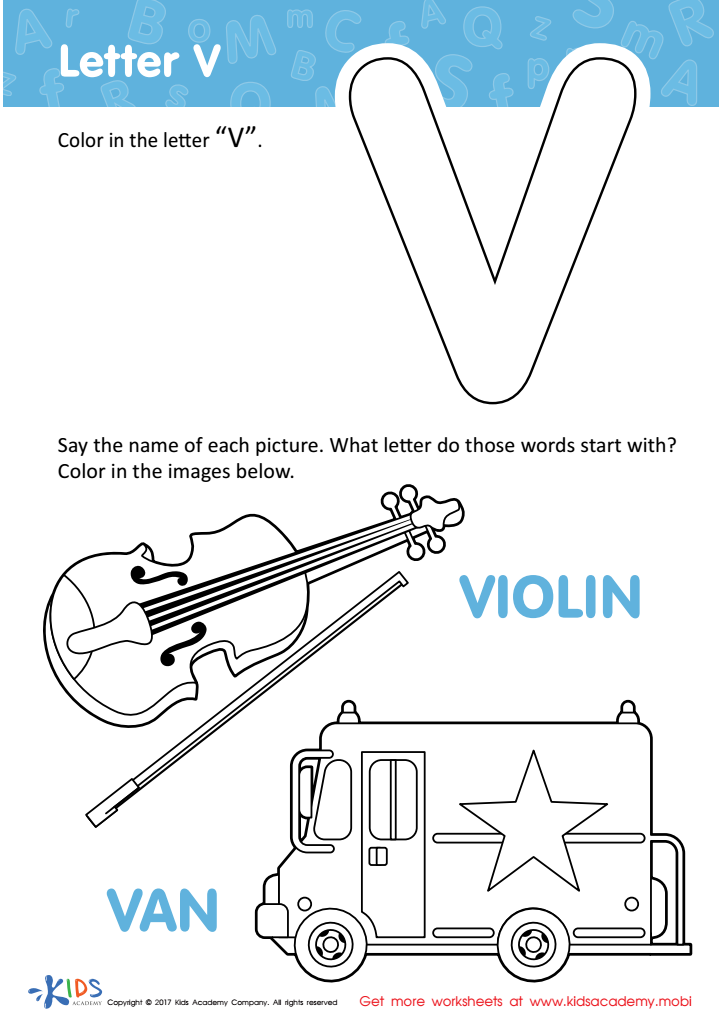
Letter V Coloring Sheet
Assign to My Students
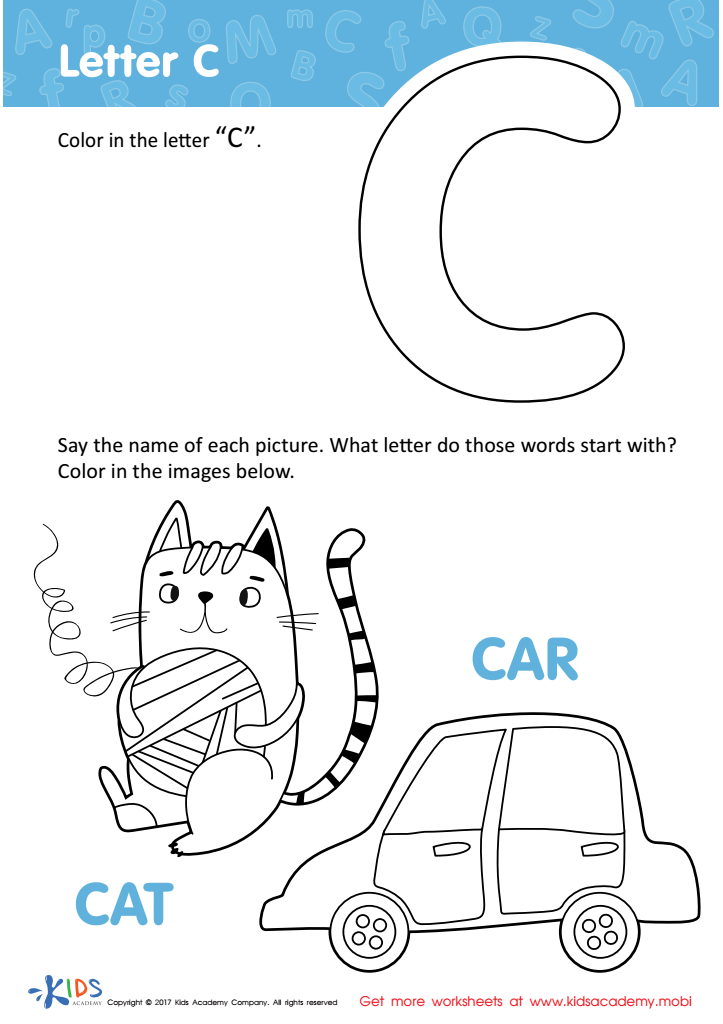
Letter C Coloring Sheet
Assign to My Students
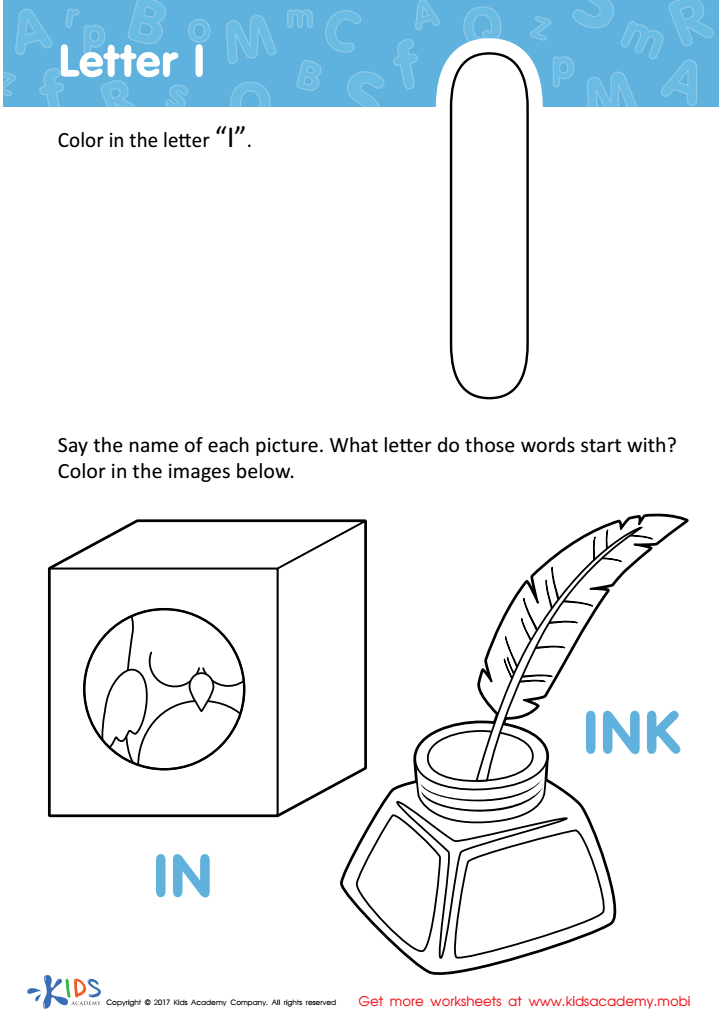
Letter I Coloring Sheet
Assign to My Students
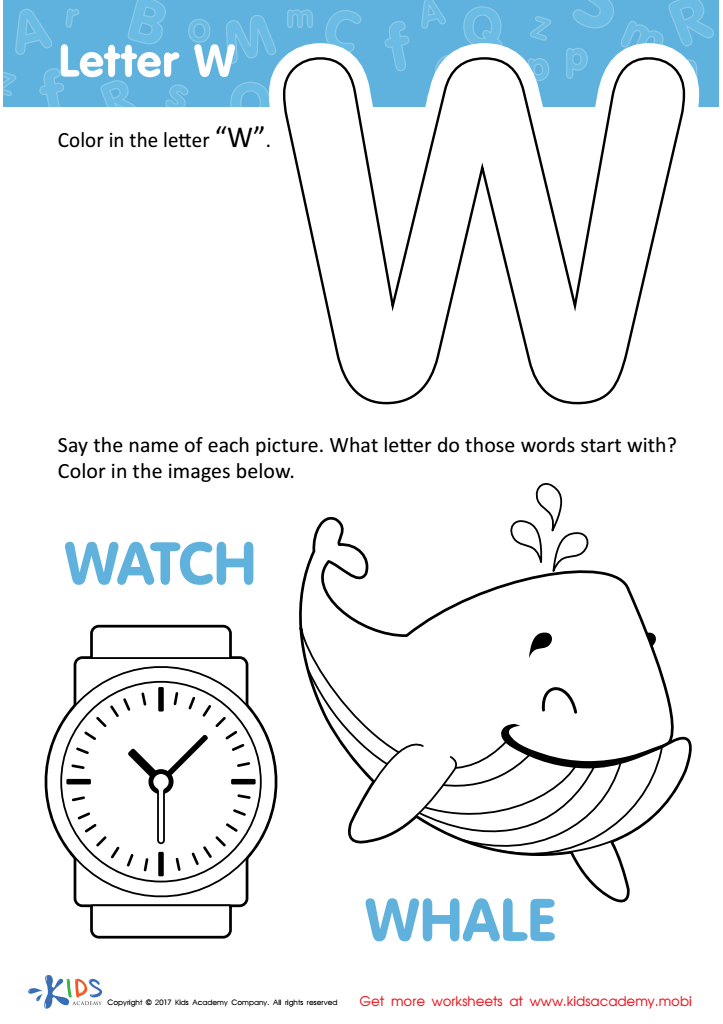
Letter W Coloring Sheet
Assign to My Students
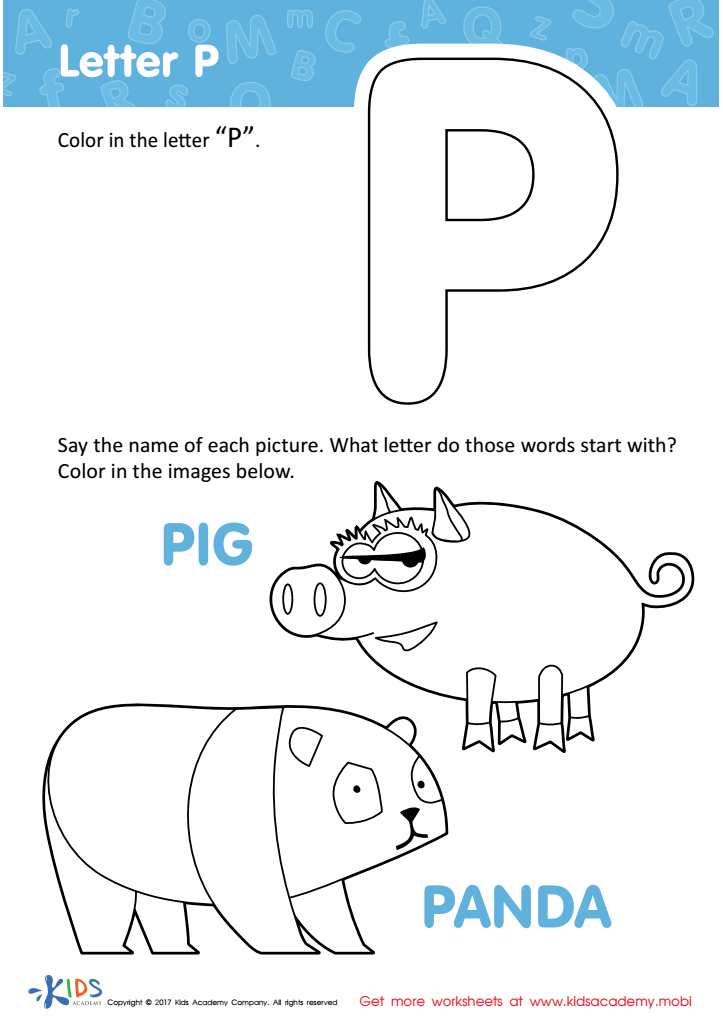
Letter P Coloring Sheet
Assign to My Students
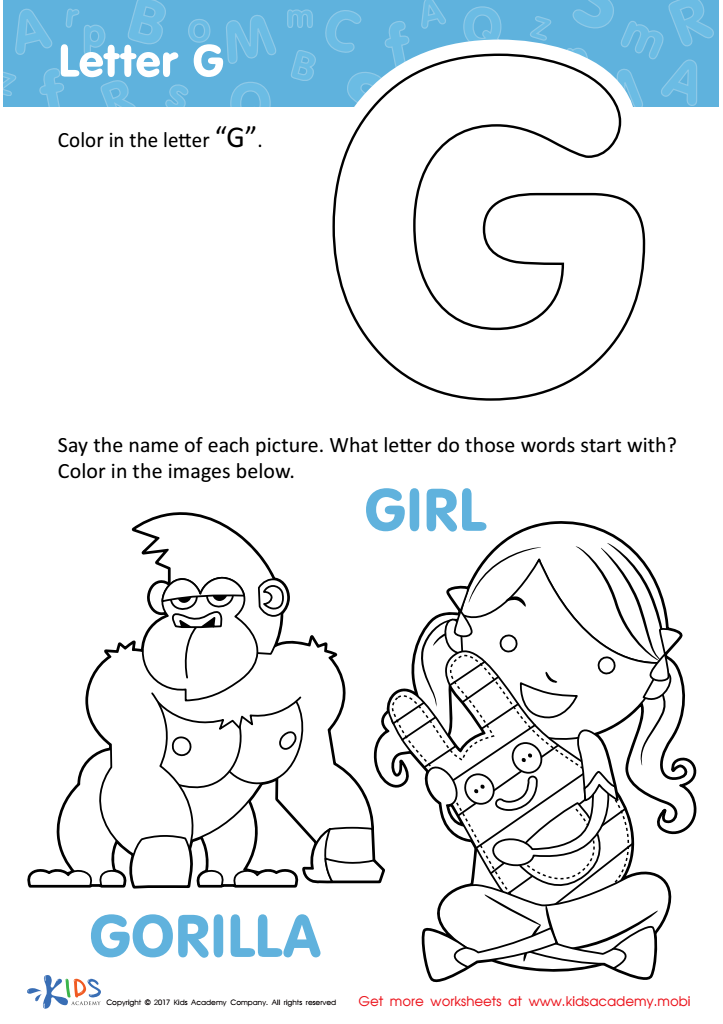
Letter G Coloring Sheet
Assign to My Students
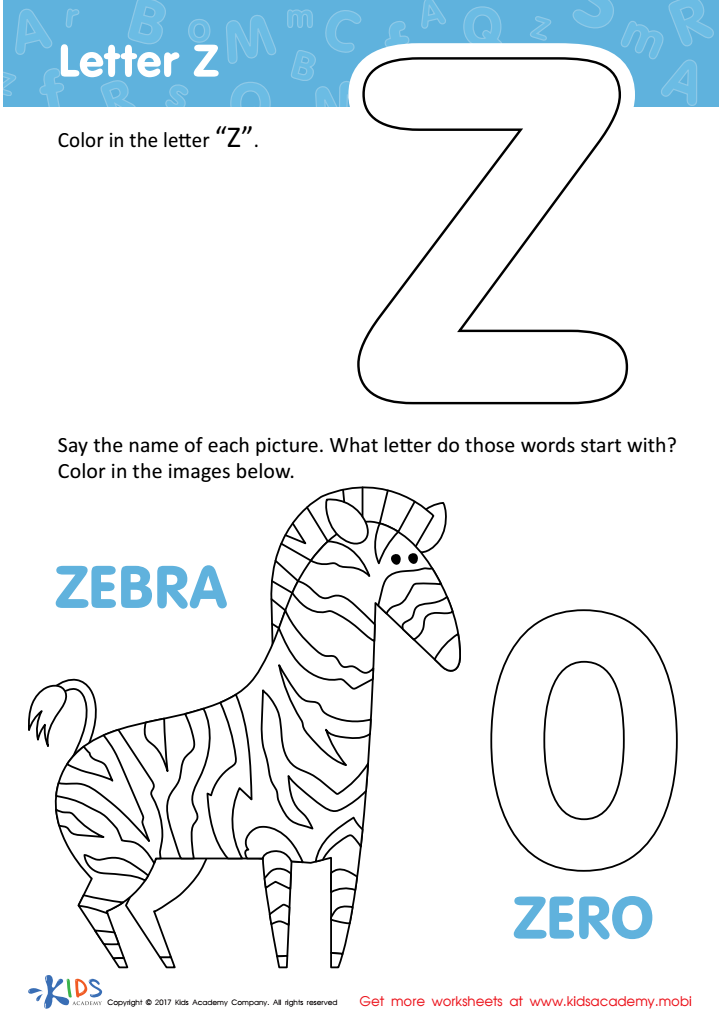
Letter Z Coloring Sheet
Assign to My Students
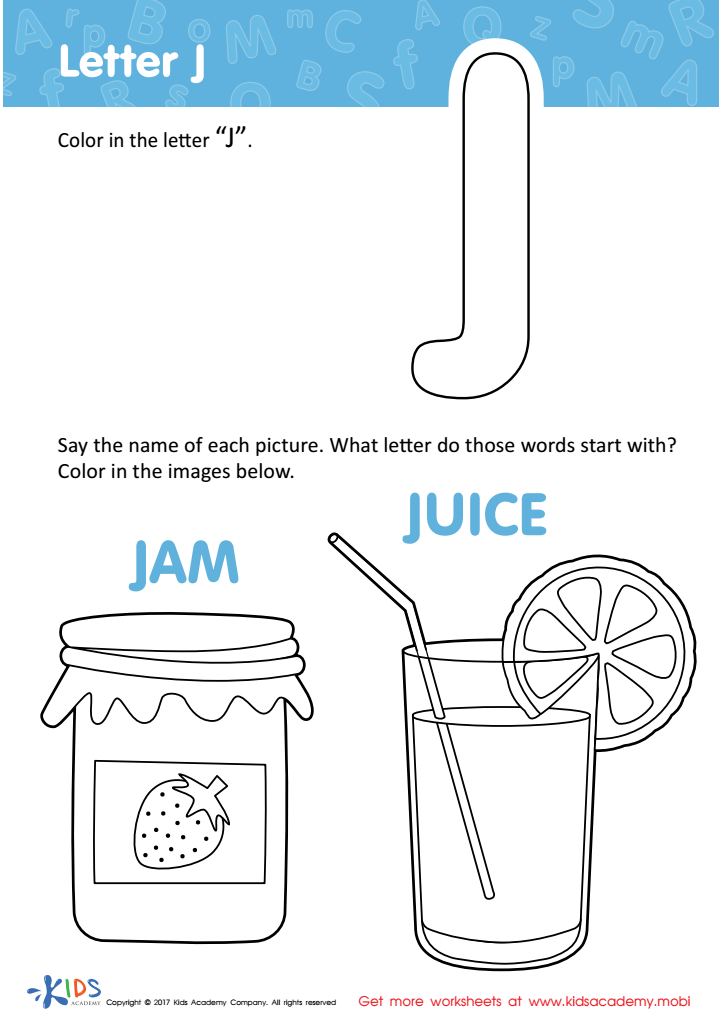
Letter J Coloring Sheet
Assign to My Students
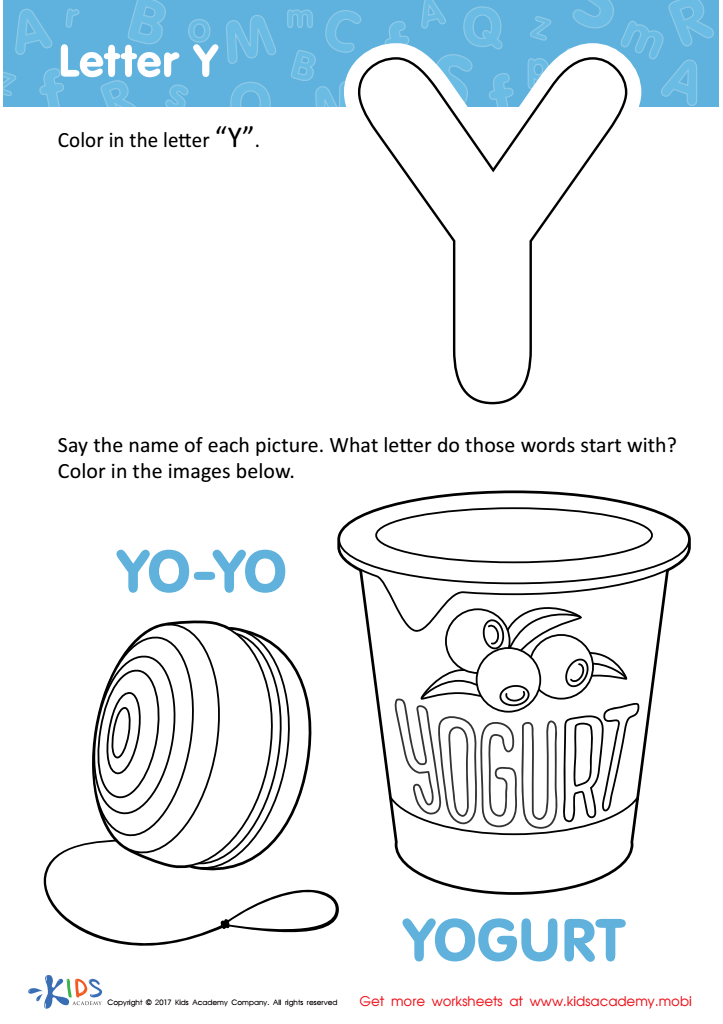
Letter Y Coloring Sheet
Assign to My Students
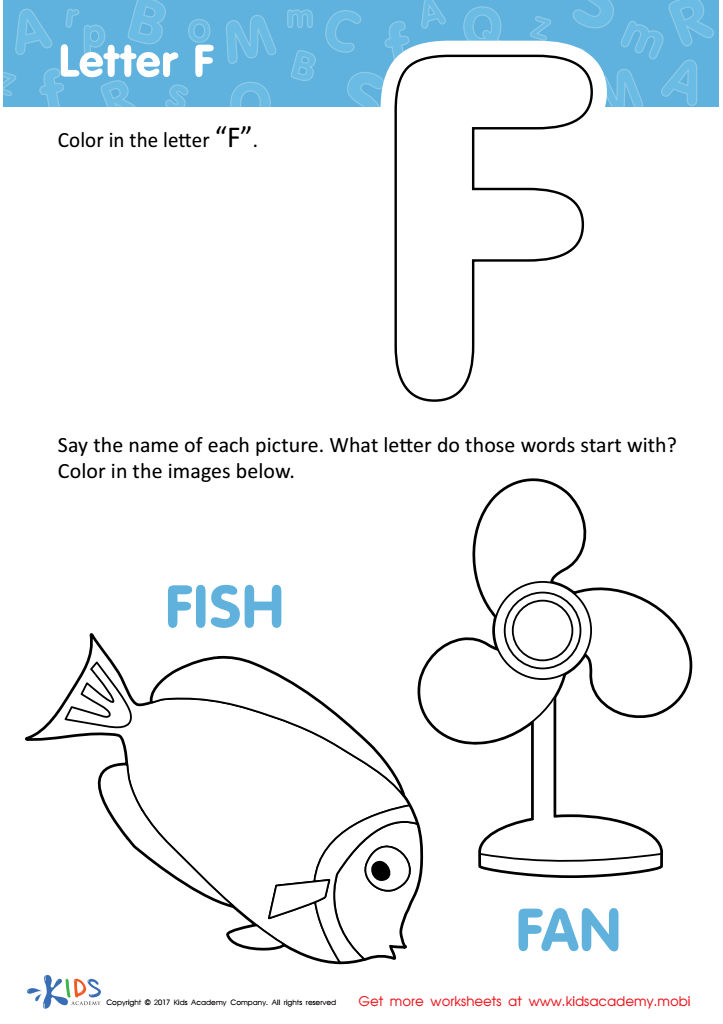
Letter F Coloring Sheet
Assign to My Students
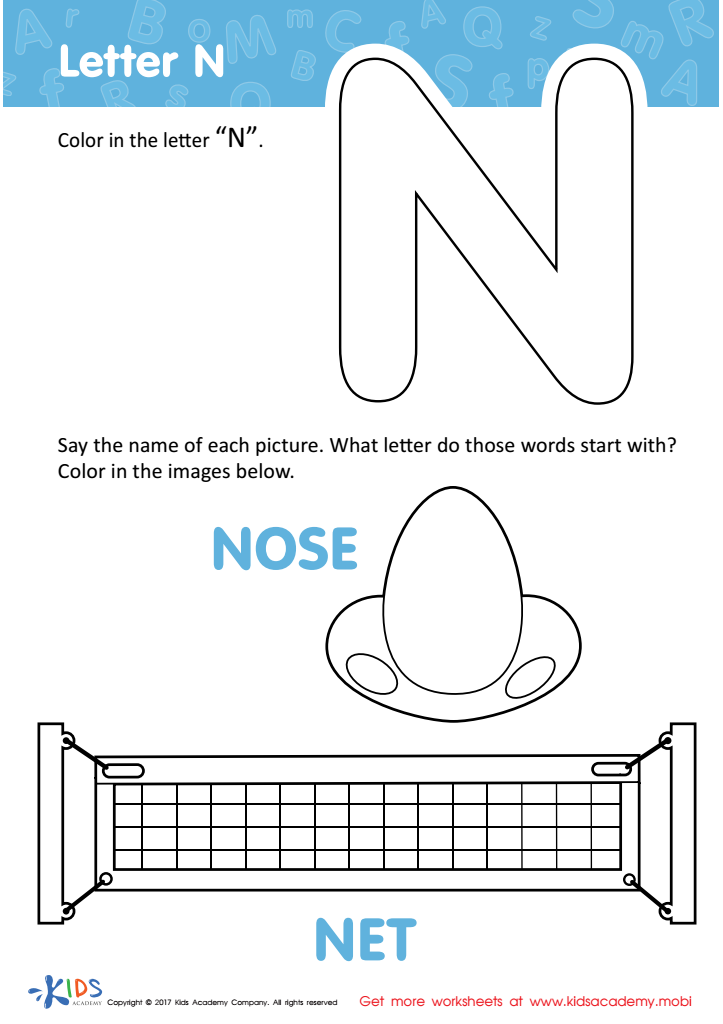
Letter N Coloring Sheet
Assign to My Students


Fine motor skills are essential for children's overall development, particularly in Grade 2, where children are refining their writing abilities and engaging in more complex tasks. Alphabet coloring pages serve as an effective tool to enhance these skills while making learning enjoyable. By using coloring sheets, children practice hand-eye coordination, dexterity, and control over their fingers and hands, which are crucial for tasks like writing, cutting, and buttoning clothing.
For parents and teachers, promoting fine motor skills through engaging activities like alphabet coloring encourages creativity and self-expression. As children select colors and apply them to letters, they not only learn the alphabet but also boost their cognitive functions such as focus and decision-making. This multitasking reinforces their ability to work on tasks with precision, preparing them for further academic challenges.
Furthermore, coloring can serve as a calming activity, fostering mindfulness in children. It creates a sense of accomplishment once completed, enhancing their self-esteem. By incorporating alphabet coloring pages into the learning process, parents and teachers can ensure that children are developing vital skills necessary for future academic success while cultivating a love for learning. Encouraging these activities supports children’s readiness for more complex tasks in school.