Alphabet sequencing Grade 2 Worksheets
3 filtered results
Difficulty Level
Grade
Age
-
From - To
Subject
Activity
Standards
Elevate your 2nd grader's learning experience with our Alphabet Sequencing Grade 2 Worksheets from Kids Academy! Designed to enhance essential literacy skills, these engaging worksheets offer fun and educational activities that help children practice alphabetizing. Perfect for developing critical thinking and organizational skills, our resources make it easy for young learners to understand letter order and improve their reading competence. Our thoughtfully-crafted worksheets ensure each child progresses confidently at their own pace. Strengthen your child's foundational skills today with Kids Academy's expertly-curated sequencing exercises. Explore now to discover the joy of learning in alphabetical order!
Favorites
With answer key
Interactive
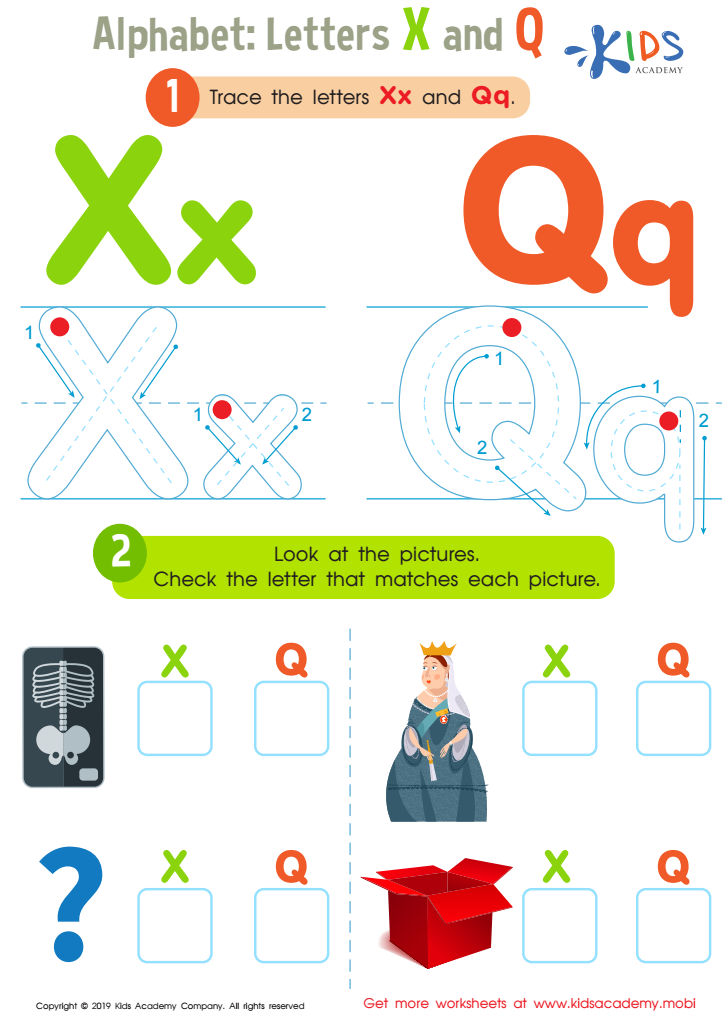
Letters X and Q Tracing Worksheet
Do you want your students to improve writing and letter recognition? This worksheet is a great place to start! Kids can trace the letters «X» and «Q» and identify pictures that match each letter. With a little encouragement, they'll do a great job!
 Assign to My Students
Letters X and Q Tracing Worksheet
Worksheet
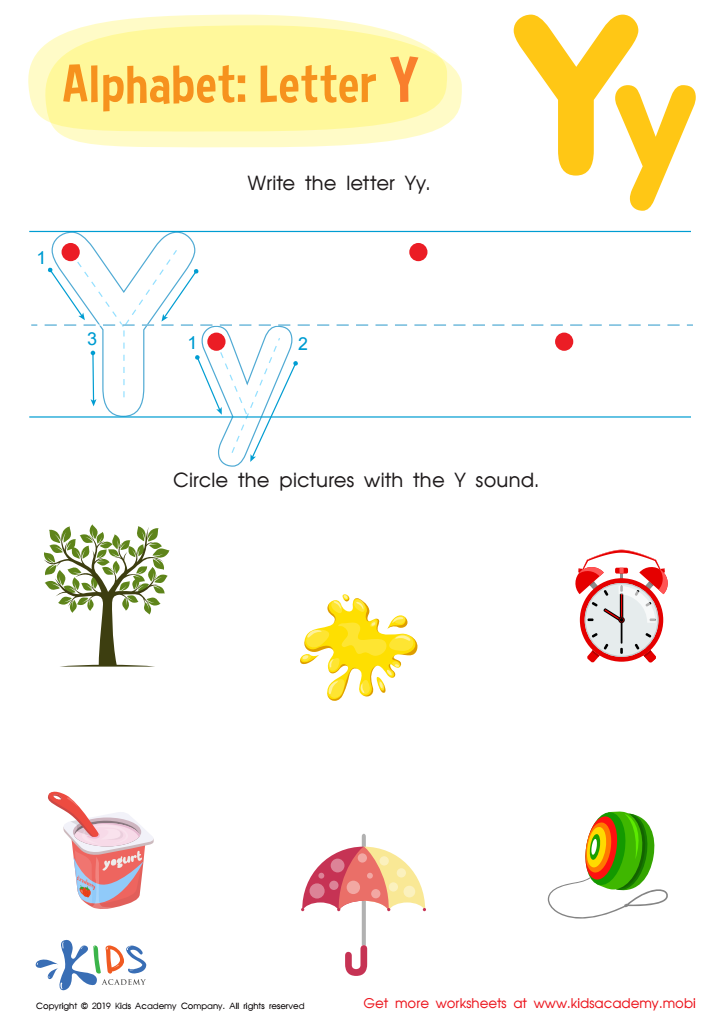
Letter Y Tracing Worksheet
Does your child need help with learning the final letters of the alphabet? This PDF worksheet is perfect then! Kids can practice tracing the letter «Y» and circle pictures that start with the same sound. Options include «yellow» and «yogurt». It's a great way of honing their letter-learning skills.
Letter Y Tracing Worksheet
Worksheet
Join Kids Academy for Free
Who is primarily going to use this learning content?






Alphabet sequencing in Grade 2 is crucial for several reasons, especially for parents and teachers who are foundational in nurturing young learners. Firstly, understanding alphabet order is fundamental to developing essential literacy skills, including reading and writing. When kids know the sequence of the alphabet, they better learn to alphabetize words, which helps them use dictionaries, encyclopedias, or online search tools more effectively.
Secondly, alphabet sequencing strengthens cognitive abilities, like memory and organizational strategies. By recognizing patterns and sequences, children enhance their ability to sort, categorize, and manage information in their minds, laying solid groundwork for more advanced learning tasks.
Thirdly, it fosters a sense of accomplishment and boosts confidence. Successfully completing sequencing tasks encourages children and motivates them to tackle more challenging educational activities. Hands-on sequencing exercises can also build fine motor skills and attention to detail.
Moreover, alphabet sequencing supports the development of better handwriting, spelling, and phonics skills. It is easier for children to understand letter sounds and word formulation when they are confident about alphabetical order. Activities around this can make learning fun, interactive, and engaging, hence increasing the child's interest and participation in the learning process.
For these reasons, incorporating alphabet sequencing into early education is a fundamental step in building robust early literacy skills and cognitive development in Grade 2 students.