Color Identification Grade 2 Worksheets
37 filtered results
-
From - To
Our Color Identification Grade 2 Worksheets are designed to bolster your child's ability to recognize and differentiate between various colors while boosting their overall learning skills. Perfect for second-graders, these vibrant, engaging printables not only make learning fun but also enhance visual perception, critical thinking, and memory. Packed with a variety of activities ranging from coloring exercises to matching games, they offer a comprehensive approach to mastering color identification. Ideal for classroom and at-home learning, these worksheets are aligned with educational standards, ensuring your child gains essential skills crucial for their academic growth. Give your young learner a colorful start today!
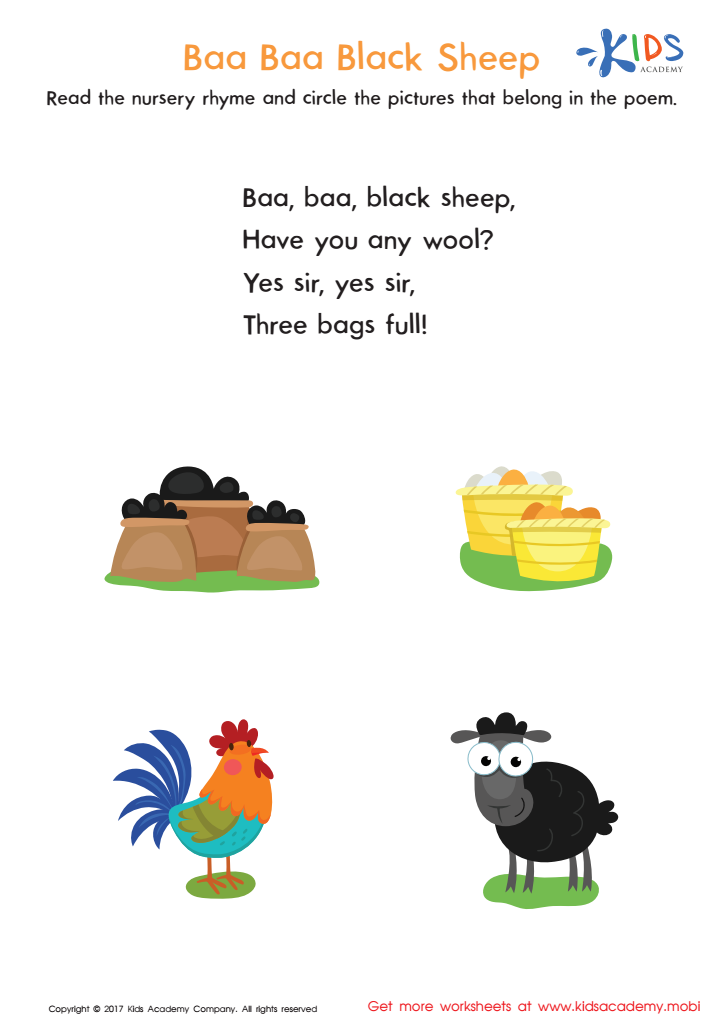
Baa Baa Black Sheep Printable
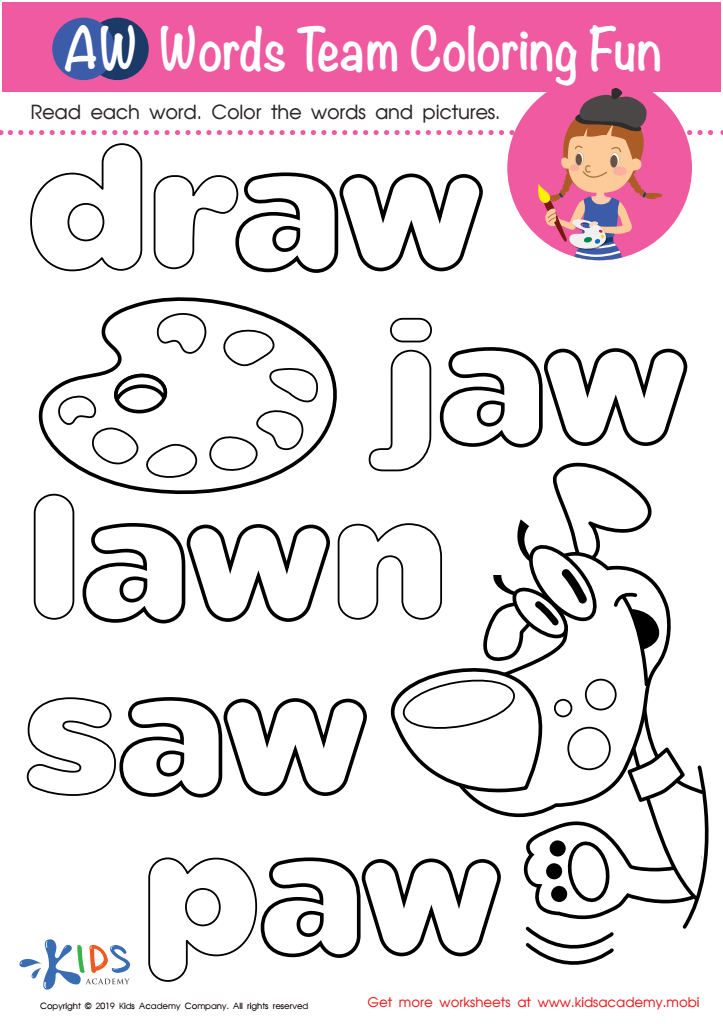
AW Words Team Coloring Fun Worksheet
 Assign to My Students
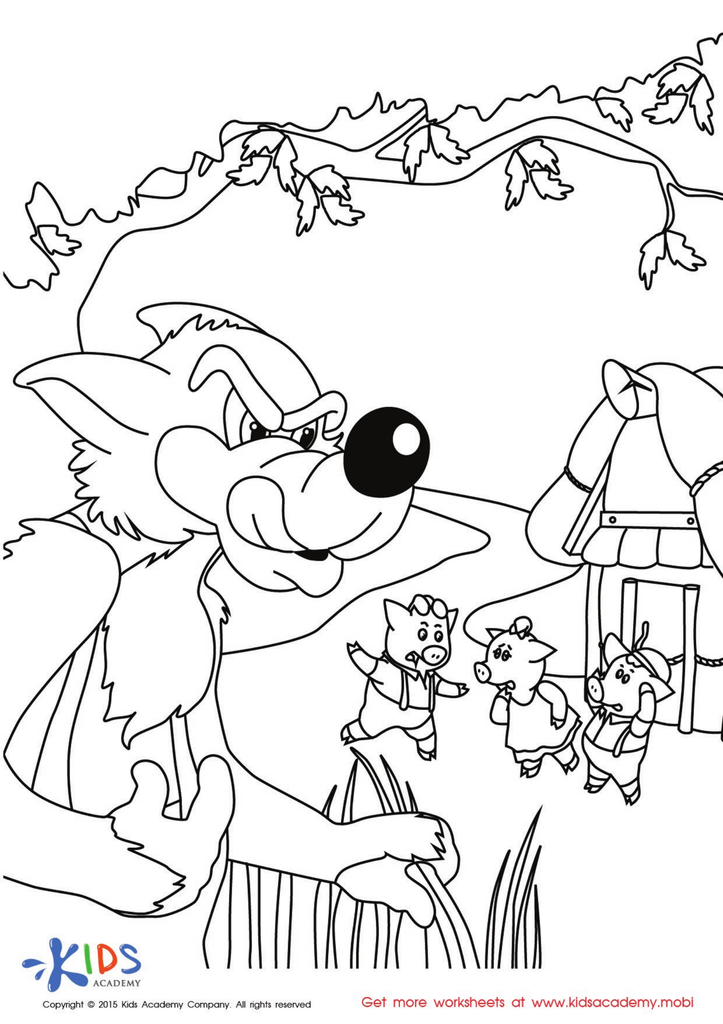
The Story of the Three Little Pigs Coloring Worksheet
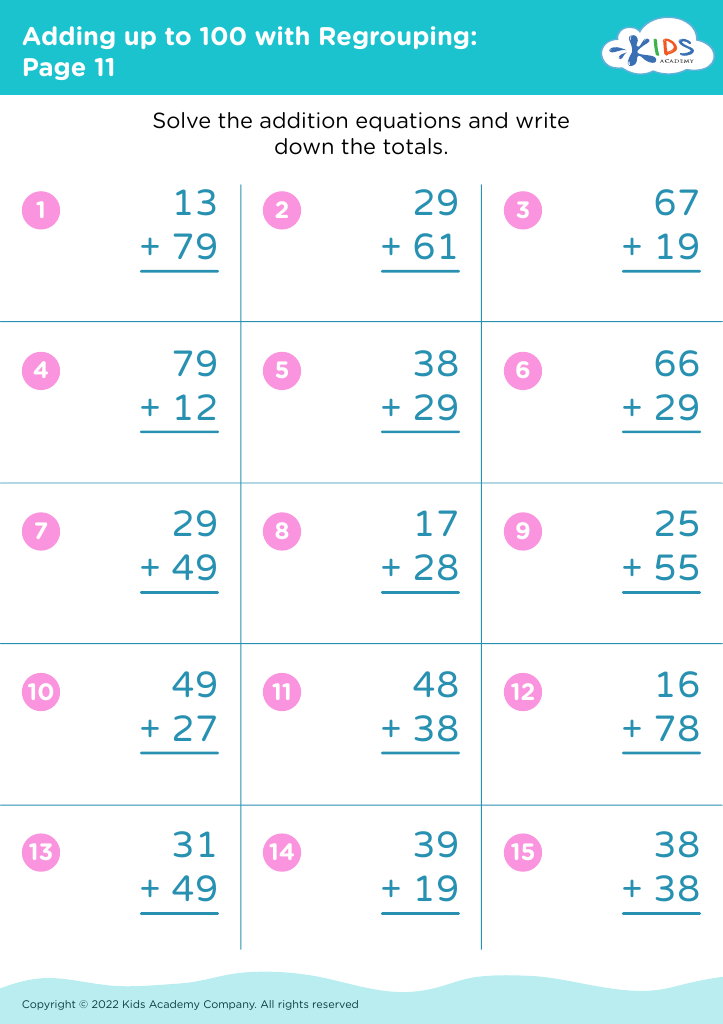
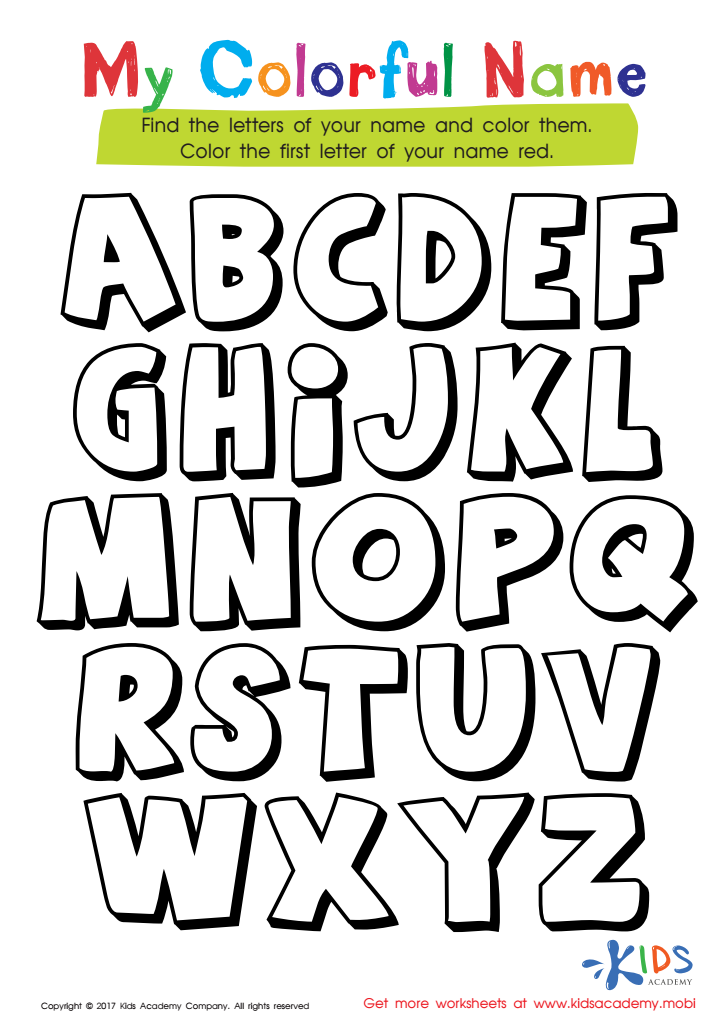
My Colorful Name Worksheet
Assign to My Students
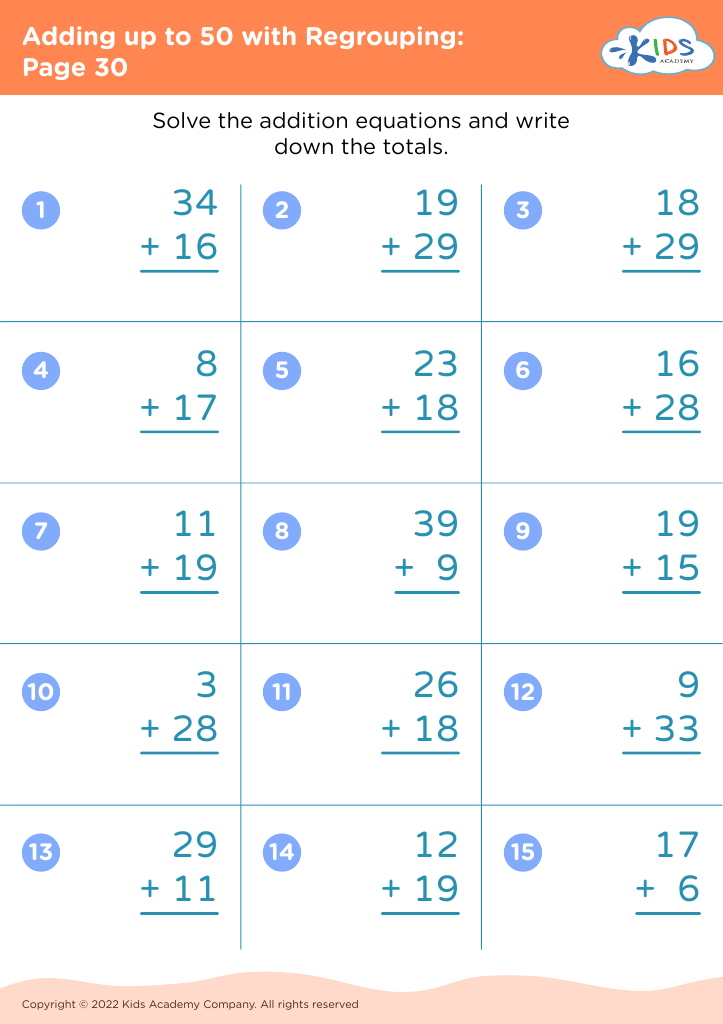
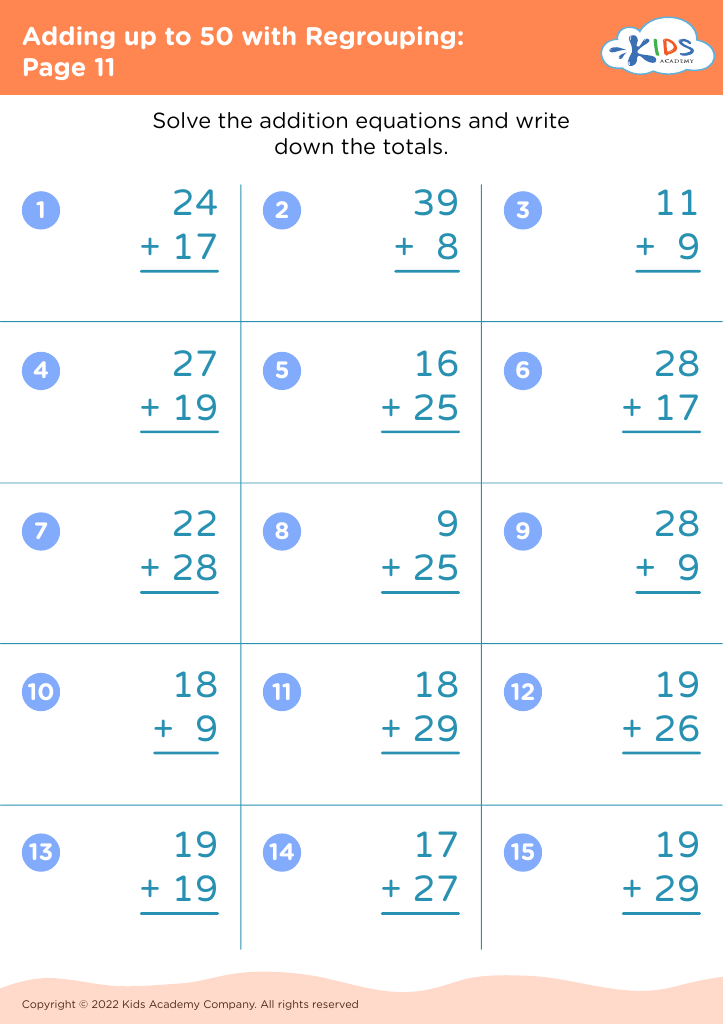
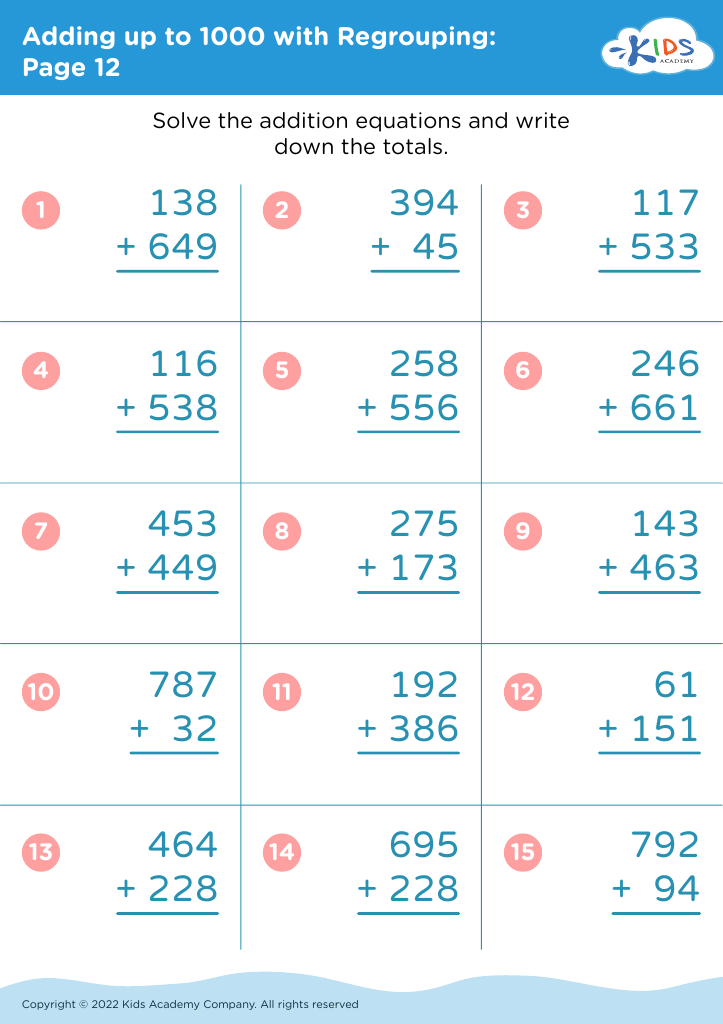
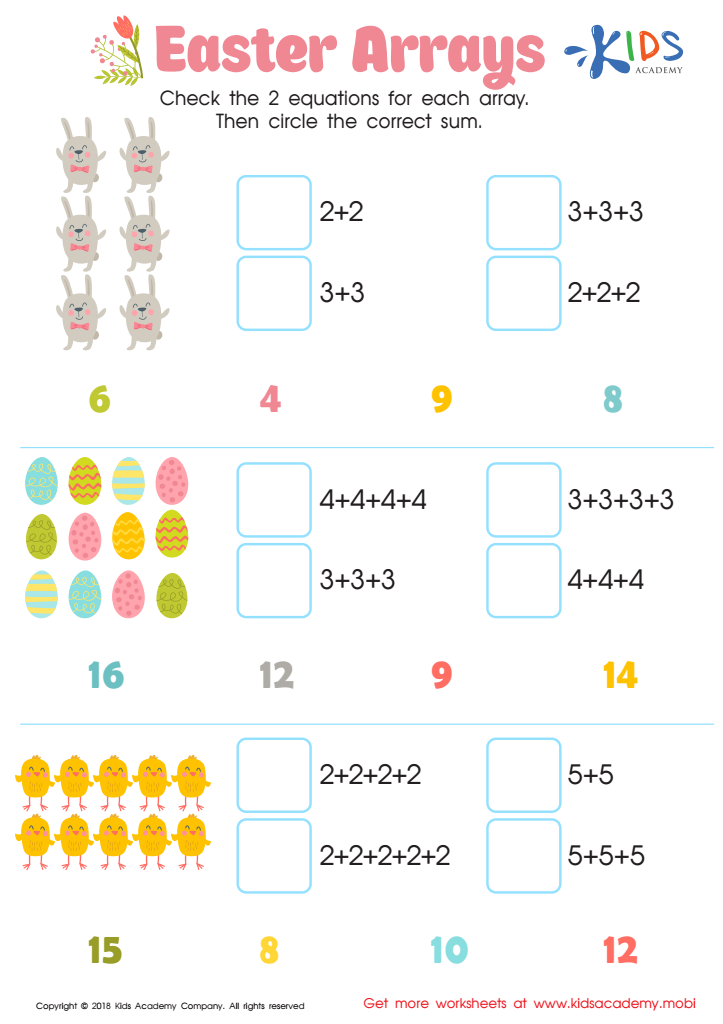
Easter Arrays Worksheet
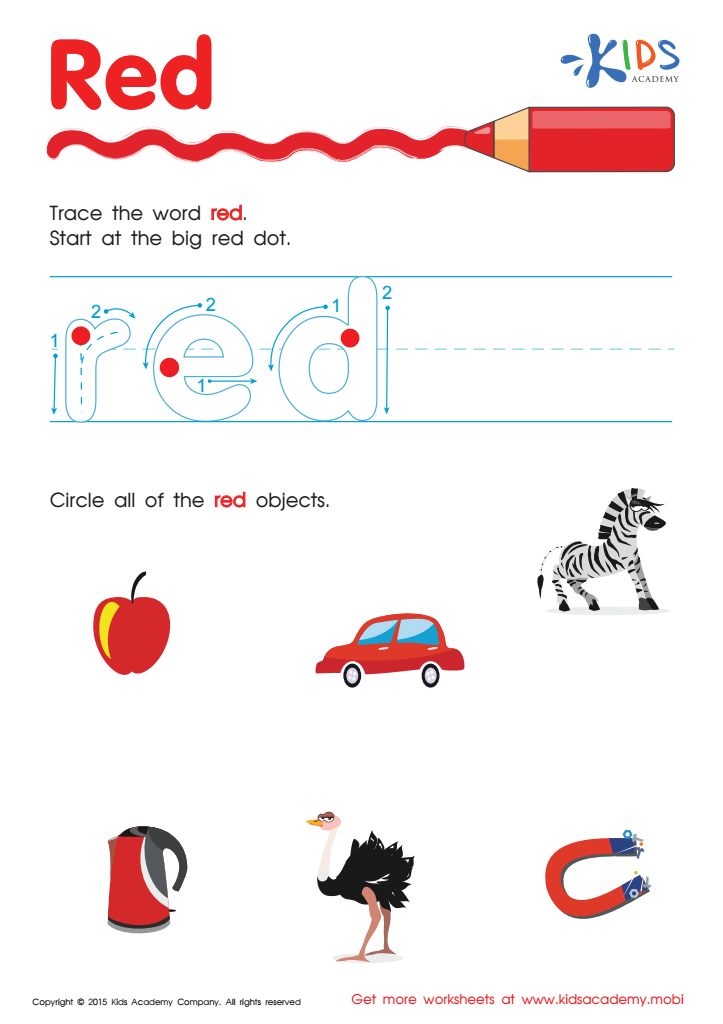
Red Tracing Color Words Printable
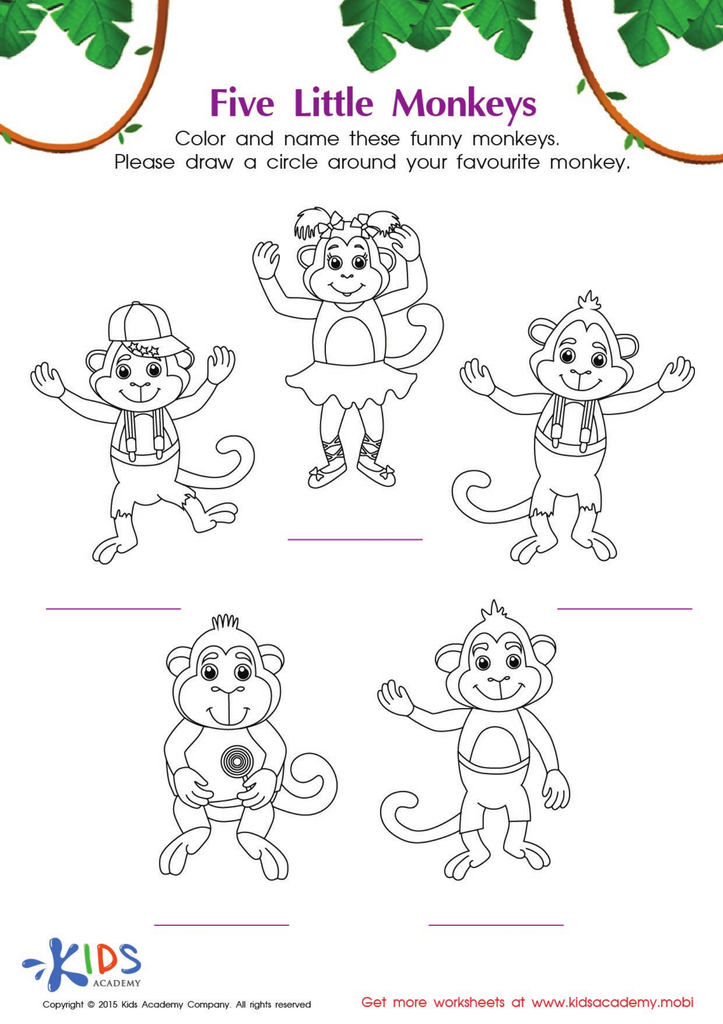
The Five Little Monkeys Coloring Worksheet
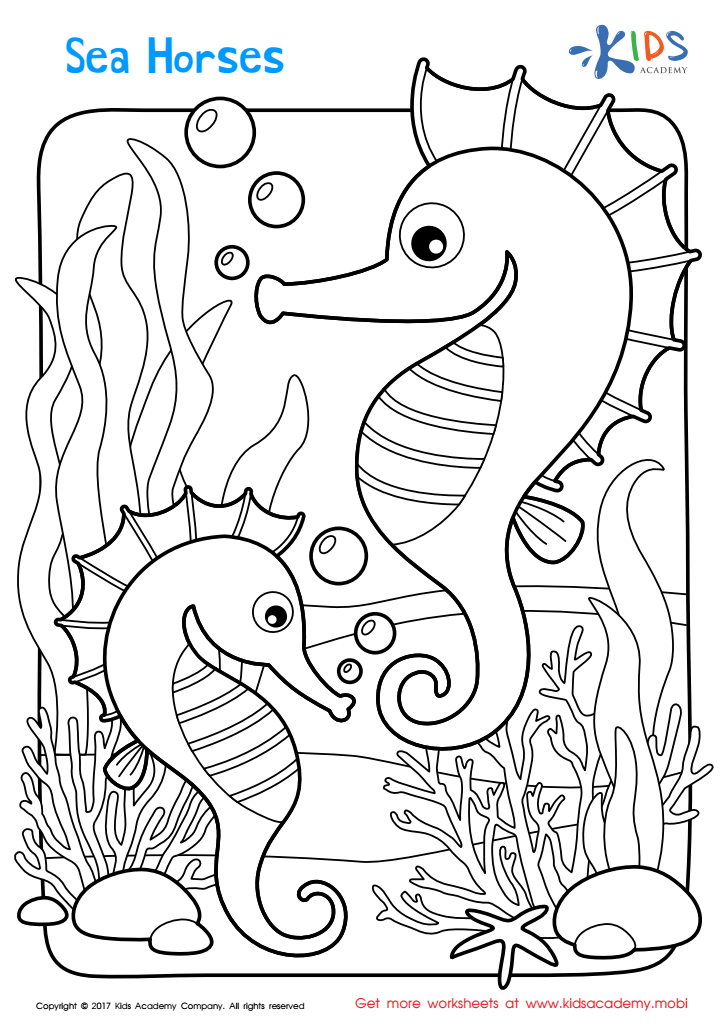
Sea Horses Printable
Assign to My Students
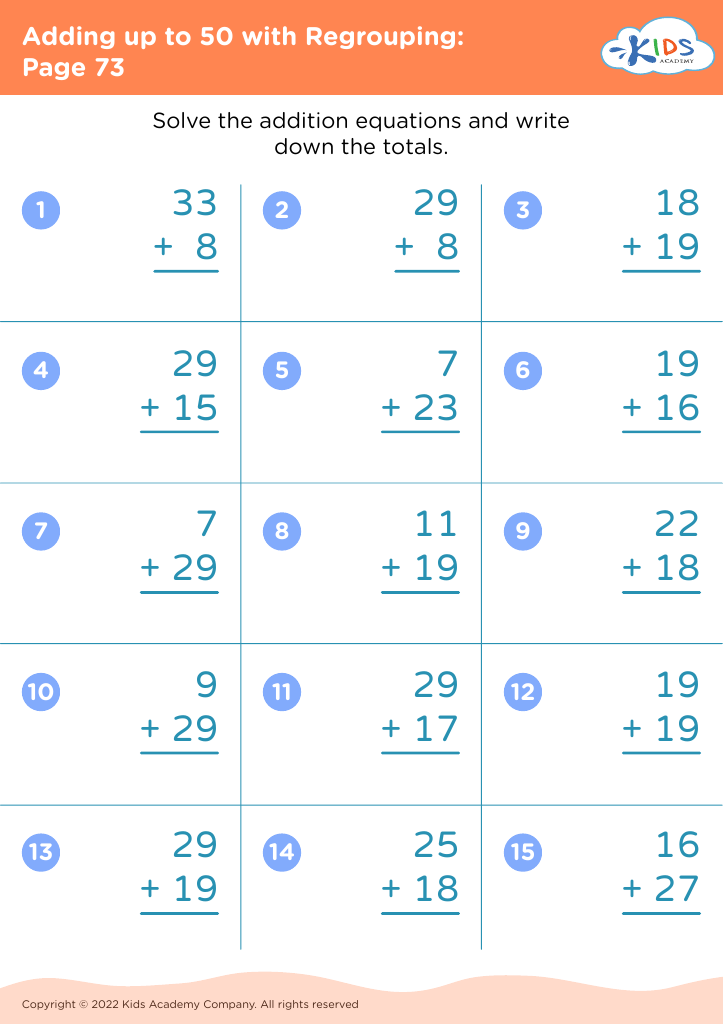
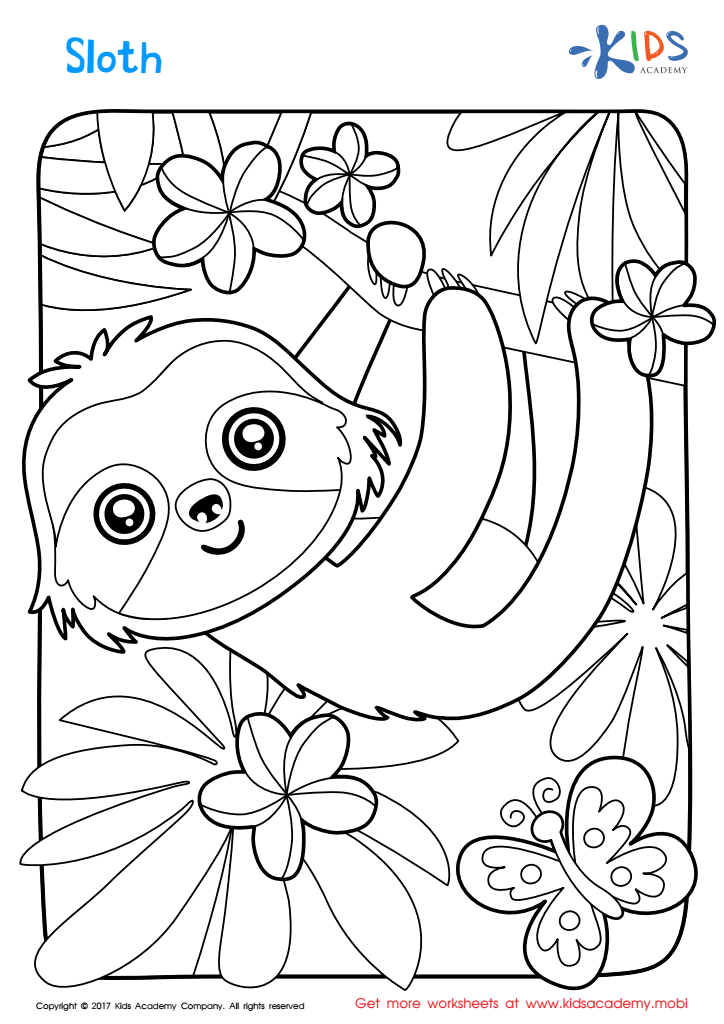
Sloth Worksheet
Assign to My Students
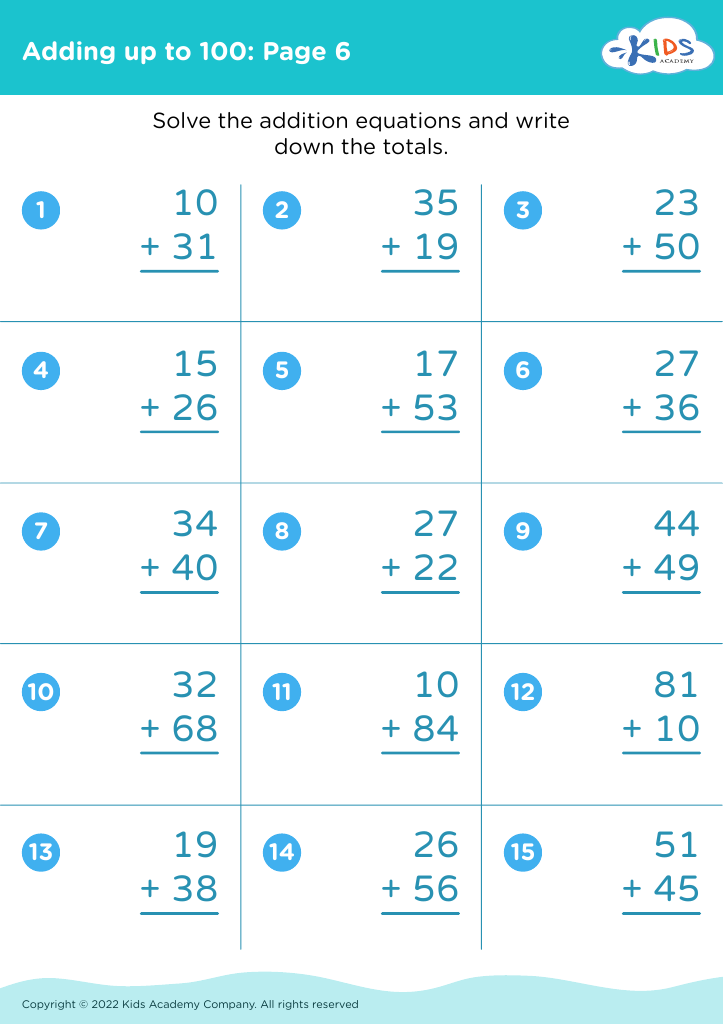
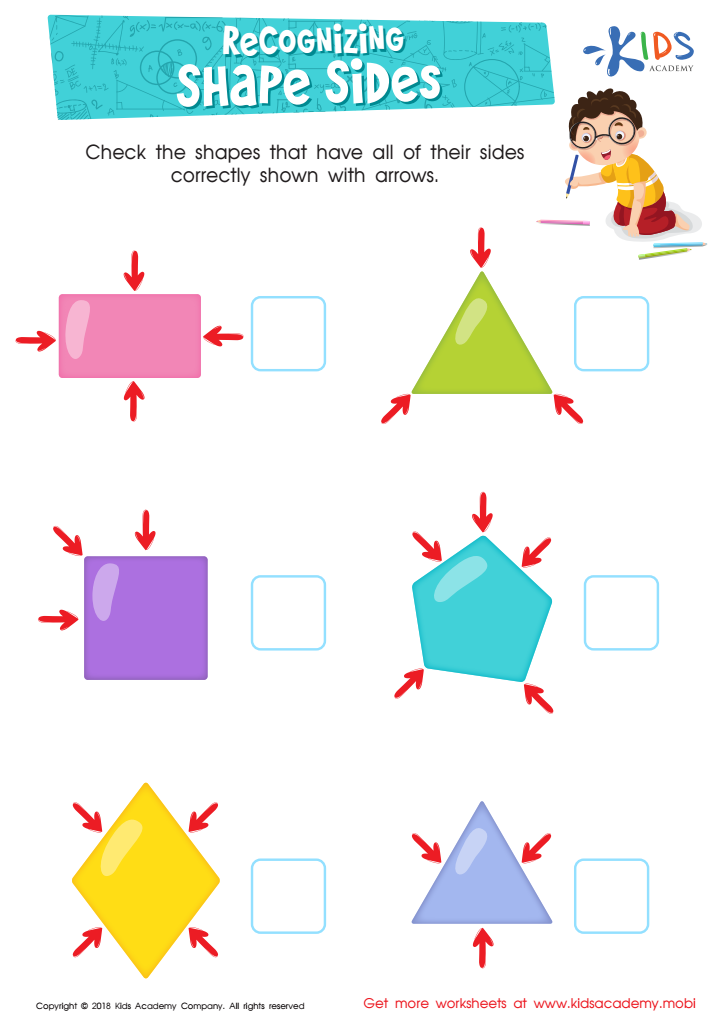
Recognizing Shape Sides Worksheet


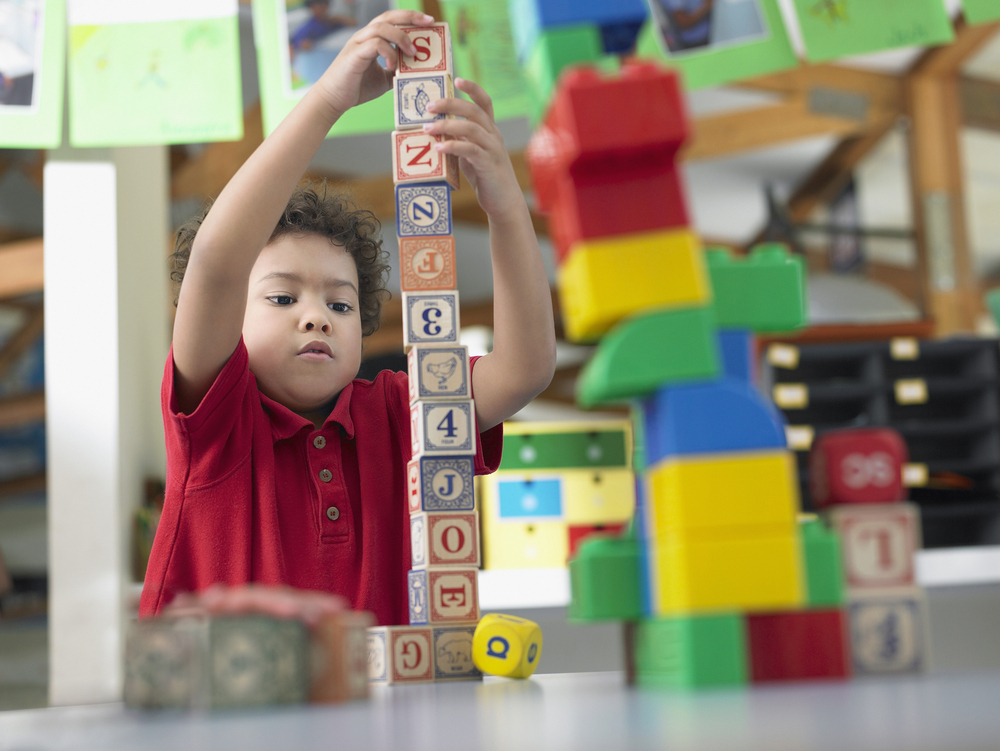


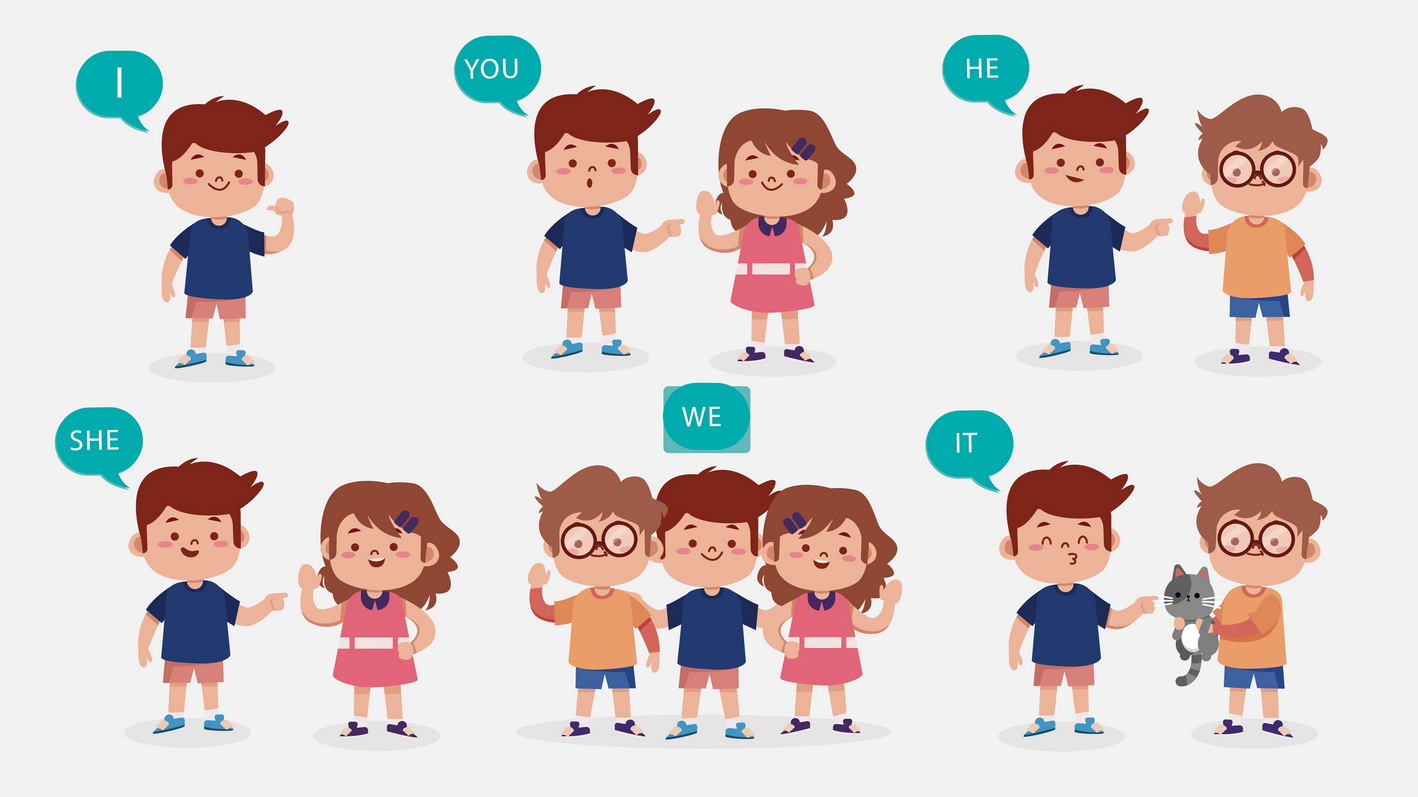


Color identification is a fundamental skill for young children, underpinning numerous aspects of their cognitive and emotional development. For second graders, the ability to identify and distinguish colors should be well-established but still actively supported, for several compelling reasons.
First, solid color recognition skills facilitate advanced learning in other subjects. In art, for example, understanding color nuances can enhance creativity and expression. In science, recognizing colors is crucial for interpreting diagrams or conducting experiments. Additionally, many educational materials and activities are color-coded, aiding in organization and comprehension.
Beyond academics, color identification is integral to daily life. It helps children follow instructions, such as on traffic signals or in gameplay. Color recognition is also vital for safety, such as understanding color codes for warnings (e.g., red for danger).
Emotionally, colors can influence mood and behaviors. Being able to recognize and discuss colors can help children articulate their feelings or preferences, fostering better communication and social interaction.
Teachers and parents should emphasize color identification to support overall development. Providing activities like color-matching games, art projects, and everyday conversations about colors can reinforce this important skill, ensuring that children's educational and social experiences are rich and accessible.