Number Sequencing Grade 2 Worksheets
12 filtered results
-
From - To
Welcome to our Number Sequencing Grade 2 Worksheets page, where learning meets fun! Our carefully crafted worksheets are designed to help second graders grasp the essential skill of number sequencing through engaging activities. With a variety of exercises, students will learn to recognize and create patterns, work with number order, and enhance their mathematical reasoning. These printable resources are perfect for classroom use or at-home practice, allowing your child to build confidence in their numbering skills. Easy to understand and enjoyable, our worksheets support educators and parents in fostering a love for math in young learners. Start exploring today!
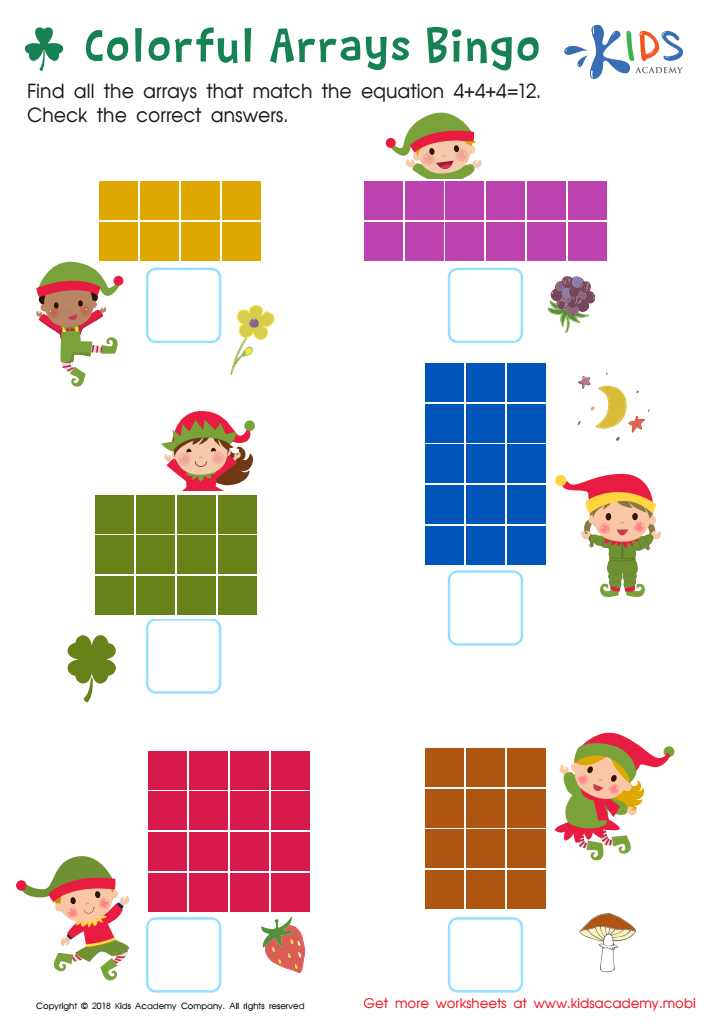
Colorful Arrays Bingo Worksheet
 Assign to My Students
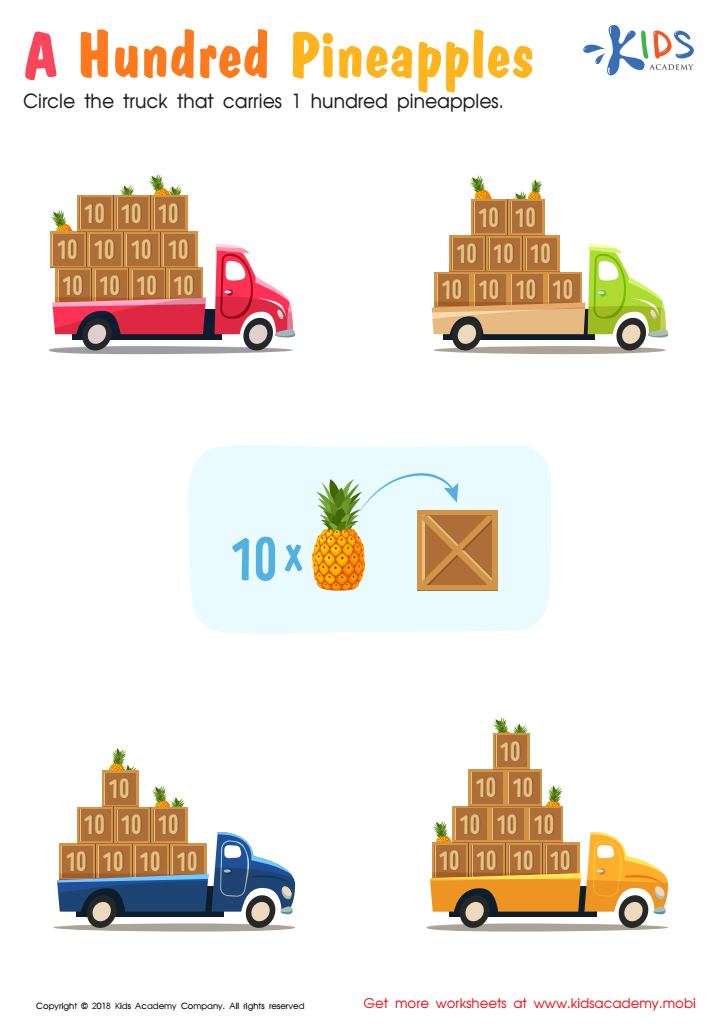
A Hundred Pineapples Worksheet
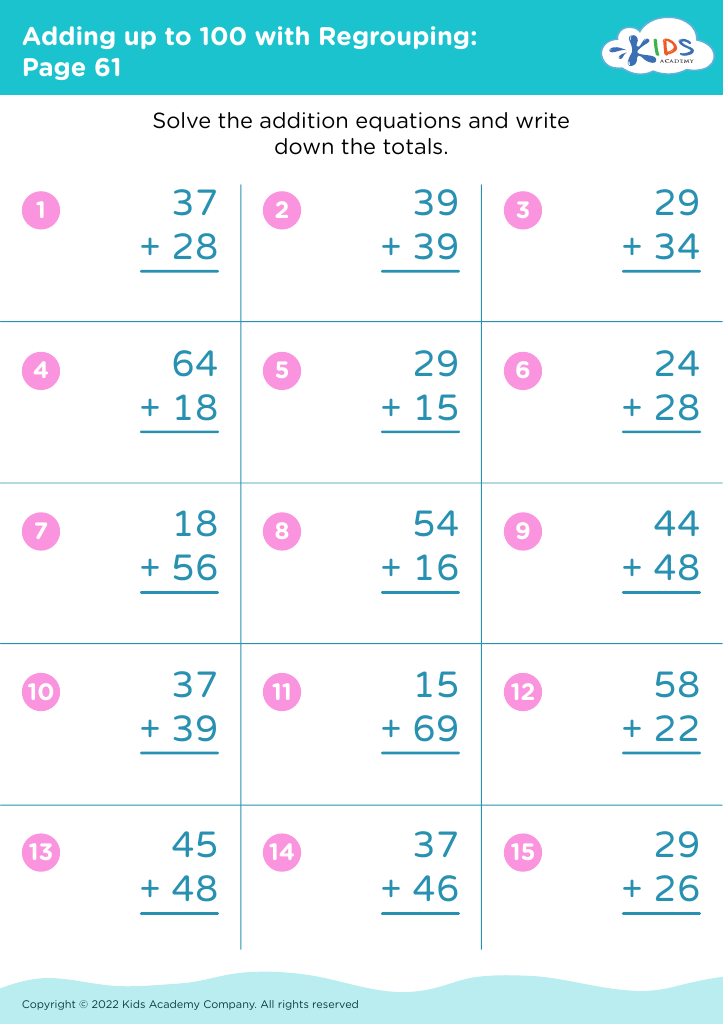
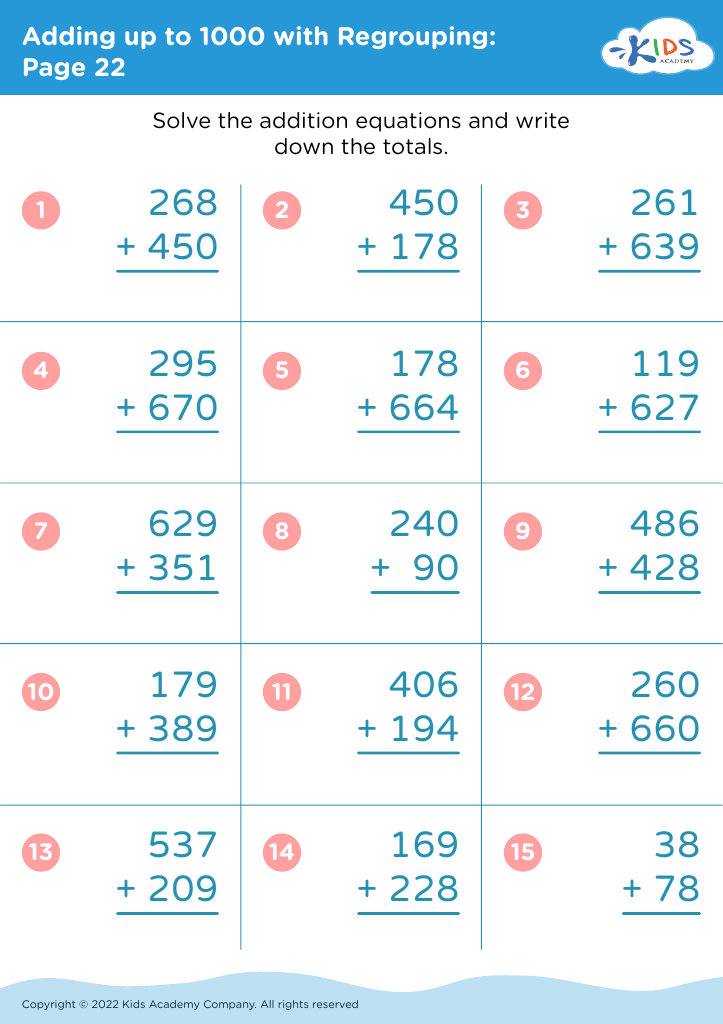
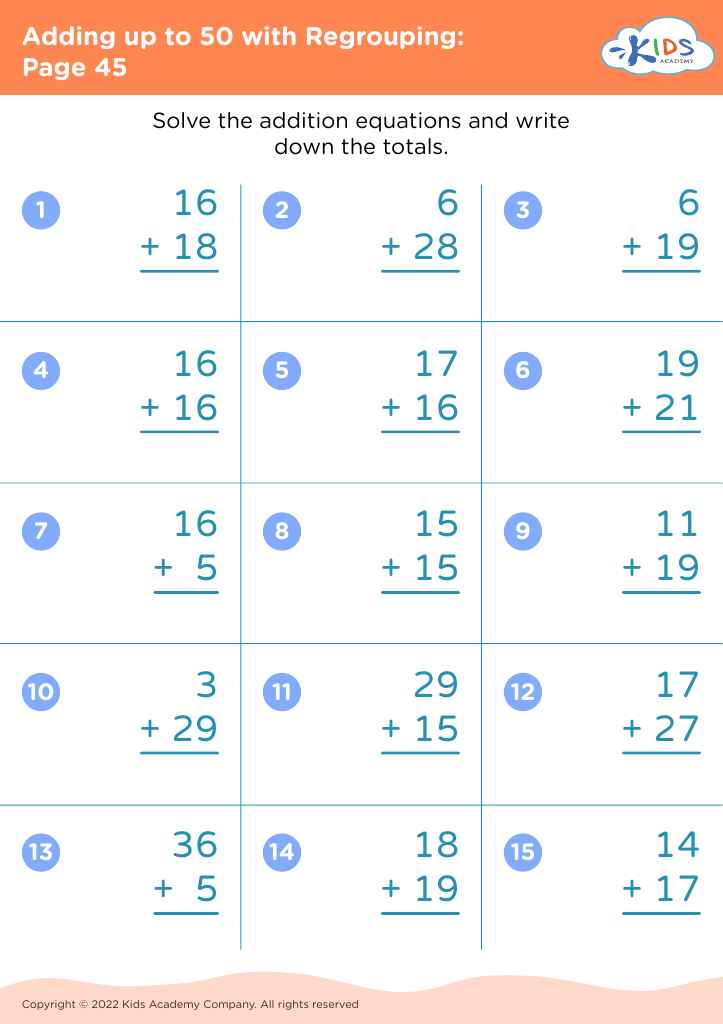
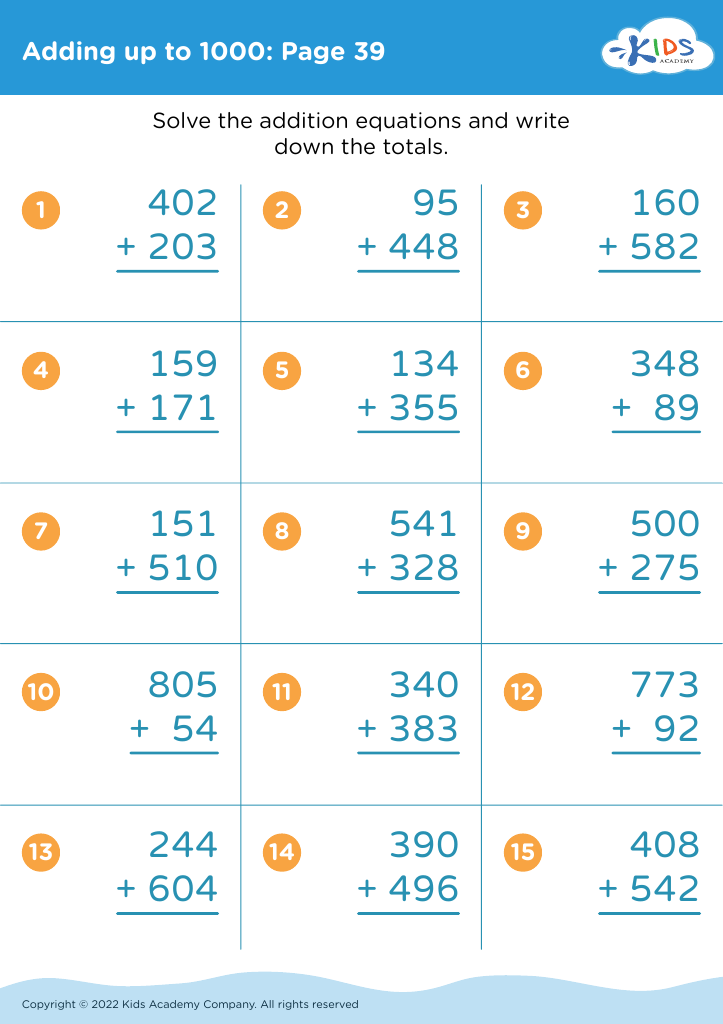
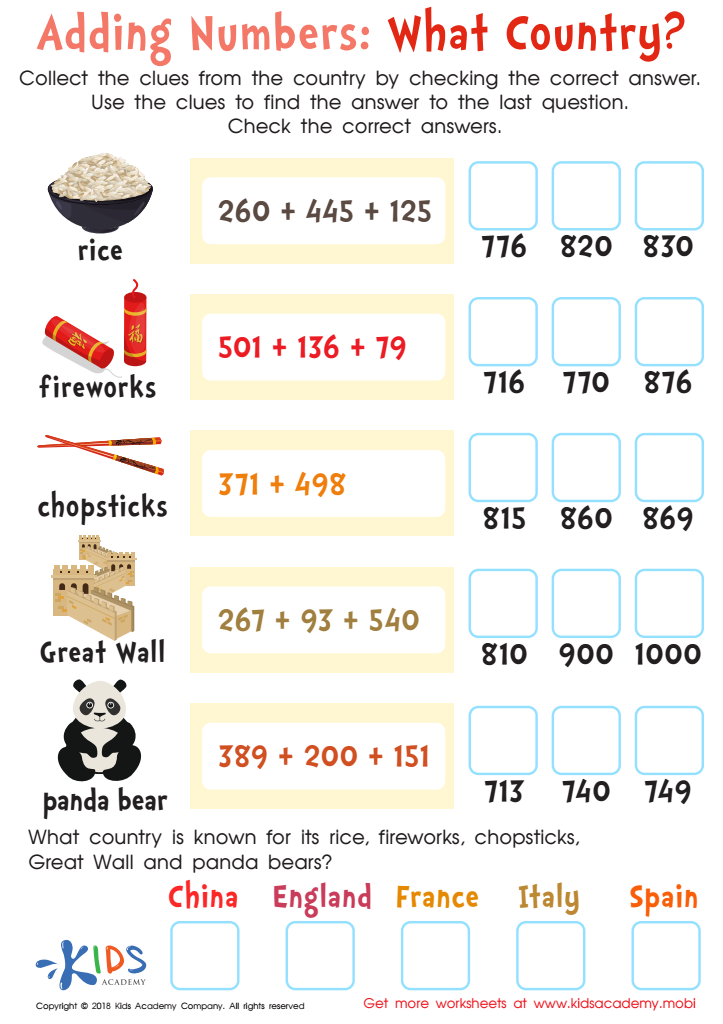
Adding Numbers: What Country Worksheet
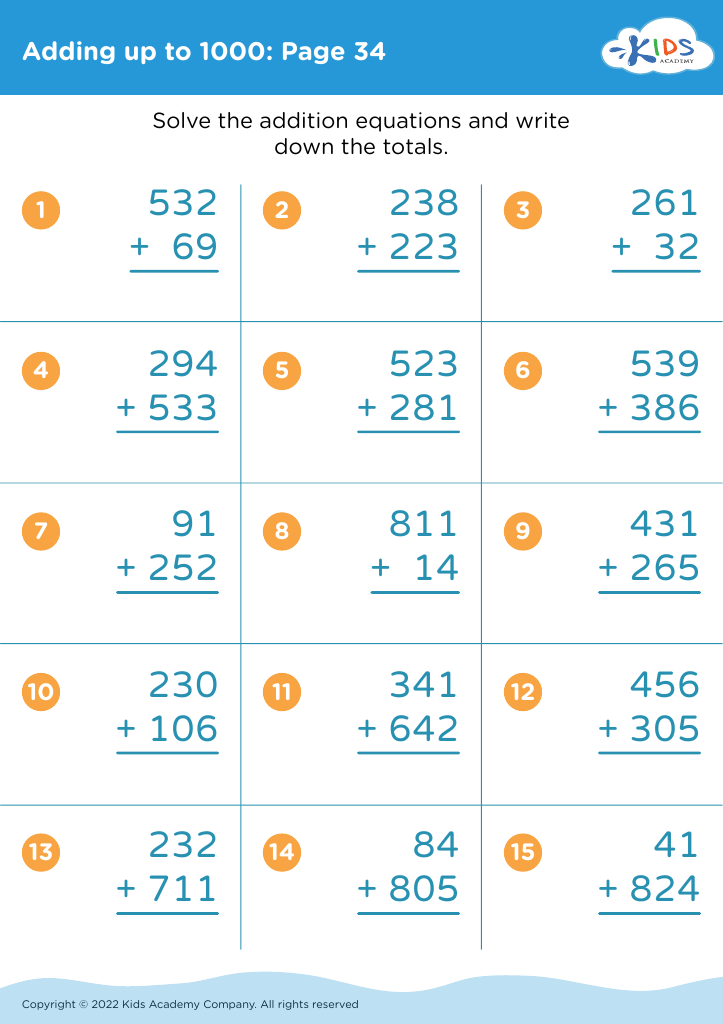
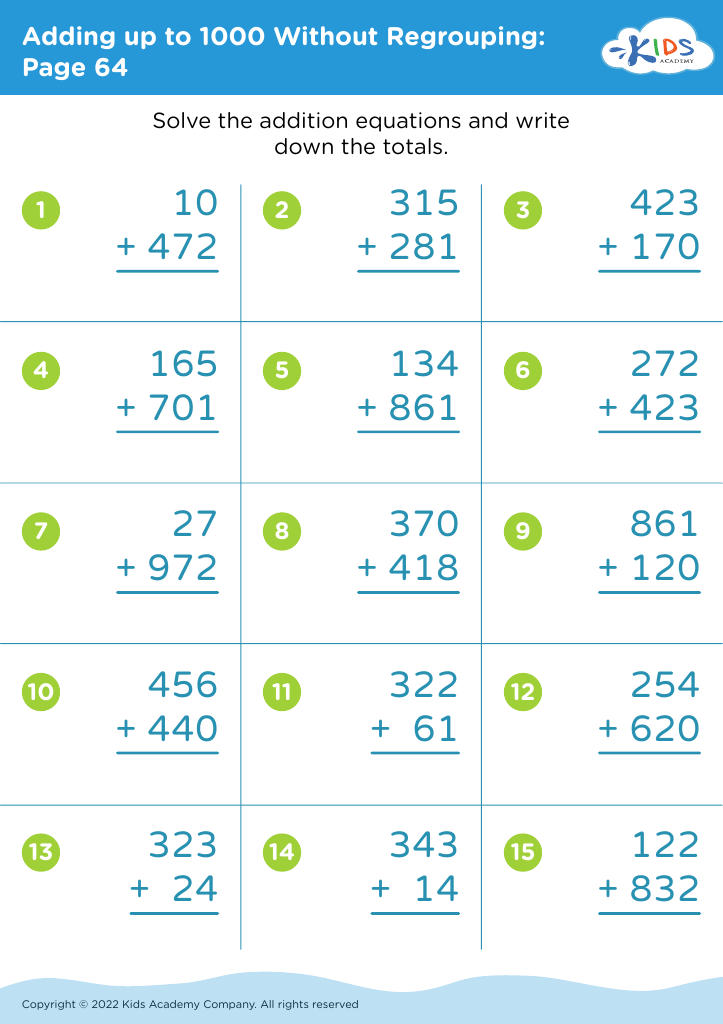
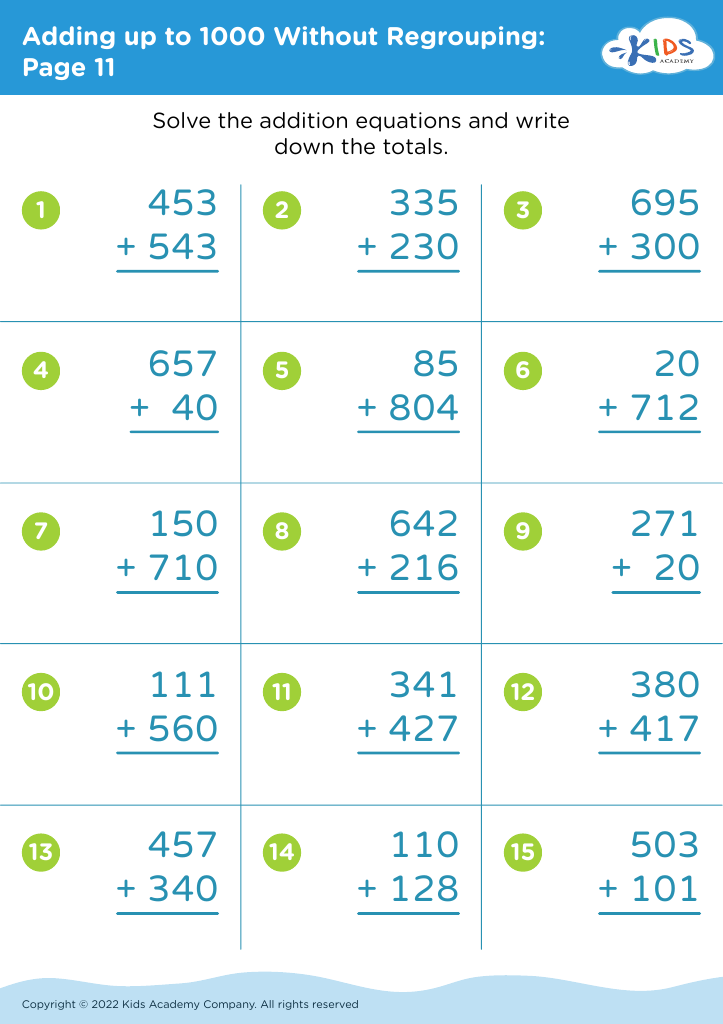








Number sequencing is a foundational skill in Grade 2 mathematics that plays a crucial role in a child's overall numerical understanding. It involves arranging numbers in a specific order, such as counting, skip counting, or recognizing patterns. This skill not only aids in arithmetic but also develops critical thinking and problem-solving abilities.
For teachers, fostering number sequencing helps identify students' grasp of fundamental concepts necessary for advanced math. It aids in tailoring lessons to individual learning needs, ensuring that every child builds a strong mathematical foundation. Effective teaching of number sequencing promotes numerical fluency, empowering students to tackle more complex operations confidently.
For parents, understanding the significance of number sequencing enables them to engage their children in supportive learning activities at home. Simple exercises like counting objects, playing number games, or practicing skip counting make math fun and reinforce classroom learning. Additionally, a solid grasp of sequencing bolsters children's self-esteem and enhances their overall confidence in math—a subject often feared by students.
Ultimately, by emphasizing number sequencing, both parents and teachers create an environment where students can thrive mathematically, paving the way for future academic success and a lifelong appreciation of math.