Number Writing Practice Grade 2 Worksheets
8 filtered results
-
From - To
Enhance your child's number writing skills with our engaging and educational "Number Writing Practice Grade 2 Worksheets." These printable worksheets are designed specifically for second graders, helping them improve their number formation, accuracy, and legibility. Each sheet offers diverse exercises that combine fun activities with practical practice, ensuring children stay motivated and enjoy learning. Perfect for classroom use or at-home study, these worksheets provide a solid foundation for math literacy. Boost your child's confidence in writing numbers and watch them excel in every mathematical aspect! Download today from Kids Academy and foster essential numerical skills.
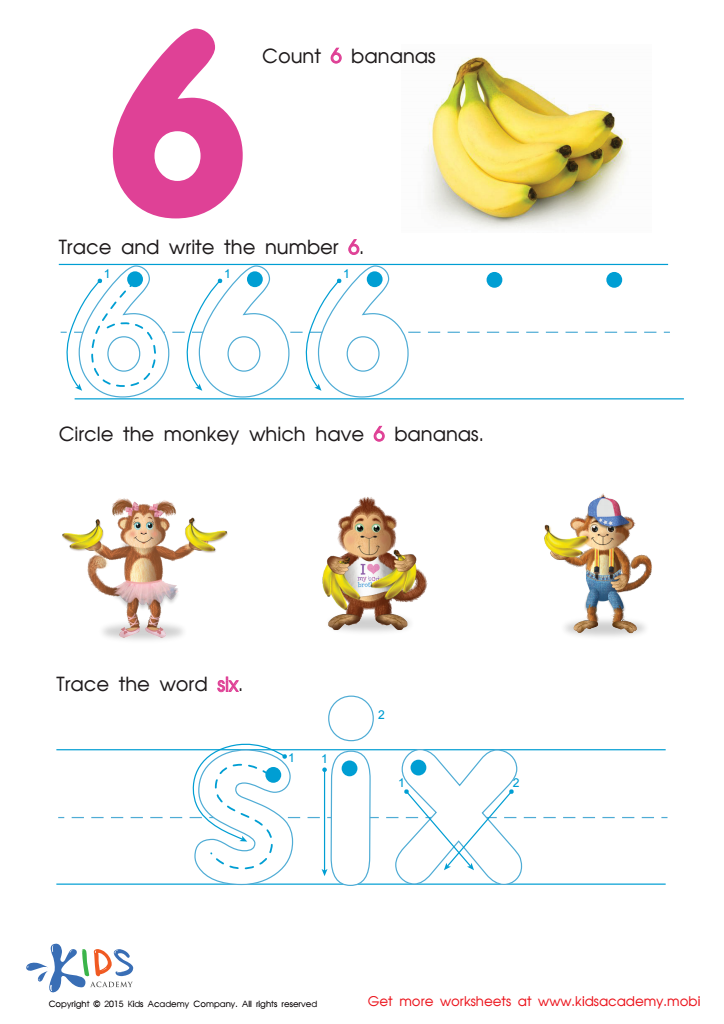
Tracing And Writing Number 6 Worksheet
 Assign to My Students
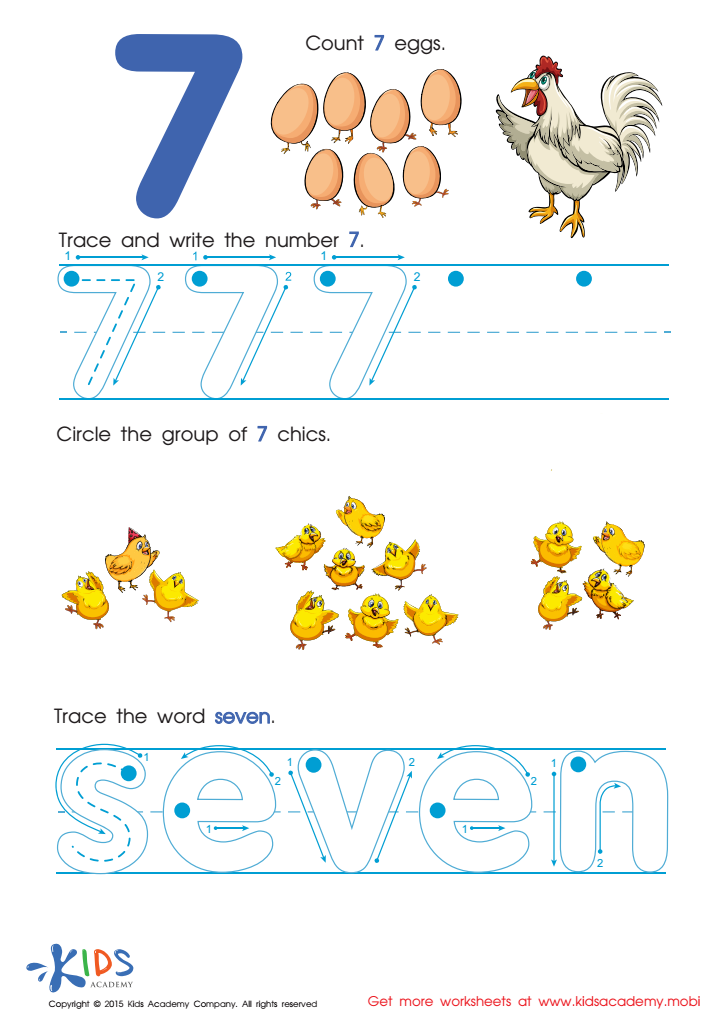
Trace And Write Number 7 with Fun Worksheet
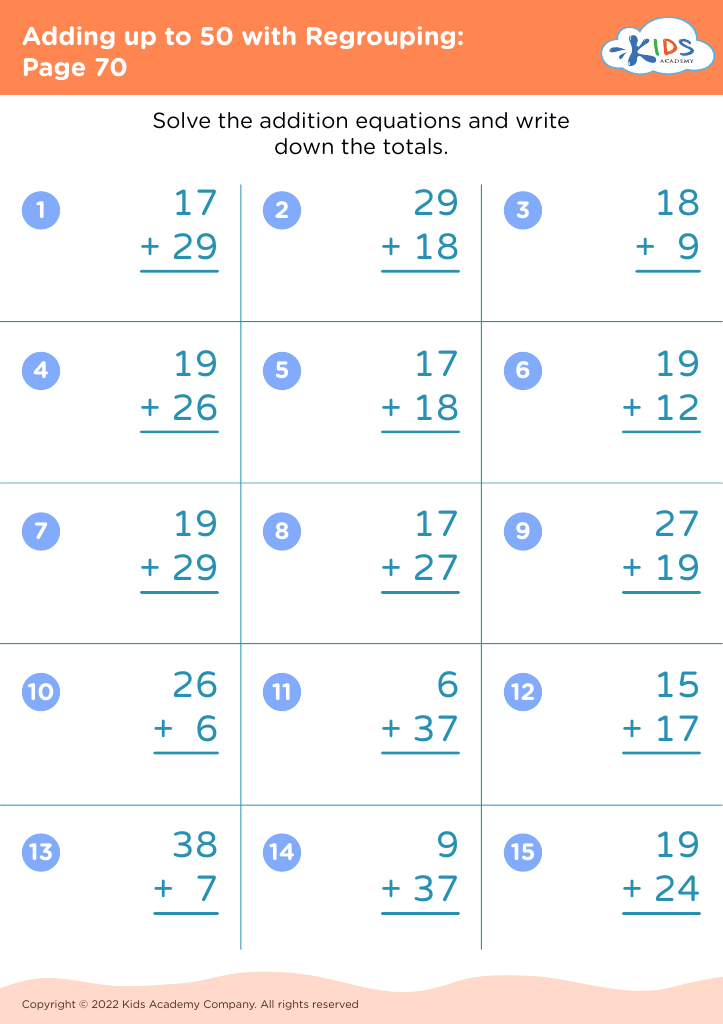
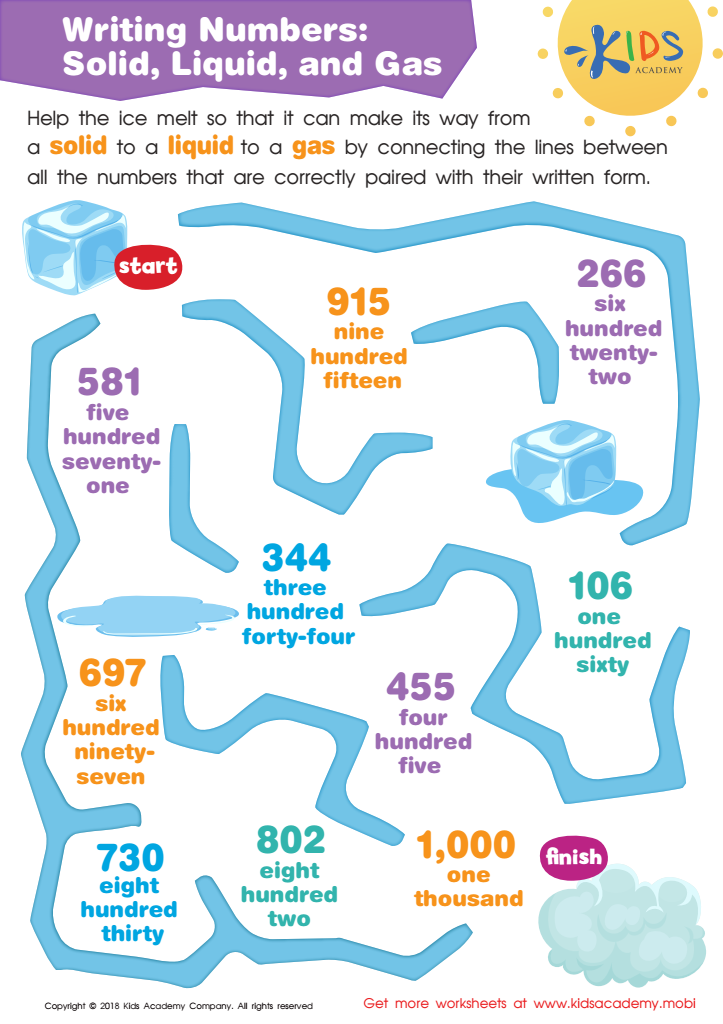
Solid, Liquid, and Gas Writing Numbers Worksheet
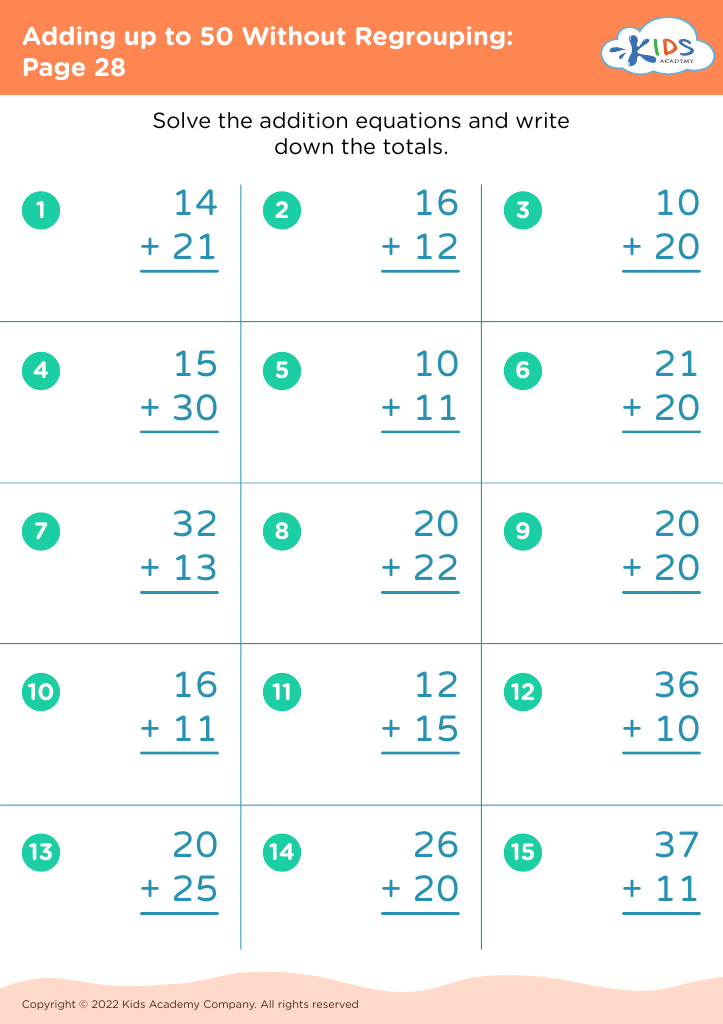
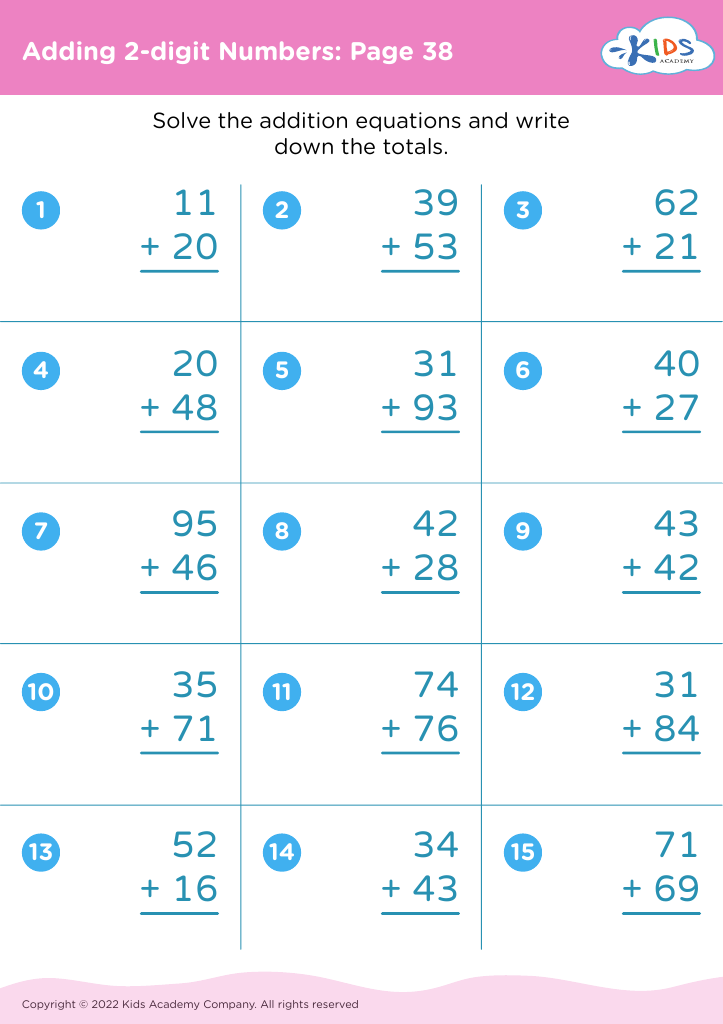








Number writing practice in Grade 2 is essential for a child's mathematical development and overall academic foundation. First, fine motor skills are honed through consistent practice. When children write numbers repetitively, they improve hand-eye coordination and control, which are critical for legible writing in all subjects.
Secondly, writing numbers accurately is foundational to understanding more complex mathematical concepts. Through practice, students learn the correct formation of numbers, paving the way for mastering addition, subtraction, multiplication, and division. Moreover, these practices boost memory retention and improve cognitive engagement. Children recognize patterns, enhance their number sense, and develop the ability to identify mistakes and correct them independently.
Teachers and parents should care about number writing because it fosters a discipline that extends beyond math. It teaches patience, attention to detail, and a growth mindset. Additionally, students who are confident in their numeric writing abilities are more likely to participate in class actively, reducing math anxiety.
Overall, investing time in number writing practice at this stage lays a robust foundation for future academic success, fostering a deeper understanding of mathematics and ecological knowledge systems while promoting comprehensive development in young learners.